

Top 10 Clinical Advances of GLP-1 in 2024: Exploration and Breakthroughs
01
Preface
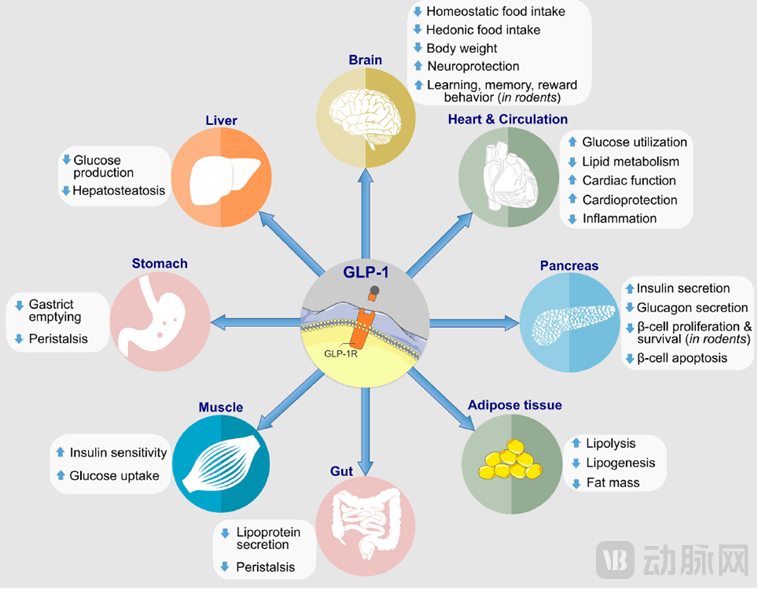
When scientists first discovered GLP-1 (glucagon-like peptide-1) in the 1980s, few could have foreseen that this molecule would revolutionize modern medicine in the years to come. Initially recognized primarily as a regulator of blood glucose, GLP-1 has since demonstrated therapeutic potential across a broad spectrum of conditions, including diabetes, cardiovascular disease, Alzheimer’s disease and depression, kidney and liver diseases, and arthritis, driving comprehensive medical breakthroughs. In recent years, GLP-1 has undoubtedly become the most closely watched pharmaceutical molecule worldwide.
Dr. Zang Xiaoyu has dedicated many years to the fields of peptide drugs and peptide technology, founding biotechnology companies in both Silicon Valley and Suzhou that are based on peptide drug delivery technologies. He possesses deep insights into innovative advancements in these sectors in both China and the United States. In 2024, GLP-1-related medications emerged as one of the most noteworthy new drug trends, capturing the attention of the industry and humanity at large. In this article, Dr. Zang Xiaoyu provides a detailed analysis and summary of the progress made in 2024 regarding the indications for GLP-1 therapies.
02
2024: GLP-1 Accelerates In-Depth Development
In 2005, the advent of liraglutide, the first GLP-1 receptor agonist, ushered in a therapeutic revolution spanning multiple disease areas.
In 2024, this medical revolution accelerated in depth. From new breakthroughs in neurodegenerative diseases to cardiovascular diseases, and from innovative explorations in liver disease to addiction treatment, GLP-1 drugs have demonstrated unprecedented therapeutic potential.
In 2024, three GLP-1 research pioneers—Joel Habener, Lotte Bjerre Knudsen, and Svetlana Mojsov—were awarded the Lasker~DeBakey Clinical Medical Research Award for their development of GLP-1-based drugs and their application in the treatment of obesity. In June 2024, the American Diabetes Association highlighted the results of several clinical trials, including SELECT, FLOW, STEP-HFpEF, and STEP-HFpEF-DM, further expanding the potential applications of GLP-1 receptor agonists.
Below, I will focus on the ten most groundbreaking potential new indications for GLP-1 drugs in 2024, analyzing these milestone advancements that are reshaping the medical landscape.
Top 10 Indications Catalog:
○ Diabetes
○ Adolescent Weight Management
○ Neurodegenerative Diseases - Alzheimer's Disease
○ Mental Illness and Mental Health - Depression
○ Obstructive Sleep Apnea
○ Cardiovascular Diseases
○ Chronic Kidney Disease
○ Polycystic Ovary Syndrome
○ Knee Osteoarthritis
○ Liver Disease - Metabolic Dysfunction-Associated Steatohepatitis (MASH)
1. Diabetes
In 2024, GLP-1 drugs made significant strides in the fields of diabetes and weight management, demonstrating remarkable market performance. According to forecasts by Evaluate Pharma, global sales of GLP-1 drugs are projected to reach $109 billion by 2030, triple the figure for 2023. Throughout the year, several key GLP-1 medications received regulatory approvals or reported positive clinical trial results.Novo Nordisk’s injectable semaglutide (Wegovy) was approved in China in June for long-term weight management. In January 2024, the oral formulation of semaglutide also gained approval in China, offering patients more treatment options, particularly those averse to injections. Clinical trials have demonstrated that semaglutide provides superior long-term glycemic control compared to traditional oral antidiabetic agents such as metformin and sulfonylureas.Eli Lilly’s tirzepatide (brand name Mounjaro) was approved in China in May for the treatment of type 2 diabetes. Domestic companies are also actively expanding their portfolios; for instance, mazdutide, developed through a collaboration between Innovent Biologics and Eli Lilly, had its New Drug Application (NDA) accepted in February for long-term weight control in adults with obesity or overweight.In clinical research, the novel weekly GLP-1 receptor agonist (RA) formulation, vepeglytide, demonstrated favorable safety and efficacy profiles in Phase III clinical trials, providing a new therapeutic option for patients with type 2 diabetes. GLP-1 drugs have also shown promise in treating non-alcoholic fatty liver disease (NAFLD) and metabolic dysfunction-associated steatohepatitis (MASH), significantly reducing hepatic fat content and liver fibrosis. Furthermore, GLP-1 RAs have exhibited positive effects in reducing mortality risk among diabetic patients, particularly in the prevention of cardiovascular diseases, cancer, and dementia. The combination of GLP-1 RAs with SGLT2 inhibitors has shown additive benefits in improving metabolic parameters and preventing cardiocerebrovascular diseases, thereby offering patients broader treatment choices.Overall, 2024 witnessed significant advancements for GLP-1 drugs in diabetes management, weight reduction, and the prevention of related complications, bringing new hope to patients and opening up vast market prospects for pharmaceutical companies.
DomesticCorporate Progress:
PegBio’s weipanatide initiated Phase I clinical trials for type 2 diabetes on May 27, 2024.
Heze Pharmaceutical’s HZ012 initiated Phase I clinical trials for overweight/obesity on June 24, 2024.
Chia Tai Tianqing’s liraglutide injection biosimilar was approved for market launch on June 25, 2024.
Boan Biologics’ dulaglutide biosimilar was submitted for marketing approval on May 28, 2024.
Huadong Medicine’s HDM1005 received approval from the U.S. FDA on April 23, 2024, to conduct an Investigational New Drug (IND) study for weight management in individuals with overweight or obesity.
2. Adolescent Weight Management
Semaglutide injection (Wegovy) was approved in China on June 25, 2024, for long-term weight management (weight loss). Liraglutide is undergoing clinical trials for the obesity indication in the Taiwan region of China.
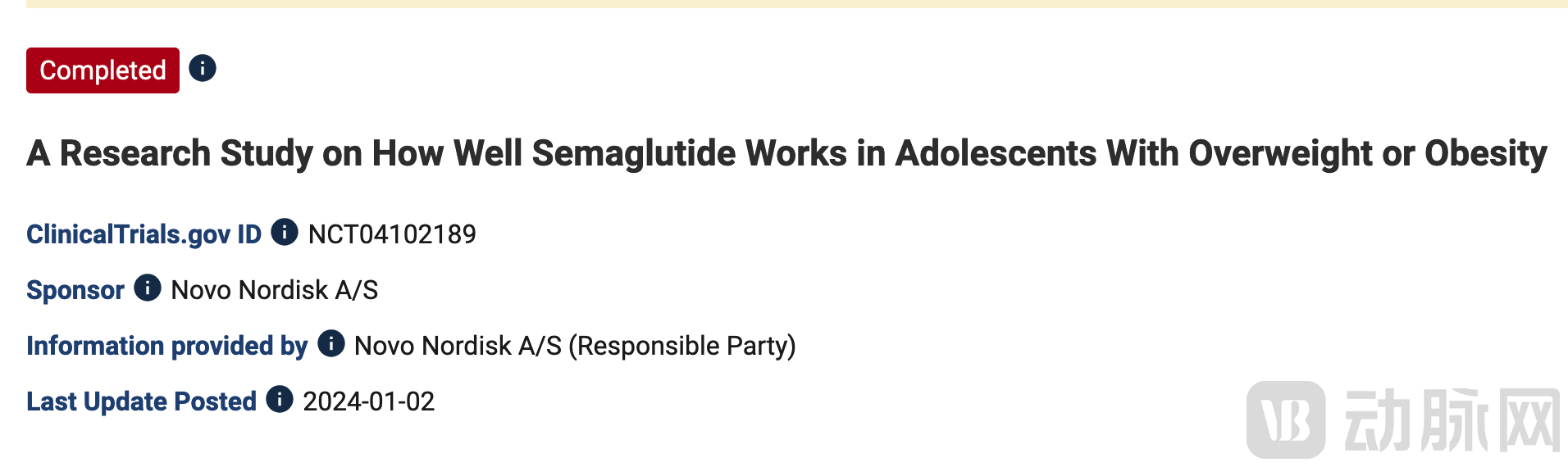
The STEP TEENS trial is a double-blind, parallel-group, randomized, placebo-controlled study in adolescents aged 12 to 18 years. The mean age was 15.4 years, and 63% of participants were female. The study aimed to evaluate the efficacy of semaglutide 2.4 mg in adolescents with obesity or overweight who had at least one weight-related comorbidity.【2】The latest update on this trial was posted in early 2024 at https://clinicaltrials.gov/. According to data from the STEP TEENS trial, semaglutide (Wegovy) at a dose of 2.4 mg also demonstrated weight loss efficacy in the adolescent population. This randomized clinical trial evaluated the efficacy of once-weekly subcutaneous injections of 2.4 mg semaglutide in individuals aged 12 years and older but under 18 years with obesity or overweight. The results showed that patients treated with semaglutide achieved an average weight reduction of 16.1% over 68 weeks, with 73% of participants losing 5% or more of their baseline body weight. Furthermore, additional analyses revealed that 37% of adolescents receiving semaglutide achieved a weight loss of 20% or more, compared to only 3% in the placebo group. Semaglutide treatment also conferred other significant benefits, including weight reduction and improvements in cardiometabolic risk factors, such as waist circumference, glycated hemoglobin (HbA1c), lipid profiles, and alanine aminotransferase (ALT) levels. From a safety perspective, the safety profile of semaglutide in adolescents was comparable to that in adults, with no significant impact on growth and development.
3. Neurodegenerative Diseases - Alzheimer's Disease
Results from a Phase II clinical trial in patients with mild Alzheimer’s disease, presented at the 2024 Alzheimer’s Association International Conference (AAIC), demonstrated that liraglutide, developed by Novo Nordisk, protects the brains of patients with mild Alzheimer’s disease. By slowing the atrophy of brain regions critical for memory, learning, language, and decision-making, liraglutide reduced the decline in cognitive function by up to 18% after one year of treatment. The trial enrolled 204 patients with Alzheimer’s disease from 24 medical institutions across the United Kingdom, all of whom received daily liraglutide injections for one year. Magnetic resonance imaging (MRI) analyses revealed that liraglutide reduced volume loss in certain brain regions by nearly 50%, including the frontal, temporal, and parietal lobes, as well as total gray matter. Cognitive function was assessed using 18 different tests covering memory, comprehension, language, and spatial orientation. Based on the composite score of these 18 tests, the rate of cognitive decline slowed by 18% in parallel with the reduction in brain volume loss, showing a significant difference compared to patients who received placebo.【3】
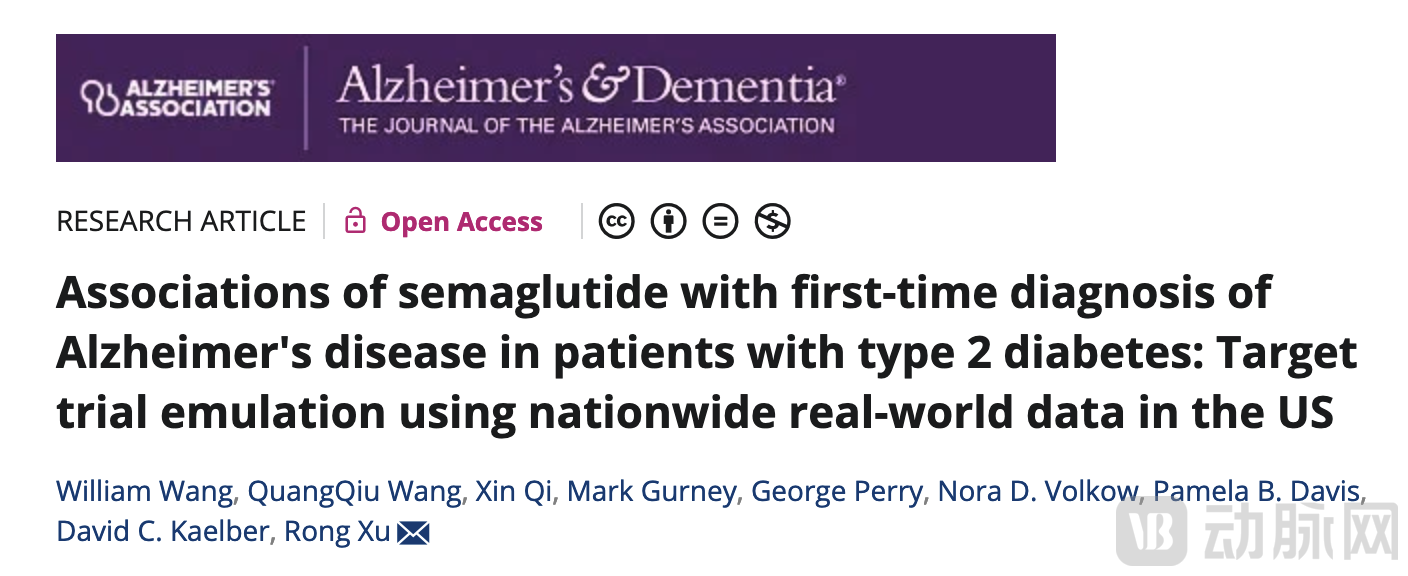
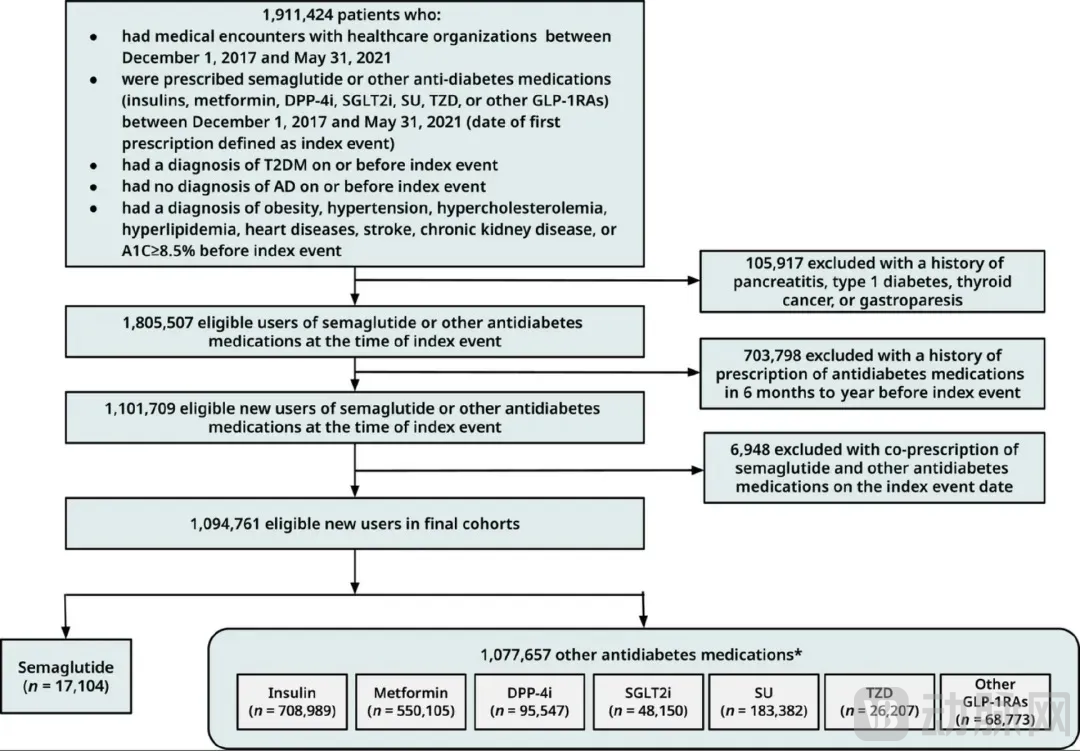
In October 2024, a groundbreaking study published in the journal *Alzheimer's & Dementia* brought new hope for the use of GLP-1 receptor agonists in the prevention of Alzheimer’s disease. A team led by Professor Rong Xu from the Case Western Reserve University School of Medicine analyzed three years of electronic health records from over one million patients with type 2 diabetes. The study found that patients treated with semaglutide had a significantly reduced risk of receiving their first diagnosis of Alzheimer’s disease compared to those using other glucose-lowering medications, including insulin, metformin, DPP-4 inhibitors, SGLT2 inhibitors, sulfonylureas, thiazolidinediones, and other GLP-1 receptor agonists. Specifically, the risk was reduced by 67% compared to insulin users and by 41% compared to users of other GLP-1 receptor agonists. This large-scale real-world study, based on a database of 1,094,761 U.S. patients, provides robust clinical evidence supporting the application of GLP-1 receptor agonists in the prevention and treatment of neurodegenerative diseases.【4】The flowchart of this study is shown below:
4. Mental Illness and Mental Health - Depression
In February 2024, researchers at Epic Research, a U.S. health analytics company, found that diabetic patients taking GLP-1 medications were less likely to develop depression compared to those not taking these drugs. The study results were released on February 6, 2024. The research analyzed data from approximately 4 million patients, including 3,081,254 individuals with diabetes and 929,174 without diabetes. The study focused on several GLP-1 receptor agonists, including semaglutide, tirzepatide, dulaglutide, and exenatide.【5】
|
|
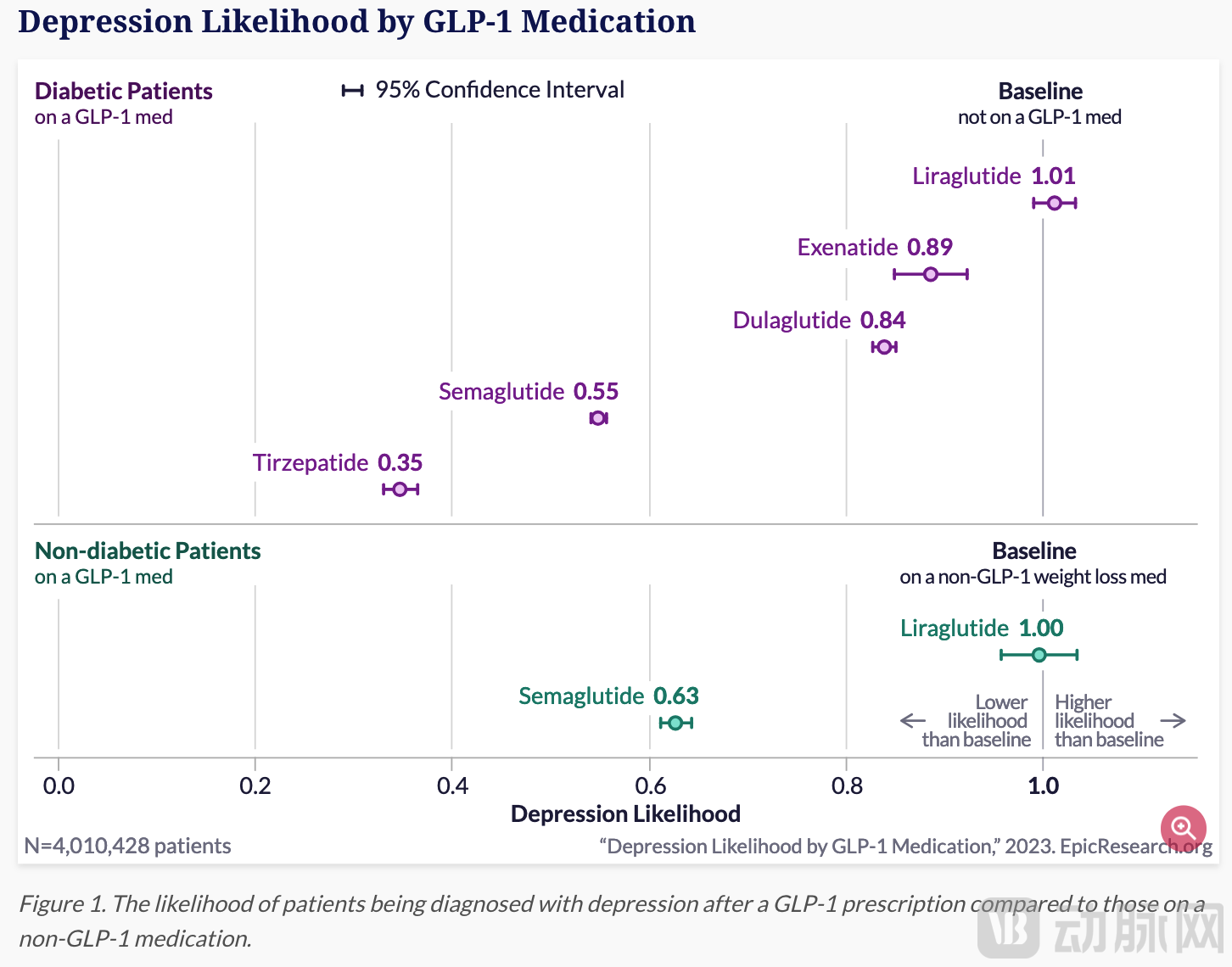
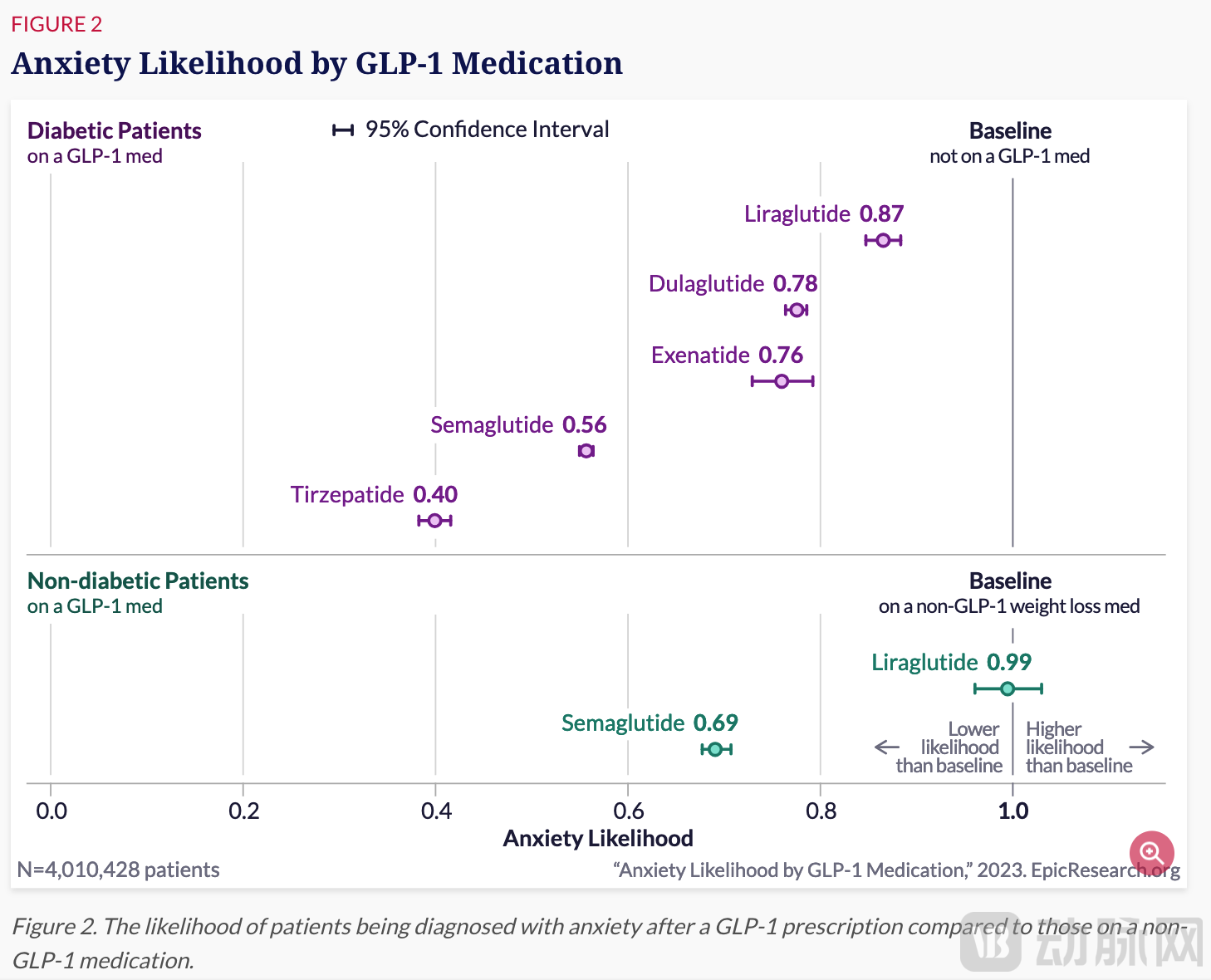
Studies have shown that among patients with diabetes, those treated with tirzepatide, semaglutide, dulaglutide, or exenatide had a significantly reduced risk of depression compared to patients not using GLP-1 receptor agonists. Meanwhile, all five GLP-1 medications studied demonstrated an effect in reducing the risk of anxiety in diabetic patients. Notably, in non-diabetic individuals, semaglutide also exhibited efficacy in lowering the risk of depression and anxiety, whereas liraglutide showed no statistically significant difference compared to other non-GLP-1 weight-loss drugs. These findings open up new possibilities for the application of GLP-1 medications in the treatment of psychiatric and psychological disorders.
Studies suggest that this effect may stem from the drug’s direct influence on the release of hypothalamic neurotransmitters, such as norepinephrine and serotonin, while simultaneously improving mental health through weight loss. Dr. Brett Osborn, a neurologist, pointed out that these findings are consistent with previous animal studies, providing important scientific evidence for the application of GLP-1 drugs in the field of mental health. However, further in-depth research is still needed to verify their exact mechanisms.
5. Obstructive Sleep Apnea
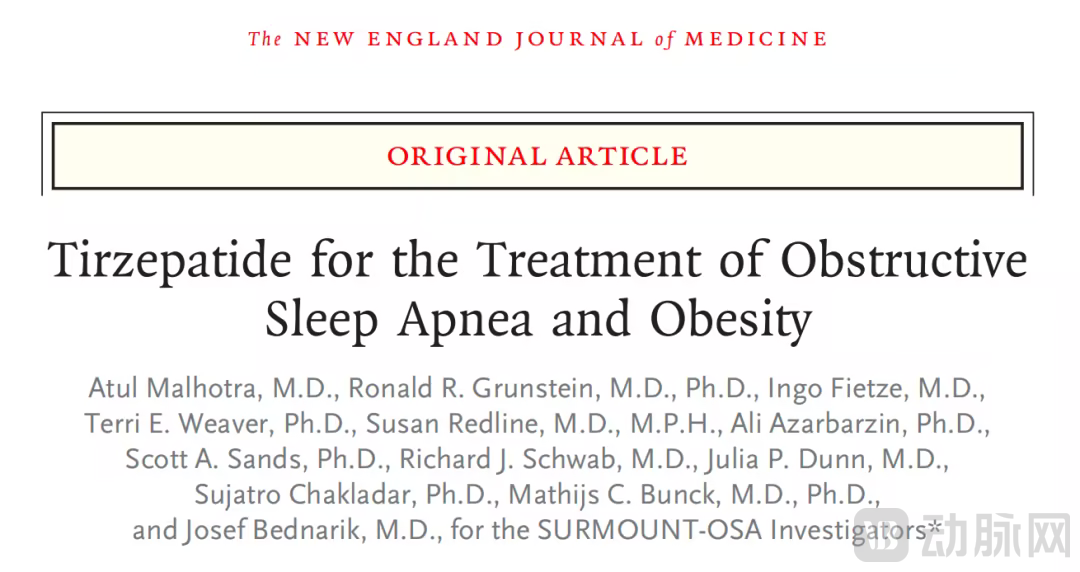
In 2024, GLP-1 receptor agonists achieved a historic breakthrough in the treatment of obstructive sleep apnea (OSA). Results from Eli Lilly’s phase 3 SURMOUNT-OSA clinical trial demonstrated significant efficacy of tirzepatide in patients with moderate-to-severe OSA and obesity: among patients not receiving positive airway pressure (PAP) therapy, the apnea-hypopnea index (AHI) decreased by 55.0% from baseline after 52 weeks of treatment, with an average weight reduction of 18.1%; among patients receiving PAP therapy, AHI decreased by 62.8%, with an average weight reduction of 20.1%.【6】
This landmark study was published on June 21 in the prestigious international medical journal The New England Journal of Medicine (NEJM), under the title “Tirzepatide for the Treatment of Obstructive Sleep Apnea and Obesity.” It ultimately led to the FDA’s approval on December 20 of tirzepatide (marketed as Zepbound) as the first-ever drug approved for the treatment of obstructive sleep apnea (OSA). This breakthrough provides a novel pharmacological option for patients with OSA who have long suffered from breathing disorders, ushering in a new era in the treatment of sleep-disordered breathing.
● The Apnea-Hypopnea Index (AHI) records the number of times per hour of sleep that a person experiences restricted breathing or complete airflow obstruction, and is used to assess the severity of obstructive sleep apnea (OSA) and the effectiveness of treatment outcomes.
6. Cardiovascular Diseases
According to data from the U.S. Centers for Disease Control and Prevention (CDC) and the American Heart Association (AHA), cardiovascular disease (CVD) is the leading cause of death in the United States. More than 130 million American adults suffer from some form of cardiovascular disease, and approximately 700,000 Americans die from heart disease each year, with one American dying from cardiovascular disease every 36 seconds on average.
In 2024, GLP-1 receptor agonists demonstrated significant breakthroughs in the field of cardiovascular disease prevention. In the SELECT trial, led by Michael Blaha, Director of Clinical Research at the Ciccarone Center for the Prevention of Cardiovascular Disease at Johns Hopkins University, and Martha Gulati, Director of Preventive Cardiology at Cedars-Sinai Medical Center, Novo Nordisk’s semaglutide (Wegovy) achieved remarkable results. This large-scale, international, multicenter, randomized, double-blind, parallel-group, placebo-controlled study enrolled 17,604 patients who were overweight or obese, had established cardiovascular disease, and had no history of diabetes. The results showed that weekly administration of 2.4 mg semaglutide reduced the risk of major adverse cardiovascular events (MACE) by 20% over a follow-up period of up to five years.
● MACE: Major Adverse Cardiovascular Events, cardiovascular death, non-fatal myocardial infarction, or non-fatal stroke
Notably, subgroup analyses presented at the 2024 American Heart Association Scientific Sessions demonstrated that semaglutide conferred greater absolute benefit among the 2,057 patients (12%) with a history of coronary artery bypass grafting (CABG). This CABG patient cohort was characterized by older age, a higher proportion of males (84%), and a higher prevalence of atrial fibrillation, hypertension, heart failure, obstructive sleep apnea, and coronary artery disease. These patients were also more likely to receive treatment with beta-blockers, diuretics, statins, and antithrombotic agents.
Goldman Sachs analysis suggests that a series of cardiovascular clinical trials, including SELECT (such as Boehringer Ingelheim’s SYNCHRONIZA-CVOT and Eli Lilly’s SURMOUNT-MMO), will become important milestones for GLP-1 drugs. If these studies meet their primary endpoints, they are expected to significantly expand insurance coverage for GLP-1 drugs, bringing new treatment options to approximately 9 million potential patients and making cardiovascular disease the second most important battlefield for Wegovy and Zepbound after weight loss.
7. Chronic Kidney Disease
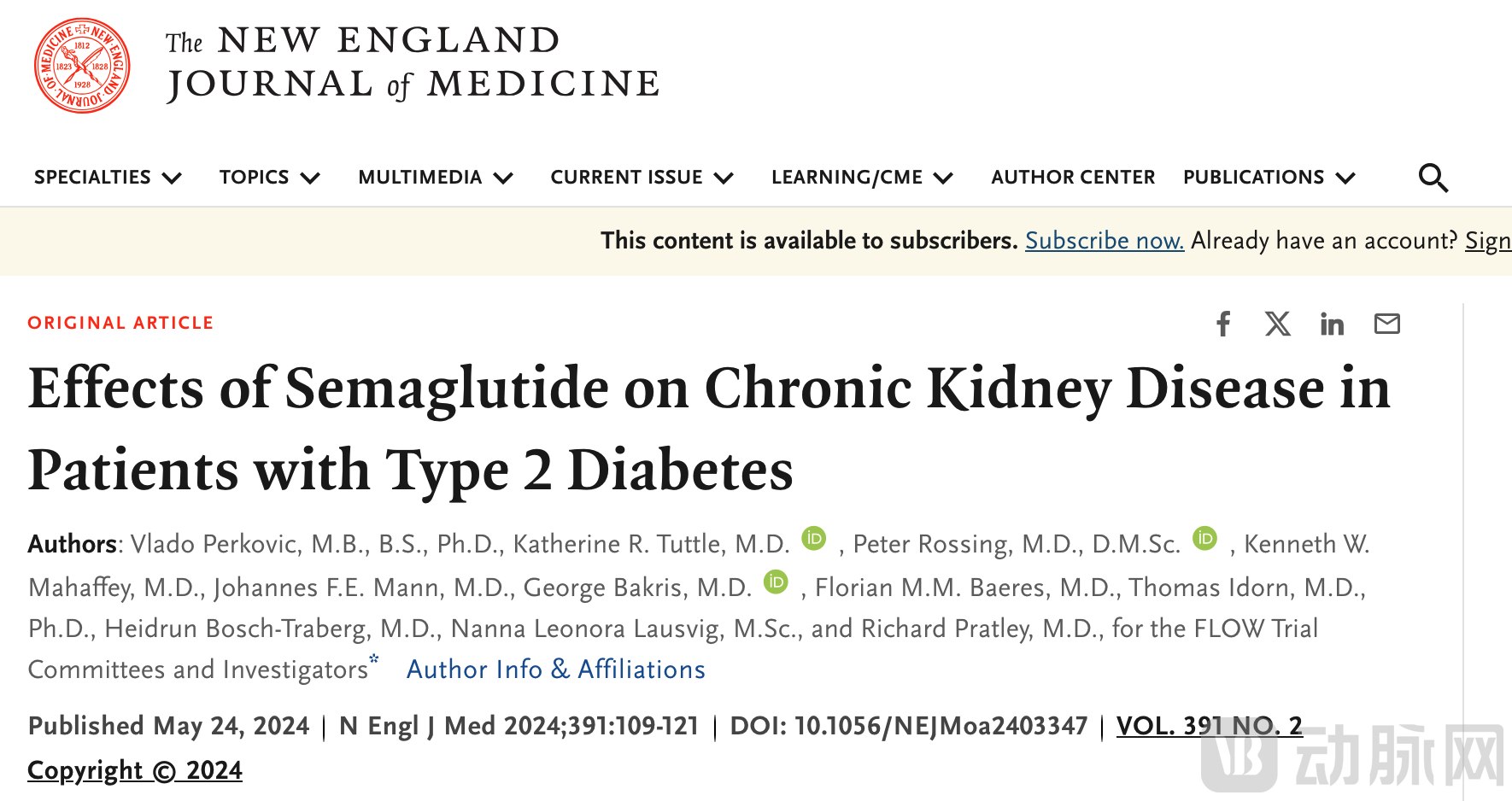
In March 2024, Novo Nordisk announced breakthrough results from the Phase III FLOW clinical trial, paving the way for new applications of GLP-1 receptor agonists in the field of renal protection. This large-scale, multicenter, randomized controlled trial, led by internationally renowned experts including Johannes F. E. Mann, Peter Rossing, and George Bakris, primarily evaluated the therapeutic efficacy of semaglutide (Ozempic) in patients with type 2 diabetes and chronic kidney disease. The results demonstrated that, compared with placebo, semaglutide 1.0 mg significantly reduced the risk of the primary composite endpoint by 24%, which included kidney failure, a decline in eGFR of ≥50%, and renal or cardiovascular death.【8】

The FLOW trial was originally scheduled to be completed by the end of 2024. In October 2023, Novo Nordisk announced the early termination of the FLOW trial based on the recommendation of the Independent Data Monitoring Committee (DMC). The DMC concluded that the interim analysis results had met the pre-specified efficacy criteria, warranting early cessation. The interim analysis indicated that semaglutide likely achieved the anticipated efficacy targets in delaying the progression of chronic kidney disease (CKD) and reducing the risk of renal and cardiovascular death. To ensure the integrity of the trial, Novo Nordisk will maintain the blind until the trial’s conclusion. This early termination was not due to safety concerns but rather because the drug demonstrated significant efficacy. Novo Nordisk expects to release the full results of the FLOW trial in the first half of 2024. This decision suggests that semaglutide may have achieved a major breakthrough in treating patients with type 2 diabetes and chronic kidney disease, offering new therapeutic hope for this patient population.【9】
8. Polycystic Ovary Syndrome
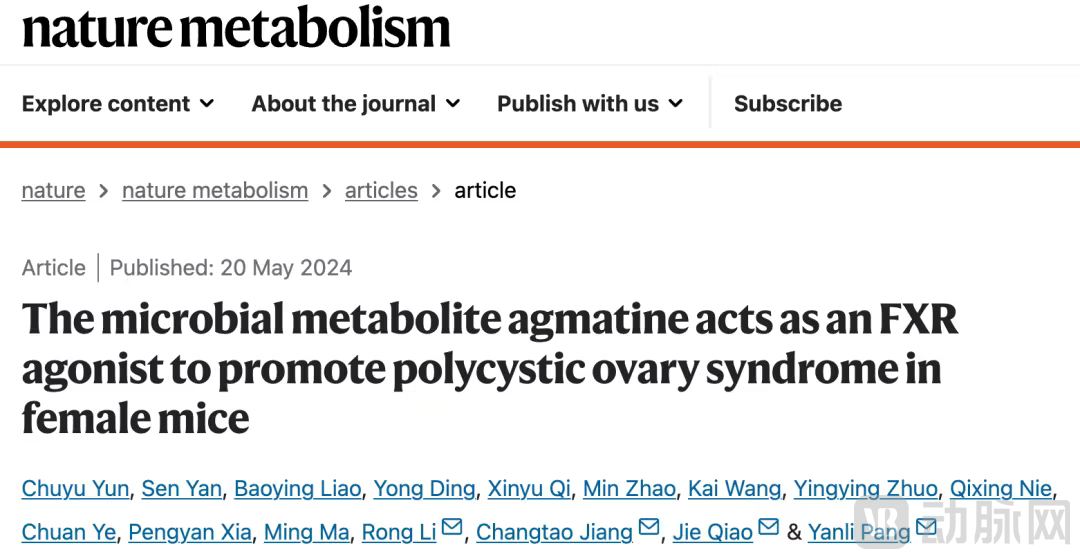
Polycystic Ovary Syndrome (PCOS) is emerging as another significant breakthrough area for GLP-1 receptor agonist therapy. This trend is evident from early studies published in the Chinese Journal of Reproduction and Contraception in 2019 to a series of groundbreaking advances achieved in 2024. In 2024, a research team from Peking University Third Hospital published a study in Nature Metabolism that, for the first time, elucidated a key mechanism: guanidinovaleric acid, a metabolite of the gut bacterium Bacteroides vulgatus, inhibits GLP-1 secretion by activating the FXR receptor, thereby leading to insulin resistance and ovarian dysfunction. This discovery provides a solid theoretical foundation for the use of GLP-1 receptor agonists in the treatment of PCOS.【10】
At the clinical application level, studies have shown that GLP-1 receptor agonists improve symptoms in patients with polycystic ovary syndrome (PCOS) through multiple mechanisms, including promoting insulin secretion, enhancing pancreatic β-cell function, suppressing appetite, and delaying gastric emptying. A randomized controlled trial involving 60 obese PCOS patients with comorbid diabetes demonstrated that the combination therapy of benaglutide and metformin yielded significantly greater benefits in improving body weight, blood glucose levels, and hormonal profiles compared to metformin monotherapy. Notably, cases of unintended pregnancy have been observed in clinical practice among PCOS patients using GLP-1-based weight-loss medications. This not only suggests a potential positive impact of these agents on fertility but also provides new clinical evidence for their potential role in regulating menstrual cycles and correcting sex hormone imbalances.
Although current research findings are encouraging, experts believe that more large-scale clinical trials are needed to verify the long-term efficacy and safety of GLP-1 drugs in the treatment of PCOS. Whether used alone, such as the GLP-1 receptor agonists liraglutide and exenatide, or in combination with traditional insulin sensitizers, these drugs are bringing new hope for treatment to PCOS patients, especially those with concurrent metabolic disorders.
9. Knee Osteoarthritis

Osteoarthritis causes joint stiffness and pain, and is one of the most common conditions associated with aging, with the knee being the most frequently affected joint. Studies have shown that for every 1% reduction in body weight, scores for pain, physical function, and stiffness can improve by 2%, potentially slowing the progression of structural joint damage. Based on this evidence, treatment guidelines recommend weight management and increased physical activity as first-line strategies for managing obesity-related knee osteoarthritis.【11】
In October 2024, Henning Bliddal and colleagues published a research paper titled “Once-Weekly Semaglutide in Persons with Obesity and Knee Osteoarthritis” in The New England Journal of Medicine, a leading international medical journal, thereby opening up a new therapeutic avenue for GLP-1 receptor agonists. This multicenter study, conducted in collaboration between the University of Copenhagen and Novo Nordisk, was the first to demonstrate the significant efficacy of GLP-1 receptor agonists in treating osteoarthritis. The study enrolled 407 patients across 11 countries and regions worldwide who had both obesity (mean BMI of 40.3) and knee osteoarthritis (mean pain scale score of 70.9).
During the 68-week treatment period, patients receiving weekly 2.4 mg injections of semaglutide achieved not only significant weight loss (mean reduction of 13.7%, compared with 3.2% in the placebo group) but also breakthrough improvements in pain control, with a mean decrease of 41.7 points on the pain scale, far exceeding the 27.5-point reduction observed in the placebo group. The study further found that within the first 15.6 weeks of treatment, patients achieved a 10.5% weight reduction and significant pain improvement (a 14.1-point decrease in the WOMAC pain score).【12】
The significance of this study lies not only in confirming the positive impact of weight management on improving osteoarthritis symptoms (where every 1% reduction in body weight leads to a 2% improvement in pain and function scores), but also in revealing that GLP-1 receptor agonists may break the vicious cycle in which obese patients struggle to exercise and lose weight due to joint pain. This provides a new therapeutic option for patients concurrently facing weight issues and arthritis, with the potential to significantly improve their quality of life and ability to perform daily activities.
10. Liver Disease - Metabolic Dysfunction-Associated Steatohepatitis (MASH, formerly NASH)
In 2024, glucagon-like peptide-1 (GLP-1) receptor agonists achieved significant progress in the treatment of non-alcoholic steatohepatitis (NASH). Several GLP-1 agents, including Novo Nordisk’s semaglutide and liraglutide, as well as Boehringer Ingelheim’s survodutide, have entered Phase III clinical trials for the NASH indication. These drugs effectively improve hepatic steatosis and reduce inflammation and fibrosis through multiple mechanisms, such as promoting insulin secretion, suppressing appetite, and slowing gastrointestinal motility.
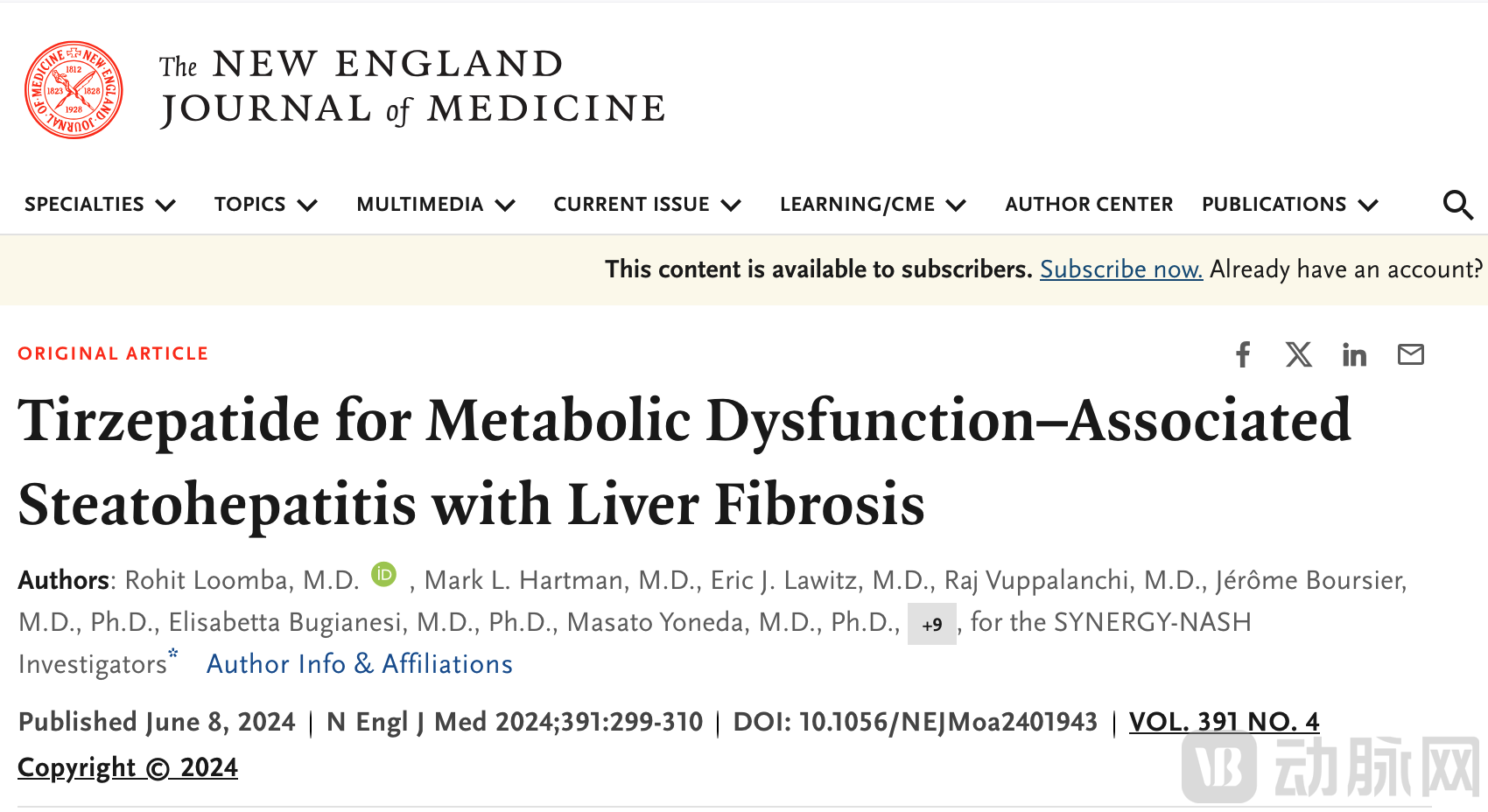
Most notably, Eli Lilly’s tirzepatide demonstrated outstanding performance in the Phase II SYNERGY-NASH clinical trial. In 2019, Eli Lilly initiated the SYNERGY-NASH study (ClinicalTrials.gov number: NCT04166773), a clinical trial evaluating tirzepatide for the treatment of nonalcoholic steatohepatitis (NASH) with nearly 200 participants. As the commercially available GLP-1 receptor agonist with the most potent weight-loss effects globally, tirzepatide has attracted significant market attention regarding its efficacy in treating NASH. The study enrolled 190 participants in a 52-week clinical trial, among whom 157 patients completed evaluable liver biopsies. The results showed that tirzepatide achieved significant efficacy in improving metabolic dysfunction-associated steatohepatitis (MASH). For the endpoint of MASH resolution without worsening of fibrosis, the response rates were 51.8%, 62.8%, and 73.3% in the 5 mg, 10 mg, and 15 mg tirzepatide groups, respectively, substantially higher than the 13.2% observed in the placebo group. Regarding fibrosis improvement, the response rates across the three dosage groups ranged from 51% to 55%, also outperforming the 30% seen in the placebo group. The study further revealed a clear dose-dependent effect, with a safety profile consistent with previous trials. These encouraging results were presented at the European Association for the Study of the Liver (EASL) Congress and published in the New England Journal of Medicine, marking a potential major breakthrough in the field of MASH therapy and offering new treatment prospects for patients. Based on these positive findings, Eli Lilly is currently engaging with regulatory authorities regarding the next steps for tirzepatide in the treatment of MASH.【13】
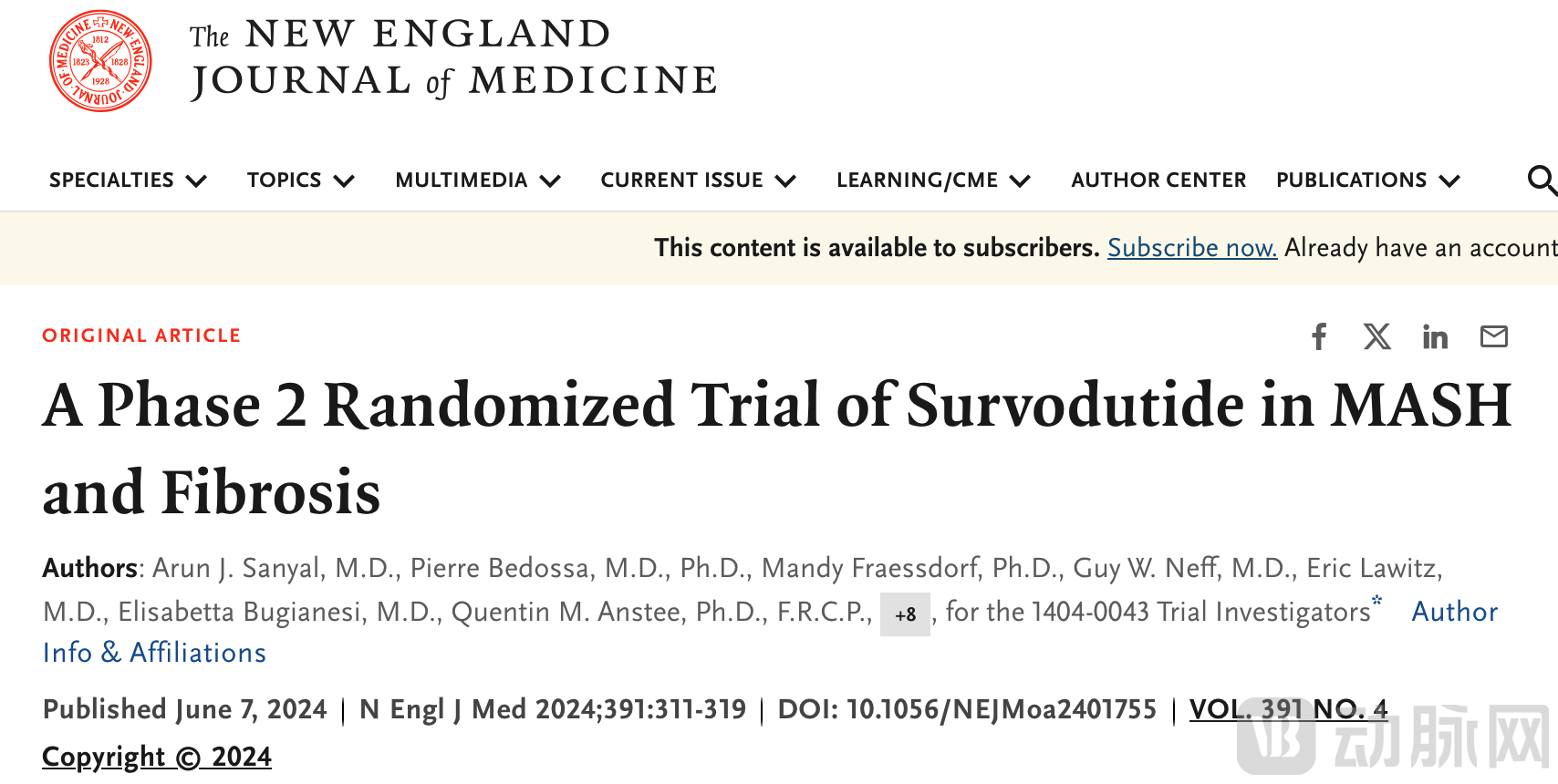
Boehringer Ingelheim’s survodutide (a dual GCGR/GLP-1R agonist) demonstrated breakthrough results in its Phase II clinical trial. After 48 weeks of treatment, 64.5% of patients with stage F2 and F3 fibrosis showed improvement in liver fibrosis without worsening of MASH, while 83.0% of patients achieved significant improvement in MASH. These findings were presented at the 2024 European Association for the Study of the Liver (EASL) Congress and published in The New England Journal of Medicine.【14】
From a market outlook perspective, not only is the patient population with non-alcoholic steatohepatitis (NASH) substantial, but there also remains a significant unmet clinical need. According to forecasts by Evaluate Pharma and Frost & Sullivan, the global market size for NASH therapeutics is expected to reach $35–40 billion by 2025. Currently, no NASH treatments have been approved by the U.S. Food and Drug Administration (FDA) or the European Medicines Agency (EMA). Epidemiological data indicate that the number of NASH patients in the United States is approximately 15–30 million, while China has an estimated 50 million NASH patients. Although no glucagon-like peptide-1 (GLP-1) receptor agonists have yet received approval for the NASH indication, positive progress in clinical trials suggests that these drugs are poised to provide new therapeutic options for NASH patients in the near future.
03
Epilogue
With the successive publication of these breakthrough clinical trials in 2024, GLP-1 receptor agonists have demonstrated therapeutic potential far exceeding expectations. From their initial application in diabetes treatment to weight management, and further extending to major disease areas such as Alzheimer’s disease, cardiovascular disease, chronic kidney disease, osteoarthritis, and polycystic ovary syndrome, this class of drugs is redefining the therapeutic paradigm of modern medicine. Of particular note, these expanded indications not only cover adult patient populations but also open new avenues for the treatment of adolescent obesity through the STEP TEENS study.
Looking ahead, although GLP-1 receptor agonists have demonstrated promising therapeutic prospects across multiple indications, further long-term follow-up data are still required to validate their safety and sustained efficacy. From laboratory discoveries in the 1980s to clinical breakthroughs spanning ten major indications by 2024, the story of GLP-1 illustrates that a seemingly simple molecule may hold the power to transform the future of medicine. As research continues to deepen, we have every reason to believe that GLP-1-based therapies will continue to write an important chapter in the history of modern medicine.
About the Author
Dr. Xiaoyu Zang (Janice) is the Founder and CEO of N1 Life, a biopharmaceutical company with operations in Silicon Valley, USA, and Suzhou, China. She co-founded the company with Paul A. Wender, a member of three U.S. National Academies and a tenured professor at Stanford University. Holding a Ph.D. in Chemistry from Stanford University, Dr. Zang also earned dual bachelor’s degrees in Chemistry and European Studies from Smith College in the United States. With 15 years of extensive experience in the biopharmaceutical industry, she specializes in drug delivery technologies, including carrier systems such as peptides, protein nanoparticles, and novel polymeric materials, and is an expert in peptide-based drugs and peptide carrier technologies. Dr. Zang has published numerous papers as first author and corresponding author in top-tier international journals, including PNAS, JACS, ACS Nano, and JOC, and holds multiple international patents. She is also a regular host of the science podcast “AirDrop,” where she discusses cutting-edge technological advancements and health science communication with guests from various fields.
References: (Swipe up or down)
1.Tan, Q., Akindehin, S. E.,Orsso, C. E., Waldner, R. C., DiMarchi, R. D., Müller, T. D., & Haqq, A. M.(2022). Recent Advances in Incretin-Based Pharmacotherapies for the Treatment of Obesity and Diabetes. Frontiers inendocrinology, 13, 838410. https://doi.org/10.3389/fendo.2022.838410
2.Weghuber D, Boberg K, Hesse D, Jeppesen OK, Sørrig R, Kelly AS; STEP TEENS Investigators. Semaglutide treatment for obesity in teenagers: a plain language summary of the STEP TEENS research study. J Comp Eff Res. 2023 Feb;12(2):e220187. doi: 10.2217/cer-2022-0187. Epub 2022 Dec 19. PMID: 36534451; PMCID: PMC10288970.
3.Paul Edison, M.D., Ph.D., et al. Evaluation of Novel GLP-1 analogue in the treatment of Alzheimer's disease.(Funding: Alzheimer’s Society, UK; Alzheimer’s Drug Discovery Foundation, Novo Nordisk AS, John and Lucille Van Geest Foundation, National Institute for Health and Care Research (NIHR) Biomedical Research Centre).
4.Wang W, Wang QQ, Qi X, et al. Associations of semaglutide with first-time diagnosis of Alzheimer's disease in patients with type 2 diabetes: Target trial emulation using nationwide real-world data in the US. Alzheimer's Dement. 2024; 20: 8661–8672. https://doi.org/10.1002/alz.14313
5.Miller A, Joyce B, Bartelt K, Deckert J. Most GLP-1 Medications Correlated with a Lower Likelihood of Anxiety and Depression Diagnoses. Epic Research. https://epicresearch.org/articles/most-glp-1-medications-correlated-with-a-lower-likelihood-of-anxiety-and-depression-diagnoses. Accessed on December 29, 2024.
6.Malhotra A, Grunstein RR, Fietze I, Weaver TE, Redline S, Azarbarzin A, Sands SA, Schwab RJ, Dunn JP, Chakladar S, Bunck MC, Bednarik J; SURMOUNT-OSA Investigators. Tirzepatide for the Treatment of Obstructive Sleep Apnea and Obesity. N Engl J Med. 2024 Oct 3;391(13):1193-1205. doi: 10.1056/NEJMoa2404881. Epub 2024 Jun 21. Erratum in: N Engl J Med. 2024 Oct 17;391(15):1464. doi: 10.1056/NEJMx240005. PMID: 38912654; PMCID: PMC11598664.
7.https://www.novonordisk.com/news-and-media/news-and-ir-materials/news-details.html?id=166301
8.Rossing P, Agarwal R, Bakris GL, et al. The rationale, design and baseline data of FLOW, a kidney outcomes trial in patients with type 2 diabetes and chronic kidney disease. Nephrol Dial Transplant. 2023;38(8):1626-1635
9.Perkovic V, Tuttle KR, Rossing P, Mahaffey KW, Mann JFE, Bakris G, Baeres FMM, Idorn T, Bosch-Traberg H, Lausvig NL, Pratley R; FLOW Trial Committees and Investigators. Effects of Semaglutide on Chronic Kidney Disease in Patients with Type 2 Diabetes. N Engl J Med. 2024 Jul 11;391(2):109-121. doi: 10.1056/NEJMoa2403347. Epub 2024 May 24. PMID: 38785209.
10.Yun C, Yan S, Liao B, Ding Y, Qi X, Zhao M, Wang K, Zhuo Y, Nie Q, Ye C, Xia P, Ma M, Li R, Jiang C, Qiao J, Pang Y. The microbial metabolite agmatine acts as an FXR agonist to promote polycystic ovary syndrome in female mice. Nat Metab. 2024 May;6(5):947-962. doi: 10.1038/s42255-024-01041-8. Epub 2024 May 20. PMID: 38769396.
11.Hunter DJ, Bierma-Zeinstra S. Osteoarthritis. Lancet 2019;393:1745-59
12.Bliddal H, Bays H, Czernichow S, Uddén Hemmingsson J, Hjelmesæth J, Hoffmann Morville T, Koroleva A, Skov Neergaard J, Vélez Sánchez P, Wharton S, Wizert A, Kristensen LE; STEP 9 Study Group. Once-Weekly Semaglutide in Persons with Obesity and Knee Osteoarthritis. N Engl J Med. 2024 Oct 31;391(17):1573-1583. doi: 10.1056/NEJMoa2403664. PMID: 39476339.
13.Loomba R, Hartman ML, Lawitz EJ, Vuppalanchi R, Boursier J, Bugianesi E, Yoneda M, Behling C, Cummings OW, Tang Y, Brouwers B, Robins DA, Nikooie A, Bunck MC, Haupt A, Sanyal AJ; SYNERGY-NASH Investigators. Tirzepatide for Metabolic Dysfunction-Associated Steatohepatitis with Liver Fibrosis. N Engl J Med. 2024 Jul 25;391(4):299-310. doi: 10.1056/NEJMoa2401943. Epub 2024 Jun 8. PMID: 38856224.
14.Sanyal AJ, Bedossa P, Fraessdorf M, Neff GW, Lawitz E, Bugianesi E, Anstee QM, Hussain SA, Newsome PN, Ratziu V, Hosseini-Tabatabaei A, Schattenberg JM, Noureddin M, Alkhouri N, Younes R; 1404-0043 Trial Investigators. A Phase 2 Randomized Trial of Survodutide in MASH and Fibrosis. N Engl J Med. 2024 Jul 25;391(4):311-319. doi: 10.1056/NEJMoa2401755. Epub 2024 Jun 7. PMID: 38847460.