

WONZ Health Unveils Three Digital Health 'New Species' Solutions, Files IPO Prospectus
On January 3, 2025, Wenzhi Technology held its 2025 Digital Health New Product Launch in Beijing under the theme “Health Without Borders, New Possibilities.” As a major milestone reflecting years of dedication in the digital health sector, the Wenzhi team shared its significant scientific research achievements from the past four years with industry professionals and the public. The event was attended by experts and leaders from the Chinese Association on Tobacco Control and Health, senior scholars and experts from medical, academic, and research institutions such as Beijing Chaoyang Hospital and Zhejiang Chinese Medical University, representatives from overseas partner platforms including Meta and PayPal, as well as shareholders, partners, and seed user representatives of Wenzhi Technology.
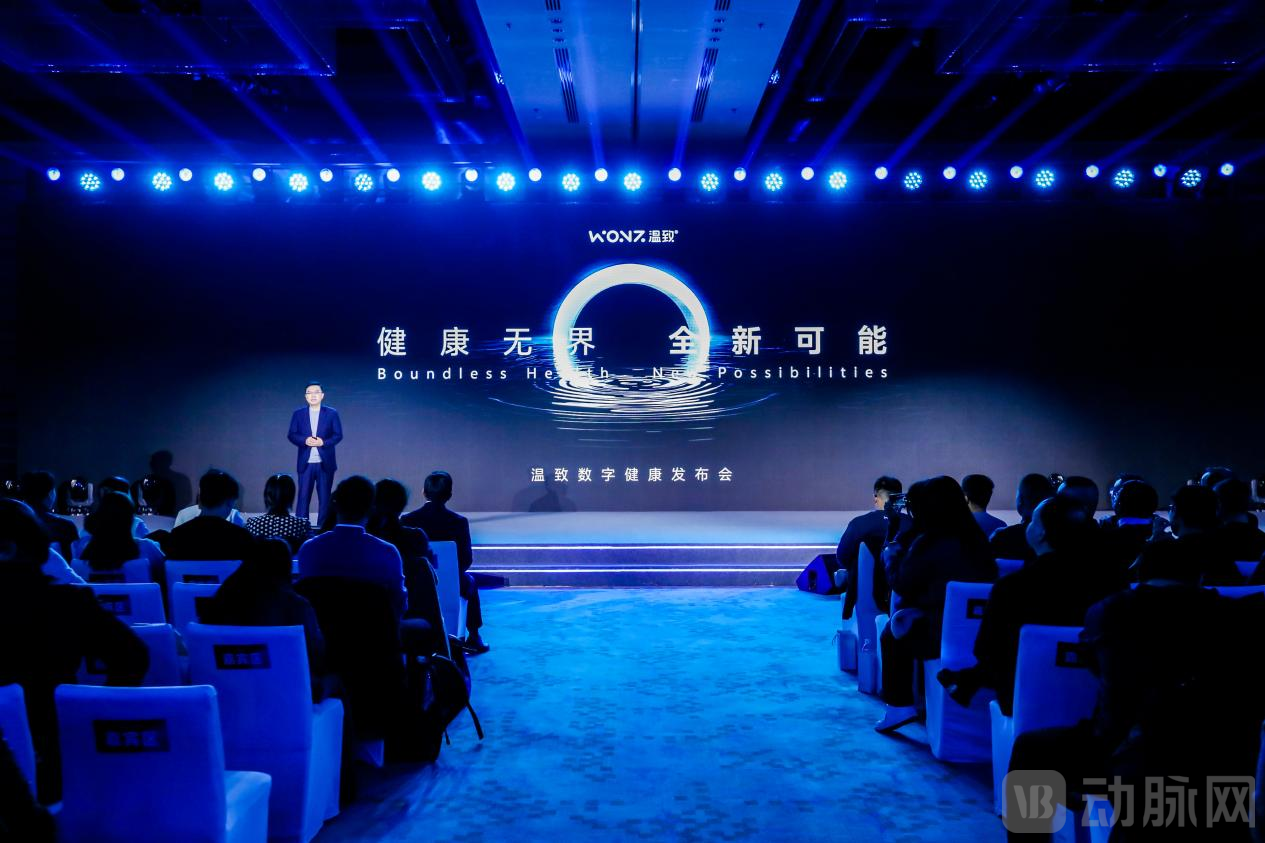
At the press conference, Wenzhi Technology officially unveiled three major digital health solutions: NicStop, Herbal Thermal Activation, and Vagus Nerve Modulation. These solutions directly address modern health challenges, including nicotine addiction, next-generation herbal medicine delivery technologies, and the improvement of insomnia and anxiety. Additionally, the company formally announced its brand mission for the first time: "Leading Healthy Living through Innovative Technology."
After four years of steady accumulation and breakthrough growth, Wenzhi Technology has evolved from a producer of health products in a single domain into a pioneer of comprehensive digital health solutions for all scenarios. The Wenzhi team has always prioritized the first principles of digital health, gaining deep insights into the lifestyles and health needs of individuals with suboptimal health. Building on this foundation, Du Xin, CEO of Wenzhi Technology, unveiled three new “species” of digital health products covering diverse fields at the press conference.
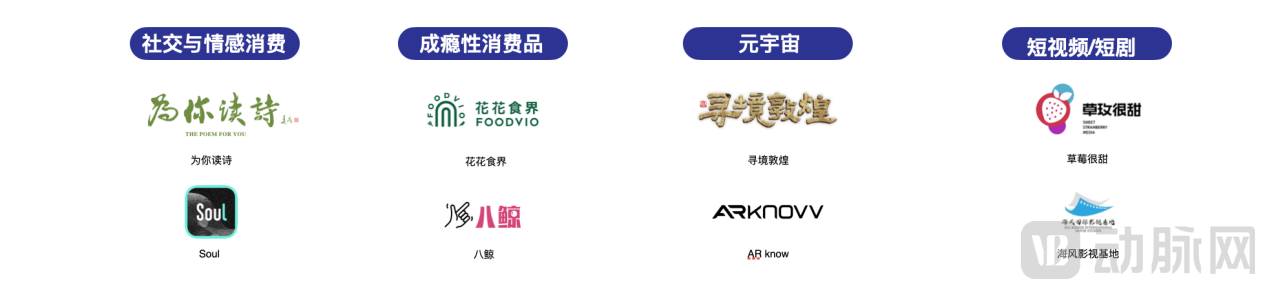
As the investor in China with the deepest understanding of the dopamine-driven sector, Du Xin has invested in several projects within this space, including Soul, achieving remarkable success. Drawing on his past investment experience, he shared the original intention behind the founding of Wenzhi Technology: “The dopamine reward mechanism is closely linked to commercial prosperity over the past 500 years. With a profound understanding of these patterns and mechanisms, can we approach human health from a problem-solving perspective, leveraging this mechanism in reverse to address many health issues plaguing humanity, and even prevent the onset of certain diseases?”
Guided by this approach, the Wenzhi research team focused on the field of nicotine addiction, initiating studies on how to leverage dopamine’s reward mechanism to address addiction. “Nicotine addiction arises when nicotine enters the body and rapidly binds to receptors, enhancing dopamine secretion and thereby reinforcing feelings of satisfaction. However, methods of nicotine intake such as tobacco combustion generate large amounts of harmful substances that severely damage health. The solution we aim to create enables individuals to maintain their habit of seeking dopamine rewards while cultivating healthier lifestyle alternatives.”
To this end, the Wenzhi team has introduced a comprehensive solution for nicotine addiction—Nicotine Stop. Rather than abruptly disrupting users’ existing habits, this approach offers a healthier alternative that preserves those habits. It features a “one platform, two terminals” design, comprising an exhaled carbon monoxide (CO) monitor, a tar-filtering purifier, and an AI-powered smart assistant. The tar-filtering purifier, the first product launched to market, employs WHC (WONZ Heat Currents) technology to thermally distill and separate components from traditional cigarettes. According to authoritative test reports, this purifier effectively removes over 90% of harmful substances, including tar, formaldehyde, carbon monoxide, and heavy metals, thereby significantly reducing the generation and inhalation of such toxins. “We have also given the tar-filtering purifier an appealing name: Purify Bar, or ‘Da Lü Bao’ in Chinese, which conveys the idea of a ‘treasure’ that helps filter out harmful substances.”
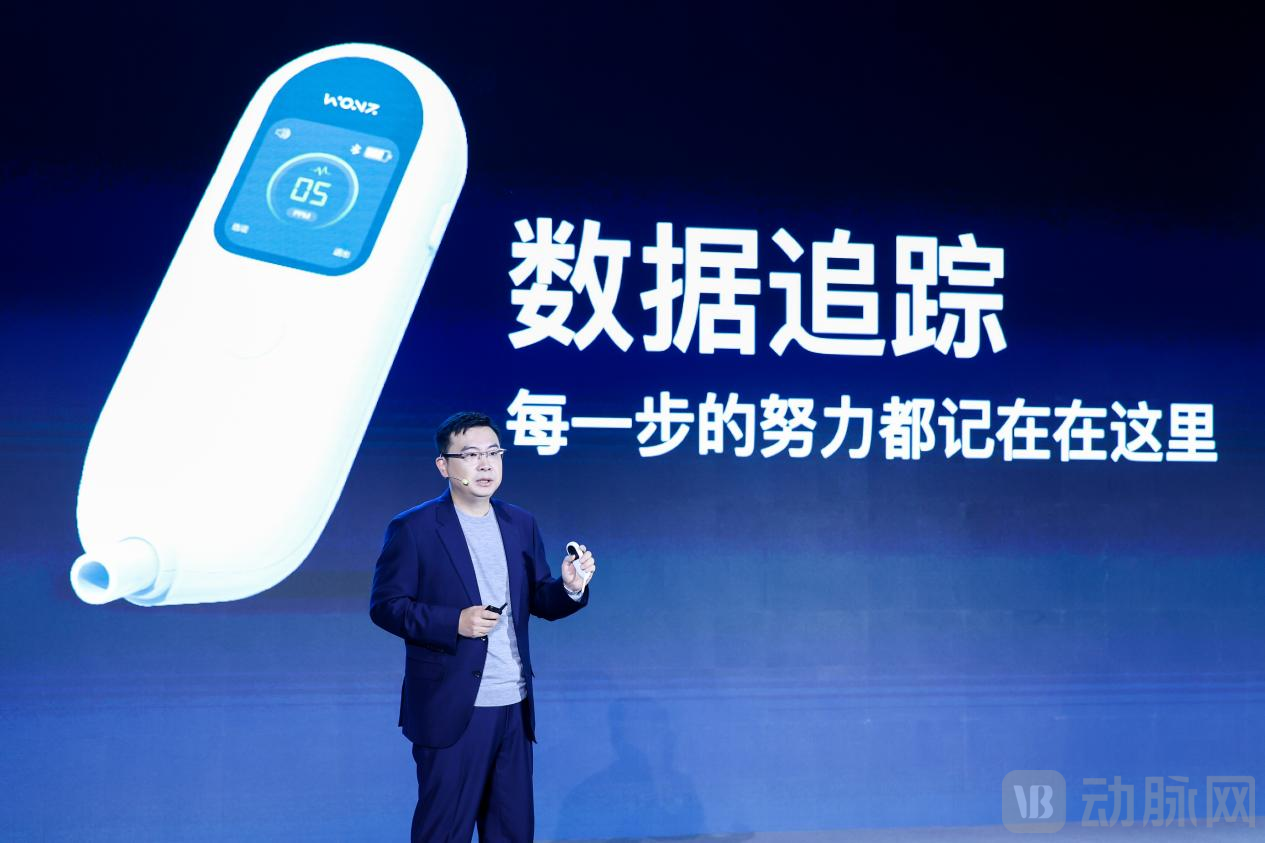
At the press conference, in addition to launching an upgraded version of the tar-filtering purifier, the Nicotine Stop family introduced another innovative product—the portable exhaled carbon monoxide (CO) monitor. This portable device accurately measures the carbon monoxide concentration in exhaled breath and, using specialized algorithms, assesses recent harmful smoking exposure. By working in tandem with the tar-filtering purifier, it visualizes the harms of smoking, thereby strengthening psychological intervention and behavioral monitoring for individuals attempting to quit. This approach helps users gain a more intuitive understanding of the detrimental effects of smoking on their health, thus enhancing their determination and motivation to quit. As a clinical device recommended by the World Health Organization (WHO) and various national health authorities, exhaled CO monitoring equipment is supported by comprehensive medical evidence-based data. While traditional devices of this type are bulky, desktop-sized units, Wenzhi has pioneered their miniaturization in China, reducing the weight to just 155 grams to facilitate convenient home use and portability.
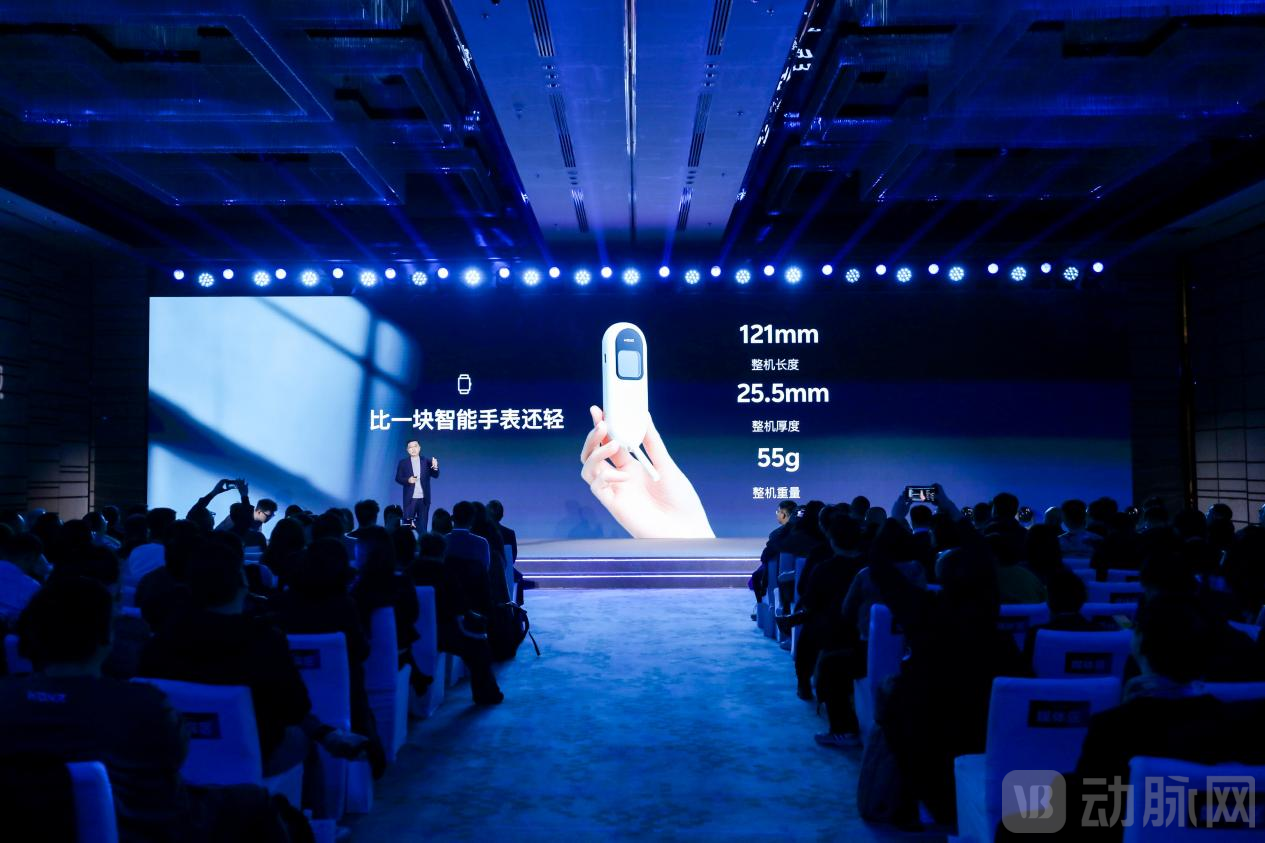
“Smoking generates substantial amounts of carbon monoxide (CO), which enters the bloodstream and binds to hemoglobin, thereby reducing the blood’s oxygen-carrying capacity. Consequently, CO concentration in exhaled breath can reflect a smoker’s level of smoking exposure, particularly correlating closely with recent smoking behavior. While the underlying principle is straightforward, the primary challenge lies in miniaturizing the detection device. Through tens of thousands of user tests and validations, we have ensured the accuracy of our measurements and employed intelligent algorithms to achieve performance comparable to that of desktop devices, meeting relevant regulatory standards,” explained a product expert.
Established in 2020, Wenzhi Technology has made intervention for nicotine addiction its primary research focus. “From the perspective of national strategy, the ‘Healthy China 2030’ planning outline explicitly sets a target to reduce the adult smoking rate to below 20% by 2030, indicating that nearly 75 million people in China currently need to change their behavior. Furthermore, tobacco use remains the leading cause of preventable death and is closely linked to the majority of chronic diseases. Nicotine addiction is not merely a habit but a recognized medical condition. Beyond traditional methods such as willpower-based cessation and pharmacological treatments, we can leverage advanced high-tech solutions to address this issue,” stated Du Xin.
The emergence of NicStop provides a more scientific and human-centric solution for all individuals struggling to quit smoking. With the integration of artificial intelligence, users can access more scientifically sound and reasonable smoking cessation plans, effectively reducing withdrawal symptoms and the high failure rates associated with relying solely on willpower. It is reported that this solution has received the “Value Award for Preferred Digital Health Solutions” at the Jin Ruyi Awards, earning dual recognition from both professional and medical communities. With the assistance of NicStop, an increasing number of users will be able to break free from nicotine dependence and embrace healthier lifestyles.
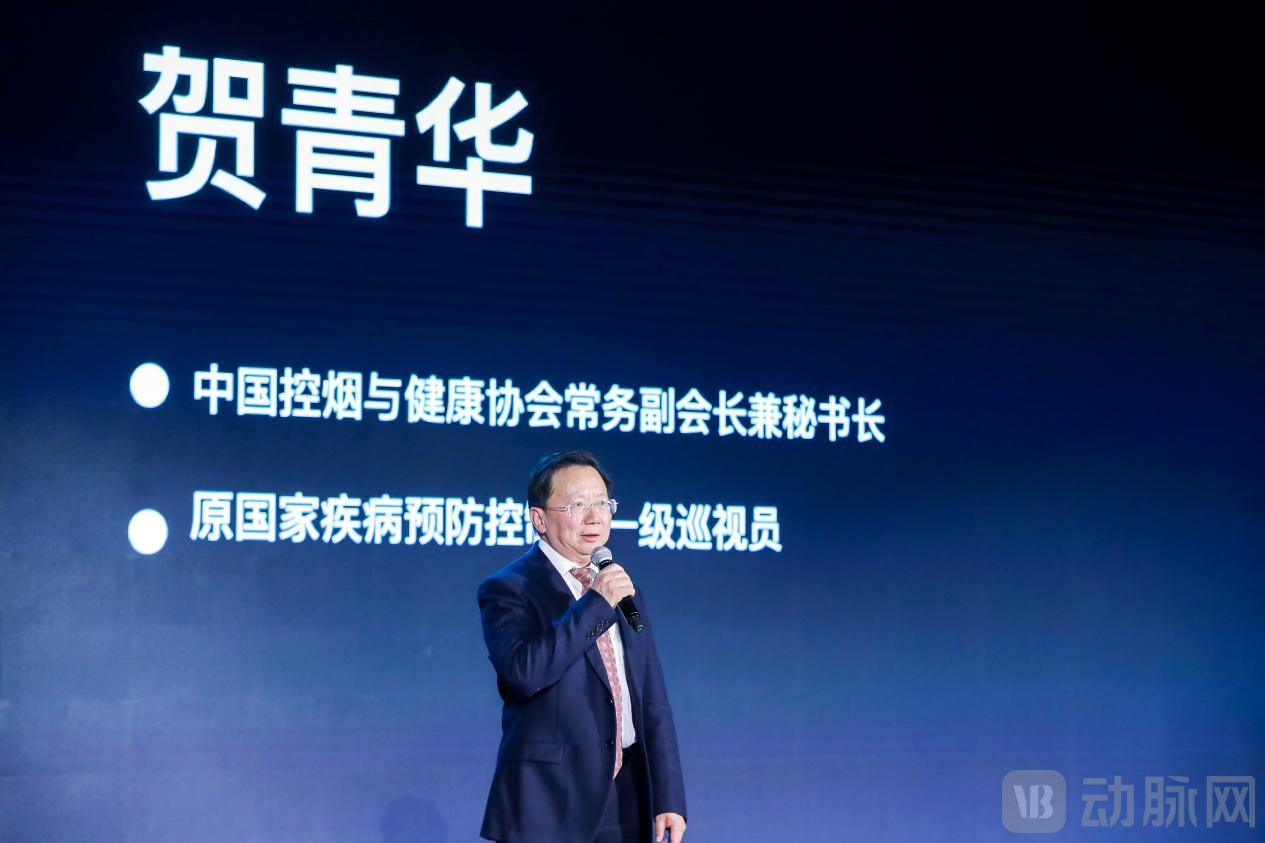
Subsequently, Mr. Du Xin invited Mr. He Qinghua, Executive Vice President and Secretary-General of the Chinese Association on Tobacco Control and Health, to the stage to announce two major public welfare initiatives for smoking cessation. The first initiative involves a collaboration with Beijing Chaoyang Hospital to provide professional smoking cessation counseling services free of charge to attending smokers. The second initiative entails a partnership with Qianyuan Pharmaceutical to offer free tobacco harm assessment and smoking cessation guidance services at pharmacies across China.
Following closely, Wenzhi launched its second product—the technological innovation achievement in the field of Chinese herbal medicine: the Herbal Heat-Activated Series. This portfolio comprises two products: the Herbal Essence Roll, a novel form of herbal preparation, and the Heat-Activated Steamer, which features innovative drug delivery technology.
Herbal Essence Rolls, the flagship product of this achievement, are crafted by cryogenically grinding pure natural Chinese herbal medicines into powder, blending and pulping them using specialized techniques, and finally compressing them into sheets shaped like papyrus. This unique manufacturing process and formulation not only fully preserve the active constituents of the traditional Chinese herbal formulas but also enhance portability and ease of use. When used with a heat-activated steaming device, the product’s convenience and flexibility are maximized. This “all-natural” production method aligns closely with modern consumers’ preference for “original ecology” health-oriented products.
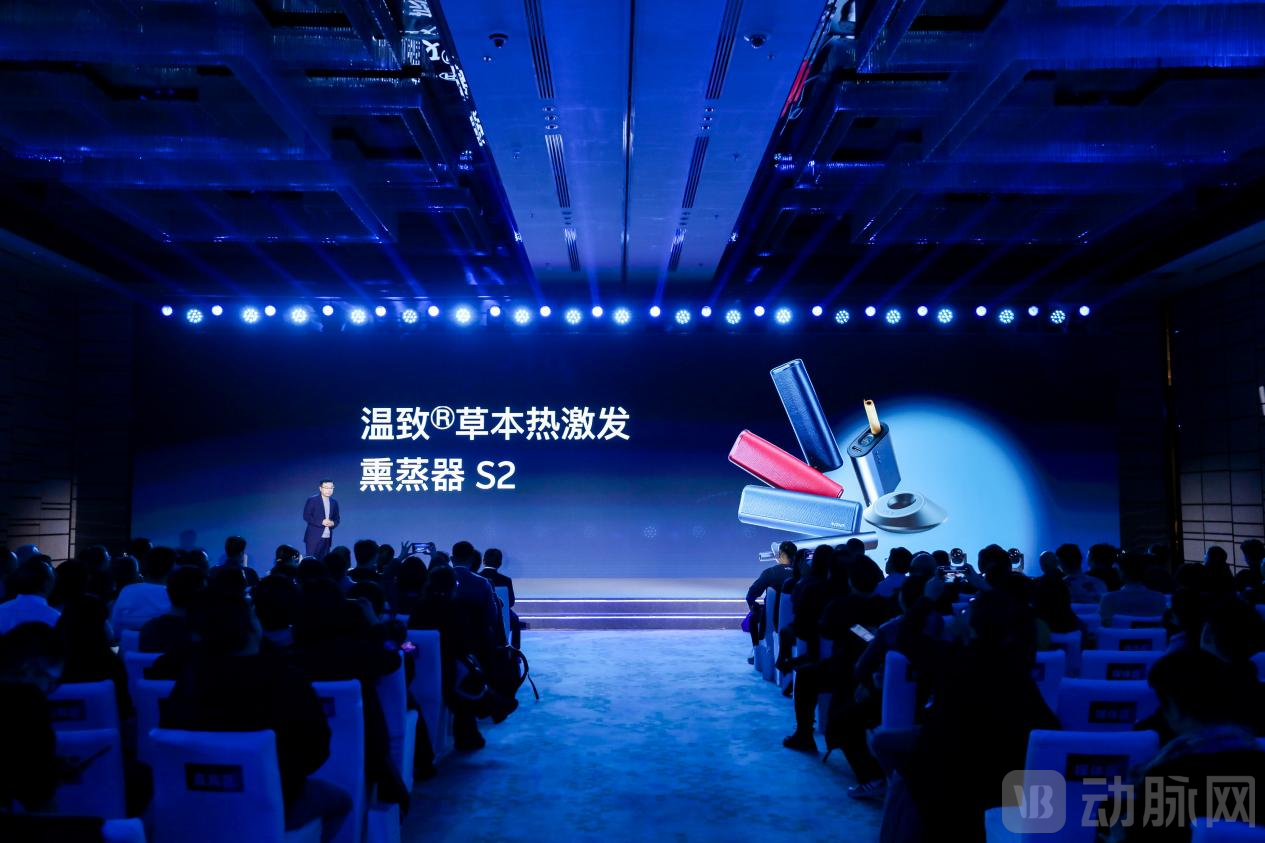
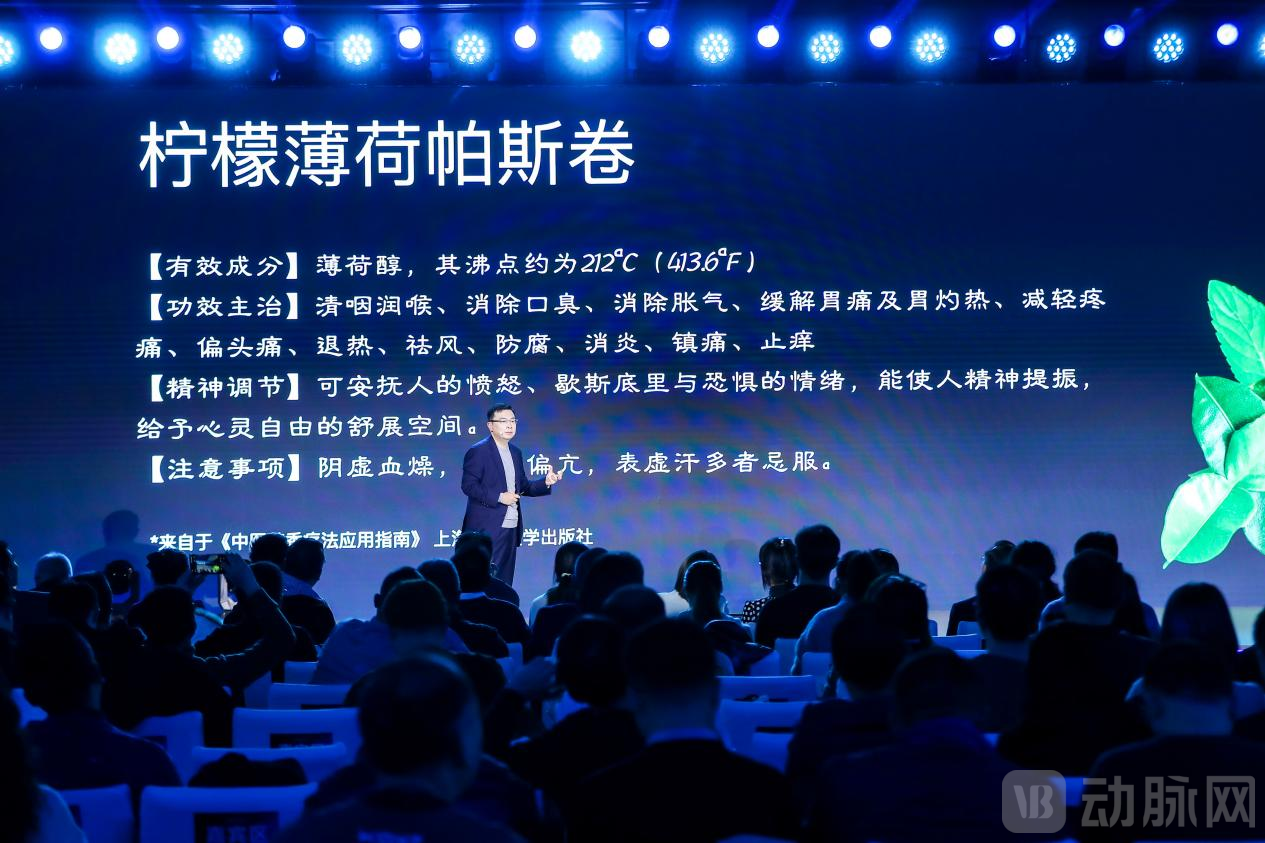
“The original intention behind the development of this product line stemmed from the accumulation of numerous core technologies during our R&D efforts on related products, with our engineers discovering their remarkable applications in other health domains.” The technology mentioned by Du Xin is WHC temperature control technology.
To enhance the use of herbal essence rolls, Wenzhi has developed a portable and user-friendly herbal heat-activated steamer based on WHC temperature control technology.
Due to the varying volatilization temperatures of the active compounds in herbal essence rolls, fixed high or low temperatures may degrade these constituents. Therefore, WHC’s precisely controlled heating technology enables stepless temperature adjustment within 0.5 seconds, allowing for the graded release of active ingredients and ensuring their full efficacy. Furthermore, the direct pathway from the lungs into the bloodstream facilitates rapid therapeutic action. Compared with traditional oral medications, the inhalation route is more readily accepted by the general public and can accommodate diverse personalized needs in areas such as health regulation, physical constitution improvement, and natural phytotherapy.
“If we trace its historical origins, this technology actually dates back quite far. Ancient China already had fumigation and aromatic inhalation therapies, which operate on similar principles. For instance, they would extract essential oil from mint and use it for fumigation. However, in the past, there was neither such precise temperature control nor highly efficient and accurate filtration technology for optimal absorption.”
The aforementioned approach also opens up new possibilities for the internationalization of Chinese herbal medicine. “In the past, traditional Chinese medicine (TCM) lacked fixed standards. We employ industrial methods to grind these herbs into powder or slurry according to specific ratios, creating a new type of TCM decoction pieces. Through standardized and industrialized processes, we extract the truly active ingredients.” Currently, dozens of herbal formulations are in the experimental stage, and they will be launched on the market sequentially after their efficacy is proven.
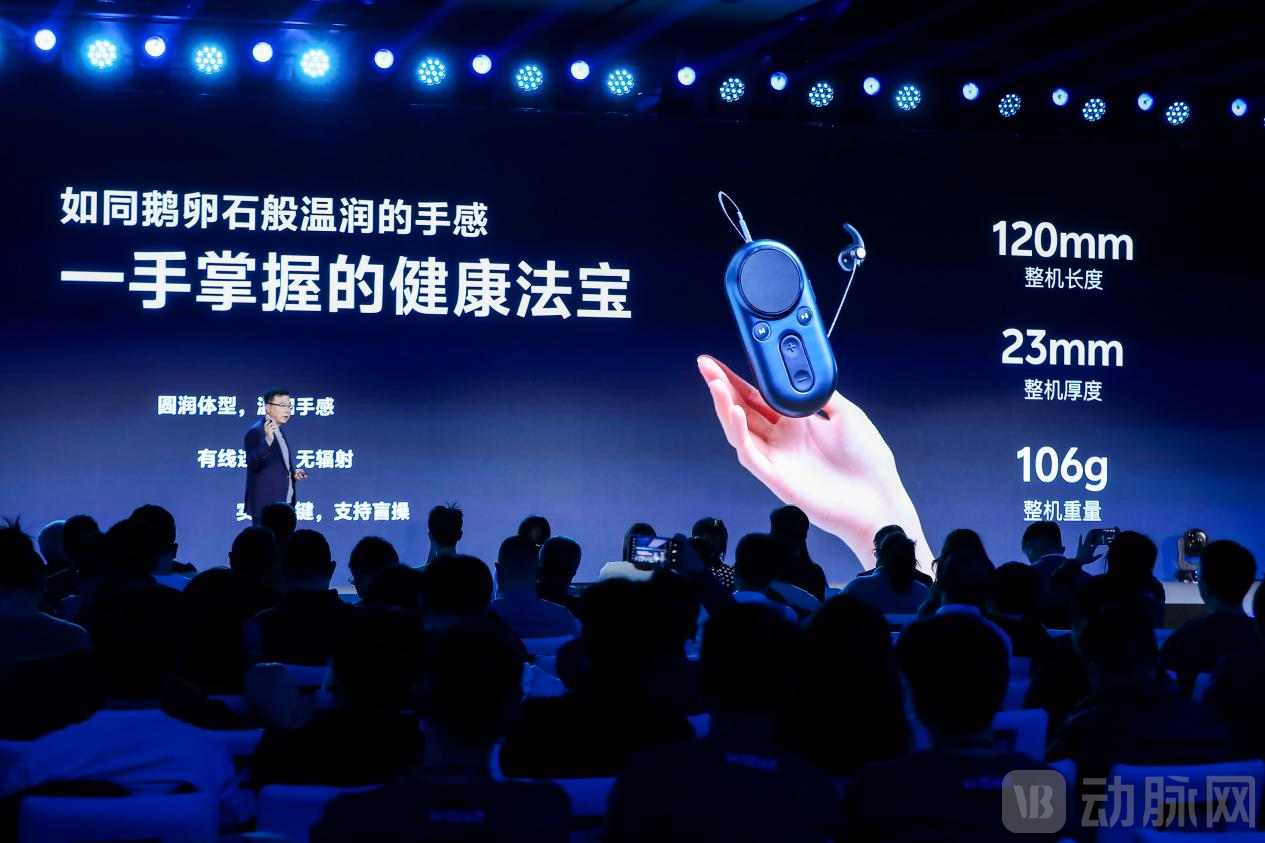
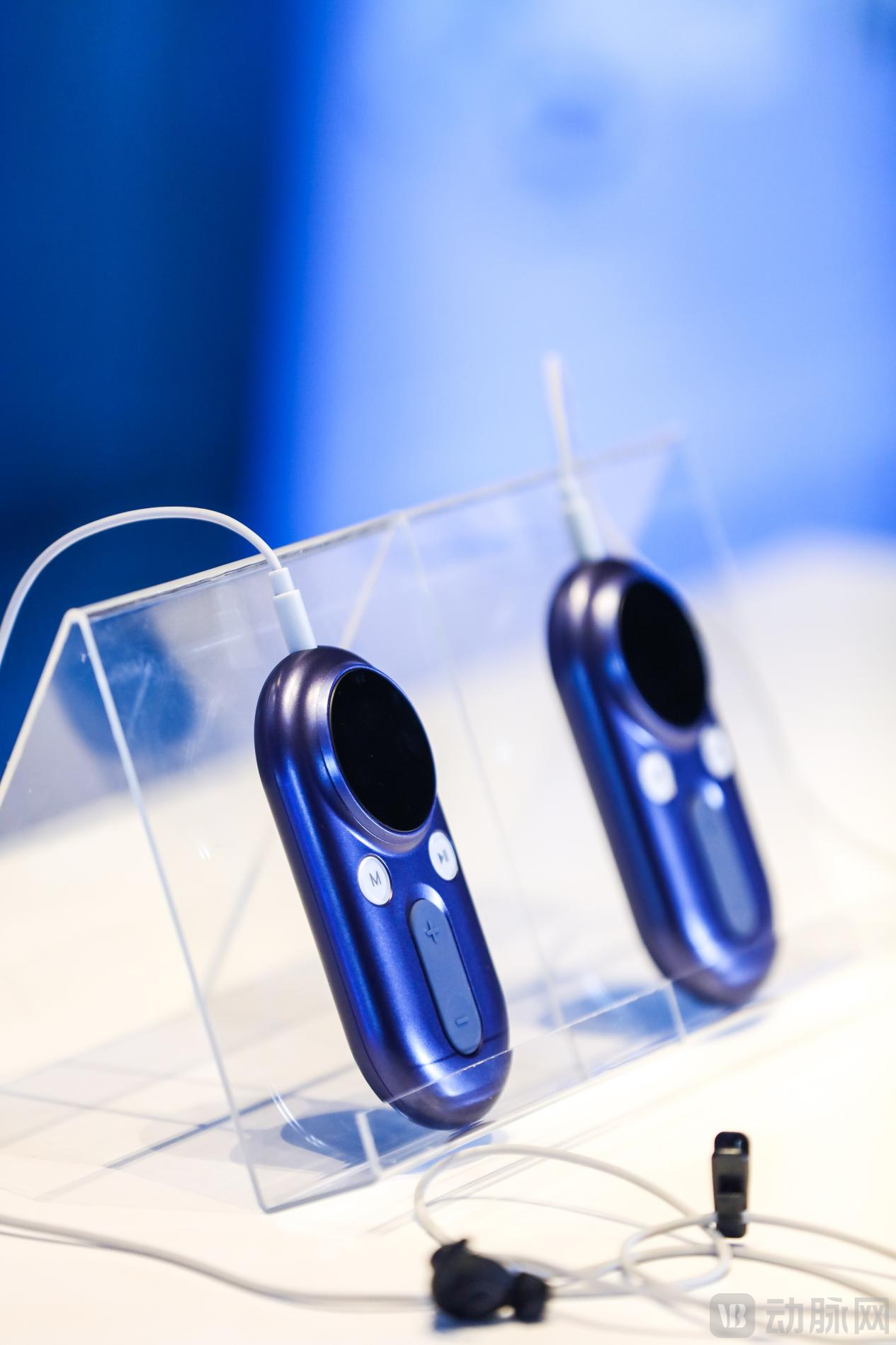
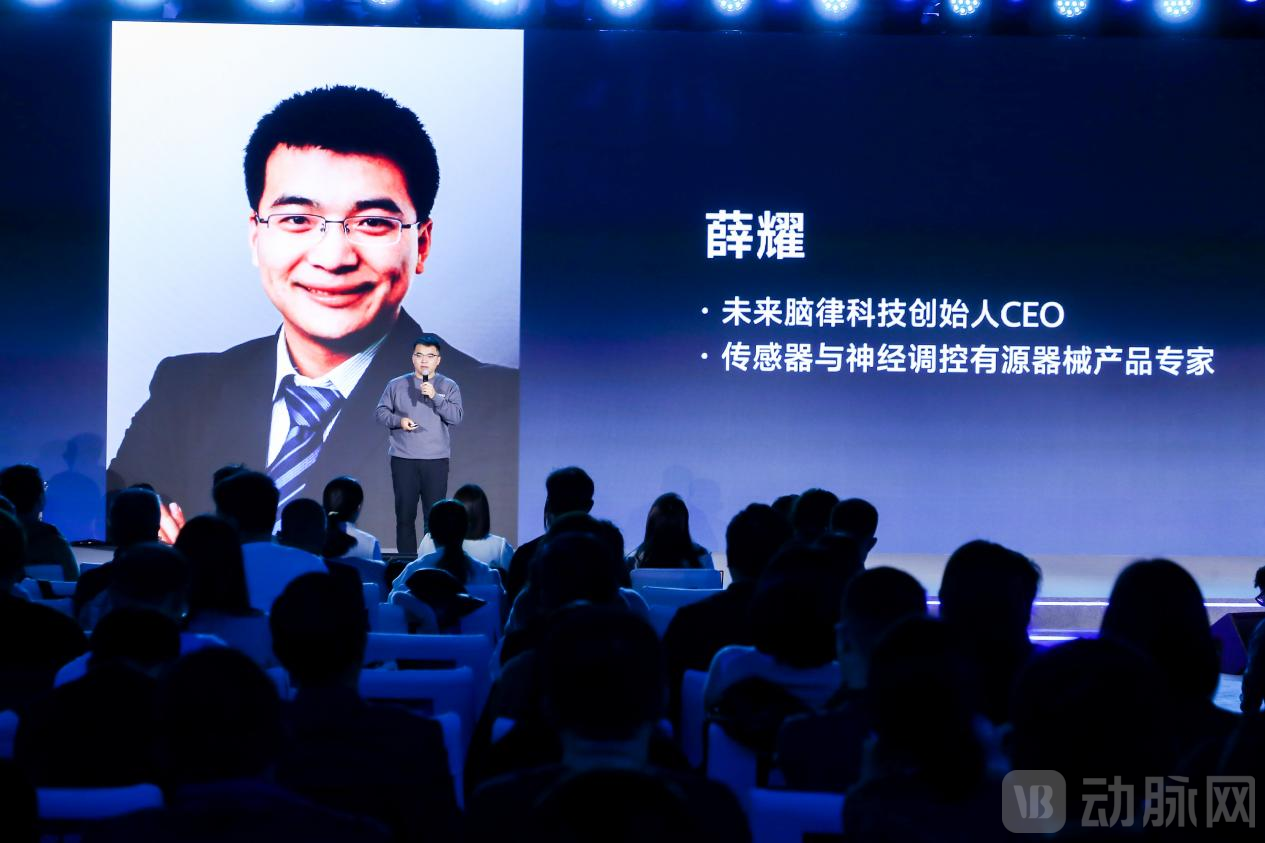
At the press conference, the final product unveiled was the Wenzhi VNS Sleep Aid Device. This marks the first consumer-facing application of non-invasive brain-computer interface technology utilizing Vagus Nerve Stimulation (VNS). Integrating neuroscience, AI algorithms, and ergonomic design, the device employs transauricular vagus nerve stimulation as its core mechanism, guided by traditional Chinese medicine auricular point theory. By precisely stimulating the auricular branches of the vagus nerve, it leverages neural signal transmission pathways to modulate relevant functions of the brain and body. During the event, Xue Yao, CEO of Future Brain Rhythm, the academic and algorithmic partner for VNS, took the stage to explain the technology’s underlying principles and medical evidence.
The VNS Sleep Aid Device features four built-in adjustment modes designed to help users alleviate sleep difficulties, increase deep sleep duration, relieve stress and emotional tension, and boost daily vitality. It is particularly effective for individuals with primary sleep disorders, high stress levels, anxiety, or chronic pain. With proper use and consistent long-term adherence, it has the potential to become an essential emotional wellness companion for everyone.
“Compared with the previously widely used Cranial Electrotherapy Stimulation (CES) technology, VNS technology: Clinical studies have shown that both technologies are effective for patients with sleep disorders. However, in comparison, taVNS targets the auricular branch of the vagus nerve, offering a more clearly defined neuromodulatory mechanism closely related to the vagus and autonomic nervous systems. In contrast, CES has less precise targeting; with electrodes placed on the left and right earlobes respectively, the pathway of current flow through brain regions remains unclear, and it is uncertain whether it acts directly on the skull, constituting a relatively broad form of transcranial stimulation,” introduced relevant experts.
To promote the integration of industry and research and better facilitate the translation of cutting-edge scientific achievements into practical applications, the Wenzhi team has jointly established the Center for Intelligent Neuromodulation and Rehabilitation with the Huzhou Institute of Zhejiang University. This partnership aims to drive collaborative development between industry and academia, working together to explore the vast potential of intelligent neuromodulation and rehabilitation technologies in the field of digital health.
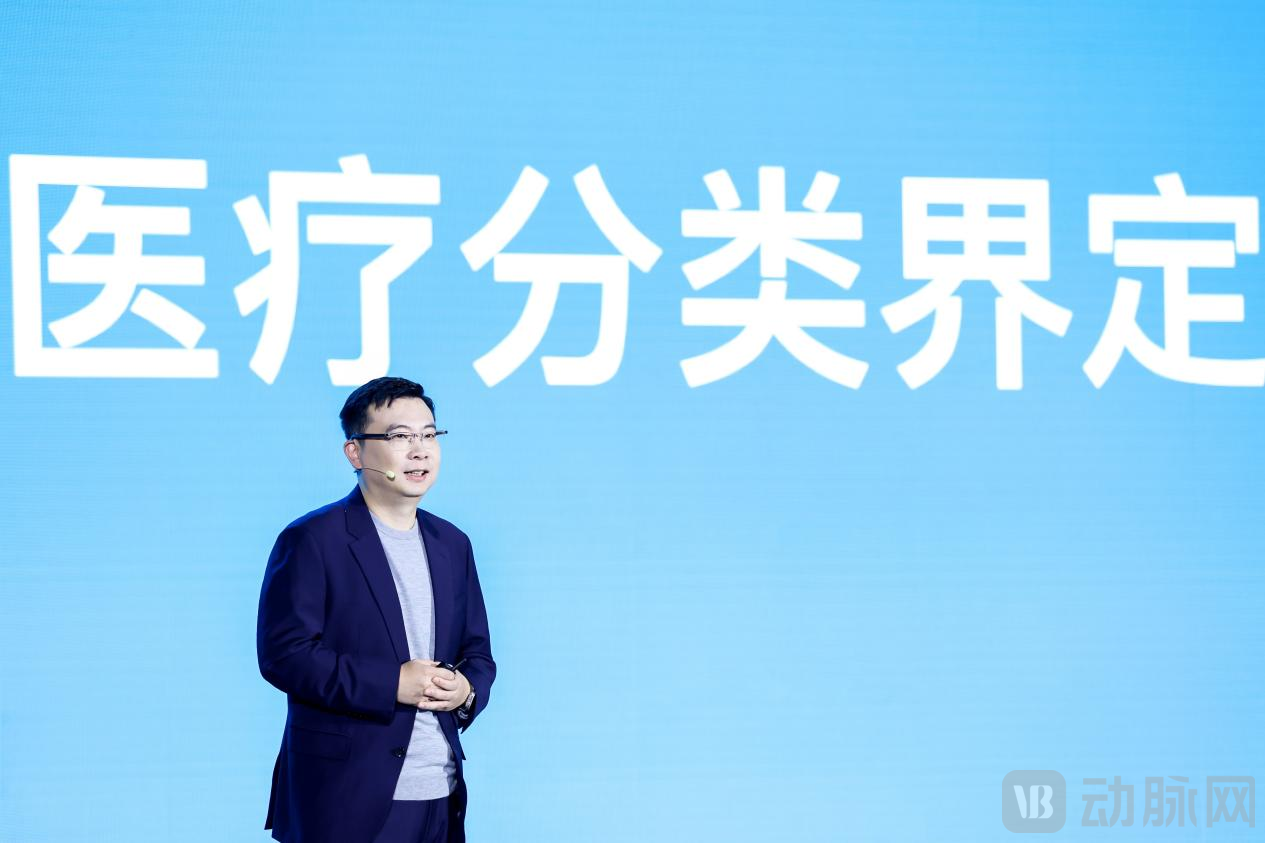
It was revealed that Wenzhi pioneered the integration with the medical industry across the entire sector, embarking on the path to digital therapeutic certification. “In 2023, we obtained the results for classification determination. In 2025, we will have three products advancing along the pathway for medical device certification.” Thanks to sustained R&D investment and patents, Wenzhi has also earned the title of a “Specialized, Refined, Differential, and Innovative” enterprise.
Wenzhi’s products are not only popular in China but also well-received by users in countries with advanced digital health concepts, such as the United States, Singapore, the United Kingdom, and Australia. The company is also poised for rapid breakthroughs in Southeast Asian and Japanese markets. It was revealed that Wenzhi will showcase its newly launched product family at the upcoming 2025 CES. At the conclusion of the press conference, Du Xin stated that Wenzhi’s brand vision is “Digi-healthy living anywhere, anytime, for anyone.” Wenzhi’s R&D team remains committed to providing accessible solutions based on advanced technology for individuals in a sub-health state.
“Gentleness and kindness are not merely part of our character, but rather a testament to the respect we strive to show for this world,” said Du Xin.

According to relevant experts, digital therapeutics employ a combination of software, hardware, and artificial intelligence, leveraging digital technologies and interventions to facilitate changes in user habits, thereby exerting a positive impact on health. Most digital health companies primarily adopt “non-pharmacological” intervention methods, which currently represent the most advanced research direction. The key distinction between Digital Health and conventional pharmaceuticals or general consumer electronics with health-related features is that Digital Health must be grounded in evidence-based medicine.
“Taking the scientific control of tobacco hazards as an example, Wenzhi has been the first to truly integrate multiple digital health technologies, validating their efficacy through evidence-based medicine. This includes enhancing willingness and motivation through exhaled carbon monoxide (CO) monitors, reducing harm and modifying habits through tar-filtering purifiers, preventing relapse through digital therapeutics, and alleviating withdrawal symptoms through vagus nerve stimulation (VNS).” It was revealed that Wenzhi will also launch weight management and control solutions in the future, along with more chronic disease management products covering scenarios such as cardiovascular and cerebrovascular diseases and diabetes.
It is reported that since its establishment, Wenzhi Technology has completed two rounds of financing: a seed round funded by Nio Capital and a Series A round invested by XVC, with the total amount exceeding RMB 100 million.
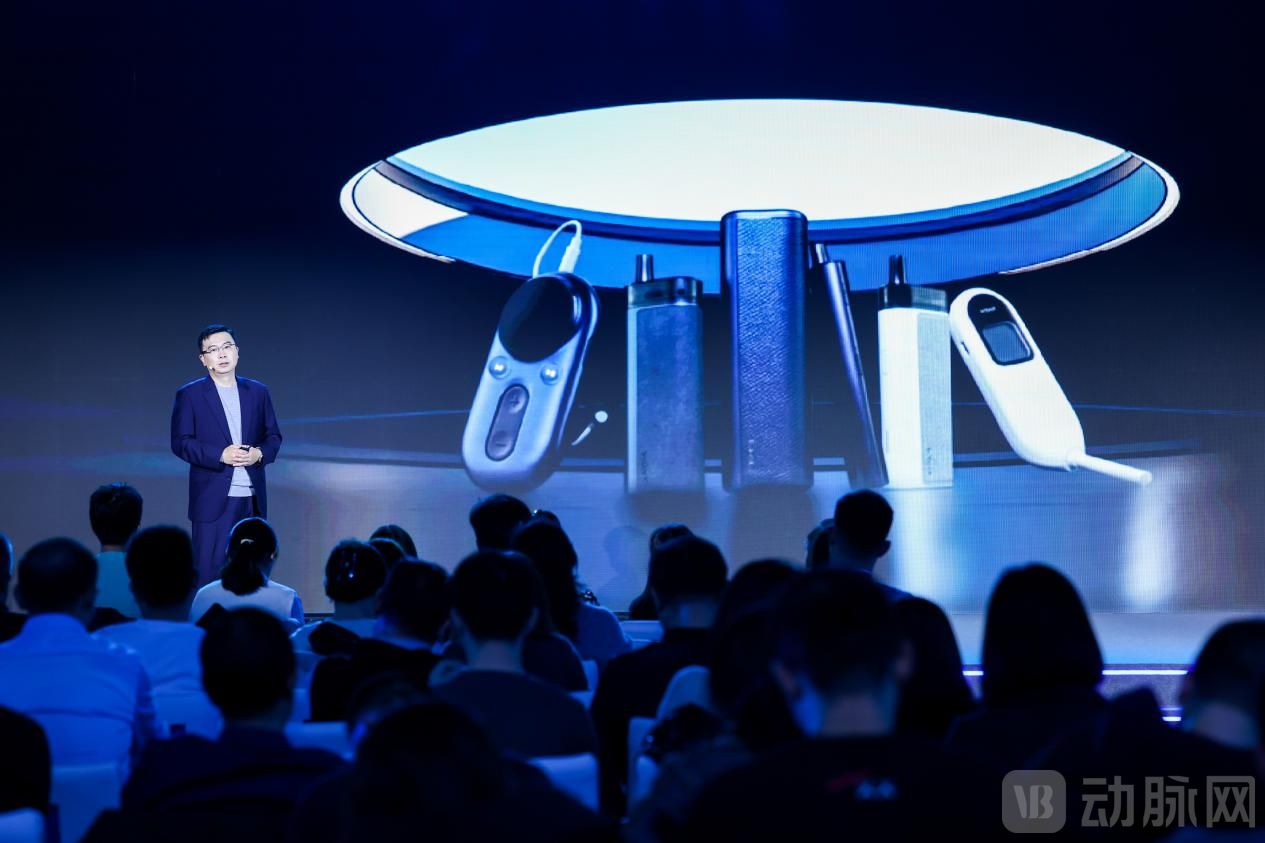
Just as the English name “WONZ” stands for “We open a new zone,” Wenzhi has, to some extent, been continuously creating “new species” within the industry.