AquaBeam Robotic Waterjet System Achieves First Commercial Installation in Mainland China, Addressing Critical Clinical Challenges in BPH Treatment
Recently, with strategic support from Part Medical and Wisent Medical Robotics, the AquaBeam waterjet robot from the United States was successfully installed at Shanghai Shende Hospital.This marks the first commercial deployment of the AquaBeam robotic waterjet system in the Chinese mainland market, bringing an innovative therapy with no thermal damage, precision and efficiency, and fewer complications to patients with benign prostatic hyperplasia (BPH) in China.
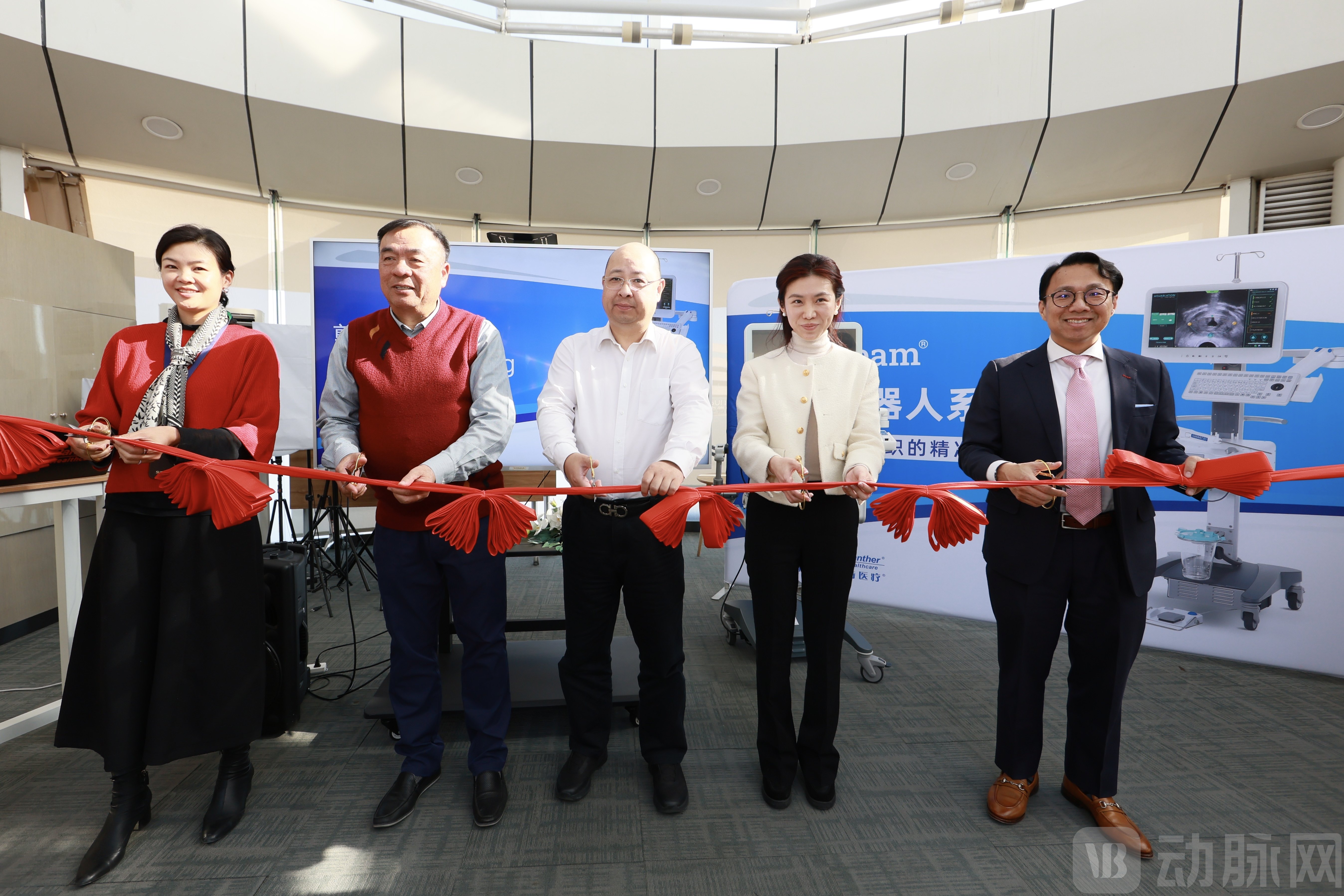
Successful Installation of the AquaBeam Robotic System at Shanghai Shende Hospital
From left to right: Vivian Lao, General Manager of Shanghai Shende Hospital; Professor Huang Yiran, Founder and Chief Expert of Yiran Urology Physician Group; Dai Jingmeng, Chairman of Pelton Medical; Kerry, CEO of Pelton Medical; and Kin, Asia-Pacific Director of PROCEPT BioRobotics.
Pelt MedicalAs a leading enterprise in China’s minimally invasive surgical instruments and consumables industry, the company closely monitors cutting-edge technologies, particularly in the surgical robotics sector, and has invested in and incubated Suzhou Visonic Medical Robotics Co., Ltd.Vicent Surgical RobotSignificant breakthroughs have been achieved in the development of laparoscopic surgical robots, with its product poised to become the first surgical robot centered on general surgery.
Meanwhile, Pelte Medical possesses deep-rooted expertise and strong industry resources in both domestic and international healthcare markets, ensuring the successful commercialization of surgical robots. This comprehensive strategic collaboration involves Pelte Medical, Wisent Surgical Robot Co., Ltd., and Yiran Urology Physician Group.The commercial deployment of China’s first AquaBeam robotic waterjet system at Shanghai Shende Hospital marks another expansion by Pelt Medical in the surgical robotics sector.
As the pioneer in the field of specialized surgical robots for benign prostatic hyperplasia (BPH), US-based PROCEPT BioRobotics Corporation (stock ticker: “PRCT”, hereinafter referred to as “PROCEPT”) was founded in 2007. Headquartered in Redwood City, California, the company is dedicated to developing transformative solutions in urology and has launched AquaBeam, the world’s exclusive waterjet robotic system. Through continuous technological innovation and market expansion,PROCEPT has become a leading enterprise in the field of robotic surgery for urology.
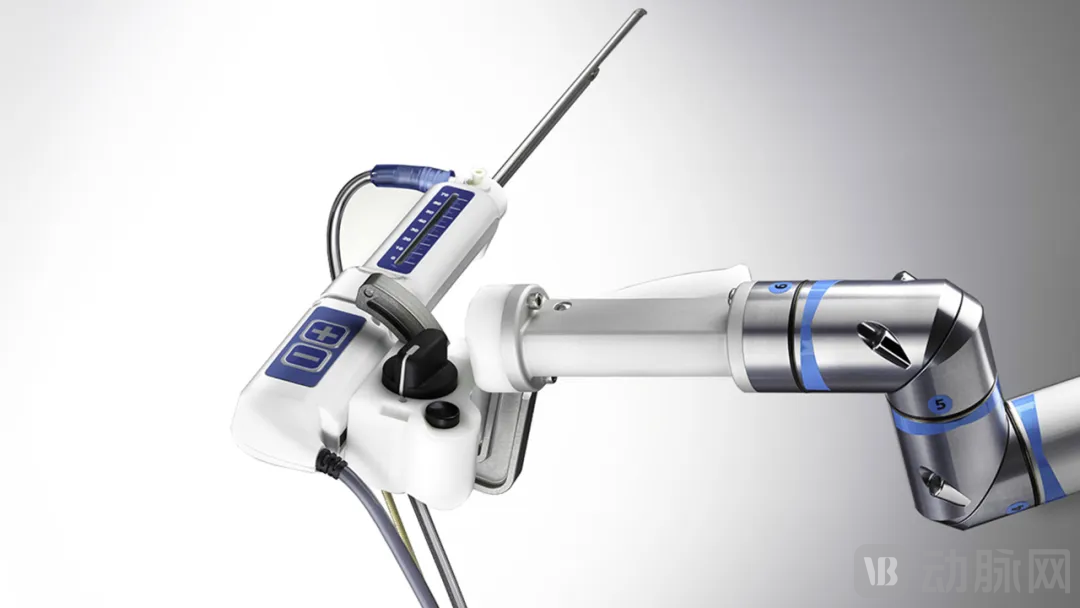
AquaBeam Robotic Waterjet System
1Athermal, precision-targeted resection: pioneering waterjet robot therapy to maximize preservation of sexual and urinary function
Benign Prostatic Hyperplasia (BPH) is a common condition in men, characterized by high prevalence and a strong correlation with aging. Epidemiological data indicate that 50% of men over the age of 50 have BPH, rising to 60% among those aged 60 and 70% among those aged 70.
In most parts of the world, the absolute burden of benign prostatic hyperplasia (BPH) is growing at an alarming rate. A study published in The Lancet Healthy Longevity shows that the global number of prevalent BPH cases increased by 70.5% from 2000 to 2019. With increasing life expectancy, the absolute burden of BPH is projected to continue rising in the coming years.
Currently, therapeutic options for benign prostatic hyperplasia (BPH) primarily include pharmacotherapy, minimally invasive surgical procedures, implants and stents, and emerging technologies; however, each approach has certain limitations:
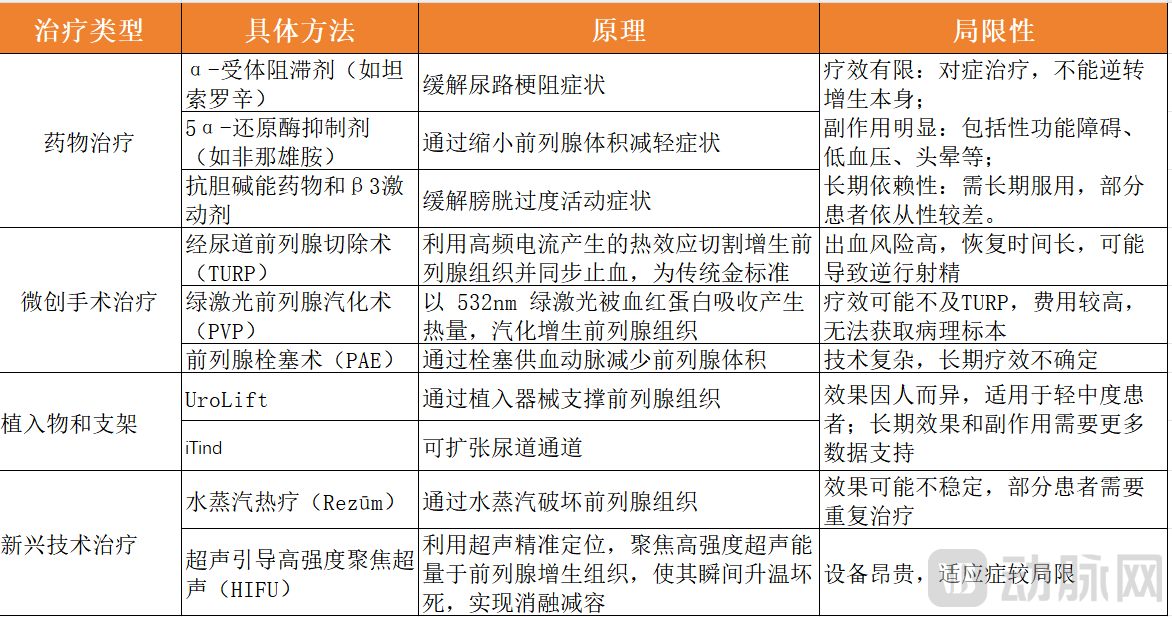 Principles and Limitations of Current Mainstream Therapies for BPH | Graphic by VCBeat
Overall, the aforementioned therapies fail to adequately balance treatment efficacy for benign prostatic hyperplasia (BPH) patients with varying prostate sizes while preserving sexual and urinary function. Currently, BPH treatment faces five major pain points:
● Balance between symptoms and treatment efficacy: Treatment should improve symptoms while minimizing sexual dysfunction and other complications;
● High recurrence rate: Many patients experience a gradual return of symptoms after treatment, necessitating secondary intervention;
● Insufficient personalized treatment options for patients: Although numerous methods are currently available, the complex and heterogeneous nature of patient conditions precludes a “one-size-fits-all” approach;
● Low treatment rate: Due to stigma or concerns about complications such as sexual dysfunction and urinary incontinence, many patients fail to receive timely treatment;
● Adherence and Psychological Burden: Long-term pharmacotherapy or postoperative complications impose psychological stress on patients.
To address the aforementioned clinical pain points and provide BPH patients with superior treatment options, PROCEPT pioneered the use of waterjet robotics for BPH therapy in the industry. This therapy, known as “Aquablation,” utilizes the AquaBeam Robotic System to perform resection for benign prostatic hyperplasia (BPH).®treatment.”
Aquablation®Owing to its non-thermal ablation mechanism and precisely tailored resection margins, this therapy can maximally alleviate symptoms in patients with benign prostatic hyperplasia (BPH) of varying prostate sizes while preserving sexual and urinary functions. With a lower incidence of complications and minimal impact on male sexual function, it holds promise as the next-generation gold standard for BPH treatment.
2The world’s first successfully commercialized imaging-guided, robot-assisted, hot-water-free therapy for benign prostatic hyperplasia (BPH) has been incorporated into multiple international urology guidelines.
Aquablation®Treatment isThe world’s first and only successfully commercialized image-guided, robot-assisted BPH treatment method without hot water ablation. Meanwhile, the core technological support for this therapy—the AquaBeam Robotic Hydrodissection System—isThe World’s First FDA-Approved Surgical Robot with Automated Tissue Resection Technology, received European CE certification in 2017 and FDA approval in 2018.
The AquaBeam robotic waterjet system integrates real-time multi-dimensional imaging, personalized treatment planning, and robotically automated, heat-free waterjet ablation technology to precisely and rapidly remove prostate tissue. Specifically, the system offers the following advantages:
Real-time Image GuidanceThe AquaBeam robotic waterjet system integrates real-time ultrasound imaging (transrectal ultrasound, TRUS) with a surgical planning system, enabling surgeons to visualize the bladder, urethra, and prostate in their entirety and identify key anatomical structures in real time. Reportedly, this real-time image guidance is a first in BPH surgery, allowing physicians to precisely plan the resection area. Furthermore, AquaBeam features dynamic monitoring capabilities; intraoperative real-time imaging ensures procedural safety and reduces the risk of damage to healthy tissue.
Personalized Treatment Planning. The AquaBeam robotic waterjet system seamlessly integrates imaging systems with robotic surgical planning systems. Guided by imaging, physicians can customize treatment plans based on the specific shape and volume of the patient’s prostate, thereby avoiding over-resection or under-resection. Meanwhile, supported by computer-assisted planning, physicians can maximize the removal of diseased tissue while preserving the bladder neck, verumontanum, and external sphincter.
Robotic Automated Waterless Jet Resection. The AquaBeam robotic waterjet system features automated, non-thermal waterjet ablation technology, which eliminates variability in surgeon technique and thermal injury to surrounding tissues, ensuring precise tissue resection and an extremely low complication rate. During the procedure, the waterjet’s ablation path is automatically executed by the robot according to the physician’s plan, thereby eliminating errors associated with manual operation, reducing intraoperative variability caused by surgeon fatigue or limited experience, and providing ultra-high stability and reproducibility. The integration of robotic technology with hydrodynamic ablation enablesAquaBeam Becomes the World's First Fully Automated System for Prostate Tissue Resection。
Aquablation, Empowered by the AquaBeam Robotic System®The treatment demonstrates significant technological advancement and superiority, with its safety and efficacy confirmed in multiple clinical studies. Research indicates that this therapy provides durable symptom relief regardless of prostate size and shape, offering clinical advantages including:
● No Thermal Injury: AquaBeam cuts tissue using high-pressure water jets without the use of thermal energy, thereby avoiding thermal injury to surrounding tissues;
● Precision: The application of robotic technology reduces human error, ensuring precise, consistent, and predictable resection of prostate tissue;
● High Efficiency and Short Recovery Time: AquaBeam’s waterjet ablation efficiency is significantly higher than that of traditional surgery, allowing treatment to be completed within minutes. Due to the precise cutting of the waterjet, blood loss is substantially reduced, leading to faster postoperative recovery for patients. Compared with other BPH treatment technologies, AquaBeam features a shorter operative time, significantly earlier removal of postoperative urinary catheters, and markedly reduced hospital stays;
● Extremely Low Incidence of Irreversible Complications: By leveraging real-time ultrasound and cystoscopic multimodal imaging guidance, surgeons can precisely avoid critical areas, thereby reducing the incidence of irreversible complications such as urinary incontinence, ejaculatory dysfunction, and erectile dysfunction;
●Long-Term Efficacy: Clinical studies have shown that Aquablation®Treatment can provide long-term symptom relief within three years. The results of a three-year randomized controlled trial comparing Aquablation® therapy and TURP showed that Aquablation®The treatment had no impact on erectile function or overall sexual satisfaction. Nearly all patients with benign prostatic hyperplasia (BPH) retained ejaculatory function after treatment, and 99% of patients did not experience urinary incontinence post-treatment, demonstrating significant superiority over transurethral resection of the prostate (TURP).
Currently,Aquablation®The treatment has been included in multiple international urology guidelines., is recommended as an effective treatment option in the benign prostatic hyperplasia (BPH) treatment guidelines of both the American Urological Association (AUA) and the European Association of Urology (EAU). Furthermore, a study conducted by the Japanese Urological Association on Japanese men demonstrated that Aquablation performed using the AquaBeam robotic hydrodissection system®The treatment is repeatable, safe, and effective, providing significant improvement in lower urinary tract symptoms and quality of life for Japanese patients with benign prostatic hyperplasia (BPH).
Meanwhile, Aquablation®The treatment has received positive evaluations from numerous urologists and academic institutions worldwide.
Dr. Mehran Movassaghi, Director of Urology at Saint John’s Health Center in the United States, stated: “This therapy provides durable symptom relief with a low complication rate. Regardless of the size or shape of the patient’s prostate, through Aquablation”®Treatment,We no longer need to compromise between the long-term efficacy of surgery and the potential negative impact on postoperative sexual function."...within one to two weeks after surgery, the patient's physical condition can return to a healthy level."
Dr. Shigeo Horie, Professor of Urology at Juntendo University Hospital, commented: “Traditionally, during surgery for benign prostatic hyperplasia, surgeons visualize the prostate through limited cystoscopic images.”In Aquablation®In this therapeutic approach, we leverage real-time ultrasound imaging and cystoscopic visualization to more accurately identify key anatomical structures and formulate personalized treatment plans.。”
3Completed Over 50,000 BPH Surgeries, Accelerating Commercialization in China
To date, the AquaBeam robotic waterjet system hasCommercial operations established in over 30 countries and regions worldwide, covering the United States, Germany, the United Kingdom, France, Canada, Japan, South Korea, and other regions. As of 2024, nearly 500 AquaBeam robotic systems had been installed worldwide,Successfully completed over 50,000 BPH surgeries。
By the end of 2023, the AquaBeam robotic waterjet system had received approval from the National Medical Products Administration (NMPA), with Pelt Medical serving as the designated strategic cooperation agent and Wisent Surgical Robot acting as the national distributor in China to facilitate its commercial promotion in the Chinese market.
Currently, the AquaBeam robotic waterjet system has participated in multiple academic conference exchanges and completed over ten demonstration surgeries in mainland China. Among the patients with benign prostatic hyperplasia (BPH), the prostate volumes ranged from a maximum of 200 grams to a minimum of 55 grams, with an average of 87 grams. Its clinical advantages, including high resection efficiency, precise and minimally traumatic operation, and significant improvement in urinary obstruction symptoms, have been highly recognized by the participating experts.
Professor Huang Yiran, a renowned expert in urology and founder of the Yiran Urology Physician Group, commented on the inaugural deployment of the AquaBeam Robotic Hydrodissection System: “Following the introduction of new technology, subsequent follow-up and observation are also crucial. Our team is well-equipped to carry out these tasks effectively, thereby enhancing treatment outcomes... Robotic hydrodissection surgery has been widely performed overseas with demonstrated applicability. However, each surgical procedure has its unique characteristics. We aim to ensure the successful implementation and fruitful adoption of the AquaBeam robotic therapy, better benefiting patients by improving urinary flow and continuously refining our practice.”
Professor Zhang Yuanjin of The Chinese University of Hong Kong Hospital, a pioneer in waterjet robotic surgery in Asia, stated: “Having performed transurethral water vapor thermal therapy and holmium laser enucleation of the prostate, I believe that waterjet robotic systems demonstrate superior performance in terms of safety and preservation of function. If the advantages and disadvantages of various surgical approaches are clearly explained to patients, the majority of my patients would opt for waterjet robotic surgery.”
Professor Sun Jie from the Department of Urology at Shanghai Renji Hospital stated, “After learning about the water-jet robotic system, I believe another advantage of this therapy is that it reduces variations in treatment outcomes caused by differences in operators’ experience and skills. The surgical resection results achieved by a surgeon with two years of experience may be consistent with those of a surgeon with over twenty years of experience, which highlights the remarkable capability of this technology... After the clinical implementation of the water-jet robotic system, real-world studies can be conducted. By establishing local data, we can further develop diagnostic and therapeutic guidelines as well as training systems, thereby helping Chinese physicians better master this innovative technology and provide improved care for patients.”
Professor Zhang Yushi from the Department of Urology at Peking Union Medical College Hospital stated, “The treatment approach using the AquaBeam Robotic HydroJet System not only enhances the precision of BPH surgery but also offers patients a minimally invasive option with faster recovery. The application of this technology aligns with our commitment to pursuing excellence in medical services and is expected to be widely adopted in the field of urology across China in the future.”
Professor Shi Benkang from the Department of Urology at Qilu Hospital of Shandong University commented: “The waterjet robot utilizes artificial intelligence and robotic technology to control high-pressure water streams for precise tissue resection. Its precision, efficiency, and safety have significantly reduced complications associated with traditional surgery and shortened postoperative recovery time.”
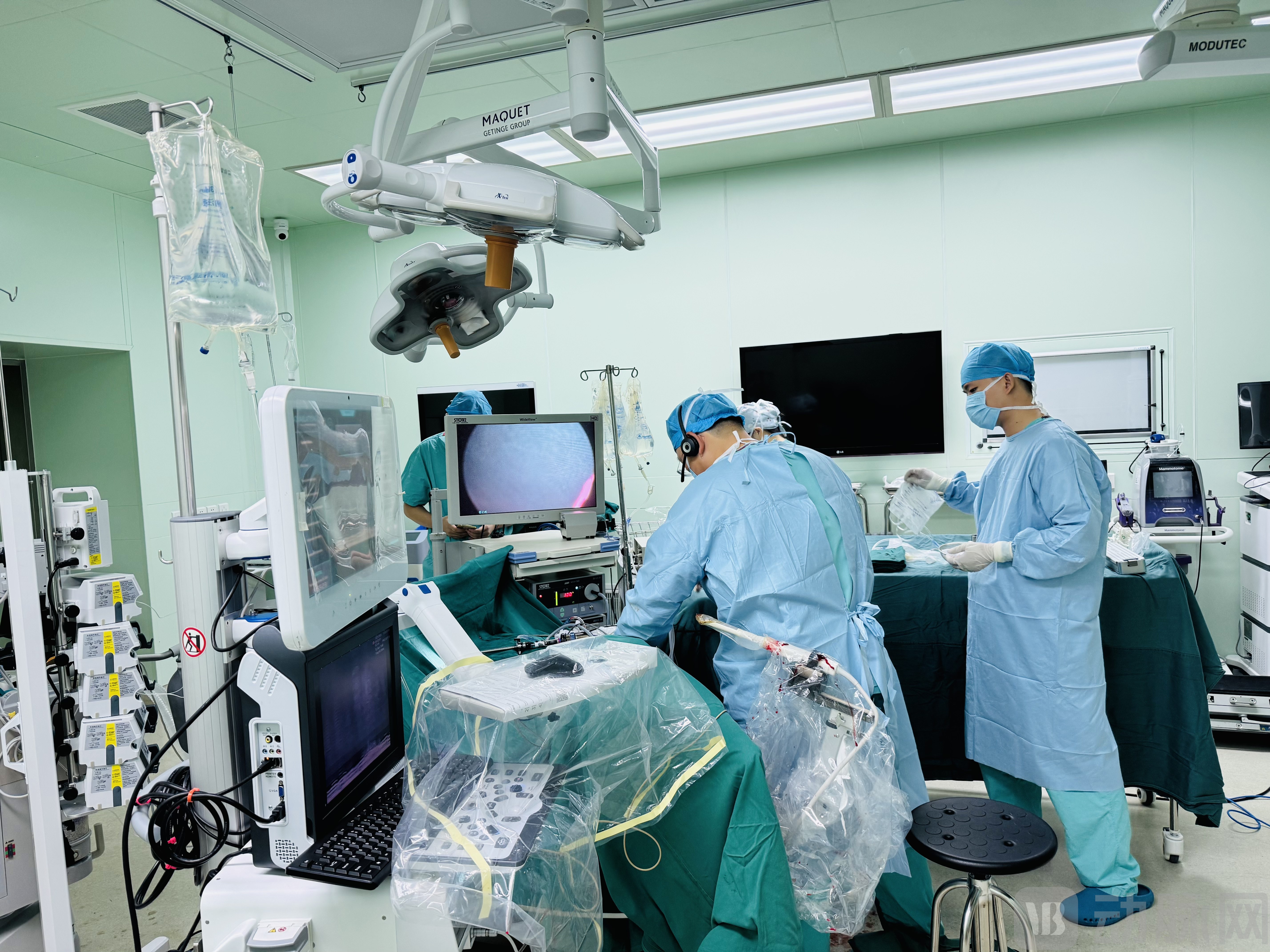
AquaBeam Robotic System Participates in Urology Academic Conference and Conducts Live Surgical Demonstration
Dr. Shi Taoping, Director at Hainan Hospital 301, performed AquaBeam robotic waterjet enucleation of the prostate on a patient with massive benign prostatic hyperplasia (BPH) weighing 170 grams. The clinical advantages of the AquaBeam robotic waterjet system—including high efficiency, precision, minimal blood loss, and significant therapeutic efficacy—have been highly recognized. Experts present noted that performing laser enucleation for a similar case would require at least one hour of resection time. Observing the procedure firsthand left them deeply impressed by the AquaBeam system’s clinical benefits, such as treatment predictability, exceptional efficiency, and reduced bleeding, and they expressed hope for its broader adoption in hospitals across China.
Looking ahead, with the support of Palt Medical’s steady implementation of its market-oriented, internationalized, and securitized business strategy, Palt Medical and Viscent Surgical Robot will continue to drive the commercial expansion of the AquaBeam robotic system in mainland China, helping domestic urologists utilize the AquaBeam robotic system and Aquablation.®Therapy benefits more BPH patients.
Currently, Wisent Surgical Robot Co., Ltd. is seeking financing. If you are interested in Wisent and its products, please contact us.: