

PangCe Medical's HAIRO Hair Transplant Robot Receives China's First NMPA Approval, Pioneering a New Era of Standardized, Precise, and Intelligent Hair Restoration
Recently, Pound Strategy (Shanghai) Intelligent Medical Technology Co., Ltd. (hereinafter referred to as “Pound Strategy Medical”) owns the first-generation HAIRO with complete independent intellectual property rights®Follicular Unit Extraction Device (also known as: Hair Transplant Robot) has obtained the Class III Medical Device Registration Certificate from the National Medical Products Administration (NMPA) (Registration No.: 20253010078).
A hair transplant robot is a medical assistance system for hair transplantation that integrates advanced technologies such as robotics, 3D imaging, and artificial intelligence (AI). By using computer-controlled robotic arms to perform hair transplant procedures, it can extract and implant hair follicles with high precision, thereby assisting physicians in completing various types of hair transplant surgeries more effectively and efficiently. For a long time, the technological forefront in this field has been dominated by U.S. companies. Today, Pangce Medical’s HAIRO®The advent of hair transplant robots has broken this monopoly, becoming the second such robot approved globally, the first in Asia, and the first domestically approved robot of its kind.
HAIRO®Hair Transplant Robot is specifically designed for the hair characteristics of Asians. It accurately identifies hair through 3D vision positioning technology and uses algorithms to plan and control the robotic arm to complete follicular unit extraction surgery. It has significant advantages in increasing the multi-graft follicular unit extraction rate, thereby reducing the number of traumatic wounds, maintaining the integrity of follicular punctures, accelerating treatment efficiency, and enhancing patient experience. HAIRO®The approval of hair transplant robots not only provides patients with hair loss with precise controllability, high treatment consistency, and superior post-transplant outcomes, but also marks a new milestone in the intelligent, precise, standardized, and norm-based development of hair transplantation in China.

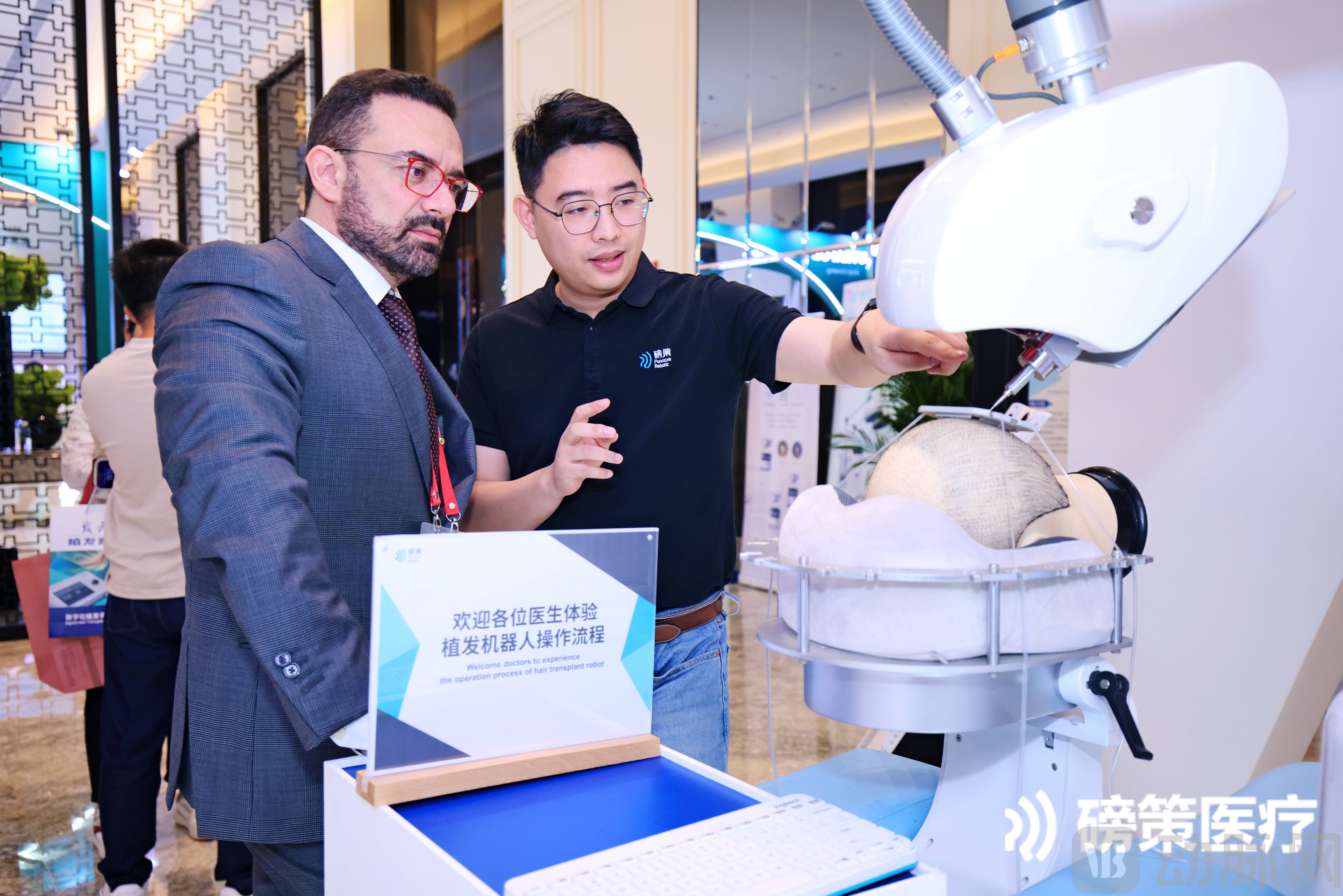
HAIRO®Hair Transplant Robot
Hair transplant clinics face intensifying competition,
Insufficient Development of Hair Disorder Departments in Public Hospitals: Robotics May Be the Key to Breaking the Deadlock
Hair loss is the “Sword of Damocles” hanging over the heads of every beauty-conscious individual. According to statistics from the National Health Commission, China has a hair loss population exceeding 250 million, with a significant trend toward younger onset; in particular, men around the age of 30 represent the fastest-growing demographic. Currently, there are four primary approaches to treating hair loss: regulating overall bodily condition, physical therapy, pharmacological treatment, and hair transplantation surgery. Among these, hair transplantation is highly favored by those suffering from hair loss due to its ability to promote targeted hair regrowth in balding areas with remarkable results. Even affluent individuals such as Elon Musk have opted for hair transplantation to address this pressing concern.
FUE (scarless hair transplantation) is currently the mainstream method for hair restoration. This technique requires manual extraction of hair follicles, demanding a high level of physician experience and operational precision. The procedure often entails 4 to 8 hours of intense concentration, posing a dual challenge to the surgeon’s visual acuity and physical stamina. Although more efficient foreign-made hair transplantation robots are available on the market, their price tag of RMB 4 million to 8 million per unit, coupled with high treatment costs, represents a financial burden that many hair restoration clinics and patients struggling with hair loss find difficult to bear.
Looking at the overall landscape of China’s hair transplant market, since the listing of the “first publicly traded hair transplant company” in 2021, the sector has experienced rapid growth, with competition becoming increasingly intense. Faced with the dual challenges of low repeat purchase rates and high customer acquisition costs, hair transplant clinics have been compelled to invest heavily in marketing, thereby dragging down their revenue and gross profit margins. Compounded by the trend of consumption downgrading, how to identify new breakthroughs and “marketing selling points” across dimensions such as technology, service, and pricing has become a new challenge for hair transplant institutions.
Although public hospitals enjoy greater patient trust, hair transplantation is not a key priority for them. These institutions often lack sufficient focus on hair disorders and have underdeveloped disciplinary frameworks. In some hospitals, the hair department is merely a subsidiary of dermatology, lacking an independent and systematic structure, which restricts clinical diagnosis, treatment, and research. Meanwhile, there is a shortage of specialized hair physicians in China, with most concentrated in Grade 3A hospitals in first-tier cities. Furthermore, hair transplantation procedures are time-consuming and require multi-person collaboration. Given the heavy patient load and limited time and human resources in public hospitals, waiting times for hair transplants typically extend to several months at minimum, making large-scale implementation difficult.
Although hair transplantation appears to be a simple and repetitive procedure, it requires physicians to develop muscle memory through extensive training in standardized maneuvers to master high-quality surgical techniques. Such precise and repetitive operations are precisely where robots excel.
Pangce Medical’s hair transplant robot project was incubated with the support of Academician Sun Lining’s team and Professor Wu Wenyu’s team, Director of the Department of Dermatology at Huashan Hospital Affiliated to Fudan University.
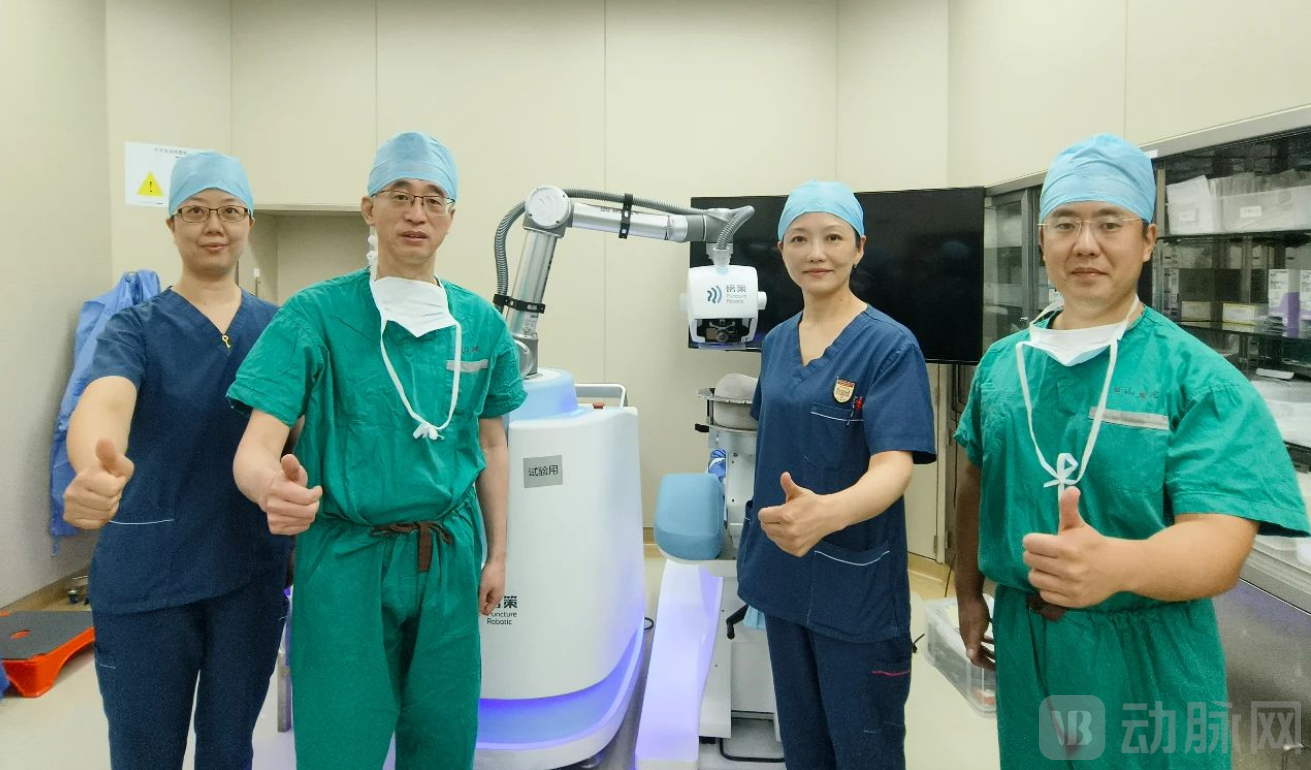
Group Photo of the Clinical Team (Partial) at Huashan Hospital Affiliated to Fudan University After Using the Bangce Robot,
The second person from the left in the figure is Professor Wu Wenyu.
As the first domestically produced hair transplant robot to receive NMPA certification, data shows that HAIRO®️The hair transplant robot achieves an automatic follicular unit (FU) extraction speed of over 1,700 FUs/hour, with a single FU extraction time of less than 2 seconds. The extraction accuracy rate is approximately 95%, with a harvesting precision of 0.01 mm and a depth precision of 0.05 mm. Utilizing needle sizes ranging from 0.8 mm to 1.0 mm and a compatible system for both single and double needles, it efficiently isolates various types of follicular units. This minimizes trauma to both the donor and recipient areas, effectively shortening the patient’s recovery period while achieving scar-concealing results.
Follicular unit extraction is one of the critical steps determining the success or failure of hair transplantation, as it directly influences the naturalness and density of the outcome. Human follicular units typically contain 1 to 4 hairs each; those containing more than two hairs are referred to as multi-hair follicular units. A higher proportion of multi-hair follicular units allows for a greater number of individual hairs to be harvested from the same quantity of follicular units, thereby yielding superior transplantation results—in layman’s terms, creating a denser appearance.
Pangce Medical has introduced“Ultra-HD Binocular Camera + AI Algorithm”, it can rapidly identify follicular density, growth direction, and the distribution of single- and multi-follicular units. Meanwhile, by intelligently planning extraction paths in real time, it assists physicians in targeted follicular unit extraction, increases the proportion of multi-follicular unit harvests, and provides patients with more graftable hair units for the same number of punch extractions, thereby carefully preserving every follicle in patients with hair loss. Furthermore, based onUnique Hand-Eye Integrated Intelligent Operating System and AI-Assisted Visual Recognition Technology, which not only reduces the follicular unit extraction transection rate by 40%, but also supports real-time planning and intelligent dynamic optimization of the extraction process during surgery, enabling physicians to perform procedures quickly, accurately, and steadily.
HAIRO®️The exceptional performance of hair transplant robots is attributed to their continuous innovation and breakthroughs in multiple key core components. Taking the tensioner as an example, this critical component of hair transplant robots is responsible for maintaining scalp tension and creating a flat working surface on the scalp. Bangce Medical has comprehensively optimized the tensioner, ranging from tension control to large-area labeling. Equipped with high-precision adjustment capabilities, it ensures appropriate tension during follicle extraction while providing precise guidance for the robotic arm. This enhances the accuracy of follicle extraction, reduces follicular damage, improves surgical efficiency, minimizes blood oozing, and accelerates postoperative recovery.
Take the puncture needle as another example. Bangce Medical has adopted a 0.8mm–1.0mm needle type, which is better suited for extracting the round hair follicles typical of Asians. Its distinctive multi-stage, multi-mode hybrid puncture technique enables precise control over the extraction angle and depth, simulating the natural direction of hair growth to achieve uniform extraction. Meanwhile, the fine-needle design minimizes trauma to both the donor and recipient areas, reducing postoperative pain and discomfort, thereby facilitating patient recovery. Furthermore, by integrating its proprietary high-breakthrough real-time sensor-based motion control technology, the system provides dual safeguards—puncture force protection and motion safety protection—making the procedure safer and more reliable.
Furthermore, Bangce Medical has adjusted the light source by employing infrared vision technology, which not only ensures image clarity but also reduces eye strain for surgeons. Meanwhile, this technology allows blood to remain transparent, facilitating better identification of hair follicles and thereby enhancing both surgical safety and recognition accuracy.
Professor Wu Wenyu from Huashan Hospital, Fudan University, once commented on HAIRO®Hair transplant robots are evaluated to perform on par with their foreign counterparts in terms of speed and precision, while offering certain advantages over manual extraction in success rates. This technology will effectively address the clinical shortage of specialized hair transplant professionals, promote the development of China’s hair transplantation sector, and bring new hope to the field.[1]
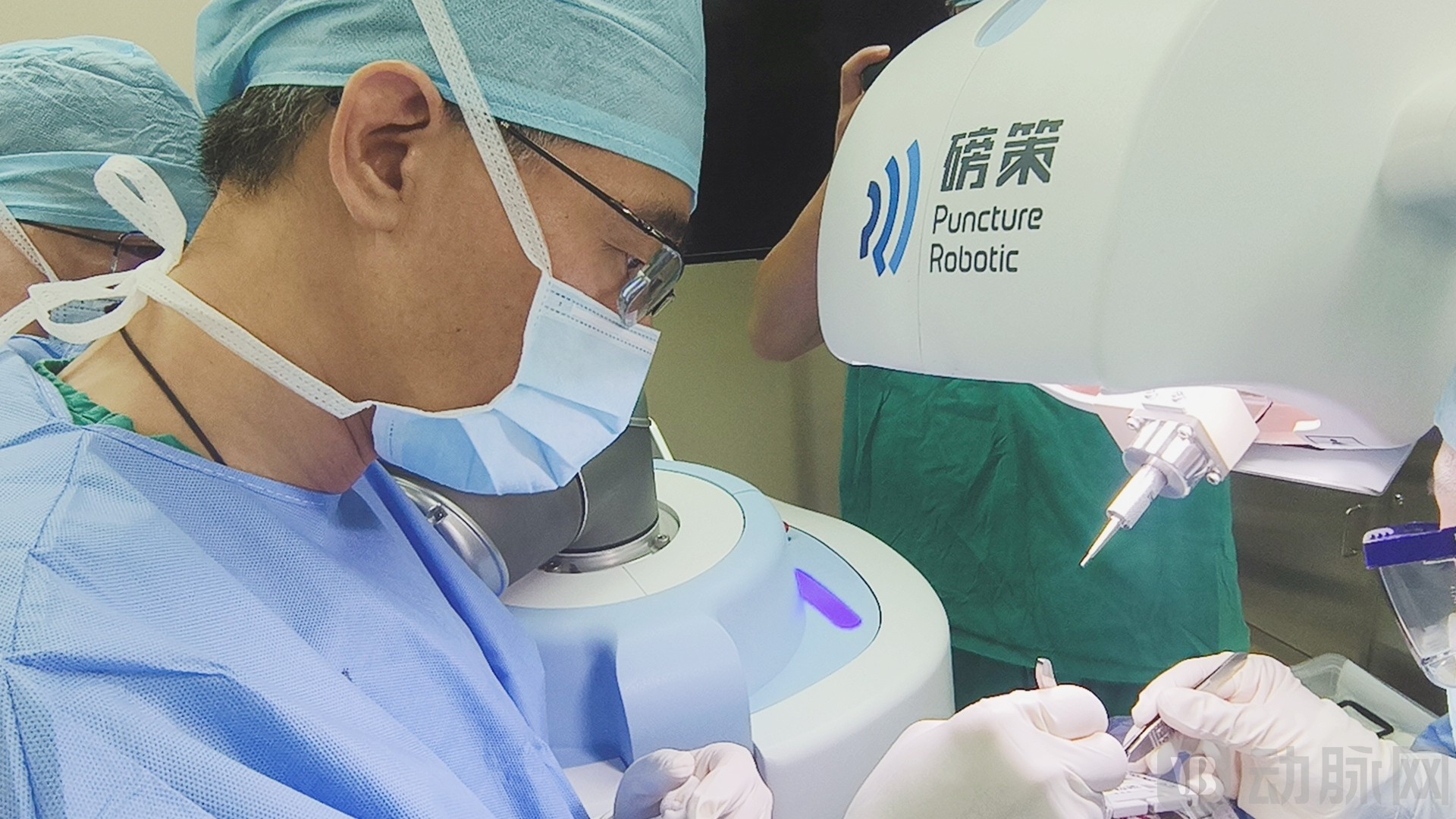
Professor Wu Wenyu Uses HAIRO®Hair Transplant Robot
Standardization is the prerequisite for the healthy development of the industry, and hair transplantation is no exception.
On the one hand, hair transplant robots help stabilize pricing within the hair transplantation industry, serving as a benchmark for price anchoring and a reference standard for quality.Specifically, current pricing for hair transplant surgeries is generally based on the number of follicular units and the surgeon’s experience, lacking a unified standard. Many private hair transplant clinics, in their bid to capture consumers, have become embroiled in intense price wars, leading to a situation where inferior providers drive out high-quality ones.
The application and widespread adoption of hair transplant robots help rectify the chaotic practices within the hair transplantation industry and play a positive role in elevating its overall standards. They can stabilize market prices, thereby avoiding the vicious cycle of cutthroat competition driven by low pricing. Furthermore, hair transplant robots ensure surgical quality and reduce post-procedure customer complaints, positioning them as potential benchmarks for pricing anchors and quality outcomes in the hair transplantation industry.
For public hospitals, against the backdrop of tightening budgets and operating under a self-financing model, hair transplant surgery is poised to become a new revenue growth driver and support the enhanced development of their hair disorder departments.
On the other hand, hair transplant robots have laid a solid foundation for the standardization of the hair transplantation industry, as well as for clinical and scientific research development, by providing a standardized solution that is easy to replicate and promote.The development of hair restoration specialties relies on advancements in equipment and breakthroughs in research. Hair transplant robots provide a standardized set of procedures and operational protocols, which help enhance the overall diagnostic and treatment precision as well as service quality of hair restoration departments. This allows medical staff to devote more energy to preoperative assessments and postoperative care guidance, thereby improving departmental operational efficiency and disciplinary standards.
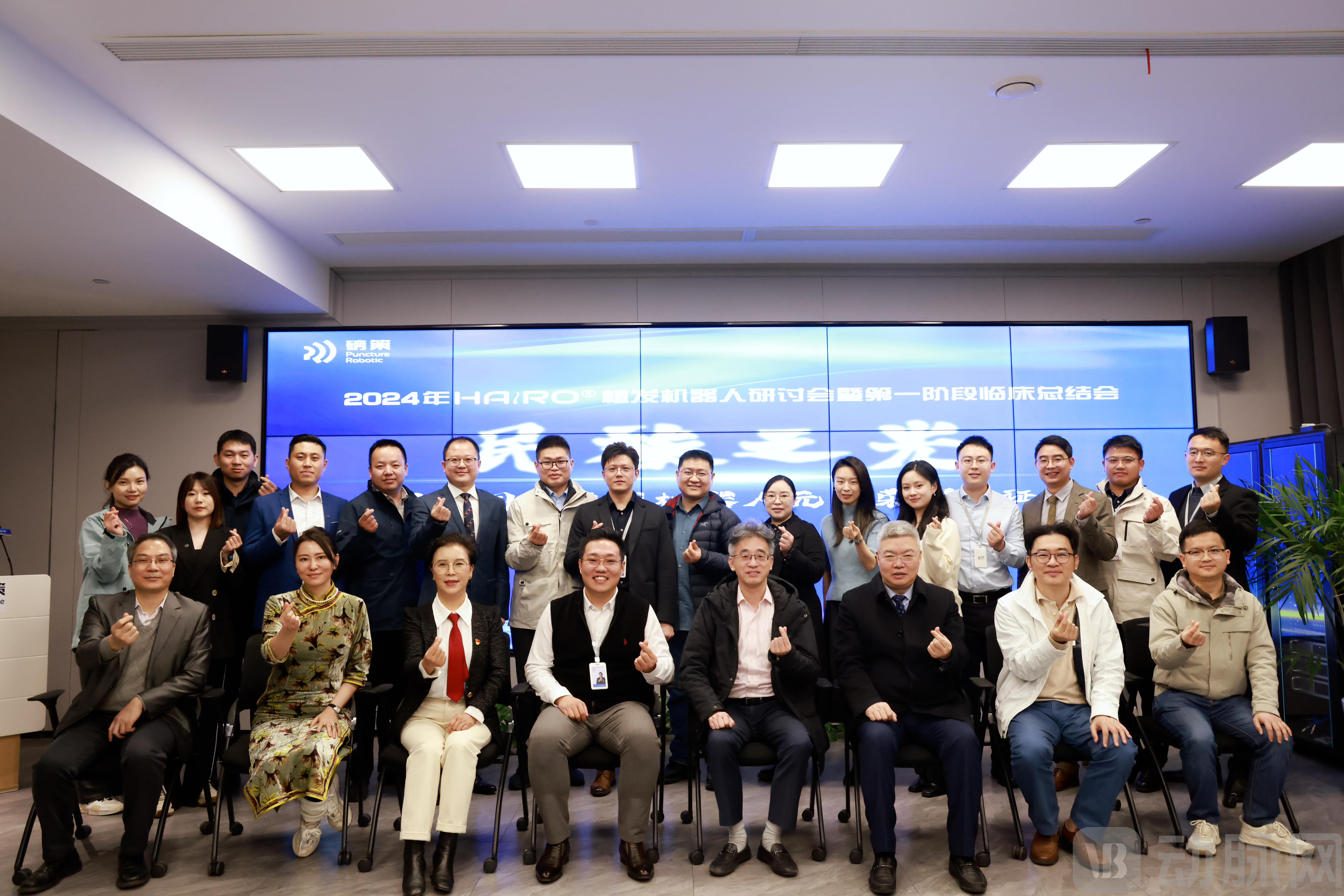
Domestic Hair Care Experts Attend Pangce Medical's HAIRO®Summary of Clinical Trials for Hair Transplant Robots
Notably, in 2024, Peking University Shougang Hospital pioneered the establishment of a new department dedicated to comprehensive hair disorder diagnosis and treatment, taking the lead in breaking the status quo in China where no public tertiary hospitals had specialized departments for hair conditions. Among the advanced equipment introduced in this department is HAIRO by Bangce Medical.®️Hair Transplant Robot. Meanwhile, the Hair Diagnosis and Treatment Department of Peking University Shougang Hospital has officially become HAIRO®️As the clinical research unit and clinical application training base for the Hair Transplant Robot (Beijing), this collaboration has significantly promoted the coordinated development of the Department of Hair Diagnosis and Treatment in medical care, teaching, and scientific research.
Professor Wang Jiping from Peking University Shougang Hospital stated, “In the future, hair transplantation surgery will become increasingly intelligent. The widespread adoption of robotic hair restoration will not only liberate physicians from strenuous surgical procedures but also provide patients with hair loss a safer, more convenient, and more precise treatment option.”[2]
Hair loss has become a global challenge. In response, Pangce Medical has formulated a dual-market strategy targeting both domestic and international markets. The company has secured dozens of letters of intent for orders within China, with collaborative clients spanning general hospitals and private medical service institutions; meanwhile, HAIRO®️Hair transplant robots are also undergoing intensive overseas regulatory filings, gearing up to enter the Southeast Asian and European markets.
In terms of commercialization strategy, Bangce Medical focuses on the research and development of hair transplant robots, creating a comprehensive solution that encompasses the entire process of hair detection and diagnosis, treatment, and maintenance. In addition to the first-generation HAIRO® hair transplant robot, which has recently received regulatory approval, the company has also developed the second-generation Normanrobo™ and third-generation HAIRO L™ hair transplant robots, as well as devices such as the HairTracker 3S Intelligent Hair Grading and Assessment System and the Scalp Anti-Aging Therapy Device, providing hospitals and hair transplant institutions with holistic solutions for hair disorder diagnosis and treatment.
With HAIRO®️Hair Transplant Robot Approved for Market Launch; Bangce Medical Will Continue to Penetrate the Core Hair Transplant Market, Forge Partnerships with More Private Hair Transplant Clinics and Public Hospitals, and Help More Patients Overcome Hair Loss Concerns to Regain Confidence and Beauty.
References:
[1] A New Era Begins, Leading with Impact | HAIRO® Hair Transplant Robot Shines with the Light of Chinese R&D, Successfully Concluding the First Clinical Study in China
[2] "HAIRO Hair Transplant Robot Clinical Research Unit Lands in Beijing, Leading the Development of the Hair Industry in the Beijing-Tianjin-Hebei Region"
[3]"Building a Full-Cycle Solution for Hair Loss Diagnosis and Treatment: Hair Transplant Robot Developer 'Pangce Medical' Secures Tens of Millions in Pre-B+ Round Funding"
*This article may not be reproduced without authorization from VCBeat.