

China's First Hearing Rehabilitation Industry College Unveiled to Address Acute Shortage of Hearing Aid Fitters
The World Health Organization points out that hearing impairment is the most prevalent sensory organ disability worldwide, characterized by "three highs and one low": high incidence, high disability rate, high preventability, and low awareness. As China's population ages, hearing health issues among the elderly have become increasingly prominent. According to calculations based on the Seventh National Population Census and the Report on the Current Status and Development Trends of Hearing Health in China, approximately 120 million elderly people in China suffer from hearing loss or impairment, representing a substantial population.
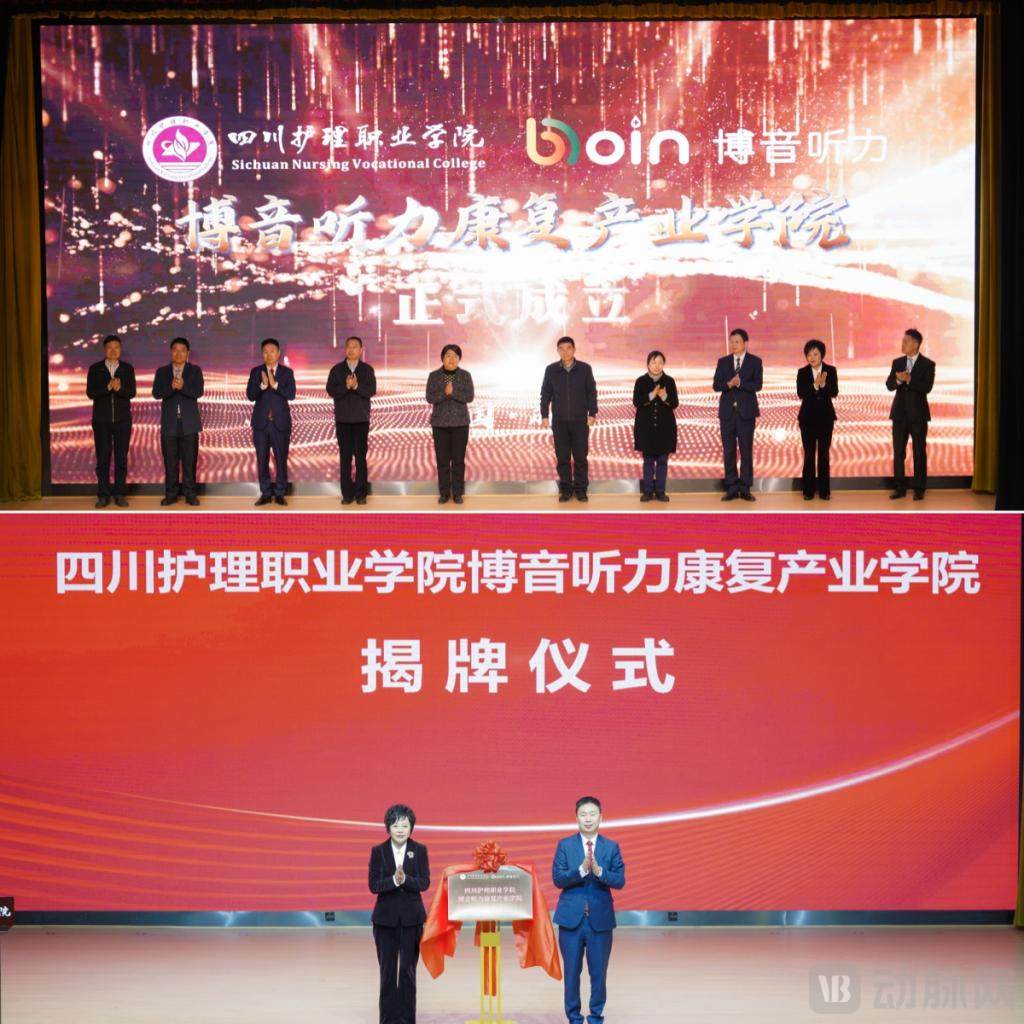
To implement the major decisions and arrangements made at the 20th National Congress of the Communist Party of China, vigorously promote the deep integration of industry and education, solidly advance the application of new quality productive forces in the healthcare sector and hearing rehabilitation field, and boost high-quality development of school-enterprise partnerships,On January 11, the founding ceremony and unveiling of the Boyin Hearing Rehabilitation Industry College at Sichuan Nursing Vocational College were held at its Chengdu campus.。
Cao Li, Second-Level Inspector of the Sichuan Provincial Health Commission; Zhang Fanrong, Director of the Science and Education Division; Li Guoping, First-Level Researcher of the Vocational Capacity Building Division of the Sichuan Provincial Department of Human Resources and Social Security; Chen Guangqing, Director of the Sichuan Provincial Rehabilitation Assistive Technology Service Center; and other relevant leaders attended the conference and delivered speeches. More than 360 participants, including leaders from Sichuan Nursing Vocational College, the senior management team of Boyin Hearing Technology (Shanghai) Co., Ltd., industry experts, and all faculty and staff, attended the conference.
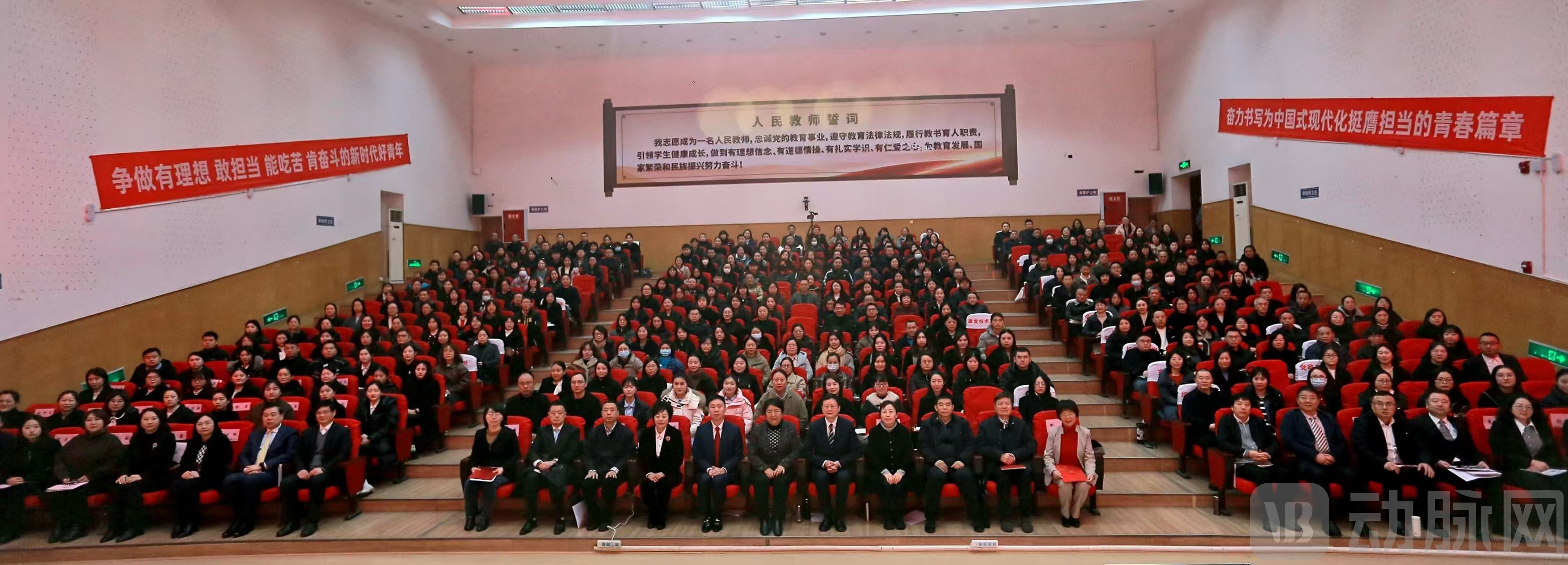
At the meeting, Jiang Tao, Secretary of the Party Committee of Sichuan Nursing Vocational College, and Jiang Xianquan, Chairman of Boyin Hearing Technology (Shanghai) Co., Ltd., delivered speeches on behalf of their respective parties. The Hearing Rehabilitation Industry College is a joint initiative established by the College and Boyin Company, integrating teaching, scientific research, and practical training.
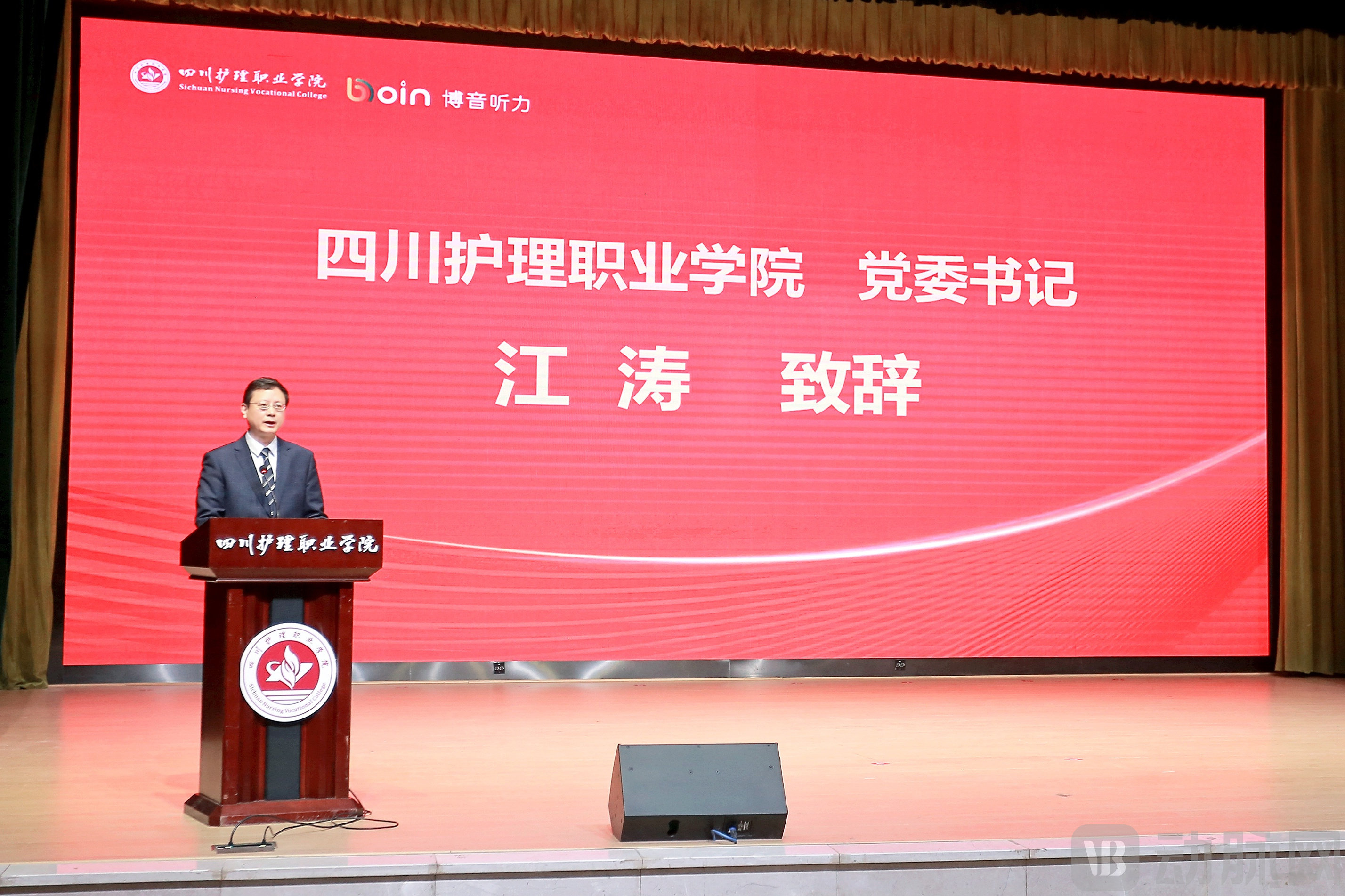
Jiang Tao stated,Boyin Hearing Rehabilitation Industry College, Sichuan Nursing Vocational CollegeGuided by national policies, this initiative aligns with the times and represents a significant step toward deep integration of industry and education. The Industrial College aims to integrate high-quality resources from both parties, establish a distinctive talent training base and an innovation hub for industry-education integration, and jointly create a benchmark model for the hearing rehabilitation industry.
Jiang TaoIt was pointed out that the unveiling and establishment of the Industrial College mark a significant step forward in the integration of industry and education in the field of hearing rehabilitation, as itNoOnlyIt is China's first Industrial College for Hearing Rehabilitation,Stillis currentlySichuanThe Only Institution in the Province for Vocational Skill Level Recognition of Hearing Aid Fitters. Both the university and the enterprise will use this as a platform, build a new ecosystem integrating the “four chains” of the hearing rehabilitation industry—namely, the industrial chain, talent chain, education chain, and innovation chain—cultivate more high-caliber professionals, and promote the prosperous development of the hearing rehabilitation industry。
BoYinHearingChairman Jiang XianquanIt was stated that, with societal development and heightened public health awareness, the hearing rehabilitation industry is ushering in unprecedented opportunities for growth. Hearing health not only pertains to individual quality of life but also exerts a profound impact on overall societal development.
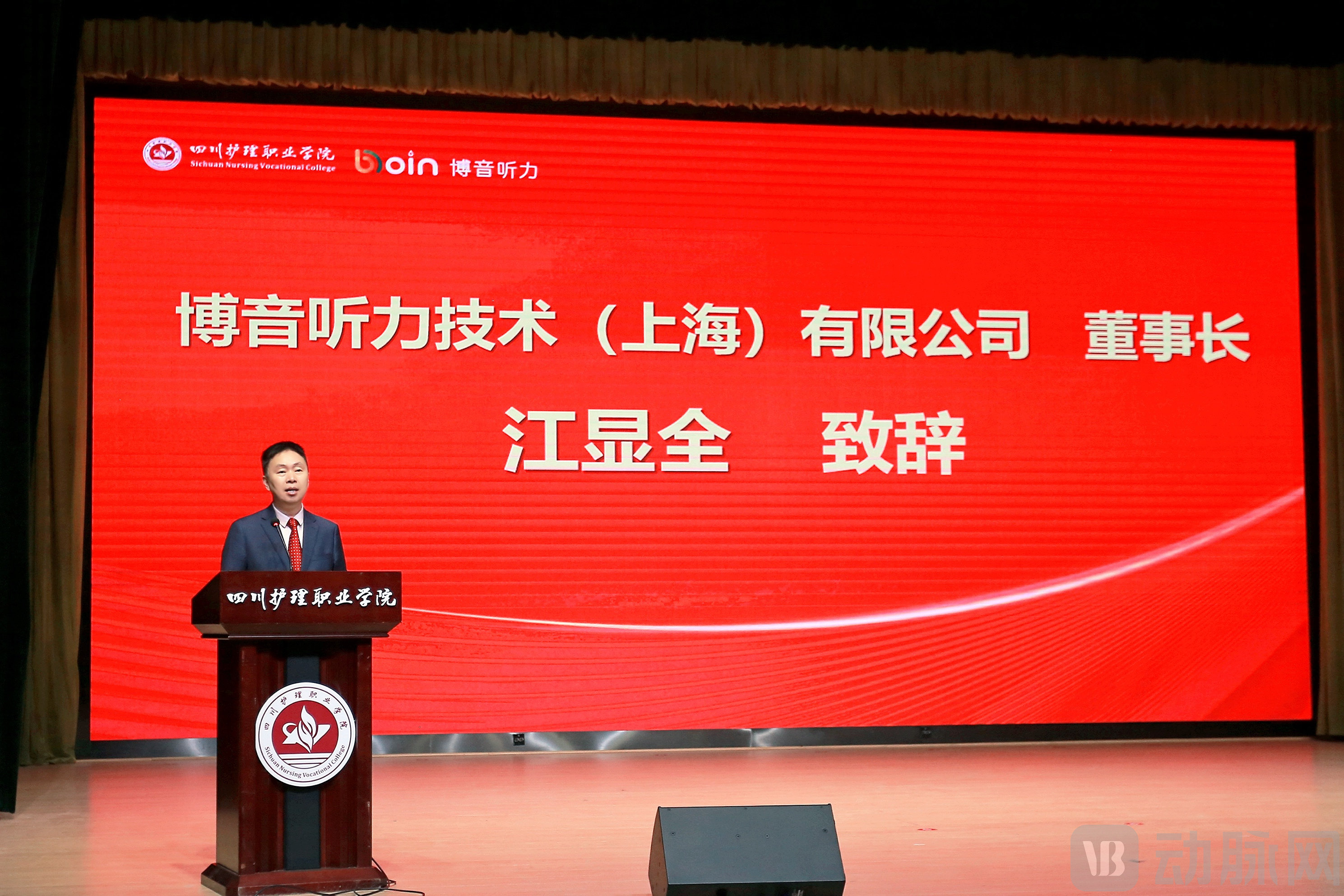
Jiang Xianquansaid: “We are fully aware that the development of the industry cannot be separated from the support of professional talents.”Professional talent is the core competitiveness of industry development and a key force driving technological innovation and service upgrades.. Therefore,We have been actively exploring innovative models of collaboration with universities, aiming to inject new vitality into the development of the hearing industry through the joint cultivation of professional talent.“In future development, we will further strengthen our collaboration and continuously improve the construction and development of the Industrial College, so as to cultivate more outstanding talents for the hearing rehabilitation industry and empower its growth.”
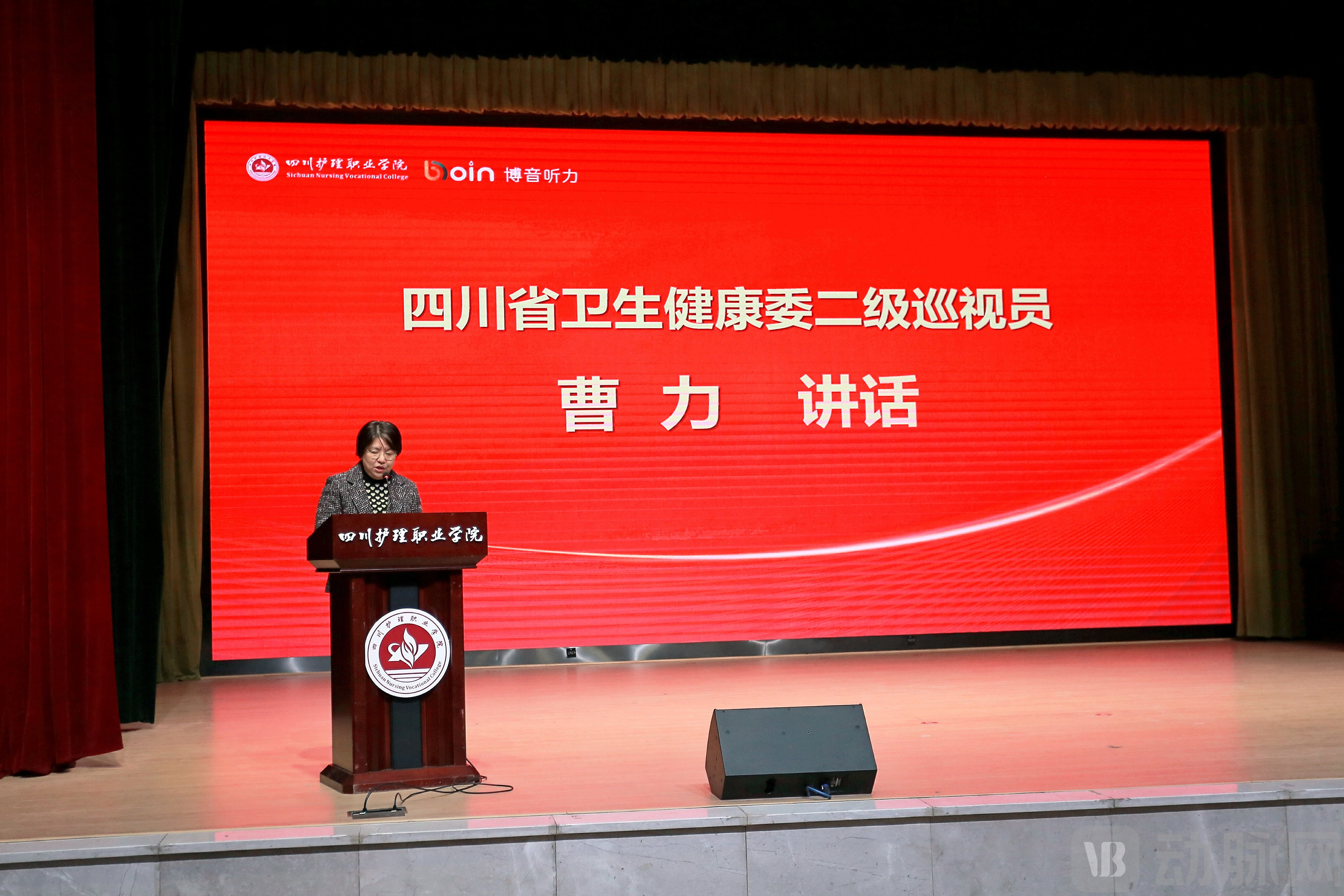
Cao Li, Level II Inspector of the Sichuan Provincial Health CommissionWarm congratulations on the establishment of the Hearing Rehabilitation Industry College.Cao LiIt is hoped that the Industry College will integrate the advantageous resources of both enterprises and universities, increase investment, highlight the cutting-edge nature and practicality in curriculum design, focus on key industry challenges in scientific research, closely align practical training with market demands, establish itself as a national hub for cultivating talent in the hearing rehabilitation industry, serve as a vital engine for industrial innovation and development, and better support the major strategies of Healthy Sichuan and Healthy China.
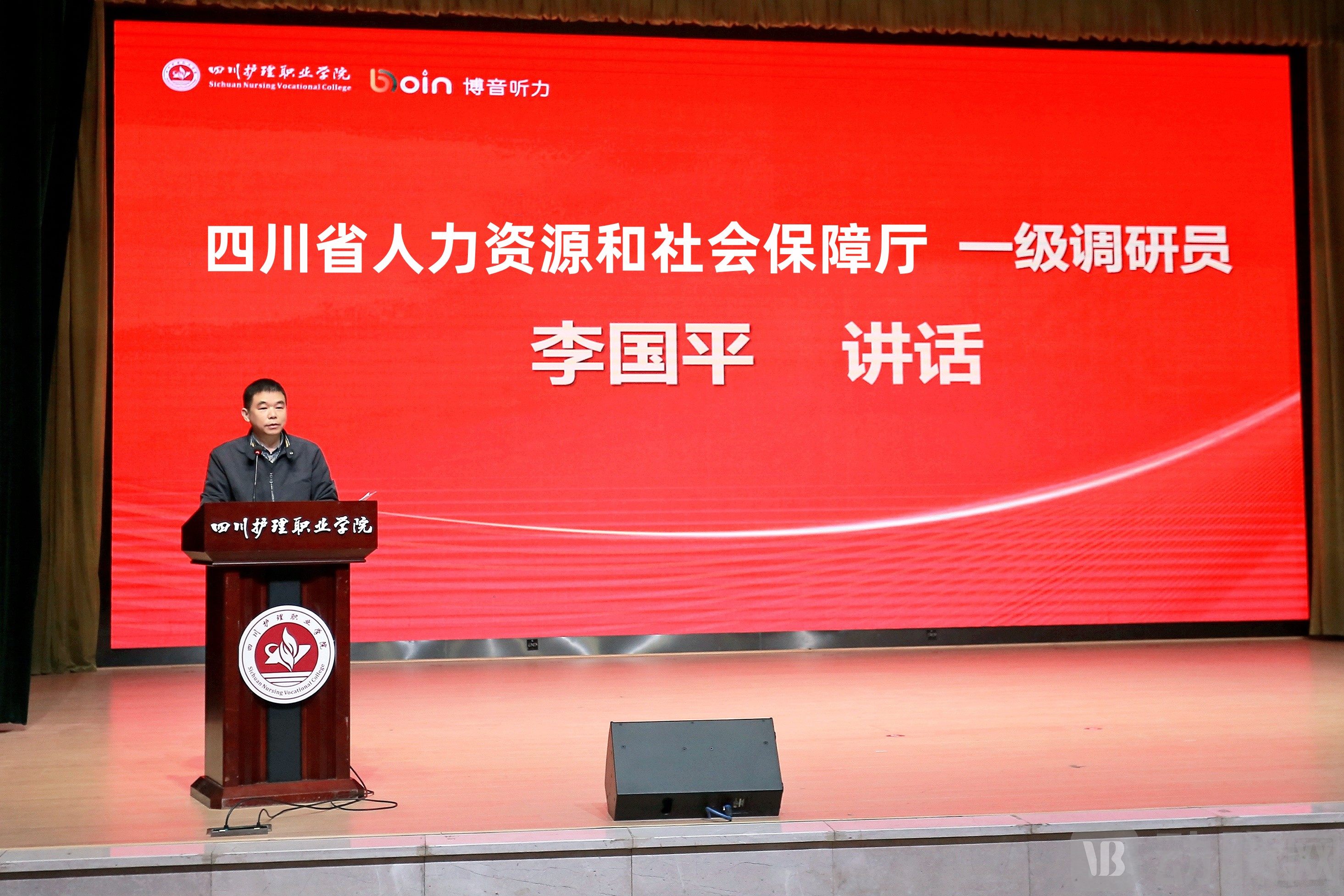
Li Guoping, First-Level Researcher, Division of Vocational Capacity Building, Sichuan Provincial Department of Human Resources and Social SecurityIt is hoped that the Industrial College will adhere to high-level positioning, high-standard construction, and high-quality development, closely aligning with the needs of industrial development to carry out technological research and development and the transformation of scientific and technological achievements.
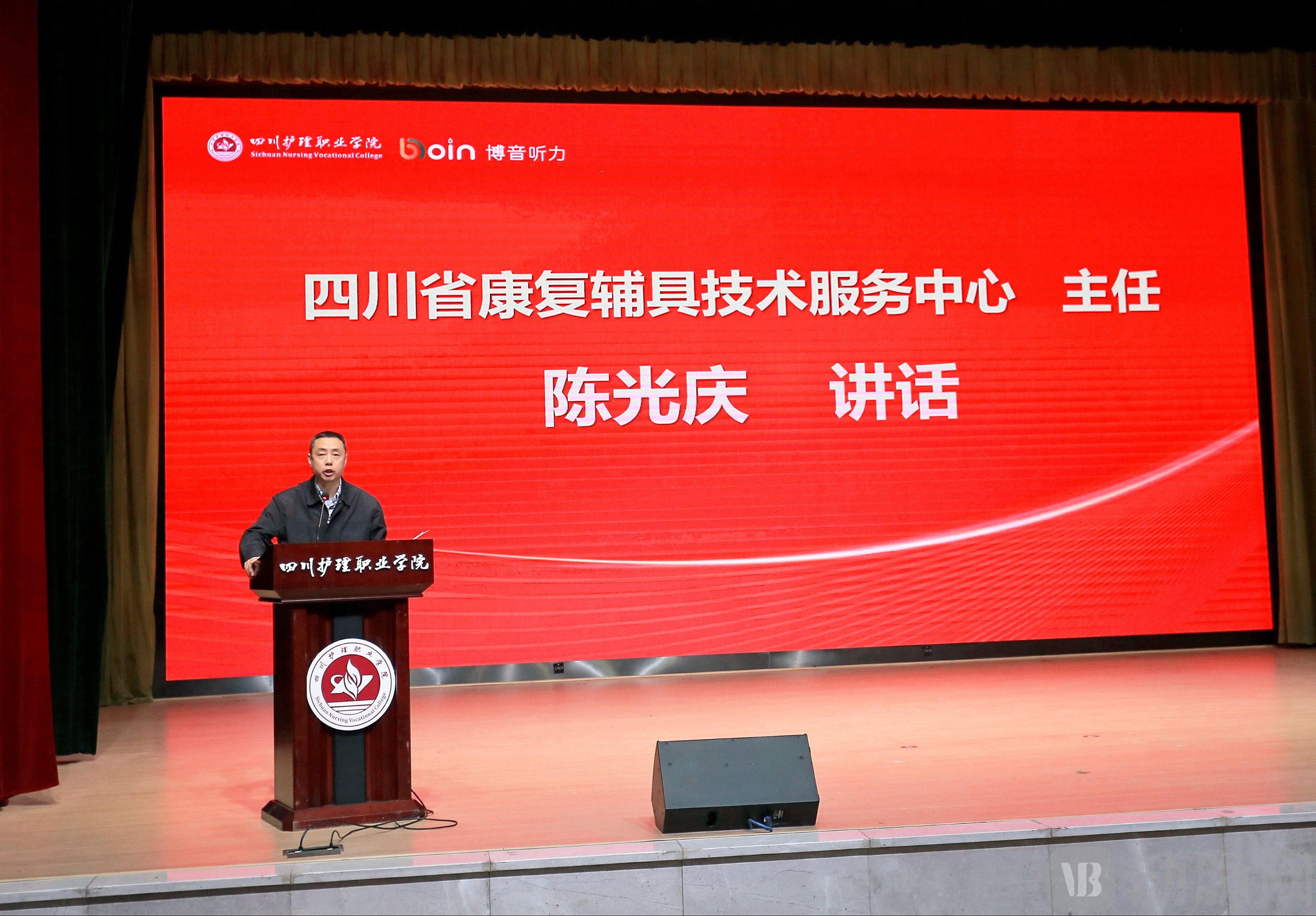
Chen Guangqing, Director of the Sichuan Provincial Rehabilitation Assistive Technology Service CenterThe Industrial College is expected to accelerate the deep integration of industry, education, and research, play a greater role in serving vulnerable populations, contribute to public welfare initiatives, and promote a more harmonious, stable, and developed society.
Witnessed by all attendees, leaders from various sectors jointly launched the establishment ceremony of the Hearing Rehabilitation Industry College. Professor Zhang Xiangeng, President of Sichuan Nursing Vocational College, and Chairman Jiang Xianquan unveiled the plaque for the Industry College and signed the “Hearing Aid Fitting Specialist Training Program“Cooperation Agreement.”
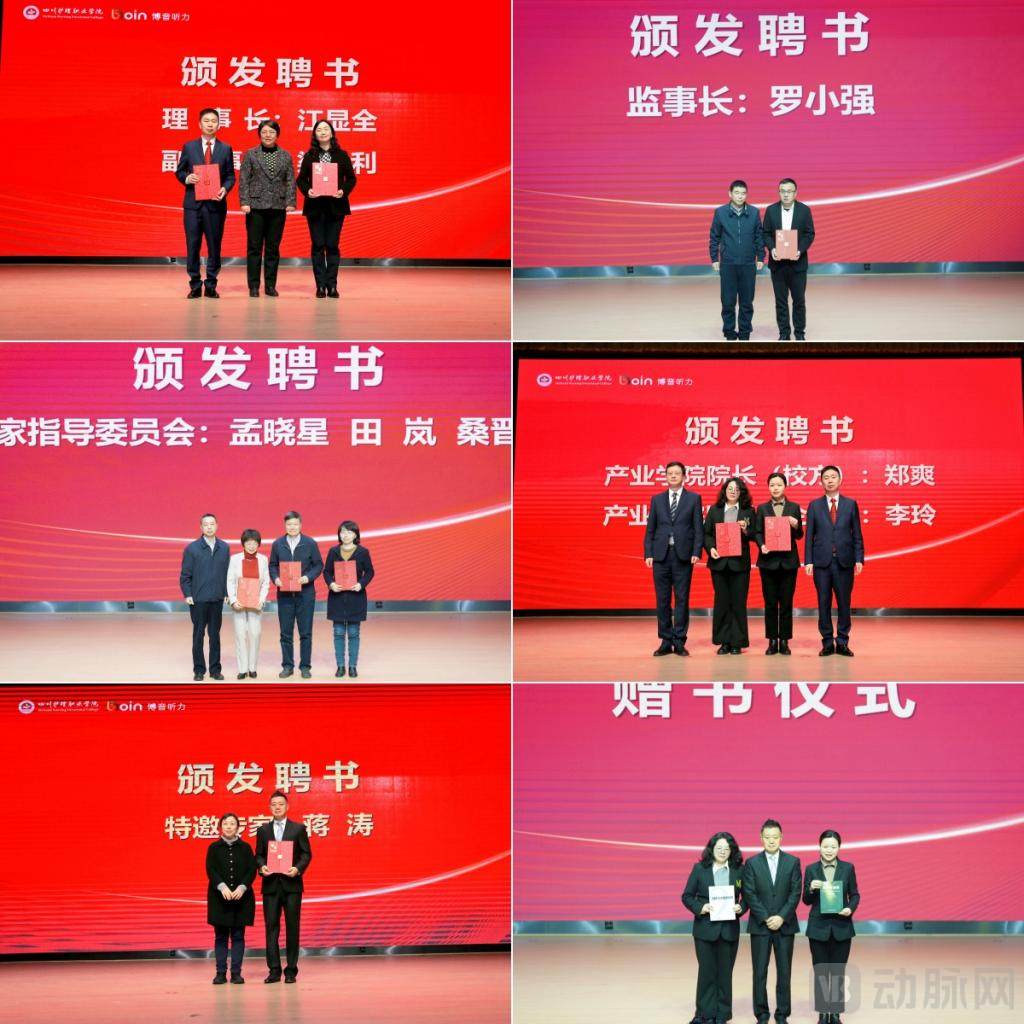
Subsequently, the conference held a ceremony to issue appointment letters to the inaugural management team and expert team of the Industry College. Lifelong Professor at Kunming Normal University and Chief Scientist of the Canada HiOtte Hearing and Speech LaboratoryJiang Tao delivered a speech as the expert representative and donated relevant professional books to the Industrial College.。
Following the meeting, Cao Li and his delegation, accompanied by Zhang Xiangeng and Jiang Xianquan, conducted an on-site inspection of the Industrial College’s construction progress. They gained a comprehensive understanding of the college’s planning and layout, infrastructure development, and future strategic direction. Furthermore, they provided constructive guidance and recommendations on further optimizing the construction plan, enhancing the quality of education and training, advancing industry-education integration and product research and development, and improving social services.
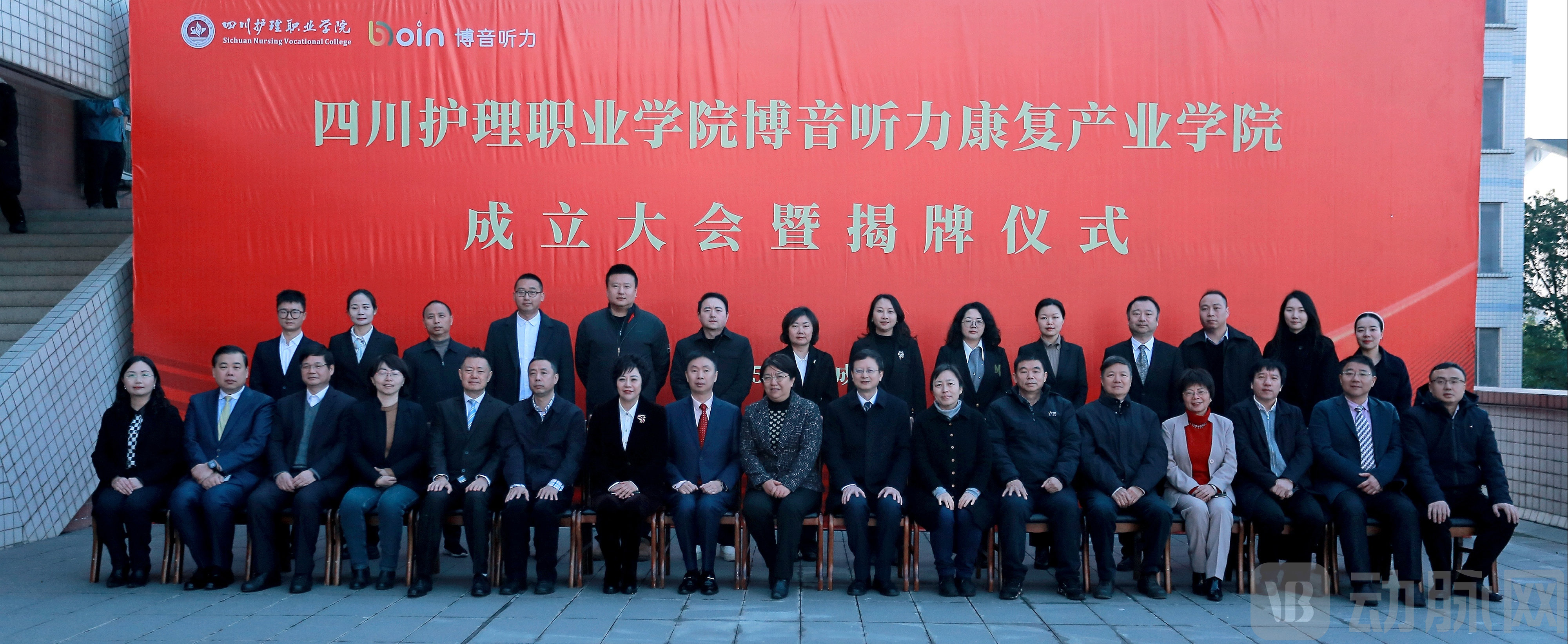
The official establishment and unveiling of China’s first Industrial College for Hearing Rehabilitation has attracted widespread attention from the industry.
Formerly an Associate Researcher at the Institute of Acoustics, Chinese Academy of Sciences, currently affiliated with the School of Computer Science and Technology, East China Normal UniversityProf. Sang JinqiuIt was stated that the current number and professional competence of hearing rehabilitation professionals in China are far from meeting actual demand.Sichuan Nursing Vocational College Boyin Hearing Rehabilitation Industry CollegeofEstablishment, capable of cultivating a large number of high-quality professionals for the hearing rehabilitation industry, filling the talent gap, and providing robust human resource support for industrial development。
Prof. Sang JinqiuIt was pointed out that students can gain exposure to real-world industrial environments and engage in practical project work during their studies, thereby enhancing their employability and the quality of their employment. The establishment of the Industry College provides a new paradigm and model for integrating industry and education in hearing rehabilitation vocational training, facilitating the organic alignment of the education chain and talent chain with the industry chain and innovation chain, and promoting the deep integration of educational reform and industrial development. This collaboration helps advance the application of new quality productive forces in hearing rehabilitation in western China, contributing to the strategic goals of Healthy China.
It is understood that hearing aid dispensersRefers to professionals who develop hearing amplification plans based on the hearing loss status and psychological needs of individuals with hearing impairments, use specialized equipment and software for hearing aid fitting to select and adjust appropriate hearing aids, and conduct effectiveness evaluations and follow-up auditory rehabilitation services.This profession is one of the new occupations included in the ninth batch previously announced by the Ministry of Labor and Social Security.。