

Chinese Innovative Drugs Surge into the Japanese Market
Recently, the Japanese pharmaceutical market has seen a steady stream of major developments.
On December 27, 2024, Daiichi Sankyo’s Datroway was officially approved for marketing in Japan, becoming the first TROP-2 antibody-drug conjugate (ADC) approved in the country for the treatment of HR-positive, HER2-negative breast cancer. A few days later, Jeselhy, developed by Dapeng Pharmaceutical, also received approval in Japan. As the world’s first marketed heat shock protein 90 (HSP90) inhibitor, Jeselhy is primarily indicated for fourth-line treatment of gastrointestinal stromal tumors (GIST), thereby filling a gap in later-line clinical therapy.
It is reported that,In 2024, Japan's Ministry of Health, Labour and Welfare approved marketing authorizations for nearly 150 new drugs., although the majority still consist of domestic Japanese drugs and blockbuster medicines from multinational corporations (MNCs), it is rare to see a significant presence of innovative Chinese drugs. For instance, in June 2024, Haihe Pharmaceuticals’ MET inhibitor, glumetinib tablets, was officially approved in Japan,This is the first innovative drug approved for marketing in Japan with a Chinese enterprise as the primary applicant.; additionally, in September 2024, Hutchmed's fruquintinib was also successfully launched in Japan,and become the first domestically developed innovative drug from Shanghai to gain approval in the United States, Japan, and Europe。
In addition to already approved drugs, a number of domestically developed innovative medicines are currently awaiting market approval. For example, Henlius’s self-developed serplulimab-based combination therapy has received regulatory approval in Japan for its Phase III clinical trial, with the first patient dosed in October 2024. Innovent Biologics has also made significant progress: its Claudin18.2 antibody IBI343 has entered Phase III clinical trials in Japan and is expected to gain approval soon. Furthermore, includingHengrui, BeiGene, ImmuneOnco, 3SBio, Lunan, Taisun, Xuantai...and other leading domestic biotech companies, which also have blockbuster drugs currently accelerating their entry into the Japanese market.
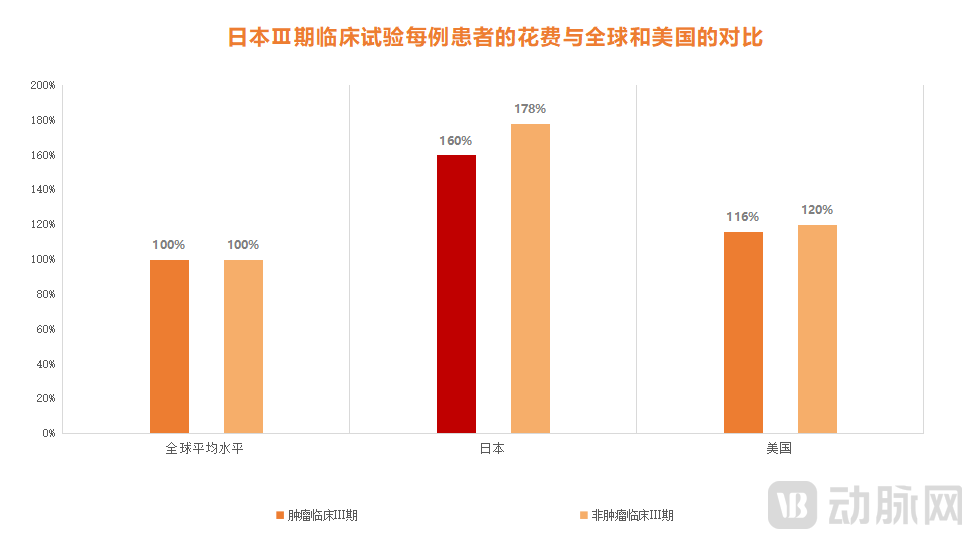
Figure 1. Comparison of Per-Patient Costs in Japanese Phase III Clinical Trials with Global and US Figures
This is truly a rare sight,After all, the Japanese market has long been excluded from domestically developed innovative drugs.This is partly due to its stringent regulations, which require addressing various details and procedural issues during the market approval process; another factor is the high cost of research and development. Taking oncology drugs as an example, the clinical trial cost per patient in Japan is 44% higher than that in the United States, with the difference primarily attributable to its high labor costs.
So, what exactly is driving the frequent entry of Chinese innovative drugs into the Japanese market at present, and what underlying logic for global expansion and development opportunities lie behind this trend? The answer may well be found within this batch of domestically produced innovative drugs that have received initial approval.
Japan: Slamming the Accelerator on Global Expansion
In recent years, driven by continuous stimulation of domestic demand, global expansion has gradually become a keyword for Chinese innovative drugs. Initially, the focus was primarily on European and American markets; however, in recent years, regions such as Southeast Asia, South America, and Africa have also frequently entered the public eye, emerging as new destinations for the internationalization of Chinese innovative drugs.
Why Is Japan Not Included? This Is Actually Not Difficult to Answer.Due to the more stringent requirements for clinical trial protocols and procedural details, obtaining new drug approval in Japan is considerably more difficult, entailing greater time and cost investments, which results in relatively poor overall returns.Moreover, Japan often imposes higher requirements and thresholds for the approval and market launch of overseas innovative drugs, which has consistently deterred Chinese innovative drugs from entering the market.
So, why did the perspective suddenly shift at this moment?
This requires a multifaceted explanation. First, regarding the market: as is well known, Japan experienced a prolonged “Lost Three Decades” following the burst of its real estate bubble in 1990; however, in recent years, the Japanese economy has shown signs of gradual recovery. Taking the stock market, the most direct indicator, as an example,In 2024, Japan’s stock market finally ended its 35-year “long lost decades,” with the Nikkei Index reaching a new historical high not seen since December 1989., Japanese companies, flush with cash, seem to have returned to the 1990s when they appeared poised to buy up the entire United States. Meanwhile, the improving economic environment has opened up greater possibilities for Chinese innovative drugs to enter the Japanese market.
Secondly, regarding the relaxation of policies. According to Takashi Yasukawa, Head of the New Drug Review Department at Japan’s Pharmaceuticals and Medical Devices Agency (PMDA), since November 2023, the PMDA has gradually recognized that Japan faces a “drug lag” in drug development compared to global innovation powerhouses, with new drugs reaching the Japanese market 4 to 5 years later than in Europe and the United States. To address this challenge,PMDA Introduces New Measures Allowing Waiver of Japanese Population Data in Phase I Trials (Until the Start of Phase III) to Attract Early Global Multiregional Clinical Trials (MRCTs) to Japan。
This undoubtedly opens a door for Chinese innovative drugs to enter the Japanese market. Taking gumetinib as an example, after obtaining Phase I study data, Haihe Pharmaceuticals enrolled Japanese patients into the pivotal Phase II international multicenter GLORY clinical trial. The PMDA reviewed both Chinese and Japanese study data for gumetinib, placing substantial weight on the data from the Chinese population, and ultimately approved the drug. ImmuneOnco is also expected to follow suit; it is currently considering whether to include Japan in its MRCT protocol for MVR-T3011, an oncolytic virus product, which has already initiated Phase II trials for bladder cancer treatment simultaneously in China and the United States.
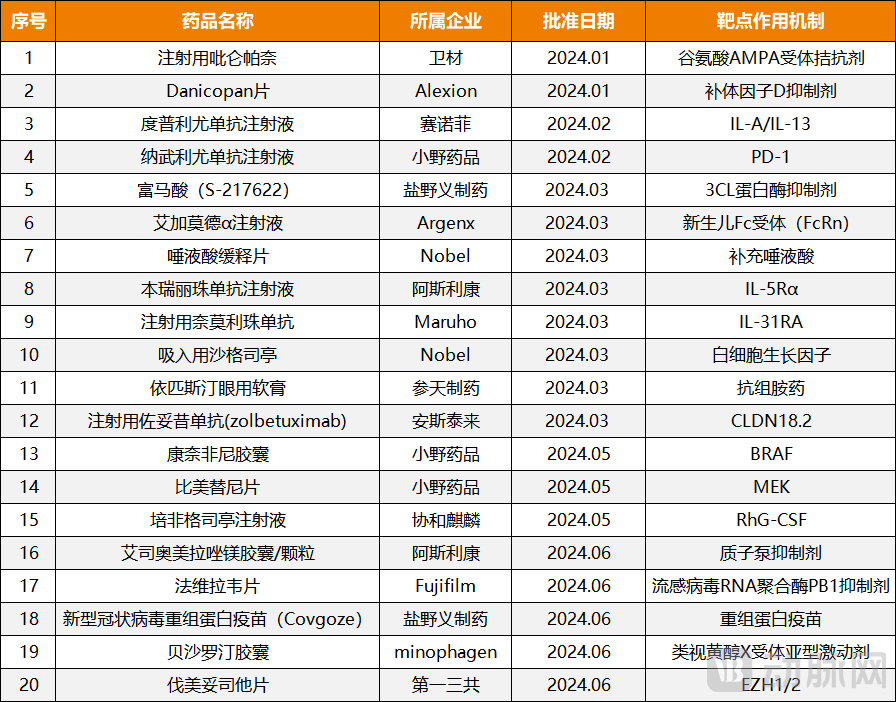 Figure 2. New Drugs with Global First Approvals by Japan’s PMDA in the First Half of 2024
Finally, in terms of inherent advantages, Japan itself is an excellent destination for the global expansion of innovative drugs, if regulatory approval challenges and costs are disregarded. On one hand, this is due to its substantial demand and strong payment capacity. As a country with a severely aging population, where individuals aged 65 and above account for 28% of the total population, there is enormous demand for geriatric therapeutic agents. Coupled with its robust health insurance system, the market exhibits exceptionally strong purchasing power. This has been validated by fruquintinib: approved in Japan in September 2024, its global sales surpassed $200 million by October 31, prompting Hutchmed to receive a $20 million milestone payment from Takeda.
On the other hand, this is also reflected in Japan’s robust regulatory review system, which facilitates the approval of innovative drugs. Taking colorectal cancer as an example, although both China and Japan have large patient populations with this disease, most patients in China are diagnosed at advanced stages. In contrast, Japan has a mature early screening infrastructure, resulting in a majority of colorectal cancer cases being detected at early stages. This leads to significantly longer overall survival (OS) outcomes. This is why Henlius chose to conduct the Phase III stage of its ASTRUM-015 study in Japan and designated Japan as a key market for its international expansion.
In this regard, a senior industry insider remarked, “For Chinese innovative drugs, Japan has always been a particularly unique market. Due to its stringent regulations and high costs, it has not been the preferred choice, and there have been few successful cases of market entry. However, this situation is changing,”Japan may become a new frontier, and those Chinese innovative drugs that land there first are poised to gain a competitive edge.。”
"Backdoor Listing": More Cost-Effective
“Backdoor listing” is reflected not only in the public listing of pharmaceutical companies, but also in the overseas approval of innovative drugs.
Taking Legend Biotech’s ciltacabtagene autoleucel (CARVYKTI) as an example, it was officially approved for marketing in China in August 2024, becoming the sixth CAR-T product in the country. However, ciltacabtagene autoleucel had already been launched in the United States, Europe, and Japan as early as 2022. In terms of approval timelines, the process was shortest in Japan, where it took only 294 days from registration to market launch, significantly shorter than the approval cycles of the FDA and the EMA.
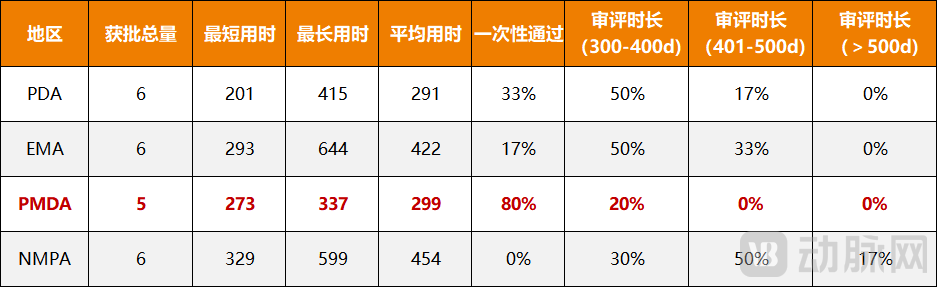 Figure 3. Comparison of CAR-T Review Efficiency Among China, the United States, Europe, and Japan
This success was undoubtedly driven by Johnson & Johnson. In December 2017, Janssen Pharmaceuticals, then a subsidiary of Johnson & Johnson, entered into an exclusive global license and collaboration agreement with Legend Biotech to develop and commercialize ciltacabtagene autoleucel. Leveraging Johnson & Johnson’s expertise and resources, the regulatory approval pathway for ciltacabtagene autoleucel in Japan proceeded exceptionally smoothly, without any review withdrawals or requests for additional data. Following its launch, the product rapidly gained strong market traction in Japan, with global sales reaching $500 million in 2023, representing a year-over-year increase of 275.9%.
Gumetinib's Global Expansion Also Stands on the Shoulders of GiantsIn February 2024, Haihe Biopharma and TAIHO Pharmaceutical successfully signed an exclusive license agreement for the development, manufacturing, and commercialization of glumetinib in Japan, Asia (excluding China), and Oceania. Just four months later, glumetinib was approved for marketing in Japan. Throughout this process, as a leading enterprise in the field of oncology in Japan, TAIHO Pharmaceutical facilitated connections between Haihe Biopharma and several top-tier cancer hospitals in Japan, and provided substantial support during the critical registration and approval stages.
Another typical case is fruquintinib.. In January 2023, Hutchmed entered into a business development (BD) collaboration with Takeda Pharmaceutical Company for fruquintinib, with a total deal value of up to $1.13 billion, setting a new record for overseas licensing transactions of Chinese novel small-molecule drugs. As Japan’s largest pharmaceutical company and a leader in the treatment of metastatic colorectal cancer in Japan, Takeda possesses extensive specialized resources and experience, which provided significant advantages for the launch of fruquintinib in the Japanese market. This was borne out by subsequent events: in September 2024, fruquintinib was successfully launched in Japan, leading to a rapid surge in sales performance.
It is evident that most Chinese innovative drugs currently listed in Japan have primarily entered the market through “backdoor listings.” In fact, this approach is widely regarded as the most cost-effective strategy for Chinese innovative drugs to expand into the Japanese market.。
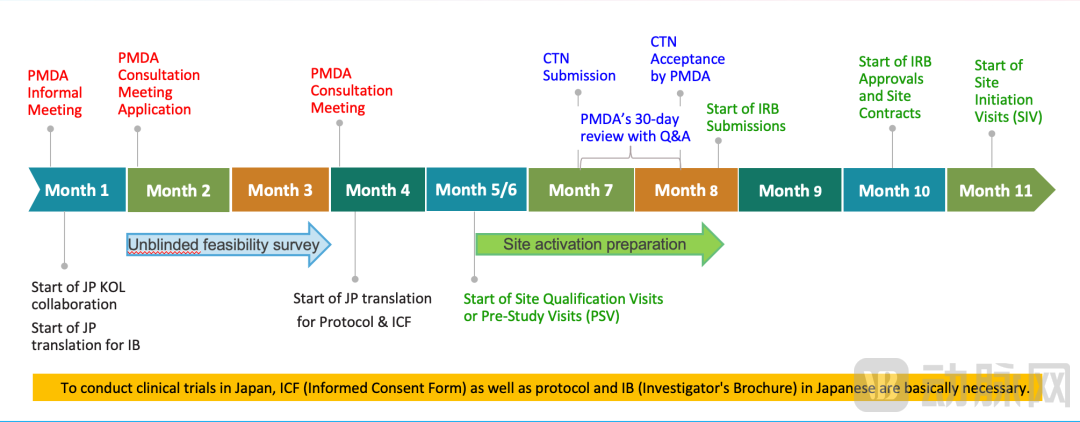 Figure 4. Flowchart of PMDA from IND to NDA (Image source: 2023 China DIA Annual Conference in Suzhou)
This is partly due to success rates. According to insiders, to apply for marketing approval in Japan, a company must first establish a team to apply for Marketing Authorization Holder (MAH) qualifications or engage a local agent with MAH credentials to file the application. Collaborating with local Japanese pharmaceutical companies effectively addresses this requirement. Furthermore, Japan’s consultation system is meticulously categorized, covering multiple stages such as pre-trial initiation, bioequivalence studies, safety and pharmaceutical R&D, pre-Phase I trial initiation, pre-Phase II trial initiation, post-Phase II trial completion, pre-New Drug Application (NDA) submission, and post-marketing clinical studies. Each stage requires communication and document submission in Japanese. With the support of local Japanese enterprises, language barriers can be significantly overcome, thereby accelerating the approval process.
On the other hand, there is the issue of cost. As mentioned earlier, Japan’s approval process often incurs substantial expenses due to cumbersome procedures and high labor costs. However, by engaging with local pharmaceutical companies—leveraging their medical resources or directly utilizing their laboratories, for instance—the financial burden during clinical trials can be effectively alleviated, thereby significantly increasing profit margins.
To this end, a senior industry expert stated bluntly, “For domestically developed innovative drugs, as for the pathway to enter the Japanese market,”“Riding the coattails of industry giants” is undoubtedly the best choice"Finding an ideal partner, as Legend Biotech did with Johnson & Johnson, can not only accelerate the product launch process but also reduce approval costs and enable rapid monetization post-launch, which is clearly much easier than going it alone."
Sino-Japanese Innovative Drugs Enter a “Honeymoon Phase,” With Infinite Possibilities Ahead
In the past, cooperation between China and Japan primarily revolved around traditional Chinese medicine (TCM). A set of statistics aptly illustrates this point: according to estimates, Japanese Kampo medicines now hold more than 70% of global TCM-related patents, and over 80% of Japan’s 60,000 pharmacies dispense Kampo formulations. Underpinning this dominance is the extensive acquisition and merger activity by Japanese pharmaceutical companies targeting Chinese TCM enterprises.
However, in recent years, Japanese pharmaceutical companies have gradually let go of their obsession with traditional Chinese medicine (TCM) and instead shown greater interest in innovative drugs from China.Including Takeda, Daiichi Sankyo, Astellas, Eisai, Taiho Pharmaceutical, Chugai Pharmaceutical, and Otsuka Holdings, all of which have recently engaged in major business development (BD) deals involving innovative Chinese drugs.. Take Takeda as a prime example: its two collaborations with Hutchmed and Ascentage Pharma alone have reached a total transaction value of $2.5 billion. Furthermore, Takeda has conducted early-stage clinical trials in China, where its research team is steadily expanding, paving the way for deeper engagement with China’s innovative pharmaceutical sector in the future.
As such collaborative transactions become increasingly frequent, more innovative Chinese drugs are expected to enter the Japanese market, generating greater returns there. A typical example is Ascentage Pharma, which not only achieved a turnaround from losses to profitability but also secured a strong future growth trajectory thanks to its pivotal business development (BD) deal with Takeda. According to authoritative forecasts, olverembatinib is poised to become a global blockbuster product with peak sales approaching $4 billion. Driven by this momentum, Ascentage Pharma officially launched its IPO on the U.S. stock market at the end of 2024.
Beyond business development (BD) collaborations on innovative drugs between China and Japan, there is also close clinical interaction, with the most critical aspect being efforts toward mutual recognition of early-stage clinical data.。
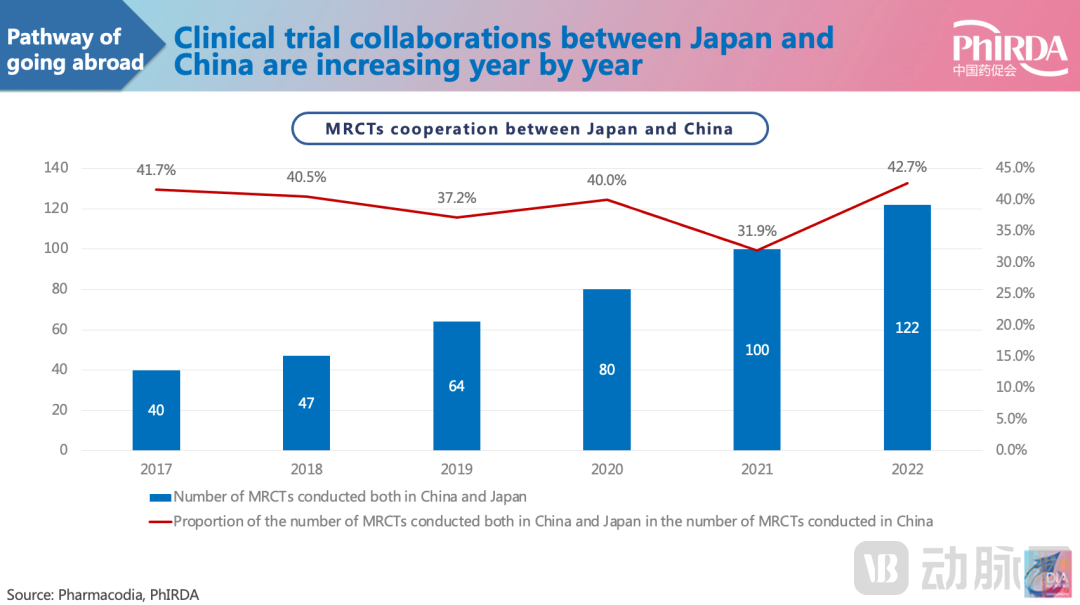 Figure 5. Number of MRCTs conducted by pharmaceutical companies in recent years that include China and Japan (Source: China Pharmaceutical Innovation Promotion Association)
In recent years, China and Japan have engaged in intensive discussions on the mutual acceptance of early-stage clinical data, with substantial progress already achieved. For instance, Japan has currently waived the mandatory requirement for the inclusion of local Japanese populations in early-phase trials. Similarly, China has been continuously reforming its approach to Multi-Regional Clinical Trials (MRCTs), encouraging the global simultaneous conduct of early-stage clinical trials, accepting overseas clinical trial data, and streamlining approval processes. According to the “Annual Report on the Progress of New Drug Registration Clinical Trials in China (2023)” issued by the Center for Drug Evaluation (CDE), 290 MRCTs have been conducted in China, involving a significant number of Japanese pharmaceutical companies.
In response to this, a senior industry insider remarked, “ChinaChina and Japan have very similar considerations regarding intrinsic and extrinsic ethnic factors under ICH E5 for most items. Meanwhile, ICH E17 also includes the concept of a "concentrated region," which refers to grouping certain countries and regions during the trial planning phase, where subjects are considered to have sufficient similarity in intrinsic and/or extrinsic factors related to the disease and/or drug being studied.. As both China and Japan are home to East Asian populations, there are minimal differences in genetics and disease spectra. Coupled with highly concentrated patient populations, these factors provide strong support for the mutual recognition of clinical data between the two countries.”
Thus, an answer is becoming increasingly clear: against the backdrop of Chinese innovative drugs going global in full swing and even gradually becoming hyper-competitive, Japan—a market long avoided—may represent a promising growth point and breakthrough. Those Chinese innovative drugs that take the lead in establishing a presence and entering the Japanese market are likely to capture the first wave of dividends, thereby securing greater leverage for the future amid the current challenging market environment.
1. “A Discussion on How to Enter the Japanese Market” — Yanfaoke;
2. “Has Spring Arrived for Expanding into the Japanese Market?” — R&D Ke
3. “Comparison of BD Deals in the Chinese, Japanese, and South Korean Pharmaceutical Industries” — PharmCube