HUARE MedTech Establishes a Novel Model for Innovative Medical Device Translation, Securing Class III NMPA Approval for 3D-Printed Implant in Just 27 Months

Huarui Medical
Innovative Materials and Product Developer for Orthopedics and Dentistry
With deepening population aging and overall population growth, the incidence of hard tissue injuries to bones, teeth, and cranio-maxillofacial structures caused by various diseases and trauma is on the rise. There is a continuously growing clinical demand in the field of hard tissue repair and regeneration. Coupled with heightened public health awareness, technological advancements, and supportive policies, the sector boasts promising development prospects. Specifically, in 2023, the market size for orthopedic implants in China reached RMB 23.7 billion, the market for high-value dental consumables amounted to RMB 16.166 billion, and the market for cranial repair materials stood at RMB 1.71 billion.
In recent years, numerous technical teams have dedicated themselves to the field of hard tissue repair and regeneration, driving domestic innovation. Among them, Guangzhou Huarui Medical Equipment Co., Ltd. (hereinafter referred to as “Huarui Medical”) stands out as a representative example.
In response to the current passive situation in China’s high-end medical device sector, where critical technologies remain constrained by external dependencies, and to address the industry bottleneck wherein many independent innovation achievements fail to bridge the “last mile” of technology commercialization, Huarui Medical leverages the National Engineering Research Center for Functional Reconstruction of Human Tissues and the Guangdong Institute of Novel Biomaterials and High-End Medical Devices,Guided by the integration of medicine and engineering, driven by clinical needs, centered on material innovation, and underpinned by theories of biological compatibility, we aim to integrate key elements including industry, academia, research, healthcare, inspection, and regulation to establish a high-level platform for the translation and industrialization of biomaterials and high-end medical devices., dedicated to "bringing Chinese innovation to the world."
1Focus on Areas of Strength, Assemble Elements for Outcome Translation, and Build Core Innovation Capabilities
Mr. Cheng Delin, Head of Technology Transfer at Huarui MedicalDeputy Director of the Guangdong Institute of New Biomaterials and High-End Medical Devices, NMPA Device Review Expert, and Engineering Expert of the Professional Committee on Additive Manufacturing Medical Devices. Dr. Cheng Delin, a Senior Engineer, has long been engaged in the translation and industrialization of scientific research achievements in the fields of biomedical materials, medical devices, and biotechnology. He has extensive experience in establishing innovation platforms for achievement translation and has guided the translation of multiple innovative medical device projects.
Regarding the impetus behind the establishment of Huarui Medical, Cheng Delin stated that the primary goal was to address the pain points in the translation of high-end medical devices into practical applications. “Currently, the success rate of such translation in Europe and the United States is approximately 20%, whereas in China it stands at only 4%–5%. Furthermore, many enterprises engaged in technology transfer lack sufficient professional expertise, resulting in a scarcity of high-quality outcomes,” Cheng Delin explained. “From an overall perspective, China still lacks independently developed, high-level medical products capable of broad clinical application.”
"In recent years, the introduction of multiple favorable policies for the commercialization of scientific research achievements has led to the emergence of Huarui Medical."We define our mission through the lens of translational commercialization, and we aim to provide support for the translation of research findings into practical applications for broader groups, such as clinicians and scientists..” said Cheng Delin. Considering the wide variety of medical devices and the significant challenges in the research, development, and manufacturing of high-end innovative devices, the team, from a pragmatic and professional perspective, aimed to deepen and strengthen its presence in a specific niche market. Leveraging years of accumulated expertise in regenerative biomaterials, the team ultimately anchored its focus on the niche of hard tissue repair and regeneration.
Cheng Delin pointed out that Huarui Medical’s development has been accompanied by strong resource and capability support, and has benefited from the team’s unique development philosophy.
Technical Aspects, Huarui Medical’s technology originates from the academician team at the National Engineering Research Center for Human Tissue Function Reconstruction, South China University of Technology. Officially approved by the Ministry of Science and Technology, this center serves as a national-level platform for technological innovation and engineering technology transfer, with its research capabilities and influence in the field of biomaterials ranking among the top tier globally. Leveraging this advantage, Huarui Medical boasts substantial technical reserves, enabling continuous product commercialization, iterative updates, and technological upgrades.
In terms of translationAs an incubated enterprise of the Guangdong Research Institute for Novel Biomaterials and High-End Medical Devices, Huarui Medical has continuously received comprehensive support in regulatory science, medical-engineering collaboration, and system registration. This support has enabled Huarui Medical to establish a precise and compliant R&D model guided by regulatory science, thereby making achievement transformation more compliant and efficient, and accelerating product approval. “We have truly gathered key elements from industry, academia, research, healthcare, inspection, and regulation, providing sustained momentum for future development,” introduced Cheng Delin.
“Furthermore, Huarui Medical’s innovative philosophy differs from that of other technology-driven startup teams.We will place greater emphasis on integrating engineering technologies with industry regulatory requirements, rather than focusing solely on the single dimension of technological advancement in isolation from the regulatory context..” Taking talent characteristics as an example, the core members of Huarui Medical are mostly interdisciplinary professionals. Mr. Cheng Delin himself possesses a multifaceted professional background in basic research, engineering technology, and policy regulation, which ensures that the process of translating scientific achievements into practical applications is closely aligned with regulatory requirements. Similarly, production personnel participate in the product R&D process at an early stage, helping them identify technical and procedural risks during design and development, thereby strengthening product quality assurance.
2Building a Professional Technical Platform and a Distinctive Commercialization Model: Securing Class III Certification for 3D-Printed Products in Just 27 Months
Huarui Medical combines advanced 3D printing technology with cutting-edge biomaterials technology, establishing comprehensive technical barriers in raw materials, engineering technology, and functional design.Currently, Huarui Medical has established a 3D printing technology platform, a surface modification technology platform, and a bioceramic technology platform to support product commercialization.
“In fact, the ability to build and maintain an effective technical platform is itself a competitive barrier,” explained Cheng Delin. This requires moving beyond the laboratory environments and experimental processes familiar to scientists and clinicians, and instead adhering to regulatory requirements, market dynamics, and Good Manufacturing Practice (GMP) standards, thereby ensuring that all aspects of product realization meet the management requirements for high-end, innovative medical devices. “Our medical-engineering research projects provide clinicians with personalized metallic and bioceramic implants, and we are confident in ensuring the reliability of each implant’s quality,” added Cheng Delin.
Among them,3D Printing Technology PlatformAligning with the development trends in clinical precision medicine, we have mastered complete sets of engineering technologies for 3D printing of medical metals and bioceramics. This capability enables the rapid design and high-quality manufacturing of personalized implants required for tissue repair and regeneration, tailored to specific usage requirements. Meanwhile, the team continuously refines process technologies on the platform to enhance the performance of translated products and mitigate process risks. According to Cheng Delin, certain clinical treatment scenarios require personalized implants assembled from 3D-printed porous metals and 3D-printed bioceramics. However, few teams currently possess the capability to produce both high-quality medical metal and bioceramic 3D prints. Huarui Medical, by contrast, can provide innovative implants that simultaneously meet comprehensive clinical demands for regeneration and load-bearing support.
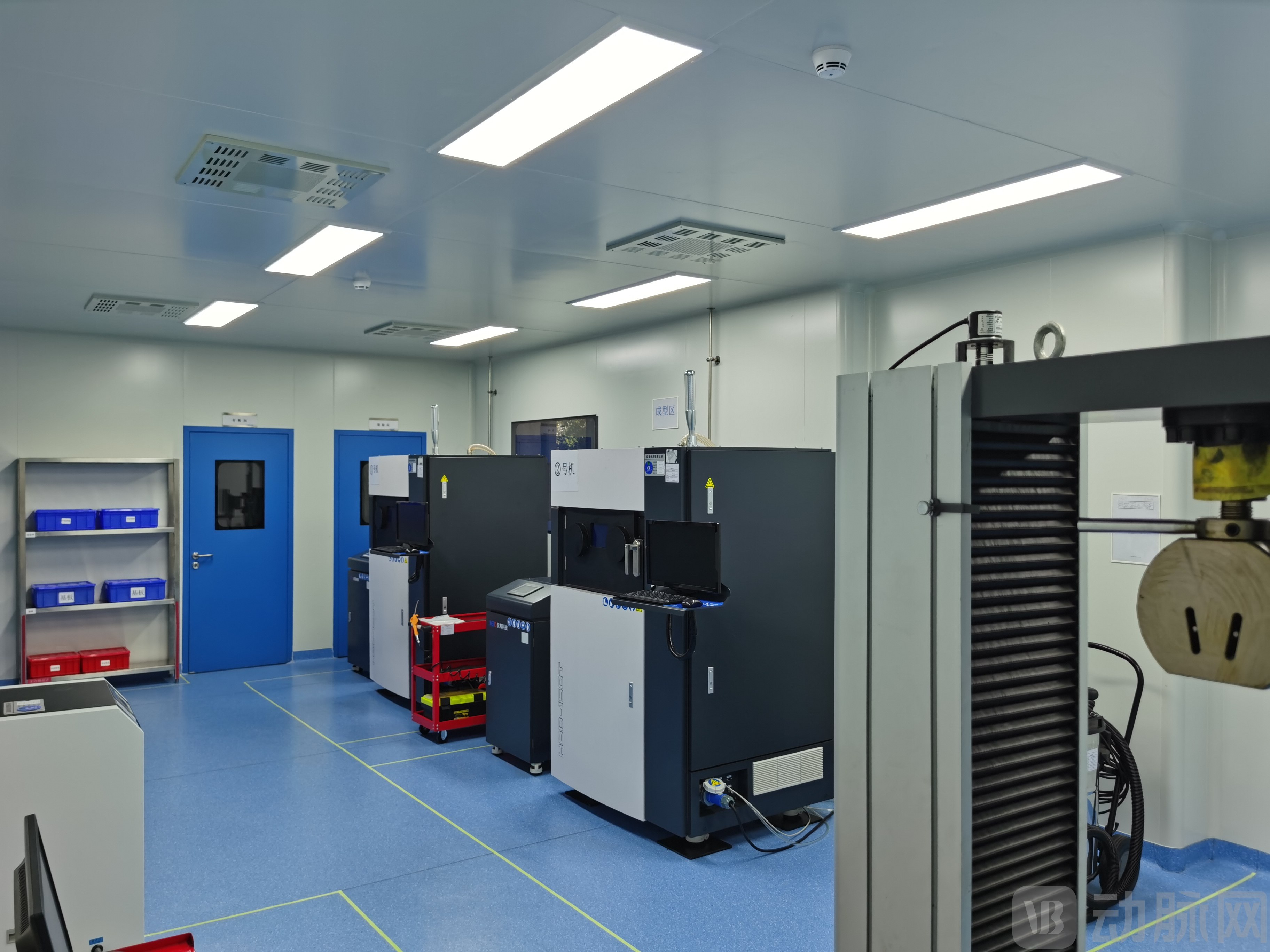
Huarui Medical Metal 3D Printing Platform
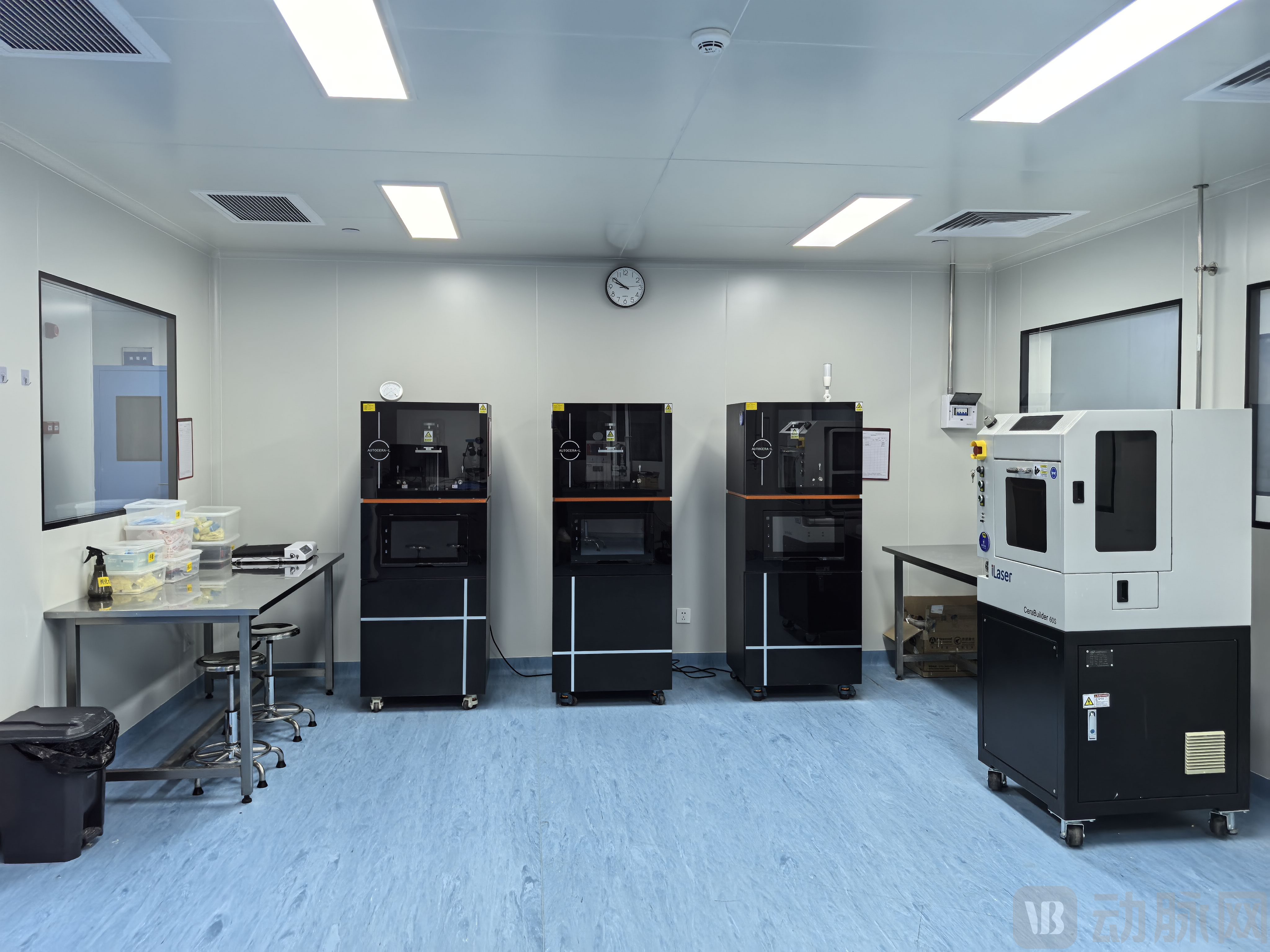
Huarui Medical Ceramic 3D Printing Platform
Surface Modification Technology PlatformMastery of cutting-edge surface modification technologies for biomaterials using surfactants enables biological functions such as bio-adaptive osteogenic differentiation, antibacterial activity, and pro-angiogenesis. Distinguishing itself from traditional device surface functionalization techniques, this platform overcomes the bottlenecks associated with grafting bioactive molecules, thereby stably and effectively imparting antibacterial and osteogenic properties to medical devices. The underlying technology is backed by tens of millions in basic research funding from major scientific programs—including the National Basic Research Program (973 Program), Key Projects of the National Natural Science Foundation of China, and the National Key R&D Program—along with over a decade of accumulated research outcomes. Its scientific merit has been recognized through high-impact original publications in prestigious journals such as Advanced Materials, Nature Communications, Advanced Science, Biomaterials, ACS Nano, Small, and Bioactive Materials.
Bioceramic Technology PlatformIt has overcome critical bottlenecks in key raw material technologies, achieved independent production of high-quality bioceramics, and facilitated the product translation of 3D-printed regenerable bone. Its highly active bone-like calcium phosphate has resolved technical challenges associated with raw materials, earning the Second Prize of the National Technological Invention Award and receiving high acclaim from clinical experts. The bioceramic raw materials exhibit stable quality and have reached mass-production standards, providing a robust guarantee for the development of large-sized, complex-structured bioceramic implants.
Meanwhile, Huarui Medical possesses the capability to rapidly respond to clinical needs, enabling a more comprehensive analysis of clinical requirements and product specifications. It can swiftly formulate design, manufacturing, and testing analysis plans, identify technical challenges, clarify regulatory priorities, and accelerate product commercialization. For instance, in response to clinicians’ requests, Huarui Medical recently successfully designed and manufactured an all-metal, one-piece dental implant surgical guide.
It is worth noting that,Huarui Medical’s first 3D-printed product obtained a Class III medical device registration certificate in just 27 months. According to Cheng Delin, this product achieved the fastest certification nationwide among similar products based on available information.“Achieving such results with zero prior product experience demonstrates the uniqueness and effectiveness of Huarui Medical’s innovation translation model. Benefiting from support from all parties and the team’s efforts, Huarui Medical has built the capability to ‘translate products into reality quickly and effectively.’ This capability is the result of the combined effects of its institutional platform, hardware infrastructure, talent pool, and R&D paradigm,” said Cheng Delin. Huarui Medical’s 3D printing pilot-scale base only became operational in January 2022, officially launching the development of 3D-printed interbody fusion cage products. The product registration application was submitted in October 2023, and the approval notice was received on April 1, 2024.
3Unlocking Industry Innovation Potential Through Technology Empowerment to Facilitate High-Quality Industry Development
Currently, Huarui Medical’s commercialized products include 3D-printed interbody fusion cages (approved), 3D-printed biodegradable regenerative bone repair materials, 3D-printed metallic implants for bone defects, 3D-printed resorbable alveolar bone grafts, and fully metallic 3D-printed surgical guides. Additionally, the team provides customized 3D-printed implants for veterinary surgeons.
“We will ensure that every translated product demonstrates innovation and clinical value..” Cheng Delin introduced, for example, those already approved3D-Printed Interbody Fusion Cage, featuring a unique ring-arch unit structure that simultaneously ensures high porosity and mechanical properties compatible with the human body, resulting in superior clinical radiographic visibility and bone integration; furthermore, in3D-Printed Biodegradable Regenerative Bone Repair MaterialsIt exhibits excellent osteogenic activity and degradation properties matched to regeneration, achieving superior outcomes in the treatment of bone defects, with over 70 clinical cases completed to date;3D-Printed All-Metal GuideManufactured from implant-grade titanium alloy, the guide is thinner, lighter, more compact, and more wear-resistant, providing clinicians with improved surgical operating space and stability while reducing usage risks.
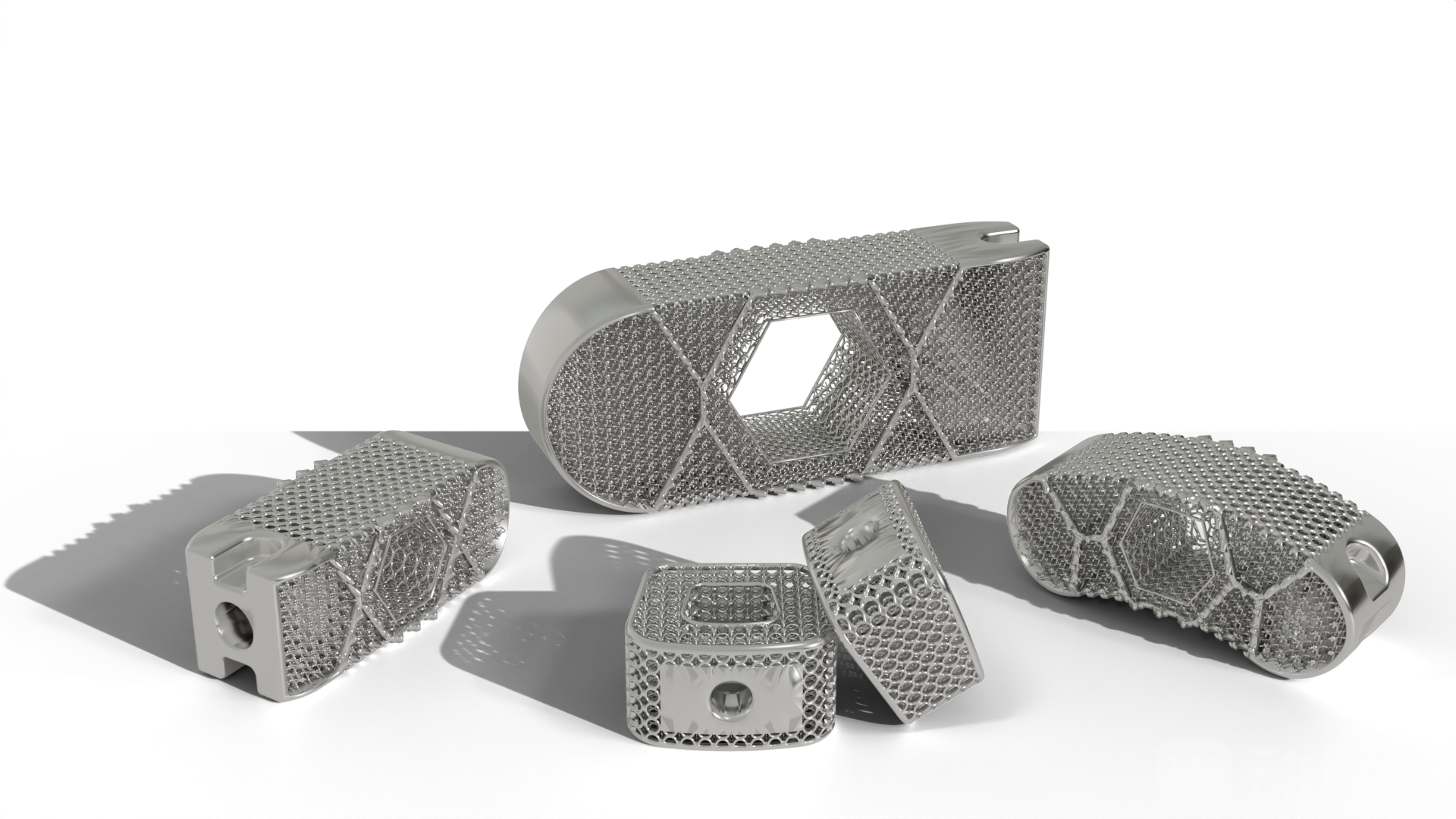
Schematic Diagram of 3D-Printed Metal Implants Commercialized by Huarui Medical
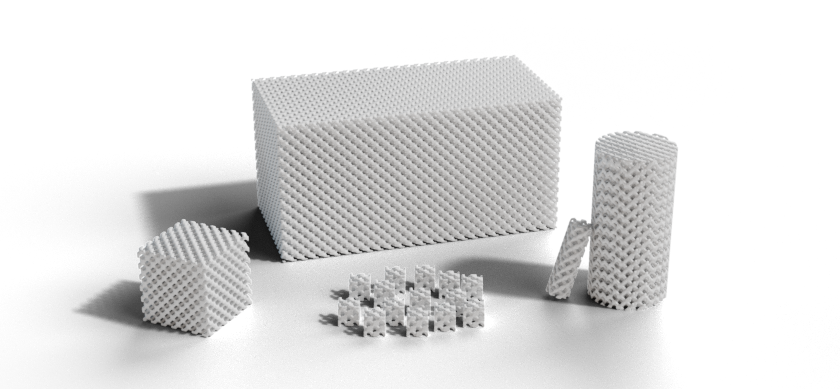
Schematic Diagram of 3D-Printed Bioceramic Implants Commercialized by Huarui Medical
Currently, Huarui Medical has established GMP-compliant platforms for bioceramic raw materials, additively manufactured bioceramic implants, and additively manufactured medical metal implants, all meeting the regulatory requirements of the National Medical Products Administration (NMPA). These platforms support the R&D, regulatory registration, market launch, and manufacturing of a diverse range of innovative products.
Regarding the future development of the hard tissue repair and regeneration field, Cheng Delin believes that this sector will evolve toward precision, intelligence, and biomimicry. This progression will better accommodate the personalized needs of diverse patients and achieve clinical outcomes comparable to those of native tissues, thereby defining the key technological directions for Huarui Medical’s future translation of research achievements.
To better adapt to industry developments, Huarui Medical will continue to refine its product translation matrix. The company particularly aims to establish translational collaborations with more physicians, leveraging their professional expertise to distill genuine clinical needs. By building on Huarui Medical’s robust foundation in engineering translation, the company will co-develop innovative products with physicians, thereby meeting the demand for translating outstanding medical achievements into practical applications. Meanwhile, Huarui Medical will augment its marketing and sales resources to realize a positive feedback loop among “innovation–translation–application” across the medical, engineering, and industrial sectors. In the long term, Huarui Medical is committed to launching globally innovative and transformative products, ensuring a higher level of protection for patient well-being.
“Chinese clinicians and scientists are no less capable than their distinguished counterparts in developed countries; however, the full value of their research accumulation and practical experience has yet to be realized. I hope that Huarui Medical can provide the industry with a new development model for reference, unlocking and releasing the potential for innovative growth through the translation of scientific achievements, thereby enhancing the global recognition and influence of China’s high-end medical devices.” In the concluding remarks of the interview, Mr. Cheng Delin expressed this aspiration for Huarui Medical.
Guangdong Research Institute of New Biomaterials and High-End Medical Devices
Guangdong Research Institute of New Biomaterials and High-End Medical Devices is a demonstration base for the transformation of achievements from the National Innovation Cooperation Platform for Biomaterials, jointly established by four national ministries and commissions: the National Medical Products Administration, the Ministry of Science and Technology, the Ministry of Industry and Information Technology, and the National Health Commission. It is a provincial public welfare institution dedicated to regulatory science research and committed to promoting the market-oriented transformation of innovative medical device achievements.
Under the leadership of Academician Wang Yingjun of the Chinese Academy of Engineering, the High-End Medical Device Institute integrates premium resources across the full translation chain for high-end medical devices, featuring international characteristics. These resources include the National Engineering Technology Research Center, regulatory science research bases and key laboratories under the National Medical Products Administration (NMPA), and the GHWP (Guangzhou) Institute. This integration has established a CRMI innovation achievement translation model guided by regulatory science and centered on “regulatory innovation, R&D, translation services, clinical promotion, data support, and investment drive.” The institute aims to build a highland for high-end medical device innovation and achieve self-reliance and controllability in China’s high-end medical device sector.
Currently, Huarui Medical has needs for resource matchmaking in terms of financing, distributors, and overseas expansion:
Financing Needs: The company is seeking tens of millions of yuan in financing, with the funds to be used for expanding the pilot-scale production base, product research and development, recruitment of top-tier talent, and marketing and sales activities;
Distributor Requirements: Liaise with domestic distributors to assist in promoting the clinical application of Huarui Medical products;
Global Expansion Needs: Seek relevant overseas institutions to facilitate product expansion into international markets.
If you are interested in Huarui Medical and its product solutions, please contact us: