

Chengdu Wuhou Empowers Healthcare Innovation Through Translational Medicine: A Strategic Shift to Build a National Demonstration Zone
Currently, under policy guidance and driven by industrial development demands, biomedical and general health industry parks have blossomed across China.
According to the “Market Analysis and Development Forecast Report on China’s Industrial Park Construction Industry, 2024–2029” released by Zhongyan Puhua Industry Research Institute, there are now more than 80,000 industrial parks of various types across China. Driven by changes in the global economic landscape and domestic policy support, these industrial parks will continue to expand, inevitably facing the challenge of homogeneous competition.
Relevant reports also point out that the boom in the broader health industry, including biomedicine, remains unabated; biomedical industrial parks are approaching saturation and facing the hidden pain of homogeneous competition.
Against this backdrop, many industrial parks across various regions have quietly exited the scene, while some urban districts have chosen to rise to the challenge and delivered satisfactory results through their own strengths.
Wuhou District in Chengdu is one such example. To date, Wuhou District has gathered 5,214 big health enterprises and institutions, including 10 “Specialized, Refined, Differential, and Innovative” small and medium-sized enterprises (SMEs) and 49 national high-tech enterprises.
If the growth in the number of settled enterprises reflects Wuhou District’s appeal, then the impressive revenue performance of its health industry companies hints at a mutual empowerment between the district and these businesses. From January to September 2024, health industry enterprises in Wuhou District generated a total revenue of RMB 38.413 billion, approximately five percentage points higher than the regional GDP growth rate. In other words, leveraging Wuhou District’s resource endowments, enterprises have achieved development; meanwhile, their revenue growth has driven the district’s overall economic expansion—truly a case of “mutual benefit and shared success.”
So, what exactly did Wuhou District do right to deliver such an impressive performance?
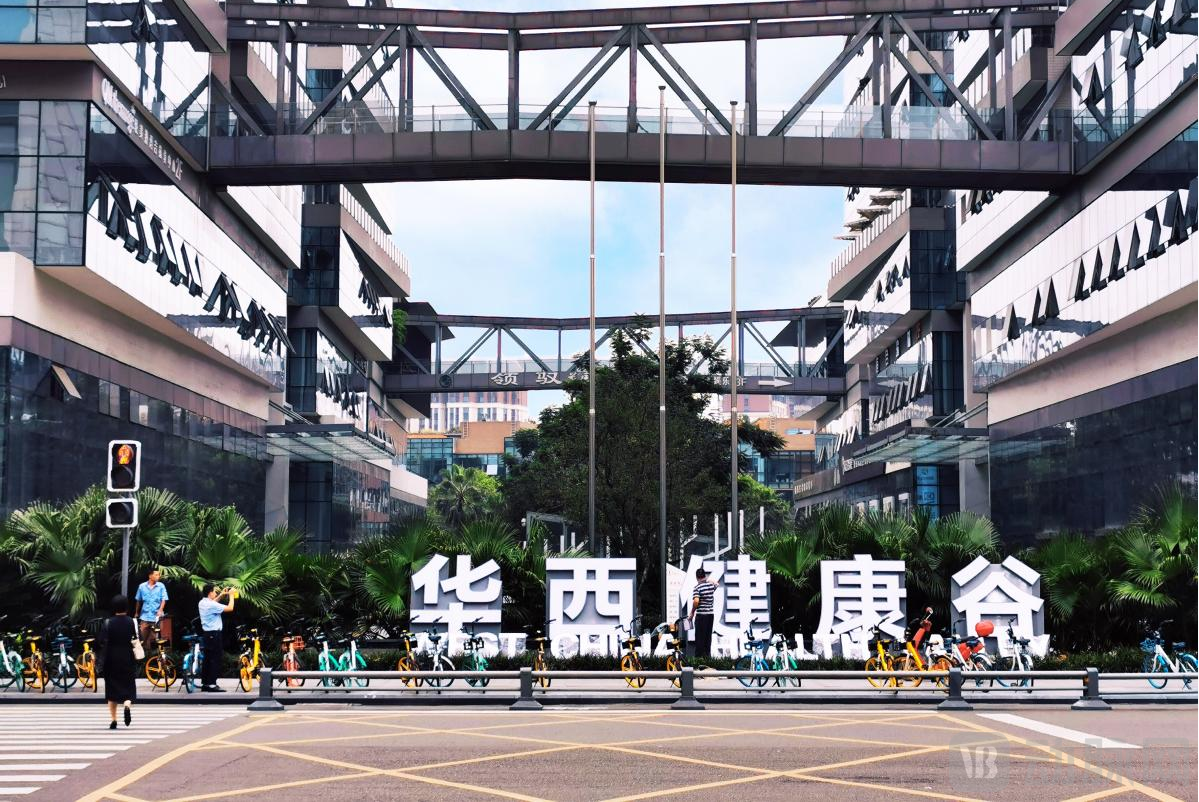
West China Health Valley
Upgrade Industrial Parks to Precisely Meet the Demands of Industrial Transformation
The development of the Wuhou District Big Health Industrial Park has always been guided by a mindset of differentiation.
This “differentiation” signifies a closer alignment with the characteristics of local health industry development, such as the strategic focus on the medical aesthetics sector in 2017.
In 2017, Chengdu proposed to establish itself as a nationally leading and globally renowned “Capital of Medical Aesthetics.” In 2018, the Executive Meeting of the Chengdu Municipal People’s Government reviewed and approved the Chengdu Medical Aesthetics Industry Development Plan (2017–2030) (Draft for Review), making Chengdu the first city in China to issue a municipal-level industrial plan specifically targeting the medical aesthetics industry.
Wuhou District has also capitalized on this momentum, pooling resources over a five-year period to build the “Huaxi Medical Aesthetics Health City.” This initiative focuses on high-precision medical aesthetics and prioritizes three key sectors: R&D and manufacturing of high-end new materials for medical aesthetics, high-precision medical aesthetic services, and the integration of medical aesthetics with the new economy.
Over the past eight years, China’s big health industry has undergone significant changes and evolved with new development trends, driving local industrial parks to adjust in response to the demands of the times. In this context, Wuhou District’s “differentiated” approach to building its big health industrial park now carries additional contemporary relevance.
“Translational medicine, serving as a bridge between basic medical research and clinical practice, represents an innovative frontier in the medical field that keeps pace with the times. Translation-driven and innovation-driven approaches are inevitable choices for the advancement of modern medicine, profoundly reshaping the development trajectory of the healthcare industry.” These remarks were made by Wang Qian, Deputy Mayor of the Chengdu Municipal People’s Government, at the 7th “Huaxi International Smart Medical Valley” Industry Development Conference held on December 26, 2024.
Indeed, the translation of scientific and technological achievements has become one of the primary drivers of innovative development in China’s healthcare industry. However, it is regrettable that such translation in China faces challenges including high investment requirements, long cycles, and low conversion rates. Moreover, a complete translation chain requires comprehensive support from financial capital, scientific research resources, clinical resources, and market resources. The development of industrial parks precisely necessitates the integration of these various elements.
Thus, guided by national policies and driven by the needs of industrial development, at the 7th “Huaxi International Smart Medical Valley” Industrial Development Conference, Wuhou District officially announced the renaming of “Huaxi Medical Aesthetics Health City” to “Huaxi Translational Medicine Industrial Park,” and plans to provide enterprises/projects with full-chain empowerment for achievement transformation, ranging from early-stage concept validation to clinical registration and then to manufacturing.

The Event Site of the 7th “Huaxi International Smart Medical Valley” Industry Development Conference
Aggregating Resources to Cultivate Fertile Ground for the Development of Translational Medicine
Beyond further analyzing how Wuhou District will leverage the “West China Translational Medicine Industrial Park” to empower the innovative development of medical and health enterprises, it is also essential to understand the district’s accumulation of relevant resources. This is because, regardless of the measures adopted by Wuhou District, empowering the entire chain of technological achievement transformation requires support from an extensive resource network.
Whether it is research resources for early-stage proof of concept, clinical resources for clinical registration, or vector resources for manufacturing, Wuhou District is indeed rich in resource endowments.
In terms of scientific research resources, Wuhou District not only hosts 10 nationally renowned universities, including Sichuan University, and 130 technological innovation institutions and platforms such as the Chengdu Branch of the Chinese Academy of Sciences, but also boasts eight academicians from the Chinese Academy of Sciences and the Chinese Academy of Engineering in the field of general health, over 130 chief scientists of the “973” Program, Chang Jiang Scholars, and national leading talents in scientific and technological innovation, more than 130 provincial academic and technical leaders, and over 900 experts with senior professional titles. This has laid a solid foundation for promoting the integration of industry, academia, and research, the transformation of scientific and technological achievements, and the convergence of medicine and engineering.
In terms of clinical resources, taking West China Hospital as an example, it has 45 registered therapeutic areas for drugs, 301 registered principal investigators (PIs) for drug trials, 44 registered therapeutic areas for medical devices, and 212 registered PIs for medical device trials. From 2018 to 2021, West China Hospital ranked first in China for the volume of clinical trials for six consecutive years, with nearly 1,000 Good Clinical Practice (GCP) projects under investigation, comprehensively covering Phase I–III clinical trials. The number of new GCP projects increases by approximately 400–500 annually, demonstrating robust clinical trial capabilities. Meanwhile, Wuhou District has established a deep collaborative relationship with West China Hospital, and their partnership has entered a new stage of development in recent years. The “Shuanghua Digital Health Industrial Park” and the “West China International Smart Medical Valley Concept Verification Center,” jointly built by both parties, have been operational for one year. Acting as two catalysts for regional development, they have triggered a “chain reaction” that is radiating outward, further solidifying Wuhou District’s position as a source of medical innovation.
In terms of overall clinical resources in Wuhou District, there are currently 1,324 medical and health service institutions and 13 Grade A tertiary hospitals in the district. The number of physicians, nurses, and hospital beds per 1,000 residents has exceeded the average level of middle-income countries. “From drug clinical trials to the clinical application of pharmaceuticals and medical devices, Wuhou District holds an absolute advantage in Chengdu,” said the head of the West China Translational Medicine Industrial Park.
In terms of manufacturing, it is reported that since 2023, Wuhou District has been making every effort to revitalize, acquire, and construct a batch of specialized industrial facilities for the biopharmaceutical sector. Among these, four industrial parks, including the High-End Medical Device Industrial Park, are scheduled to officially commence operations in the first quarter of 2025. These will be the closest biopharmaceutical industrial facilities to Huaxiba.
With all resources in place, what innovative strategies does the “West China Translational Medicine Industrial Park” employ to effectively mobilize these assets and empower enterprises’ innovative development?
Building a Platform to Empower the End-to-End Translation of Scientific and Technological Achievements
Leveraging the aforementioned resources, the “West China Translational Medicine Industrial Park” has established several high-level innovation-enabling platforms, each designed to address challenges in proof of concept, clinical trials, and manufacturing.
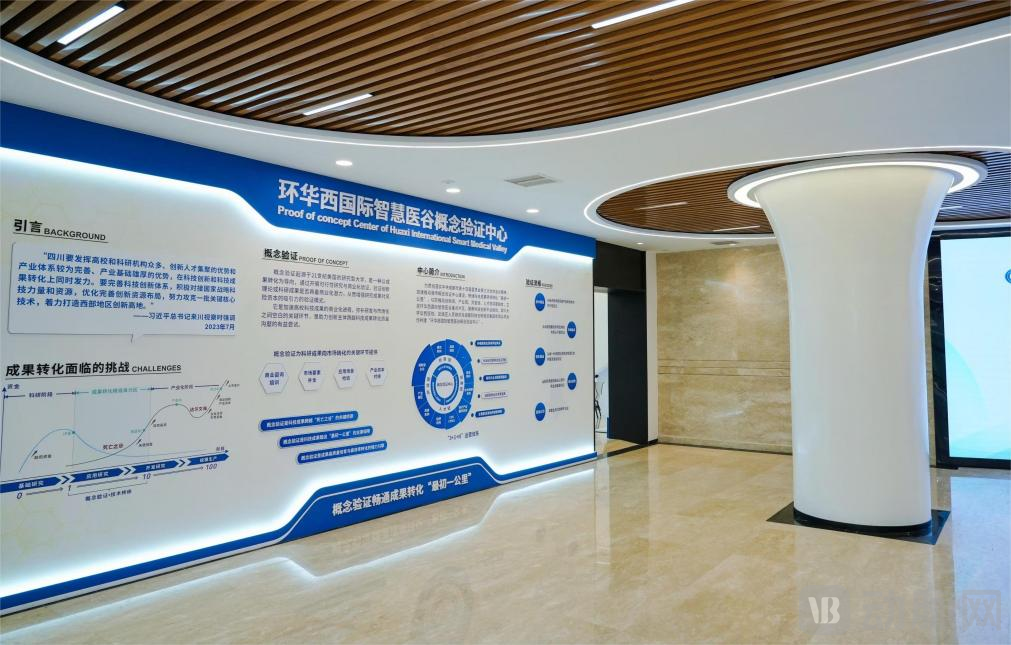
"West China International Smart Medical Valley" Proof-of-Concept Center
The Concept Validation Center of the Huan Huaxi International Smart Medical Valley will help enterprises address technical and commercialization risks associated with early-stage scientific and technological achievements, and on this basis, facilitate capital allocation and attract investment. Since its trial operation began in December 2023, the center has established a consulting pool comprising more than 50 experts, accumulated a pipeline of 75 innovative projects, and facilitated connections with over 30 leading industry enterprises.
Meanwhile, the Proof-of-Concept Center is open to both domestic and international partners. Experts and professors from research institutions and general hospitals, various investment firms, and interested pharmaceutical and medical device companies are welcome to join.
Following proof of concept, technological achievements face the challenge of clinical registration. In response, Wuhou District, in collaboration with the Clinical Trial Center (CTC) of West China Hospital and the “One University, Four Hospitals” consortium, has jointly established an international clinical CRO industry center focused on clinical trial services. This center provides services including preclinical research, statistical data analysis, regulatory submission, and promotion and application. Construction of the center officially commenced in October 2024, and to date, more than 10 companies have submitted applications to join the park.
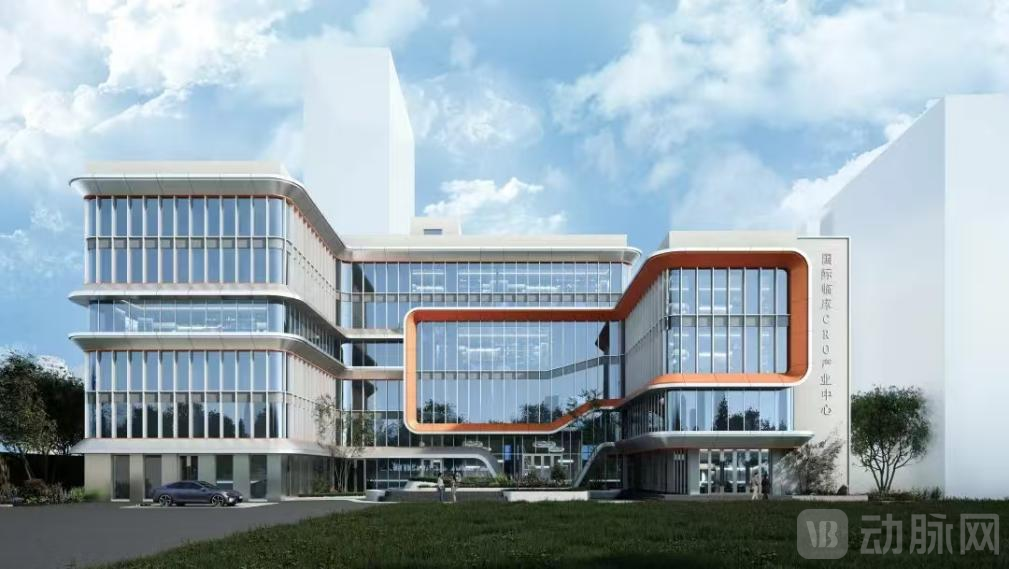
International Clinical CRO Industry Center
To meet the CDMO needs of medical device companies, the "West China Translational Medicine Industrial Park" plans to build a high-end medical device CDMO platform, providing full-chain services including product design, preclinical research, clinical trials, registration applications, process development, scaled-up production, and supply chain management.
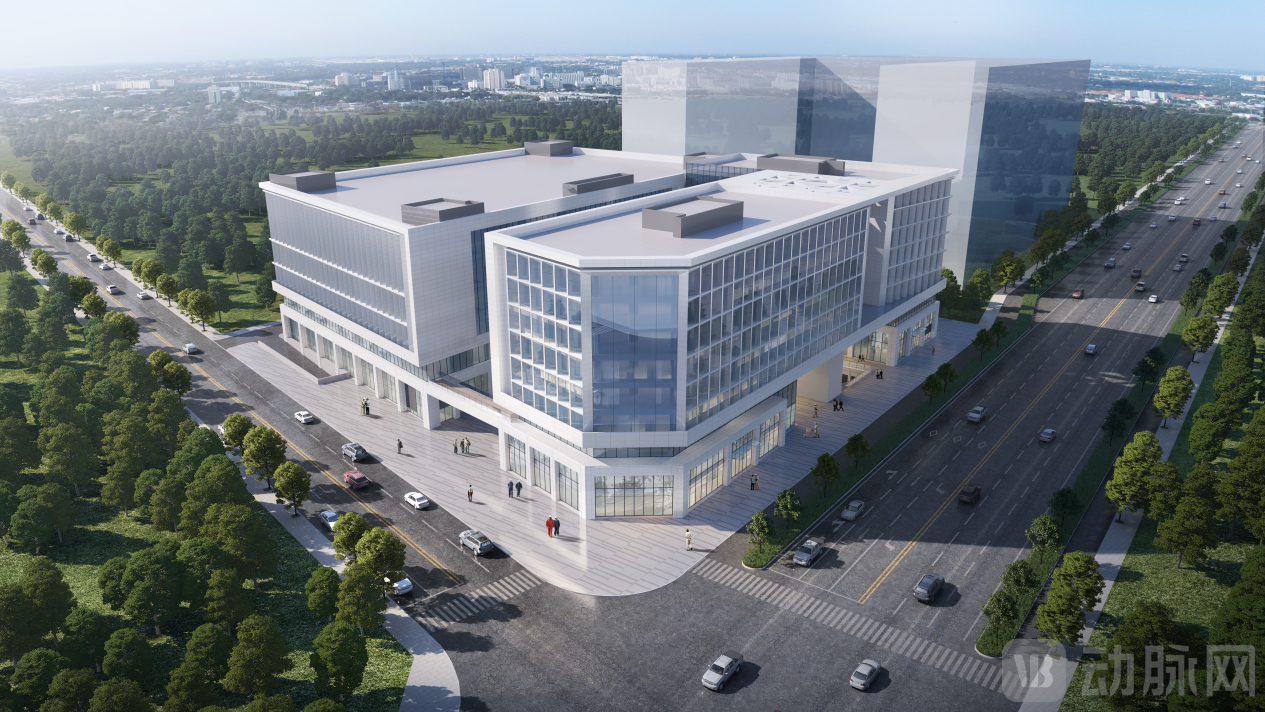
High-End Medical Device CDMO Platform
Meanwhile, the “Huaxi Translational Medicine Industrial Park” has also developed a pilot-scale platform for advanced nuclear medical accelerators, tailored to Sichuan Province’s strengths in nuclear medicine. Currently, it is focusing on scientific and technological breakthroughs in areas such as the research and development of medical isotopes and radiopharmaceuticals, as well as the manufacturing of nuclear medicine equipment and key components based on advanced accelerator technologies.
Notably, the accelerator pilot-scale platform was designed from the outset with the goal of “alleviating cost pressures for enterprises.” “With the support of expert teams from top-tier research institutions, the accelerator pilot-scale platform we have built can significantly reduce the investment required by companies in the nuclear medicine sector during the pilot-scale phase,” said the project leader.
In fact, as a critical resource in the transformation of scientific and technological achievements, funding has always been a key focus of the empowerment provided by the West China Translational Medicine Industrial Park. In addition to the Concept Verification Center mentioned earlier, which helps projects attract investment, and the pilot-scale platform within the accelerator, which helps companies reduce costs, the West China Translational Medicine Industrial Park also proactively engages with financial institutions such as the Chengdu Rural Commercial Bank to address issues frequently raised by enterprises, including equity financing and short-term loans. The park organizes government-bank-enterprise matchmaking events to facilitate local companies in securing equity investments and substantial short-term working capital loans.
Furthermore, to enhance enterprises’ sense of gain, the “West China Translational Medicine Industrial Park” is committed to improving service experiences by establishing a dedicated task force, conducting in-depth visits to key enterprises, and collecting various requests such as talent recruitment and license processing, thereby helping enterprises resolve issues through practical training and other measures.
The head of the West China Translational Medicine Industrial Park stated, “In the future, we will continue to focus on four key sectors: translational medicine services, advanced diagnosis and treatment, pharmaceutical trade, and digital health. We are committed to building a national demonstration zone for the translational medicine industry and fully empowering the innovative development of healthcare enterprises. Furthermore, we will deepen the industrial spatial layout characterized by ‘industrial agglomeration within the park, demonstration across the area, and radiation along the belt,’ advancing specialized and distinctive park development while establishing a high-end medical device manufacturing cluster from a high starting point.”