

Chengdian Bio Achieves First-in-Human Dosing of CD-001 Just 30 Days After NMPA IND Clearance
At the beginning of 2025, under the leadership of Dr. Xu Jian, CEO, the Chengdian Biotech team achieved a breakthrough by completing the transition from IND approval to dosing the first patient in just 30 days:On December 20, 2024, CD-001 officially received implicit approval from the National Medical Products Administration (NMPA) of China for its First-in-Human (FIH) clinical trial; on January 20, 2025, the FIH clinical study of CD-001 in patients with advanced solid tumors successfully completed enrollment and dosing of the first subject.
In April 2021, Chengdian (Suzhou) Biopharmaceutical Co., Ltd. (hereinafter referred to as “Chengdian Bio”), an emerging innovator in biological drugs, was established in the Suzhou New District. Founded by a team of senior immunologists and seasoned experts with extensive experience in the pharmaceutical industry, the company pioneered a precision therapeutic strategy that targets cytokines to specific immune cells. Leveraging its three core technologies—ImmuX, FusionX, and IME Cell—Chengdian Bio has built a proprietary dual-target fusion protein platform, with a R&D pipeline covering multiple disease areas including oncology, chronic viral infections, and autoimmune diseases.
In May 2024, after Dr. Xu Jian joined the company as Chief Executive Officer (CEO), he not only led the team in enhancing operational efficiency, strengthening the R&D pipeline portfolio, and advancing business collaborations and financing, but also rapidly initiated the Investigational New Drug (IND) applications for CD-001, the company’s lead candidate, for solid tumor trials in both China and the United States. Within three months, CD-001 successfully completed pre-IND consultations with the U.S. Food and Drug Administration (FDA) and obtained implicit FDA IND approval by late September, becoming the second IL-21-targeted fusion protein drug globally to enter clinical development.
As a startup biotech, how did Chengdian Bio build its clinical medical development team from scratch while efficiently advancing its projects? And how did it accelerate approval, enrollment, and trial timelines while ensuring the scale and quality of clinical trials? VCBeat interviewed Dr. Xu Jian, CEO of Chengdian Bio, to share his insights.
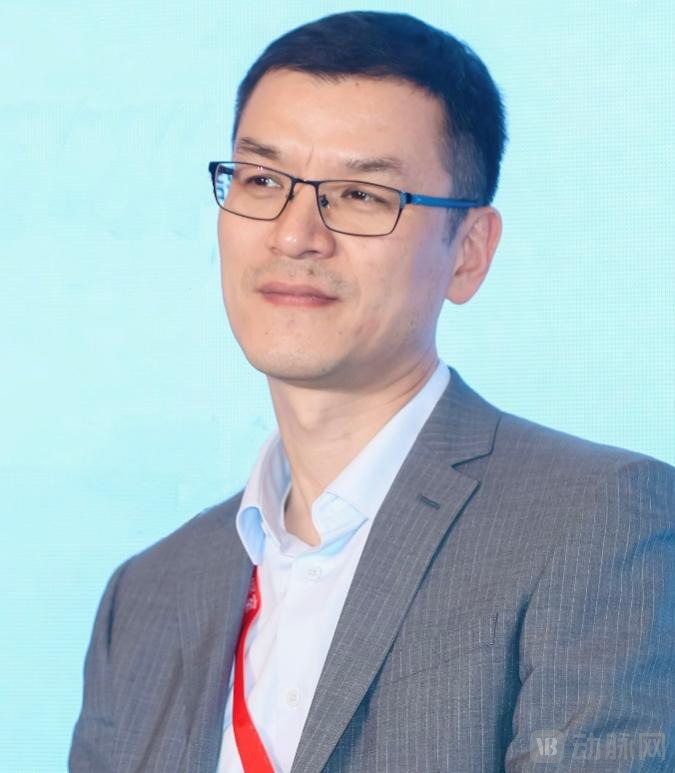
Dr. Xu Jian, CEO of Chengdian Bio
1At the Tipping Point of China’s Innovative Drug Renaissance: Pioneering Frontier Therapies in the Post-PD-1 Cancer Immunotherapy Era
In 2019, the wave of innovative drug development in China began to rise. Dr. Xu Jian had already accumulated over a decade of experience in the research and development of innovative drugs in the United States, having held executive positions in clinical development at multinational corporations (MNCs) such as Pfizer, Genentech, and Novartis, as well as at overseas biotech companies. He led multiple clinical R&D projects for new drugs across various therapeutic areas, including oncology, immunology, and inflammation, and guided his team to set an industry record in the U.S. by achieving first-patient dosing just 60 days after IND approval.
Upon returning to China, Dr. Xu Jian focused on the clinical fields of oncology and immunology, participating in the establishment of U.S.-based clinical teams and the advancement of projects for multiple Chinese biotech companies.“From 2019 to the present, I have been honored to witness and personally experience the rise of domestic ADC and PD-1 drug development,” mentioned Dr. Xu Jian. “Currently, amid the capital winter and at a new juncture for business development (BD) in innovative drugs, I believe we should explore more cutting-edge therapies to demonstrate the feasibility of novel therapeutic pathways, truly transforming cancer into a chronic disease. This will enable patients to ‘live with cancer’ while enjoying a better quality of life in the future.”
Meanwhile, an expert deeply engaged in the field of immunology, Founder, Chairman, and CTO of Chengdian Biotech, currently a Researcher at the Institute of Biophysics, Chinese Academy of Sciences, and the CAS Key Laboratory of Infection and Immunity.Professor Wang Shengdian has also been dedicated to exploring innovative therapies, aiming to transform tumors into controllable chronic diseases through precise modulation of the immune system, with the ultimate goal of offering patients the potential for a fundamental cure.
In 1998, Professor Wang Shengdian earned his Ph.D. in Immunology from Peking Union Medical College Hospital and subsequently accepted an invitation from Professor Lieping Chen to conduct further research on tumor immune regulation in the United States. His primary research focus has been on T-cell co-stimulatory signaling pathways, leading to the development of a novel therapeutic strategy that targets IL-21 to HER2-positive tumor cells and tumor-specific T cells.
While immune checkpoint inhibitors (such as PD-1 inhibitors) have achieved breakthrough therapeutic efficacy and created numerous treatment miracles, their therapeutic limitations are becoming increasingly apparent. In response to this situation, Professor Wang Shengdian’s team independently developed an IL-21 fusion protein drug targeting tumor-reactive CD8⁺ T cells and founded Chengdian Biopharma based on this innovation.By optimizing immunomodulatory factors, this drug achieves more precise targeting and superior therapeutic efficacy, offering a novel solution for immunotherapy and holding the promise of unlocking a market worth hundreds of billions.
Looking back on the past decade, antibody-drug conjugates (ADCs) have achieved targeted replacement of chemotherapy agents. Immunotherapy, represented by immune checkpoint inhibitors (ICIs), has opened up entirely new pathways for cancer treatment, with meaningful clinical responses observed in multiple tumor types. However, since the success of CTLA-4 and PD-1/PD-L1 inhibitors, as well as immunotherapies targeting CD19 and BCMA, immune-based therapies appear to have entered a bottleneck period.
At this critical juncture, Professor Wang Shengdian, with his profound scientific research accumulation, and Dr. Xu Jian, equipped with extensive clinical development experience, keenly seized new opportunities in industry development. On one hand, the academic community has recognized that animal models may fail to adequately simulate the interaction between human tumor cells and the immune system, leading to growing attention and research on the tumor microenvironment (TME) and immune activation. On the other hand, following the breakthroughs of PD-1/PD-L1, the industry continues to explore drugs targeting this pathway with different mechanisms of action. Innovative technological approaches and combination therapies are flourishing, including CD-001 from Chengdian Biopharma.
2Dual-Target Fusion Proteins Enable Precise Regulation, Offering Promise to Overcome the Efficacy Bottleneck of PD-1 Inhibitors
Chengdian Biologics’ CD-001 is a self-developed IL-21 fusion protein drug targeting tumor-reactive CD8⁺ T cells.Based on a novel drug development strategy, CD-001 selectively activates and expands tumor-specific CD8⁺ T cells in vivo while blocking PD-1-mediated immunosuppressive signaling, without compromising IL-21 activity, thereby holding promise for further enhancing antitumor efficacy.
From the perspective of mechanism of action,CD-001 is a targeted immunocytokine fusion protein (antibody-cytokine fusion protein) that utilizes an antibody to selectively deliver cytokines to anti-tumor T cells, thereby enhancing therapeutic efficacy and reducing toxicity.Endogenous cytokines play a crucial role in immune regulation, exhibiting high potency and the ability to act on various cell types. In particular, through their effects on certain immune cells, they demonstrate significant potential for potent antitumor efficacy.
However, in clinical practice, the development of cytokine-based therapeutics faces numerous challenges, primarily due to the pleiotropic nature of their immunomodulatory effects, off-target cell activation, and short half-life. These factors result in potent biological effects that are difficult to control precisely. For instance, administered IL-2 interacts with various immune cells without specific cellular targeting, leading to a narrow therapeutic window and significant adverse effects.
Leveraging its proprietary autonomous bispecific fusion protein (BsFP) platform, Chengdian Biologics’ CD-001 innovatively integrates two core functional sequences: an anti-PD-1 antibody sequence targeting specific immune cells, and a cytokine IL-21 sequence responsible for the core pharmacological activity.
PD-1/PD-L1 immune checkpoint inhibitors exert antitumor effects by relieving PD-1 inhibitory signaling on antitumor T cells within the tumor microenvironment. Current limitations in therapeutic efficacy are attributed to low or negative PD-L1 expression, insufficient numbers of tumor-specific T cells, or impaired T-cell function. Recent studies indicate that blocking PD-1 signaling restores the function of a subset of precursor exhausted antitumor CD8⁺ T cells with a memory phenotype, whereas the abundant terminally exhausted antitumor CD8⁺ T cells within tumors exhibit limited response to PD-1 antibody therapy.Therefore, the key to enhancing the efficacy of cancer immunotherapy, including PD-1/PD-L1 antibodies, is to increase the quantity and quality (e.g., tumor-specific CD8⁺ T cells) of tumor-specific T cells within the body, primarily in the tumor microenvironment.
This innovative design concept enablesCD-001 is dedicated to improving the response rates of currently available clinical PD-1/PD-L1 inhibitors in the treatment of malignant tumors, with intended indications covering both solid tumors and hematologic malignancies.In preclinical studies, CD-001 demonstrated significant anti-tumor efficacy in various murine tumor models and exhibited a favorable safety profile and pharmacokinetic properties in non-human primate toxicology studies. Currently, the investigational new drug (IND) application for the treatment of advanced solid tumors has received implicit approval from both the U.S. FDA and the NMPA, while the IND application for hematologic malignancies has been formally accepted by the NMPA.
3Seizing Immediate Resources and Opportunities: Partnering with Tianjin Medical University Cancer Institute and Hospital to Achieve “China Speed”
“Investor interest in innovative biologics has declined compared to 2019 and 2020, a trend dictated by the capital-intensive, high-risk, and slow-return nature of innovative drug development,” said Dr. Xu Jian. “It is precisely against this backdrop that innovative biologics should pursue healthier development pathways, such as rapidly validating the core technical teams and innovation capabilities in China. Therefore, timeliness is critical for Chinese biotech companies; they must first make effective use of the capital and resources currently at hand, and then gradually refine the details.”
Dr. Xu Jian summarized the key factors driving Chengdian Biotechnology’s efficient advancement of innovative drug development into three points: building a strong team, hiring the right people, and ensuring robust collaboration.These three elements were fully demonstrated during the clinical Investigational New Drug (IND) application phase of Project CD-001: During the FDA IND submission process, the Chengdian Biologics team secured implicit FDA IND approval within 90 days through efficient collaboration with a clinical CRO. Over the subsequent two months, the company built a professional clinical team from the ground up and established a strategic partnership with Tianjin Medical University Cancer Institute and Hospital.
As the lead institution, Tianjin Medical University Cancer Institute and Hospital possesses extensive experience in the field of clinical research on solid tumors. In the clinical trial site optimization projects over the past two years, it has provided strong support for clinical trials of domestically developed innovative drugs. The first-in-human (FIH) clinical study of CD-001 was led by Professor Hao Jihui, President of Tianjin Medical University Cancer Institute and Hospital. With professional support from his team, the preliminary preparations were successfully completed, ensuring the efficient achievement of key milestones throughout the trial.
Professor Yu Jun, Director of the Pancreatic Cancer Center and Director of the Office of Clinical Trial Institutions at Tianjin Medical University Cancer Institute and HospitalStatement: Tianzhong is deeply honored to participate in the development of CD-001, an innovative therapy. The data demonstrated in preclinical studies are encouraging. The Tianzhong team will work closely with Chengdian Biologics to advance clinical trials with high quality and efficiency in accordance with the protocol requirements, thereby developing new treatment options for cancer patients.
Dr. Xu Jian stated,Upon entering the clinical trial phase, Chengdian Biotech must leverage the global clinical leadership of its CD-001 program to secure further financing and strengthen its team capabilities. The company will simultaneously advance development in advanced solid tumors and hematologic malignancies, accelerating clinical development and market launch at “Chengdian Speed.”
Looking ahead, Chengdian Biopharma has already formulated comprehensive plans for technological innovation and drug pipeline development.
Chengdian Biotech’s proprietary immune-enhanced cell engineering technology (IME Cell) has been successfully applied to provide clinical feasibility evidence for the CD-001 project, conceptually validating the efficacy of functional sequences in its dual-target fusion protein platform. The IME Cell technology can be extended to the company’s cell therapy product pipeline, serving as a key component of its strategic layout.Leveraging the advantages of its cell engineering technology platform, Chengdian Bio welcomes various forms of business development and collaboration opportunities, including customized services such as IND-enabling studies and cell engineering.
The breakthrough advancements of this technology platform were presented at the American Association for Cancer Research (AACR) Annual Meeting in April 2024. The research team employed PD-1 Ab21-CD19 CAR-T therapy to treat refractory and relapsed acute leukemia, achieving remarkable outcomes: among the ten enrolled patients, five had relapsed after achieving remission following allogeneic hematopoietic stem cell transplantation, and four had leukemia with central nervous system involvement. The results were highly encouraging:All patients achieved complete remission (CR) or resolution of central nervous system symptoms within three weeks after receiving PD-1Ab21-CD19 CAR-T therapy; meanwhile, a significant expansion in the proportion of peripheral CD8⁺ T cells was observed, which persisted for a considerable duration.
Additionally,Beyond its initial oncology indications, Chengdian Biopharma will continue to expand the application of immunotherapy across a broader range of disease areas, including autoimmune diseases and viral infections.Taking CD8⁺ T cells as an example, after activation and clonal expansion, they can not only kill tumor cells but also eliminate virus-infected cells, thereby treating various chronic viral infections. Currently, Chengdian’s R&D in this field has entered the phase of efficacy studies.
As Dr. Xu Jian stepped out of his office after the interview, his mobile phone rang once again—it was new patient data from the clinical team. As the first-week follow-up data following the administration of the drug to the inaugural patient, every indicator held the team in suspense. This sense of responsibility and expectation toward patients is precisely the driving force propelling Chinese innovative pharmaceutical companies forward.
Returning to the fundamental logic of innovation-driven development, Chinese biotech companies, represented by Chengdian Bio, are stepping into the global wave of innovative drug development with greater operational efficiency and innovation concepts aligned with international standards. As overseas business development (BD) becomes a critical pathway for innovative drugs, the premium on time and the pressing unmet clinical needs will bring greater commercial viability to the future of biotech firms.