

Pinglan Bio Achieves Commercialization Within One Year Through Breakthrough Innovations in Regenerated Silk Fibroin and Biomimetic Mineralized Collagen Particles
In the fields of medical aesthetics and functional skincare, “key ingredients” have always been a core issue attracting significant attention.
Innovation in raw materials is not only the key to creating the next generation of “blockbuster products,” but also a winning strategy for breaking through intense competition and opening up new blue-ocean markets.
Established in December 2023,Suzhou Pinglan Biotechnology Co., Ltd. (hereinafter referred to as “Pinglan Biotech”), dedicated to providing innovative solutions for medical devices through the use of high-tech biomaterials. The company’s self-developed animal-derived collagen and silk fibroin raw materials have both been submitted for Class II certification applications, with approval expected in 2025.
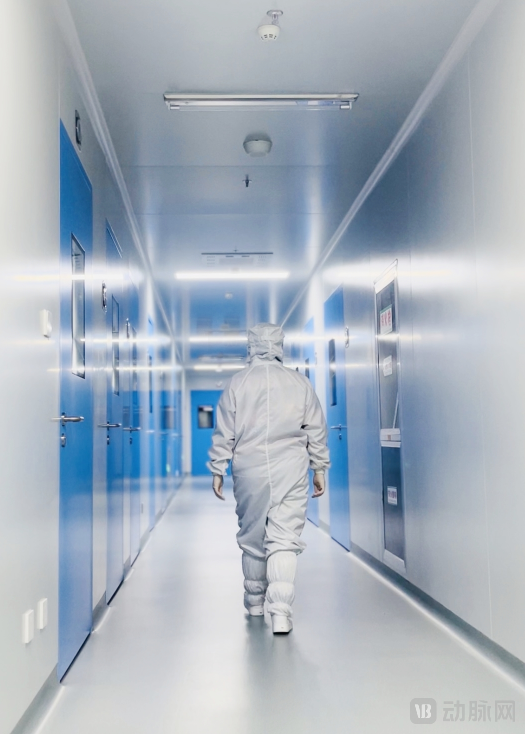
Extraction of Silk Fibroin Using a Calcium Chloride System,
Achieving Scalable Preparation of Silk Fibroin Microspheres with Micron-Scale Size and High Uniformity
Silk fibroin (SF) is a natural macromolecular fibrous protein extracted from silk. Owing to its favorable biosafety, biocompatibility, designability, and mechanical and processing properties, it demonstrates extensive application potential in the fields of medical aesthetics, biomedicine, and the food industry.
Although both silk fibroin and collagen are animal-derived materials, silk fibroin is primarily extracted from insects such as the domestic silkworm. It lacks immunogenicity in humans, offering inherent safety advantages. Furthermore, silk fibroin exhibits high tensile strength and excellent flexibility, with both its tensile strength and toughness surpassing those of collagen. Silk fibroin also demonstrates superior thermal stability, maintaining a stable structure for extended periods under high-temperature conditions without readily undergoing denaturation or degradation. In addition, its degradation products consist mainly of amino acids and peptides, which are easily absorbed and utilized by the human body, giving it a distinct advantage over collagen.
However, traditional silk fibroin preparation processes require the use of lithium bromide to dissolve degummed silk in order to obtain regenerated silk fibroin. Incomplete removal of lithium bromide can result in cytotoxicity of the prepared silk fibroin.[1]。
To avoid this problem,Pinglan Biology has adopted a calcium chloride dissolution strategy and overcome technical challenges associated with regeneration efficiency and yield, resulting in extremely low residual calcium chloride levels. Furthermore, calcium chloride can release calcium ions to a certain extent; these ions play a crucial role in wound healing by promoting cell migration, proliferation, and differentiation, as well as regulating cell signaling. Consequently, silk fibroin regenerated via calcium chloride dissolution demonstrates enhanced capability in promoting wound healing.
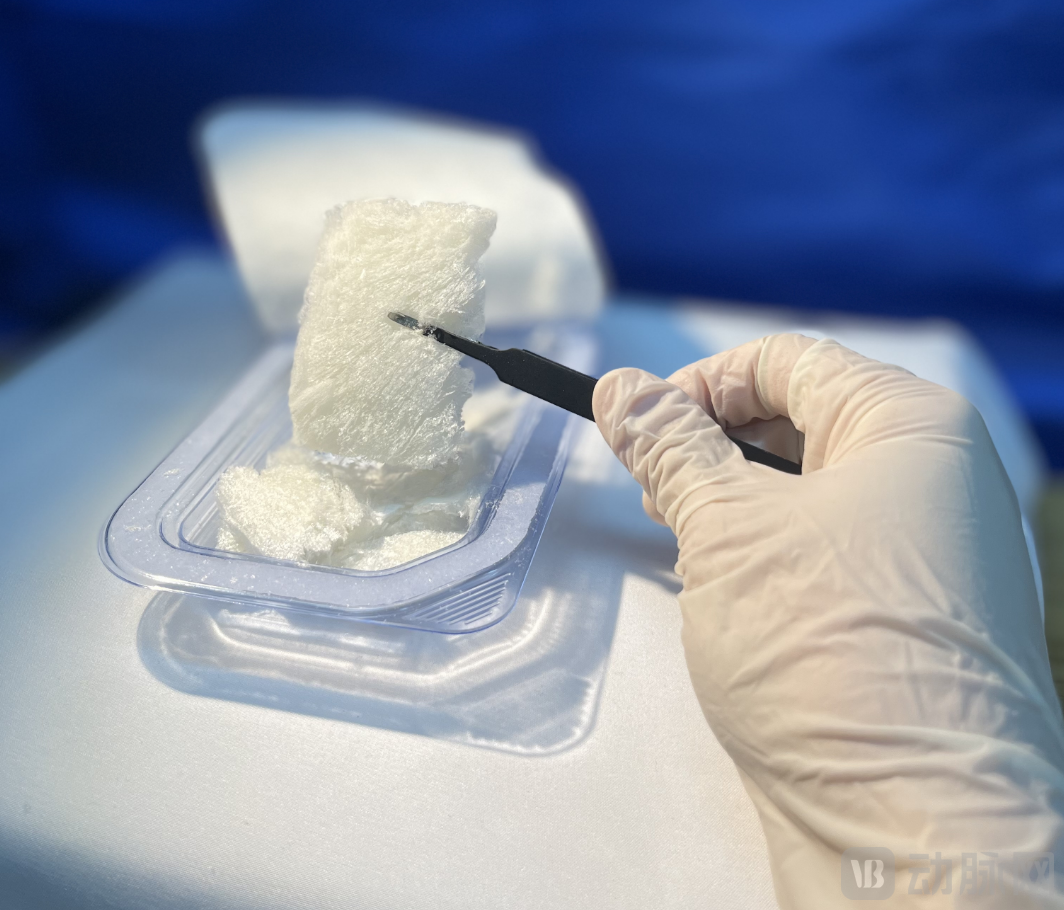
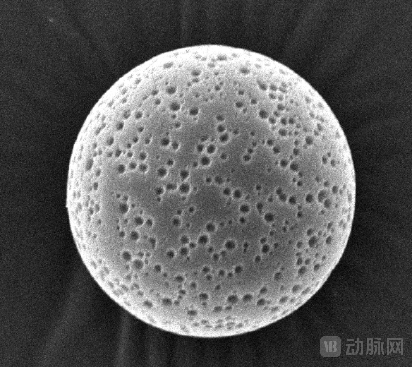
Furthermore, Pinglan Biotech has also achieved the preparation of micron-scale silk fibroin microspheres.
Silk fibroin microspheres, spherical particles fabricated from a silk fibroin matrix, exhibit unique affinity for various molecules and biological entities. This characteristic makes them the preferred material for capturing, purifying, or separating specific biomolecules such as proteins and nucleic acids. Their applications are extensive, spanning biomedicine (e.g., drug carriers, tissue engineering scaffolds, immune adjuvants), cosmetics (e.g., moisturizing, enhancing product efficacy), and the food industry (e.g., serving as food additives to improve texture and mouthfeel).
Pinglan Biology told VCBeat that the uniformity of microspheres is critical to their performance and applications. Uniform microsphere size ensures consistent behavior and effects in biological experiments or applications, thereby enhancing accuracy and reliability. Moreover, uniform microspheres can improve efficiency and efficacy in areas such as drug delivery and biosensing. However, their size and uniformity vary depending on the preparation methods and conditions. Most silk fibroin microsphere products currently available on the market are nanoscale in size with non-uniform distribution, and thus are not true micrometer-scale microspheres.By comprehensively optimizing preparation methods, techniques, and parameters, Pinglan Biology can produce silk fibroin microspheres that are micron-sized, exhibit high uniformity, and are suitable for industrial-scale mass production.
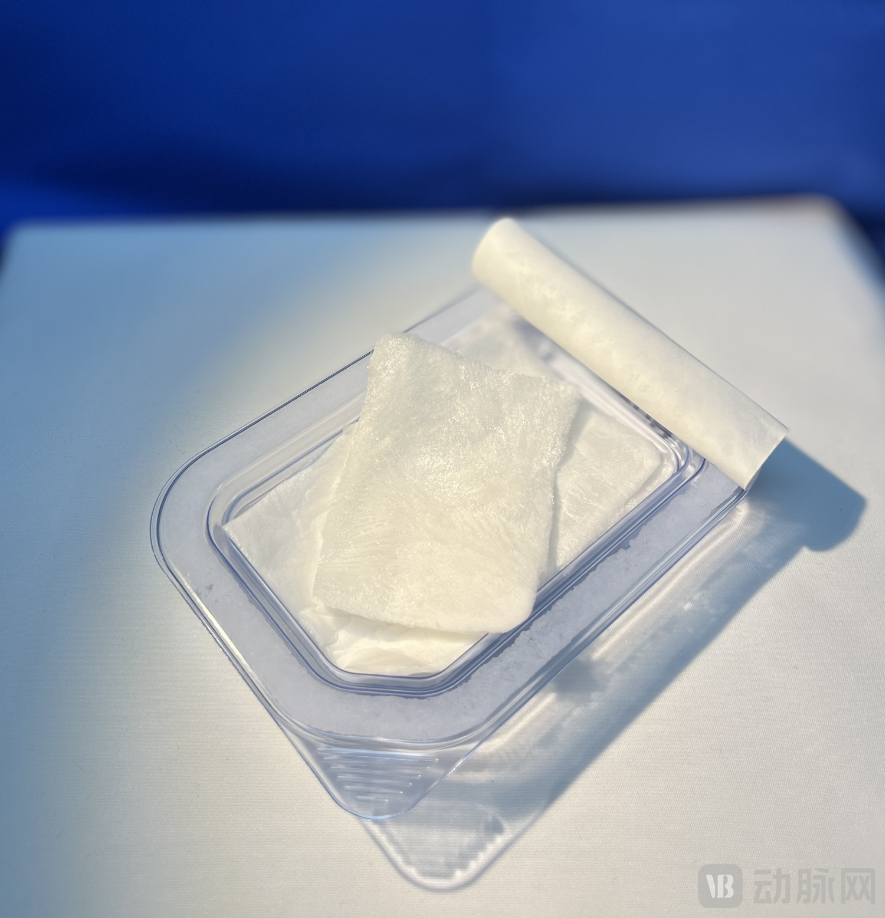
Collagen raw materials are another flagship product of Pinglan Bio.
Collagen’s high reparative capacity, high bioactivity, and excellent biocompatibility have made it a star material in the field of regenerative medicine. Although animal-derived collagen carries certain risks of viral contamination and immunogenicity, its superior bioactive advantages make it difficult to fully replace at present. To eliminate safety concerns, Pinglan Biotech selects bovine Achilles tendon as the source for extraction and leverages specialized equipment in its own manufacturing facilities to purify and refine the raw materials, thereby ensuring their bioactivity through multiple dimensions.
Pinglan Biology explained to VCBeat that there are significant differences in the characteristics of the telopeptide regions between animal-derived collagen molecules and human collagen molecules. Incomplete removal of telopeptides can easily trigger immune rejection reactions in the human body. The advantage of bovine Achilles tendon lies in its being a highly pure source of collagen, composed primarily of collagen without impurities such as fat, cells, hair, or blood vessels. Although sources like bovine and porcine skin offer good traceability, they have notable disadvantages: skin tissues contain hair, fat, blood vessels, and cells, which not only increase the difficulty of telopeptide removal but may also introduce immunogenicity issues associated with the animals themselves.
Pinglan Biotech has developed a collagen product through innovative improvements to the bovine Achilles tendon extraction process. This method maximally preserves the triple-helix structure of active collagen while removing immunogenic telopeptides. The product features high bioactivity, high purity, and excellent biocompatibility, making it suitable for use in medical devices, dressings, and related products.
Proprietary calcium phosphate nanocluster self-assembled biomimetic mineralization technology,
Biomimetic Mineralized Collagen Particles with Controllable Size and Degradation Rate
Building on this technology, Pinglan Bio has pioneered a calcium phosphate nanocluster self-assembled biomimetic mineralization technique, enabling the production of mineralized collagen particles with controllable size and degradation rate.
Mineralized collagen granules are composite materials that mimic the inorganic and organic components as well as the microstructure of natural bone. Formed by combining collagen with inorganic mineral components through specialized techniques, they demonstrate significant advantages in fields such as bone repair, dental materials, and soft tissue augmentation.
The Pinglan Biology team told VCBeat that mineralized collagen materials are structurally similar to natural bone tissue, featuring a porous structure and a hierarchical architecture. The porous structure, resembling cancellous bone, facilitates the ingrowth of cells, newly formed bone tissue, and microvasculature, thereby providing an optimal environment for bone growth. Furthermore, as the calcium-phosphate system is a constituent component of human bone, it can also regulate the osteogenic differentiation of stem cells.
Pinnacle Bio’s proprietary self-assembling biomimetic mineralization technology based on calcium phosphate nanoclusters enables the self-assembly of calcium phosphate nanoclusters with collagen molecules to form a three-dimensional mineralized collagen structure. The resulting biomimetic mineralized collagen particles exhibit a microstructure similar to that of natural bone tissue, achieving dual functions of “physical support + induced regeneration.” Furthermore, particle size and degradation rate can be controlled through post-processing adjustments, providing strong structural support, prolonged maintenance, and long-lasting, natural-looking outcomes.
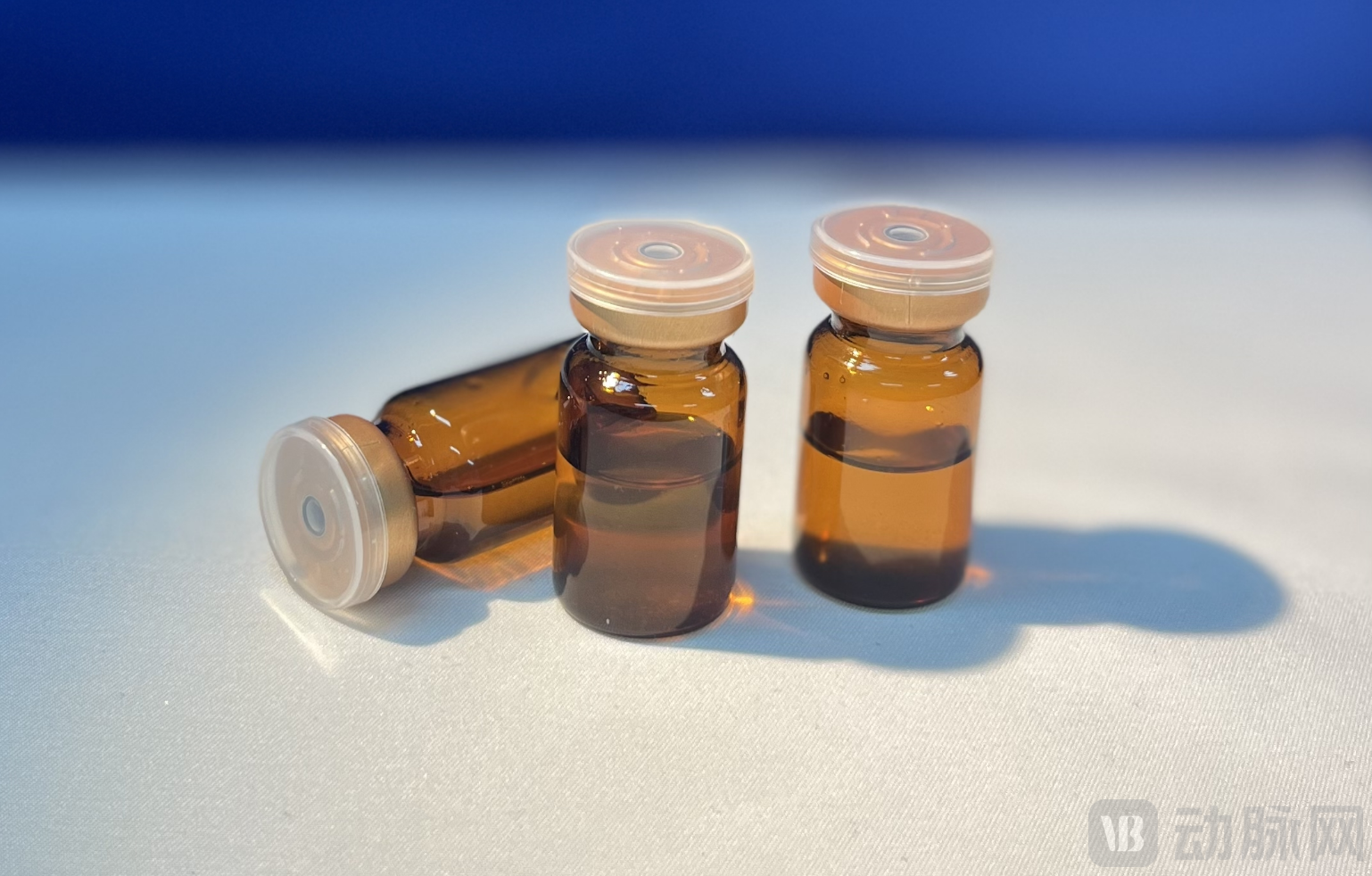
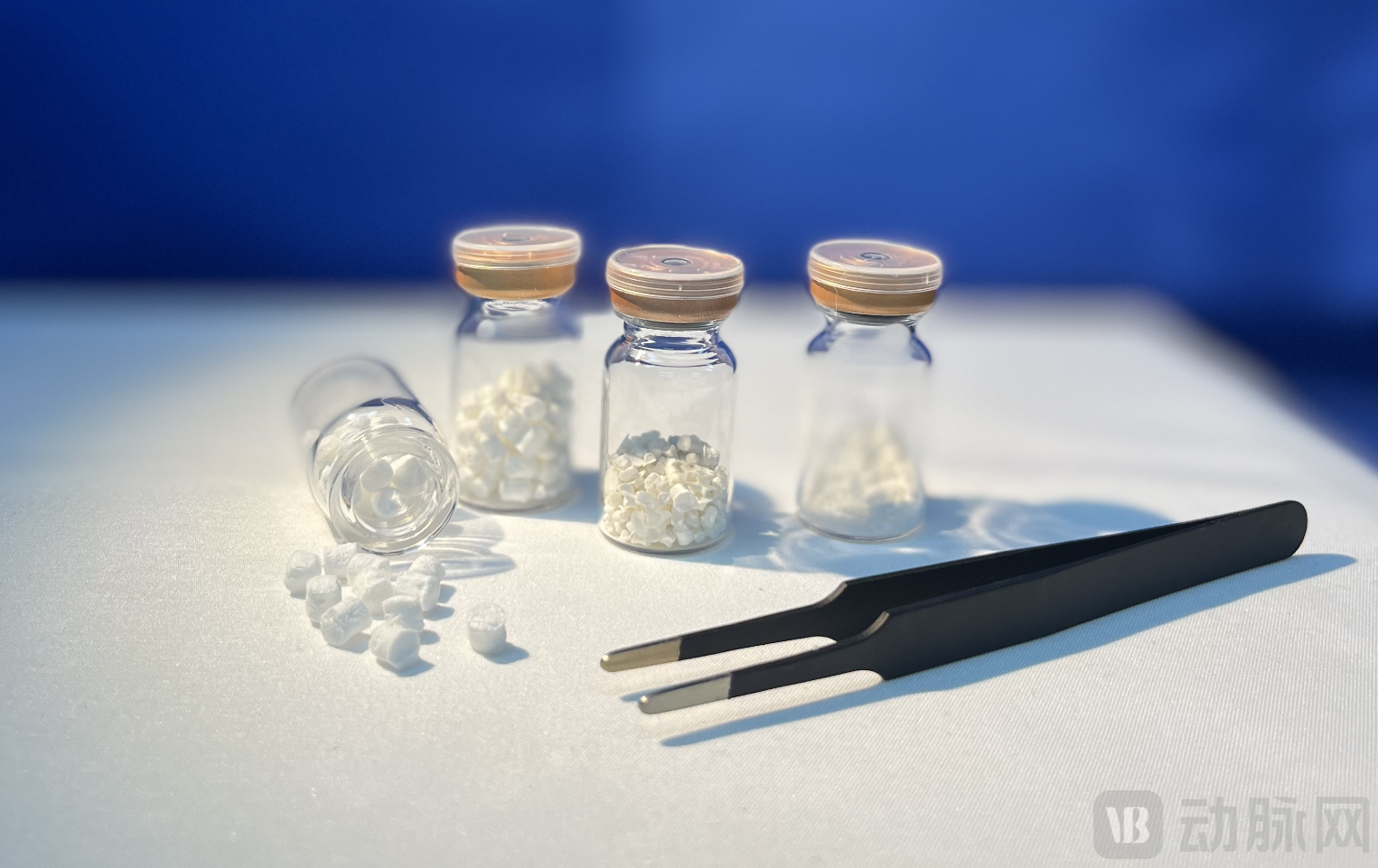
Although Pinglan Biotech is a young company, its core team has been deeply engaged in the field of biomaterial preparation for decades. Leveraging this accumulation of technical and production expertise, Pinglan Biotech has successfully partnered with suppliers of active cosmetic ingredients to jointly address various technical challenges associated with raw materials.
Meanwhile, its self-developed silk fibroin raw material has been submitted for Class II medical device registration and is expected to be approved in 2025.
Moreover, Pinglan Biology can provide full-chain support, including formulation, processes, and technology, tailored to customer needs.
Looking ahead, Pinglan Bio will pursue a dual-pronged strategy: on one hand, leveraging existing raw materials to develop a diverse product portfolio; on the other, actively exploring emerging raw material sectors such as carbohydrate-based materials, using material innovation as an engine to drive continuous advancement in medical device solutions.
References:
[1]Yesol Yang, et al. Effect of Residual Lithium Ions on the Structure and Cytotoxicity of Silk Fibroin Film, International Journal of Industrial Entomology and Biomaterials,2013, 27, 265-270. https://koreascience.kr/article/JAKO201304164263246.page