

Tencent Doubles Down on Innovative Drugs with Strategic Portfolio Rebalancing

Tencent
Internet Comprehensive Service Provider
After experiencing a surge followed by a decline in the past few years, no one can clearly predict what 2025 will bring. However, amidst widespread uncertainty and anxiety, Tencent, often referred to within the industry as “half an investment company,” has already taken the lead in acting.
In January this year, Tencent rapidly completed four investments in the pharmaceutical sector, successively backing cancer early screening companiesInsighta, Macromolecule R&D DeveloperShengsi Biotech, Cell Therapy Drug DeveloperYuesai BiotechPharmaceutical Companies for Kidney Diseases and Related Chronic ConditionsLibang Medicineincreased its investments, including a strategic investment of over RMB 200 million in Insighta and a Series C investment of up to RMB 550 million in Libang Pharmaceutical.
This is actually quite remarkable, as Tencent has been scaling back its external investments in recent years. In 2024, the company made only 22 investments, with a total amount of less than RMB 4.5 billion—far cry from the hundreds of billions invested annually at its peak. Nevertheless, Tencent’s enthusiasm for innovative drugs remains high. Of the mere 22 investments made in 2024, eight were in innovative drugs, accounting for nearly 40%. Moreover, at the very beginning of this year, Tencent completed four consecutive investments. Given the current trend of capital injections, it appears poised to further increase its commitments to the innovative drug sector.
"Where there is an anomaly, there must be something suspicious."Amid the current capital winter, what is Tencent’s rationale for remaining so bullish on innovative drugs during this period of cautious investment?
Tencent “Changes Its Mind,” Entering the Innovative Drug Business
In 2010, the famous “3Q War” (the dispute between 360 and Tencent) erupted. This business showdown, hailed as the “First World War of the Internet,” lasted until 2014. However, in the second year of the conflict, Ma Huateng had already realized thatThe path suitable for Tencent’s expansion is not to encompass all business lines, but rather to embrace openness and recreate an external Tencent.. Thus, starting from the second half of 2011,Strategic investments have become a significant force on par with Tencent’s core business, with the number of investment deals increasing year by year.。
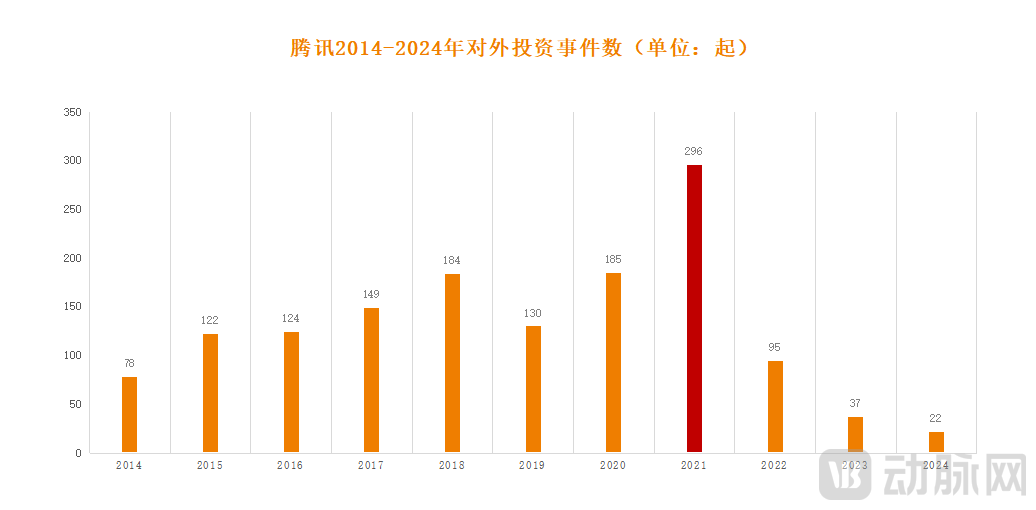 Figure 1. Number of Tencent’s outbound investment deals, 2014–2024 (Source: IT Juzi)
In 2015, Tencent made over 100 external investments;In 2021, Tencent’s annual investment count approached the 300 mark, equivalent to investing in one company per day on average.. Amid the frenzied “buying spree,” Tencent has also reaped substantial profits. According to its annual report for that year, Tencent’s net profit from investment activities in 2021 amounted to RMB 123.788 billion, accounting for 65% of its total profit. Investment operations have clearly become a pillar supporting half of Tencent’s profitability. In response, Ma Huateng joked: “"Tencent now has only half a life; the other half has been entrusted to its partners."。”
So, who are Tencent’s “partners”? Through a systematic review, VCBeat found that Tencent has made investment arrangements across nearly 30 sub-sectors, with entertainment and media, gaming, and enterprise services ranking as the top three, while healthcare follows closely in fourth place. According to data from IT Juzi,Tencent has currently invested in nearly 90 projects in the medical and health sector, with a total investment amount exceeding RMB 100 billion.。
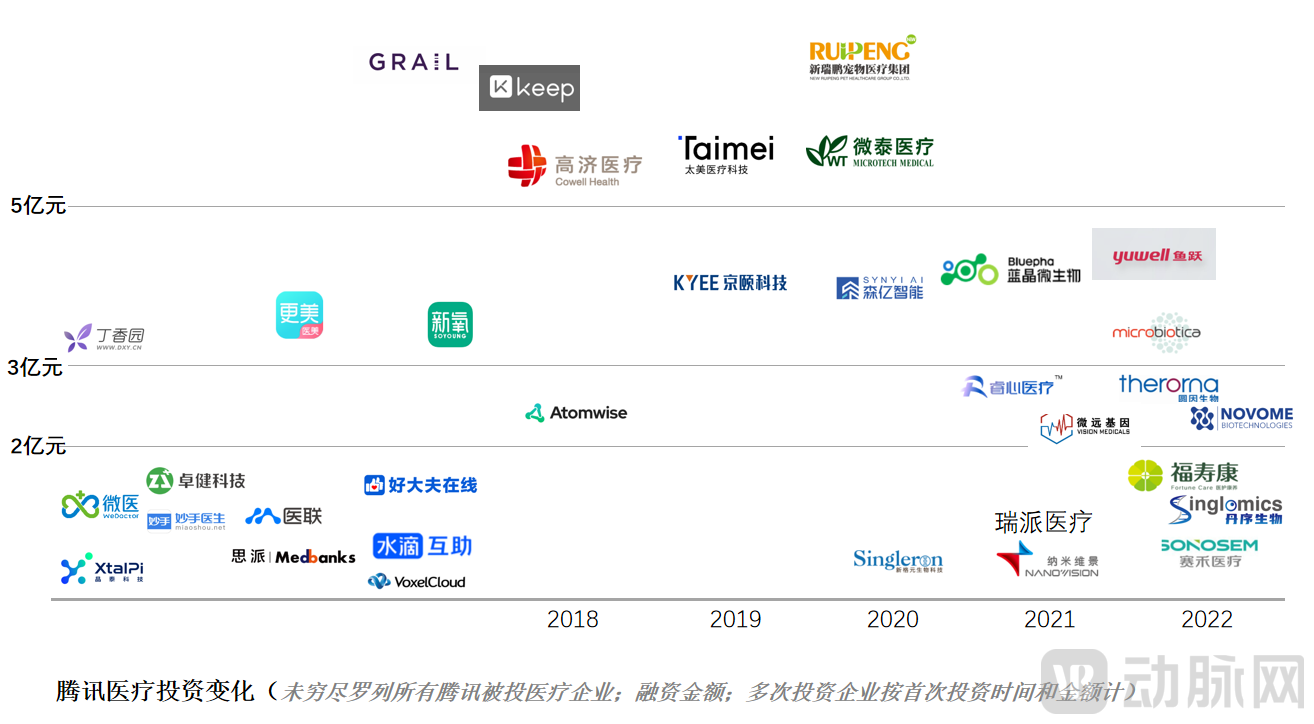
Figure 2. Timeline of Tencent’s Healthcare Investments
However, in the beginning, Tencent primarily entered the market through internet healthcare.In 2014, Tencent made its initial foray into the healthcare sector by leading a $70 million Series C financing round for DXY.cn. Subsequently, Tencent increased its investments in multiple leading companies, including WeDoctor, Yuanxin Technology, Haodf Online, Miaoshou Doctor, Shuidi Huzhu, Penguin Almond, Linjia Haoyi, and Simpie Health, completing at least two rounds of investment in each. It can be said that Tencent was the largest “financial backer” of internet healthcare companies at that time.
There are, of course, reasons behind this. On one hand, it was driven by industry trends: 2014, when Tencent entered the healthcare sector, coincided with the inaugural year of internet healthcare in China, attracting a significant influx of capital; naturally, Tencent did not miss this opportunity. On the other hand, it stems from its corporate DNA. As an internet company at its core, Tencent found it easier to engage with and invest in internet healthcare enterprises, allowing for greater vertical integration in its business operations.
However, everything has its turning point. As the industry gradually reached saturation and the market continued to evolve, Tencent began to withdraw from internet healthcare and started expanding into emerging fields such as AI, informatization, ultrasound imaging equipment, IVD (In Vitro Diagnostics), and precision diagnostics.It was not until the past year or two that Tencent gradually began to focus more on the innovative drug sector.. Such “portfolio rebalancing and strategic pivoting” certainly involves passive adjustments to adapt to the industry, as well as proactive moves driven by the company’s own business considerations.
First and foremost, consider it from a profitability perspective.In 2023, Tencent incurred a loss of RMB 6.09 billion in investment income.Under immense pressure to deliver financial performance, Tencent has had to allocate its limited capital more heavily toward niche sectors that offer phased results and greater certainty—characteristics that innovative drugs clearly possess. Take Libang Medicine, in which Tencent recently increased its investment, as an example. The company has established a robust pipeline covering chronic kidney disease (CKD)/dialysis complications, IgA nephropathy, and diabetic nephropathy, with multiple projects already in Phase III clinical trials and commercialization imminent. Additionally, Tencent just participated in the Series D financing round for Shengsi Biologics, which has also entered the IPO process and plans to list this year.
Beyond “money,” Tencent’s unprecedented enthusiasm for innovative drugs is also driven by strategic considerations. In recent years, Tencent has repeatedly signaled its ambitions to the industry.Its investment objective is not merely to hold equity stakes in healthcare enterprises, but to integrate resources from various stakeholders—including physicians, patients, and pharmaceutical companies—thereby building an interconnected ecosystem.Over the past decade, Tencent has completed 90% of this ecosystem through in-house development or investments, with innovative drugs representing the final missing piece; consequently, it has aggressively increased its investments in this sector over the last one to two years.
In this regard, a senior investor remarked, “As an industry giant, Tencent’s investments should not be viewed merely as isolated events, but rather in the context of its overall strategic layout. For instance, Tencent is currently aggressively increasing its bets on innovative drugs. While part of this drive is undoubtedly due to the high market value and significant growth potential of the innovative drug sector, more importantly, it serves to strengthen specific segments of its industrial chain and further perfect its healthcare ecosystem.”
How to Tell the Post-Investment Story?
Compared with the past, Tencent’s current investments are more “pragmatic.” Specifically, during the previous years when market conditions were favorable, greater emphasis was placed on what companies you invested in, as this signaled a trend.However, over the past year or two, as the overall market has cooled, greater attention is now being paid to exit strategies post-investment—specifically, how investment institutions can maximize their value-add to portfolio companies.
This is no exception for Tencent. In fact,As an internet giant, how Tencent leverages its advantages and resources to support innovative drug companies at a critical stage is actually more attractive than the investment intention itself.。
Taking Tencent’s recent investment in the early cancer screening company Insighta as an example, two key developments warrant attention. First, upon completion of the investment, Tencent will secure a seat on Insighta’s board of directors, to be occupied by Wu Wenda, President of Tencent Medical Health. Second, at the R&D level, it is reported that Tencent will leverage its AI technologies and service platforms to enhance the accuracy of Insighta’s FRAGMA technology for early cancer detection, thereby reducing service costs and facilitating broader market adoption.
It is not difficult to see from this that,Tencent has not only been deeply involved in the research and development of innovative drugs, but is also providing simultaneous support in market promotion., with R&D and marketing being precisely the current core of innovative drugs.
Let’s start with R&D. In fact, Tencent has recently invested heavily in innovative drug companies at critical stages of clinical development, such as Ningdan New Drug, which focuses on the research and development of new drugs for central nervous system disorders. Its most advanced candidate, the Y-3 injection, completed enrollment of the first subject in its Phase III clinical trial last July. However, competition around this drug’s target is quite intense.Tencent’s entry will enable the company to leverage its leading AI technology to reduce the time and cost of identifying potential active drugs, significantly boost R&D efficiency, and thereby seize a first-mover advantage in the industry.。
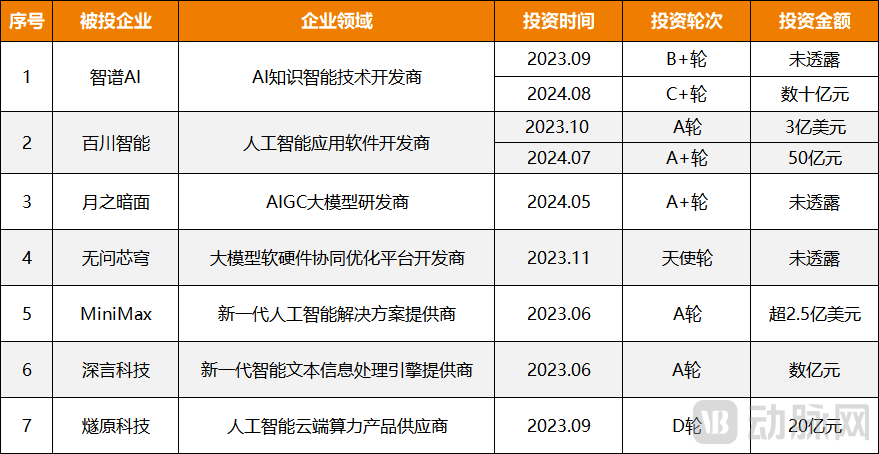 Figure 3. Representative AI Companies Invested in by Tencent in Recent Years
It is reported that as early as 2020, Tencent officially launched its AI-driven drug discovery platform, “Yunshen Zhiyao (iDrug),” aiming to leverage artificial intelligence to accelerate new drug development. Since then, Tencent has continued to increase its investment, backing several leading AI companies to strengthen its own databases and cloud computing capabilities. Currently, Tencent’s AI system is at the industry forefront, capable of covering the entire preclinical new drug R&D process, which holds significant importance for domestically produced innovative drugs during their critical development phase.
Furthermore, focusing on the marketization aspect. In fact, amid the current capital winter and the urgent need for cash flow, this capability has become increasingly important, and it is also a common weak link for innovative drug companies. However, this is precisely Tencent's advantage.
For instance, in terms of upstream-downstream synergy, take Tencent’s core strength—the gaming sector—as an example. In 2024, Black Myth: Wukong achieved remarkable success. Although Tencent held only a 5% stake in the game’s operating entity, it played a significant role in both development and distribution. The game’s Unreal Engine was sourced from Epic Games, in which Tencent invested in 2012; the project management platform TAPD used during development was built by Tencent; and its gaming platform, WeGame, provided customized support during the release phase of Black Myth: Wukong.
This tight business integration is equally applicable to innovative drugs. For instance, whether pharmaceutical companies leverage a specific platform for sales, engage in combination therapy collaborations with other pharmaceutical firms, or navigate stages such as business development (BD) and the formation of NewCos, Tencent can address all these needs by leveraging its own ecosystem. In this regard, Tencent particularly emphasizes, “Tencent’s investment strategy in recent years has been “joint development,” which involves deeply integrating resources from its various sectors and applying them to the actual growth of its portfolio companies.”。
Finally, in the currently high-profile area of innovative drugs going global, Tencent can also make significant contributions.. This is partly because Tencent already has a mature overseas business, with its international operations generating RMB 53.2 billion in revenue in 2023, a year-on-year increase of 14%, and it is still in a phase of rapid expansion. Although this primarily refers to the gaming segment, it also means that Tencent possesses extensive channels and resources for operating in overseas markets, which can gradually be extended into the innovative drug sector.
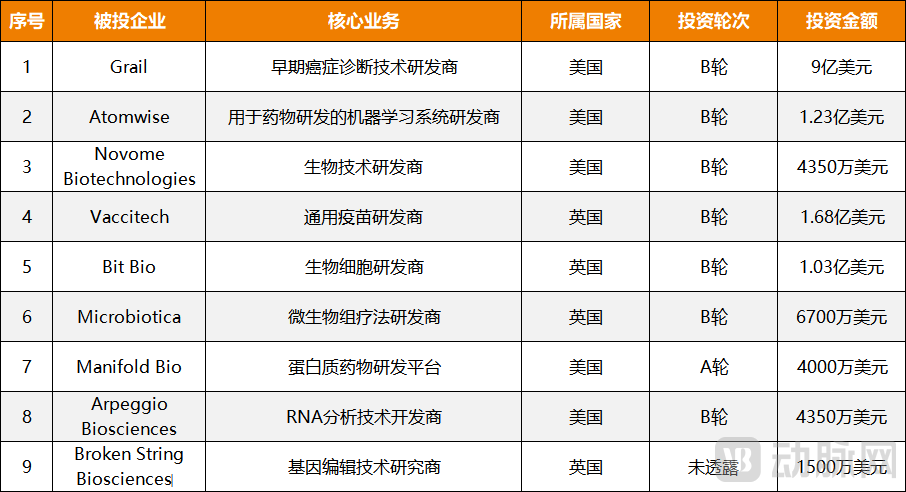 Figure 4. Representative Innovative Drug Companies Invested in by Tencent Overseas
On the other hand, Tencent has invested heavily in overseas innovative pharmaceutical companies in recent years, such as Grail (a cancer early screening company), Atomwise (an AI-driven drug discovery company), and Novome Biotechnologies (a biotechnology R&D developer). These investees can also provide certain support for Chinese-made innovative drugs to go global. In addition, Tencent has established deep connections with multiple multinational corporations (MNCs) and top-tier hospitals, which can also maximize Tencent's overseas influence.
It is evident that Tencent is deeply engaged through “connectivity” in both the R&D and market segments. This approach aligns perfectly with Tencent’s investment methodology developed over the years,It is more of a strategic investment, with the ultimate goal not being control, but rather centralized empowerment and collaborative development.。
The Most Critical Year for Innovative Drugs and Tencent’s “Counterattack”
At the recently concluded JPM Conference, Chinese innovative drugs stole the spotlight. Not only did China send its strongest-ever delegation, with more than 30 leading pharmaceutical companies participating, but related forums were also packed to capacity, with dozens of events of varying sizes such as “China Night.” This undoubtedly demonstrates that Chinese innovative drugs have become a significant force in the global market, with their overall strategic value continuing to grow.
In fact, after years of prolonged dormancy,2025: A Pivotal Year for China’s Innovative Drugs. Taking the R&D phase as an example, several blockbuster drugs in areas such as oncology, immunomodulators, and digestive and metabolic disorders are poised for imminent approval, with all showing strong potential to become “billion-dollar molecules.” Furthermore, competition among domestically developed innovative drugs is particularly intense in key therapeutic areas such as antibody-drug conjugates (ADCs), with overall R&D progress significantly outpacing that of the global market.
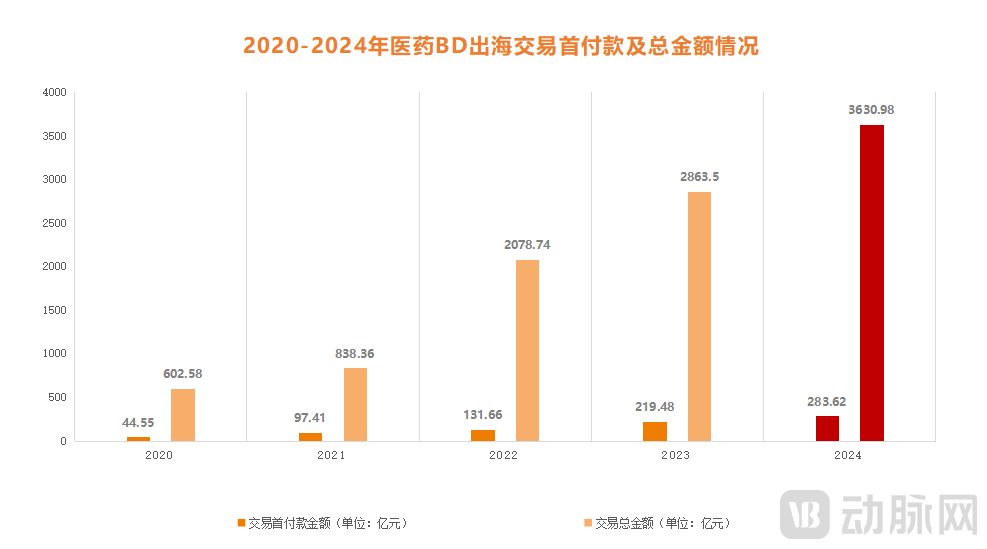 Figure 5. Upfront Payments and Total Deal Values in Cross-Border Business Development Transactions in the Pharmaceutical Industry, 2020–2024
It is precisely for this reason that Chinese innovative drugs have garnered significant global attention in terms of business development (BD) and international expansion. According to data from DrugTimes, the upfront payments for licensed overseas deals involving Chinese innovative drugs disclosed in 2023 amounted to RMB 21.948 billion, accounting for 10% of the profits of China’s pharmaceutical manufacturing industry at that time. In 2024, the internationalization of Chinese innovative drugs made further progress, with the total transaction value rising to RMB 363.098 billion, a year-on-year increase of 26.8%. According to authoritative forecasts, the overseas expansion of Chinese innovative drugs will continue to experience explosive growth in 2025,This means that a large number of pharmaceutical companies will turn losses into profits as a result, leading to increased activity in the capital markets and a significant rise in the potential for future monetization.。
This undoubtedly presents Tencent with an unprecedented opportunity. In fact, constrained by the gradual dissipation of internet traffic dividends and significantly intensified market competition, Tencent’s core businesses have faced substantial growth bottlenecks in recent years, creating an urgent need to identify a new breakthrough. Currently, Tencent is placing greater emphasis on the sector of domestically produced innovative drugs, hoping to achieve a turnaround in its investment portfolio through this strategic focus.
Meanwhile, the industry is also looking forward to whether domestically produced innovative drugs will take another step forward with the comprehensive involvement of tech giant Tencent, thereby opening up greater room for imagination. The answer to this question is getting closer and closer to us at present.
1. “Tencent’s Investment Strategy Narrows: AI in One Hand, Healthcare in the Other” — TMTPost;
2. “Libang Pharma Secures Strategic Investment! Has Tencent Scored Another Victory in Its Comprehensive Push into the Healthcare Industry?” — Pharmaceutical Economic News;
3. “After Eight Years of Overseas Healthcare Investment, Tencent Is No Longer Able to Keep Up the Intense Competition” – VCBeat.