Origin Life Files IPO Prospectus: Pioneering Allergy-Free Silk Fibroin and Novel Injectable Fillers

Origin of Life
Biological Materials R&D and Manufacturer
In recent years, driven by breakthroughs in materials science and biotechnology, continuous improvements in healthcare standards, and rising household healthcare expenditures, the market size of biomedical materials has exhibited rapid growth. According to forecast data from Gaohe Investment Research Center, the global sales volume of the biomedical materials and products industry is projected to reach approximately USD 259 billion by 2026, with a compound annual growth rate (CAGR) of 5.21% from 2020 to 2026.
China’s biomedical materials industry started relatively late, beginning its development in the early 1980s. After 40 years of growth, the industry has begun to take shape. In particular, over the past five years, the domestic biomedical materials sector has developed rapidly and holds immense potential. However, at present, China’s biomedical materials industry still faces challenges such as a low success rate in translating scientific research achievements into commercial applications, a product portfolio dominated by mid- to low-end offerings, heavy reliance on imported raw materials, and significant difficulties in quality control.
To address the aforementioned industry pain points, Origin of Life (hereinafter referred to as “Origin of Life”) has entered the market. As a subsidiary of Guangzhou Yicheng Biotechnology Co., Ltd., Origin of Life specializes in the field of biomaterials. Leveraging its core technologies and an initial investment exceeding RMB 10 million, the company has established a co-innovation R&D platform for regenerative biomaterials, along with comprehensive master files for series of raw materials and semi-finished products. This infrastructure assists startups and manufacturers of Class II and Class III medical devices in obtaining regulatory approvals with lower costs, higher efficiency, and reduced risk.
Meanwhile, Origin of Life has actively partnered with the Guangdong Research Institute for Novel Biomaterials and High-End Medical Devices, focusing its collaboration on two key areas: regulatory science and proof of concept. In the realm of regulatory science, both parties prioritize post-market regulatory research for medical products, working synergistically to help establish regulatory guidelines. Their efforts aim to fill existing gaps in these fields within China, providing scientific evidence and technical support to promote the standardized development of the medical device industry. Furthermore, the two entities have deepened their cooperation in proof of concept, dedicated to incubating scientific innovations into technological prototypes with commercialization potential. Through systematic evaluation, they identify projects with market viability and facilitate precise matchmaking between supply and demand. This in-depth collaboration not only accelerates the translation of innovative technologies but also injects new momentum into the high-quality development of the medical device industry.
1Nearly 20 years of experience in the development and commercialization of biomaterial-based medical devices, providing high-quality raw materials and semi-finished products to empower downstream enterprises.
“Origin of Life focuses primarily on two areas: first, facilitating the commercialization of scientific and technological achievements for university professors and startups; second, providing high-quality raw materials and semi-finished products to the biomaterials industry,” said Jin Zhenhua, CEO of Origin of Life. Discussing the original intention behind founding Origin of Life, Jin pointed out that the main goal was to address certain pain points facing the industry:
On one hand, from the perspective of technology transfer, the conversion rate of scientific and technological achievements in China has remained consistently low. The success rate of such conversions in China is generally only 6%, whereas in the United States it can reach 50%. Currently, entities such as hospitals, universities, research institutes, and healthcare companies are actively promoting the commercialization of research outcomes; however, a significant gap still exists between academic research findings and commercially viable products in the market. “We have learned that many experts and professors we have engaged with encountered considerable detours during the industrialization of their research achievements. Therefore, we hope to share our experience to empower the entire technology transfer value chain,” explained Jin Zhenhua.
On the other hand, from an industry perspective, while the overall market size for biomaterials is substantial, the market capacity for any single material is actually quite small. “In this industry, many companies are entering each niche material segment, and they typically handle the entire process from raw materials to finished products in-house. However, the end result is that high-quality products are generally still imported,” explained Jin Zhenhua. This is because the technological chain from raw materials to final products is lengthy, requiring significant investments in human resources, materials, and capital. From a product-only standpoint, limited market demand makes it difficult for companies to generate strong production needs or achieve large-scale repetitive manufacturing. Yet, the quality and stability of biomaterial raw materials, intermediates, and finished products can only be improved through continuous, repetitive production processes. This poses an even greater challenge for startups.
“Therefore, drawing on our team’s accumulated expertise over the years, we are committed to meticulously developing a select range of basic raw material intermediates, enhancing their quality while lowering costs. This enables downstream companies in the supply chain to devote more energy and resources to product process development and quality control, thereby producing higher-quality products and avoiding resource waste.” In Jin Zhenhua’s view, only by solidifying the foundational aspects of an industry can one meaningfully discuss new-quality productive forces and intelligent manufacturing. “If players within the industry can specialize effectively, each focusing on excelling in their respective segment of the supply chain, it will significantly benefit final product quality control and efficient iteration.”
The core team of Origin of Life has been consistently focused on the research, development, and commercialization of high-value medical device consumables. With nearly two decades of experience in the development and translation of biomaterial-based medical devices, the team holds hundreds of core patents., previously facilitated the regulatory approval of Shenqiao, the world’s second and China’s first decellularized nerve graft, as well as China’s second decellularized artificial cornea. Meanwhile, Yicheng Biology, the parent company of Origin of Life, has been deeply engaged in the research and development of regenerative aesthetic medicine products for seven years, with its products successively obtaining Class II and Class III medical device registration certificates.
When discussing the competitive advantages of Origin of Life, Jin Zhenhua candidly admitted that the company does not hold significant advantages in terms of funding or the caliber of its team. However, recent comparative analyses between the company’s domestically produced materials and leading listed products as well as imported alternatives have revealed that Origin of Life’s products offer superior quality. Jin Zhenhua attributed this advantage to two factors:
On the one hand, this stems from the company’s characteristic of “focus.” For decades, the team has meticulously refined its core technologies in the laboratory, repeatedly summarizing and optimizing processes, thereby establishing subtle yet significant barriers to entry. On the other hand, Origin of Life has cultivated an environment conducive to R&D. As a subsidiary of Yicheng Biology, the company prioritizes research and development, free from the pressures of performance targets and commercialization. R&D personnel enjoy considerable autonomy, a favorable working environment, and relatively clear research directions, resulting in high work efficiency. “Therefore, in the more than six months since the factory was established in mid-2024, our output of results has been remarkably rapid, with many advancements even exceeding my expectations,” introduced Jin Zhenhua.
2Building Three Core Technology Platforms: Pioneering the First PCL Microsphere + HA Injectable Filler Product
Currently, Origin of Life has established three core technology platforms: the polyester microsphere technology platform, the silk fibroin technology platform, and the ECM hydrogel technology platform.
“These technology platforms may appear vastly different, but they actually share many commonalities, such as quality control measures and analytical methods. They also target similar customer segments in the market, and represent the areas where our team has accumulated the most extensive technical expertise,” introduced Jin Zhenhua. The team began industrialization research on microsphere technology in 2017, accumulating nearly eight years of experience to date. The lead for silk fibroin technology started related research during their academic years, with relevant projects officially launched in 2019, yielding nearly seven years of experience in industrialization technology. ECM is the specialized field with the deepest technological accumulation within the company; from the Chief Scientist to the R&D Director, all have focused primarily on ECM-related materials, representing nearly two decades of technical expertise.
Moreover, compared to general raw material enterprises, Origin of Life has another significant advantage,The company has consistently focused on product development, particularly in the area of injectable products, thereby accumulating substantial expertise in process and material quality control, including aspects such as sterility, endotoxin levels, and purity.。
Specifically,Polyester Microsphere Technology PlatformApplication scenarios include subcutaneous injection of various sustained-release drug microspheres, facial fillers to stimulate collagen regeneration, 3D-printed personalized precision therapy, and embolization therapy.
Currently, the parent company’s core product, an absorbable injectable filler (Second-Generation Girl Needle), is in the clinical registration phase. According to Jin Zhenhua, this product is the first-of-its-kind PCL microsphere + HA injectable filler. It contains a gel composed of a PCL and HA mixture, utilizing a patented formula, hydrophilic microspheres, and a patented particle size distribution. This innovation resolves the technical challenge of suspending PCL microspheres within HA, offering numerous advantages:
● Physically reversible micro-crosslinked HA for sustained suspension;
● Hydrophilically modified microspheres with excellent biocompatibility and sustained regenerative capacity;
● Better injectability and enhanced ease of use; osmolarity matches that of tissue fluid, resulting in reduced pain and swelling post-injection;
● Good continuity, low embolization rate, and easy resolution post-embolization.
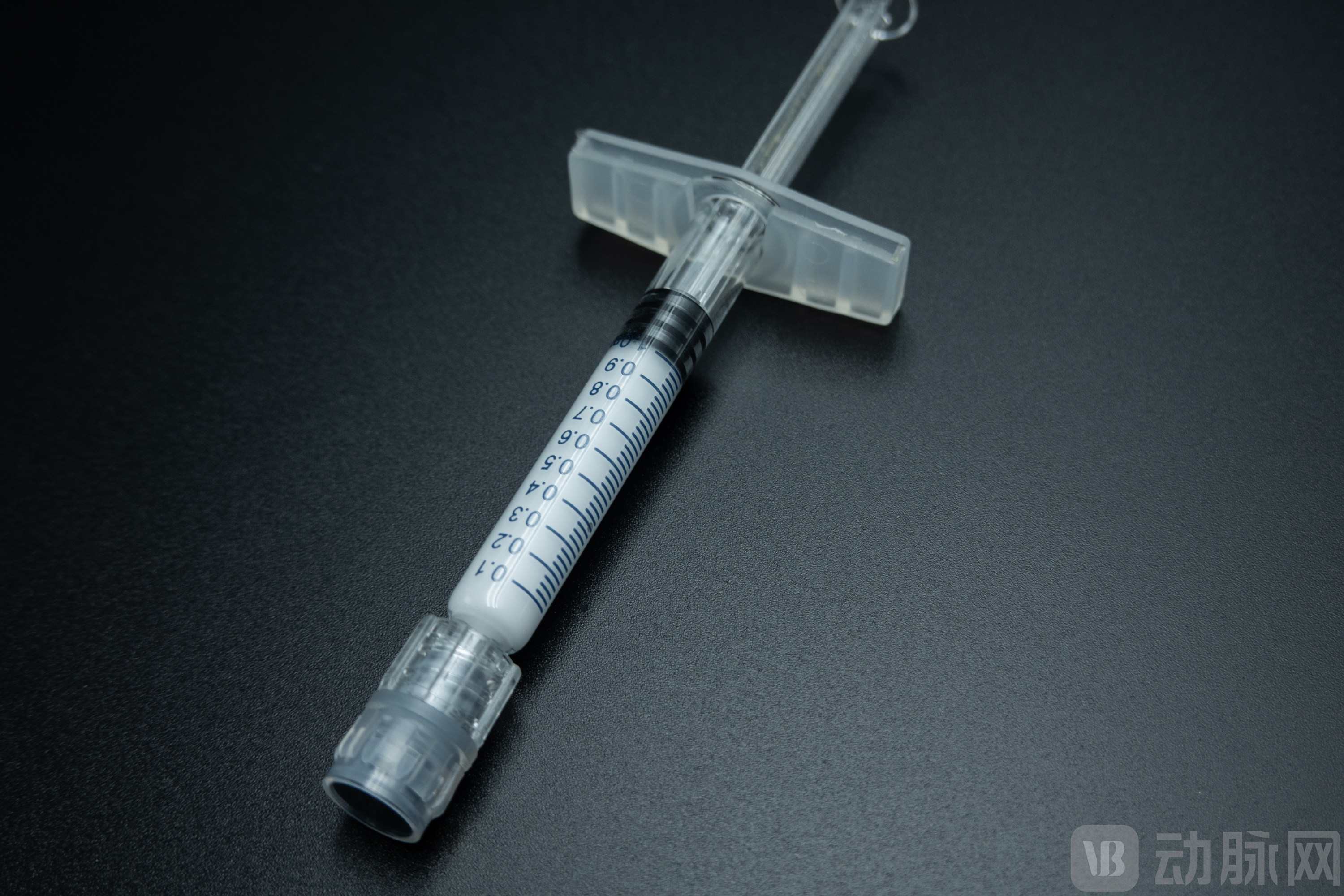
Absorbable Injectable Fillers
“These advantages have demonstrated superior performance in both clinical comparative data and animal comparative studies, with some results even exceeding my own expectations. It is certainly a project to watch,” introduced Jin Zhenhua. The project was launched in 2021, has currently completed clinical enrollment, and is expected to obtain regulatory approval in 2026.
Silk Fibroin Technology PlatformOrigin of Life primarily promotes high-performance, fully traceable silk fibroin raw materials. In this regard, the company boasts three significant advantages:
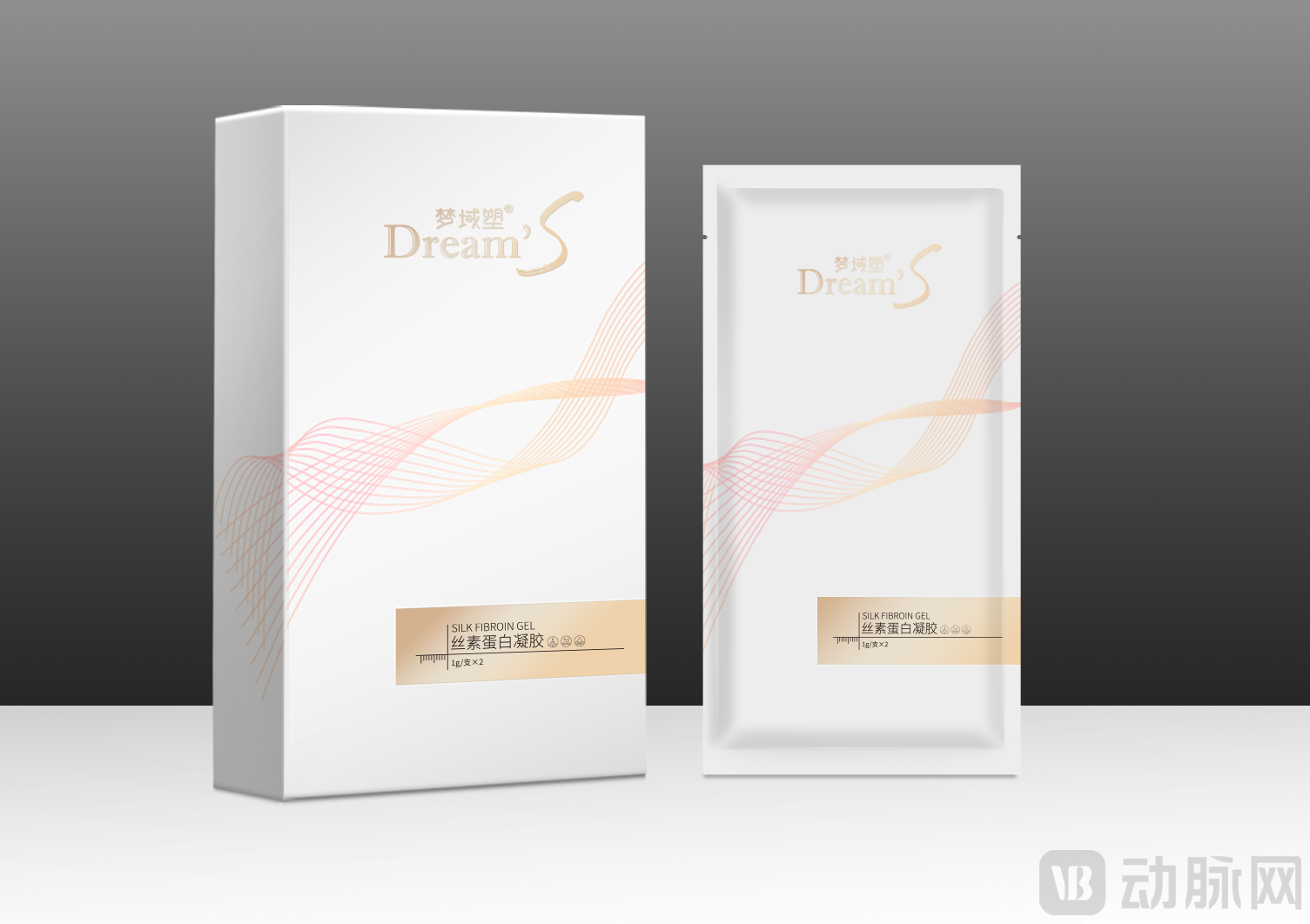
Silk Fibroin Gel
First, in terms of cocoon quality, the silkworm cocoons used for fibroin extraction by Origin of Life are sourced from silkworms raised under Good Manufacturing Practice (GMP) conditions. The quality control requirements are exclusively customized, and the entire process is fully traceable.
Second, leveraging the company’s patented technology, Origin of Life has pre-set specific cross-linking sites during the silk fibroin extraction process, yielding two major benefits: first, it enables better control over beta-sheet formation in subsequent product manufacturing; second, it imparts superior film-forming properties to the final product.
Third, control of endotoxin and sericin content. For biomaterials, especially those intended for injection, endotoxins and residual sericin are significant factors contributing to pyrogenic reactions and allergic responses; therefore, their levels in materials and products should be minimized. This is one area where Origin of Life outperforms similar products.The endotoxin levels in our materials are consistently controlled to below one-tenth of the industry standard, and the sericin content is also maintained at an extremely low level..” Jin Zhenhua introduced.

Silk Fibroin Lyophilized Fiber
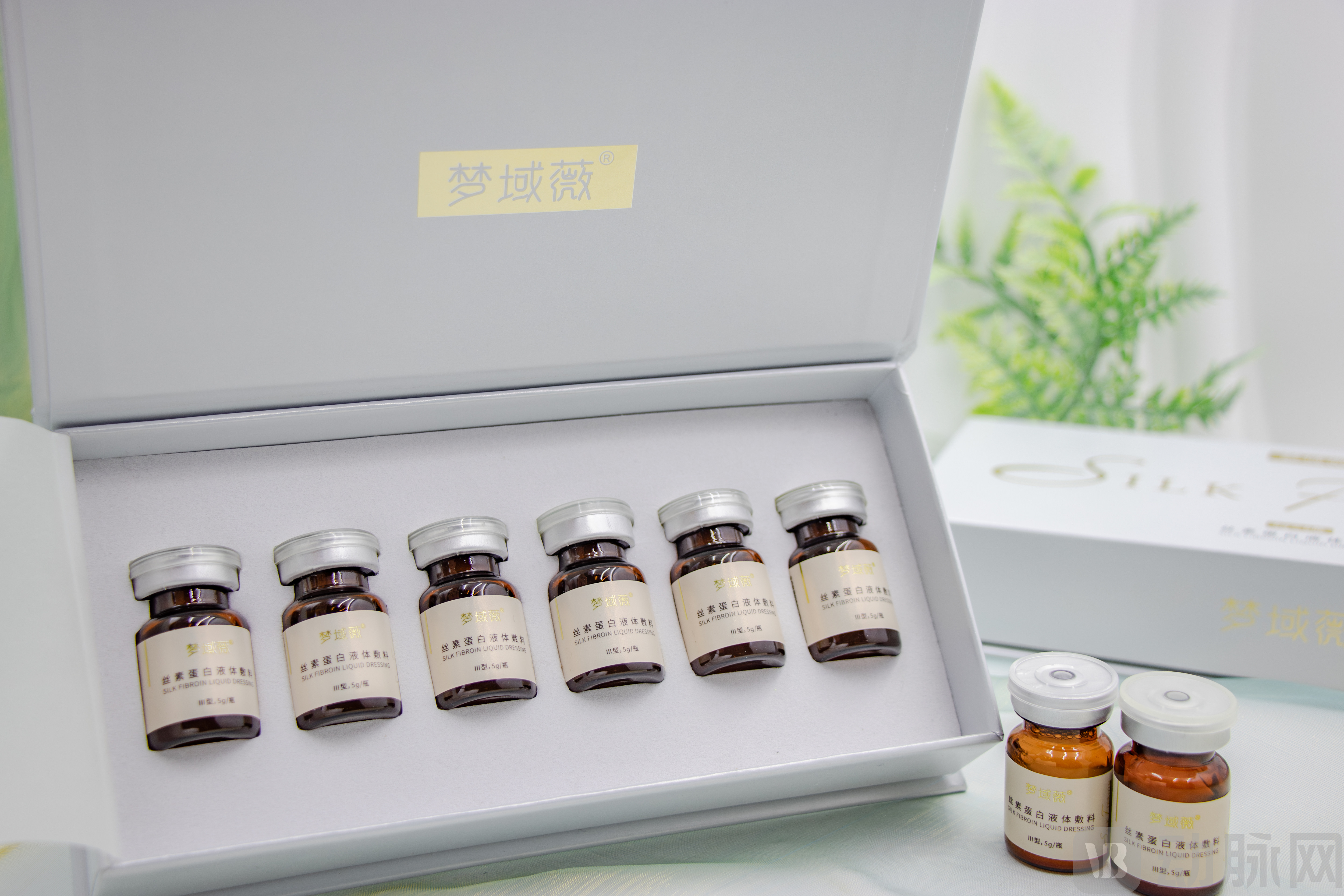
Silk Fibroin Liquid Dressing
Currently, under this technology platform, Origin of Life has incubated five Class II medical devices, and its Class III medical device products have basically been finalized. Its core advantage lies in resolving the issue of allergenicity associated with traditional silk fibroin raw materials.
ECM Hydrogel Technology PlatformApplication scenarios span multiple fields, including brain tissue regeneration and repair, spinal cord regeneration and repair, myocardial tissue regeneration and repair, bone tissue regeneration and repair, and peripheral nerve regeneration and repair. Currently, the technology is in the accumulation phase, with a primary focus on providing technical services and raw materials.
3Addressing the challenges of integrity and stability in the biomaterials supply chain, while expanding the product portfolio with medical aesthetics as the strategic foothold
Currently, biomedical materials still face challenges such as reliance on imported raw materials and difficulties in large-scale production and quality control. Jin Zhenhua pointed out that there is a vicious cycle in the current biomaterials market: unstable product quality leads to lack of market acceptance, preventing companies from generating profits; this, in turn, results in insufficient capital and motivation for companies to pursue large-scale production, which further exacerbates difficulties in quality control and product instability.
“If the upstream sector is not well developed, the supply chain will naturally fail to perform,” explained Jin Zhenhua. Taking fibroin as an example, only a few companies are capable of providing qualified raw materials for this novel biomaterial. If entry barriers are set too high, or if development proceeds in isolation without considering practical downstream applications, it will be difficult for the application sector to achieve healthy and rapid growth. Without feedback and support from the application end, it becomes challenging to iteratively improve the quality and efficacy of the material. Therefore, Origin of Life has collaborated with experts and leading enterprises in niche sectors, investing substantial financial and human resources to continuously enhance the quality and supply capacity of fibroin raw materials, gradually reduce market prices, and expand market applications. “Only when the quality of basic raw materials reaches a sufficiently high level and the industry’s supply chain system becomes mature enough can we establish nationally recognized standards, or even international standards, thereby promoting Chinese-characteristic biomaterials to the global market.”
Jin Zhenhua pointed out that the biomedical materials industry undoubtedly has broad development prospects. However, caution is needed regarding the market capacity trap. The scope of the biomaterials industry is extremely broad, covering a wide variety of materials. Although the overall industry scale is large, the actual size of individual niche material markets, especially those for new materials, is often limited. From the product perspective, the development trend is favorable; however, from the raw material perspective, based on an analysis of the input-output ratio, focusing on a single new material is not an ideal direction for entrepreneurship.
Therefore, Origin of Life will continuously expand its application scenarios based on its core proprietary raw material technologies. In the short term, the company’s product development will remain primarily focused on applications in the medical aesthetics sector. In the long run, it will gradually venture into the silver economy, addressing areas such as hair loss treatment and arthritis management, as well as higher-barrier fields like oncology therapeutics and controlled drug release.
“We hope to drive the industry’s shift from competing on price and marketing to competing on quality and efficacy, encouraging greater emphasis on the quality of raw materials, controlling risks at the source, thereby more effectively mitigating downstream risks, and contributing to the healthy and orderly development of the industry.” This is the expectation Jin Zhenhua has for Origin of Life. What compelling stories Origin of Life will write in the field of biomaterials in the future remains to be seen.
Guangdong Institute of New Biomaterials and High-End Medical Devices
Guangdong Institute of New Biomaterials and High-End Medical Devices is a demonstration base for the transformation of achievements from the National Innovation Cooperation Platform for Biomaterials, jointly established by four national ministries and commissions: the National Medical Products Administration, the Ministry of Science and Technology, the Ministry of Industry and Information Technology, and the National Health Commission. It is a provincial public welfare institution dedicated to regulatory science research and committed to promoting the commercialization of innovative medical device achievements through market-oriented approaches.
Under the leadership of Academician Wang Yingjun of the Chinese Academy of Engineering, the Institute for High-End Medical Devices aggregates advantageous resources across the full translation chain for high-end medical devices with international characteristics, including the National Engineering Technology Research Center, regulatory science research bases and key laboratories under the National Medical Products Administration (NMPA), and the GHWP (Guangzhou) Academy. It has established a CRMI innovation achievement translation model led by regulatory science and centered on “regulatory innovation, technological R&D, translation services, clinical promotion, data support, and investment drive.” This initiative aims to build a highland for high-end medical device innovation and achieve self-reliance and controllability in China’s high-end medical device sector.
Origin of Life is committed to promoting the healthy development of the medical aesthetics industry, the transformation and commercialization of scientific and technological achievements in medical devices, innovative regulation of medical devices, and the internationalization of materials with Chinese characteristics. It seeks to partner with those who share the same value vision.InvestorJoin.
Silk Fibroin Product Series Incubated by the Origin Team Successively Obtain Regulatory Approval: Silk Fibroin Liquid Dressing, Silk Fibroin Gel, Silk Fibroin Lyophilized Fiber, Silk Fibroin Dressing Patch, and Silk Fibroin Bioadhesive. Industry Professionals Sincerely Invited to CollaborateBrand Owners, Distributors, Channel Partners。
The company is actively expanding into overseas markets, particularly in Southeast Asia, and welcomes inquiries regarding raw materials, semi-finished products, and finished goods.Overseas Resourcesfriends to discuss cooperation.
If you are interested in Origin of Life and its product solutions, please contact us: