Keeway Medical Pioneers Domestic BPH Treatment Revolution with First-in-Class Drug-Coated Balloon Catheter
In the field of men's health, benign prostatic hyperplasia (BPH) is a common condition whose prevalence rises significantly with age. Data show that the prevalence is approximately 50% in men aged 50, increases to about 60% by age 60, and reaches as high as 70% by age 70, seriously affecting the quality of life of middle-aged and elderly men.
In June 2023, Urotronic, a company based in Minnesota, USA, achieved a major breakthrough with the FDA approval of its Optilume BPH Drug-Coated Balloon. This product, which had previously received FDA Breakthrough Device Designation, is the world first drug-coated balloon approved for clinical use in treating benign prostatic hyperplasia (BPH). It provides immediate and durable therapeutic effects for patients with BPH, fundamentally transforming the treatment paradigm for lower urinary tract symptoms (LUTS) associated with BPH.
Optilume BPH employs an advanced minimally invasive surgical approach, utilizing its proprietary dual-balloon technology to mechanically dilate the anterior commissure. This effectively releases the constricted lateral lobes while simultaneously delivering paclitaxel to prevent re-fusion of the lobes, ensuring urinary tract patency during healing. Notably, this innovative therapy eliminates the need for traditional methods such as heating, ablation, laser, steam, or foreign body implantation, thereby significantly reducing surgical risks and patient discomfort.
Professor Steven Kaplan highly praised: “Optilume® BPH is by no means a balloon therapy in the traditional sense. As a new generation of minimally invasive technology, it has opened a new chapter in the field of BPH treatment by combining drugs and devices.”
Amid the rapid global advancement of medical technology, Qiwei Medical Technology (Shenzhen) Co., Ltd. (hereinafter referred to as “Qiwei Medical”; company website: www.keewaymed.com) has keenly identified innovative opportunities in this field. By actively benchmarking against the internationally leading Optilume BPH system, the company has successfully developed the Benign Prostatic Hyperplasia Drug-Coated Balloon Catheter Kit (BPH-DCB). This product is among the first domestic innovations of its kind to enter the clinical stage, positioning Qiwei Medical to aggressively pursue the high-potential blue-ocean market for BPH treatments.

Qiwei Medical, established in 2022, is an innovative medical enterprise dedicated to the research, development, and manufacturing of interventional devices for heart failure treatment. The company currently boasts a diverse pipeline of products under development, encompassing multiple innovative projects such as drug-coated balloons for atrial septal procedures, drug-coated balloon catheters for prostate treatment, indwelling arterial infusion catheters, and guidewire fixators.
Why Would a Cardiovascular Interventional Device Company Venture Into the Field of Benign Prostatic Hyperplasia Treatment Devices? Qiwei Medical Founder Mao Yi Explains the Company’s Unique Technology Transfer Philosophy to VCBeat.
Qiwei Medical’s first core product—the atrial septal drug-coated balloon—adopts a contact-based drug delivery mechanism. Its unique saddle-shaped balloon design features flattened, disc-like contact surfaces on both sides that enable slow drug release, effectively reducing the risk of re-occlusion of the defect. This innovative design provides a technical pathway and patented technological foundation for the development of prostatic drug-coated balloon catheters. Furthermore, the balloon of Qiwei’s BPH-DCB was jointly developed by Qiwei Medical and a renowned domestic balloon manufacturer, incorporating distinct innovations in both material and shape, which differentiate it significantly from the US-made Optilume BPH.
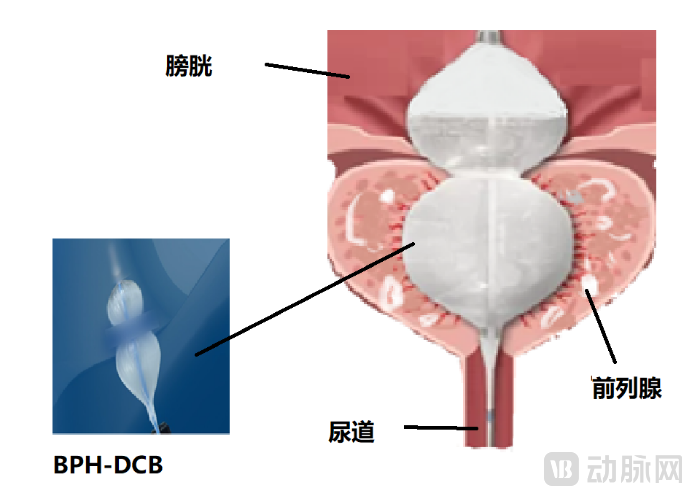
Schematic Diagram of the Working Principle of the Qiwei BPH Balloon Catheter
In the field of drug-coating technology, Qiwei Medical has also achieved significant breakthroughs. Currently, drug-coated balloons for coronary and peripheral vessels mostly adopt burst-release drug delivery technology, which features rapid release. However, glandular therapy requires gentler, high-concentration, and sustained drug penetration. Previously, nearly all drug-coated balloons were applied in vascular interventional therapy, with Urotronic (USA) pioneering the use of drug-coated balloons for glandular treatment. During the development of drug-coated balloons for atrial septal applications, Qiwei Medical successfully established a reserve of drug-coating technologies suitable for glandular therapy. It has thus become the first domestic enterprise to achieve import substitution and technological upgrading in this area, and has completed relevant patent layouts.
Mao Yi pointed out, “The key technical barrier for drug-coated balloon catheters used in the prostate lies in coating technology; its technical parameters, manufacturing processes, and formulations are all carefully developed achievements of the company. Achieving the expected biological parameters is a process so complex that it even surpasses the design challenges of certain active medical devices.” Precise control over the duration, rate, concentration, and detachment profile of drug release to achieve the desired therapeutic effect requires profound expertise in pharmacokinetics and extensive accumulated experience. After more than a year of effort, Qiwei Medical has successfully developed two to three formulations capable of delivering ideal outcomes.
Leveraging its profound expertise in balloon and drug-coating technology platforms, along with a robust patent portfolio, Qiwei has introduced the BPH-DCB, making it the first prostate drug-coated balloon catheter product in China to enter the clinical stage.
Of course, technological accumulation is not the only factor behind Qiwei Medical’s market entry; the broad market prospects and significant clinical benefits of drug-coated balloon catheters for benign prostatic hyperplasia (BPH) also served as key bases for the team’s decision-making. Mao Yi explained, “Optilume BPH, the drug-coated balloon produced by Urotronic in the United States, gained FDA approval thanks to its excellent performance in terms of immediate efficacy, long-term outcomes, and complication rates. It is currently the only minimally invasive therapy with long-term efficacy comparable to that of transurethral resection of the prostate (TURP).” This product is poised to become the next-generation revolutionary minimally invasive technology for treating BPH, potentially even completely replacing existing mainstream surgical approaches such as electroresection and laser enucleation/resection.
Qiwei Medical’s drug-coated balloon catheter kit for the prostate not only embodies the company’s relentless pursuit of technological innovation, but also promises to provide safer and more effective treatment options for a broad population of patients with benign prostatic hyperplasia (BPH), thereby driving domestic prostate therapy to new heights.
1Qiwei Medical: Filling the Domestic Gap and Pioneering a New Era in Prostate Treatment
Currently, drug-coated balloon catheters for prostate treatment remain an untapped segment in the Chinese market. In contrast, Urotronic’s Optilume BPH has received approval from the U.S. FDA, with its clinical efficacy thoroughly validated. Based on its robust clinical data, AI model DeepSeek has even concluded that “this therapy is poised to become the gold standard for future BPH treatment,” highlighting a blue-ocean market with substantial potential for in-depth development.
2Patent Protection, Independent Technology, Building Core Competitiveness
Compared with current mainstream surgical procedures for treating benign prostatic hyperplasia (BPH), such as transurethral resection of the prostate (TURP), prostatic urethral lift (PUL), and transurethral thermal ablation, the drug-coated balloon catheter for the prostate not only significantly improves urinary flow rate and patients’ quality of life but also offers numerous advantages: simplified anesthesia requirements, a short learning curve for physicians, absence of postoperative sexual dysfunction, immediate therapeutic effect, and minimal bleeding.
The U.S. EVERST and PINNACLE studies demonstrated that BPH-DCB is non-inferior to existing minimally invasive surgical therapies (MIST) for benign prostatic hyperplasia (BPH) in terms of both short- and long-term outcomes. Moreover, it surpasses all current minimally invasive BPH surgeries in operative time, patient comfort, duration of catheterization, and the incidence of complications such as erectile dysfunction and retrograde ejaculation.
Indicator | TURP (5 years)[1][2] | UroLift (5 Years)[3][4] | Rezum (5 years)[5][6] | Optilume (4–5 years)[7][8] |
IPSS Improvement | 13-15 | 6-8 | 12 points | 10-12 |
Qmax Improvement | 9-10ml/s | 2-5ml/s | 4-5ml/s | Approximately 9 mL/s |
Reoperation Rate (5-Year) | Approximately 5-10% | Approximately 13.6% | Approximately 4.4% | 3.8% (of which 1.3% was surgical and 2.5% was pharmacological) |
Applicable Prostate Volume | Can exceed 80 g | 30-80g | 30-80g | 20-80g |
Risk of Complications | Hemorrhage, infection, urethral injury, urinary incontinence, etc. Both hospital stay and catheter indwelling time are prolonged. | Transient urethral irritation or local pain | Transient urinary frequency, urgency, mild dysuria, and occasional hematuria | Low incidence of long-term complications with a favorable safety profile |
Advantages | The long-standing gold standard, with significant and sustained symptom improvement; ideal urinary flow improvement | Rapid recovery; minimal impact on sexual function; minimally invasive | Minimally invasive; can be performed under local anesthesia; rapid recovery; excellent preservation of sexual function; suitable as an outpatient procedure | Infusion anesthesia or spinal anesthesia; minimally invasive procedure that can be performed in outpatient or office settings; immediate onset with sustained improvement in symptoms and urinary flow; 4–5-year follow-up data demonstrate durable efficacy; preservation of sexual function |
Limitations | Highly invasive; high risk of perioperative complications; prolonged recovery time; significant potential impact on sexual function (excluding retrograde ejaculation), with some patients experiencing urinary incontinence or other complications | The magnitude of symptom improvement is slightly less than that of TURP or Rezum; the long-term retreatment rate is relatively higher. | Some patients may require retreatment; the degree of improvement in urinary flow is relatively modest. | Prostate volume 20–80 g; long-term data await further peer review and validation |
Comparison of Clinical Data for TURP, Urolift, Rezum, and Optilume BPH
This procedure is a minimally invasive surgery that can be performed in an outpatient setting or at the bedside, with a brief operation time of only about ten minutes. The duration of urinary catheterization is also significantly reduced, lasting merely 4 to 48 hours. Furthermore, this therapy is repeatable; patients may still undergo BPH-DCB treatment even if other minimally invasive surgical interventions have failed.
From a product structure perspective, the Qiwei BPH-DCB consists of a drug-coated balloon, a guidewire, and a catheter sheath. It exhibits significant differences from the US-made Optilume BPH drug-coated balloon in terms of balloon material, profile, coating formulation, and operational methodology. By optimizing the accompanying sheath, Qiwei Medical has eliminated the need for rigid cystoscopy, effectively reducing the risk of urethral injury and minimizing damage to non-target segments of the urethra from the drug coating. The specific procedural workflow involves first advancing a guidewire into the bladder, then introducing the dedicated sheath, followed by delivering the BPH-DCB over the guidewire to ensure precise positioning of the balloon at the target site. This approach enhances safety while ensuring that the drug acts exclusively on the targeted prostatic region. As the balloon is advanced and withdrawn entirely through the sheath, trauma to other areas is avoided. These optimized procedural steps significantly improve patient experience, offering a simpler and safer operation that can be successfully completed even in patients with urethral strictures or difficulty in inserting a rigid cystoscope.
In the field of drug-coated devices, Mao Yi from Qiwei Medical revealed that the company conducted hundreds of studies on the performance of balloon drug coatings before finalizing the current formulation. This coating was independently developed by Qiwei Medical and differs from Urotronic’s Optilume BPH drug-coated balloon in terms of excipient usage, drug concentration, and coating thickness.
Furthermore, the approved Optilume BPH drug-coated balloon utilizes a compliant balloon, whereas Qiwei Medical employs a non-compliant balloon, which offers advantages such as high expansion precision, strong radial support, superior high-pressure resistance, and reduced risk of balloon rupture.
Overall, Qiwei’s BPH-DCB did not follow a path of “complete imitation”; instead, it was optimized and improved by leveraging the team’s experience and technological expertise. Qiwei Medical has completed its patent layout in China, thereby avoiding restrictions imposed by Urotronic’s U.S. patents. Meanwhile, the company possesses proprietary formulations and coating technologies, ensuring autonomous control over the production chain and core technologies. As a fully domestically produced product, its costs have been effectively controlled.
3Innovative Therapies Benefit the Public, Clinical Studies Underway
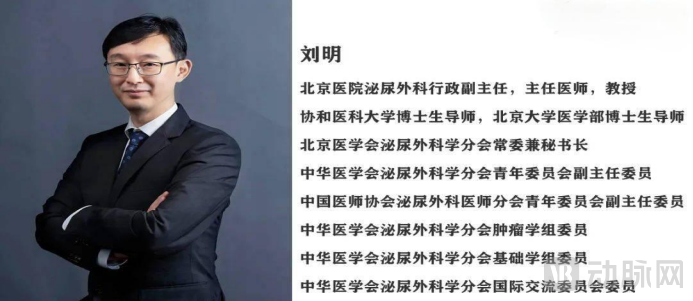
Currently, Qiwei’s BPH-DCB has completed patent layout, product finalization, and animal studies. The clinical trial has passed the human ethics review, and the clinical registration study (NCT05678910), supported by the National Key R&D Program project “Systematic Assessment and Comprehensive Prevention and Control Technologies for Declining Urinary Function in the Elderly,” is about to be launched with Professor Liu Ming, Director of the Department of Urology at Beijing Hospital, serving as the principal investigator. Patient recruitment for the study has officially commenced.
Currently, the majority of BPH patients in China rely on pharmacological treatment. Long-term medication use not only carries the risk of developing tolerance or diminished efficacy but also poses potential complications such as hypotension, dry mouth, blurred vision, and gastrointestinal adverse reactions. For patients taking imported medications, the annual pharmaceutical costs represent a significant financial burden. In contrast, BPH-DCB, characterized by its significant efficacy, low risk of complications, outpatient-based procedure without hospitalization, and favorable long-term prognosis, is poised to become the new standard of care for BPH. It is estimated that over one million patients will benefit from this approach annually.
Mao Yi also noted that the average medical cost of existing prostate surgeries exceeds RMB 20,000, whereas the BPH-DCB regimen transforms inpatient procedures into outpatient ones, significantly reducing patients’ medical expenses and health insurance expenditures. This approach yields substantial social benefits and effectively alleviates the burden on the health insurance system.
“While Qiwei BPH-DCB may face intense competition from centralized procurement and similar technologies in the future, this product not only reduces surgical costs covered by medical insurance, thereby benefiting patients, but also stands as an innovative technology favored by physicians. We are confident in its prospects.” Mao Yi expressed high expectations for the development outlook of BPH-DCB.
Looking ahead, Qiwei Medical will focus in the short term on technologies represented by BPH-DCB (drug-coated balloons for benign prostatic hyperplasia), which offer superior efficacy, reduce medical insurance costs, and are readily accepted by clinicians, thereby accelerating the clinical translation of innovative products. In the long term, the company will continue to advance the commercialization of core cardiovascular technologies, including drug-coated balloons for atrial septal defects and tricuspid valve repair. Currently, Qiwei Medical is undergoing Series A financing, with the proceeds primarily allocated to clinical trials and commercialization of its drug-coated balloon catheters for benign prostatic hyperplasia, as well as accelerating other innovative cardiovascular device products into clinical trial stages.
References
1.Rassweiler J, Teber D, Kuntz R, Hofmann R. Complications of transurethral resection of the prostate (TURP): incidence, management, and prevention. Eur Urol. 2006;50(5):969-980. doi:10.1016/j.eururo.2006.03.038
2.Lerner LB, McVary KT, Barry MJ, et al. Management of Lower Urinary Tract Symptoms Attributed to Benign Prostatic Hyperplasia: AUA Guideline. J Urol. 2021;206(4):806-826.
3.Roehrborn CG, Gange SN, Shore ND, et al. The prostatic urethral lift for the treatment of lower urinary tract symptoms associated with prostate enlargement due to benign prostatic hyperplasia: The L.I.F.T. study. J Urol. 2013;190(6):2161-2167. doi:10.1016/j.juro.2013.05.116.
4.Elterman DS, Zorn KC, Chughtai B, Bhojani N. Is it time to offer True Minimally Invasive Treatments (TMIST) for BPH? – A review of office-based therapies and introduction of a new technology category.
6.McVary KT, Gange SN, Gittelman MC, Patel K, Shore ND, et al. Minimally invasive prostate convective water vapor energy ablation for the treatment of lower urinary tract symptoms secondary to benign prostatic hyperplasia: A multicenter, randomized, controlled study. J Urol. 2016;195(5):1529-1538. doi:10.1016/j.juro.2015.10.181.
6.Water Vapor Thermal Therapy (Rezum™) for Benign Prostate Hyperplasia: Initial Experience from Turkiye.J Urol Surg. 2022;9(4):228-234. doi:10.4274/jus.galenos.2022.2022.0053
7. Kaplan SA, Pichardo M, Rijo E, Espino G, Rodriguez Lay R, Estrella R. Long-term outcomes after treatment with Optilume BPH Four-year results from the EVEREST study. Can Urol Assoc J. 2024;[Epub ahead of print]. PMID: 38976898; PMCID: PMC11534392; DOI: 10.5489/cuaj.8737.
8.Kaplan MP. Interim 5-year outcomes after treatment with a novel minimally invasive drug-device product (MP27-08). 2024.
Currently, Qiwei Medical is seeking financing. The proceeds will be used for clinical trials and commercial operations of products such as the BPH-DCB, with a need for distributor partnerships to support commercialization. If you are interested in Qiwei Medical and its products, please contact us: