

The Next Gold Standard in a Trillion-Yuan Market: Who Will Redefine BPH Surgical Therapy?
Surgical Treatment of Benign Prostatic Hyperplasia (BPH) Is a Fascinating Market.
First, BPH treatment is a trillion-yuan blue ocean market driven by population aging.
Benign Prostatic Hyperplasia (BPH) is a common urological condition affecting older men worldwide. It typically occurs after the age of 40, with its prevalence increasing annually with advancing age. Symptoms include urinary frequency, urgency, dysuria, difficulty in urination, and interrupted urinary flow. According to epidemiological data from The Lancet, BPH associated with population aging has become a global health issue. Worldwide, men aged 65–74 years bear the greatest absolute burden of BPH, accounting for 42% of all prevalent cases among men aged 40 and older.
According to China’s population data released by the National Bureau of Statistics in January 2025, the elderly population aged 60 and above amounted to approximately 310 million, accounting for 22% of the national total. As population aging intensifies, age-related health issues among men, typified by benign prostatic hyperplasia (BPH), will become a significant public health concern in China.
Secondly, surgical treatments for BPH are diverse, with fragmented technological pathways. There is no absolute global leader, and each technological pathway has its representative companies, presenting a landscape of vibrant competition and innovation.
The surgical treatment landscape for benign prostatic hyperplasia (BPH) exhibits “technological multipolarity,” encompassing classic or modified surgical procedures, laser therapy, prostate suspension, water vapor thermal therapy, hydrojet robotic therapy, irreversible electroporation, and drug-coated balloons, with each technique utilizing distinct medical devices. Moreover, each technological avenue has its leading representative companies. For instance, the term “suspension procedure” invariably brings to mind Teleflex’s UroLift from the United States; “water vapor thermal ablation” is closely associated with Boston Scientific’s Rezūm; and discussions of “blue laser” technology naturally lead to Blue Laser Medical.
Although each of the aforementioned technical factions has its standout players, the overall market remains fragmented with no single dominant leader, far from a “winner-takes-all” scenario dominated by one major player.
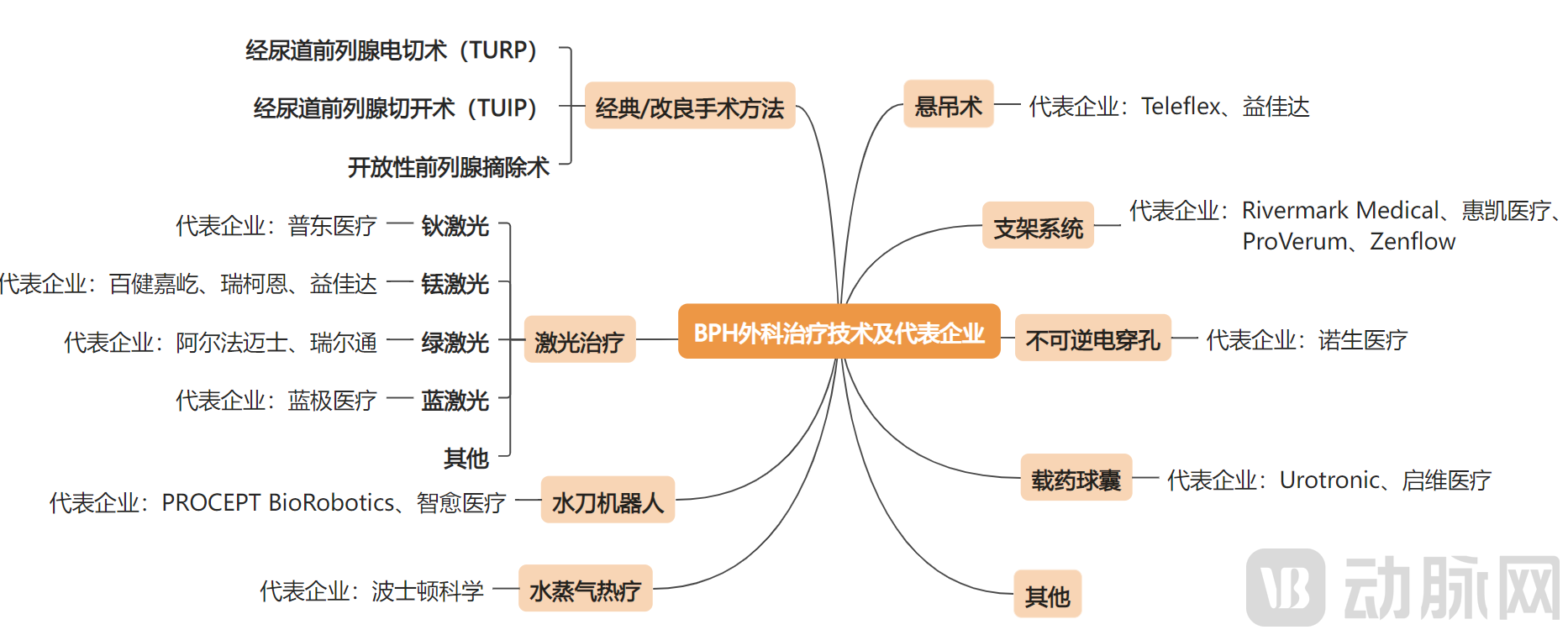
Representative Companies in Various Surgical Treatment Pathways for BPH, Chart by VCBeat
Furthermore, there is fierce competition among emerging technologies, all poised to disrupt and replace the traditional “gold standard.”
Transurethral Resection of the Prostate (TURP) became the “gold standard” for the treatment of benign prostatic hyperplasia (BPH) in the mid-to-late 20th century and has since been included in numerous authoritative clinical guidelines. Although TURP is widely used, it has certain limitations, such as complications including significant intraoperative bleeding, transurethral resection syndrome, and sexual dysfunction involving ejaculation and erection. Younger patients have higher demands for preservation of erectile and ejaculatory function; elderly patients prefer to undergo surgery under local anesthesia; and patients generally desire better postoperative urinary continence and faster recovery. TURP fails to adequately meet these needs.
In recent years, technology manufacturers have made comprehensive innovations to address the aforementioned limitations of TURP. Each camp is highly confident in its proprietary technology, believing that its product has the potential to become the new “gold standard” for BPH treatment.
Regarding surgical techniques, there have also been changes. The 2019 edition of the CUA guidelines removed transurethral microwave thermotherapy and transurethral needle ablation, while adding minimally invasive prostatic suspension and dilation, high-energy water jet ablation of the prostate, prostatic vapor thermal ablation, prostatic artery embolization, intraprostatic injection, and laparoscopic/robot-assisted simple prostatectomy.
The “gold standard” status of TURP appears to be wavering; who will take the baton to become the new “gold standard” for surgical treatment of BPH?
When home-use medical devices are mentioned, Yuwell Medical immediately comes to mind; when collagen is brought up, Giant Biogene is the first association; yet when it comes to surgical devices for benign prostatic hyperplasia (BPH), no single company seems to stand out clearly in people’s minds.
The BPH surgical treatment market is an arena without a dominant player, for several reasons—
Technical diversity leads to market fragmentation.Surgical treatments for benign prostatic hyperplasia (BPH) are diverse, encompassing traditional transurethral resection of the prostate (TURP), laser surgery, minimally invasive therapies (such as UroLift and Rezūm), and emerging robot-assisted procedures like water-jet robotic systems. Each technique has its unique advantages and indications, resulting in various technology and equipment vendors each holding a certain market share. However, no single company covers all treatment modalities or holds an absolute dominant position... In other words, neither any enterprise nor any specific technology possesses an overwhelming advantage to “dominate the entire landscape.”
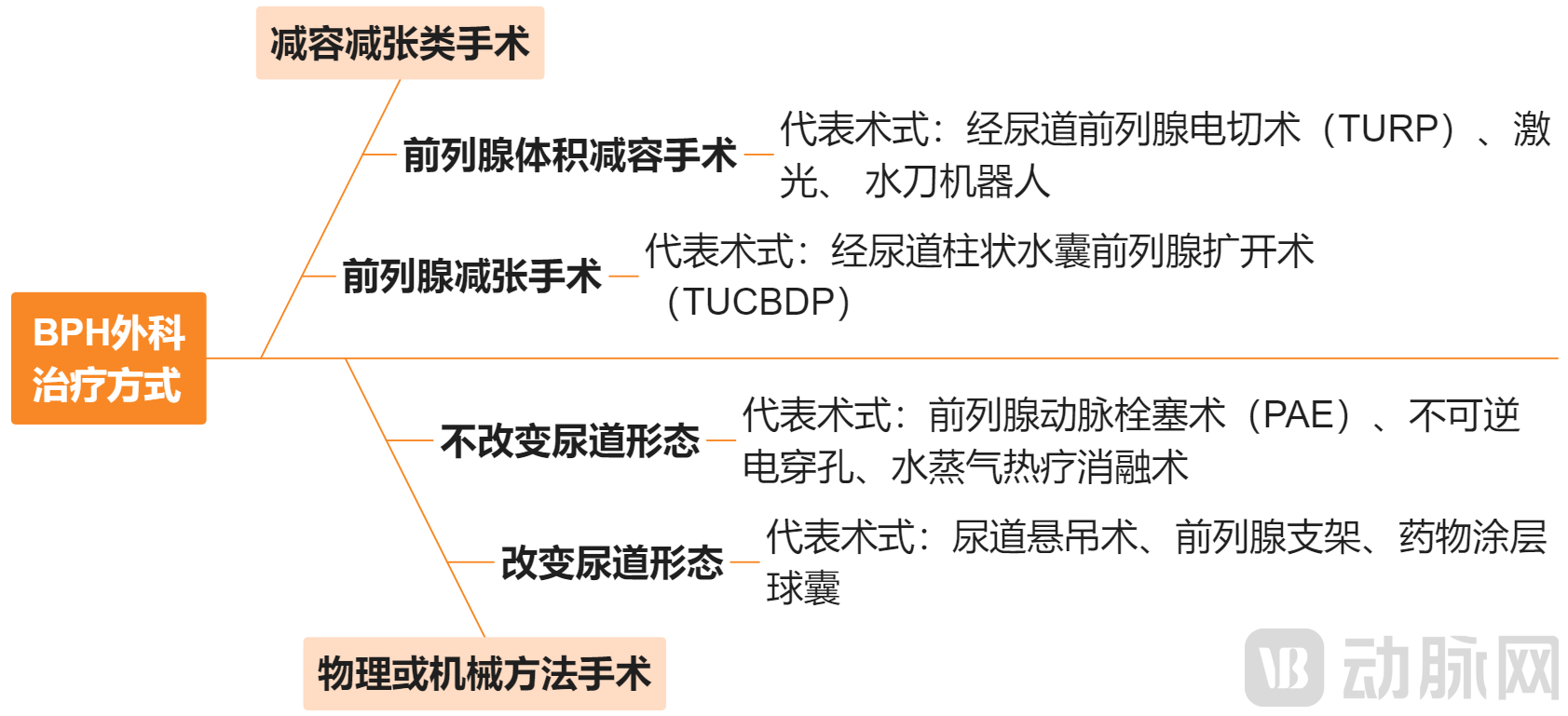
Classification of Surgical Treatment Options for BPH, Graphic by VCBeat
SMEs Lead Innovation.In an arena devoid of dominant giants, ambitious players from both domestic and international markets are soaring high, demonstrating vibrant and robust creativity. The author has observed that technological innovations in the surgical treatment of benign prostatic hyperplasia (BPH) are primarily driven by small and medium-sized enterprises. For instance, NeoTract (developer of UroLift), NxThera (developer of Rezūm), and Blue Laser Medical (pioneer of blue laser technology), along with Zenflow (developer of Zenflow Spring), which completed a $24.4 million (approximately RMB 160 million) Series C financing round in November 2024, are all companies in their early to mid-stages of development that have achieved breakthroughs by focusing on specific technologies. These enterprises are often acquired by large medical corporations (such as NeoTract’s acquisition by Teleflex); however, post-acquisition, these technologies continue to operate as independent brands, preventing any single giant from establishing market control.
Although medical device giants such as Boston Scientific, Olympus, and Johnson & Johnson have established a presence in the field of benign prostatic hyperplasia (BPH) treatment, they typically treat BPH-related business as merely one component of their extensive product portfolios rather than as a core focus. These companies tend to enter the market through acquisitions or partnerships rather than committing substantial resources to research, development, and promotion, thereby further diminishing their market dominance.
Past views held that the clinical symptoms of benign prostatic hyperplasia (BPH) were caused by an increase in prostate volume. However, current research has confirmed that there is no absolute positive correlation between the clinical symptoms of BPH and prostate size. Instead, symptoms depend on the degree of obstruction, the rate of disease progression, and whether complications such as infection are present, with symptom severity fluctuating over time. In other words,The sole objective of surgery for benign prostatic hyperplasia (BPH) is to relieve urethral obstruction caused by prostatic enlargement. The specific surgical approach employed, however, varies widely, with different techniques offering distinct advantages.
Diverse surgical techniques are, in essence, an intersection of technological advancement. Progress in technology, materials science, physics, and energy platforms has spurred the emergence of various surgical approaches, leading to a highly competitive landscape akin to a “clash of titans.” “No single technology across medical fields offers a perfect, all-encompassing solution; rather, each represents the optimal option available at the current stage,” said Mu Liyue, founder of Blue Laser Medical. He believes that whether it involves lasers, waterjet robots, stents, or other therapeutic modalities, each technology has its distinct advantages, with new treatments continually striving to balance safety, efficacy, and cost-effectiveness.
Furthermore, complex factors such as payer dynamics, patients’ willingness to undergo treatment, their ability to pay, and the accessibility of therapeutic regimens have also contributed to the diversity of treatment options.
Professor Chen Zhaohui, Chief Physician of the Department of Urology at Union Hospital, Tongji Medical College, Huazhong University of Science and TechnologyHe stated that due to the wide age range of patients, significant variations in dysuria and other related symptoms, disparate economic statuses, and diverse needs, different treatment approaches coexist. Some patients prioritize the preservation of erectile function and are willing to pay out-of-pocket for more advanced therapies, while others focus on medical insurance reimbursement.
Professor Liu Ming, Director of the Department of Urology at Beijing Hospital, pointed out that the diversity of treatment technologies offers more options for both physicians and patients. However, clinical accessibility to these alternatives remains limited in practice. Currently, transurethral resection and laser therapy remain the predominant clinical approaches, as they have a longer development history, more mature technical applications, and are covered by medical insurance. In contrast, procedures such as stent implantation, suspension techniques, and water vapor thermal ablation are not included in the national medical insurance reimbursement list, requiring patients to bear the full cost out-of-pocket. For emerging surgical techniques like waterjet robotic surgery, continuous innovation is essential to reduce costs, particularly to alleviate the financial burden on patients.

Principles and Limitations of Current Mainstream Surgical Therapies for BPH, Graphic by VCBeat
Surgical treatments for BPH, arranged chronologically by their development, can be broadly categorized as follows: open surgery (late 19th to early 20th century) → transurethral resection of the prostate (TURP) (mid-20th century to present) → laser surgical therapy (1980s to present) → minimally invasive therapies (early 21st century to present).

Among these, transurethral resection of the prostate (TURP) is the most classic surgical procedure for benign prostatic hyperplasia (BPH) and is currently recognized as the clinical “gold standard” for BPH surgery. Despite limitations such as significant intraoperative bleeding, the risk of transurethral resection syndrome, and challenges in managing patients with large-volume prostates or coagulation disorders, TURP maintains its “gold standard” status due to its significant efficacy in relieving obstruction, nearly a century of development and refinement, high safety profile, extensive clinical experience, widespread availability of equipment, and low cost.
However, with the emergence of new technologies, challenges from “new contenders” to the “old guard” have arisen. Among these, laser therapy—with a history of development and application second only to Transurethral Resection of the Prostate (TURP)—has become a leading candidate for the next-generation “gold standard.” Leveraging advantages such as minimal tissue damage, high precision in resection, and adjustability, it is achieving a “quadruple leap” in therapeutic efficacy, technological breakthroughs, clinical validation, and insurance coverage, thereby shaking the status of TURP as the gold standard to some extent.
First, regarding therapeutic efficacy, laser therapy demonstrates superior outcomes compared to transurethral resection of the prostate (TURP), with a lower incidence of intraoperative and postoperative complications.Laser Therapy for Benign Prostatic HyperplasiaLaser therapy for benign prostatic hyperplasia (BPH) involves surgical procedures such as enucleation, vaporization, or ablation of the hyperplastic prostate tissue using various laser energy platforms, thereby alleviating lower urinary tract symptoms (LUTS) caused by BPH. Different wavelengths determine the intensity of tissue interaction. Mainstream lasers, including holmium, thulium, green light, and blue light lasers, generally demonstrate superior efficacy compared to transurethral resection of the prostate (TURP), primarily reflected in lower rates of intraoperative bleeding, postoperative complications, and recurrence.[1]
Next are technological breakthroughs, with a wider variety of lasers and more mature, user-friendly equipment.In recent years, laser technology has continued to advance, with green lasers, blue lasers, thulium lasers, and holmium lasers becoming widely recognized. Meanwhile, the performance of laser equipment has been continuously improved, making operations simpler. For instance, the development of new laser generators has enabled more stable and precise laser energy output, facilitating easier mastery by physicians and gradually shortening the learning curve.
Furthermore, doctors in China have made original innovations in laser surgical equipment.For instance, the 200W blue laser device jointly developed by the First Affiliated Hospital of Xi’an Jiaotong University and Lanji Medical is China’s first independently developed 200W blue laser system and the world’s first of its kind. It is currently the fastest vaporizing laser device on the market. Approved for market launch in May 2022, it has been used in clinical practice to treat nearly 20,000 patients with benign prostatic hyperplasia (BPH) to date.
Furthermore, significant progress has been made in clinical validation.For instance, the thulium laser enucleation of the prostate (ThuLEP) pioneered internationally by Professor Xia Shujie was incorporated into the European Association of Urology Guidelines on Prostate Treatment and Laser Guidelines in 2010. It was also included in Campbell-Walsh Urology and Smith’s General Urology, the most authoritative and universally recognized classic textbooks in urology. Furthermore, in 2022, Chinese urologists ranked third worldwide in the number of published papers on laser enucleation of the prostate, thereby actively advancing the progress of laser surgical techniques.
Furthermore, laser therapy has achieved significant breakthroughs, both in terms of its prominence in clinical guidelines and in the surgical philosophies and technical proficiency of surgeons.Professor Jing Yifeng from the Department of Urology at Shanghai General Hospital, affiliated with Shanghai Jiao Tong University School of Medicine, stated in an interview that laser therapy has become or is poised to become the gold standard in the treatment of urinary stones, benign prostatic hyperplasia, and bladder tumors.[2]
Furthermore, medical insurance coverage is available, resulting in a relatively low financial burden for patients."“Both laser enucleation and plasma resection are covered by medical insurance. In the absence of complications, patients’ out-of-pocket expenses after reimbursement amount to approximately RMB 2,000–3,000. However, newer techniques such as UroLift, which costs tens of thousands of yuan per set, and water vapor thermal therapy, whose consumables alone cost nearly RMB 20,000, are currently not included in the medical insurance coverage. As a result, these options are only accessible to patients with strong financial capacity and fail to benefit the general population,” stated Professor Chen Zhaohui, Chief Physician in the Department of Urology at Union Hospital, Tongji Medical College, Huazhong University of Science and Technology.
It is worth noting, however, that laser therapy is not without its limitations. As a form of thermal energy, the laser beam can reduce but not completely eliminate the risk of thermal injury. Furthermore, procedures such as laser enucleation demand a high level of surgical expertise. Additionally, certain laser techniques vaporize prostate tissue, resulting in the absence of postoperative pathological specimens. Moreover, the ongoing debate regarding the comparative advantages and disadvantages of different laser systems remains unresolved, leaving room for further advancements in this emerging technology. Nevertheless, these drawbacks do not outweigh the benefits; laser therapy remains a strong contender for the “gold standard” crown.
With the advent of population aging, there is a growing number of patients with benign prostatic hyperplasia (BPH) who exhibit poor surgical tolerance and high bleeding risks. Coupled with increasing pressure to limit hospital stays and medical costs, as well as rising expectations for quality of life, these factors are prompting a reevaluation of current surgical treatments for BPH. The focus is gradually shifting from merely pursuing therapeutic efficacy to minimizing trauma, accelerating recovery, and preserving function.
In recent years, new surgical techniques have emerged, including water-jet robotics, suspension systems, prostatic stents, and water vapor thermal ablation. Compared with transurethral resection of the prostate (TURP), these novel minimally invasive procedures offer multiple advantages, such as minimal trauma, reduced bleeding, faster recovery, lower rates of perioperative and postoperative complications, and improved quality of life after surgery. Notably, they better preserve ejaculatory and erectile function. Most can be performed as outpatient procedures under local anesthesia, with shorter operative and recovery times.
Take water jet robots as an example.Waterjet technology, originally widely used for precision machining in the manufacturing industry, is a cutting method that utilizes high-speed water jets. Capable of cutting nearly all types of materials, including metals, stone, and ceramics, it is known as the world’s “sharpest” knife. Due to its advantages such as non-thermal and precise cutting, waterjet technology was formally introduced into the medical field and applied in clinical practice in the 1980s.
Unlike thermal cutting technologies such as electrosurgery, ultrasonic scalpels, and laser surgery, medical water jets employ a cold-cutting technique. By using high-pressure water streams to perform non-thermal, selective dissection of human tissue, this method preserves major blood vessels and bile ducts without damaging nerves or surrounding tissues. It enables precise tissue separation with minimal bleeding, providing surgeons with a clear operative field and effectively reducing surgical time. Furthermore, water jet robotic systems can seamlessly integrate imaging systems with robotic surgical planning software, allowing for customized treatment plans based on the patient’s prostate shape and volume. This facilitates precise resection of diseased tissue while protecting the bladder neck, verumontanum, and external sphincter.
U.S. AquaBeam Robotic System(Read more:“Addressing Clinical Pain Points in Benign Prostatic Hyperplasia Treatment! The World’s Exclusive BPH Water-Jet Robot Installed in Shanghai”)China's metaFlow® High-Energy Water Jet Autonomous Surgical Robot(Read more:“Dialogue with Shi Lunlun of Zhiyu Medical: Breakthroughs in Water Jet Pressurization, Intelligent Imaging, and Autonomous Execution Technologies Achieve China’s First Water Jet Surgical Robot”)is a representative of this technology.

Left: AquaBeam robotic waterjet system; Right: metaFlow® robotic waterjet system
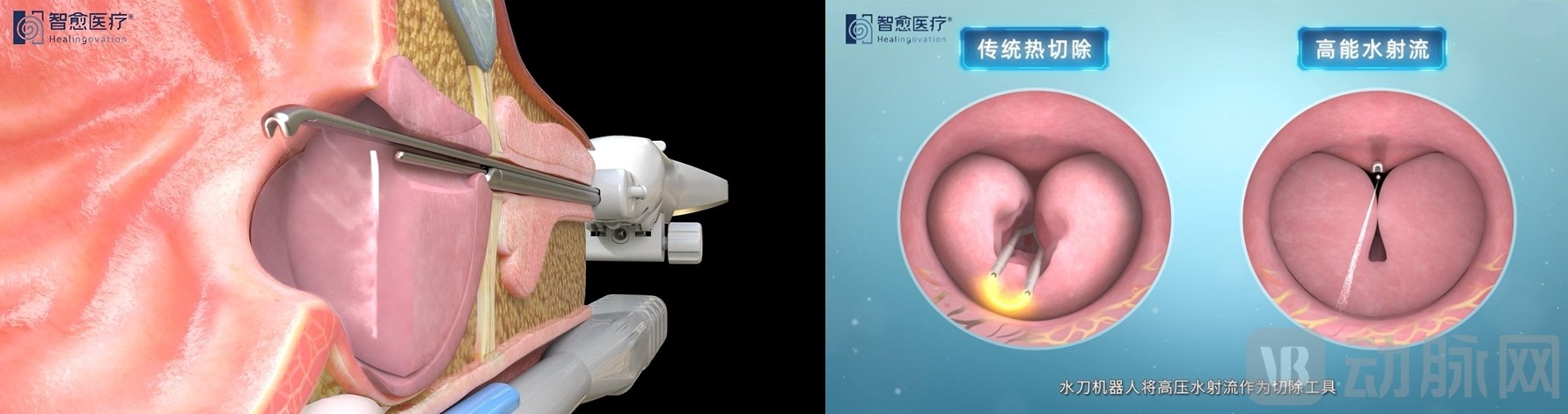 Schematic diagram of the metaFlow® waterjet robot, image from the official website of Zhiyu Medical
Another example is the suspension system.The mechanism of action for treating benign prostatic hyperplasia (BPH) involves implanting a suspension system within the urethra to exert pressure on prostatic tissue, thereby dilating the urethra and improving urinary flow. This approach is particularly suitable for elderly male patients, especially those of advanced age or with chronic comorbidities. It addresses the physical problem of prostatic urethral compression through a physical method (prostatic traction). While effectively improving voiding function, it maximally preserves sexual function. In addition to maintaining excellent surgical outcomes—as evidenced by key functional metrics such as the International Prostate Symptom Score (IPSS) and urinary flow rate—this procedure significantly mitigates the risks of complications associated with traditional surgical techniques, including urinary tract infections, urinary incontinence, and sexual dysfunction. Furthermore, its long-term efficacy ranks among the leading options in the field of super-minimally invasive surgeries.
Prostatic suspension is currently one of the most advanced minimally invasive techniques internationally for treating benign prostatic hyperplasia (BPH), transforming BPH treatment from “day-case surgery” to “same-day discharge surgery.” The UroLift system by Teleflex, Inc. in the United States, and China’s Yijiada’s prostatic suspension stent product, “Sagittarius.”(See also:【Exclusive】Yijiada Completes Nearly RMB 100 Million in Pre-A+ Round of Financing, Accelerating the Development of a Specialized Disease Management Platform for Urological and Pelvic Floor Health)is representative of this technology.
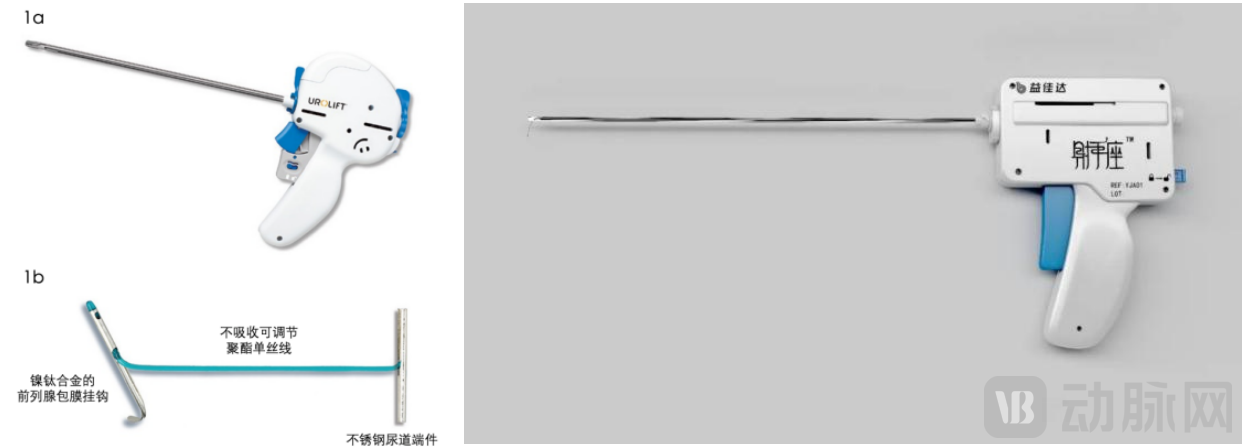
Left: Teleflex's UroLift system; Right: Yijiada's prostate suspension stent product "Sagittarius"
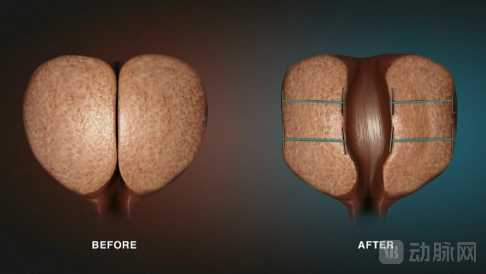
Schematic Diagrams Before and After UroLift System Suspension, Image Source: uroliftsystem Official Website
Another example is the stent system.It works by placing a stent within the prostatic urethra, where the stent exerts radial force on the prostate tissue, thereby dilating the urethra compressed by hyperplastic tissue and alleviating symptoms such as dysuria. An example is HuiKai Medical’s UroStent.®as an example, this is a prostate stent system that requires neither general anesthesia nor cystoscopic guidance for positioning and deployment. The system is user-friendly, allowing the operator to complete implantation within five minutes, significantly reducing preoperative preparation and procedural time, thereby enabling day-case or outpatient surgery.(See also:[Exclusive] HuiKai Medical Completes Tens of Millions in A+ Round Funding, Accelerating Clinical Trials for Novel Urethral Stent System)
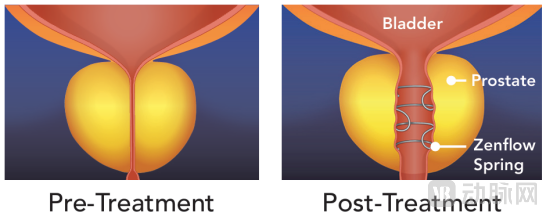
Before-and-After Comparison of Zenflow Spring Stent Treatment. Image source: Zenflow Spring official website
With so many surgical techniques addressing the same problem, is there technological overcapacity?
First, it is essential to clarify the definition of “technology surplus.” Technology surplus typically refers to an excessive proliferation of technologies within the same field, leading to resource waste or choice overload. However, whether there is a surplus of medical technologies depends on whether there are redundant or ineffective technologies, or whether each technology has its unique indications and advantages. As previously mentioned, the current landscape characterized by a flourishing diversity and intense competition among numerous players is, in fact, an inevitable outcome of the trend toward precision medicine and the stratification of patient needs.
The essence of medical progress lies in balancing efficacy and risk through iterative optimization. The diversity of technologies for treating benign prostatic hyperplasia (BPH) reflects medicine’s transition from a “one-size-fits-all” approach to personalized care, which is fundamentally the result of synergy between technological evolution and clinical needs. When applied in accordance with standardized guidelines, this diversity is not excessive but rather a key factor in enhancing healthcare quality, enabling physicians to select the most optimal options. Furthermore, the emergence of new technologies helps drive the improvement or iteration of existing ones, thereby fostering healthy competition.
With so many active BPH medical devices on the market, if hospitals choose Device A, does that mean Device B will be excluded? Could this lead to market crowding out?
This depends, in part, on overall market demand.If each hospital requires only one such device, new entrants will indeed find it difficult to compete once the market reaches saturation. However, if market demand is substantial—for instance, if many hospitals need to upgrade their equipment or if each hospital requires multiple units—there may be greater opportunities.
Additionally, different hospitals may have varying preferences and requirements.For instance, large tertiary hospitals may be more inclined to purchase high-end equipment, while primary care facilities may prioritize cost-effectiveness. Therefore, even if Device A is selected by one hospital, Device B may still find a market in other hospitals or under different application scenarios.
Technical differences must also be considered.If Devices A and B differ significantly in technical aspects, such as therapeutic mechanisms, indications, and patient comfort, hospitals may select different devices based on patient needs.
Professor Chen Zhaohui, Chief Physician in the Department of Urology at Union Hospital, Tongji Medical College, Huazhong University of Science and Technology, noted that the continuous advancement of technologies for benign prostatic hyperplasia (BPH) is an inevitable outcome of technological progress. Currently, multiple technical approaches coexist and overlap, making it difficult to designate any single method as the definitive gold standard. The selection of techniques should be adapted to local conditions; hospital equipment capabilities, as well as patients’ understanding and individualized needs, influence both the choice of treatment modality and the extent of its adoption. There are disparities in equipment and technical resources among hospitals at different levels in China: county-level hospitals have only recently popularized bipolar plasma resection technology, whereas large tertiary hospitals may offer a variety of technological options.
Zhu Yichen, founder of Yijiada, believes that the various technologies for benign prostatic hyperplasia (BPH) are not in competition but rather complementary. Unlike cardiovascular diseases, BPH surgical volumes are not concentrated in top-tier hospitals. The industry has adopted the slogan “prostate care stays within the county,” aiming to perform early-stage BPH surgeries at the county hospital level. This indicates that hospitals at all levels play a significant role in BPH treatment, and the diversification and widespread adoption of technologies are crucial to meeting the needs of hospitals across different tiers.
Professor Zhao Yongwei, Director of the Urology Diagnosis and Treatment Center at Taian 88 Hospital, also stated that technological advancements require physicians to continuously embrace and practice new innovations, identify their advantages and disadvantages through clinical application, and integrate them into the department’s standard protocols. The adoption of specific techniques depends not only on physicians’ willingness and their level of proficiency and acceptance but also on the support and constraints provided by the hospital platform. With corporate development and improvements in surgical approaches, although some technologies may emerge only transiently, physicians must keep pace with evolving trends, explore various methods, and select the approaches best suited to their department and individual practice. The availability of multiple surgical options provides physicians with greater flexibility, facilitating the identification of the most suitable operational techniques for their needs.
After interviewing numerous experts and practitioners, VCBeat found that although their definitions of “gold standard” varied, a synthesis revealed four primary areas of consensus:
Efficacy: Effectively resolves urinary obstruction, provides long-term surgical outcomes, and has a low recurrence rate;
Safety: Minimize impairment to urinary control and sexual function, as well as surgical trauma, to the greatest extent possible;
Cost-effectiveness: For patients, treatment costs are reasonable and affordable; for hospitals, equipment and operational costs remain within acceptable limits;
Ease of Operation: The device and surgical procedure should offer excellent controllability and ease of use, effectively shortening the physician’s learning curve.
As for the future of surgical treatment for BPH, the respondents also expressed their own opinions—
Professor Qian Weiqing, Director of the Department of Urology at Huadong Hospital Affiliated to Fudan UniversityIt is recognized that benign prostatic hyperplasia (BPH) is a progressively worsening condition associated with aging. Current treatment paradigms have shifted beyond mere symptom relief to prioritize patients’ quality of life and the preservation of bladder and sexual function. Historically, surgical interventions were primarily reserved for severe complications such as recurrent urinary retention; however, by this stage, bladder function is often already compromised, limiting therapeutic efficacy. Consequently, there is a growing trend toward earlier surgical intervention to protect bladder and sexual function. This shift has drawn significant attention in recent years to ultra-minimally invasive techniques, such as prostatic suspension dilation and water vapor thermal therapy. Notably, although water vapor thermal therapy features a short operative time, it still requires anesthesia and thus does not strictly qualify as ultra-minimally invasive. In contrast, prostatic suspension dilation better aligns with the definition of ultra-minimally invasive procedures.
Professor Chen Zhaohui, Chief Physician of the Department of Urology at Union Hospital, Tongji Medical College, Huazhong University of Science and TechnologyIt is believed that “robot-assisted ablation of hyperplastic prostate tissue in the context of artificial intelligence” and certain minimally invasive, imperceptible implantable devices will represent the primary future trends in the surgical management of benign prostatic hyperplasia (BPH). In this approach, robots will precisely remove hyperplastic prostate tissue under the surgeon’s exact control. The procedure aims to achieve a bloodless field while carefully avoiding excessive tissue resection. Organ preservation is prioritized, with efforts made to protect the neurovascular structures surrounding the prostate, thereby preserving optimal voiding and urinary continence functions.
Professor Liu Ming, Director of the Department of Urology, Beijing HospitalIt is believed that with the development of minimally invasive treatment technologies, the indications for benign prostatic hyperplasia (BPH) have further expanded, and the timing for surgical intervention has been advanced. Since BPH is not directly life-threatening, many patients tend to opt for surgery only when symptoms severely affect their daily lives, thereby overlooking the importance of early intervention. This delay in surgical treatment may lead to impaired bladder function and even complications affecting renal function, ultimately resulting in suboptimal surgical outcomes and limited improvement in quality of life. However, newer minimally invasive techniques are safer and less traumatic, encouraging more patients to seek treatment at an earlier stage. Early relief of obstruction can better preserve bladder function and improve voiding symptoms, thereby significantly enhancing patients' quality of life. The emergence of minimally invasive therapies, such as water-jet robotic systems and water vapor thermal therapy, has enabled physicians to perform early surgical interventions more effectively.
Professor Zhao Yongwei, Director of the Urology Diagnosis and Treatment Center at Taian 88 HospitalIt is believed that volume reduction surgery is poised to become the gold standard. Among various techniques, vaporization is relatively simpler to perform compared to other resection methods, featuring a shorter learning curve for surgeons, as well as advantages such as efficient tissue vaporization, minimal thermal injury, reduced bleeding, and procedural independence; thus, it may emerge as the future gold standard. Blue laser demonstrates superior performance in efficient vaporization, hemostasis, and precision, particularly excelling in the preservation of sexual function, making it a promising ideal energy platform for volume reduction surgeries.
Mu Liyue, Founder of Blue Laser MedicalIt is believed that the combination of “a certain energy platform + robotics + artificial intelligence” will replace physicians’ training. In China, it typically takes at least eight years to become a qualified surgeon, whereas in the United States, this process is even longer, requiring 13 years. By comparison, although the time and cost involved in developing and deploying a robotic surgical system are substantial, they are still lower than the time and financial investment required to train a physician. Furthermore, the application of artificial intelligence can automate certain repetitive tasks. In the future, this integration of “energy platform + robotics + artificial intelligence” will bring transformative changes to the healthcare sector.
Paier MedicalBelieves that, in the futureSurgical Treatment Options for BPHThe field is advancing toward minimally invasive, precise, and personalized treatment paradigms. Represented by waterjet robotics, next-generation technologies enable personalized surgical planning through multimodal imaging, precise control of hydrodynamics, and automated resection of prostatic tissue. These advancements not only effectively alleviate symptoms but also maximize the preservation of surrounding nerves and functional tissues, thereby reducing the incidence of complications such as sexual dysfunction and urinary incontinence. With continuous technological progress, the treatment of benign prostatic hyperplasia (BPH) will become safer and more efficient, offering patients faster recovery and improved quality of life.
Shi Yilun, Founder of Zhiyu MedicalIt is believed that due to the varying severity of patients' conditions, diverse gland sizes and morphologies, and differing postoperative quality-of-life expectations, a single treatment modality cannot meet the needs of all patients. While a leading enterprise in BPH surgery may emerge in the future, it must possess strong technological innovation capabilities, offer products with clinical advantages, safety, ease of use, and widespread accessibility, as well as provide comprehensive solutions.
Cheng Guozheng, Founder of Hui Kai MedicalIt is believed that clinical conditions and needs vary among patients, necessitating the selection of appropriate treatment modalities tailored to each individual. As life expectancy increases and the pursuit of high-quality life intensifies, treatments that are simple to operate, offer superior performance, and remain cost-effective are likely to become a future trend.
Yijiada Founder Zhu YichenIt is believed that there will be no single gold standard in the future. Both clinical guidelines and expert consensus statements will be further refined based on factors such as patient age and disease severity, with different optimal treatment strategies tailored to patients at different stages of the disease.
Mao Yi, Founder of Qiwei MedicalIt is believed that the FDA approval of BPH drug-coated balloons (BPH-DCB) was driven by their superior performance in terms of immediate efficacy, long-term outcomes, and complication rates. Currently, it is the only minimally invasive therapy with long-term efficacy comparable to that of transurethral resection of the prostate (TURP). BPH-DCB is poised to become the next dark horse challenging the gold standard for BPH treatment.
From the protracted evolution of open surgery, to the era of electroresection pioneered by TURP in the 1970s, and then to the rapid advent of laser surgery at the turn of the 21st century, up to the present day where various minimally invasive therapeutic modalities continue to emerge... Surgical treatment for BPH has remained enduringly innovative, consistently standing as one of the most dynamic fields in urology.
Every innovation in BPH surgery is a process of identifying shortcomings, daring to imagine, and striving for realization. The true golden rule is that there are no golden rules; there is never a single best approach to BPH surgery, but rather better methods awaiting creation by those with the vision and determination to innovate!
References:
1. "Application of Lasers in Urology," Jing Yifeng, Gao Xiaofeng, Qi Lin
2. [Expert Opinion] Jing Yifeng: Laser Has Become or Is About to Become the Gold Standard in Urological Lithotripsy, Treatment of Benign Prostatic Hyperplasia, and Bladder Tumor Therapy
3. “Innovation, Reflections, and Prospects in Surgical Treatment of Benign Prostatic Hyperplasia,” Chen Hong, Xie Liping
4. “CUA 2022 | Professor Zhang Kai: Laser Surgery Becomes the Gold Standard for Surgical Treatment of BPH”