

Medical Aesthetics Professionals Rush to Xiaohongshu to Monetize — Platform Files for IPO Amid Soaring Profits
In 2024, amidst a widespread market downturn, Xiaohongshu unexpectedly thrived.
According to Bloomberg,Xiaohongshu’s 2024 net profit is projected to surpass the $1 billion mark, with a profit increase of over 120%.It is worth noting that Xiaohongshu only just turned a profit in 2023, and further doubled its profits in 2024. This demonstrates its strong commercialization momentum, explaining why there have been frequent rumors of an IPO recently.
In fact, this is inextricably linked to the medical aesthetics industry. According to the “2024 Annual Insights Report on China’s Medical Aesthetics Industry” released by Deloitte,Currently, 88% of medical aesthetics consumers obtain information about medical aesthetic procedures from Xiaohongshu (Little Red Book)., which has clearly driven substantial traffic to the platform. In 2024, Xiaohongshu’s monthly active users (MAUs) reached 350 million, and its daily active users (DAUs) hit 120 million, representing year-over-year growth of over 10% for both metrics. Within this continuously expanding user base, the medical aesthetics sector has also generated significant revenue for Xiaohongshu. Reportedly, advertising accounts for nearly 80% of the company’s total revenue, with clients related to medical aesthetics comprising more than 30% of its advertiser base.
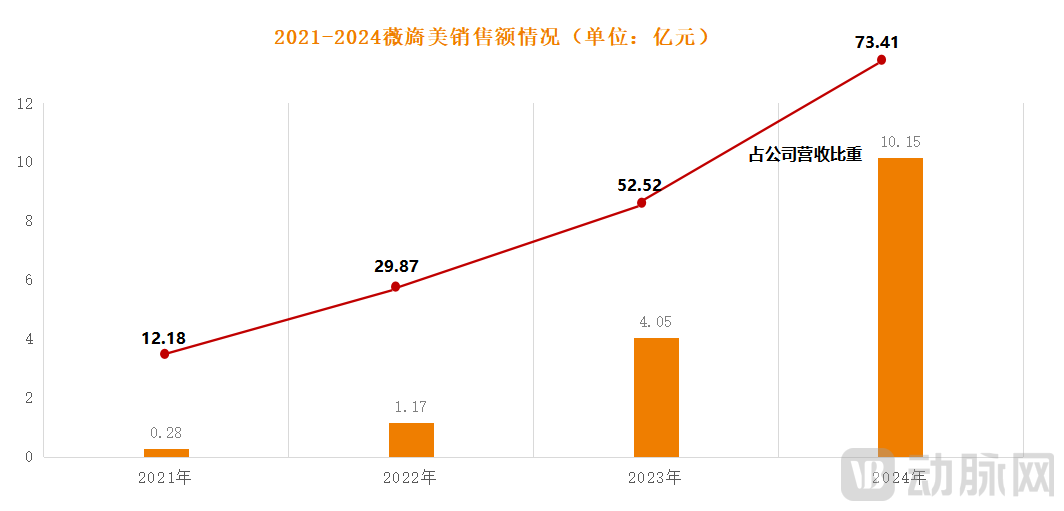
Figure 1. Sales Performance of Jinbo Bio’s Weiyimei (Source: Annual Report)
Certainly, on the other hand, medical aesthetics companies are also relying on Xiaohongshu to accelerate monetization. Taking Jinbo Bio as an example, its net profit attributable to shareholders is expected to exceed RMB 700 million in 2024, representing a year-on-year increase of 140%. After the collective decline of the “Three Musketeers of Medical Aesthetics,” it has undoubtedly become the standout performer in the current medical aesthetics sector. All this stems from the rapid sales ramp-up of its flagship product, Weiyimei. In June 2024, Weiyimei’s sales volume officially surpassed one million units. Xiaohongshu played an indispensable role in this achievement: not only are nearly 100 SKUs of the product sold on the platform, but Weiyimei also consistently ranks first in mention rate within user-generated content related to recombinant collagen. This has undoubtedly generated substantial revenue for Weiyimei.
Beyond Jinbo Bio, companies such as Bloomage Biotech, Haohai Biological Technology, Imeik, and Giant Biogene are all aggressively capitalizing on Xiaohongshu’s traffic dividends to convert visibility into cash flow. For instance, Comfy, a product under Giant Biogene, has sold over 250,000 units on Xiaohongshu, with significant sales growth in recent years. Similarly, Bloomage Biotech’s Runbaiyan has achieved platform sales exceeding 110,000 units, generating cash flow conversions of more than RMB 10 million.
It is not difficult to see that,Amid widespread sluggish growth in the medical aesthetics industry, Xiaohongshu has become a rare “lifeline,” accelerating the collective resurgence of medical aesthetics enterprises as they enjoy a “second spring.”。
The Aesthetic Medicine Traffic War: How Does Xiaohongshu Win?
To some extent, medical aesthetics has driven the popularity of Xiaohongshu.
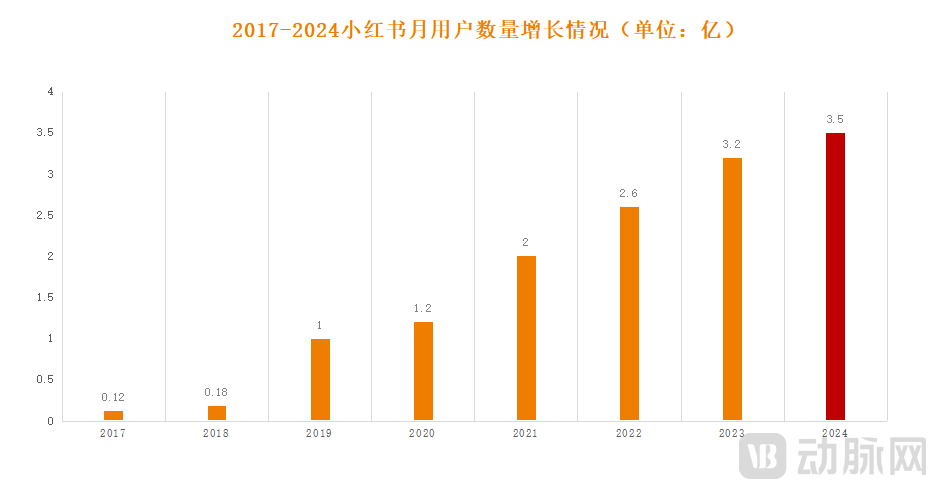 Figure 2. Growth in Xiaohongshu’s Monthly Active Users (Source: Public Data)
In 2017, Xiaohongshu (Little Red Book) had fewer than 50 million users, but this figure rapidly surged to 150 million the following year. The key variable driving this growth was the onboarding of top-tier celebrity Fan Bingbing. In early 2018, Bloomage Biotechnology collaborated with Fan Bingbing to promote its brand Runbaiyan’s disposable hyaluronic acid serum on Xiaohongshu through “seeded” content marketing. Within just two days, the product sold out completely. Since then, Xiaohongshu has become inextricably linked with the medical aesthetics industry, with an increasing number of user-generated “notes” related to this sector.Medical aesthetics has also become Xiaohongshu’s “flagship product.”。
This is clearly a wise decision, as the medical aesthetics industry has undergone significant changes in recent years. It is reported that since 2018,The rapid rise of the non-surgical aesthetic medicine market has found fertile ground in the “traffic-driven strategies” employed by major internet platforms.. As a result, online platforms including Xiaohongshu (Little Red Book), Meituan, Douyin (TikTok), JD.com, and Tmall have all been intensifying their efforts in the medical aesthetics sector, rapidly becoming the biggest competitors to traditional vertical platforms such as So-Young and Gengmei.
So, among the many emerging platforms, why has Xiaohongshu been the first to stand out?
There are, of course, reasons for this.The first point is "precise traffic.". In fact, whether it is Douyin or Meituan, their overall user base is significantly larger than that of Xiaohongshu; however, Xiaohongshu clearly holds an advantage in terms of the precision of its medical aesthetics users. According to statistics from authoritative institutions,Nearly 70% of Xiaohongshu’s users are female, primarily aged 18–34, which aligns perfectly with the core consumer demographic in the current medical aesthetics market.。
Secondly, Xiaohongshu is also more popular in terms of content presentation format.According to the "2024 Annual Insights Report on China's Medical Aesthetics Industry," new customers in the medical aesthetics sector are more inclined to review information posted by professional physicians and general internet users before making decisions. In terms of content, they show a strong preference for three main categories: before-and-after comparisons, educational science communication, and personal experience sharing. This aligns perfectly with Xiaohongshu (Little Red Book). As a user-generated content (UGC) community focused on product experiences and reviews, Xiaohongshu has a natural synergy with medical aesthetics marketing.
The final point concerns commercialization, where Xiaohongshu, driven by its “seeding economy,” currently offers greater cost-effectiveness.. It is reported that in the early stages, due to inefficient logistics and weak after-sales service, most users were accustomed to completing their shopping research on Xiaohongshu (Little Red Book) before placing orders on other e-commerce platforms, which made it very difficult for Xiaohongshu to achieve conversion. Therefore, starting in 2021, Xiaohongshu closed external linking permissions and officially launched its “Integrated Account-Store” strategy, allowing influencers and brands registered on the platform to open stores and conduct sales directly within the app.
To accelerate conversion, Xiaohongshu has poured billions in traffic resources into the platform. According to Yin Shi, head of live streaming, who announced in 2023,The company will allocate 50 billion in traffic support to buyer-streamers and 50 billion in traffic support to merchants.. For medical aesthetics companies eager to monetize, this represents a windfall of immense proportions, as they not only gain access to a large base of highly targeted customers but also eliminate the need for multi-channel investments. Xiaohongshu has already established a closed-loop commercial ecosystem, seamlessly guiding users from community-based product recommendations (“zhongcao”) to in-app purchases.
In response, a senior medical aesthetics industry insider stated, “Xiaohongshu’s victory can, to some extent, be seen as a triumph for minimally invasive aesthetic medicine.This is because Xiaohongshu can fully meet the essential elements required for the commercial monetization of non-surgical aesthetic medicine, including rapid market expansion and fast, precise conversion channels. Moreover, compared to other platforms, Xiaohongshu is more “direct,” as it inherently possesses the DNA for product seeding and social commerce, enabling truly high-quality aesthetic medicine products to receive appropriate market feedback.
Amid Continuous Sales Miracles, How Does Xiaohongshu Mass-Drive Product Sales?
According to the "2024 Annual Insights into Consumer Demand in the Medical Aesthetics Industry on Xiaohongshu" report, best-selling medical aesthetic products on Xiaohongshu are typically concentrated in categories such as repair, anti-aging, skin whitening, and home-use devices. Specific products include hyaluronic acid, collagen, mesotherapy injections (skin boosters), intense pulsed light (IPL) rejuvenation, Ultherapy, and Thermage.
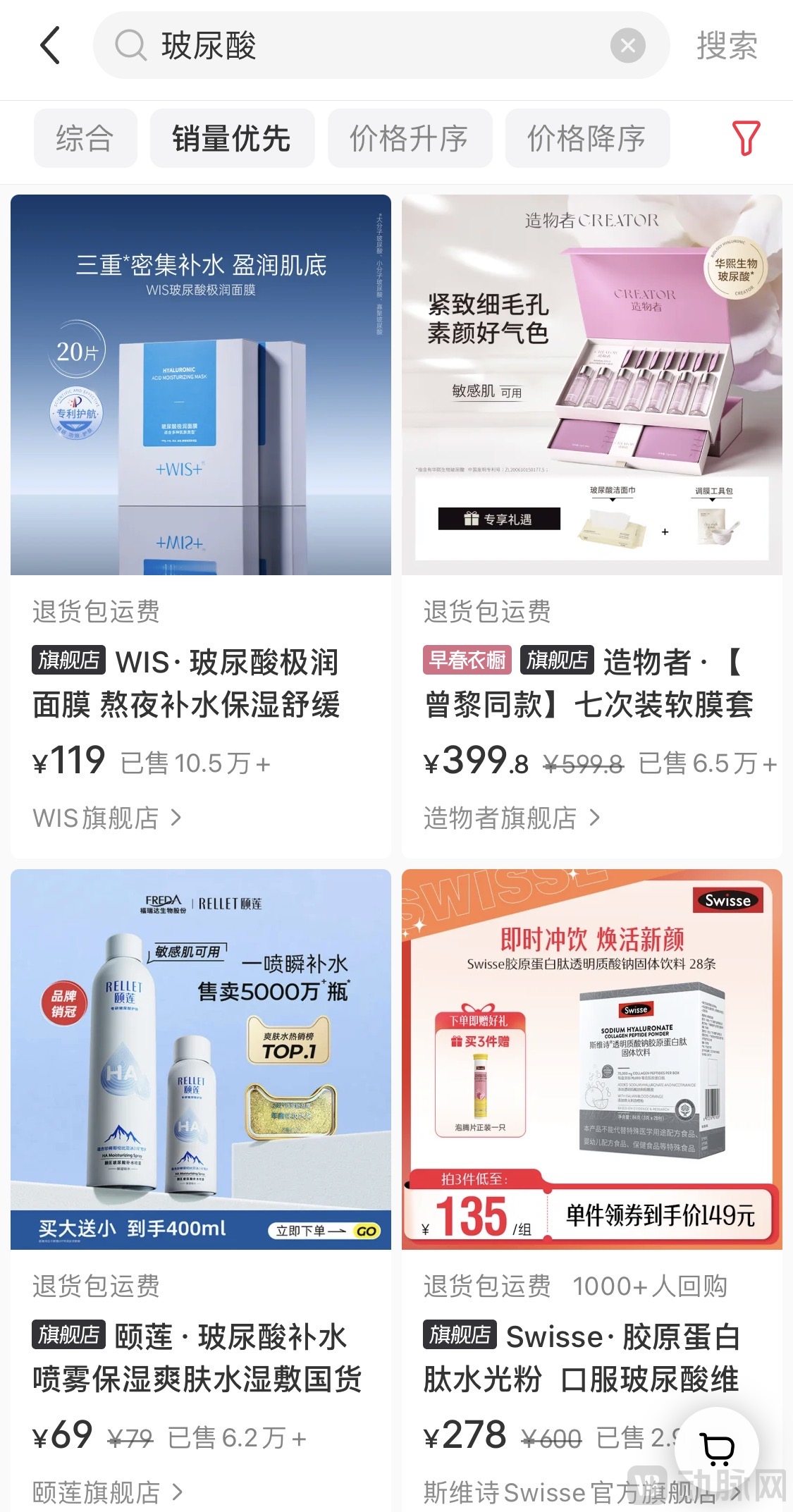
Figure 3. Transaction Volume of Hyaluronic Acid Products on Xiaohongshu Mall
Focusing on hyaluronic acid as a prime example, there are currently over 600,000 related posts on Xiaohongshu (Little Red Book), covering tens of thousands of products. The main products traded include Bloomage Biotech’s Runbaiyan, Imeik’s Hearty, Haohai Biological Technology’s Hymoi, and Allergan’s Juvederm. Reportedly, sales volumes for each of these products have now surpassed the million-unit mark.
So, how exactly does Xiaohongshu drive its monetization?
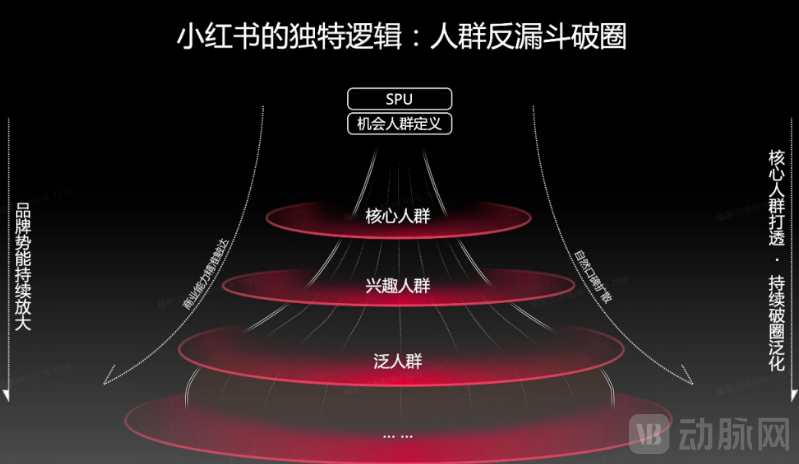 Figure 4. Xiaohongshu’s Unique Logic: Audience Anti-Funnel for Breaking Out of Niche Circles (Source: Vic’s Marketing Insights)
The first point is precision traffic acquisition, which employs the "reverse funnel model."Specifically, this involves first identifying the “core audience,” then expanding to the “interest-based audience,” and finally reaching the “general public.” In other words, starting with a high-quality product, brands should initially generate buzz among the smallest, most dedicated segment of users. Leveraging this highly motivated group, they can then extend their reach to interest-based and general audiences. Once positive word-of-mouth is established, brands can increase advertising investment targeted at the core audience and systematically expand their user base step by step.
Taking a specific collagen product as an example, potential core consumer segments—including mothers, working women, and female college students—were identified using data provided by the brand. Platform-based test campaigns revealed that mothers exhibited the highest click-through rate (CTR). Recognizing safety as this group’s primary concern, the marketing strategy zeroed in on this selling point, mass-produced influencer-style promotional content centered around it, and significantly increased reach among mothers. Reportedly, following this targeted advertising approach, the product achieved RMB 5 million in sales within just one week of its launch.
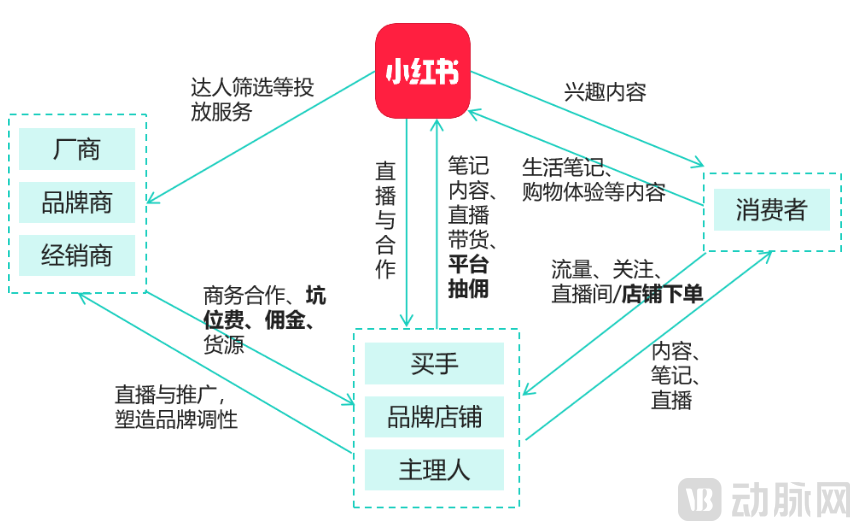
Figure 5. Xiaohongshu’s E-commerce Logic: Precise Matching of “People–Shopper–Products” (Source: Yuehu Research Institute)
The second point is bulk conversion, which primarily refers to Xiaohongshu’s unique “buyer-driven business model.”. In fact, this primarily consists of two approaches, one of which is “note-based product seeding,” whereby top influencers on the platform publish content such as product introductions, before-and-after comparisons, and personal experience shares to guide consumers to make purchases through paid links. For instance, leading medical aesthetics streamers like Han Anran (Abby) and Beauty Wang Jing have each achieved impressive monthly monetization exceeding RMB 10 million.
Another approach is “live-streaming e-commerce by major IPs”A typical example is Fan Bingbing’s collaboration with Bloomage Biotech, which caused Runbaiyan products to sell out in less than two days. Currently, besides Fan Bingbing, top celebrities such as Dong Jie, Liu Wen, and Wu Xin have also achieved remarkable sales performance in the medical aesthetics sector on Xiaohongshu (Little Red Book). Notably, Dong Jie’s average monthly sales on the platform exceeded RMB 120 million in 2024, with peak monthly sales surpassing RMB 1 billion, thereby generating substantial cash flow for medical aesthetics companies.
The final point is, of course, regulatory oversight—namely, the implementation of targeted governance for marketed medical aesthetic products.In February 2022, Xiaohongshu (Little Red Book) introduced its strictest regulatory guidelines to date. First, it revoked professional certifications for private medical aesthetic institutions, restricting such certifications exclusively to public Grade A tertiary hospitals and physicians working in the medical aesthetics departments of these hospitals. Second, it conducted a retrospective review and cleanup of user-generated content related to medical aesthetics, removing posts and accounts involved in illicit marketing traffic redirection or non-compliant medical aesthetic practices, while also imposing penalties such as account suspension and downgrading. Building on these measures, Xiaohongshu further launched a “Brand Score” system, which deducts points based on corporate violations to strengthen oversight and ensure product quality.
In this regard, a medical aesthetics investor stated, “The monetization channels for medical aesthetics products are not limited to any single category, but their payment logic is interconnected,”Specifically, under the overarching premise of strict legal and regulatory compliance, it is essential to precisely reach target users for rapid user acquisition while efficiently driving conversions.. It is evident that Xiaohongshu possesses these essential elements, and with the added significant advantage of its precise traffic pool, it can be said that,Xiaohongshu Got the First Step of Medical Aesthetics E-Commerce Right。”
Challenges Ahead and Opportunities for the Future
Although Xiaohongshu is currently extremely popular, it still faces challenges.
First and foremost, on the critical issue of compliance. The medical aesthetics industry has long been plagued by numerous irregularities, including false advertising, the proliferation of counterfeit and gray-market products, and unlicensed practice by institutions and practitioners. These issues have posed severe challenges for Xiaohongshu (Little Red Book), particularly as its user base expands and the variety of listed medical aesthetic products becomes increasingly complex, leading to growing regulatory pressure. If these problems are not properly addressed, the platform risks rapidly losing public trust and, to some extent, disrupting market order.
In addition to compliance issues,An Unreasonable Competitive Environment Also Poses RisksIn September 2024, Jinbo Bio publicly challenged Meituan, demanding the removal of its product Weiyimei from the platform. The trigger for this dispute was “low-price competition.” It is reported that on Meituan’s “Ten Billion Subsidy” page, the price of Weiyimei dropped to as low as RMB 1,380 per vial, whereas the product’s market guidance price is RMB 6,800 per vial, representing a significant discrepancy.
In fact,“Trading profits for scale” has always been one of the strategies employed by major platforms to seize share in the medical aesthetics market.Xiaohongshu is no exception; it is also leveraging platform subsidies and promotional campaigns to rapidly acquire more targeted traffic, thereby seizing share in the lower-tier medical aesthetics market. However, over the long term, this approach will, on one hand, pressure medical aesthetics companies to lower prices, affecting the pricing of competing products; on the other hand, it struggles to genuinely drive performance growth for medical aesthetics institutions, often resulting in losses despite increased visibility. Therefore, if a balance between price and sales volume cannot be achieved, the platform will gradually lose its competitive advantage.
However, everything has two sides; behind the challenges,Xiaohongshu also holds significant promise, particularly with its expansion into overseas markets, which is likely to deliver unexpected performance gains for domestic medical aesthetics companies.。
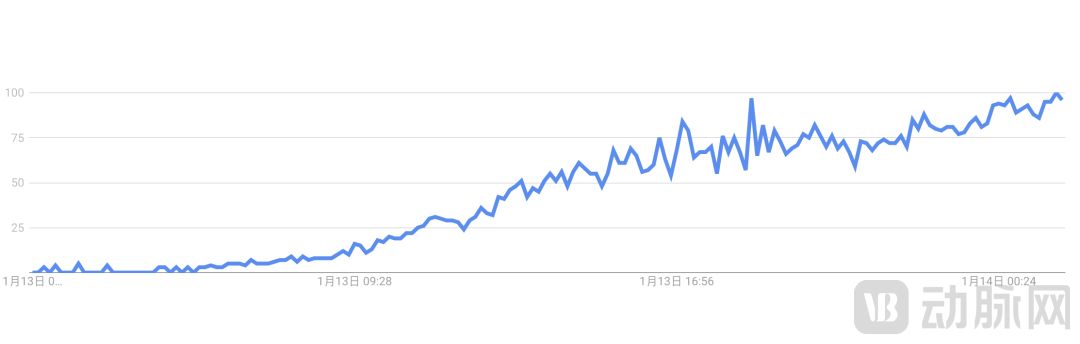
Figure 6. Google Search Trends for Xiaohongshu Keywords
Reportedly, as soon as 2025 began, Xiaohongshu (Little Red Book) experienced a massive surge in popularity. Driven by the potential ban of TikTok in the United States, a large number of American internet users flocked to the platform. Within just three days, Xiaohongshu gained over one million overseas followers and climbed to the top of the free apps chart on the U.S. Apple App Store, with a 300% increase in downloads.
Although Xiaohongshu’s overseas daily active users declined rapidly after the TikTok ban was lifted,But it still spurred Xiaohongshu to accelerate its expansion into overseas markets.According to Hong Kong media reports, Xiaohongshu is set to open an office in Hong Kong and has already begun recruiting for local positions. Moving forward, the platform will use Hong Kong as a hub to further advance its overseas expansion and cross-border e-commerce operations. Meanwhile, Xiaohongshu has recently officially announced that it will begin recruiting overseas MCN agencies to batch-introduce international influencers with video creation capabilities.
This clearly presents an opportunity for medical aesthetics companies currently eager to expand into overseas markets. In fact, during the “TikTok refugee” period, numerous medical aesthetics firms published promotional diaries in English, thereby garnering significant attention and favor from overseas users. Therefore, it is foreseeable that if Xiaohongshu can truly establish effective channels for international expansion in the future, this will unlock greater commercialization potential for many Chinese-made medical aesthetics enterprises.
In response, the founder of a medical aesthetics company remarked, “In fact, the market penetration of Chinese-made medical aesthetics products in overseas markets remains very low. A major contributing factor is the lack of genuine distribution channels. Compared with building such channels independently, leveraging existing platforms for strategic deployment can more effectively drive volume while mitigating market risks. Therefore, as Xiaohongshu accelerates its global expansion, many medical aesthetics companies are increasingly shifting their focus toward the platform, hoping to gain a first-mover advantage in overseas markets.”
However, it remains inevitable that as more latecomers enter the market, competition within platforms will intensify. To truly stand out,In addition to possessing strong intrinsic product capabilities, marketing and promotional strategies must be well aligned with the Xiaohongshu platform., which has always been the underlying logic for medical aesthetic products to break into the mainstream market.
1. “Behind Jinbo Bio’s Attack on Meituan and So-Young” — Jinduan;
2. “Crossing the River by Feeling Pinduoduo: Douyin and Meituan Scramble for a Share of the Medical Aesthetics Market” – Xinshang;
3. “Xiaohongshu to Open Hong Kong Office” – Investment Circle.