

JD Health Launches Joint Initiative for Rare Disease Care, Building a Comprehensive Patient Service Ecosystem

JD Health
Internet Medical and Health Service Platform Provider
On February 28, International Rare Disease Day 2025, JD Health, in collaboration with the Health Client of People’s Daily, hosted the 4th Rare Disease Service Ecosystem Forum in Beijing. At the forum, JD Health, together with the Beijing Aili Myasthenia Gravis Rare Disease Care Center, the Beijing Dongfang Siyu ALS Rare Disease Care Center, the Beijing Pain Challenge Public Welfare Foundation, Nestlé Health Science, and the Beijing Xinguang Public Welfare Development Center, jointly launched a collaborative initiative for rare disease care under the theme “Rare Light: Joining Hands to Gather Strength.” The initiative aims to foster multi-stakeholder efforts to build a comprehensive service ecosystem for rare disease patients and further improve their quality of life.
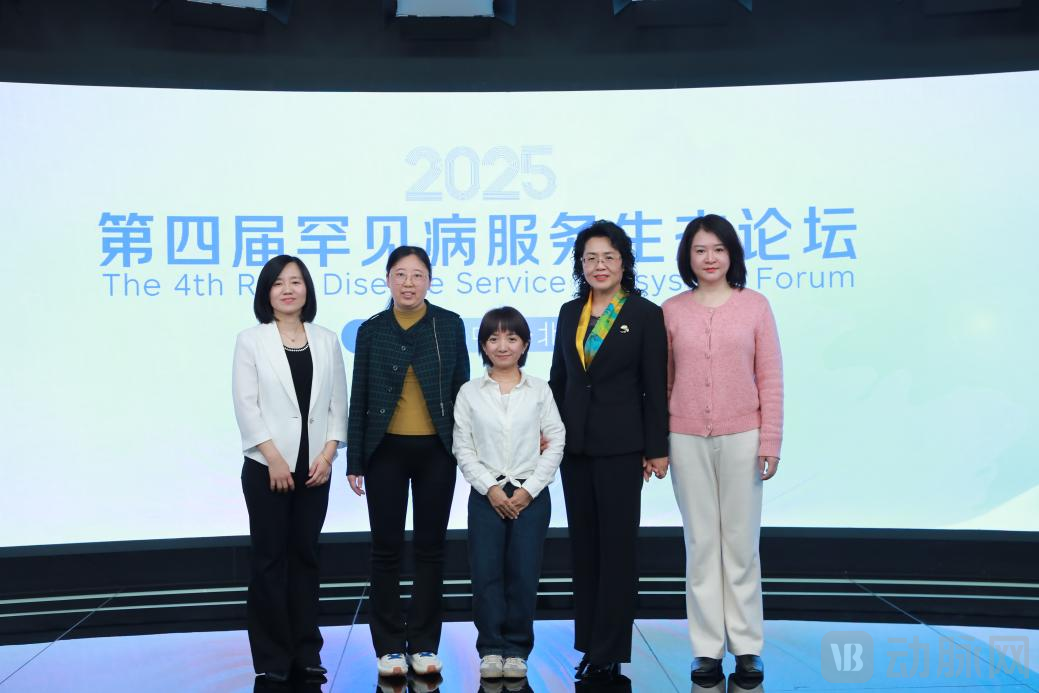 (JD Health Launches the “Rare Light: Joining Forces” Joint Initiative for Rare Disease Care)
JD Health is committed to building a comprehensive service system for patients with rare diseases that integrates “pharmaceutical supply, professional medical care, and innovative payment.” By leveraging its omnichannel drug supply capabilities and a platform connecting high-quality medical resources across China, JD Health ensures that patients can “find” the doctors and medications they need. Meanwhile, JD Health continues to explore the “charitable assistance + innovative payment” model, increasing investment in medical social work charity projects to provide robust social security support for patients with rare diseases, thereby helping them “afford” treatment.
Building a Comprehensive “Medical Care + Testing + Diagnosis + Pharmacy + Nursing” Service Model to Address Patients’ Urgent and Pressing Concerns
In recent years, relevant authorities and all sectors of society have continuously advanced the diagnosis, treatment, and care of rare diseases. As an industry-leading innovative healthcare service provider, JD Health has actively responded to this call by placing the needs of rare disease patients at its core. Through its “Rare Disease Care Program,” JD Health has established a comprehensive patient service system that effectively addresses key challenges, including difficulties in diagnosis, medication access, payment, and nursing care.
JD Health has also established a comprehensive service model encompassing “medical consultation, testing, diagnosis, medication, and nursing care,” covering the entire process of diagnosis, treatment, medication, and nursing for patients with rare diseases, thereby providing greater convenience. Notably, the “Rare Disease Medical Care Map,” launched in 2023, has been continuously maintained and upgraded over the past two years. It currently covers 158 types of rare diseases and includes information on 368 hospitals and 1,779 physicians across China, effectively reducing the cost for patients to search for medical care information. In addition, the “JD Nurses at Home” service, launched by JD Health in 2024, enables patients with rare diseases to more conveniently access professional medical nursing services in the comfort of their homes.
Notably, just ahead of Rare Disease Day this year, JD Health’s Online Dermatology Hospital launched the “Rare Diseases Section,” connecting patients with authoritative experts from leading hospitals in China, providing expedited medication access channels, and offering disease education. This initiative helps more patients with rare dermatological conditions receive professional consultation, diagnosis, and treatment recommendations from renowned specialists without leaving home.
JD Health is also the largest retail channel for foods for special medical purposes (FSMP) in China, offering 25 FSMP products tailored to patients with rare diseases and covering a wide range of congenital metabolic disorders. To better support patients with rare diseases, JD Health has launched a “Rare Disease Nutrition Support Zone,” which not only provides a diverse selection of FSMPs but also features live educational sessions by physicians and dietitians to deliver scientific nutritional guidance and recommendations.
Multi-Stakeholder Collaboration to Build a Service Ecosystem for Rare Disease Patients, Continuously Enhancing Patient Service Capabilities
Rare diseases present a significant societal challenge. In 2025, JD Health will continue to serve as a bridge and link connecting government agencies, public welfare organizations, pharmaceutical companies, and other stakeholders, working with all sectors of society to build an ecosystem for the management and care of patients with rare diseases.
To date, JD Health has provided medical visit support to over 23,000 rare disease patients through its “Yixin Yizhan” (Medical Heart Station) medical social work public welfare project. The JD Health Rare Disease Care Program has cumulatively assisted 637 rare disease patients, with the total value of donated funds and supplies exceeding RMB 6.24 million.
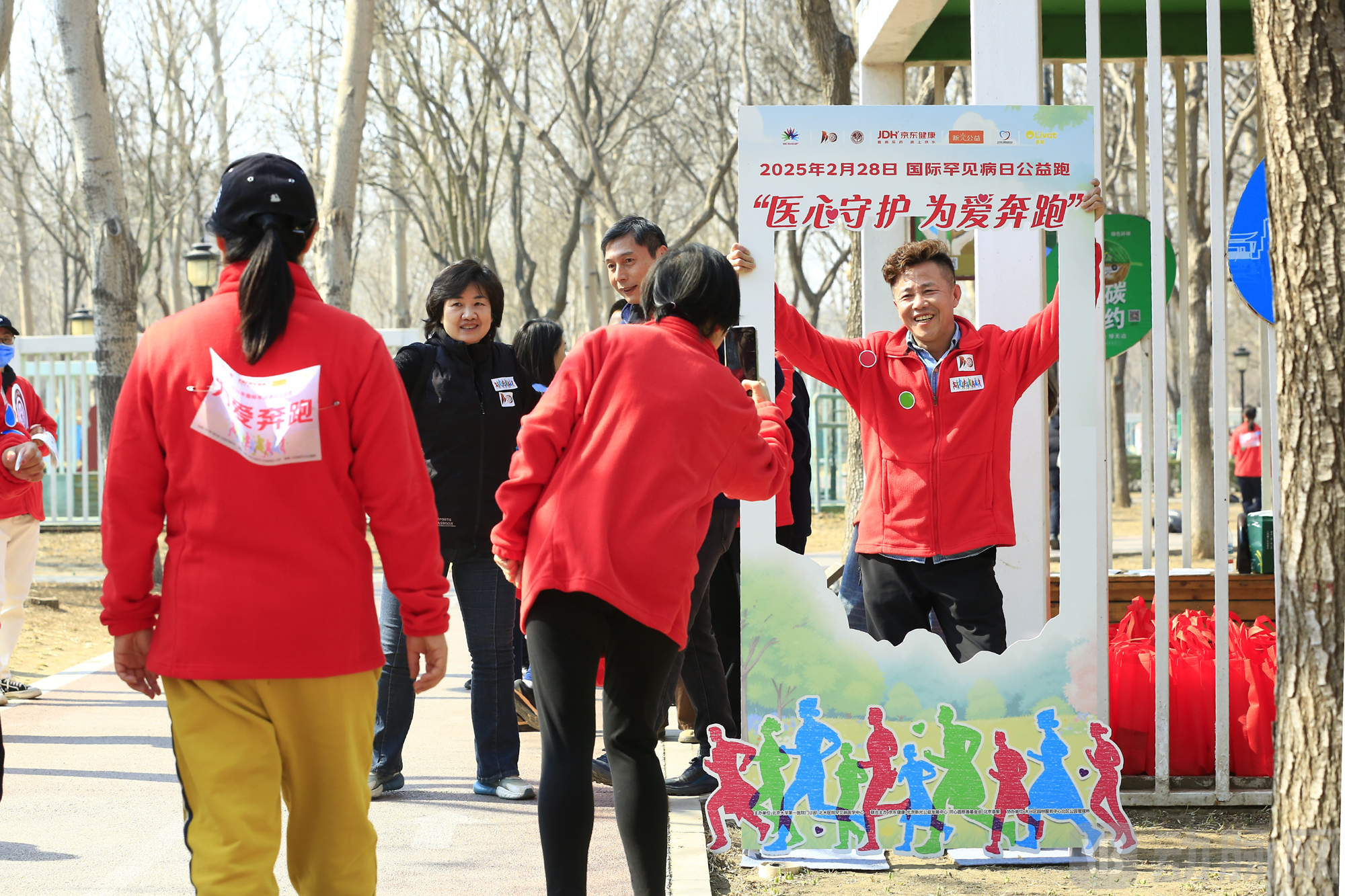
(“Guarding Hearts with Medical Care, Running for Love” 2025 International Rare Disease Day Charity Run)
During this year’s International Rare Disease Day, JD Health joined hands with partners such as the Outpatient Department and the Center for Rare Diseases of Peking University First Hospital, and Beijing Livat to host events including the “Hello! Shining Children” art exhibition featuring paintings and photography by children with rare diseases, and the “Medical Hearts Guarding, Running for Love—2025 International Rare Disease Day Charity Run.” These initiatives aim to raise social awareness for the rare disease community, letting the light of love and hope illuminate every corner in need.
 ("Hello! Shining Children" Rare Disease Children's Art Exhibition and Rare Disease Photography Exhibition)
On International Rare Disease Day, JD Health joined forces with various sectors to launch a joint initiative for rare disease care, committed to collectively elevating the standard of services for rare disease patients in China and providing tangible assistance to more individuals affected by these conditions. It is believed that, through the concerted efforts of all segments of society, more rare disease patients will be able to access higher-quality, more convenient, and efficient medical services.