

Phase Scientific Revolutionizes Cervical Cancer Screening with World’s First Urine-Based HPV Test Powered by Proprietary PHASiFY™ Technology

PHASE Scientific
Developer of Liquid Biopsy Diagnostic Technology
For the first time, 194 countries worldwide have committed to eliminating a cancer—cervical cancer.
Five years ago, the World Health Organization (WHO) released the Global Strategy to Accelerate the Elimination of Cervical Cancer, aiming to gradually eliminate cervical cancer by increasing vaccination, screening, and treatment rates.
Cervical cancer is the fifth most common cancer among women and the second most prevalent gynecologic malignancy in China. In China, on average, one woman is diagnosed with cervical cancer every five minutes, and one woman dies from it every ten minutes. Both the incidence and mortality rates of cervical cancer in China are on the rise, accounting for one-fifth of the global disease burden.
Five years later, on March 4, 2025, the world marked the eighth International HPV Awareness Day, aiming to call on the public to pay attention to the hazards of human papillomavirus (HPV) and promote the prevention and elimination of cervical cancer.
In 2009, China included cervical cancer screening in its major public health service programs and implemented “two-cancer screening” for eligible women in rural areas; in 2019, it promoted vaccination; and in 2023, ten departments, including the National Health Commission, formulated the Action Plan for Accelerating the Elimination of Cervical Cancer (2023–2030) to expedite progress toward eliminating cervical cancer.
Although China has embarked on the accelerated elimination of cervical cancer, the HPV screening rate among women aged 35–64 is currently only 36.8%, falling significantly short of the interim target of 70% coverage by 2030; thus, prevention and control efforts remain arduous and long-term.
The reasons are multifaceted, including disparities in screening technologies and diagnostic capabilities, public awareness and education, allocation of screening resources, and screening models. Given that the progression of cervical cancer typically takes 10 years or longer, there is ample opportunity for tertiary prevention (i.e., early detection, early diagnosis, and early treatment). Consequently, clinical practice is placing increasing emphasis on early screening for cervical cancer.
On the other hand, current screening methods have significant drawbacks: cervical cytology (TCT) and colposcopy rely heavily on physician expertise, and their invasive nature causes patient discomfort and psychological stress. Therefore, clinicians, the market, and women alike are calling for a non-invasive, easier-to-administer, and highly accurate early screening method.
Against this backdrop, PHASE SCIENTIFIC officially made its debut in China.
A Global Story of Translating Scientific Research Achievements
PHASE Scientific was founded in the United States in 2015., with a development history of nearly 10 years to date. It is worth mentioning thatThe exploratory journey of Dr. Zhao Yantao, founder of PHASE Scientific, reflects the challenges and opportunities in translating global scientific research achievements into market-ready applications.

Dr. Zhao Yantao, Founder and CEO of Phase Scientific
Zhao Yantao’s original motivation for entrepreneurship stemmed from his understanding of technology application and his dedication to healthy living—he aimed to transform his self-developed technologies into practical products to help more people achieve effective health management. Dr. Zhao’s first job was as a Project Manager in the R&D Department at a company specializing in rapid drug testing. The company developed the world’s first saliva-based drug detection technology, an experience that gave Dr. Zhao a profound understanding of the potential of rapid diagnostic technologies. He realized that the value of technology lies not only in innovation but also in its ability to be practically implemented and truly benefit patients.
However, although rapid diagnostic technologies are simple and cost-effective, their limited accuracy makes them difficult to apply in more complex clinical scenarios. Zhaoyan Tao recognized that breaking through this limitation to extend rapid diagnostic technologies to a broader range of health applications would be highly significant. “At the time, lateral flow assay technology was user-friendly and affordable, but its applications were limited, primarily to pregnancy testing and drug screening. I wondered why this technology could not be applied to areas with greater clinical significance, such as cancer detection.”
With this question in mind, Zhao Yantao went toPursuing a Ph.D. at the University of California, Los Angeles (UCLA), focusing on research into concentration technologies for detection targets such as DNA in samples. This technology ultimately became the core technology of PHASE Scientific, laying the foundation for early cancer screening and rapid detection of other diseases.
Zhao Yantao’s research focus did not initially center on cancer detection. His doctoral dissertation primarily explored the application of nanotechnology in sample processing, with a significant application scenario being infectious disease testing. Rapid detection of infectious diseases is critical to public health.
In 2015, Yan Tao Zhao founded PHASE Scientific in the United States., with the initial goal of applying rapid detection technology to the field of infectious diseases. In its early stages, the company received support from the U.S. government and the Bill & Melinda Gates Foundation, developing saliva-based rapid tests for sexually transmitted infections (STIs) and malaria. These projects not only validated the feasibility of the technology but also allowed the company to accumulate valuable R&D and market experience.
However, Zhao Yantao did not limit the potential applications of this technology solely to infectious disease testing.In 2017, noting the Chinese government’s strong support for technological innovation in the Greater Bay Area, he resolutely decided to relocate the company’s headquarters to Hong Kong, China., and restructured the R&D team to focus on the development of early cancer screening technologies.
“At that time, liquid biopsy technology was just emerging. The non-invasive prenatal testing (NIPT) pioneered by Academician Dennis Lo demonstrated that fetal genetic information could be detected through cell-free DNA in the blood. This made me realize that the same technology could also be applied to early cancer screening,” explained Zhao Yantao. “Tumor cells release DNA fragments into the bloodstream; if we can efficiently concentrate these fragments, we can detect cancer at an early stage.”
PHASE Scientific’s cell-free DNA concentration technology was developed based on this principle. As research into sample processing techniques deepened, Zhao Yantao recognized that this technology held immense potential in the field of early cancer screening. The key to early cancer screening lies in early detection; however, traditional diagnostic methods struggle to achieve accurate diagnoses when the concentration of tumor-derived DNA fragments is extremely low in the early stages. The sample concentration technology developed by Zhao Yantao’s team can capture trace amounts of DNA fragments at these early stages, thereby significantly enhancing detection sensitivity and making early cancer screening feasible.
Core Technology: PHASiFYTM: The “Concentrated” Power Revolutionizing Early HPV Screening
“DNA fragments in samples such as urine or blood are like a grain of salt in the ocean, making them difficult to detect with conventional methods. Our enrichment technology acts as a magnifying glass, amplifying these faint signals, while employing a molecular-level ‘magnetic capture network’ that precisely traps and concentrates trace amounts of DNA, thereby enhancing detection accuracy.”
When referring to PHASE Scientific’s core technology, PHASiFY™, Zhaoyan Tao used a metaphor to explain its underlying principle: ““Imagine a glass of water into which you have placed five grains of salt. If you taste the water with your tongue, you may not be able to detect the salt because its concentration is too low.” Over the past few decades, the approach in the field of detection has been to attempt to improve the method of “tasting,”For instance, extending detection time or incorporating chip-based or AI technologies, while improving detection accuracy, also introduces issues such as high costs, prolonged turnaround times, and operational complexity.
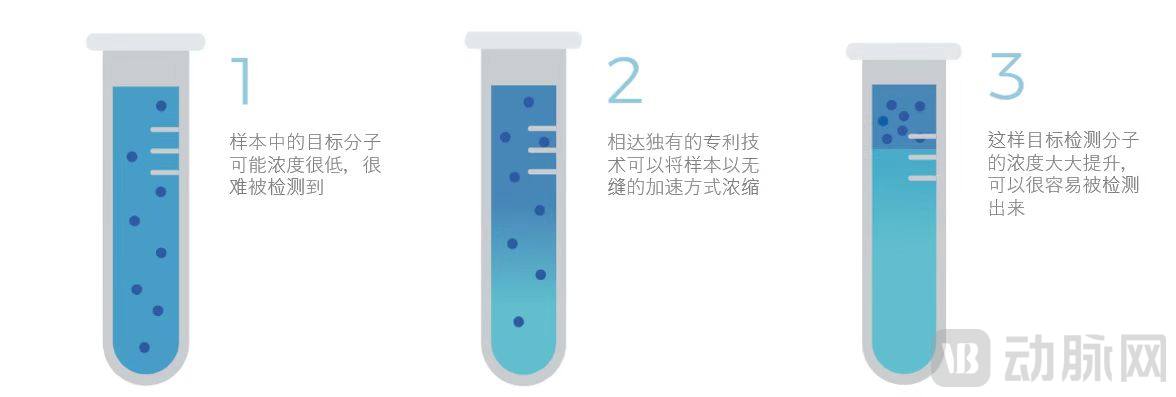
The concept behind PHASiFY™ technology is entirely different.PHASE Scientific is not changing the method of “tasting,” but rather addressing the issue of “water.”“Through concentration technology, we condense a cup of water into a single drop, causing all the salt to aggregate within that drop. As a result, regardless of the detection tool used, the taste of salt can be easily detected.” This is the fundamental principle behind PHASiFY™ technology—Significantly improve detection sensitivity and accuracy by concentrating samples, without changing the detection tools.
The core of PHASiFY™ technology lies in its unique liquid-liquid extraction principle combined with a biphasic separation system, which can force originally homogeneous liquid samples (such as urine or blood) to separate into two liquid phases (such as oil and water). However, the volume ratio of these two phases is not 1:1, but rather 1:99 or even smaller.This approach can concentrate target substances (such as DNA) into an extremely small volume phase, thereby achieving concentration factors of up to 100-fold or even 10,000-fold.
In a clinical study conducted by PHASE Scientific in collaboration with the University of Texas MD Anderson Cancer Center, it was confirmed that its independently developedPHASiFY™’s patented sample processing technology extracts cell-free DNA (cfDNA) from blood samples of cancer patients at levels three to four times higher than the industry’s gold standard, solid-phase extraction. For large-volume samples such as urine, the advantage exceeds tenfold.This cutting-edge technology overcomes the significant challenge of extracting trace amounts of DNA from samples, which is crucial for improving the sensitivity and efficiency of detection.
PHASE Scientific has pioneered the application of its PHASiFY™ technology in the field of cervical cancer screening, a strategic decision driven by the precise alignment of two core considerations:Bidirectional Empowerment Between Breakthrough Technological Advantages and Unmet Clinical Needs.First, PHASiFY™ has demonstrated its advantages in the detection of large-volume ultra-micro samples across multiple international studies, making it highly suitable for urine sample testing.
Secondly, cervical cancer is one of the few cancers that can be effectively controlled through vaccination and regular screening, with 194 countries worldwide committed to eliminating it by the end of this century. However, traditional cervical cancer screening methods, such as ThinPrep Cytologic Test (TCT) and HPV DNA testing based on cervical swabs, are subject to certain rates of missed diagnosis. These methods rely on clinicians obtaining samples from the cervical os, and the privacy concerns, discomfort, and psychological stress associated with these invasive procedures are significant factors contributing to screening compliance rates of less than 40%. Furthermore, the cumbersome in-hospital testing process, which involves registration, sample collection, waiting for reports, and follow-up visits, further creates a bottleneck in expanding screening coverage.
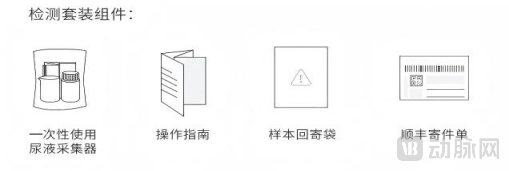
Addressing this technical pain point, PHASE Scientific has revolutionized the traditional screening model by leveraging its independently developed PHASiFY™ sample concentration technology,Introducing INDICAID™ Tuoxi™ Self-Collected Urine HPV Test.This initiative pioneers a new pathway of “at-home self-testing + precise triage”: women complete urine self-sampling using a standardized collection device, and after the sample is sent for testing via logistics, an electronic report is accessible on their mobile phones, enabling precise detection through a fully non-invasive process.Clinical validation demonstrates a 97% concordance with traditional cervical sampling results, while exhibiting higher sensitivity than the current gold standard, thereby providing a screening solution that combines convenience with medical rigor.
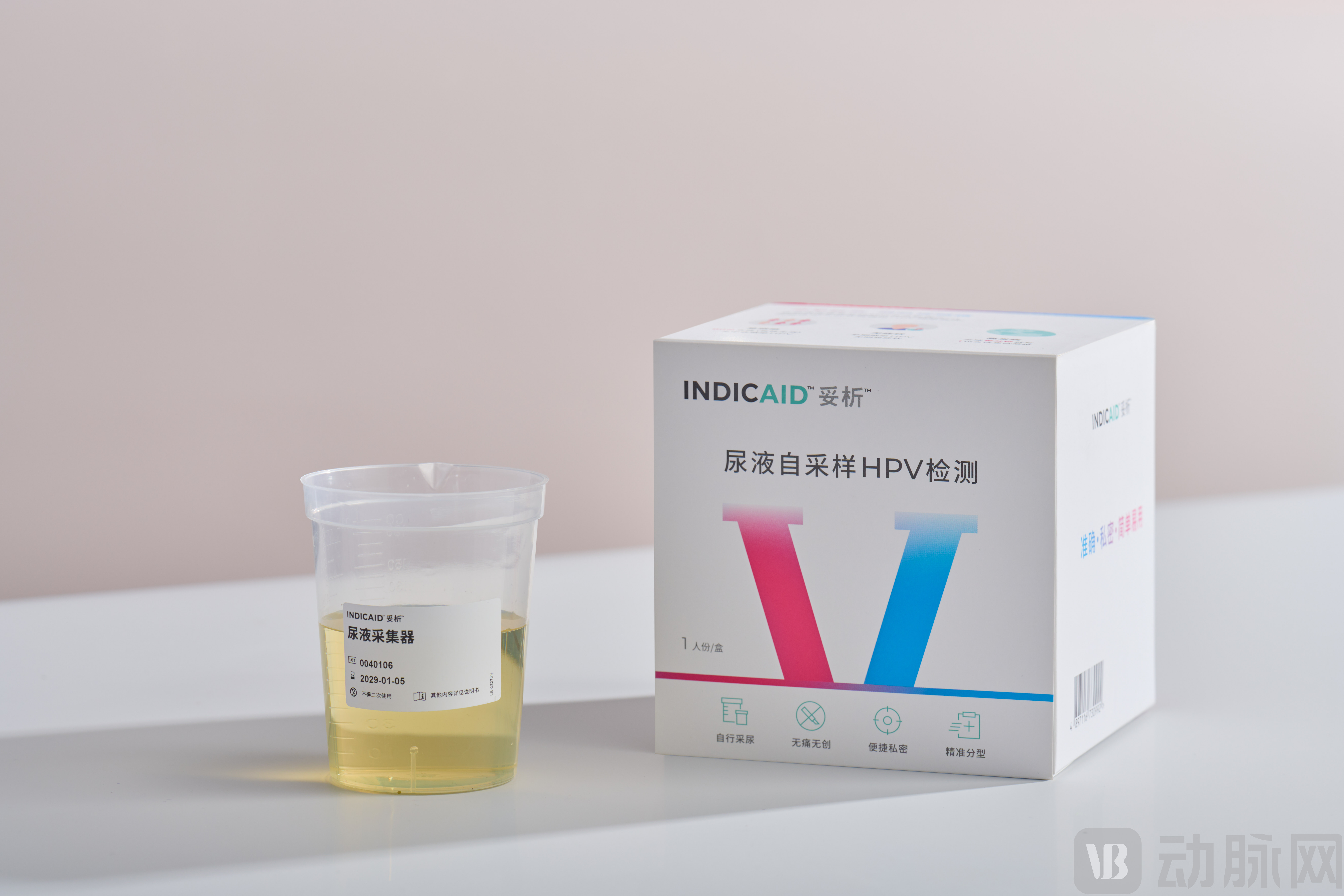
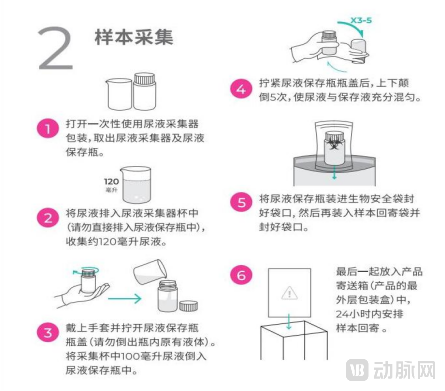
INDICAID™ Tuoxi™ self-collected urine HPV test demonstrated excellent performance in clinical validation. Its concordance with physician-collected cervical samples reached 97%, significantly higher than the 70%–80% range reported for other similar products, and its sensitivity even surpassed that of the gold-standard Roche Cobas assay. Zhao Yantao noted that these data initially surprised clinical experts; however, after the underlying technical principles were explained, the expert community quickly understood the rationale and expressed their enthusiasm.Concentration technology addresses the issue of urine sample dilution, enabling detection accuracy to approach or even surpass that of traditional methods.
This innovative technological product made its debut on March 2, 2025, at the “Expert Symposium on Self-Sampling for Cervical Cancer Screening in China,” co-hosted by authoritative organizations including the Colposcopy and Cervical Pathology Branch of the Chinese Society for Optimal Prenatal and Postnatal Care (CSCCP).Zha Yantao delivered a presentation titled “PHASiFY” at the conference.TMSpecial Seminar on DNA Concentration Technology and Urine Testing Applications, the thematic seminar was led by the Director of the Obstetrics and Gynecology Center at Peking University Shenzhen HospitalProf. Li ChangzhongModerator, Chair of the Chinese Society for Cervical Cancer and Precancer (CSCCP), Peking University People's HospitalProf. Lihui Wei, Director of the Department of Epidemiology, National Cancer Center/Cancer Hospital, Chinese Academy of Medical SciencesProf. Zhao Fanghui, Chair of the Women's Health Care Branch, Chinese Preventive Medicine AssociationProf. Wang Linhong, Former Director of Obstetrics and Gynecology at Cleveland Clinic in the United States, Chairman of the International Union Against CancerProfessor Jerome L. Belinson, Professor at Peking University and Director of the Institute of Obstetrics and Gynecology, Peking University Shenzhen HospitalProf. Ruifang Wu, Chair of the Department of Obstetrics and Gynaecology, The University of Hong KongProf. Chen Jialunand other experts attended the event in person to participate in the discussionandHighly Acclaimed。
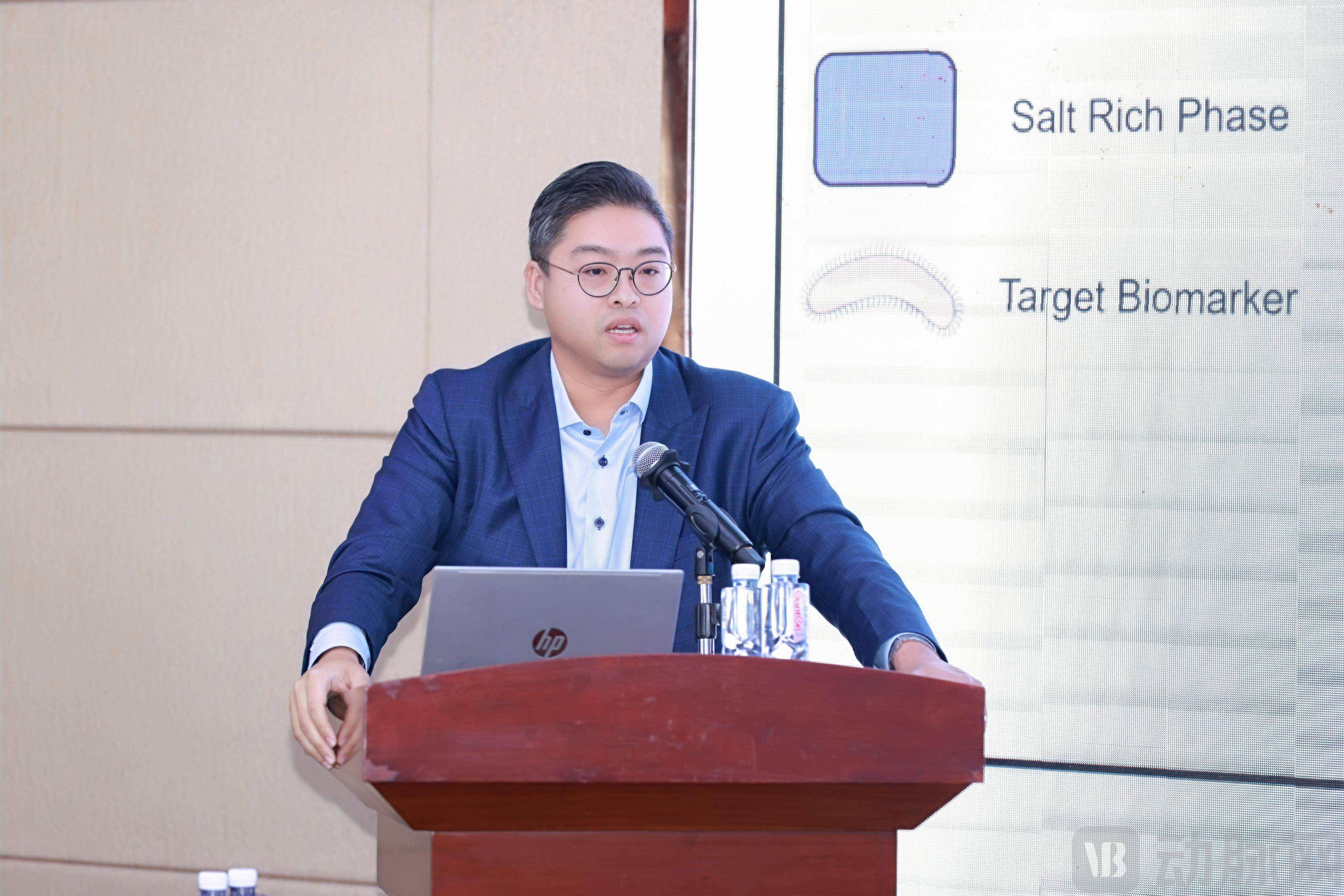
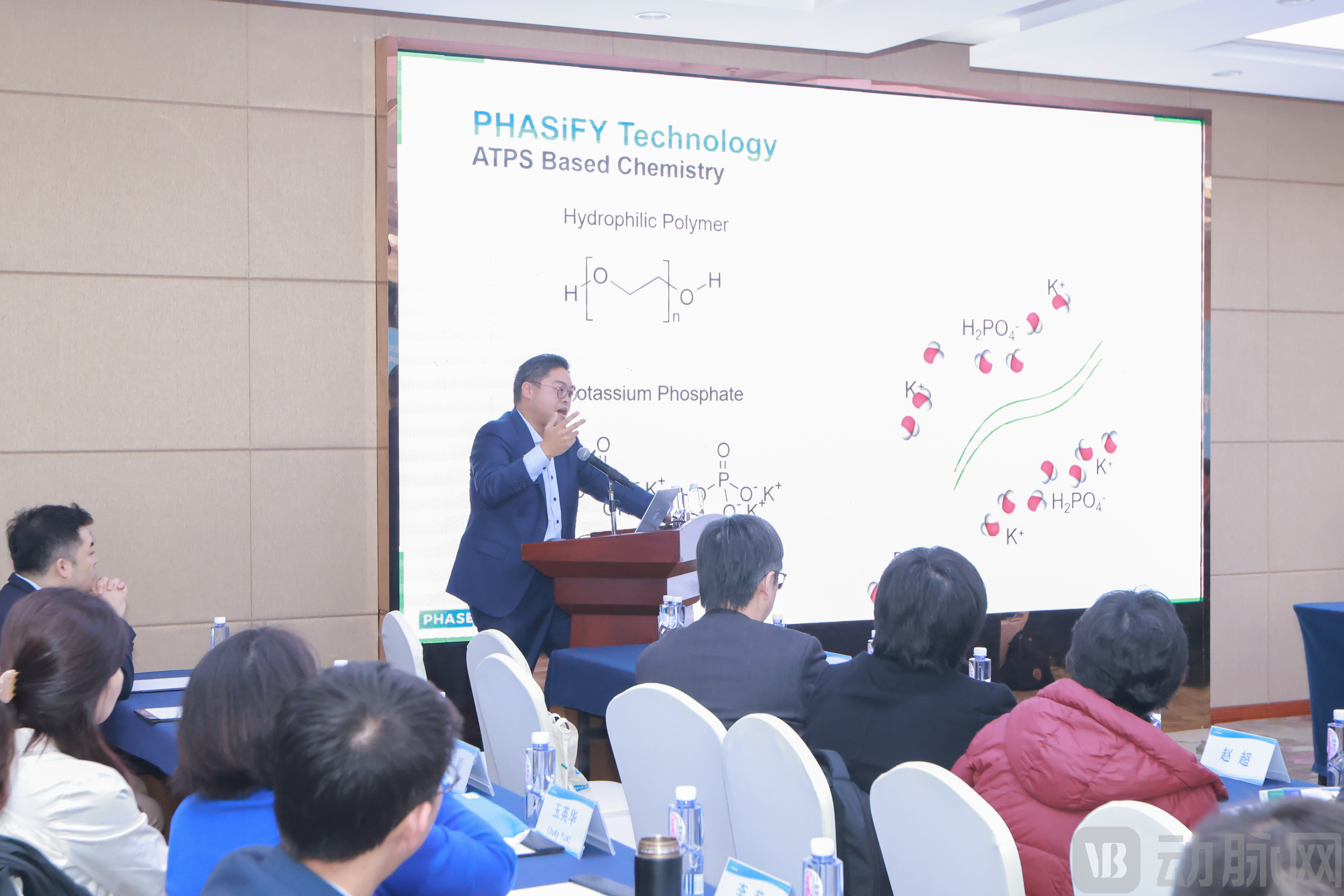
Dr. Zhao Yantao, Founder and CEO of Phase Scientific, Delivers a Specialized Presentation
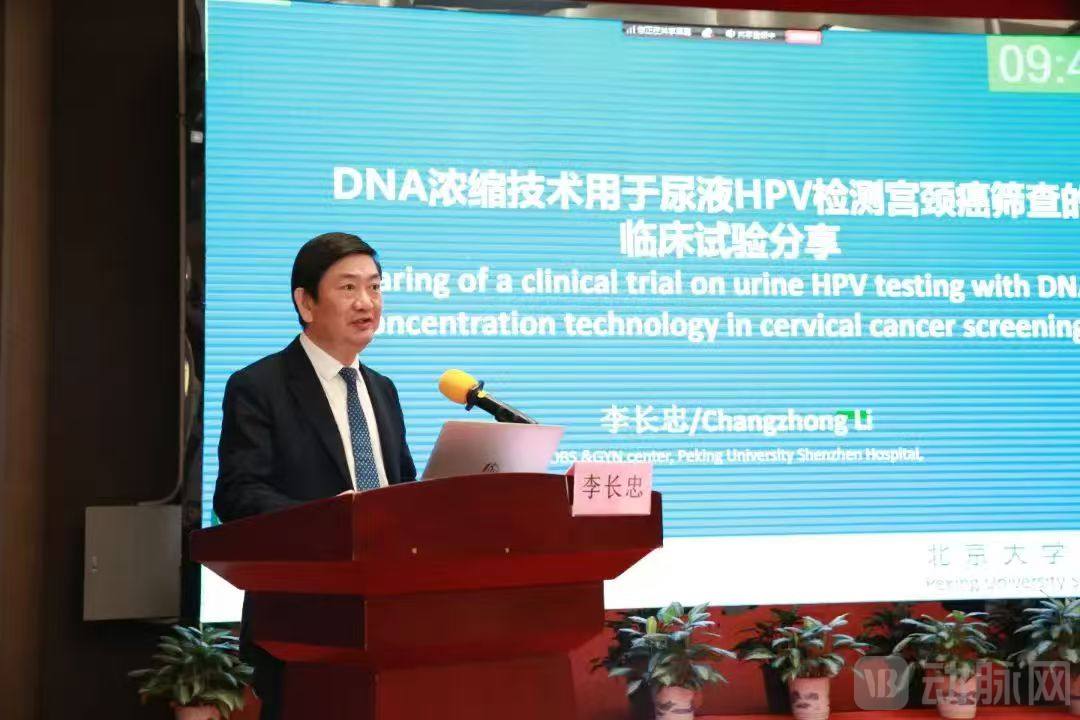
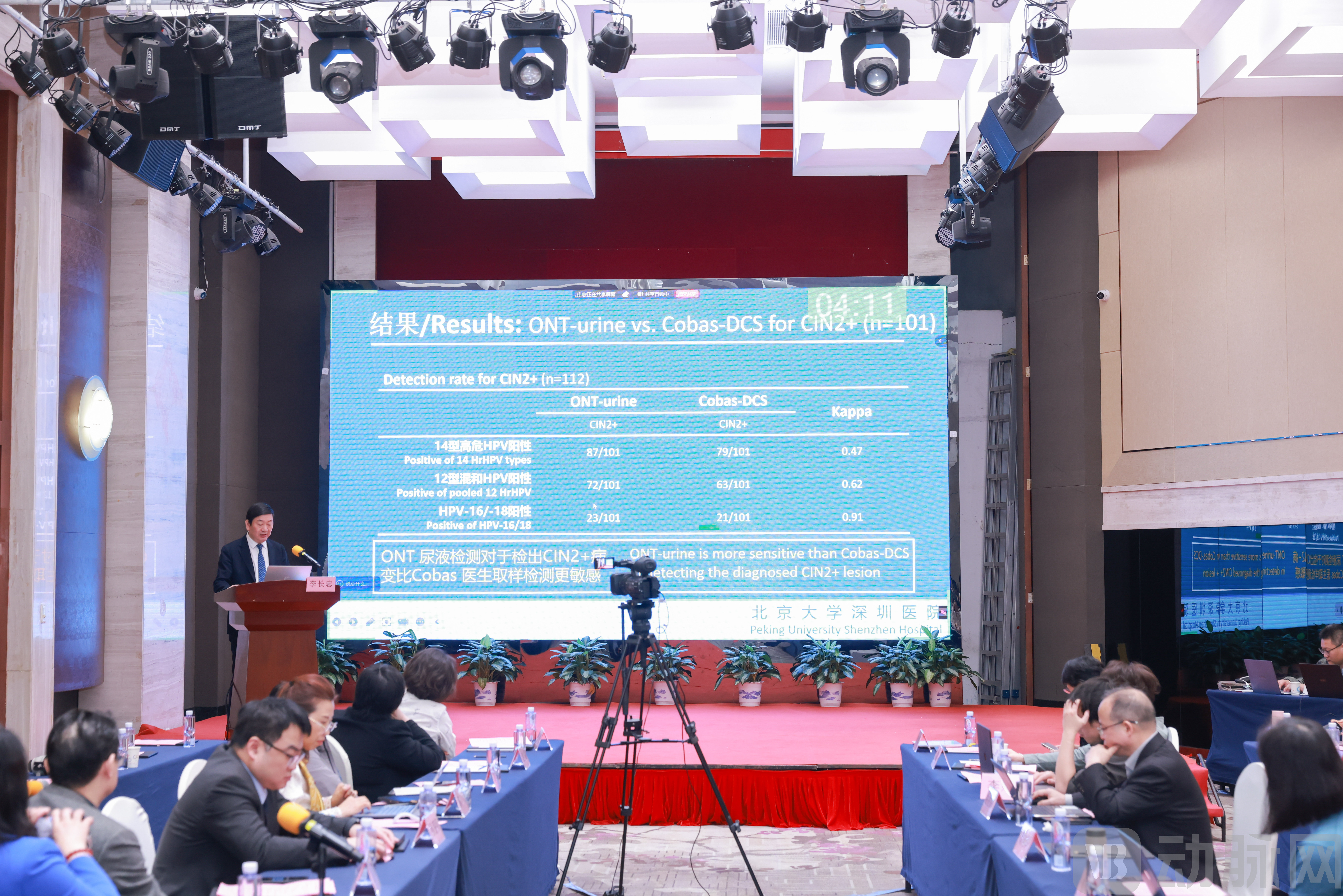
Professor Li Changzhong, Executive Chair of the Conference and Director of the Center for Obstetrics and Gynecology at Peking University Shenzhen Hospital, Delivered a Thematic Presentation
Professor Li Changzhong, Executive Chair of the Conference and Director of the Center for Obstetrics and Gynecology at Peking University Shenzhen Hospital, delivered“Clinical Trial Sharing: Application of DNA Concentration Technology in Urinary HPV Testing for Cervical Cancer Screening”and released clinical data: For urine-based HPV testing using PHASiFY™ technology, the sensitivity for detecting CIN2/3 and CIN3 among HPV-16/18-positive cases was comparable to that of the Roche Cobas 4800 HPV Test using FDA-approved medical swabs in the United States.The sensitivity for detecting mixed infections of the other 12 high-risk HPV genotypes (excluding types 16 and 18) in CIN2/3 was 93.42%, which is higher than that of the Roche Cobas assay.
Professor Li Changzhong pointed out, “The study results were awarded the ‘Thomas V. Sedlacek, M.D.’ at the 2025 annual meeting of the American Society for Colposcopy and Cervical Pathology (ASCCP).”Best Clinical Research Abstract Award”. The results achieved through the study’s proprietary urine concentration technology (PHASiFY™) and detection technology have already caused a sensation and generated significant interest within the academic community.”
Comprehensive Coverage of the Entire Process from Initial Screening to Diagnosis
In fact, the INDICAID™ Tuoxi™ Urine Self-Sampling HPV Test is not only a screening tool but also represents Phase Scientific’s first step into the field of early cancer screening.At the core of PHASiFY™ technology is sample concentration, a principle that can be applied to the detection of various diseases.In preliminary research on endometrial cancer, the PHASE Scientific team found that urine samples achieved a 93% concordance rate with histopathological results, paving the way for non-invasive detection of endometrial cancer.
Furthermore,PHASE Scientific also collaborates closely with clinical experts to explore urine-based testing for cancers of other organs.The challenge with these cancers lies in the fact that DNA fragments released by tumors become shorter, more fragmented, and lower in concentration after renal filtration, making them difficult to capture in urine. The PHASiFY™ technology excels at capturing these short fragments, offering new possibilities for early cancer screening.
Dr. Zhao Yantao emphasized that the advantages of urine testing lie in its non-invasiveness and repeatability: while blood tests are limited by the volume of blood that can be drawn, urine tests allow for the collection of larger sample volumes and can be self-collected by consumers. By enriching target analytes from large-volume samples, this approach ensures the detection of early-stage disease signals.
He emphasized that urine testing is not only a technological breakthrough but also opens up the consumer market. Underpinning this vision is the strategic layout demonstrated by PHASE Scientific in commercial implementation, a perspective attributed to Zhaoyan Tao’s prior work experience, which allowed him to develop an understanding of industry chain operations before formally launching his startup. Unlike blood testing, urine testing can be performed at home without reliance on medical institutions, thereby facilitating PHASE Scientific’s entry into the consumer market.
In the United States and Hong Kong, China, PHASE Scientific has rapidly entered the market through retailers.Its rapid respiratory diagnostic tests are sold in all private hospitals in Hong Kong, China, and through two major retail channels (Watsons and Mannings), which provide a foundation for the company to further promote its urine testing products.
In the domestic market, Phase Scientific is attempting to break through the limitations of the traditional IVD industry through a platform-based strategy. The company plans to meet consumers’ demand for comprehensive health management via one-stop solutions.
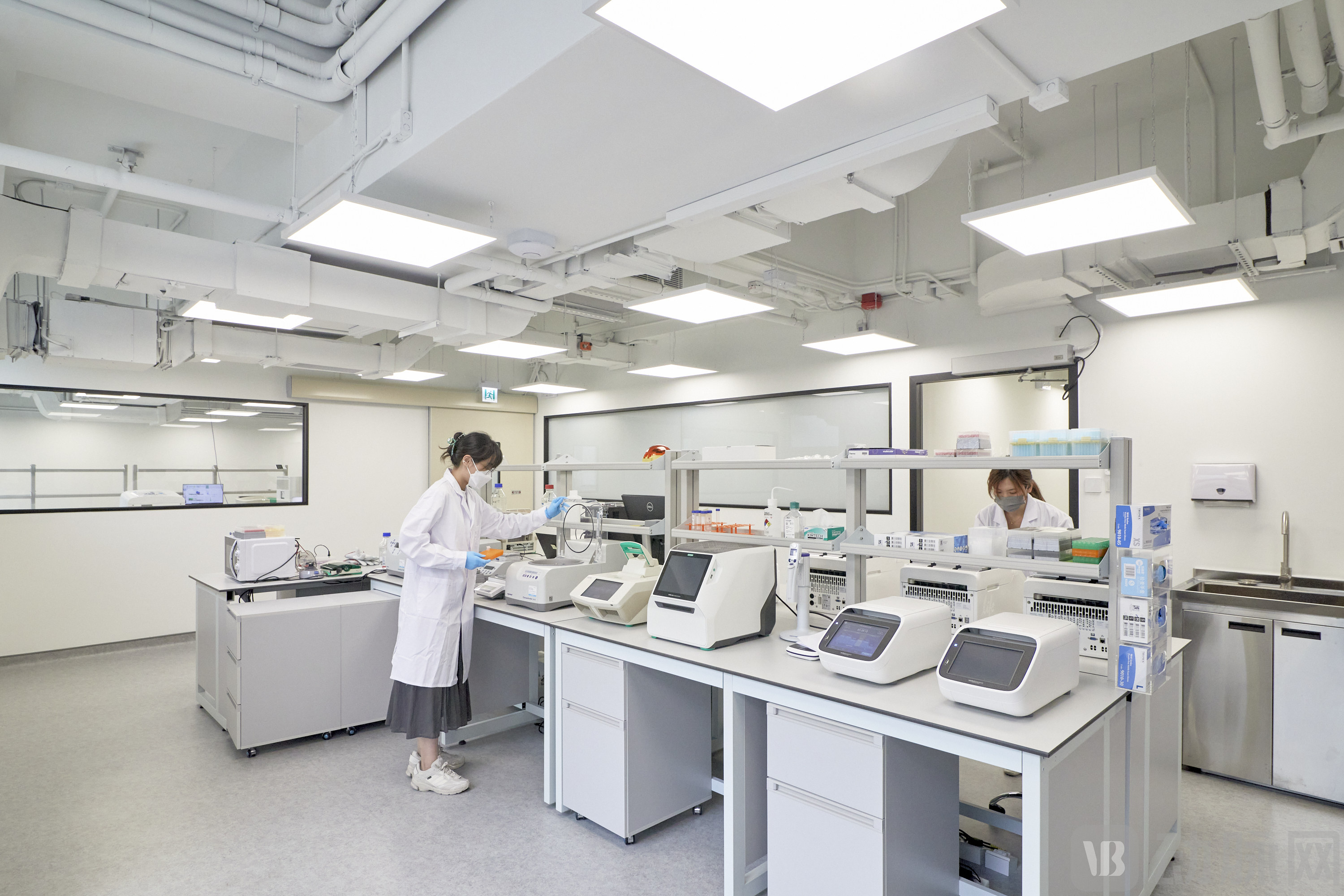
PHASE Scientific has further strengthened its ecosystem by acquiring a leading clinical laboratory in Hong Kong, China, specializing in women’s health. It is worth noting that this acquisition will not only help address follow-up testing for HPV-positive patients but also provide the company with opportunities to deeply explore customer needs. Rather than educating new customers, promoting new products to the existing customer base is expected to significantly reduce marketing costs.
Product cost control is supported by “Made in China” capabilities within the upstream supply chain. Currently, PHASE Scientific fully leverages the robust advantages of Chinese manufacturing, with most of its raw materials sourced domestically, thereby ensuring both low costs and high quality. Given that PHASiFY™ comprises complex components and ingredients, precise production and formulation of these raw materials are particularly critical; thus, manufacturing serves as the core determinant of whether this technology can deliver its intended efficacy.
This is precisely the role undertaken by Phase Scientific (Shenzhen) Co., Ltd., established in 2020. Leveraging China’s cost advantages in manufacturing, the Shenzhen entity is becoming a key global production and manufacturing hub for Phase Scientific, housing core functions such as R&D, production, and automation. Guan Xin, General Manager of Phase Scientific’s China region, emphasized, “China’s manufacturing cost advantages enable us to produce high-quality products efficiently and at low cost. Furthermore, China’s vast market demand provides ample space for commercialization. We also hope that patented technologies invented by Chinese scientists will benefit more domestic users first.”
Meanwhile, PHASE Scientific continues to invest in its overseas R&D platforms, leveraging a global collaboration model to ensure dual advantages in both technology and cost for its products.
Final Thoughts
When asked about the company name“PHASE”When explaining the meaning, Zhao Yantao stated that PHASE Scientific’s core technology is called PHASiFY™, which has no Chinese name. However, the principle behind this technology is called PHASE, referring to “liquid phase” or “phase.”The company’s core technology is built upon “Phase,” and its concentration technology is also embodied by PHASE.
“Da” is inspired by Zhao Yantao’s father,“Da” can have multiple interpretations, such as “prosperity,” a wish for entrepreneurs, or “to reach and connect.”, addressing pain points and reaching patients, or evolving from promoting a single product to establishing a more comprehensive health management ecosystem.
As Yan Tao Zhao summarized regarding PHASE Scientific’s current stage: “Early cancer screening cannot rely on a single product alone. From the consumer perspective, there is an expectation for comprehensive coverage of all potential cancer risks. Our goal is to build a full-chain health solution that spans from screening to diagnosis and from single-cancer to multi-cancer detection, providing global users with more convenient and precise health management services. Our technology also holds the promise of redefining the gold standard for next-generation testing and fundamentally reshaping the landscape of the diagnostics industry.”