

Dermatology Blockbuster Goes Viral in Men's Health: Lidocaine-Prilocaine Cream Sees Explosive OTC Growth
An Old Drug Is Experiencing a “Renaissance” Today.
As a pharmaceutical agent primarily used for topical skin anesthesia,EMLA Cream("Compound Lidocaine Cream" has the same specifications as "Lidocaine and Prilocaine Cream" and belongs to the same product category)Currently, it is widely used in the out-of-hospital retail channel market for treating male health issues such as premature ejaculation, with sales volume being extremely robust.
Taking the JD Health platform as an example, the top-ranked lidocaine and prilocaine cream product has accumulated over 500,000 reviews, with many of them focusing on andrological issues.
Rising demand has driven market expansion. According to estimates by the WeChat official account “Bing Yao Shuo,” the domestic market for lidocaine and prilocaine cream has continued to grow upward. In 2024, sales of lidocaine and prilocaine cream at public healthcare institutions exceeded RMB 420 million. When including applications in medical aesthetics and premature ejaculation management, the total market size for lidocaine and prilocaine cream surpassed RMB 1 billion.
Meanwhile, on the supply side, approved products are also experiencing a surge. On February 11 this year, Guangzhou Langsheng Pharmaceutical Co., Ltd.'s Lidocaine and Prilocaine Cream was successfully approved for market launch, becoming the sixth product to receive approval this year.To date, the number of approved lidocaine and prilocaine cream products in China has reached 17., pouring into a host of enterprises including Guangzhou Langsheng Pharmaceutical, Dequan Pharmaceuticals, Nanjing Haina Pharmaceutical, Guangdong Kehong Pharmaceutical, Zhejiang Saimo Pharmaceutical, Jiangxi Shimei Pharmaceutical, Jiangsu Zhiyuan Pharmaceutical, Sichuan Haisco Pharmaceutical, and Tongfang Pharmaceutical Group.
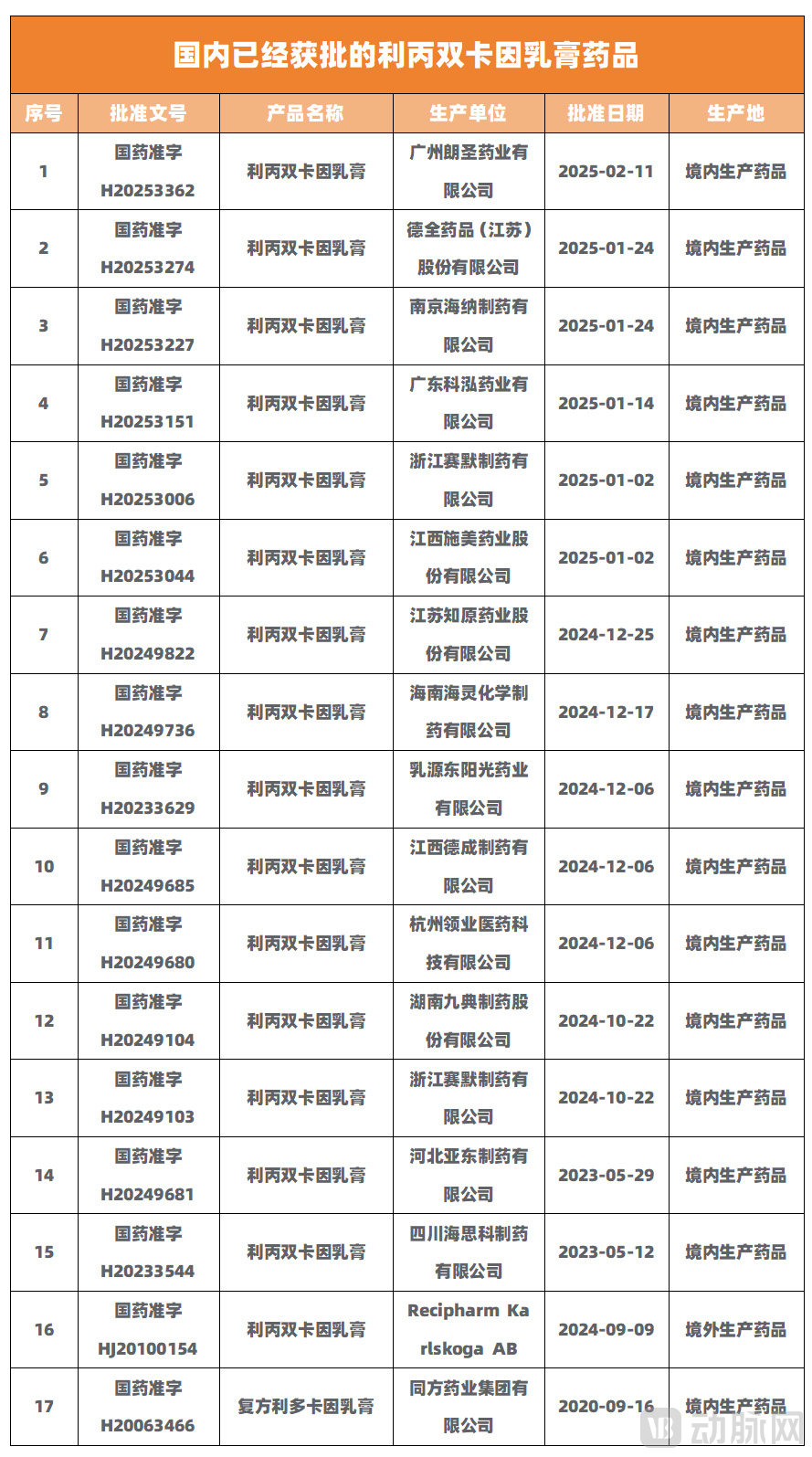
▲ Data source: Official website of the National Medical Products Administration; graphic by VCBeat
In addition, lidocaine and prilocaine cream products from dozens of companies, including Bloomage Biotech and Freda, are currently listed in the catalog of drugs under review, indicating intense competition ahead.
The resonance between supply and demand is igniting industry interest in lidocaine and prilocaine cream.
Essentially, the mechanism of action of lidocaine-prilocaine cream involves the reversible blockade of nerve conduction at the site of application, resulting in a temporary loss of sensory function in the localized area. The propagation of nerve impulses is attenuated due to reduced permeability of the neuronal cell membrane to sodium ions. This alteration in membrane permeability decreases the level of depolarization and raises the excitability threshold, ultimately preventing the generation of action potentials in nerve cells and thereby achieving anesthesia.
However, lidocaine/prilocaine cream actually has a history of more than 40 years: the original developer is the international giant AstraZeneca. The product was approved in Sweden in 1984 and launched in the United States in 1992. Even in the Chinese market, it has been used in hospitals for over 26 years (approved for marketing in China in December 1998).
However, as shown in the previous figure, within less than six months, the number of approved lidocaine and prilocaine cream products reached 13, accounting for approximately 77% of the total number of currently approved products.
With So Many Products Flooding the Market, What Exactly Are Pharmaceutical Companies “Fiercely Competing” Over?Underlying this is an interplay of multiple market logics.
On the surface, the direct trigger was the issuance of the Technical Guidelines for Bioequivalence Studies of Lidocaine and Prilocaine Cream (hereinafter referred to as the “Guidelines”) by the Center for Drug Evaluation (CDE) of the National Medical Products Administration on May 14, 2024, following the expiration of the patent for AstraZeneca’s original branded drug. The Guidelines explicitly require that bioequivalence (BE) studies for Lidocaine and Prilocaine Cream adopt a two-formulation, two-period, two-sequence crossover design, and be conducted as single-dose dermal administration trials under fasting conditions in healthy subjects. The introduction of these standardized technical requirements has not only accelerated the review and approval process for domestic generic drugs but also sparked a surge in generic development across the industry due to the clarification of BE study standards.
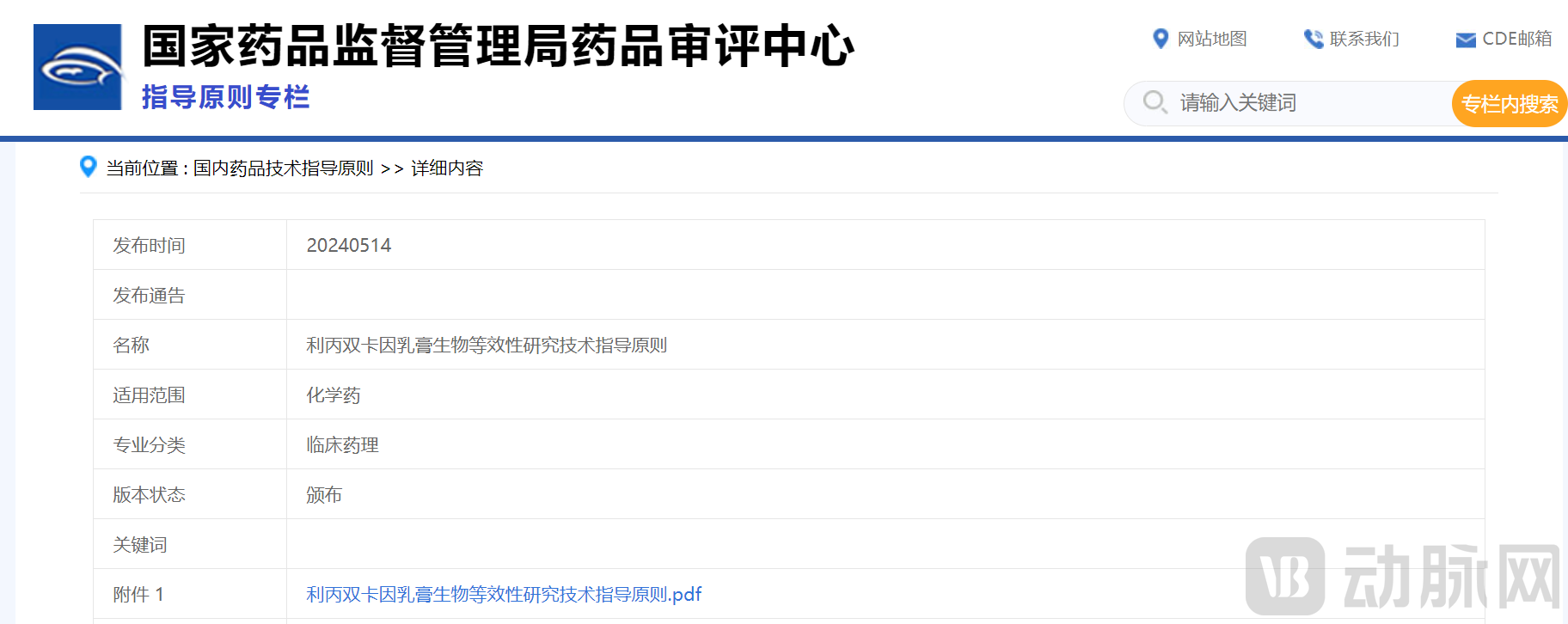
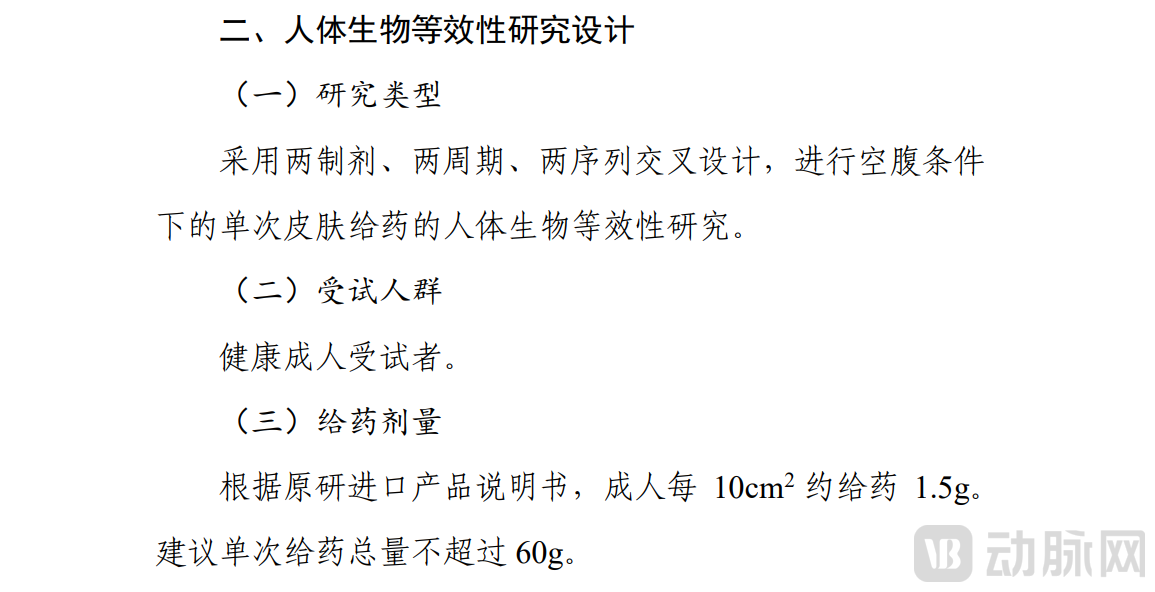
▲ Image source: Official website of the Center for Drug Evaluation, National Medical Products Administration
In addition to this,The potential market size of lidocaine and prilocaine cream is the core intrinsic factor driving pharmaceutical companies to enter the market.An overview of the approved indications for lidocaine and prilocaine cream reveals that, although most are stated for use in needle puncture (e.g., catheter insertion or blood sampling) and superficial surgical procedures, its off-label applications in andrology and medical aesthetics have already formed a substantial market.
As mentioned at the beginning of this article, driven by the demand for premature ejaculation (PE) treatment, lidocaine-prilocaine cream has experienced explosive growth in out-of-hospital retail channels, with a continuous rise in the proportion of patients purchasing the medication independently. This phenomenon is primarily attributable to its recommendation as a first-line therapy in the Guidelines for the Diagnosis and Treatment of Premature Ejaculation. With its proven clinical efficacy, significant cost-effectiveness, and lack of drug dependence, this medication has become a preferred option that balances effectiveness and safety in the current PE treatment landscape. Notably, it has generated a word-of-mouth effect among patients, who widely regard it as “affordable and highly effective.”
More critically, lidocaine and prilocaine cream is also frequently used in the field of medical aesthetics, including but not limited to minimally invasive plastic surgery, energy-based device treatments, mesotherapy, and semi-permanent makeup. This “multi-purpose” characteristic has allowed pharmaceutical companies to identify incremental growth opportunities beyond traditional clinical markets.
However, the application of lidocaine-prilocaine cream in the medical aesthetics industry has long been plagued by serious irregularities. The market is flooded with a large number of non-compliant topical anesthetic products, including anesthetic patches and gels that evade pharmaceutical regulations by being registered as disinfection products or medical devices, as well as gray-market goods, counterfeits, and unbranded creams distributed through illegal channels. CCTV’s program “Economic Half-Hour” has exposed instances where certain institutions and cosmetic manufacturers illegally used non-compliant anesthetic drugs.
According to news reports, as an amide-type local anesthetic, lidocaine exhibits significant bidirectional regulatory effects on the central nervous system (CNS) following systemic absorption. In the absence of prodromal excitatory symptoms, low plasma concentrations produce inhibitory effects such as analgesia, drowsiness, and an elevated pain threshold. With increasing dosage, its pharmacological effects and toxicity intensify in a concentration-dependent manner; plasma concentrations exceeding 5 mg/mL may trigger CNS toxic reactions, including convulsions.
It is crucial to remain vigilant, as the lidocaine dosage in illegal medical aesthetic products often exceeds legal standards by dozens of times (e.g., detected levels reaching 100 mg/g). Use of such products without proper qualification for administering anesthetics or without knowledge of safe dosages can easily lead to acute complications such as local anesthetic toxicity and methemoglobinemia, significantly increasing the risk of cardiovascular disturbances, persistent convulsions, and death.
Amid significant risks, the entire industry has initiated self-inspection and self-correction. On the corporate side, medical aesthetic institutions are systematically removing non-compliant products, strengthening regulatory compliance, and rigorously verifying the legality and quality standards of their offerings. Meanwhile, on the clinical front, China’s first “Expert Consensus on the Clinical Application of Topical Anesthetic Preparations” was officially published on November 26, 2024. This consensus provides detailed provisions on the definition, classification, mechanism of action, indications, precautions for use, qualification requirements, adverse reactions, and management strategies for topical anesthetic preparations, offering clear guidance for clinical practice.
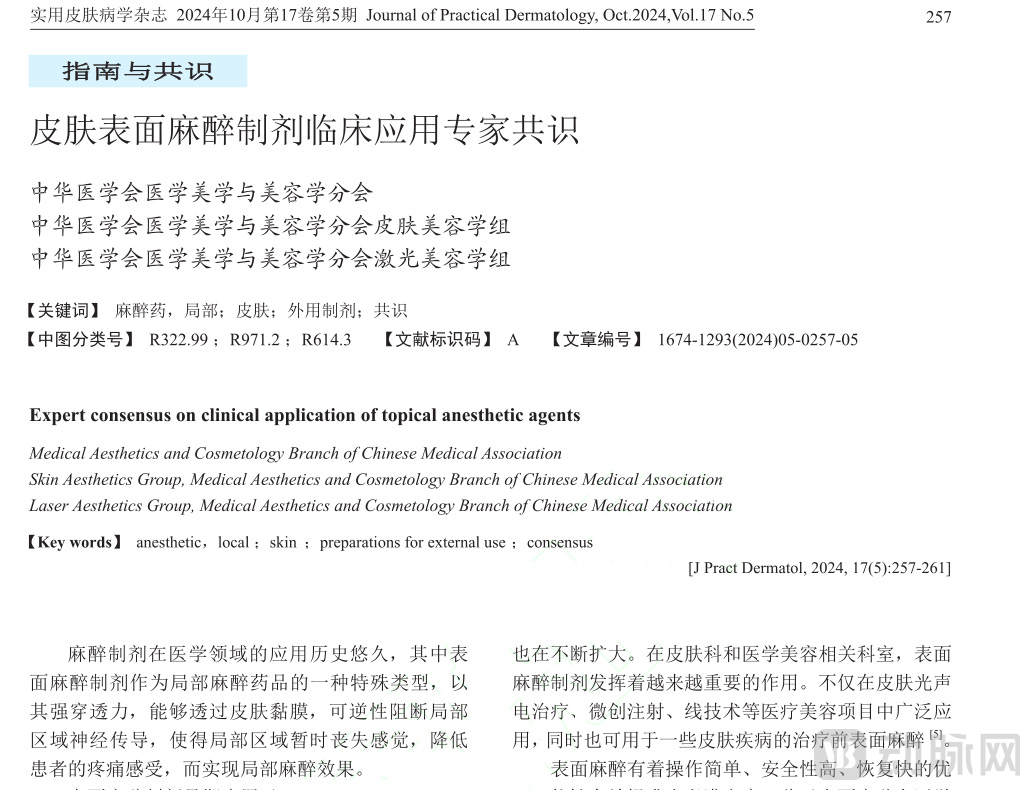
▲Image source: Journal of Practical Dermatology
Faced with the window of opportunity for compliant alternatives, pharmaceutical companies are naturally moving quickly to position themselves, aiming to seize the first-mover advantage in the soon-to-boom sector of compliant topical anesthetics for medical aesthetics and to establish brand barriers.
Meanwhile, international authoritative guideline systems provide clear recommendations for the clinical application of lidocaine-prilocaine cream. Specifically, the European Association of Urology (EAU) Guidelines incorporate compound creams containing lidocaine and prilocaine (EMLA) or 4% liposomal lidocaine cream into standardized analgesic intervention protocols for perioperative management of circumcision. The Guidelines for the Clinical Application of Botulinum Toxin Type A in Plastic Surgery explicitly mandate the standardized use of topical anesthetic agents for preoperative preparation of injection sites. Furthermore, the American Society for Dermatologic Surgery’s Guidelines on Local Anesthesia Practice for Outpatient Dermatologic Surgery specifically emphasize that this cream should serve as the first-line anesthetic method for non-ablative laser treatments.
It is worth noting that, in terms of payment methods, lidocaine and prilocaine cream, as an out-of-pocket medication, will not be included in the national centralized procurement program in the short term. Its profit margin remains relatively stable, continuing to attract pharmaceutical companies to accelerate their market expansion.
For these reasons, competition among pharmaceutical companies surrounding lidocaine and prilocaine cream is bound to intensify.
With homogeneous competition under the “license-as-entry-ticket” model, lidocaine and prilocaine cream is facing downward price pressure; market entrants must urgently identify differentiated pathways to avoid cutthroat competition.
Judging from the actions of relevant enterprises,Dosage Form Innovation and Breakthroughs in Clinical Pain Points Are Directions the Industry Is Actively Exploring.For instance, to address the pain points of traditional creams, such as uneven application and susceptibility to contamination, some companies are developing new product forms like sprays and patches. In terms of onset speed, while previous products required 30–60 minutes to take effect, next-generation products that can compress this time by optimizing transdermal efficiency through technological advancements will meet the demand of medical aesthetic institutions for improved turnover efficiency.
Meanwhile,Addressing the control of adverse reactions is also a key breakthrough point.“Expert Consensus on the Clinical Application of Topical Anesthetic Preparations” clarifies risk stratification for adverse events such as skin erythema and dyspnea, thereby compelling manufacturers to improve formulation stability and reduce allergy rates to an acceptable level.
Expanding into more clinical application scenarios is also a viable solution.Beyond traditional departments, the potential of lidocaine and prilocaine cream is increasingly being realized in fields such as andrology, pediatrics (pain management for vaccination), and dentistry (dental procedures). Some pharmaceutical companies are leveraging retail channels to drive growth in off-label markets.
Furthermore, as lidocaine-prilocaine cream is no longer subject to patent barriers and has relatively low entry thresholds, market competition heavily tests the brand influence and channel-building capabilities of participating companies. For instance, in terms of sales methods, lidocaine-prilocaine cream utilizes diversified channels, including hospitals, pharmacies, and e-commerce platforms. Among these,Driven by emerging demands in areas such as men’s health, e-commerce channels are becoming a key growth engine.
In this process, participating companies are simultaneously building their own in-house e-commerce teams and strengthening collaborations with industry partners. According to news from the pharmaceutical industrial e-commerce sector, Zhiyuan Pharmaceutical has leveraged the services of Yaodamai, a third-party operation service provider specializing in the pharmaceutical industry, to promote its lidocaine gel and lidocaine/prilocaine cream, aiming to amplify marketing impact while reducing costs and improving efficiency.
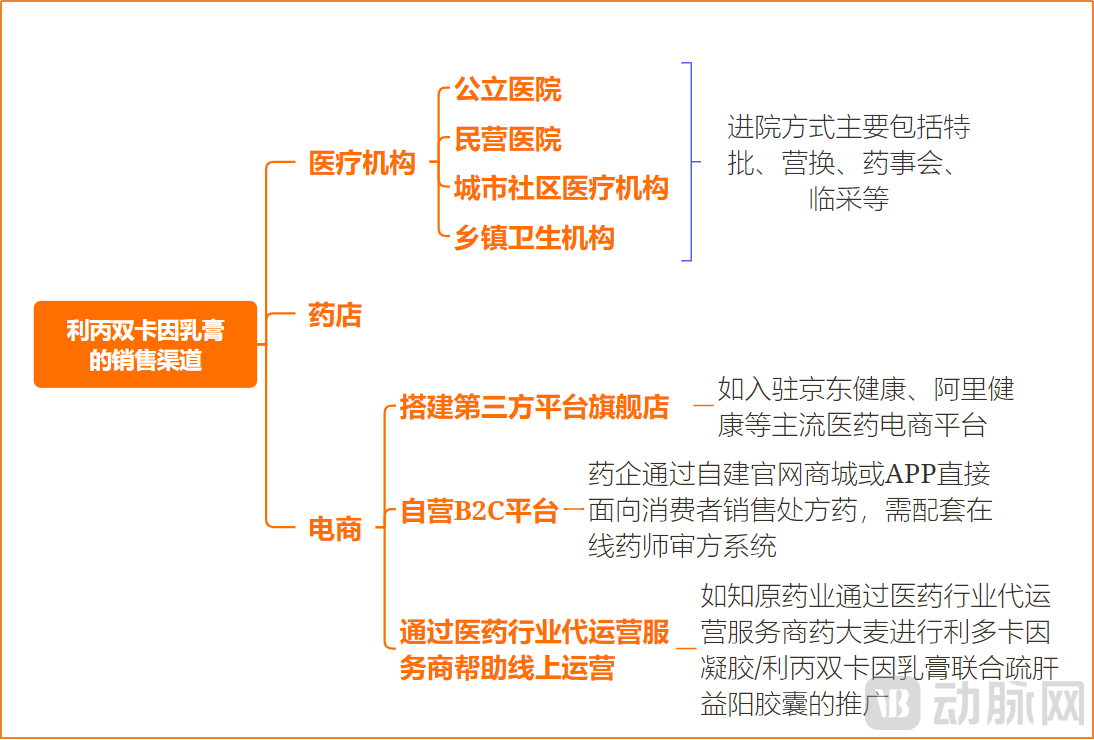
▲Sales Channels for Lidocaine and Prilocaine Cream | Graphic by VCBeat
Of course, the validation process for new technologies, new models, and new channels involves a long cycle. It requires stakeholders to continuously address challenges throughout the entire journey—from translating scientific achievements into clinical trials, to market refinement—while enduring prolonged periods of cost outlays and revenue fluctuations. This can be quite arduous.
Therefore, at this new starting point in the first year of compliance, companies entering the market must work closely with partners in the industry ecosystem to inject new vitality into the sustainable development of lidocaine and prilocaine cream, an established medication, thereby benefiting a broader patient population.
Although lidocaine-prilocaine cream (with 17 approved products on the market) accounts for the largest share of topical anesthetic products approved in China (more than 40 products with National Medical Products Administration approval numbers), this does not represent the full landscape of the topical anesthesia sector.
In terms of main components, lidocaine, prilocaine, bupivacaine, levobupivacaine, and ropivacaine belong to the amide class of topical anesthetics; another major category is the ester class of topical anesthetics, with main components including tetracaine, benzocaine, and procaine; in addition, there are hydroxyl compounds represented by o-cresol and phenol, as well as compound formulations such as EMLA cream.
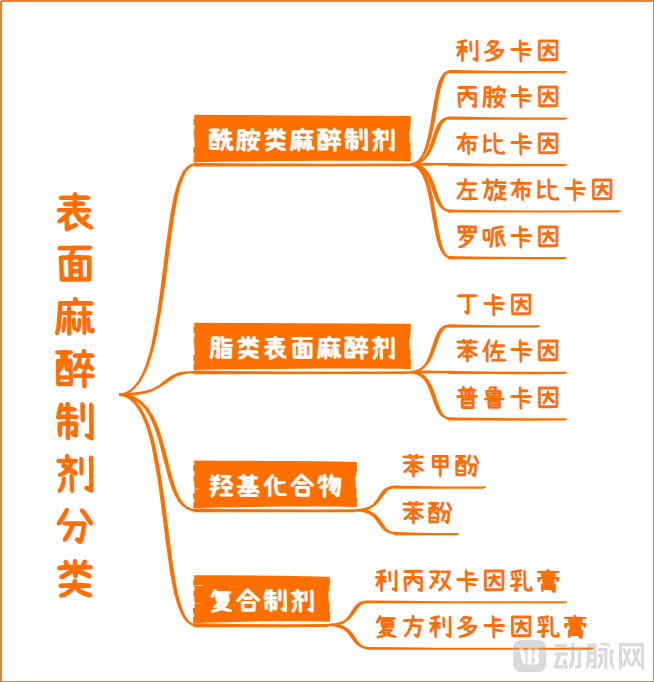 ▲Classification of Topical Anesthetic Preparations | Graphic by VCBeat
In terms of growth momentum, there are still ample opportunities in the topical anesthesia market—each product category has its own advantageous application scenarios.For example, amide-type topical anesthetics are primarily used for minimally invasive surgeries or treatments requiring prolonged anesthesia; ester-type topical anesthetics are suitable for procedures necessitating rapid onset and short-duration anesthesia; hydroxy compounds offer significant advantages in terms of anesthetic and antipruritic efficacy; and combination formulations can enhance both the depth and duration of anesthesia.
Meanwhile,Comfort-Oriented Treatment Is Becoming a Major Trend in the Healthcare Industry, which has broadened the application scenarios for topical anesthetics: in addition to the enhanced comfort in medical aesthetics mentioned earlier, their use in traditional applications such as gastroscopy and laryngoscopy is also steadily growing.
Data can corroborate this. According to data from Menet, the market size of topical anesthetics in China increased from RMB 1.5 billion in 2021 to approximately RMB 2.5 billion in 2024, showing a year-on-year growth trend.
Furthermore, the high entry barriers and broad patient applicability of topical anesthetics make generic replication a more advantageous strategy than original R&D for market entrants. Consequently, continuously identifying and developing generics of varieties that have been validated by mature markets, demonstrate robust efficacy, and possess significant market potential will serve as an excellent choice for companies seeking cash cow products.
However, it is important to note that although there are numerous distribution channels for topical anesthetics—such as public hospitals, township health centers, urban community medical institutions, and online-to-offline (O2O) retail networks across China—hospital procurement remains the core channel. The primary methods for hospital entry include special approval, product substitution, Pharmacy and Therapeutics Committee review, and temporary procurement.
It is important to note that, as narcotic drugs, topical anesthetics are subject to more stringent hospital access approval processes. Implementation requires approval by the director of the anesthesiology department, followed by ratification by hospital-level leadership. The National Health Commission explicitly mandates that medical institutions should prioritize the procurement of narcotic and psychotropic substances with appropriate specifications and packaging suited to clinical treatment scenarios, based on actual clinical needs. Given that the clinical application of narcotic and psychotropic substances relies on academic evidence-based support and long-term safety verification, coupled with increasingly strict compliance regulations in pharmaceutical distribution, the threshold for their inclusion in medical institutions’ drug formularies will continue to rise.
Therefore, while seizing opportunities in the topical anesthesia market, companies entering this space must prioritize precise positioning within high-growth scenarios under a compliant framework to break through in the increasingly fierce competition of the future.
References:
1: “Numbing Creams” Enter the Red Ocean Too! The “King of Consumables” in Medical Aesthetics and the “All-Rounder” for Premature Ejaculation—How “Off-Label” Uses Beyond Topical Anesthesia Are Driving the Out-of-Hospital Market! — Bing Yao Shuo
2: "Lidocaine and Prilocaine Cream: A New Topical Anesthetic Choice with Innovation and Opportunity" — Bing Yao Shuo
3: “A ¥3 Billion Market: Seeking Distributors for a Major Clinical Drug—Not Included in Centralized Procurement, Among the First to Pass Quality Consistency Evaluation, and Recommended by Multiple Guidelines” — Saimailan
4: “Lidocaine-Prilocaine Cream: A Novel Topical Anesthetic Option Where Innovation Meets Opportunity” — Linrui Medicine
5: "Foreseeing 2025: Panoramic Map of China's Topical Anesthetics Industry in 2025" — Qianzhan Industry Research Institute