

Estrella Immunopharma Founder & CEO Dr. Cheng Liu on Overcoming CAR-T Safety Barriers and Expanding the Total Addressable Market with Next-Generation T Cell Therapy
One Year After the “Black Box Warning” Settled, How Can T-Cell Therapy Biotechs Break Through the Bottleneck?
Last year, the FDA required all CAR-T products to update their boxed warning to reflect an “increased risk of secondary T-cell malignancies” and recommended lifelong follow-up for patients to monitor for the potential development of secondary T-cell tumors.At its core, this reflects concerns about the potential safety issues associated with autologous CAR-T therapy. Similarly, as an innovative T-cell therapy, Estrella’s ARTEMIS®How Can the Lead Pipeline Candidate EB103 Fundamentally Address Safety Concerns?
Estrella Immunopharma, Inc. (NASDAQ: ESLA) is a biopharmaceutical company dedicated to developing safer and more effective next-generation T-cell therapies for the treatment of cancer and autoimmune diseases. The company has licensed third-generation technology for the CD19 ARTEMIS® T-cell therapy from its parent company, Eureka Therapeutics, Inc., which enhances tumor infiltration, expansion, and persistence of T cells in patients following infusion.ARTEMIS®(Antibody Redirected T Cells with Endogenous Modular Immune Signaling), is an original cell receptor technology platform that leverages the endogenous regulatory mechanisms of T-cell receptors, thereby avoiding severe cytokine release syndrome (CRS) and immune effector cell-associated neurotoxicity syndrome (ICANS) during treatment.
Estrella's ARTEMIS®T-cell therapy disrupts traditional CAR-T with “zero severe toxic side effects,” covering high-risk patient populations such as those with central nervous system lymphoma in clinical trials, enhancing treatment accessibility in community hospitals, and leveraging its safety advantages to expand into the vast untapped market of hematologic malignancies.
On February 21, 2025, Estrella announced its inaugural pipeline, “CD19-Redirected ARTEMIS”®“T-cell therapy” EB103 has successfully completed the first dose cohort (2.5 million EB103 ARTEMIS®T cells/kg body weight).Following a review of safety and efficacy data, the Data and Safety Monitoring Board (DSMB) has approved the initiation of the second, higher-dose cohort. In this cohort, patients will receive 5 million EB103 ARTEMIS cells targeting CD19-positive receptors per kilogram of body weight.®T cells.
Notably, since 2018, EB103 has been investigated in investigator-initiated trials (IITs) for lymphoma and leukemia at major Grade A tertiary hospitals in China, including Union Hospital affiliated with Tongji Medical College of Huazhong University of Science and Technology and the First Affiliated Hospital of Xi’an Jiaotong University. Following infusion, ARTEMIS T cells demonstrated excellent tolerability, a stable safety profile, and therapeutic efficacy comparable to that of CAR-T therapy.
“As industry insiders, we must objectively evaluate the balance between the efficacy and risks of CAR-T therapy, without neglecting either aspect—particularly given the 80%–90% efficacy rate observed in patients with end-stage lymphoma,” stated Dr. Liu Cheng, Founder and CEO of Eureka & Estrella. “From the perspective of developers, what we need to consider is”How to leverage technological breakthroughs to reduce safety risks, while ensuring product efficacy and further expanding application scenarios and the market for indications."This is also what Estrella and Eureka have consistently persisted in doing."
From the ARTEMIS® platform, which breaks through CAR-T safety bottlenecks, to EB103’s clinical breakthrough of “zero severe toxicity” in its hematologic malignancy pipeline, and further to a broader total addressable market, Estrella is redefining the boundaries of cell therapy. VCBeat spoke with Dr. Liu Cheng, founder of Eureka & Estrella, who shared his insights on the development of novel T-cell therapies and the future of cell and gene therapy. The following interview has been edited for clarity and readability.
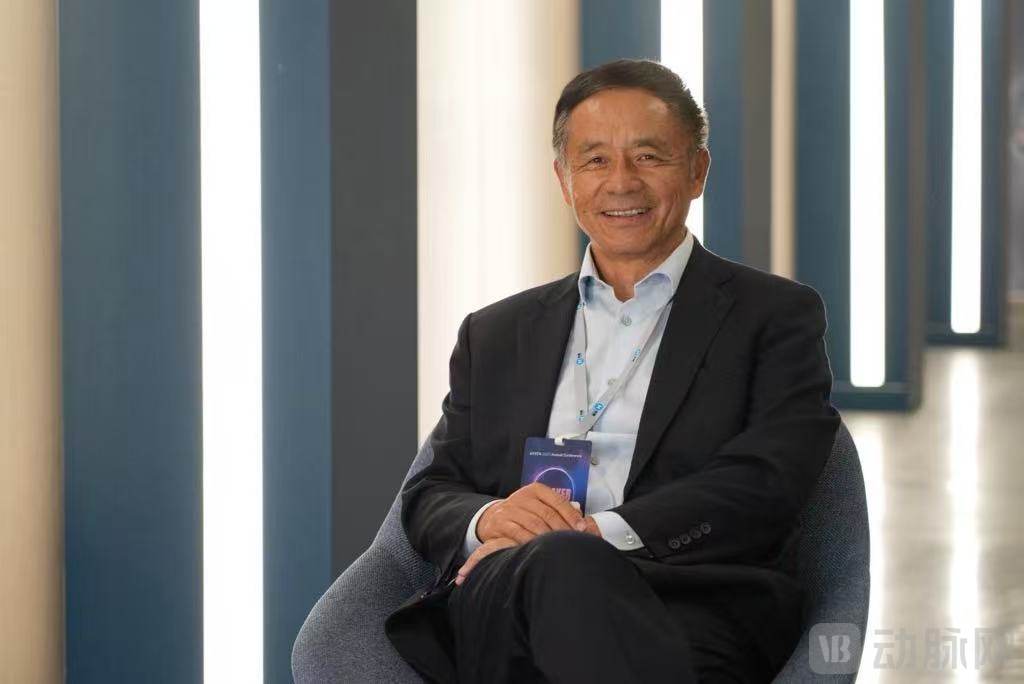 Dr. Liu Cheng is the Founder and Chief Executive Officer of Eureka Therapeutics and Estrella Immunopharma, with over 20 years of extensive experience in new drug development. Prior to founding Eureka Therapeutics, he served as the Principal Scientist for Antibody Drug Development at Chiron (now a subsidiary of Novartis). His scientific achievements include holding more than 500 global patents, publishing over 40 papers in top-tier journals such as Science and Nature, and serving as the editor-in-chief of the Guidelines for the Development of Monoclonal Antibody Biosimilars. As the inventor of several first-in-class cancer therapies, he has led the development of clinical-stage drugs targeting CSF1 (bone metastasis), BCMA/GPRC5D (multiple myeloma), CD19 (hematologic malignancies), and AFP/GPC3 (liver cancer). Dr. Liu holds a Bachelor’s degree in Cell Biology and Genetics from Peking University and a Ph.D. in Molecular and Cell Biology from the University of California, Berkeley. In 2007, he received special recognition from the U.S. Congress for his contributions to advancing human health.
1How to Understand ARTEMIS®T Cell Therapy? From “Runaway Accelerator” to “Intelligent Brakes”
VCBeat: From antibody discovery to T-cell therapies, what has your journey of exploration been like with Eureka and Estrella?
Liu Cheng:Our involvement with CAR-T therapy dates back to around 2014, stemming from a collaboration with the laboratory of Renier Brentjens at Memorial Sloan Kettering Cancer Center (MSKCC). At that time, Juno Therapeutics, founded by Renier Brentjens (and later acquired by Celgene for $9 billion in 2018), was just getting off the ground. Through this collaboration, we observed that CD19-targeted CAR-T therapy demonstrated exceptional efficacy, achieving remission rates previously unimaginable. However, it also faced a series of challenges, including cytokine release syndrome and T-cell exhaustion.
Through research and analysis, our team believes that T-cell therapy can achieve significant efficacy while substantially reducing the risk of cytokine storm. This is enabled by Eureka’s E-ALPHA platform, a fully human antibody screening technology targeting intracellular tumor antigens.®, launching the all-new ARTEMIS®Technology——The fully human antibodies selected by E-ALPHA® are “grafted” onto the scaffold of T-cell receptors, thereby leveraging the T cells’ intrinsic signaling pathways and regulatory mechanisms to activate them.
Specifically, ARTEMIS®The technology platform comprises antibody-T-cell receptors (AbTCRs) and co-stimulatory molecules. The core component, AbTCR, is derived from E-ALPHA®The platform features an antibody Fab fragment with a target-binding domain and an effector domain derived from human γ/δ TCR. The costimulatory molecules include those sourced from E-ALPHA.®The target-binding domain of the platform single-chain antibody and the costimulatory domain derived from human costimulatory receptors.
VCBeat: How to Understand ARTEMIS®Technical Pathways of T Cell Therapy?
Liu Cheng:To understand this through a simple analogy, consider internal combustion engine vehicles versus electric vehicles. Approved and marketed CAR-T therapies can be likened to internal combustion engine vehicles. They offer excellent braking efficiency, corresponding to superior clinical efficacy. However, they also emit exhaust pollutants that harm the environment, namely the widely criticized cytokine release syndrome (CRS) and neurotoxicity-related syndromes. ARTEMIS®T-cell therapy can be likened to an electric vehicle, employing a novel braking mechanism that ensures efficiency (therapeutic efficacy) while producing no exhaust emissions, thereby significantly enhancing the product’s safety profile.
Historically, CAR-T structures primarily consisted of a single-chain antibody, a co-stimulatory domain, and the CD3ζ signaling chain to induce and activate T cells for tumor killing. However, these synthetic molecules have certain limitations: they possess an “accelerator” but lack a “brake.” Once activated, the T cells cannot be switched off or halted, which can trigger various subsequent immune responses and cytokine storms, potentially even life-threatening complications.
ARTEMIS®The disruptive technology installs a “brake” on the vehicle, creating a mutual balance between the “accelerator” and the “brake,” thereby enhancing the controllability of T cell activation and ensuring the safety and stability of the product.As previously mentioned: antibodies with target-recognition capabilities are grafted onto the T-cell receptor backbone, leveraging the native T-cell receptor mechanism to achieve activation and proliferation or inhibitory regulation of T cells.
2How Does EB103 T-Cell Therapy Address Pain Points and Expand the Total Addressable Market?
VCBeat: As ARTEMIS®What Are the Differentiating Advantages of EB103, the First Hematologic Malignancy Pipeline in T-Cell Therapy?
Liu Cheng:First, we need to clarify that ARTEMIS®Superior safety and efficacy profiles within the same class have been observed across clinical trials, investigator-initiated trials (IITs), and preclinical studies. This constitutes the foundation and premise of Estrella’s confidence. Our goal is not only to match but even surpass the efficacy of currently commercialized CAR-T therapies, while simultaneously addressing the existing safety concerns associated with CAR-T treatments.
First,As a CD19-targeted T-cell therapy, EB103 can cover a broader patient population, including high-risk patients and those with high-grade genetic profiles who were not included in previously approved CAR-T products.For instance, all three CD19 CAR-T therapies approved by the FDA for lymphoma carry related warnings against their use in patients with central nervous system (CNS) involvement. This is because cytokine release syndrome occurring in CNS lymphoma poses a significant life-threatening risk. Consequently, patients with lymphoma involving the CNS, whether primary or metastatic, are ineligible for CAR-T therapy.
Furthermore, the U.S. Phase I clinical trial of EB103 (STARLIGHT-1) explicitly specifies that patients with central nervous system-involved lymphoma are eligible for treatment. In the Phase I/II clinical trial, the first patient enrolled was diagnosed withGrade 3A high-risk follicular lymphoma with Grade 3B symptoms, having experienced three relapses and proven refractory to multiple treatmentsSubsequently, the patient was enrolled in our clinical trial at the UC Davis Comprehensive Cancer Center. One month after receiving the EB103 infusion, the patient achieved a complete response, with disappearance of all target tumor lesions and no detectable symptoms or other signs of tumor, and no treatment-related serious adverse events (SAEs) were observed.
Second,Based on its excellent safety profile, EB103 has received approval for two dose groups in its formal Phase I clinical trial, including 5 million ARTEMIS®T-cell high-dose group per kilogram of body weight.The first dose cohort, consistent with other approved CAR-T clinical trials, administered ARTEMIS at 2.5 million units per kilogram of body weight.®T cells. The clinical efficacy and safety of this dose group fully met expectations, and we are about to initiate the high-dose group clinical trial to observe whether efficacy can be further improved.
Third,We aim to address the limitations of traditional CAR-T therapy, expand its applications, and enhance patient accessibility by extending its availability to community hospitals.Approximately 10% of patients receiving CAR-T therapy experience severe cytokine release syndrome; therefore, CAR-T therapy is required to be administered at central city hospitals and large medical centers equipped with emergency departments, intensive care units (ICUs), and advanced critical care capabilities. Data from the American Hospital Association indicate that among the 61,202 hospitals in the United States, only 5% are capable of delivering CAR-T therapy. With ARTEMIS®With further clinical validation of safety, the application of our T-cell therapy will expand from major metropolitan centers to satellite cities and community hospitals, significantly broadening patient access and benefiting more patients at an earlier stage.
3Safety Breakthroughs Drive Clinical Acceleration and Amplify Cost Advantages
VCBeat: From a pharmacoeconomic perspective, cost issues may play a key role in community promotion and patient outreach. How does ARTEMIS® T-cell therapy address this challenge?
Liu Cheng:In fact, the treatment cost of CAR-T is divided into two parts,Part of it is the cost of the product itselfFor instance, Novartis priced Kymriah at $475,000, while Yescarta was priced at $373,000. Labor costs constitute a portion of product pricing; the introduction of closed automated systems can effectively reduce these costs. We are also exploring the potential of ARTEMIS® technology to lower production costs and plan to implement cost-reduction measures in the future, such as the adoption of closed automated systems.
The other part is the cost of treating complications associated with CAR-T therapy, which can also be understood as the related expenses required for maintenance treatment.This portion of expenditure is often overlooked by the market.For instance, if cytokine release syndrome (CRS) occurs, a series of medications such as specific cytokine antagonists and glucocorticoids are required to alleviate clinical symptoms. The treatment protocol for CRS associated with Kymriah has extended to fifth-line therapy. The continuous administration of these drugs alone constitutes a substantial financial burden, not to mention the “exorbitant” costs of emergency room visits, intensive care unit (ICU) stays, and life-support measures.From this perspective, ARTEMIS® reduces the risk of cytokine storm and enhances safety, thereby significantly lowering the implicit costs of cell therapy.
VCBeat: What is the current status of cell therapies in terms of market education and clinician adoption?
Liu Cheng:When clinicians conduct investigator-initiated trials (IITs) or clinical trials, the first question they raise is about safety. Therefore, in our practice, upon learning that ARTEMIS® has a strong safety profile, physicians are more willing to participate in clinical studies.The safer the product, the lighter the psychological burden on doctors and patients.During the early stages of investigator-initiated trials (IITs), clinicians who were exposed to our product felt highly enthusiastic about its strong efficacy and the tangible benefits it brought to patients. On the other hand, they expressed that for each patient undergoing infusion, they remained anxious every night during the first one to two weeks—the critical observation period for cytokine release syndrome (CRS) being the first 10 days post-infusion—fearing adverse events might occur. Therefore,Safety is the primary concern in first-line clinical practice.
VCBeat: What is the clinical development plan for EB103? Why are you pursuing EB104, a dual-target T-cell therapy (CD19/CD22) with no approved products yet?
Liu Cheng:We anticipateEB103 is highly expected to complete Phase I clinical trials in the summer of 2025 and enter Phase II clinical trials within the same year,The pace of progress has already been remarkably fast. Furthermore, EB104, a dual-target product, aims to address the issue of treatment failure or relapse in some patients following single-target therapy. It is essentially a subsequent line of treatment beyond current T-cell therapies, serving as a “reserve force.” Estrella’s primary objective at present is to devote full efforts to bringing EB103 to market. The company maintains a highly open stance toward business development (BD) and subsequent commercialization, and welcomes collaboration and joint advancement in various forms.
VCBeat: How do you view the future of cell and gene therapy?
Liu Cheng:My career began with antibody therapy,Current cell therapies are akin to the initial stage of antibody drug development in its early years, with their developmental trajectories sharing certain similarities:The earliest breakthroughs in antibody-based therapies were also seen in hematologic diseases. It took a decade of development to achieve progress in treating solid tumors such as breast cancer, paving the way for their current applications in autoimmune and infectious diseases. Currently, cell therapy is in the stage of validating efficacy and expanding indications. I believe that breakthroughs in solid tumors may occur within the next two to three years, ushering in a new wave of enthusiasm across the entire sector.
In the current industry consensus, the bottlenecks facing cell therapy are its high cost and the need for personalized treatment. This indicates that the technology has yet to achieve a fundamental breakthrough, and the key market remains untapped. Once the underlying logic is validated, efficacy is proven, and safety is confirmed, costs and prices will inevitably decrease, while application scenarios and indications will surely expand. This mirrors what we witnessed in the early 21st century: the explosive growth from computing centers to personal computers, and then to mobile internet.
Returning to Eureka and Estrella, the original intention behind founding Biotech was to develop a drug or a treatment regimen, but that is not the ultimate goal.From R&D, product development, and clinical trials to subsequent commercialization partnerships, business development (BD), and exploration of combination therapies, every step brings us closer to our ultimate goal of “curing cancer.” The goal remains unchanged, the pathways are diverse, and what matters most is to keep moving forward.
4How Do Estrella’s U.S. Clinical Trial Performance and Chinese IIT Data Provide Support?
VCBeat: How has EB103 performed in U.S. clinical trials and in China-based investigator-initiated trials (IITs)? Is there a possibility of Fast Track designation or priority review in the subsequent FDA approval process?
EB103 China IIT Data:
Data published in the 2022 issue of the Journal of Cancer Research and Clinical Oncology show that,Among the 12 patients who received treatment, 6 (50%) achieved a complete response (CR), and 4 (33%) achieved a partial response (PR), resulting in an overall objective response rate (ORR) of 83%.CRs were durable, with two cases lasting 22.7 and 23.2 months, respectively. EB103 demonstrated favorable tolerability and safety; no patients experienced severe (≥Grade 3) cytokine release syndrome (CRS), and only one patient experienced immune effector cell-associated neurotoxicity syndrome (ICANS). Even in patients with marked T-cell expansion following ET019003 (i.e., EB103) treatment, no significant elevation in cytokine levels was observed.
Data from another investigator-initiated trial (IIT) published in the Journal of Hematology & Oncology showed that eight patients with relapsed or refractory DLBCL received treatment in the first-in-human study.The results showed that, compared with CAR-T cells targeting human CD19 with the antibody ET190L1, ET190L1-AbTCR-T cells (i.e., EB103) produced fewer cytokines while retaining comparable antitumor efficacy.Regarding safety, post-infusion serum cytokine elevations were moderate. Grade 1 CRS was observed in 3 patients (37.5%), and grade 3 ICANS was identified in 1 patient (12.5%).After a median follow-up of 34 months, 7 patients (87.5%) achieved clinical remission, and 6 patients (75%) achieved complete remission (CR).EB103 demonstrated significant in vivo expansion and persisted in 50% of patients at 12 months,The 3-year OS, PFS, and DOR were 75.0%, 62.5%, and 71.4%, respectively.Notably, one patient with primary central nervous system lymphoma experienced neither CRS nor ICANS, maintained a complete response (CR) for over three years post-infusion, and had EB103 T cells detectable in the cerebrospinal fluid.
Liu Cheng:To date, EB103 has demonstrated excellent clinical performance in the United States,100% Response Rate in Patients Undergoing Phase I Treatment, demonstrating efficacy in all treated patients. Furthermore, the safety profile fully corroborates the results of the earlier Chinese investigator-initiated trial (IIT), confirming low toxicity, high safety, and durable efficacy.
I would particularly like to emphasize,China’s investigator-initiated trials (IITs) and their results significantly facilitated the FDA’s review of EB103. On one hand, ARTEMIS®T-cell therapy has truly made its way into clinical practice, moving beyond mere academic or laboratory possibilities. Thanks to human clinical data from 20 cases in China, our Investigational New Drug (IND) application to the FDA proceeded very smoothly, achieving what can be described as “super-accelerated” approval, with the IND clearance granted in less than 30 days.
On the other hand, an unexpected delight is that,Comprehensive human clinical data significantly reduced the FDA’s required sample size for the EB103 Phase I clinical trial, while also facilitating the subsequent approval of the high-dose cohort in the EB103 Phase I clinical trial.This is a rare occurrence in the clinical development of cell therapies, which are subject to boxed warnings and stringent regulatory oversight.
About Eureka Therapeutics, Inc.
In 2006, Eureka was founded in the San Francisco Bay Area of the United States. Its core technologies revolve around its proprietary ARTEMIS® cell receptor platform and the E-ALPHA® fully human antibody screening technology platform. The company is dedicated to developing innovative T-cell immunotherapies for the treatment of various solid tumors and has established multiple product pipelines based on its proprietary technology platforms. Among these, two candidates in its solid tumor pipeline have entered Phase I/II clinical trials in the United States.
Since its inception, Eureka has successively completed $21 million in Series C, $60 million in Series D, and $45 million in Series E financing rounds, leveraging its technology platform and clinical development.
About Estrella Immunopharma, Inc.
In 2022, Estrella was established as a holding subsidiary of Eureka, focusing on the development of ARTEMIS® T-cell therapies for hematologic malignancies. Its core pipeline includes EB103, which targets CD19, and EB104, which simultaneously targets CD19 and CD22. In September 2023, Estrella went public on the NASDAQ.
In July 2024, Estrella announced that the first patient had been dosed in the Phase I/II clinical trial (STARLIGHT-1) of its lead candidate, EB103, for relapsed/refractory B-cell non-Hodgkin lymphoma (NHL), at the UC Davis Comprehensive Cancer Center. In September of the same year, this patient achieved complete response (CR) one month after infusion. In 2025, the company further announced that the STARLIGHT-1 trial had completed dosing in the initial dose cohort and received approval to initiate higher dose cohorts.