

Panda Toothbrush: A Micro-Revolution in Smart Oral Care
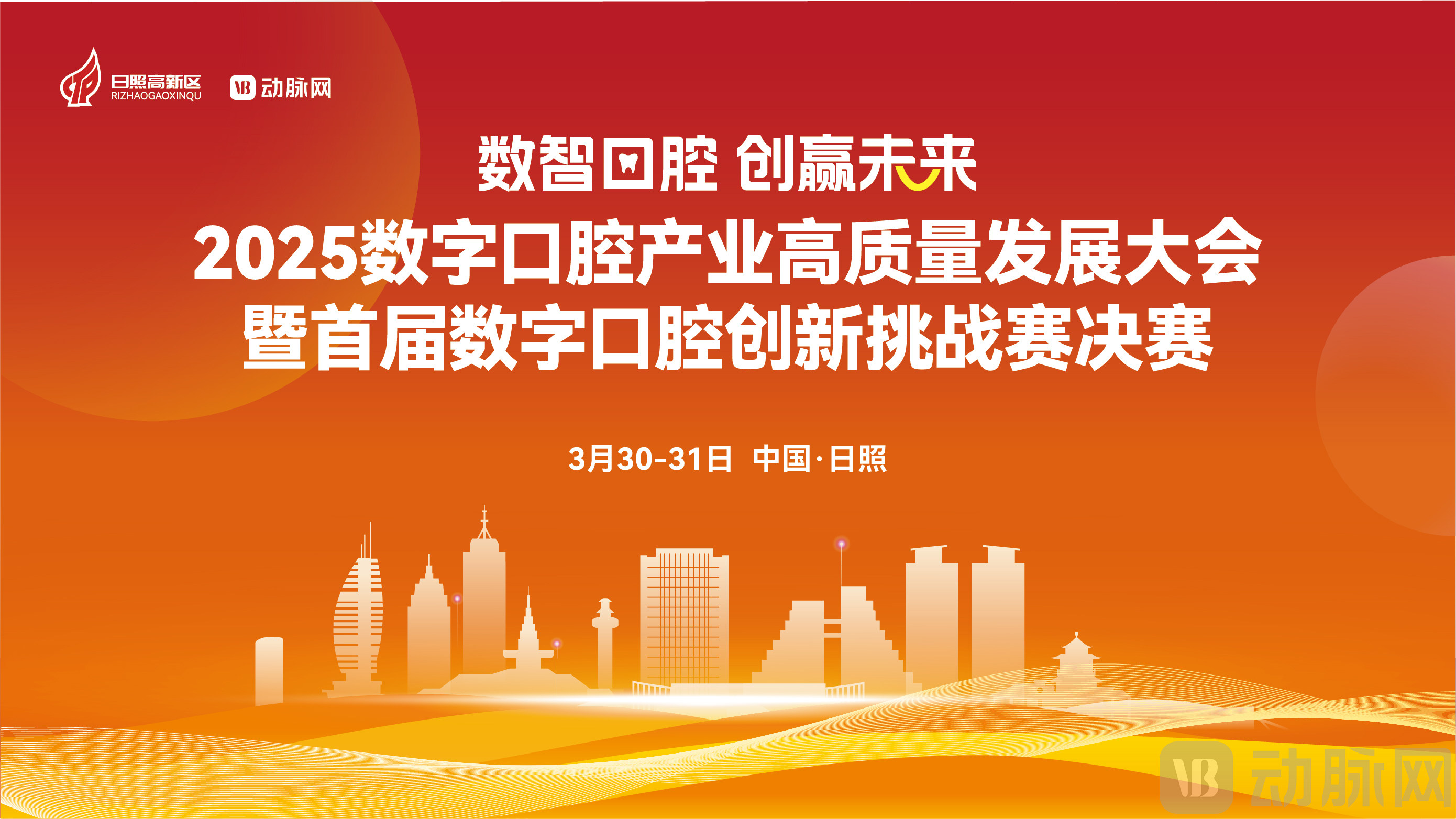
As the first benchmark competition in the Asia-Pacific region dedicated to digital dental innovation,The First Digital Dentistry Innovation ChallengeBringing together cutting-edge innovative forces from the industry. Under the guidance of the Rizhao Municipal Committee of the Communist Party of China and the Rizhao Municipal People’s Government, and with meticulous planning by the Administration Committee of Rizhao High-Tech Industrial Development Zone, the competition has invited authoritative experts—including academicians of the Chinese Academy of Sciences and the Chinese Academy of Engineering, leading universities, top-tier Grade A tertiary hospitals, and prominent investment institutions—to form a professional judging panel, garnering extensive attention from all sectors of the industry.
After rigorous screening and stringent evaluation, 26 high-potential, innovative projects have emerged as finalists. These selected projects not only highlight the vitality and promising prospects of the digital dentistry industry but also represent the cutting-edge innovation strategies within China’s digital dentistry sector. In the coming days, we will sequentially showcase these outstanding entrepreneurial ventures and innovative teams, helping you stay attuned to the pulse of industry innovation.
Text | Haodeya
Current Project: Panda Brushing
*The following content is excerpted from the project pitch materials
Panda Brushing (Beijing Yidedao Technology Co., Ltd.), a national-level high-tech enterprise headquartered in Beijing, is deeply committed to the field of oral health, striving to revolutionize oral healthcare service systems through artificial intelligence. Leveraging its innovative technological capabilities and high-quality services, the company has successfully completed two rounds of financing. Its service network currently covers 1,700 dental medical institutions, with a cumulative user base exceeding 200,000. As the world’s first AI-driven oral health platform capable of providing early warnings for oral diseases based on brushing data, Panda Brushing is exploring new dimensions in oral health management through technological innovation.
Through in-depth industry research, Panda Brushing has identified three critical pain points currently existing in the market. First, personal oral care habits urgently need improvement. Data from the World Health Organization shows that 90% of people fail to master scientific brushing techniques. Further surveys conducted by large public hospitals in China reveal that only 10% of individuals achieve the recommended brushing duration, while as many as 70% engage in improper brushing practices. Second, the early screening system for oral diseases remains underdeveloped. Currently, the early screening rate for adult dental caries and periodontitis is below 30%. Moreover, traditional screening methods are prohibitively expensive, making them difficult to widely implement in primary healthcare institutions. Third, there is a gap in market supply. On the prevention side, there is a lack of precise, quantifiable at-home oral care tools. On the diagnosis and treatment side, AI-assisted diagnostic capabilities in primary healthcare institutions are limited, and a severe shortage of professional talent significantly constrains improvements in diagnostic efficiency.
To address key pain points, Panda Brush has developed an innovative "AI Dual-Core Hardware Matrix" solution, primarily consisting of two core devices: first, a smart toothbrush equipped with high-precision 6-axis sensors and an intelligent pressure feedback system, which can track users' brushing movements in real time and provide precise force monitoring and guidance; second, a professional mouth-mirror toothbrush integrated with a miniature endoscopic camera and advanced AI-based plaque recognition technology, currently capable of accurately identifying nine common oral diseases, with the early caries recognition model achieving an accuracy rate of 92.3%.
To support this hardware ecosystem, the company has also established a comprehensive data integration platform architecture. By systematically collecting and analyzing users’ brushing habits and oral health data, it has constructed a comprehensive digital profile of brushing behaviors and a risk prediction model, providing a solid data foundation for AI-driven intelligent analysis.
The superior performance of the Panda Brushing smart hardware ecosystem stems from innovative breakthroughs in its hardware engineering and algorithmic architecture. On the hardware front, the company has reduced costs by 40% compared to traditional PCBs through flexible circuit board design, significantly enhancing the product’s price-to-performance ratio and lowering the barrier to entry for users. Furthermore, clinical validation has demonstrated that the pressure alert feature effectively reduces gingival bleeding during brushing by 87%. The oral dual-mode imaging technology, integrated with a miniature endoscope, not only identifies early signs of tooth cracks but also provides real-time visualization of the oral cavity, thereby directly observable outcomes that effectively improve user adherence.
At the algorithmic level, the company has partnered with Tsinghua University’s AI team to develop a multimodal learning framework that offers greater cost advantages than Microsoft’s solution. Integrated with its proprietary lightweight neural network, this framework enables real-time fusion of toothbrushing data and oral imaging, thereby enhancing algorithmic efficiency while reducing hardware requirements.
Panda Brushing advocates a comprehensive oral care philosophy. Its “Xiu Ke Hu” series of oral care products provides full coverage in the fields of dental prevention and care. Furthermore, data from Panda Brushing highlights the tangible effectiveness of its initiatives: over a six-month usage period, users experienced a 69% improvement in plaque control rates, leading to significant enhancements in oral health. In pilot preventive intervention projects conducted in kindergartens, the incidence of dental caries among children was successfully reduced by 41%, validating the substantial value of preventive oral care. Additionally, by leveraging remote monitoring technology, orthodontic patients can appropriately reduce the frequency of follow-up visits during stable phases, thereby effectively optimizing the medical experience and reducing treatment costs.
Notably, the company’s three-tier monetization system—“nursing product sales – data value closed loop – personalized dental customization services”—has outlined a clear future roadmap for its market expansion through business model innovation. In addition to the “Xiukehu” product series, the company has launched a flagship product line targeting the high-end market to precisely meet premium users’ demand for high-quality oral care. Meanwhile, by tailoring solutions for professional clinics, it has achieved a high repurchase rate of 78% among orthodontic patients. The company has also partnered with insurance institutions such as Ping An, HSBC, and Cigna & CMB to develop innovative oral health insurance products and build a data value ecosystem. Furthermore, leveraging the SaaS model of its AI-assisted diagnostic system, the company shares revenue with partner clinics, effectively boosting their adoption and engagement.
Through continuous technological innovation and business model optimization, Panda Brushing is gradually building a comprehensive oral health ecosystem that encompasses prevention and care, diagnosis and treatment, and insurance. Its digitally enabled oral health ecosystem transforms daily toothbrushing into quantifiable and analyzable preventive medical data. This technological approach not only rebalances information asymmetry between patients and providers but also challenges the traditional healthcare paradigm of “post-onset intervention.”
The profound implication reflected in this value loop is that when AI computing power and clinical expertise achieve resonance on a data integration platform, the service capabilities of primary healthcare institutions may experience exponential growth. How, then, will the continuous feedback of user behavior data further catalyze the precision of oral health management? Perhaps this is precisely the second growth curve that digital-intelligent healthcare is opening up for human oral health management.
2025 Conference on High-Quality Development of the Digital Dentistry Industry & Finals of the 1st Digital Dentistry Innovation Challenge
Fruitful Outcomes from Innovative Competitions
The 25 finalist projects cover the entire workflow of dental diagnosis and treatment, including innovations in both hardware and software such as periodontal equipment, 3D printing materials, and orthodontic visualization systems, showcasing future trends in the industry.
Nearly 30 industry leaders, including Happy Dentistry, Taikang Bybo, and Shandong Mayer Medical, participated in the event. The discussion focused on the deep integration of technologies such as artificial intelligence, 3D printing, and big data with dental diagnosis and treatment, exploring pathways for the transformation and upgrading toward precise, intelligent, and personalized healthcare.
“Asia-Pacific Digital Dental Innovation Hub” Planning Release, Sci-Tech Project Signing, and Innovation Alliance Establishment Ceremony: Promoting the Synergistic Development of the Industrial Chain, Innovation Chain, and Talent Chain.

March 30–31, Rizhao, China
Scan the QR Code to Register