

INREEDI Leverages Low-Temperature Radiofrequency Technology to Redefine Comfort in Aesthetic Medicine and Capture the $10B Device Upgrade Market

INREEDI
Researcher of Low-Temperature Radiofrequency Technology
China’s Medical Aesthetics Device Industry Stands at a Crossroads of Transformation.
Since the National Medical Products Administration (NMPA) fully incorporated energy-based devices, such as those utilizing radiofrequency and ultrasound, into the Class III medical device regulatory framework in 2023, the industry has undergone a “compliance storm.” The policy not only requires device manufacturers to submit comprehensive clinical effectiveness data but also imposes stringent standards on energy density and safety indicators.
According to statistics from the National Medical Products Administration’s Center for Medical Device Evaluation, the rejection rate for medical aesthetics device registration applications reached 72% in 2023, with most companies barred due to “insufficient clinical evidence” or “non-compliant technical parameters.” This industry reshuffling has directly accelerated the exit of small and medium-sized manufacturers, while companies with a strong background in serious medical technology are seizing a strategic window of opportunity.
The evolution of market demand has further intensified industry differentiation. Research by Frost & Sullivan shows that the market size of China’s photoelectric medical aesthetics approached RMB 10 billion in 2023, yet consumer tolerance for traditional devices continues to decline—approximately 40% of users have forgone repeat purchases due to high-pain procedures such as Thermage, turning instead to “painless anti-aging” solutions. On social media, topics related to “comfortable beauty enhancement” have garnered over 5 billion views, reflecting a shift in consumer mindset from “efficacy first” to “experience first.”
Meanwhile, the monopoly held by imported equipment is showing cracks. Although import-dominated brands represented by Thermage occupy more than 60% of the market share, the price per device ranges from RMB 900,000 to 1.5 million. When combined with the cost of disposable consumables (accounting for 60% of total treatment expenses), this places small and medium-sized medical aesthetic institutions in a dilemma of being unable to afford or operate such equipment.
Against this backdrop, the rationale for domestic substitution has gradually become clear. However, early market entrants largely focused on the low-end segment, resulting in severe product homogenization and frequent complications such as thermal injuries due to insufficient energy control precision, as well as short-lived therapeutic effects. The industry urgently needs a cohort of “technology-driven” enterprises to break the stalemate—companies capable of both meeting regulatory compliance pressures and addressing market upgrading demands through innovative solutions. This presents an opportunity forINREEDI (Shanghai) Medical Technology Co., Ltd. (hereinafter referred to as “INREEDI”) Such teams, which combine a strong foundation in serious healthcare with consumer insights, offer strategic positioning opportunities.
As the medical aesthetics device industry transitions from “wild growth” to “technology-driven refinement,” INREEDI has established a full-chain pathway of “clinical validation–production implementation–ecosystem co-creation” through breakthroughs in low-temperature radiofrequency technology. This approach not only addresses the industry’s long-standing challenges of “high pain levels and low repurchase rates,” but also bridges a critical technological gap amid the wave of domestic substitution.
The core challenge of radiofrequency technology lies in balancing energy penetration depth with epidermal safety.Based on years of market demand research, INREEDI has pioneered the development of safe, comfortable, and effective radiofrequency treatment solutions tailored to market needs,Achieves simultaneous and uniform heating of both superficial and deep layers via 4 MHz monopolar radiofrequency, and, in conjunction with a proprietary software-defined optimal waveform system, compresses the peak power to below 80 W. This replaces the “high-pressure water jet” approach used in traditional radiofrequency”Change to "Smart Drip Irrigation"”. In addition to achieving the therapeutic temperature more safely and effectively, it significantly reduces the treatment risk for operators.
The company's technical director revealed,This protocol has demonstrated significant efficacy in clinical trials at Shanghai Ninth People’s Hospital: the dermal temperature is stably maintained within the optimal range for collagen regeneration (60–63°C), while the epidermal temperature is strictly controlled at 38–40°C. Intraoperative pain scores were reduced to zero, and treatment duration can be customized according to individual patient needs, ensuring a comfortable, pain-free experience with no downtime and immediately visible results. While achieving excellent therapeutic outcomes, the procedure does not cause subcutaneous nodules, offering significantly superior safety compared to immediate and long-term treatments such as focused ultrasound.
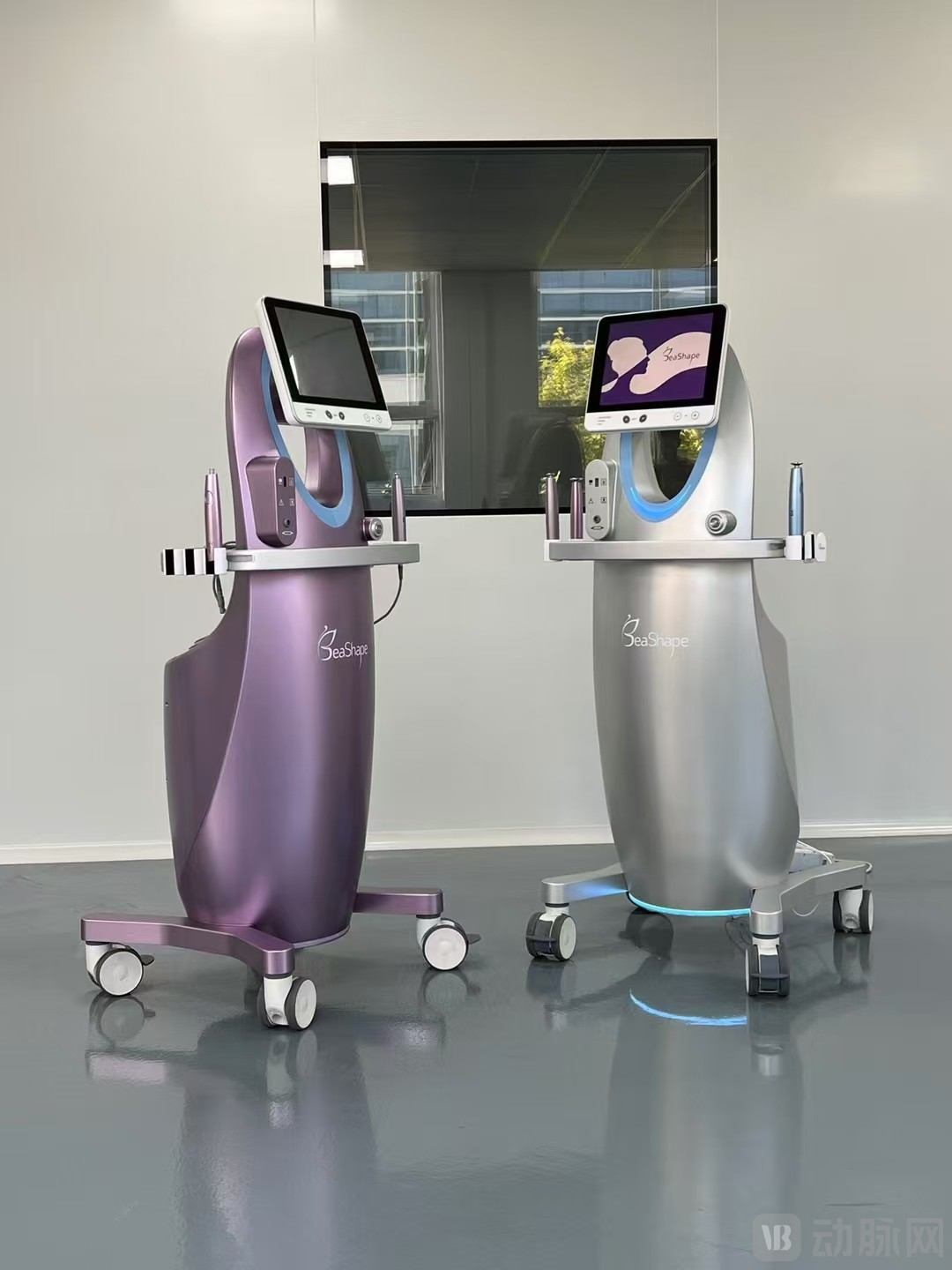
Technical advantages must be translated into commercial momentum, and INREEDI has chosen a path of collaborative synergy among medical institutions, research entities, and enterprises. In response to the National Medical Products Administration’s 2023 new regulations for Class III medical device certification, the company took the lead in establishing a pre-market clinical application research platform jointly with Shanghai Ninth People’s Hospital and Zaozhuang Hospital, accumulating clinical data focused on specific indications such as facial fine lines and wrinkles, jawline contouring, and skin tightening and lifting.
For example, in the clinical trial conducted at Shanghai Ninth People’s Hospital titled “Using 4MHz Radiofrequency to Diminish Wrinkles and Promote Collagen Regeneration,” the improvement rate for crow’s feet reached 82% after three treatment sessions, with effects lasting 6–8 months. These data directly supported its Class III medical device certification application and provided robust scientific validation for its innovative painless, non-invasive anti-aging technology.
In terms of sales strategy, INREEDI adopts a “premium positioning with aggressive pricing” tactic. The institutional version of its equipment is priced at RMB 450,000 per unit (half the price of imported devices). To lower the procurement threshold for medical institutions, the company will rapidly enter the market through third-party leasing partnerships or bulk consumable procurement models. Long-term revenue will be enhanced through repeat consumable purchases and diversified treatment protocols (with an average transaction value of RMB 12,000–18,000). Calculations indicate that the annual return on investment (ROI) per device for medical institutions can reach 200%, significantly higher than the 80% ROI for imported equipment.
Furthermore, in anticipation of the new regulations for non-invasive aesthetic devices potentially implemented in 2026, the company has proactively developed low-power probes. By enabling different power modes through the same host unit, this approach not only meets the “compliance requirements” of aesthetic institutions but also avoids redundant R&D costs. Meanwhile, the company has simultaneously launched its gynecology projects to strategically position itself in emerging markets for future growth.
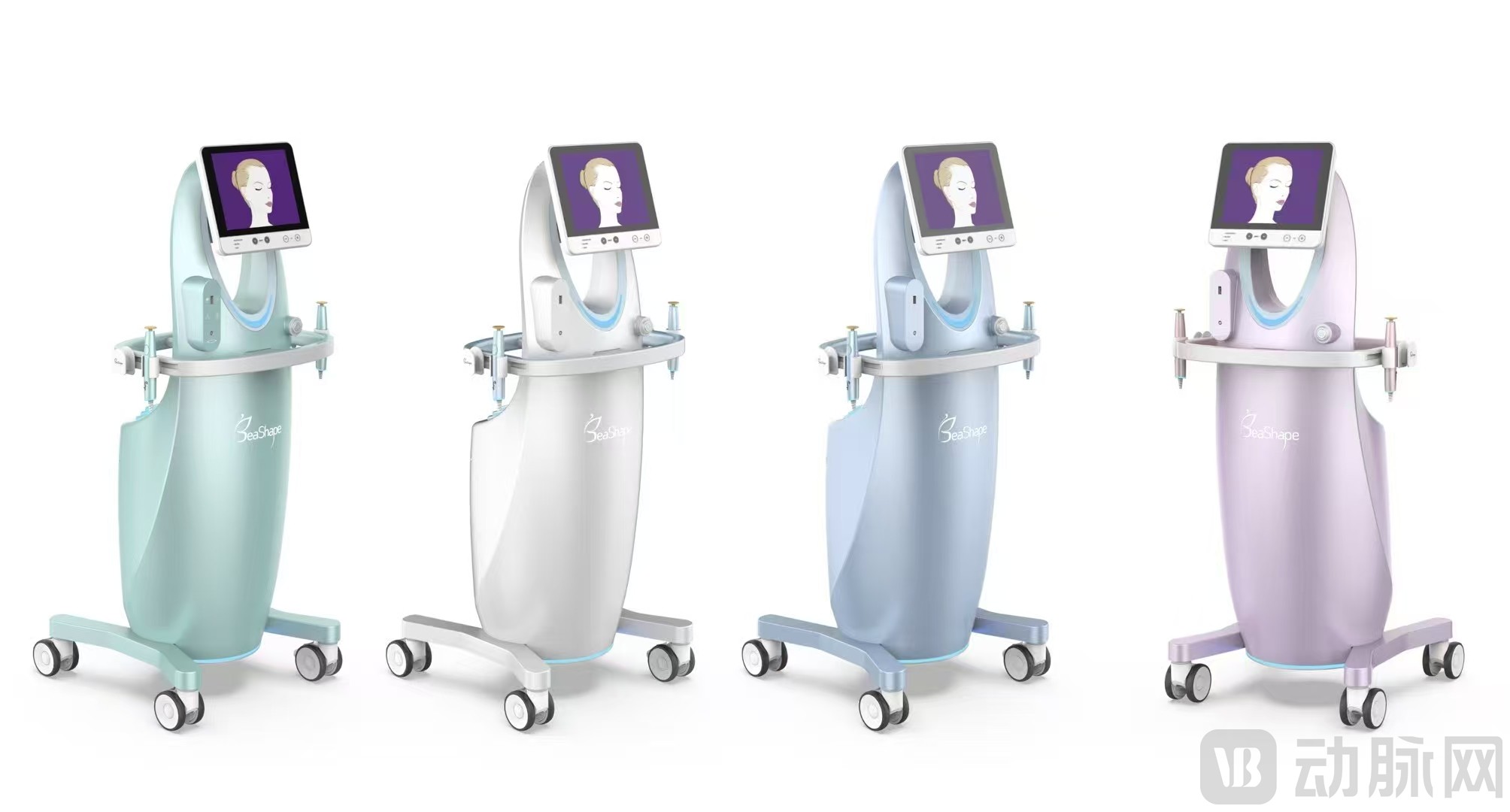
Deep technological breakthroughs require resonance across the industrial chain. INREEDI’s parent company, Bedinone, has previously provided full-lifecycle CRO services for medical devices to international giants such as United Imaging Healthcare, Elekta, Accuray (AB), ZAP Surgical Systems, and Carl Zeiss Meditec. This background endows it with unique industrial synergy capabilities:
Production Side:The GMP-certified facility in Zaozhuang, Shandong, adheres to EU medical device manufacturing standards, implementing stringent quality controls over upstream supplier products and production processes. All products undergo rigorous inspection and testing prior to release, resulting in a 50% improvement in product stability compared to the industry average.
Channel Side:Collaborated with leading domestic medical aesthetics physician training platforms to embed standardized equipment operation procedures into the physician certification system, reducing institutional training cycles to 3 days (compared to the industry average of 2 weeks);
Innovation Side:Launched a study on the "Radiofrequency+" combination therapy in collaboration with Shanghai Ninth People's Hospital, exploring synergistic effects with procedures such as injectable fillers and thread lifts. This initiative has incubated a composite anti-aging regimen combining radiofrequency with direct collagen supplementation, raising the average transaction value to RMB 25,000.
This “technology-clinical-commercial” closed-loop model is rewriting the industry’s rules of the game. As one industry observer noted, “In the past decade, competition in medical aesthetic devices hinged on marketing narratives; in the next decade, victory will go to those who can translate surgical-grade precision into consumer-grade experiences.” INREEDI’s practice demonstrates that domestically produced equipment has ample opportunity to reshape the market landscape through technological innovation—not only substituting imported products but also creating new demand scenarios.
INREEDI’s growth trajectory reflects the underlying logic of the medical aesthetics device market:
1. Clinical Value First:Data from the National Medical Products Administration’s Center for Medical Device Evaluation shows that in 2023, 72% of registration applications for medical aesthetic devices were rejected due to “insufficient evidence of efficacy.” INREEDI has built a data moat through animal studies conducted at Shanghai Ninth People’s Hospital (demonstrating enhanced skin flap thickening and promoted hair follicle regeneration) and human clinical trials (achieving a 100% pain-free rate).
2. Industrial Chain Collaboration:Its parent company, Bedinoen, has previously provided CRO services to United Imaging Healthcare, Elekta, ZAP Surgical Systems (U.S.), AB (U.S.), and Carl Zeiss (Germany), transferring rigorous quality control standards from clinical medicine—such as a tissue carbonization rate of ≤0.1%—to the medical aesthetics sector, thereby enhancing product stability.
Despite ongoing industry challenges—such as an R&D failure rate exceeding 60% and profit margins squeezed by channel rebates—INREEDI has disclosed that it has initiated its Series A financing round, with plans to expand its production base in East China within the year. If its Class III medical device certification is obtained as scheduled, this could mark a pivotal turning point for high-end domestic medical aesthetic devices, shifting from “following” to “leading.”
From “Compliance Reshuffling” to “Technological Race”: The Chinese Medical Aesthetics Device Industry Is Undergoing a Value Reassessment. The case of INREEDI demonstrates that only by deeply integrating the technical depth of serious medicine with the user insights of consumer healthcare can companies gain a first-mover advantage in this upgrade battle. In the future, as the space for regulatory arbitrage disappears, enterprises focused on “hard innovation” centered on clinical efficacy may lead the next decade-long cycle.
INREEDI is currently raising funds, with Probe Capital serving as the exclusive financial advisor.