

Bio-LLMs Accelerate Emergence: A Comprehensive Overview of the Present and Future, Challenges and Hotspots in AI for Life Science

Pharmolix
Biomedical Basic Large Model Developer
Undoubtedly, 2025 will become the year of the AI agent explosion: OpenAI previously released the "Practices for Governing Agentic AI Systems" white paper, pushing the large model trend towards AI agents. IEEE experts stated at CES 2025 that the next step in artificial intelligence may be AI agents capable of formulating plans and putting them into action, and agentic AI will also have a significant impact on fields such as healthcare, manufacturing, marketing, and cybersecurity. Gartner has even listed AI agents as the top among the Top 10 Strategic Technology Trends for 2025.
AI in healthcare has never been as vibrant as it is today. Over the past month, stocks of Chinese AI healthcare companies have risen collectively, while across the Pacific, U.S. medical AI firms—led by Tempus AI, a pioneer in AI-driven precision medicine—have also experienced a surge. Riding this wave, Pharmolix, a forefront innovator in large language models, generative AI, and life sciences research, has taken the lead in advancing research on intelligent agents for biopharmaceutical applications.
On March 7, the “1st AI for Life Science Agent Innovation Summit & Pharmolix Spring Strategy and Product Launch,” hosted by Pharmolix, co-organized by Tongxieyi, and supported by the Shanghai Municipal Science and Technology Commission, the Yangpu District Science and Technology and Economic Committee, and TusStar (Shanghai), was successfully held in Shanghai. Nearly 200 experts, scholars, entrepreneurs, industry leaders, and investors from the biopharmaceutical and artificial intelligence sectors convened at the summit to discuss ecosystem collaboration in the era of large language models.
At the 2025 AI for Life Science Agent Innovation Summit, Pharmolix signed strategic cooperation agreements with GenSci Pharmaceutical, Asymchem (Clinical) Kainuo, Shengran Wei’an, Tianjin Drug Clinical Research Technology Innovation Center, Xuzhenda Bio, and DingTalk (China), among others, to jointly explore and accelerate breakthrough innovations of AI in the life and health sectors. Additionally, Pharmolix established the “AI Biopharmaceutical Source Innovation Consortium” through strategic partnerships with Leading Pharma, Infinitus Pharma, Jiahua Yaorui, and YaoDu Wisdom. This consortium is dedicated to integrating artificial intelligence into the most challenging early stages of drug development, facilitating the identification of optimal targets and molecules to accelerate new drug discovery. Meanwhile, Pharmolix announced the formation of the “AI Traditional Chinese Medicine (TCM) and General Health Consortium” in strategic collaboration with BioBo Jingfang, Meinian Onehealth, Shenglong Technology, and the US Health Industry Group. Centered on large AI models, this consortium will integrate gene-proteomics screening, intelligent analysis of TCM syndromes, and cross-border health data linkage to create a closed-loop ecosystem encompassing “early screening and warning, targeted intervention, smart diagnosis and treatment, and whole-course disease management,” thereby forging a new paradigm for precision health by combining cutting-edge algorithms with millennia of medical wisdom.
The following are excerpts from the “2025 AI for Life Science Summit” (organized by speaking order):
A New Paradigm of Human-Machine Collaboration,
Scientists will fully leverage human creativity, experience, and intuition.
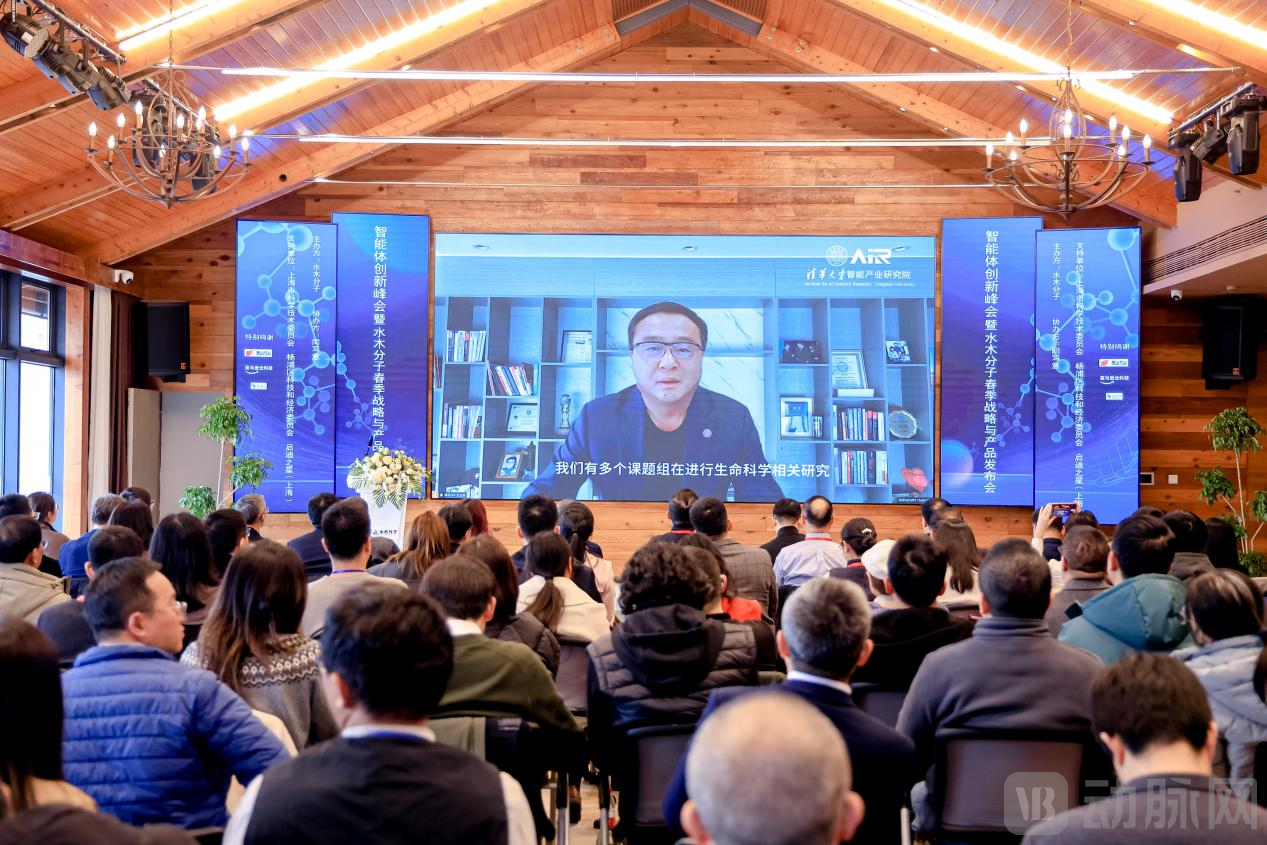
Zhang Yaqin,
Academician of the Chinese Academy of Engineering, Chair Professor at Tsinghua University, and Dean of the Institute for AI Industry Research (AIR) at Tsinghua University
In his address, Academician Zhang Yaqin stated, “AI-accelerated scientific discovery has become a frontier in international research, injecting powerful momentum into efforts to address global challenges. Whether it is the life-threatening risks posed by disease epidemics, the severe trials brought about by climate change, or the myriad difficulties facing sustainable development, artificial intelligence holds promise for delivering innovative solutions, thereby generating substantial social and economic benefits. Life sciences are crucial as they underpin humanity’s understanding of itself.”
Today, large language models and generative AI technologies are ushering scientific research into a new paradigm of human-machine collaboration. The emergence and widespread application of life science agents will fundamentally transform the process of scientific discovery and significantly enhance research efficiency.Academician Zhang Yaqin emphasized, “Under this new paradigm, scientists will focus more on formulating high-quality questions and task descriptions, fully leveraging human creativity, experience, and intuition. Meanwhile, AI agents will become scientists’ most capable assistants by conducting high-throughput literature reviews, analyzing massive experimental datasets, iterating algorithms, and executing tasks. This deep human-machine collaboration will propel scientific research into a new era.”
The OpenBioMed open-source platform for life science AI agents, jointly launched by AIR and Pharmolix, represents a significant advancement in the field of life sciences. With an intuitive drag-and-drop interface, researchers can easily access cutting-edge AI algorithms and tools to rapidly build customized research agents. This innovation not only substantially lowers the barrier to adopting AI technologies but, more importantly, establishes an efficient collaborative bridge between biologists and computer scientists.
Finally, Academician Zhang Yaqin concluded, “I believe that the deep integration of research AI agents and scientists will become a key engine driving innovative development in life sciences, providing robust technical support for unraveling the mysteries of life and overcoming medical challenges.”
Biological Large Models Enter a Period of Accelerated Emergence,
Agent Knowledge Graphs Lead a New Paradigm in Life Sciences R&D
 Dr. Zaiqing Nie
Professor Guoqiang, Tsinghua University; Chief Researcher, Institute for AI Industry Research (AIR), Tsinghua University; Chief Scientist, Pharmolix
Currently, the technological advancements in large language models and AI agents represent the most revolutionary phase of the digital wave to date, with various industries being rapidly reshaped by these technologies.
Dr. Nie Zaiqing predicted, “In the next two to three years, biological language models will exhibit large-scale emergent intelligence, akin to natural language models. In the future, a significant number of new drug development projects will be completed through AI-expert collaboration.”Why is such a forecast made? Because 2025 is regarded as the breakout year for AI agents. Our large language model (LLM) technology has reached a mature stage. LLMs can now simulate human cognitive processes, and in certain areas, they have even matched or surpassed the performance of professionals. For instance, the accuracy and precision of AlphaFold3’s dry-lab results are nearly comparable to those of wet-lab experiments conducted by human experts. However, current general-purpose LLMs still lack sufficient understanding of biological modal data, and biological experts may not possess an AI background, creating certain barriers to adopting related AI tools. How can we break down interdisciplinary barriers and achieve multi-task, multi-domain collaboration? This requires specialized tools and talent to provide support.
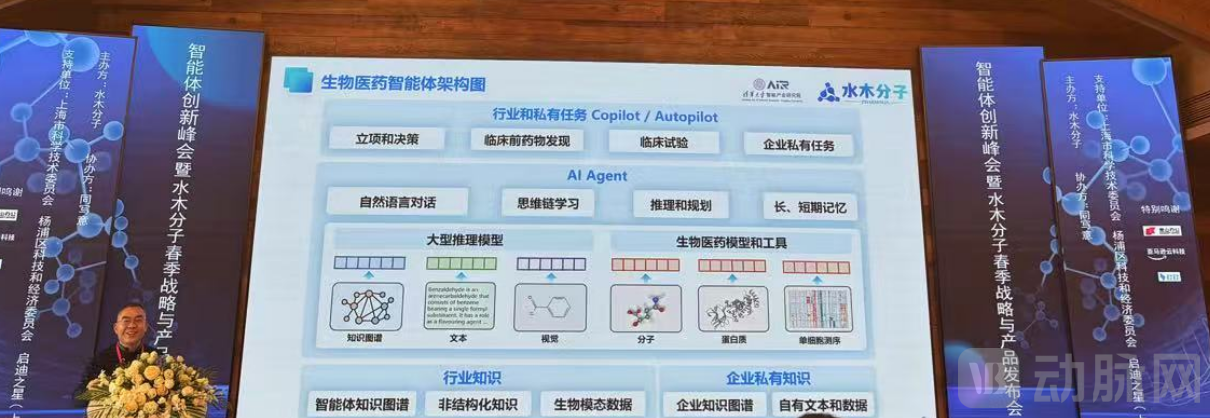
Dr. Nie Zaiqing introduced, “Addressing this critical pain point, Pharmolix has launched an open-source platform for biomedical AI agents. This architecture and platform are structured into three layers: the foundational knowledge layer, which encompasses industry-wide knowledge and enterprise-specific proprietary knowledge; the middle layer, which serves as the AI agent engine, integrating large reasoning models, biomedical models, and tools; and the top layer, which consists of industry-specific and proprietary task-oriented agents, designed to facilitate new drug project initiation and decision-making, preclinical drug discovery, clinical trials, and other enterprise-specific tasks.”
At the knowledge infrastructure layer, Pharmolix pioneered the concept of Agent Knowledge Graphs and introduced Snowball-style Knowledge Mining Agents, providing AI agents with high-quality industry-specific knowledge.Building on a foundation of high-quality professional and enterprise knowledge, Pharmolix has updated and launched the ChatDD series of intelligent systems for drug R&D, along with inference large models such as the PharMolixFM all-atom foundational large model. In collaboration with Tsinghua University’s Institute for AI Industry Research (AIR), Pharmolix has also introduced BioMedGPT-R1, an open-source multimodal biomedical inference large model, and OpenBioMed, an open-source platform for life science and drug R&D agents. Leveraging these platforms, agents equipped with “reasoning brains” can engage in chain-of-thought learning, intelligently invoke biomedical models, tools, algorithms, and APIs, gradually develop “long- and short-term” memory within biomedical scenarios, and interact with users through natural language, thereby providing intelligent support for various drug research and development tasks.
Dr. Nie Zaiqing described that the primary approach to new drug development in the biopharmaceutical industry was previously “old masters” (experts) conducting experiments, belonging to the TMDD stage (Traditional Molecular Drug Design), where experts’ empirical intuition was crucial. It later evolved into CADD (Computer-Aided Drug Design), in which “old masters” still played a dominant role. In the AIDD (AI-Driven Drug Discovery) stage, although some AIDD companies claim that innovative drugs can be independently developed by AI, this is extremely challenging, and it remains difficult to effectively integrate wet-lab and dry-lab data. The optimal approach for new drug development is close interaction and integration between expert “old masters” and AI.
Dr. Nie Zaiqing explained, “Pharmolix aims to integrate the experience and intuition of experts with the current understanding of biology by large models: on one hand, conveying expert experience and intuition to the large model through dialogue to assist its reasoning; on the other hand, explaining the design outcomes generated by the large model to experts in natural language. This approach not only enables ‘seasoned experts’ to better comprehend biological data but also enhances the interpretability of both the biological data and the algorithmic recommendations provided by the large model. The effective integration of human expertise and large models can address the current limitation that biological modalities have not yet fully achieved emergent intelligence.”
Regarding the Agent Knowledge Graph, Ms. Hu Qinshu, Product Lead at Pharmolix, added, “The Agent Knowledge Graph is built on a foundation of massive authoritative data, sourced from over a thousand high-quality experts screened for data reliability. As of the end of February, the platform had collected tens of millions of authoritative entities critical to project research and development, including drugs, targets, diseases, and companies; established hundreds of millions of relationships, such as drug-target interactions, drug-disease indications, and target-disease associations; and linked hundreds of millions of high-quality text indices, including relevant excerpts from authoritative papers and conference proceedings.”
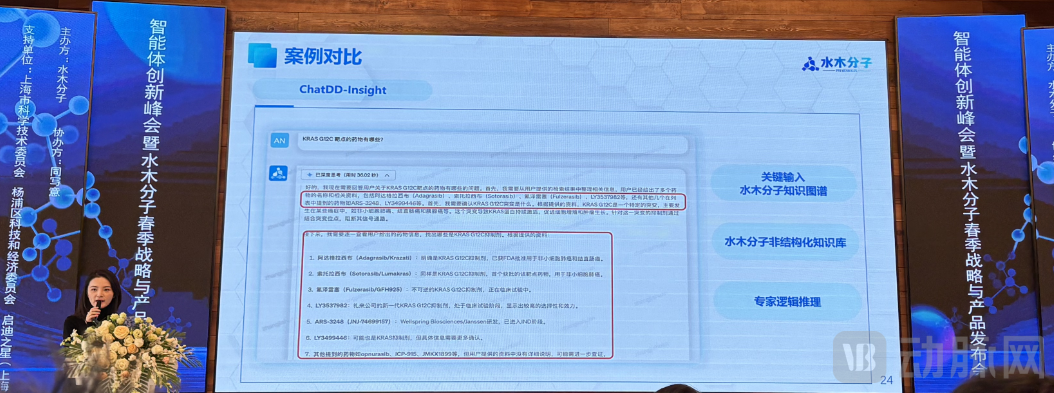
Senior Product Director at PharmolixHu QinshuAnnouncing the Company’s 2025 Strategic New Product: The ChatDD Intelligent Dialogue Drug R&D System Series—ChatDD-Insight, ChatDD-Discovery, and ChatDD-Trial
Regarding the snowball-style biomedical knowledge mining agent, Dr. Qiao Mu, CTO of Pharmolix, explained, “This agent is primarily used to construct and expand the agent’s knowledge graph. It requires only a small amount of seed knowledge to initiate knowledge mining from text-based knowledge bases: through ChatDD confidence scoring, extracted knowledge with low confidence is reviewed and cleaned by biomedical experts; extracted knowledge with high confidence, along with expert-cleaned data, is incorporated into the knowledge graph; training data are selected via active learning, and the model undergoes iterative upgrades through supervised fine-tuning. This continuous cycle yields a high-quality agent knowledge graph. Pharmolix provides a one-stop human-AI collaboration platform for snowball-style biomedical knowledge mining, facilitating knowledge integration and completion. This platform introduces biomedical experts to manually verify knowledge with low confidence scores. Additionally, it supports recommendations for new entities, entity suggestions, and new relationship/text recommendations. Through this one-stop human-AI collaboration platform, biomedical experts can efficiently collaborate with the agent to build and extend intelligent knowledge graphs, enabling knowledge mining not only from massive public text databases but also from private or proprietary text databases of institutions and enterprises.”
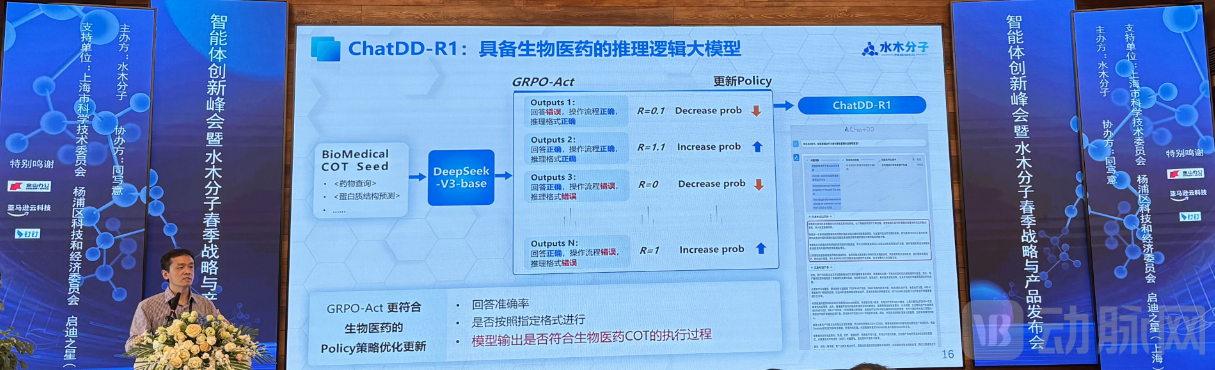
Chief Technology Officer of PharmolixDr. Qiao MuLaunch of the Company’s 2025 Strategic New Product: The ChatDD Intelligent Dialogue Drug R&D AI System Series—ChatDD-Insight, ChatDD-Discovery, and ChatDD-Trial
In the future, through the collaborative efforts of “veteran experts” and AI, the long, labor-intensive marathon of innovative drug development will transform into an AI-driven 100-meter sprint.
The Next Wave of Artificial Intelligence,
Not data-driven, but logic-driven
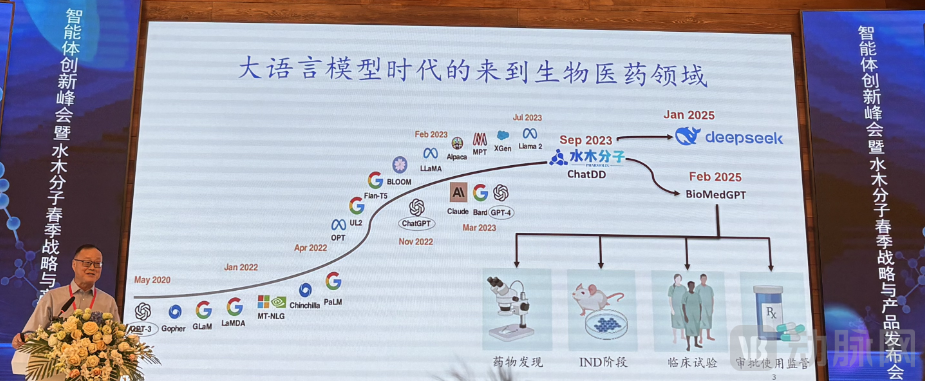 Prof. Xu Jun
Director of the Institute of Health and Medical Technology, Hefei Institutes of Physical Science, Chinese Academy of Sciences, and Director of the Biomedical Big Data Research Center,
Director of the Joint Laboratory of Iron Metabolism, The Chinese University of Hong Kong, Shenzhen; Former Director of the Center for Drug Molecular Design, Sun Yat-sen University
What is the ultimate challenge in drug innovation? At its core, it lies in designing and synthesizing molecules that exhibit superior pharmacological efficacy, bind specifically and selectively to a given drug target, enable rapid and traceable delivery, and are suitable for entry into clinical trials. In the process of drug innovation, AI-driven drug discovery (AIDD) must propose credible, synthesizable molecules with interpretable rationales faster, more efficiently, and more creatively than human chemists. Furthermore, AIDD should be cost-effective and accessible, becoming a standard tool for exploratory ideation on every chemist’s desktop.
In this scenario, will biomedical experts face unemployment? Professor Xu Jun explained, “Just as airplanes invented by humans have revolutionized the way we travel, I believe AI will surpass humans in certain aspects and assist seasoned experts in drug innovation. These ‘seasoned experts’ should embrace these new technologies without excessive concern. However, a major pain point in the current drug innovation process is how to select candidate drugs for clinical trials, which cannot be simply resolved by large language models. It involves pan-functional problems based on strictly nested causal relationships.”
To address the various functional challenges in the drug innovation process, we must clarify the underlying logic, namely the mechanisms at each level. Professor Xu Jun believes that there are two fundamental underlying logics: “First, how drugs transition from the macroscopic world to the microscopic world. For example, chromosomal DNA is approximately 1.8 meters in length; how is it packed into the nuclear space, which has a diameter of only 10 micrometers, and how are its codons read within such an extremely short timescale? Second, how do drug molecules regulate microscopic entities at the molecular scale to induce phenotypic changes in cells, ultimately altering the macroscopic state of the human body?”
Therefore, we must first understand the material hierarchy and temporal scales of the research subjects, from which we screen out molecules relevant to living matter, such as nucleic acids, proteins, liposomes, coenzymes, endogenous small molecules, exogenous small molecules, cells, tissues, organs, and microorganisms. The classification and reorganization of these molecular structures rely on raw data from existing biomedical research, the sources of which include big data generated by high-throughput experiments, big data derived from informatization, big data extracted from scientific and patent literature, and big data produced by computational simulations.
Professor Xu Jun pointed out, “We need to process and understand these big data, integrating them into a coherent logical framework. The processing of biological big data not only encompasses basic functions such as data acquisition, indexing, storage, retrieval, and sharing, but also exhibits characteristics such as complexity, multidimensionality, high noise levels, and incompleteness. For instance, to reveal the genetic basis underlying phenotypes, biology requires sequencing the genomes of millions to billions of species and performing accurate gene annotation. Biological data span multiple levels, including the genome, proteome, metabolome, microbiome, cells, tissues, organs, individuals, populations, and society. There are approximately one trillion biological organisms on Earth, yet 99% of them remain unsequenced. To address the problem of protein folding prediction, the Google team expanded the protein structure database from 190,000 sequences to 2 billion sequences.”
What intelligent algorithms do we need to address these complex and massive biological datasets?Professor Xu Jun stated, “In my view, the next wave of artificial intelligence will depend more on logic-driven mechanisms. Artificial intelligence without logical drive is AI devoid of thought and ‘personality.’”“On the surface, data-driven artificial intelligence can identify relationships between variables more quickly and efficiently; however, these associations may not reflect causality. For instance, big data analysis might reveal a strong correlation between ‘sunrise’ and ‘rooster crowing,’ leading an AI system to conclude that ‘the rooster crows cause the sun to rise.’ Statistically, this conclusion is not incorrect. Yet, determining whether ‘the sunrise triggers the rooster to crow’ or ‘the rooster’s crowing brings about the sunrise’ requires experimental validation. In the biomedical and pharmaceutical field, establishing causal relationships is equally essential.”
Looking back, AlphaFold 1 predicted monomeric protein structures using convolutional neural networks, AlphaFold 2 addressed the problem of molecular assembly in proteins by leveraging Transformers and multiple sequence alignments, and AlphaFold 3 tackled the fine-grained assembly of biomolecules through diffusion models. However, in the post-large language model era, AI-assisted drug discovery still has a long way to go.
AI-Empowered Clinical Research,
From Improving Efficiency to Enhancing Success Rates

Professor Liying Sun
Former Senior Epidemiologist/Reviewer at the U.S. FDA, Statistician/Program Director at NIH/NCI,
Professor at Duke University / Director of the Prostate Disease Information Center, Expert Member of the ICH E15 Expert Working Group
In the AI era, data is king. Data and features determine the upper limit of machine learning, while models and algorithms can only approach this limit. Furthermore, what determines model quality is not sophisticated algorithms or intricate models, but high-quality annotated data.
Professor Sun Liying emphasized, “Especially in the clinical field, data must possess not only broad coverage but also professional depth. For instance, the Center for Drug Evaluation (CDE) requires pharmaceutical data to be comprehensive, authentic, and traceable. How can we obtain such specialized data? We can access standardized, internationalized, digitized, long-term, and stable high-quality data from databases freely available globally, such as the National Cancer Database (NCDB), National Program of Cancer Registries (NPCR), Surveillance, Epidemiology, and End Results (SEER) program, Centers for Disease Control and Prevention (CDC), and GenBank. Backed by national legislation, budgets, teams, and assets, these national-level databases offer long-term reliability and stability. Furthermore, as these databases adopt international standards, codes, and dissemination practices, they provide additional advantages such as global interoperability and resistance to falsification.”
Why Are These National-Level Data Made Publicly Available Globally?As these national agencies are law enforcement entities, they are strictly prohibited from monetizing data. However, by establishing and internationalizing data standards, they have enabled their data to be used globally. This has not only enhanced the brand, credibility, and global influence of these agencies but also demonstrated that data without standardized frameworks becomes isolated in “data silos.” Non-numerical data collected without coding based on such standards cannot achieve global interoperability and connectivity. In other words, data that does not adhere to internationally recognized standards holds limited value.
Furthermore, clinical data collected in accordance with international standards possess considerable professional breadth and depth. Only by assembling top-tier talent from various fields and fostering cross-disciplinary collaboration between AI and clinical practice can we obtain clinical data that is multidimensional, professionally profound, and up-to-date. Clinical data standards include tumor typing, grading, and staging. For instance, the grade and severity of malignancy are critical bases for physicians’ diagnosis and treatment, and they significantly influence patients’ clinical course, recurrence, and prognosis. In this regard, we can refer to the NCCN Clinical Practice Guidelines in Oncology, which are globally recognized as the most authoritative, comprehensive, stable, timely, and reliable. However, these guidelines are detailed and extensive, with documents for most indications running into hundreds of pages, and they are updated regularly. Faced with such voluminous and frequently updated references, relying on substantial manual effort to read and master them is clearly not an optimal approach.
Professor Sun Liying stated, “Leveraging AI technology, we can better utilize these vast amounts of publicly available labeled data. On one hand, AI can perform predictions, assessments, and reviews based on such annotated data. On the other hand, AI can integrate clinical practice guidelines and standards into hospital systems, thereby reducing disparities among hospitals and physicians, and enabling district, county, and township-level hospitals to promptly access the latest diagnostic and therapeutic standards. Furthermore, AI can directly serve consumers (To C), providing patients with personalized diagnosis and treatment plans.”
Professor Sun Liying continued with examples, “On the clinical and patient side, AI technology can be used to establish personalized AI systems for specialized disease diagnosis and treatment, providing individualized care across dimensions such as disease management, diet, sleep, exercise, and rehabilitation. On the hospital side, AI technology can be leveraged to create AI-driven therapeutic systems for specialized or common diseases and multidisciplinary diagnoses. In the pharmaceutical and medical device sectors, AI technology can be applied across all stages, including drug discovery, prescription, process development, manufacturing, quality control, quality assurance, regulatory submission, market launch assessment, and sales. In summary, the integration of AI with clinical practice can unlock limitless business opportunities while fulfilling a significant mission.”
Innovation in the AI era is revolutionary, requiring collaborative efforts from upstream and downstream ecosystem partners and enterprise customers to achieve rapid breakthroughs. At the 2025 AI for Life Science Agent Innovation Summit, Pharmolix, as an explorer of large models in the life and health sector, entered into strategic cooperation agreements with Changchun GeneScience Pharmaceuticals Co., Ltd., Asymchem Clinical (Kainuo), Suzhou Shengran Wei’an Pharmaceutical Technology Co., Ltd., Tianjin Center for Technological Innovation in Clinical Drug Research, Shanghai Seqhealth Biotechnology Co., Ltd., and DingTalk (China) Information Technology Co., Ltd., to jointly explore and accelerate breakthrough innovations of AI in the life and health field.
At the 2025 AI for Life Science Agent Innovation Summit, Pharmolix, together with Chengdu HitGen Drug Discovery Co., Ltd., Beijing Inpharmatica Technology Co., Ltd., Jiahua Yaorui DeepKinase, and Yaodu Smart (Beijing) Pharmaceutical Technology Co., Ltd., established the “AI Biopharma Source Innovation Consortium” through strategic cooperation. This consortium is dedicated to integrating artificial intelligence into the most challenging early stages of drug R&D, facilitating the identification of optimal targets and molecules, and accelerating new drug development.
Meanwhile, at the summit, Pharmolix announced the establishment of the “AI-TCM Health Consortium” through strategic partnerships with Beijing CapitalBio Jingfang Biotechnology Co., Ltd., Meinian Onehealth Healthcare Industry (Group) Co., Ltd., Chengdu Shenglong Technology Co., Ltd., and the U.S. Health Industry Group. Centered on large AI models, the consortium will integrate gene-proteomics screening, intelligent analysis of Traditional Chinese Medicine (TCM) syndromes, and cross-border health data linkage to create a closed-loop ecosystem encompassing “early screening and warning, targeted intervention, smart diagnosis and treatment, and whole-course disease management,” thereby forging a new paradigm for precision health by combining cutting-edge algorithms with millennia-old medical wisdom.
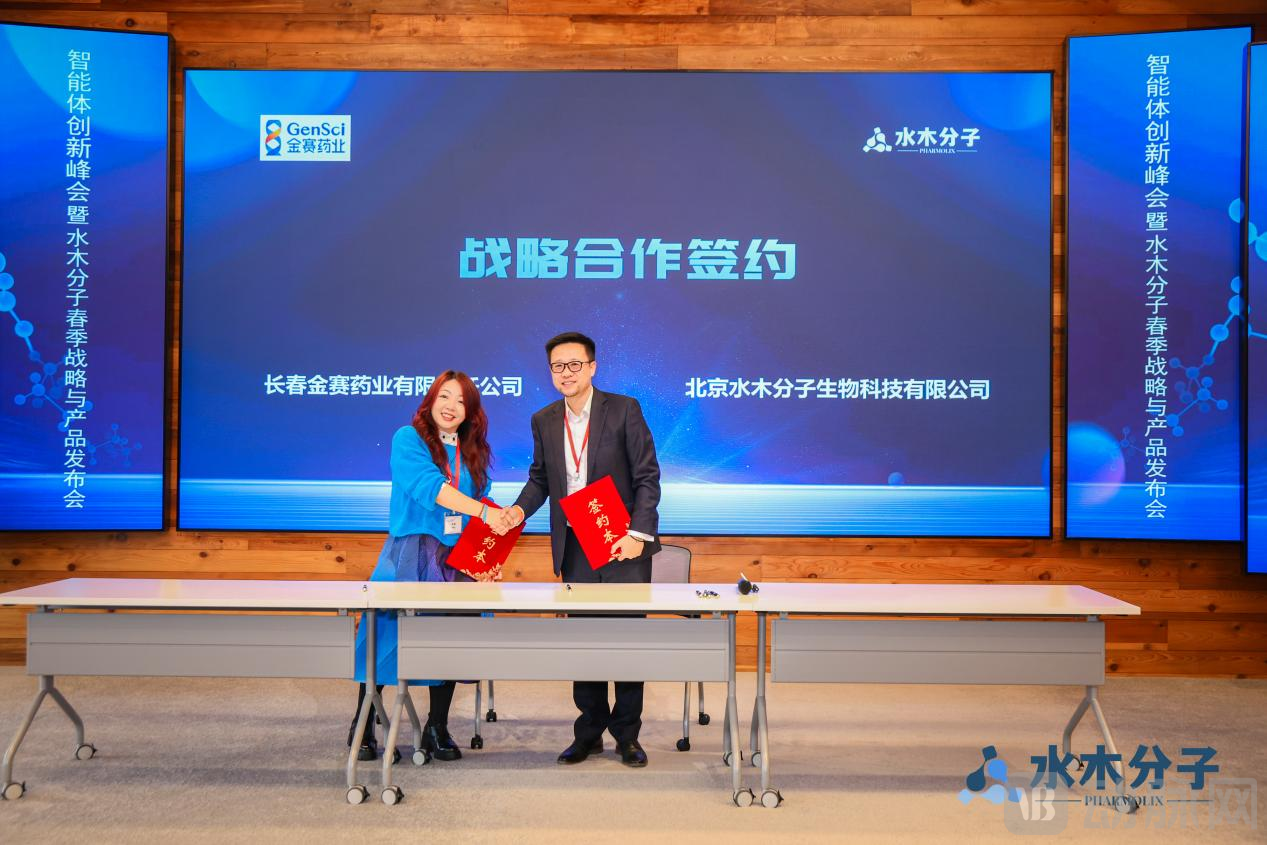
Dr. Xian Xuan, Dean of the Digital Research Institute at GeneScience Pharmaceuticals (left), and Mr. Xing Jie, Chief Operating Officer of Pharmolix (right), signed a strategic cooperation agreement on behalf of their respective parties.GenSci will join hands with Pharmolix to jointly build an AI large model-driven RDSS one-stop intelligent decision-making platform for the entire drug R&D process.
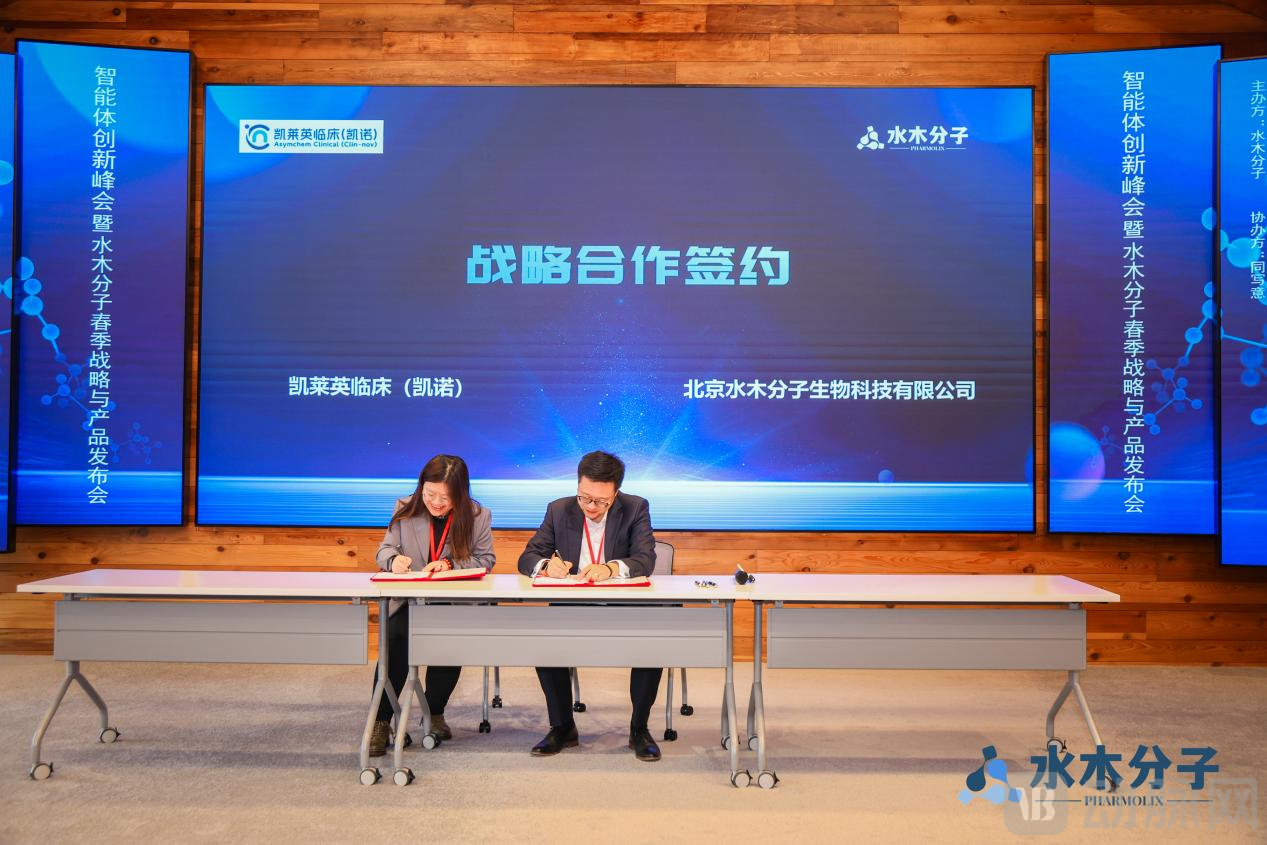
Ms. Lu Lu, Vice President and Head of Biostatistics at Asymchem Kainuo (left), and Mr. Xing Jie, Chief Operating Officer of Pharmolix (right), signed the strategic cooperation agreement on behalf of their respective companies.Asymchem Clinical (Kainuo) and Pharmolix will establish a new AI-enabled paradigm for clinical drug development through large AI models, focusing on core clinical scenarios such as clinical protocol writing, pharmacovigilance, and clinical study reports.

Ms. Wang Xuhong, CEO of Shengran Wei’an (left), and Mr. Xing Jie, Chief Operating Officer of Pharmolix (right), signed the strategic cooperation agreement on behalf of their respective companies.Shengran Wei’an’s senior business team has established deep collaboration with AI experts from Pharmolix. Together, they will co-develop a large language model specialized in the pharmaceutical patent domain, aiming to address core challenges and pain points in pharmaceutical patent landscaping and search analysis, thereby delivering high-efficiency, high-value solutions to the industry.

Tianjin PharmaceuticalsClinical Research TechnologiesMs. Lu Lu, Deputy Director of the Innovation Center (left), and Mr. Xing Jie, Chief Operating Officer of Pharmolix (right), signed a strategic cooperation agreement on behalf of both parties.The Tianjin Center for Technological Innovation in Clinical Drug Research will collaborate with Pharmolix to establish partnerships with major Grade A tertiary hospitals and medical institutions across China, actively exploring and implementing compliant applications of large AI models in clinical research.
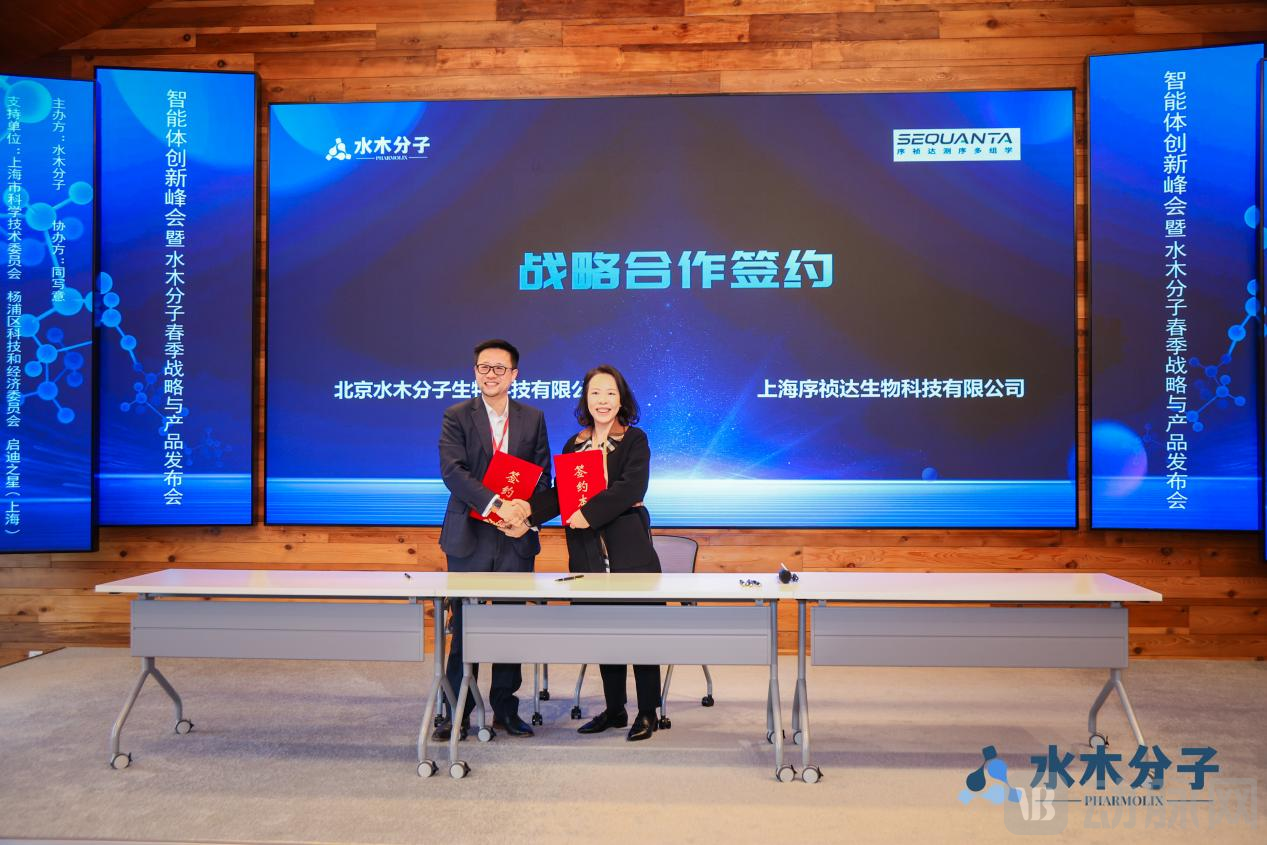
Dr. Lele Sun, Founder and CEO of Xuzhenda Bio (right), and Mr. Jie Xing, Chief Operating Officer of Pharmolix (left), signed the strategic cooperation agreement on behalf of their respective companies.Xuzhenda Biotech and Pharmolix will jointly create AI large model-empowered, data-intelligent solutions for the entire biopharmaceutical R&D lifecycle, focusing on “multi-dimensional data intelligent analysis and translational medicine applications, intelligent upgrading of drug R&D, and technological paradigm innovation driven by a closed-loop integration of dry and wet lab experiments.”
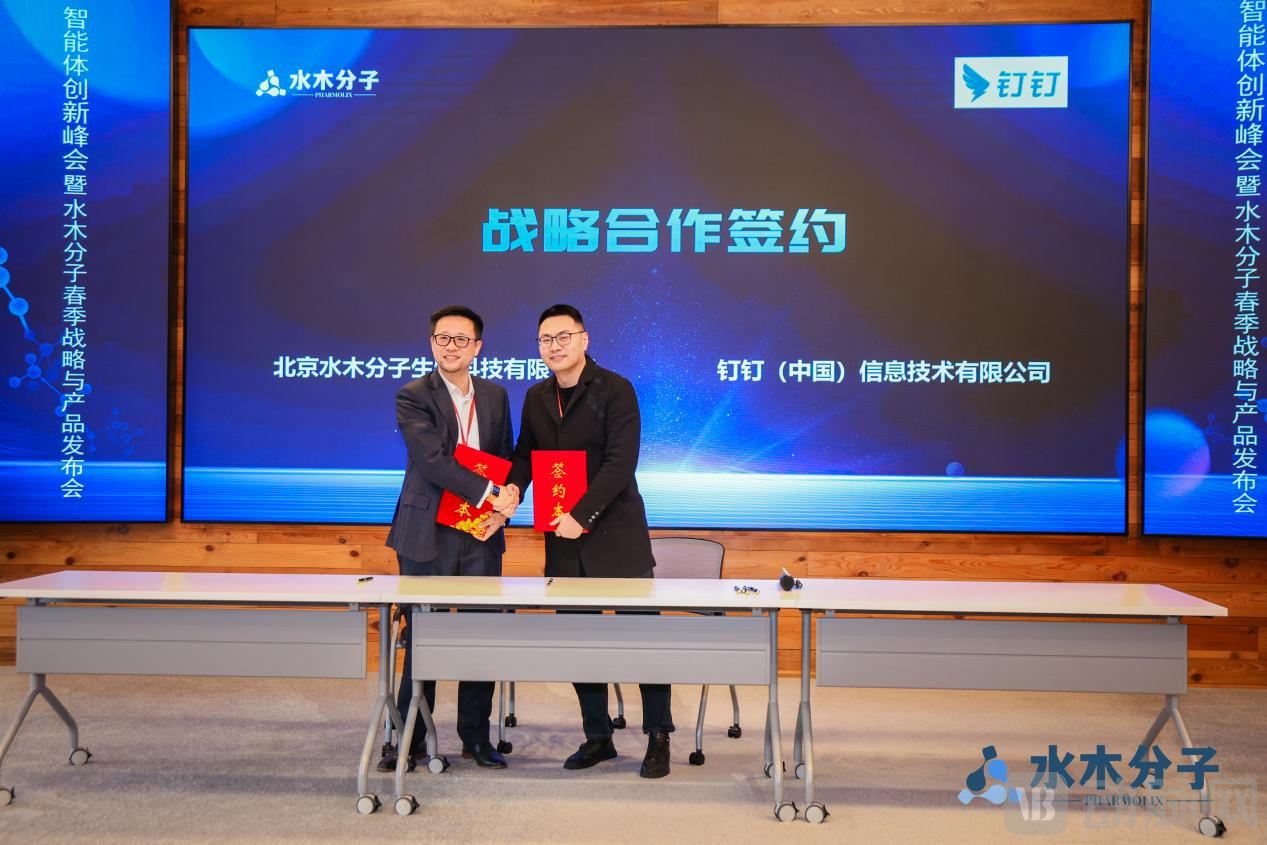
Mr. Wei Yawei (right), Head of DingTalk’s Healthcare Division, and Mr. Xing Jie (left), Chief Operating Officer of Pharmolix, signed the strategic cooperation agreement on behalf of their respective parties.In the pharmaceutical vertical, DingTalk will join hands with Pharmolix to deeply cultivate AI-driven mobile digital intelligence solutions for biopharmaceutical R&D, clinical trials, and commercialization.
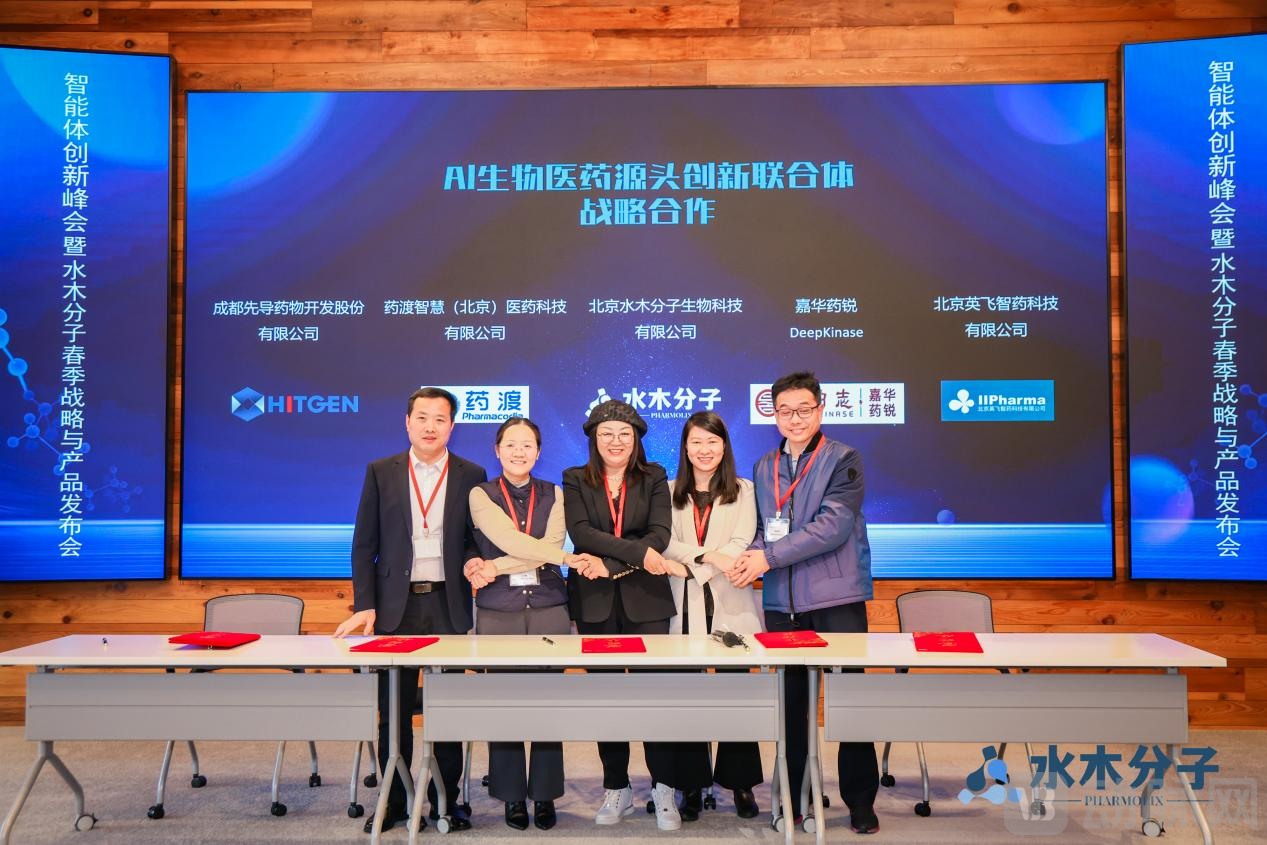
Signing Ceremony for the “AI-Empowered Consortium for Source Innovation”: Dr. Li Xiuyan, Co-Chief Scientist of Pharmolix (center); Dr. Dou Dengfeng, Vice President of Innovation Strategy at HitGen (first from left); Dr. Pei Jianfeng, CSO of Infinitus Pharma (first from right); Dr. Xiao Yun, CBO of Jiahua Yaorui (second from right); and Dr. Ding Hongxia, CEO of Pharnex (second from left), representing the consortium members, took the stage to sign the agreement.The consortium is committed to integrating artificial intelligence into the most challenging early stages of drug discovery, facilitating the identification of optimal targets and molecules to accelerate new drug development.
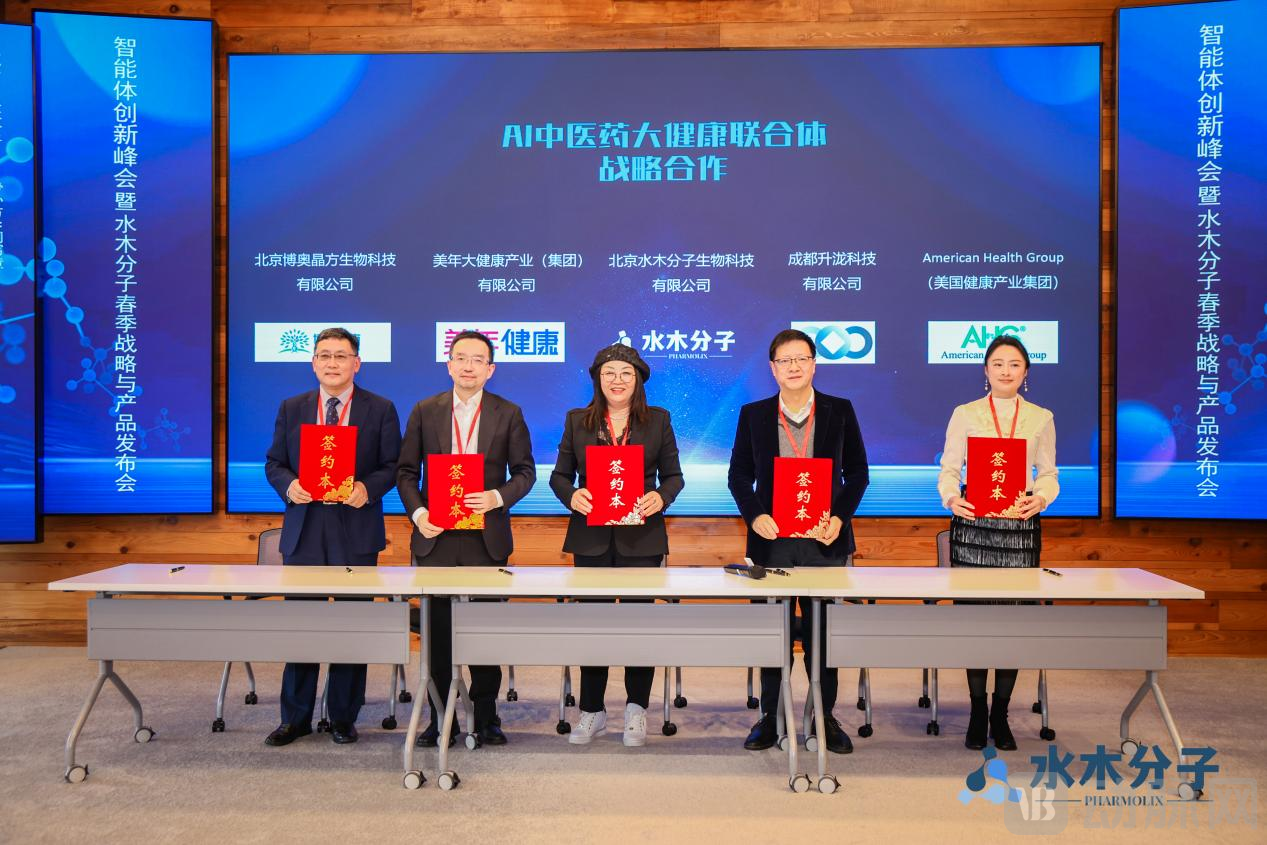
Signing Ceremony for the “Large Model-Empowered Consortium of Traditional Chinese Medicine and General Health”: Dr. Li Xiuyan, Co-Chief Scientist of Pharmolix (center); Mr. Yang Yue, Chairman of Beijing BioCapital Crystal Square (first from left); Mr. Yu Rong, Chairman of Meinian Onehealth Healthcare (second from left); Mr. Liu Junhui, Co-founder of Zhifei Biological Products and Walvax Biotechnology, and Chairman of Chengdu Shenglong Technology (second from right); and Ms. Helen Zhang, Head of China Operations at U.S. Health Industry Group (first from right), jointly took the stage to officially launch the “AI + Traditional Chinese Medicine General Health Innovation Consortium.”Wufang will leverage large AI models as the central hub, integrating gene-proteomics screening, intelligent analysis of Traditional Chinese Medicine (TCM) syndromes, and cross-border health data linkage, to create a closed-loop ecosystem encompassing “early screening and warning, targeted intervention, smart diagnosis and treatment, and whole-course disease management.” This approach aims to forge a new paradigm for precision health by combining cutting-edge algorithms with millennia of medical wisdom.