

Regenerative Medicine Drives Disruptive Innovation in Small-Diameter Artificial Vascular Grafts: An Interview with Professor Qiu Xuefeng, Founder of Himedical

Humatrix
Developer of Tissue Engineering and Regenerative Medicine Technologies
Currently, cardiovascular disease has become the leading cause of death worldwide. Among its components, human blood vessels serve as the “key bridges and networks of the cardiovascular system.” When pathological changes occur in human blood vessels, artificial vascular grafts are required for replacement therapy. Artificial vascular grafts play a critically important role in clinical practice, including use in establishing vascular access for chronic hemodialysis, replacing damaged vessels in lower extremity arterial trauma, performing bypass surgeries for lower extremity and carotid artery atherosclerosis, and coronary artery bypass grafting.
However, small-diameter artificial blood vessels (inner diameter ≤ 6 mm) face a series of challenges in clinical practice. Expanded polytetrafluoroethylene (ePTFE), a traditional polymer material used for small-diameter artificial blood vessels, has been employed clinically for nearly 50 years and is predominantly monopolized by overseas companies such as Gore, Bard, and Maquet. The two major drawbacks of ePTFE small-diameter artificial blood vessels are their propensity for thrombus formation, resulting in low patency rates, and a high incidence of infection, which significantly compromises clinical outcomes. These limitations have led to a situation where domestic clinicians and patients are hesitant to use them despite recognizing their potential benefits.
With the localization of high-end cardiovascular medical devices such as artificial hearts and heart valve prostheses, innovative small-diameter vascular grafts—characterized by extremely high technical barriers and urgent market demand in the cardiovascular field—are emerging as a new frontier for technological breakthroughs in China’s high-end medical device industry.
As an innovative enterprise in the field of tissue engineering and regenerative medicine, Humstrix (Suzhou) Co., Ltd. (hereinafter referred to as Humstrix) is continuously making attempts and breakthroughs. In January 2025, Humstrix announced LineMatrix, the first fully biological artificial vascular graft independently developed by a Chinese company.®Patient enrollment for the FIM clinical trial was successfully completed at Sir Run Run Shaw Hospital, Zhejiang University School of Medicine, by the end of last year; meanwhile, Humstrix’s other tissue-engineered vascular product, NeoMatrix (Xinmaitong)®It is also being rapidly developed and advanced.
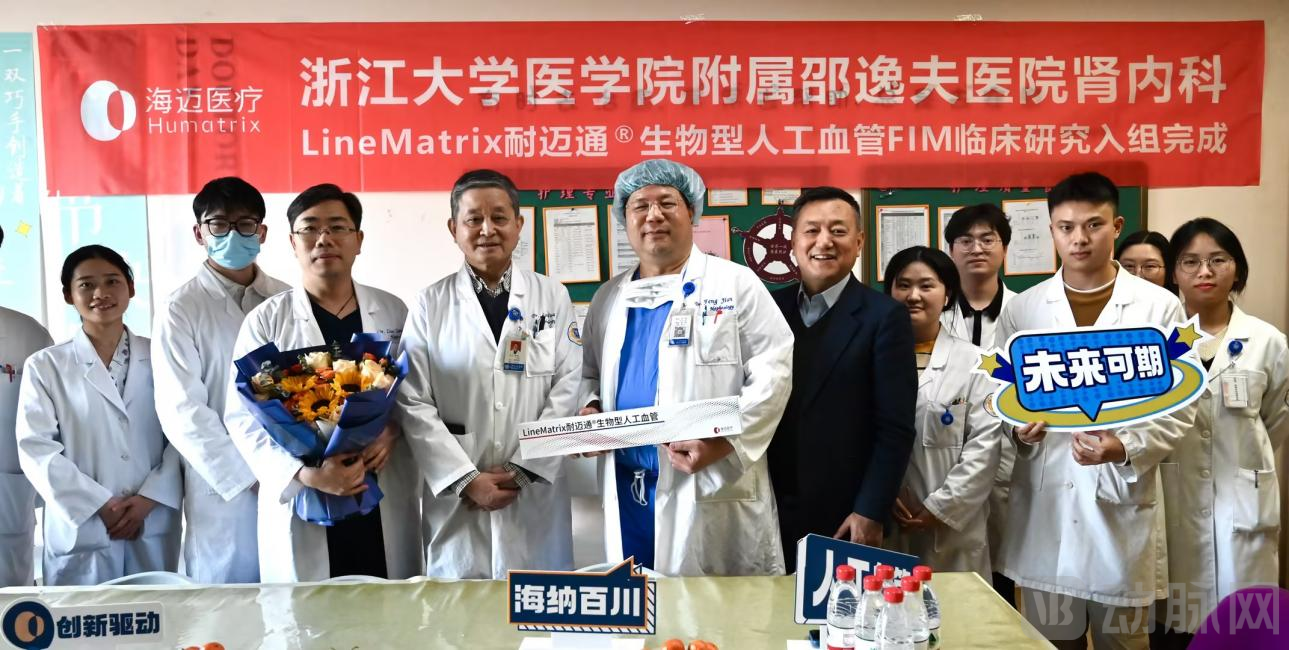
LineMatrix: China’s First Fully Biological Artificial Vascular Graft®Successful Completion of Patient Enrollment for the FIM Clinical Trial
Humstrix is developing LineMatrix, a small-diameter biological artificial vascular graft.®NeoMatrix Tissue-Engineered Blood Vessels®Compared with traditional ePTFE vascular grafts, tissue-engineered blood vessels can achieve endothelialization of the lumen within 3–6 months after implantation; furthermore, the vessel wall can undergo complete recellularization, thereby regenerating a neointima in the human body that is comparable to native autologous arteries.
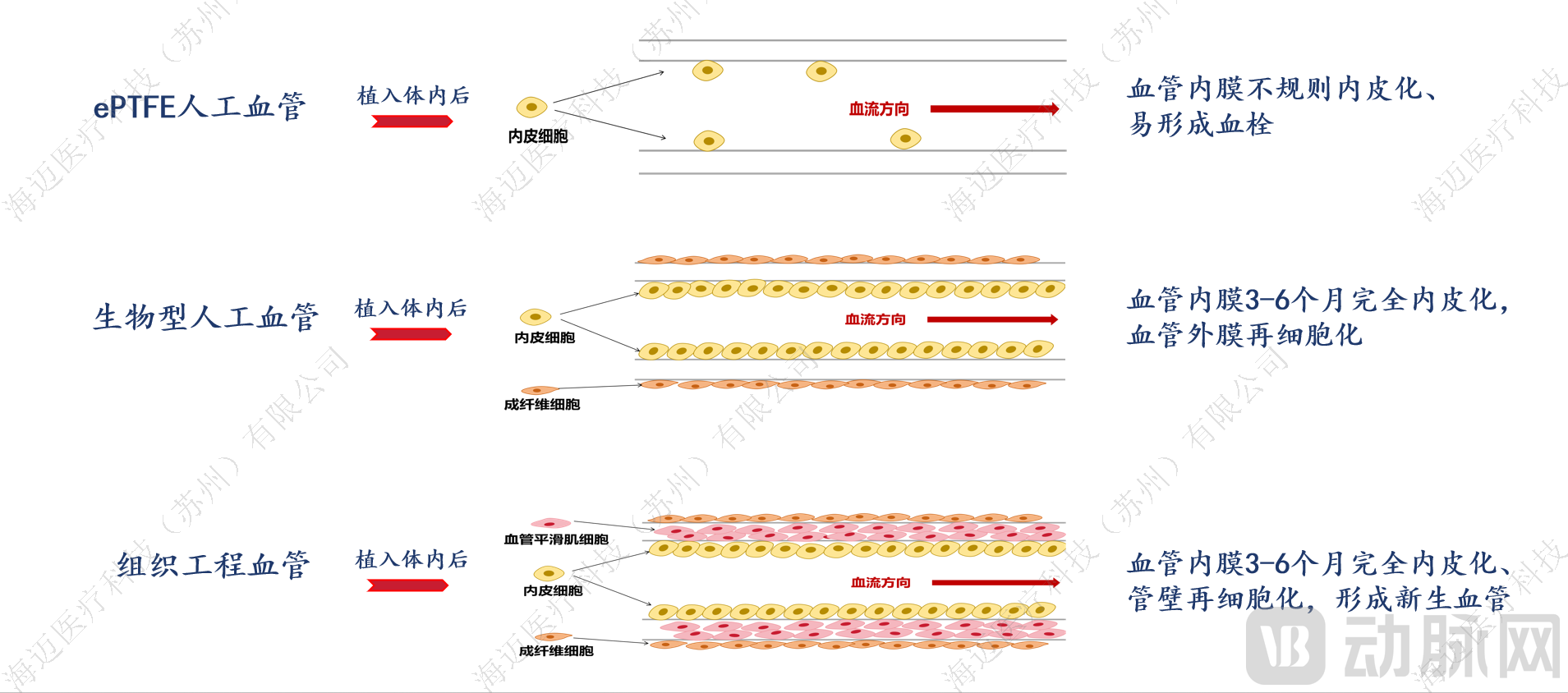
Among the three technology pathways approved by the FDA, Humstrix possesses two domestic-exclusive small-diameter vascular product pipelines: biological and tissue-engineered.
Humstrix’s related products entering clinical trials undoubtedly signifies that the company is at the forefront of the industry. As a leading enterprise, what distinguishes Humstrix? How does it view industry development? To address these questions, VCBeat engaged in a discussion with Professor Qiu Xuefeng, Founder, Chairman, and CEO of Humstrix, who brings nearly 30 years of clinical experience and two decades of research expertise in tissue-engineered blood vessels.
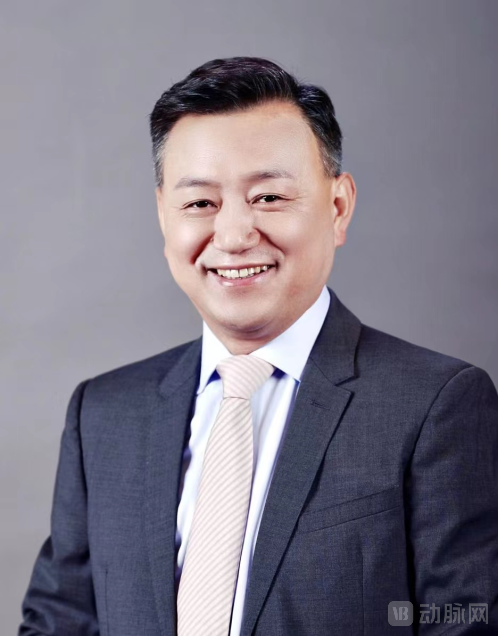
Professor Qiu Xuefeng, Founder, Chairman, and CEO of Humstrix
This article comprises the following three sections:
1. Transformation: From a professor of cardiac and great vessel surgery to an entrepreneur in synthetic vascular grafts;
2. A Dual-Pronged Approach: Tissue-Engineered Blood Vessels and Biological Prosthetic Vessels;
3. New Breakthroughs: Tissue-Engineered Heart Valves, Tissue-Engineered Bio-Pancreas...
VCBeat: Why did you give up the stable job at the hospital and choose to embark on the uncertain path of entrepreneurship?
Qiu Xuefeng:Speaking of entrepreneurship, it may be linked to my “restless” genes. After graduating with my bachelor’s degree in 1997, I chose to stay on at the university as a staff member. At that time, surgical cases were few, leaving me with ample free time. Driven by financial pressures and leveraging my knowledge of audio equipment, I opened an audio and electronics store in November 1998. The business quickly expanded to three locations, and I began venturing into the home appliance sector, including color televisions, refrigerators, and washing machines. My business thrived, basically providing for my family’s livelihood.
In June 2001, a former classmate who had remained at our university was admitted to the graduate program at Fudan University Shanghai Medical College. This came as a significant shock to me. After diligent preparation, I was admitted in 2002 to the graduate program in Cardiothoracic Surgery at Tongji Hospital, affiliated with Tongji Medical College of Huazhong University of Science and Technology. This was an extremely challenging endeavor, and I consider myself very fortunate! Looking back, neither my supervisors nor my colleagues believed that I, who had already been working for five years after obtaining my bachelor’s degree while holding a part-time job in the home appliance sector, could successfully gain admission to the graduate program at Tongji Hospital from a prefecture-level tertiary A hospital.
In 2003, while I was pursuing my graduate studies, I learned that domestic mobile phones from brands such as Bird and TCL were selling exceptionally well. At the time, manufacturers bundled each phone with a pair of average-quality headphones, which sparked in me the idea of dropping out of school to start a business producing headphones for these mobile phone manufacturers. After the SARS outbreak, during the first summer vacation of my graduate program, I traveled south to Guangzhou and Dongguan to conduct research and gather extensive first-hand data on headphones, multimedia speakers, and car audio systems. I discovered that producing a single pair of headphones for mobile phone manufacturers could yield a profit of around RMB 1–2, whereas even a single major domestic mobile phone brand was selling tens of millions of units annually. Upon returning from my field trip in Guangzhou, I decided to transfer my audio and home appliance business to others and move my entire family to Guangzhou to manufacture headphones and computer multimedia speakers. However, my family members, classmates, and friends strongly opposed this plan. In the end, I chose to return peacefully to Tongji Hospital to continue my studies. This has remained a regret in my life’s journey; perhaps, had I persevered, I could have built a company similar to Goertek, an Apple-supply-chain headphone manufacturer, or Edifier, a leading multimedia audio brand.
One of the most impactful experiences I had right after graduating from college was discovering a copy of The God of Management: A Biography of Konosuke Matsushita at a street stall and reading it cover to cover in one sitting. After finishing the book, I was so inspired that I couldn’t sleep; it was this very book that motivated me to open an audio and electronics store. By adhering to Mr. Konosuke Matsushita’s service philosophy, I achieved store expansion and increased revenue. This experience also played a significant role in my decision to embark on entrepreneurship once again.
In 2022, when I decided to leave the Department of Cardiac and Great Vessel Surgery at Peking Union Medical College Hospital to embark on full-time entrepreneurship, I was already 47 years old. My supervisors, mentors, colleagues, and classmates were perplexed, with some even questioning whether I had “lost my mind.” “Wuhan Union Cardiac Surgery” consistently ranks among the top three specialties in China. Abandoning my positions as Chief Physician and Doctoral Supervisor in a top-tier specialty to pursue full-time entrepreneurship raised serious concerns: “If you fail, what will you do in the future, given that you have elderly parents to care for and young children to raise?” Supervisors and colleagues advised me to keep a backup plan, suggesting that I “retain my hospital position while engaging in part-time entrepreneurship, so as to have a fallback option.” Considering that my clinical work involved performing extremely high-risk procedures such as aortic dissection and aortic aneurysm repairs, it would be impossible to balance both entrepreneurial ventures and clinical responsibilities. With my family’s support for my decision to pursue full-time entrepreneurship, I drove to Suzhou on June 12, 2022, to begin a new chapter in my life.
For over a year before coming to Suzhou, I had been deeply contemplating one question: It is truly remarkable for a cardiac surgeon to perform more than 10,000 operations in their lifetime! Drawing on my 20-plus years of clinical experience in cardiac surgery and my accumulated research in tissue-engineered blood vessels, I realized that if I chose to launch a startup to address the challenge of small-diameter tissue-engineered blood vessels—which still lack domestically produced alternatives—I could potentially benefit tens of thousands, even hundreds of thousands or millions, of patients in the future. During that period, I was torn by indecision. Almost every morning before work, while washing up, I would look at myself in the mirror and persuade myself to resign and start a business. Yet after a full day of surgeries, I would change my mind again upon returning home in the evening. Finally, I asked myself two questions: Would I regret staying at the hospital until retirement? Could my entrepreneurial efforts accelerate the domestic production of tissue-engineered blood vessels? I wrote these questions down and answered them honestly: Yes, I would regret it. With this clarity, my hesitation vanished, and I resigned from the hospital to embark on my entrepreneurial journey.
VCBeat: Why did you choose to focus on small-diameter artificial blood vessels during your entrepreneurial journey?
Qiu Xuefeng:This is closely related to my clinical work and academic research experience.
After obtaining my master’s degree in 2005, I was admitted to the Department of Cardiac and Vascular Surgery at Union Hospital, affiliated with Huazhong University of Science and Technology, to pursue my doctoral degree. Under the supervision of my mentor, Professor Dong Nianguo, I began conducting research on small-diameter artificial blood vessels. Upon graduation in 2008, I remained at the university to work. Over the past decade, the Department of Cardiac and Vascular Surgery at Wuhan Union Hospital has flourished under the leadership of Director Dong, becoming a top-tier specialty in China. Personally, I have grown from an ordinary attending physician to an associate chief physician, then to a chief physician, and finally to a doctoral supervisor. Here, I would like to express my special gratitude to my mentor, Professor Dong Nianguo, and the united and striving team of the Department of Cardiac Surgery for their support and for providing me with opportunities for growth. Director Dong has dedicated himself to the front lines of clinical practice, teaching, and scientific research in cardiac surgery for decades. His commitment has continuously inspired and reminded me that whether I was working as a cardiac surgeon in the past or pursuing entrepreneurship now, I must never slack off for a moment, nor allow myself any complacency!
During my doctoral studies, global research on the clinical translation of small-diameter tissue-engineered blood vessels was just getting underway. In 1999, Professor Robert Langer from the Department of Chemical Engineering at MIT and his student, Dr. Laura Niklason, published a seminal paper in Science outlining a classic tissue engineering approach for the standardized in vitro cultivation of tissue-engineered blood vessels. In 2001, another of Professor Langer’s students, Dr. Toshiharu Shinoka, a cardiovascular surgeon at Tokyo Women’s Medical University in Japan, published the first case report on the clinical application of tissue-engineered artificial blood vessels in The New England Journal of Medicine. After reading these two papers, I was amazed by the technology! My own doctoral research primarily focused on small-diameter artificial blood vessels and the mechanisms underlying the prevention of vascular restenosis. At that time, I never imagined that this research would one day become the foundation of my entrepreneurial venture!
After completing my Ph.D. in 2008, I remained at the Department of Cardiac and Vascular Surgery of Wuhan Union Hospital, engaging in both clinical practice and scientific research. In 2012, I was fortunate to receive a scholarship from the California Institute for Regenerative Medicine (CIRM), funded by the State of California, under the guidance and support of another mentor, Professor Song Li from the Department of Bioengineering at the University of California, Berkeley. I subsequently pursued postdoctoral research at the Department of Bioengineering and the Berkeley Stem Cell Center at the University of California, Berkeley, focusing primarily on small-diameter artificial blood vessels using two technical approaches: polymer materials and tissue engineering.
At that time, Cytograft in the San Francisco Bay Area developed a scaffold-free tissue-engineered vascular graft using autologous cells as seed cells and conducted a first-in-human (FIH) study with 10 patients. Although the clinical trial results were promising, the production of each batch took 7–9 months, with a manufacturing cost exceeding $15,000 per graft. The prohibitive production costs and excessively long manufacturing cycles rendered commercialization unfeasible, ultimately leading to the company’s cessation of operations. In contrast, Dr. Laura Niklason founded Humacyte in 2004 in North Carolina’s Research Triangle Park (RTP) to pursue the commercial development of tissue-engineered small-diameter artificial blood vessels. After 20 years of effort and an investment of $1.3 billion, Humacyte received FDA approval on December 19, 2024, becoming the world’s first approved truly tissue-engineered product.
In March 2013, I attended an academic presentation on the enrollment of the first patient in a clinical trial at Duke University, evaluating Humacyte’s tissue-engineered human acellular vessel as a vascular access for hemodialysis in patients with chronic renal failure. This experience made me realize the immense potential of tissue engineering technology for future commercialization. In fact, my initial purpose in coming to Berkeley was similar to that of most physicians studying abroad: to broaden my academic horizons, accumulate research achievements, and thereby facilitate the application for research grants and professional title promotion upon returning to China, following the conventional career path taken by the majority of doctors. During my three years at Berkeley, I was deeply immersed in the strong entrepreneurial atmosphere prevalent on American university campuses, in the San Francisco Bay Area, and in Silicon Valley. The profound impact of my first visits to Abbott’s MitraClip production line in Redwood City, as well as to Genentech, Gilead, Intuitive Surgical, Boston Scientific, and St. Jude Medical, remains vivid in my memory. It was then that the seeds of entrepreneurship were sown.
Over the past two decades of clinical practice, I have become acutely aware of the scarcity of high-performance small-diameter vascular grafts available to my peers. Having personally witnessed the limitations of traditional vascular products, I became determined to develop a superior artificial blood vessel through research. I still vividly recall a patient I treated before going abroad in 2012. This individual had undergone multiple percutaneous coronary interventions and two coronary artery bypass grafting (CABG) surgeries. With his autologous vessels already exhausted from the previous procedures, he desperately needed a third bypass surgery but lacked suitable conduit vessels. The look of despair in his eyes has remained deeply etched in my memory.In late 2016, I returned to China to continue my clinical work in cardiovascular surgery while simultaneously preparing for the clinical translation of small-diameter artificial blood vessels. By 2021, China’s biopharmaceutical technology supply chain had matured significantly. Meanwhile, Humacyte, a U.S.-based company, demonstrated outstanding clinical results in three clinical trials and listed on the NASDAQ on August 27, 2021. The shortage of artificial blood vessels during the COVID-19 pandemic further solidified my resolve to leave my position and launch a startup focused on developing artificial blood vessels. On September 1, 2021, I registered Humstrix Medical in the Suzhou Industrial Park. On June 12, 2022, I formally resigned from Peking Union Medical College Hospital. Embarking on an entrepreneurial journey in the field of tissue-engineered blood vessels, which I had been researching for nearly 20 years, was a natural progression.
VCBeat: Currently, the mainstream products for small-diameter artificial vessels in the market are still ePTFE. How do you view these related products and the market?
Qiu Xuefeng:Currently, ePTFE small-diameter vascular grafts are the only clinically available products in China. However, the market is not short of ePTFE vascular grafts. In addition to brands such as Gore, Bard, and Maquet, the National Medical Products Administration approved a domestically produced ePTFE small-diameter vascular graft for market launch last year. Several other Chinese startups have products in clinical trials or preparing for clinical trials. Nevertheless, after nearly 50 years of clinical use and modification, ePTFE vascular grafts still cannot fundamentally resolve the inherent limitations of the material, including the inability to achieve endothelialization, susceptibility to thrombosis, and predisposition to infection.
Taking patients with chronic renal failure undergoing hemodialysis as an example, the Chinese National Renal Data System (CNRDS) shows that the number of registered hemodialysis patients in China reached 916,000 in 2023, with an annual growth rate of 13%–14%. The number of registered hemodialysis patients is projected to exceed 1.6 million by 2030. Hemodialysis patients require frequent vascular punctures 2–3 times per week for dialysis. Expanded polytetrafluoroethylene (ePTFE) vascular grafts generally require a waiting period of approximately one month after implantation before they can be punctured for dialysis. Furthermore, their use is prone to serious complications such as thrombosis, infection, and seroma, necessitating repeated interventions including thrombolysis, thrombectomy, or balloon angioplasty. In severe cases, surgical removal of the graft is required. This not only increases patient suffering but also exacerbates medical expenses and the burden on medical insurance. Moreover, ePTFE grafts lack self-repair capabilities, significantly reducing their service life. Although an imported three-layer ePTFE graft available in the domestic market allows for early cannulation (within 72 hours post-surgery), repeated punctures during subsequent use have been found to easily cause dissection of the graft, leading to its discontinuation in clinical practice. Therefore, there is an urgent need to develop artificial vascular grafts with superior performance.
VCBeat: We have noted that the company’s tissue-engineered blood vessels and biological artificial blood vessels both follow FDA-approved technological pathways. Compared with ePTFE small-diameter artificial blood vessels, what advantages do they offer?
Qiu Xuefeng:Due to the limitations of ePTFE synthetic vascular grafts, the industry has been actively pursuing innovative solutions. Currently, the FDA has approved two small-diameter synthetic vascular grafts made from non-polymeric materials. One is a biosynthetic vascular graft, which has been widely adopted since 2014, with cumulative clinical use exceeding 600,000 cases. The other is Humacyte’s Symvess, which received FDA approval in December 2024.®Tissue-engineered blood vessels, also the world's first tissue-engineered blood vessel approved by the FDA.
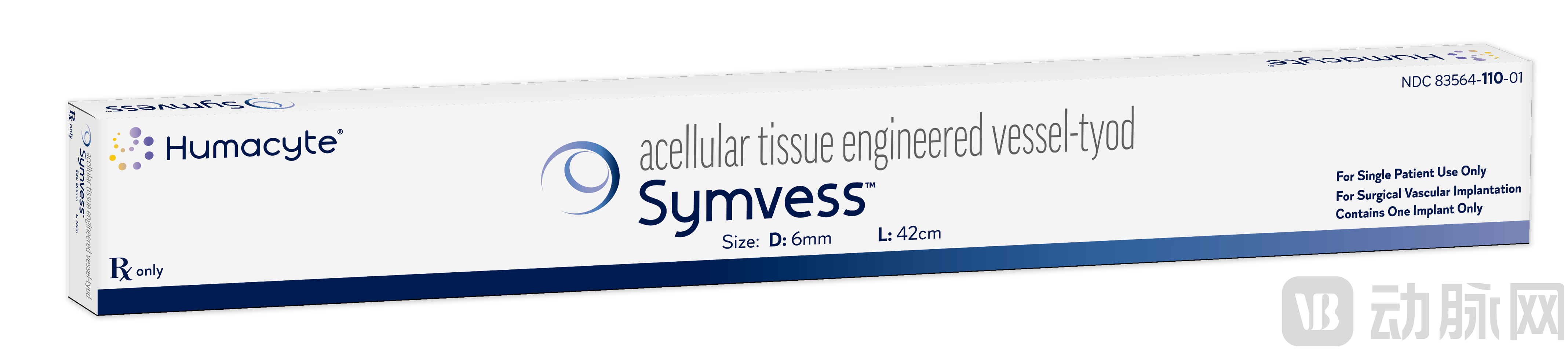
FDA Approves Symvess on December 19, 2024®Tissue-Engineered Blood Vessels Hit the Market. Image source: Humacyte official website
Humstrix is currently the only company in China capable of both R&D and mass production of tissue-engineered blood vessels and fully biological artificial blood vessels. Long-term follow-up of large-animal studies on the company’s biological artificial blood vessels has demonstrated sustained patency and no calcium salt deposition, with performance significantly superior to that of ePTFE artificial blood vessels. Notably, its proprietary anti-calcification technology prevents calcification for up to 27 years in the human body; this technology can also be extended to anti-calcification processes for biological heart valves in the future. The preliminary results from the First-in-Human (FIM) clinical trial launched last year have been highly satisfactory, further confirming the advantages of biological artificial blood vessels, including high patency rates, low infection rates, low thrombosis incidence, and non-immunogenicity. Long-term use can avoid or reduce the need for reintervention, thereby lowering healthcare costs.
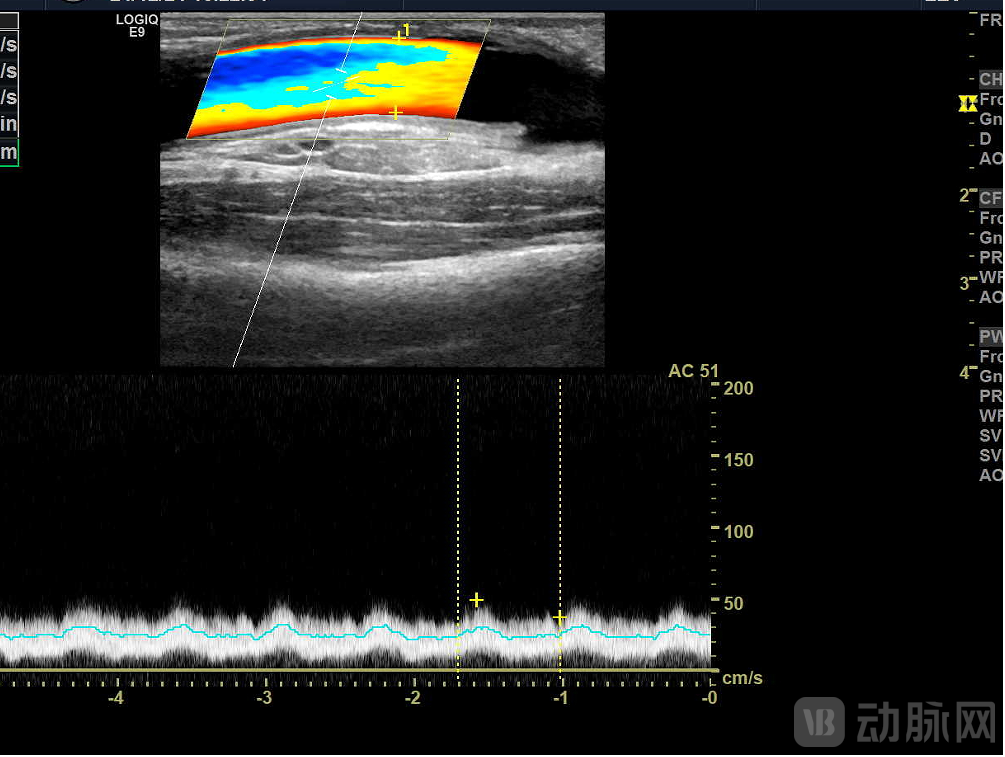
LineMatrix Naimaitong®Ultrasound Follow-Up at 6 Months Post-Implantation of Bioengineered Vascular Grafts Demonstrates Luminal Patency
The company’s tissue-engineered blood vessels are based on globally leading platform technologies in tissue engineering and regenerative medicine, and are produced through standardized culture using in vitro bioreactors. After implantation, the tissue-engineered blood vessels undergo rapid endothelialization, with perivascular cells migrating into the vessel wall. The vessel wall “regenerates” to form a neointima resembling native arteries, thereby achieving optimal clinical outcomes. Symvess®Vascular grafts are priced at $29,500 per unit in the United States; this product will be Symvess after localization.®Vascular stents priced at approximately one-seventh will benefit a vast number of patients in China.
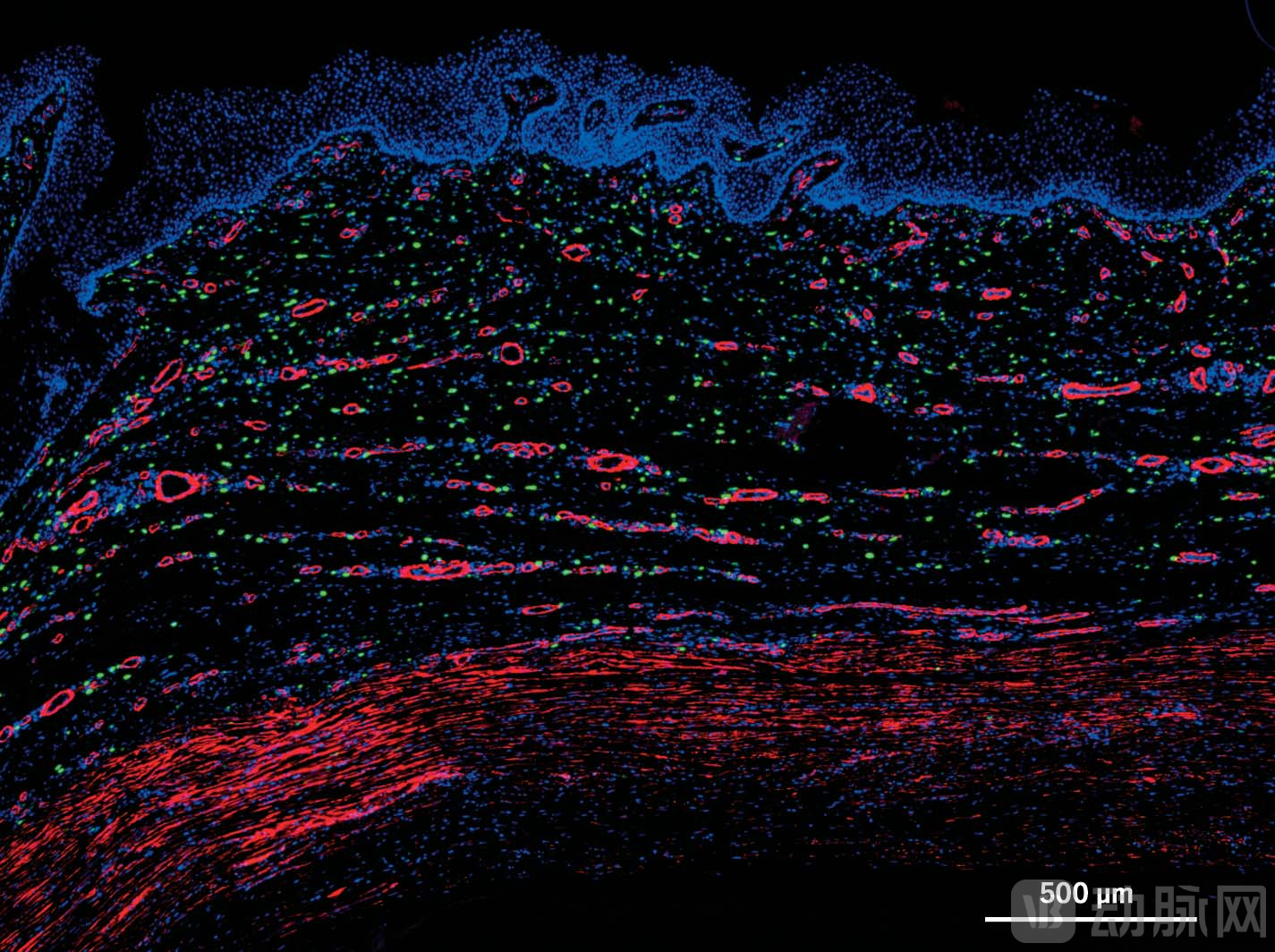
Symvess®Complete recellularization of the vessel wall after implantation of decellularized tissue-engineered blood vessels into the human body (Niklason LE, Lawson JH. Bioengineered human blood vessels. Science. 2020 Oct 9;370(6513):eaaw8682. doi: 10.1126/science.aaw8682. PMID: 33033191.)
In 2024, the number of registered hemodialysis patients in China exceeded 1 million. Most patients with autogenous arteriovenous fistulas (AVF) will eventually require access repair due to lumen stenosis or aneurysm. The market for related access repair products, including balloons and stents, is highly competitive, with some products already included or about to be included in centralized procurement. However, clinicians and patients are not satisfied with the therapeutic outcomes of these products. Clinical applications abroad have confirmed that biological vascular grafts are currently the only product offering superior long-term clinical outcomes for repairing AVF stenosis or aneurysms, a finding preliminarily corroborated by our First-in-Human (FIM) study!
Humstrix has obtained Chinese invention patents for both tissue-engineered blood vessels and biological artificial blood vessels, while also pursuing PCT patent filings in multiple countries and regions worldwide. The company plans to expand into Europe, the United States, and countries along the Belt and Road Initiative at an appropriate time.
VCBeat: It is understood that European and American companies have begun to focus on indications for coronary artery bypass grafting this year. Does Humstrix have any relevant strategic plans in this area?
Qiu Xuefeng:Approximately 400,000 coronary artery bypass grafting (CABG) procedures are performed annually in the United States. In China, the annual volume of CABG surgeries has reached nearly 100,000 cases, representing a tenfold increase compared to a decade ago. Currently, there are no commercially available synthetic vascular grafts with an inner diameter of 3.5 mm for CABG worldwide; therefore, patients undergo bypass using autologous vessels, including the internal mammary artery, radial artery, and great saphenous vein.
In November 2024, Humacyte announced excellent preclinical follow-up data from a baboon coronary artery bypass grafting (CABG) model using its 3.5 mm tissue-engineered vascular graft and plans to initiate CABG clinical trials this year. Medical 21’s sole product pipeline is a 3.5 mm inner diameter synthetic vascular graft, with confirmatory CABG clinical trials planned in Europe this year. Following the completion of its first-in-human (FIH) CABG study, the European company Xeltis also plans to launch CABG clinical trials this year. Since its inception, Humstrix has strategically developed CoroMatrix, a 3.5 mm inner diameter synthetic vascular graft.®Intended for coronary artery bypass grafting (CABG), this product is currently in the preclinical stage and represents one of the company’s flagship offerings. Its development progress is on par with that of European and American counterparts. If approved, it will become the world’s first-in-class artificial vascular graft for CABG.


Humacyte 3.5 mm Inner Diameter Tissue-Engineered Vascular Graft in Baboon Coronary Artery Bypass Model, Image Source: Reference to January 28, 2022 X Advanced Therapies Week-Bioengineering and the Future of Cardiac Surgery
VCBeat: What are Humstrix's plans for this year?
Qiu Xuefeng:Last year, the company completed the construction of a GMP-compliant production facility meeting FDA and European standards, and initiated the First-in-Human (FIH) clinical trial for its bio-artificial vascular grafts, achieving a significant milestone. On November 21, 2024, the company was awarded first place in the Biopharmaceutical Growth Category of the 13th China Innovation and Entrepreneurship Competition, hosted by the Torch Center of the Ministry of Industry and Information Technology. This year, we will continue to accelerate product development and pivotal clinical trials, and plan to complete a new round of financing. Meanwhile, we will establish a marketing and sales team to work alongside our clinical trial team in promoting our flagship product—LineMatrix.®Biological Artificial Blood Vessels. We eagerly anticipate in-depth collaboration with enterprises across the industrial ecosystem to further expand our market presence. We also plan to prepare for the initiation of clinical trials in Europe.
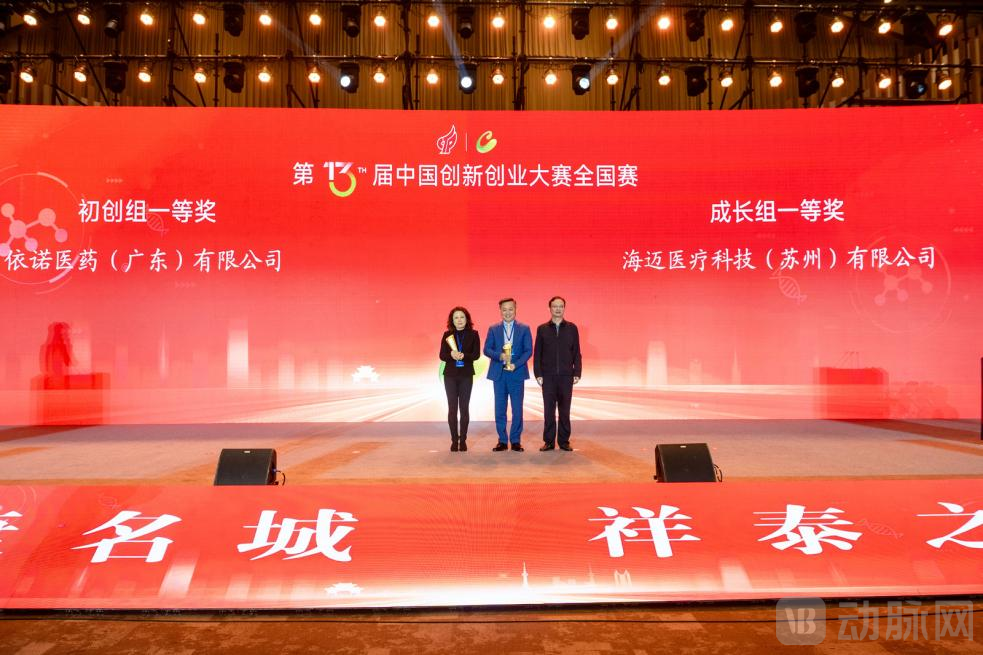 Humstrix Wins First Prize (First Place) in the Biopharmaceutical Growth Category at the National Finals of the 13th China Innovation and Entrepreneurship Competition in 2024
VCBeat: Based on the company's leading tissue engineering and regenerative medicine technology platform, what further explorations will Humstrix undertake?
Qiu Xuefeng:The excellent biocompatibility and regenerative repair capabilities of tissue-engineered blood vessels make them promising for clinical applications in various scenarios. For instance, in the field of heart valves, there are dozens of companies in China, both with and without regulatory approval, producing either surgical biological valves or transcatheter valves. However, the leaflet materials for these biological valves are derived from bovine pericardium, porcine pericardium, or porcine heart valves, which are prone to degeneration in vivo after glutaraldehyde treatment. By leveraging tissue-engineered blood vessel technology, human tissue conduits with an inner diameter of 2–3 cm can be cultured in vitro. After appropriate tailoring, these conduits can be used to fabricate leaflets for surgical or transcatheter biological valves. Due to their superior regenerative and repair capabilities, these engineered leaflets can integrate and remodel in vivo, eventually functioning as living heart valves similar to autologous valves. This significantly extends valve service life and durability, potentially paving the way for future collaborations with major industry players such as Edwards Lifesciences and Medtronic.In the realm of islet transplantation for diabetes treatment, Vertex Pharmaceuticals’ stem cell-derived islets currently lack an optimal transplantation vehicle. Tissue-engineered blood vessels can serve as a carrier for islet transplantation, enhancing graft survival rates and potentially eliminating the need for insulin therapy. Furthermore, by developing tissue-engineered wound repair materials on this technological platform and employing advanced decellularization techniques for solid organs, ex vivo regeneration of human solid organs can be achieved. In summary, we will leverage our tissue engineering and regenerative medicine technology platform to explore further possibilities and benefit patients.
VCBeat: Based on your work experience and entrepreneurial journey, is there anything else you would like to add?
Qiu Xuefeng:Humstrix is still in its infancy—“in fact, we haven’t even learned to walk yet.” In less than three years of operation, the company has received strong support and assistance from leaders of Suzhou City and Suzhou Industrial Park, as well as mentors, experts, peers, and investment institutions. Many friends in the investment community initially found it hard to believe that I would give up everything within the established system to start a business at my age. After multiple interactions and growing familiarity, they gained a deeper understanding of me and the company, and came to appreciate my original intention and motivation for entrepreneurship: “to address certain clinical needs.” As a result, we have all become good friends. As the company has grown to where it is today, I would like to express my special gratitude to the two mentors who guided me into the field of tissue engineering: Professor Dong Nianguo, Director of the Department of Cardiovascular Surgery at Union Hospital affiliated with Huazhong University of Science and Technology, and Professor Song Li, Chair of the Department of Bioengineering at UCLA, as well as all the friends who have supported my personal and corporate development. “Entrepreneurship is like standing on the edge of a cliff while chewing glass!” Beyond developing high-quality products and scaling the company, entrepreneurship is essentially about continually surpassing oneself, tempering one’s character, and striving to achieve “unity of knowledge and action.”

About Humstrix
Humstrix Medical Technology (Suzhou) Co., Ltd. was established on September 1, 2021. It is a clinical-stage platform technology company specializing in tissue engineering and regenerative medicine, and stands as the only enterprise in China and the second globally capable of mass-producing small-diameter (inner diameter ≤6mm) tissue-engineered blood vessels. The company’s founder, Professor Qiu Xuefeng from the Department of Cardiovascular Surgery at Union Hospital affiliated with Huazhong University of Science and Technology, previously studied at the University of California, Berkeley; the California Institute for Regenerative Medicine (CIRM); and the University of California, Los Angeles. Humstrix focuses on the standardized large-scale cultivation and production of small-diameter tissue-engineered blood vessels using ex vivo bioreactors. Indications for this product include the establishment of vascular access for chronic renal dialysis, vascular replacement for lower extremity arterial trauma (including battlefield vascular injuries), treatment of lower extremity atherosclerosis, and coronary artery bypass grafting. Leveraging this technological platform, the company is researching, developing, and manufacturing other regenerative medicine products, while expanding into global clinical trials and commercialization. Over the past three years, the company has completed four rounds of financing. In May 2024, it completed construction and put into operation a 2,243-square-meter GMP production workshop and quality control center meeting Class C+A standards.