

Breaking Through the 'Two-Layer Skin' Dilemma: Ma Qiang of the Advanced Medical Device Institute on Bridging the Gap in MedTech Commercialization
Amidst a surging wave of innovation, China’s medical device sector is undergoing a revolutionary transformation, painting a promising new picture. According to data from CCID Consulting, the market size of China’s high-end medical devices is expected to reach $312 billion during the 15th Five-Year Plan period, accounting for 28% of the global market. In 2024, the National Medical Products Administration approved 65 innovative medical devices for market launch, representing a steady increase from the 61 approved in 2023.
However, amidst this transformation, the translation of medical device innovations into practical applications faces numerous challenges. Relevant data indicate that the current conversion rate of medical device innovations in China stands at only about 10%, representing a significant gap compared to developed countries. What is hindering these cutting-edge technological achievements from benefiting patients? At this critical juncture, it is imperative that we identify pathways to break through these barriers.
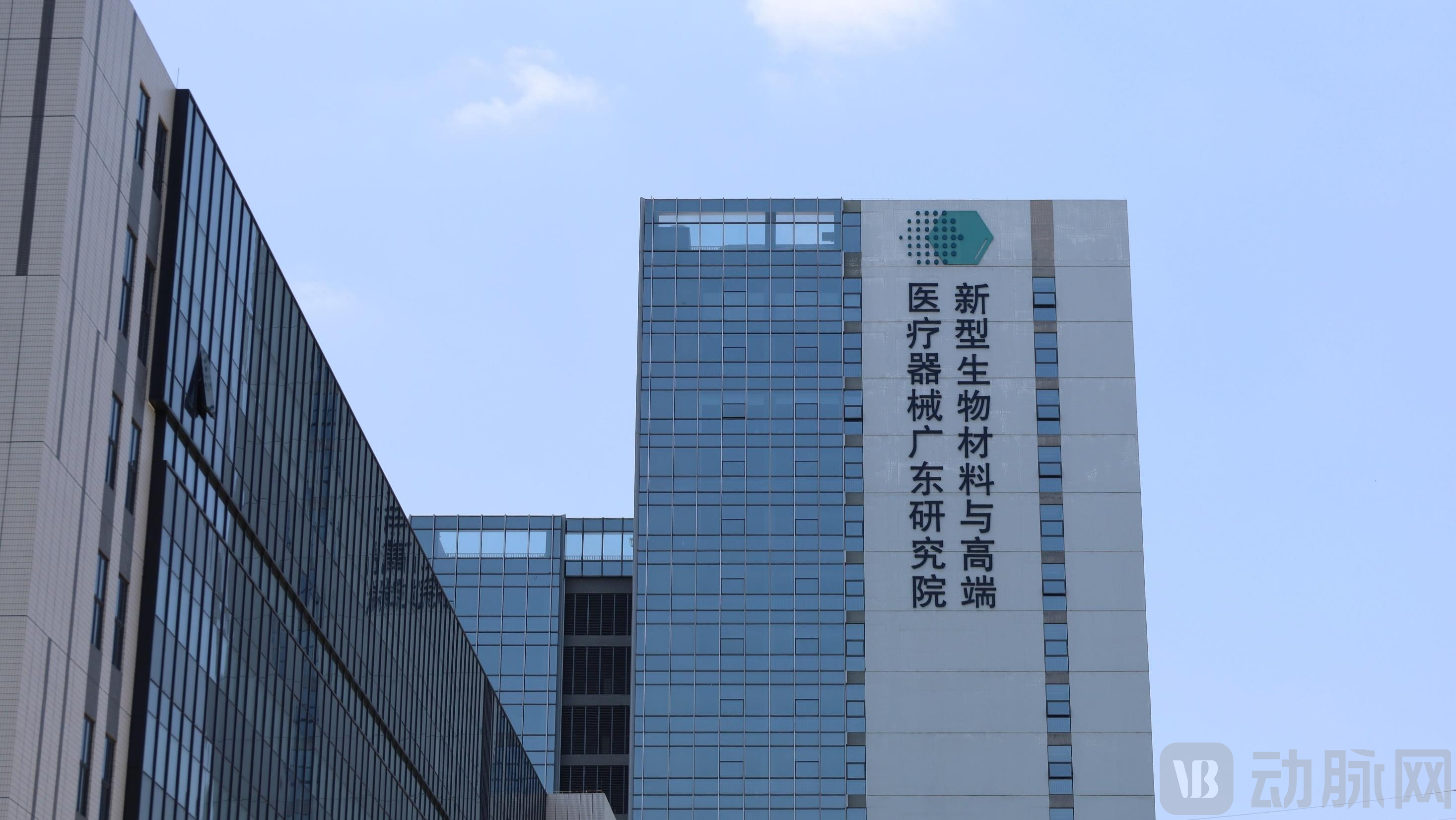
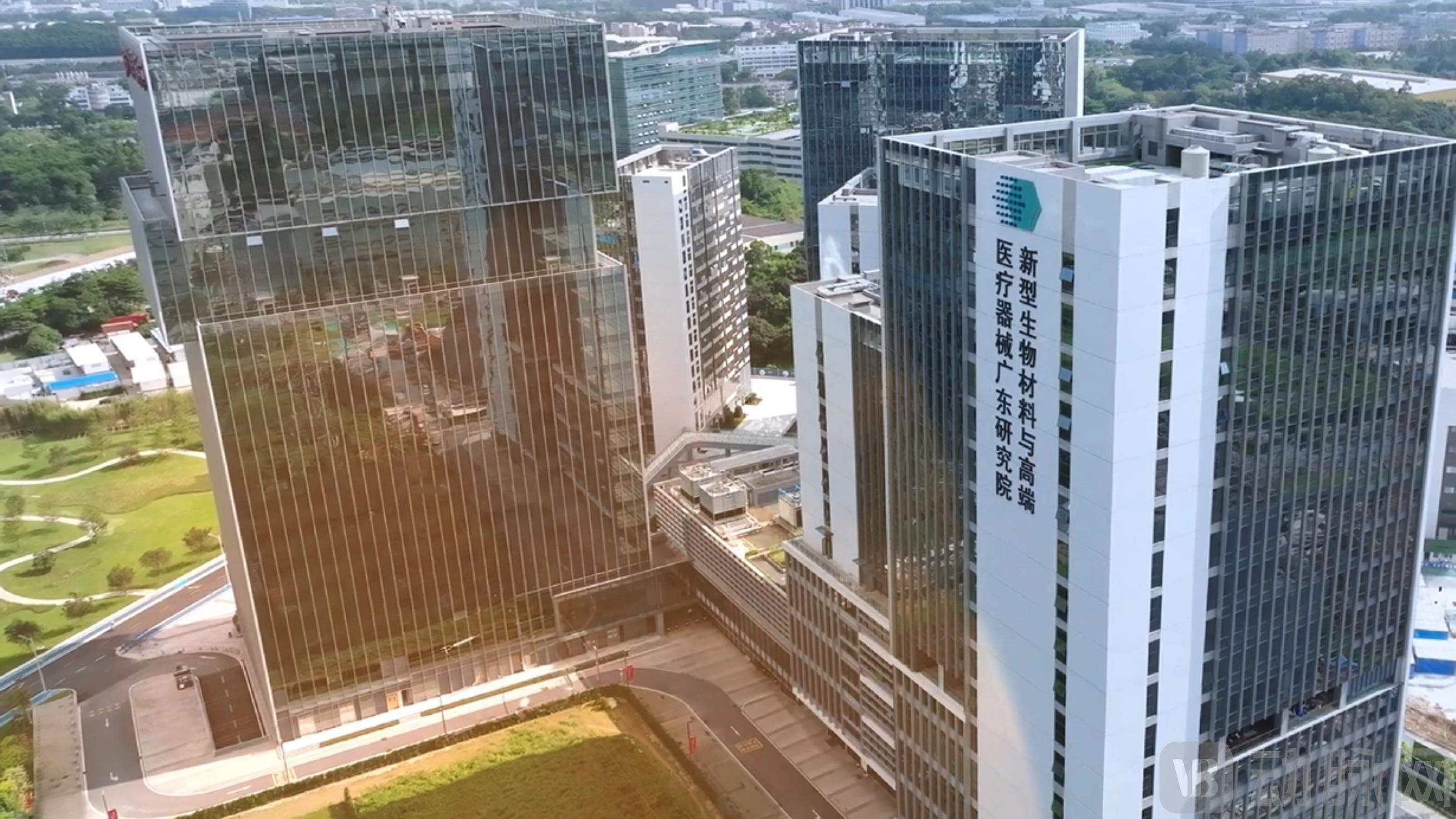
In China, the Guangdong Research Institute of Novel Biomaterials and High-End Medical Devices (hereinafter referred to as the “High-End Medical Device Institute”), as an industry leader, has successfully achieved the commercialization of multiple innovative medical devices and novel biomaterials, providing valuable reference experience for the sector.VCBeat was honored to invite Ma Qiang, Executive Vice President of the Institute for High-End Medical Devices, to delve into the pain points and challenges in translating medical device research into practical applications, as well as to share the institute’s successful experiences and innovative models.

Dr. Ma Qiang formerly served as Deputy Director of the National Engineering Research Center for Functional Reconstruction of Human Tissues; Section Chief of the Development Section, Science and Technology Department; Deputy Dean of the Institute of Biomedical Engineering; Party Secretary of the School of Materials Science and Engineering; and Director of the Laboratory and Equipment Management Office at South China University of Technology.
With extensive experience in the commercialization of university scientific and technological achievements, project management, and asset management, I focus on the translation and incubation of novel biomaterials and high-end medical device innovations. I have undertaken or participated in eight scientific and technological projects, including three national-level grants. I have published more than 20 academic papers in journals indexed by the three major citation indices (SCI, EI, and ISTP) as well as in top-tier domestic journals such as Science Research Management and Studies in Science of Science. I was awarded the First Prize of the Guangdong Provincial Science and Technology Award and the Third Prize (Scientific and Technological Progress Category) of the Guangzhou Municipal Science and Technology Award.
Dr. Ma Qiang pointed out, “There is a clear divergence in perspectives between scientists and investors.” He further explained that scientists are often highly skilled in research and deeply passionate about technological breakthroughs and innovation, but they may be less familiar with the regulatory requirements and technical standards governing the development, manufacturing, and market launch of medical devices—factors that are critical to successful commercialization. In contrast, licensees or investors tend to prioritize the economic returns of a technology and may sometimes struggle to appreciate the substantial potential inherent in scientific achievements.
Dr. Ma Qiang added, “The underlying reason behind this is thatThere is a gap between the scientific research system and the industrial system.Scientists tend to embrace open-minded thinking, pursuing new methods, ideas, and solutions; whereas entrepreneurs or product developers place greater emphasis on convergent thinking, prioritizing product quality, excellence, and consistency. This difference in mindset makes the translation of scientific achievements into industrial products a challenging process.
It is precisely this deep-seated divide that exacerbates the disconnect and inefficient translation of scientific research outcomes into industrial applications, creating a phenomenon of “two separate layers” between research institutions and the industry. The difficulty in effectively transforming scientific achievements into actual productive forces not only wastes valuable research resources but also constrains industrial innovation and development.
Specifically, the primary issue is the disconnect between scientific research outcomes and market demands. Due to factors such as the scientific evaluation system and the inherently multifaceted objectives of scientific inquiry, researchers often tend to immerse themselves in exploratory pursuits within their familiar domains. This leads to a certain insensitivity toward market-driven feedback, resulting in research findings that do not necessarily align with the immediate commercialization needs of the market. Meanwhile, entrepreneurs or product developers, hindered by barriers between them and the scientific research ecosystem, or overly focused on immediate market demands, find it difficult to wait for the effective translation of scientific achievements into marketable products.
Dr. Ma Qiang emphasized, “Therefore, strengthening communication and collaboration between research institutions and the industry, and promoting effective alignment of scientific research outcomes with market demands, has become an urgent issue to be addressed.”
Furthermore, Dr. Ma Qiang highlighted other challenges in the research and development (R&D) of medical devices. He noted that medical device R&D is characterized by long cycles, substantial investment, and high risks. Relevant data indicate that the R&D cycle for Class III medical devices can span 5 to 7 years and requires significant capital infusion. Meanwhile, due to the unique nature of the industry, risks during the R&D process are relatively high. Scientists often focus solely on technical feasibility, lacking sufficient experience and preparedness in transforming technologies into manufacturable and marketable products, responding to market changes and competition, and securing funding for achievement commercialization.
Furthermore, a lack of familiarity with medical device regulatory frameworks constitutes a major challenge in the translation of scientific research outcomes. Dr. Ma Qiang points out that, as products directly impacting human health, the research and development, manufacturing, and market launch of medical devices are subject to strict regulation. However, scientists, investors, and even enterprises acquiring these technological achievements often lack sufficient understanding of these regulatory requirements, leading to divergent views on the commercialization pathway and valuation of scientific research outcomes.
When focusing on the translation of achievements for novel biomaterials, these challenges become more specific and complex. Before novel biomaterials can be applied to medical devices, comprehensive performance validation is required, including assessments of biocompatibility, mechanical properties, controllability, and functionality. This process is complex and time-consuming, requiring substantial investment of resources and time. Furthermore, while many novel biomaterials may offer unique performance advantages, they are often accompanied by issues such as narrow supply channels, limited production capacity, and high costs, leading to supply chain instability. This instability further increases the difficulty and risk associated with translating research achievements into practical applications.
Finally, the application of novel biomaterials in medical devices requires acceptance from both clinicians and patients. However, due to insufficient understanding of these new materials among clinicians and patients, promoting their clinical adoption remains challenging. This difficulty in clinical promotion is a critical aspect that cannot be overlooked in the process of translating medical device innovations into practical applications.
In response to the aforementioned "two-layer skin" phenomenon in the translation of scientific and technological achievements, the Guangdong Institute of New Biomaterials and High-End Medical Devices has proposed a series of practical solutions.
Guangdong Institute of New Biomaterials and High-End Medical Devices is a demonstration base for the transformation of achievements from the National Biomaterials Innovation Cooperation Platform, jointly established by four national ministries and commissions: the National Medical Products Administration (NMPA), the Ministry of Science and Technology, the Ministry of Industry and Information Technology, and the National Health Commission. As a provincial public welfare institution, it focuses on regulatory science research and is committed to promoting the market-oriented transformation of innovative medical device achievements. Under the leadership of Academician Wang Yingjun of the Chinese Academy of Engineering, the Institute integrates high-end resources with international characteristics across the full transformation chain of medical devices, including the National Engineering Research Center, NMPA Regulatory Science Research Bases and Key Laboratories, and the GHWP (Guangzhou) College. It has developed “6D” transformation capabilities in six areas: regulatory guidance, technological R&D, transformation services, clinical promotion, data support, and investment drive. By providing lifecycle service support for the entire medical device value chain, the Institute aims to build an innovation hub for high-end medical devices and achieve independent and controllable development of China’s high-end medical device industry.
“Innovative medical devices, as is well known, have two distinct characteristics. First, it”Essentially falls within the category of industrial products, with a wide variety of categories covering multiple fields such as electromechanical, chemical, and biological.” Dr. Ma Qiang continued to elaborate, “However,As its application in the medical field pertains to disease treatment and patient care, it is subject to stringent regulatory oversight., becoming a regulated commodity.”
“Furthermore, another notable feature is thatInnovation in medical device products often precedes the introduction of regulatory policies, while regulatory frameworks invariably lag behind technological advancements.“, thus creating a certain contradiction between the two.” Dr. Ma Qiang emphasized, “Therefore, in the process of translating medical device research into practical applications, we regard regulatory innovation as a critical focus. Only by effectively advancing regulatory innovation can we create more favorable conditions for the commercialization and implementation of medical device innovations.”
Regulatory Innovationaspect, high-end medical device institutes withNational Medical Products Administration Base for Regulatory Science Research on Medical DevicesandKey Laboratory for the Evaluation of Innovative Biomaterials and Medical DevicesTo provide support, focus on frontier areas, enhance the effective integration of innovation elements and regulatory science research throughout the entire life cycle, and serve regulatory authorities in continuously developing new regulatory methods, standards, and tools. Meanwhile, withGHWP (Guangzhou) CollegeTo drive the convergence, harmonization, and mutual trust between Chinese and international medical device regulations, thereby promoting the continuous development of China’s medical device industry and the ongoing improvement of its regulatory standards.
“We have also conducted research on the translation system for innovative products and established a new dialogue mechanism between innovative enterprises and regulators. This not only helps address challenges encountered during the product translation process but also facilitates discussions on common regulatory issues, thereby deepening policy research and enabling more effective allocation of innovation resources to areas that comply with regulatory requirements, thus enhancing certainty in the innovation process,” said Dr. Ma Qiang.
InR&D EmpowermentIn terms of high-end medical devices, the Institute collaborates withNational Engineering Research Center for Functional Reconstruction of Human Tissues, the center has assembled a highly educated, multidisciplinary team covering multiple key areas. Meanwhile, to further strengthen its research capabilities, the center has actively recruited principal investigators (PIs) who are experts in fields such as advanced biomaterials, cutting-edge medical equipment, big data and precision medicine technologies, bioinformatics, and medical imaging. Furthermore, to cultivate more outstanding research talent, the center has established training systems across six primary disciplines, providing robust support for the professional development of researchers and the sustained advancement of research projects.
“While the core innovative features of a new product are undoubtedly important, the product development process involves numerous details that require careful attention, such as manufacturing processes, excipients, and components. These aspects are precisely where R&D empowerment can make the most impact,” said Dr. Ma Qiang. “By leveraging the close ties between the High-End Medical Device Institute and China’s academic community, we can help companies precisely connect with R&D experts and efficiently integrate resources, thereby accelerating the development process.”
High-End Medical Device InstituteConversion Services“Our starting point differs from that of many other research commercialization centers. The key to successful translation is not merely meeting the needs of startups, but rather collaborating with entrepreneurs to develop innovative products. From the perspective of achievement translation, we aim to help entrepreneurs address all issues across the entire translation process,” said Dr. Ma Qiang.
From the perspective of the commercialization service cycle, high-end medical device institutes provide services that span the entire lifecycle of a startup, encompassing company establishment, site selection, team building, R&D and manufacturing, innovation application, product registration, and market promotion.“We prefer to be sincere companions on entrepreneurs’ journeys, serving as a walking stick in their hands, and helping companies scale new heights when needed.”
It is particularly worth noting that,At various stages of corporate development, the High-End Medical Device Institute leverages its robust clinical demonstration network to conduct collaborative clinical demonstrations across more than 20 hospitals. This initiative supports medical-engineering partnerships and achievement transformation for hospital partners, facilitates joint clinical trials and studies of innovative products, and assists in the clinical promotion of transformed achievements.
Since its establishment, the High-End Medical Device Institute has established a research institute data center to build a foundational data infrastructure for the medical device industry. By integrating and governing massive amounts of industry data resources, it unlocks the potential of data as a key factor of production, providing data services, data products, and data consulting to various innovation entities. This initiative promotes compliant and trustworthy data circulation and sharing, thereby reducing R&D costs across the industry. According to Dr. Ma Qiang,The High-End Medical Device Institute has currently accumulated over 1 billion data entries, covering multiple areas including R&D, regulation, market, and hospitals.Next, the High-End Medical Device Institute will also collaborate with multiple information centers to further enhance its data service capabilities, providing lower-risk, high-certainty R&D recommendations for product development.
“In the field of high-end medical devices, there is a fundamental difference in the role positioning of scientists and entrepreneurs. Although a very small number of hybrid talents can simultaneously manage both R&D and business operations, different stages of corporate development still require differentiated leading forces: during the critical R&D phase, the innovative thinking of scientists serves as the core driving force, while the commercialization phase requires the strategic vision of entrepreneurs to oversee the overall situation.” Dr. Ma Qiang emphasized, “The uniqueness of medical device companies lies in their need to create patient value through technological breakthroughs while realizing industrial value through commercialization pathways. This requires companies to establish a sustainable closed loop between R&D investment and market returns, and the involvement of professional investment institutions provides precisely the key support needed for this balance.”
As a critical hub in the medical innovation ecosystem, investment institutions not only provide R&D funding and industrialization resources but also help companies bridge the “valley of death” through their capital operation capabilities. In the early R&D stage, venture capital involvement accelerates technology translation; during the clinical validation phase, support from industry funds ensures compliant production; and in the market expansion phase, strategic investments assist companies in building global commercial networks. This lifecycle-spanning capital empowerment serves as a dual guarantee for high-end medical device enterprises to overcome both technological and market barriers. Currently, the High-End Medical Device Institute has partnered with more than 10 investment firms, including Shenzhen Capital Group, Development Zone Funds, and Danlu Capital, focusing on early-stage, small-scale, and hard-tech investments to facilitate the transformation of innovative medical device achievements in China.
Since 2021, Dr. Ma Qiang has served as the Executive Vice President of the Institute for High-End Medical Devices. By systematically analyzing and summarizing the key characteristics of the medical device achievement transformation process—namely, high investment, long cycles, stringent regulation, specialized markets, and high professional requirements—and drawing upon his experience in regulatory affairs and academia, he has not only comprehensively built the Institute’s 6D transformation capabilities but also upgraded the traditional medical-engineering collaboration model into the CRMI Trusted Transformation Model.
“High-end medical devices involve numerous stakeholders during the research and development process, characterized by complex interests, weak trust, and relatively higher uncertainty, which have become a major stumbling block on the path to successful commercialization.”The CRMI Trusted Translation Model aims to build an organized ecosystem for outcome translation, endorsed by the credibility of high-end medical device institutions. It establishes a translation and incubation platform integrating regulation, R&D, services, and investment, fostering a symbiotic and mutually beneficial translation ecosystem among four key stakeholders: Clinical (C), R&D (R), Management/Operations (M), and Investment (I). This model serves as an effective approach to promoting the innovative development of medical devices.“Dr. Ma Qiang said.”
In this model, Clinical (C) provides direction and requirements for R&D, ensuring that developed products truly meet the demands of medical practice; R&D (R) focuses on technological innovation and product development, driving technological advancements in medical devices; Operations (M) is responsible for translating R&D outcomes into actual products and conducting market promotion and sales; Investment (I) provides financial support for the entire translation process, facilitating the smooth progress and development of projects.
Furthermore, the CRMI Trusted Translation Model provides more specific, credible, transparent, and market-oriented operational models for various stakeholders in the industry. It offers inventors and rights holders of medical device achievements services such as matchmaking with translation resources, intellectual property management, application for policy incentives, investment and financing services, and design of equity structures and commercialization pathways. For manufacturers and distributors, it provides product technology R&D and demand diagnostic services. It creates business opportunities for enterprises and institutions across the upstream and downstream of the achievement translation chain, including those in healthcare, services, R&D, and production. For investors, it delivers a range of professional services—including high-quality project recommendations, technical risk assessment, regulatory policy risk assessment, post-investment product registration, quality system compliance, testing, and clinical trials—thereby enhancing investment certainty.
The CRMI model not only fosters collaborative synergy among all stakeholders but also enhances the credibility and reliability of the entire translation process through the credit endorsement of the High-End Medical Device Institute. This model helps improve the efficiency and success rate of medical device innovation, delivering better healthcare solutions for patients while providing more stable returns for investors. To date, this model has provided technology transfer services for over 130 achievements to nearly 100 enterprises and institutions.
“We aim to position ourselves as the Alipay for technology transfer, the Taobao for high-reliability projects, the LinkedIn for medical device startup teams, and a guardian of regulatory science. Essentially, the CRMI model seeks to establish benchmarks for trust, quality, and professional services in the field of medical device technology transfer, providing robust support and safeguards for innovative development across the entire industry,” added Dr. Ma Qiang.
The Path to Translating Medical Device Achievements: Though Thorny, the Light of Hope Never FadesIn the face of multiple challenges—including the disconnect between scientific research outcomes and market demands, long R&D cycles, high risks, and complex regulatory oversight—the Institute of High-End Medical Devices has emerged as a trailblazer. By constructing a full-chain innovation ecosystem, it has pioneered new pathways for the translation of medical device achievements. Its 6D Translation Capability and CRMI Trusted Translation Model not only provide robust support for the successful commercialization of scientific research but also inject strong momentum into the healthy development of the industry.
Looking ahead, with continuous technological advancements and ongoing policy optimization, the translation of medical device achievements into practical applications will usher in greater opportunities. We firmly believe that, driven by pioneers such as the Institute of High-End Medical Devices, the medical device industry will continuously break through bottlenecks and achieve higher-quality development. We look forward to seeing more innovative medical devices successfully translated into actual products, contributing more significantly to human health and jointly writing a new chapter for the medical device industry.