

Haiwang Capital Strengthens Its Leadership in Healthcare Innovation Investment Through Source Innovation and Domestic Substitution
In recent years, shifts in external capital and changes in the international landscape and national policies have profoundly impacted every player in the industry. Meanwhile, China’s biomedical innovations, represented by innovative drugs, are stepping onto the global stage through business development (BD) and collaborations. As globalization becomes the norm for China’s medical innovation, key priorities now include integrating the industrial chain, supporting domestic substitution, and building an innovative ecosystem.
Among them, the Pudong Sci-Tech Innovation Group has emerged as a significant force of patient capital, leveraging its robust and stable financial strength, long-term strategic layout, and extensive industrial resources. It plays a pivotal role in promoting industrial upgrading, optimizing capital allocation, and safeguarding economic security.
As a key market-oriented platform within the Pudong Science and Technology Innovation ecosystem, Haiwang Capital has leveraged its resource advantages to build a professional, efficient, and experienced fund management team. It continues to expand the scope of source innovation and domestic substitution, accelerate the development of the medical innovation ecosystem, and promote regional resource sharing and win-win cooperation.
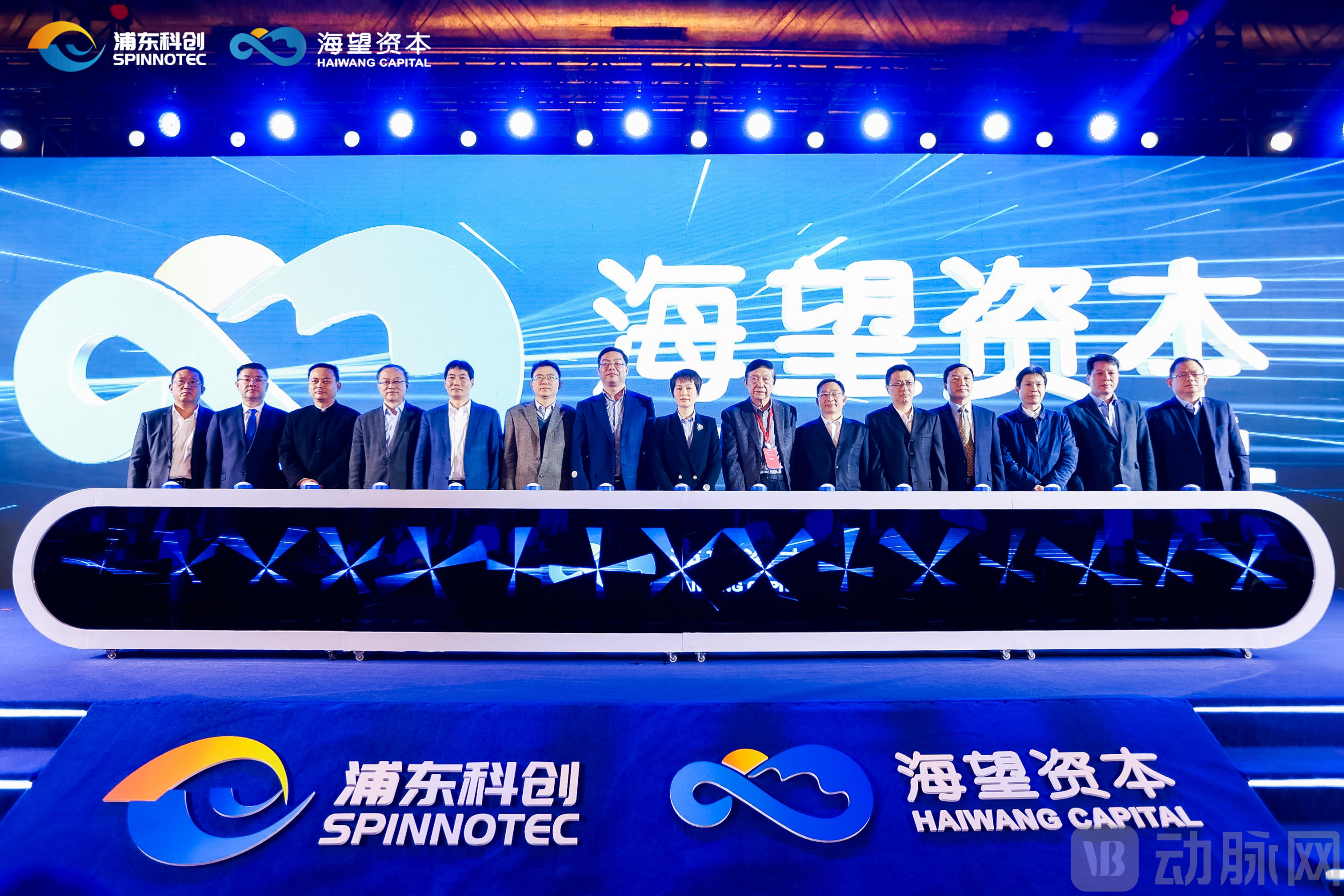
1Securing Multiple “First-Stock” Listings in Medical Innovation, Starting from Early-Stage R&D Incubation
To date, the “Pudong Sci-Tech Innovation Cluster” and Haiwang Capital have invested in 26 listed biopharmaceutical companies, including InnoStar (the first CRO company under a central state-owned enterprise to go public), Obio Technology (the first gene therapy CDMO to go public), Nanomodel Biotech (the first model animal company to go public), MicroPort EP (the first medical device company to list under the fifth set of listing criteria on the STAR Market), iRay Technology (the first X-ray detector company to go public), and Pharmaron’s subsidiary MediciNova (the first CRO company to list on the STAR Market). Several other portfolio companies are currently in the process of filing for IPOs.
Observations indicate that Haiwang Capital’s investments in medical innovation are characterized by an investment strategy focused on early stages, nascent enterprises, hard-core technologies, and long cycles. By leveraging various specialized programs and founder camps as entry points to provide early-stage support to startup teams, Haiwang Capital engages with enterprises early, fosters collaboration, and pursues mutual development based on in-depth communication and understanding.
Taking Obio Technology, the first publicly listed gene therapy CDMO, as an example, Obio Technology participated in the Pudong Sci-Tech Innovation No. 1 Intellectual Property Asset-Backed Special Plan in March 2020, successfully raising RMB 5 million. In June 2020, Pudong Sci-Tech Investment invested in Obio Technology, further strengthening comprehensive cooperation between the two parties in resource linkage and industrialization. In March 2022, Obio Technology was listed on the STAR Market. In 2023, Obio Technology’s Gene Therapy Empowerment Innovation Center was inaugurated, and the company has been consecutively ranked on the China Life Science Services Brand List for multiple years.
Backed by the deep-rooted expertise and specialized teams of the Pudong Science and Technology Innovation ecosystem, Haiwang Capital remains committed to investing in new-quality productive forces characterized by long cycles, high risks, and uncertain technological evolution paths. The firm focuses on addressing the resource constraints and industrialization challenges faced by sci-tech startups during the critical “0-to-1” stage.
Taking InnoLake Pharma, in which Haiwang Capital increased its investment in February 2024, as an example, the company is dedicated to developing first-in-class (FIC) or best-in-class (BIC) drugs with international innovative value. It has established a robust product pipeline encompassing large molecules, small molecules, and antibody-drug conjugates (ADCs). Currently, nearly 10 projects have successfully advanced to Phase I–II clinical trials, and the company plans to complete the New Drug Application (NDA) submission or obtain marketing approval for its first product within the next three to five years.
While delving deep into the sources of innovation, Haiwang Capital has extended its investment target selection and full-lifecycle empowerment forward, providing support at the “ultra-early” stage to establish an ecosystem for scientific research translation.For example, since 2023, Haiwang Capital has co-organized the “Haiwang Dengfeng CEO Special Training Camp,” a non-profit early-stage startup training platform. By attracting high-quality innovative projects from both domestic and international markets, and leveraging expert lectures, resource support, and empowerment services, it systematically designs and customizes entrepreneurial training modules best suited for founders of startups.
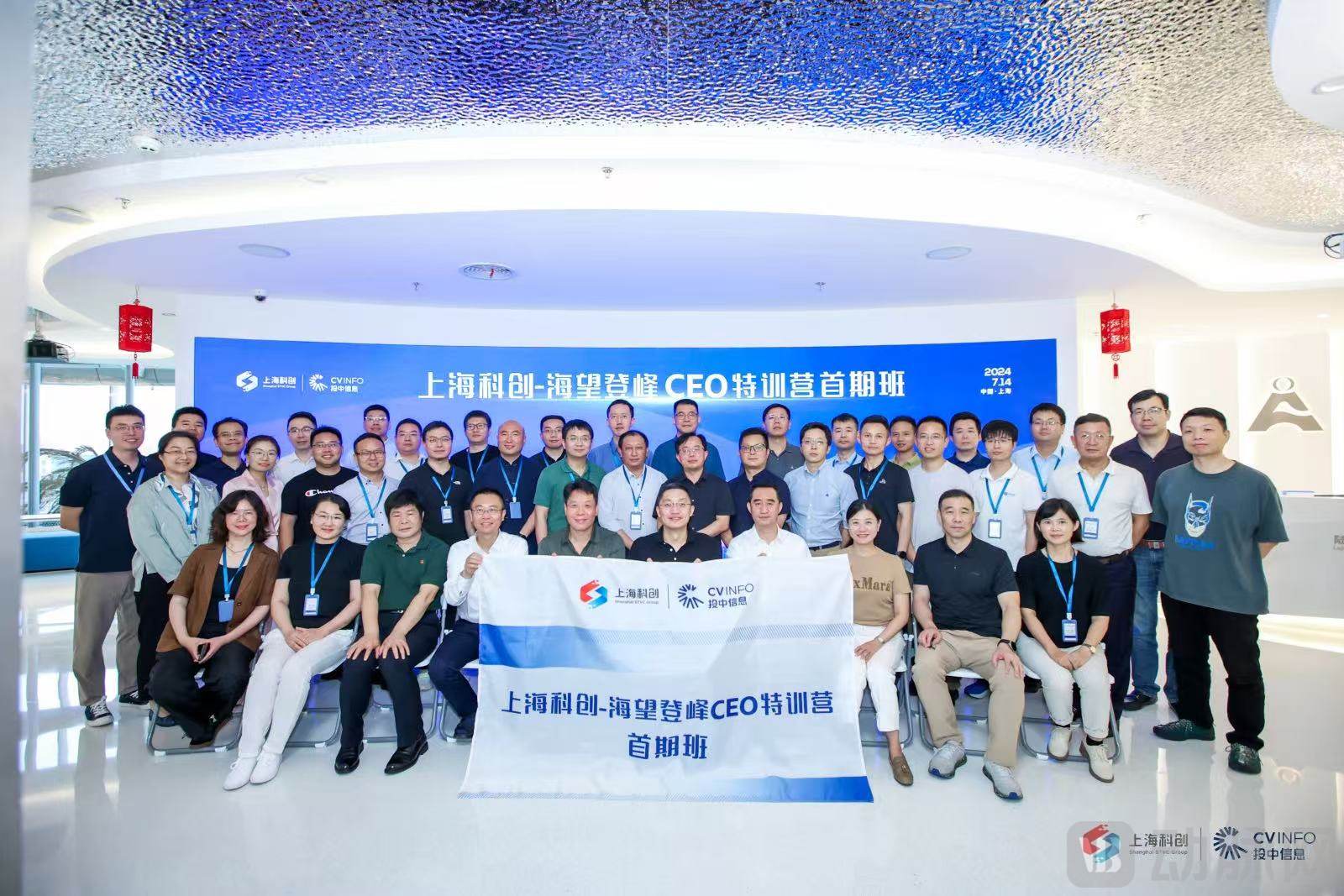
Haiwang Dengfeng CEO Executive Training Camp On-Site
2Completing the Medical Innovation Ecosystem: Approaching from the Upstream Supply Chain and Domestic Innovation Perspectives
Further analysis reveals that the common characteristics of portfolio companies under the Pudong Science and Technology Innovation ecosystem are their focus on hard technology, positioning in the upstream segment of the industrial chain, and addressing import monopolies and critical technological bottlenecks.From the perspective of supporting the development of new drugs and innovative medical devices, the Pudong Science and Technology Innovation investment cluster has successively invested in a batch of upstream leading enterprises in niche sectors, including InnoStar BioTech, Shanghai Model Organisms Center, Obio Technology, Bozhi Yanxin, Medicilon, and WuXi Biology. These investments cover nearly all upstream segments, ranging from translational research, model animals, drug discovery, preclinical studies, clinical trials, process development, to contract manufacturing, thereby achieving “gap-filling investments” along the industrial chain.
Haiwang Capital continues to focus on leading companies in niche sectors, rapidly expanding the biomedical industry ecosystem of the “Pudong Sci-Tech Innovation Group.”Within the past two years, investments have been made in leading Chinese companies such as ExCell Bio (a pioneer in domestic fetal bovine serum), LePure Biotech (a leader in domestic single-use bioreactors), Yeasen Biotechnology (a leading provider of domestic biological reagents), BioLink (a leading enterprise in core equipment and consumables for domestic bioprocessing), and JiuYiYuan (a pioneer in domestic medical cyclotrons).
Returning to the essence, current healthcare investment is not merely a matter of capital infusion; it represents a partnership for co-growth and joint value creation with enterprises, as well as a sense of responsibility toward building an ecosystem for new quality productive forces.Haiwang Capital concretizes “patient capital” as: accompanying enterprises throughout their entire life cycle, actively building a resource-linking platform, and proactively assuming a service role in the construction of industrial ecosystems.
Taking Shanghai Model Organisms Center, Inc. (“SMOC”), a long-term investment portfolio company, as an example, Pudong Sci-Tech Innovation and Haiwang Capital first leveraged their respective industrial ecosystem advantages to actively introduce resources and provide post-investment value-added services. They offered support at key milestones in the company’s development: after its model organism products and services entered the market, they facilitated introductions to upstream and downstream partners and new investors, thereby injecting fresh capital and fostering positive interactions across the industry chain. Furthermore, they were deeply involved in designing the IPO strategy, empowering SMOC throughout the entire process—including patent applications, securities firm recommendations, tutoring and filing, review approval, and registration—ultimately enabling SMOC’s successful listing on the STAR Market.
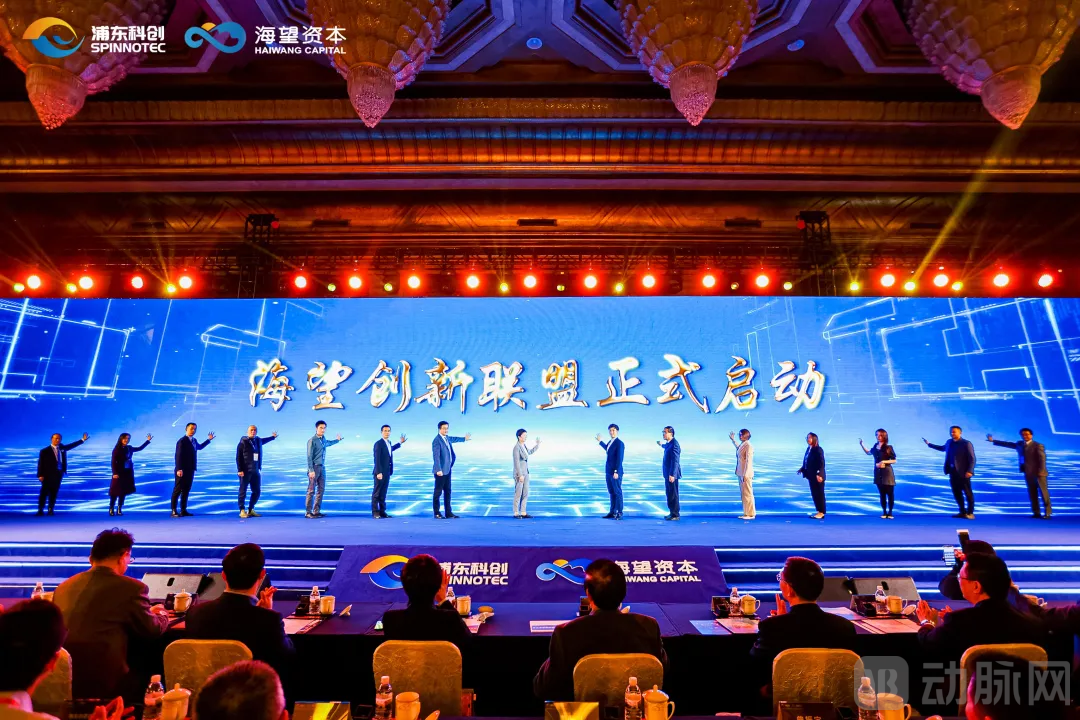 Haiwang Innovation Alliance Inauguration Ceremony
In 2021, Haiwang Capital spearheaded the establishment of the Haiwang Innovation Alliance, joining forces with multiple industry-leading and core enterprises. The alliance now boasts over 100 member units, covering fields such as semiconductors, artificial intelligence, and medical innovation. Leveraging the Haiwang Innovation Alliance, innovative enterprises and industry leaders can rapidly connect and engage in dialogue, facilitating effective synergy and cross-disciplinary innovation across diverse resources, value chain segments, and sectors.
Looking ahead, the core logic of healthcare investment remains to encourage source innovation, enhance high-end domestic substitution and self-sufficiency rates, ensure supply chain security, and meet clinical needs.Haiwang Capital will continue to deepen its focus on investments in medical innovation, remaining undeterred by cyclical fluctuations, upholding professional judgment and value-oriented principles. It dares to invest in new quality productive forces and disruptive innovations, serving as a steadfast partner committed to supporting corporate growth.