

China's Domestic High-End Radiotherapy Equipment Industry Rises with Technological Breakthroughs and Market Expansion
Surgery, radiotherapy, and chemotherapy are the three major modalities for tumor treatment. According to World Health Organization statistics, more than 70% of tumors require radiotherapy, and radiotherapy contributes to 40% of cancer cures.
As one of the common methods for treating malignant tumors, radiotherapy (radiation therapy) primarily utilizes various types of rays or particle beams generated by radiotherapy equipment to kill tumor cells, aiming to achieve curative, adjuvant, or palliative treatment.
In the past, China's radiotherapy equipment market was monopolized by overseas giants such as Elekta and Varian, with their combined market share once exceeding 90%. However, domestically produced radiotherapy equipment is now making gradual breakthroughs and rising rapidly.
First, the number of approved domestically produced radiotherapy devices has surged, and Chinese brands are launching high-end radiotherapy equipment.. For example, medical linear accelerators are among the most widely used radiotherapy devices; in addition to multinational giants such as Elekta and Varian, more than ten Chinese domestic companies have launched related products.
According to statistics from the High-End Medical Device Institute’s data center: As of the end of February 2025, the National Medical Products Administration (NMPA) had approved approximately 50 models of medical linear accelerators, including 15 imported products and 35 domestically produced products, with domestic products accounting for about 70% of the total. Excluding localized products from Elekta and Varian, there were 26 models of medical linear accelerators approved under domestic brands, representing 52% of the total.
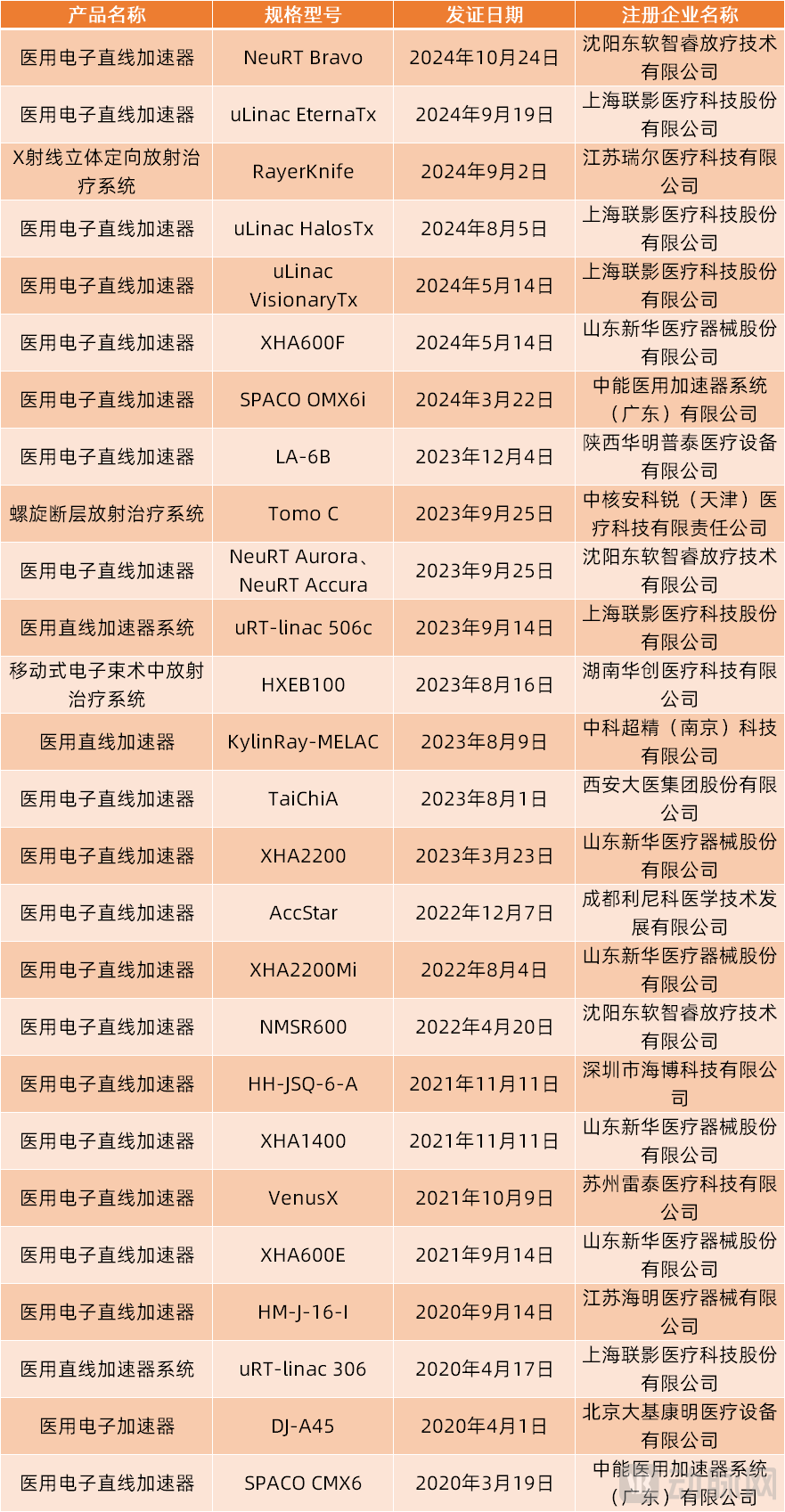
(Approval Status of Domestic Linear Accelerator Brands, Data Source: High-End Medical Device Institute Data Center)
Meanwhile, numerous domestic enterprises—including United Imaging Healthcare, CNNC Accuray, Neusoft Zhirui, Zhongjiu Flashlight, Xinhua Medical, CAS Superprecision, Aipuqiang, Kejin Taiji, CGN Nuclear Technology Development, China National Nuclear Corporation (CNNC), and CAS Ion—have launched high-end radiotherapy equipment, breaking the technological blockade on advanced systems. For instance, CNNC has developed a superconducting cyclotron...
Second, domestically produced high-end radiotherapy equipment has achieved a breakthrough in commercialization.For example, the domestically produced high-end helical tomotherapy radiotherapy system (TOMO C) launched by CNNC Accuray was approved for market release in September 2023. Leveraging this product, CNNC Accuray achieved a 30% year-on-year revenue growth in 2024, with profits exceeding the total of the five years prior to its establishment, and its market share in the radiotherapy equipment sector increased by 5 percentage points compared to 2023.
United Imaging Healthcare’s revenue from its radiotherapy business grew from RMB 84 million in the first half of 2023 to RMB 242 million in the first half of 2024, representing a year-on-year increase of approximately 188%. Based on statistics for the value of newly added domestic market installations in the first half of 2024, United Imaging Healthcare ranked third in market share for radiotherapy equipment.
Furthermore, domestic radiotherapy equipment manufacturers have gained recognition in the capital markets, accelerating their financing efforts.In June 2024, Neusoft Zhirui completed a Series C financing round exceeding RMB 100 million, jointly led by Leli Capital and Neusoft Capital; in December 2024, Raytai Medical secured RMB 100 million in Series F investment from Beijing State-owned Assets, with joint investment from the Beijing Pharmaceutical and Health Industry Investment Fund and the Beijing Economic-Technological Development Area Industrial Upgrade Equity Investment Fund.
In addition, companies in the radiotherapy equipment sector have also secured financing. For instance, Ruihuachen Medical, a developer of precision radiotherapy robots, raised tens of millions of yuan in its Series A1 funding round in March 2025. Yangqi Yixin, a company specializing in precision nuclear medicine, completed its Pre-A financing round of tens of millions of yuan in November 2024, led by Anfeng Venture Capital.
Finally, domestically produced radiotherapy equipment is accelerating its development under policy support.In December 2024, the National Health Commission published the “List of Promotion and Application Projects for High-End Medical Equipment (2024)” on its official website. The list includes United Imaging Healthcare’s innovative solution for intelligent image-guided linear accelerators, as well as real-time image-guided linear accelerator projects from companies such as Shinva Medical, Neusoft Zhirui, TAICANN, and CNNC Anke.
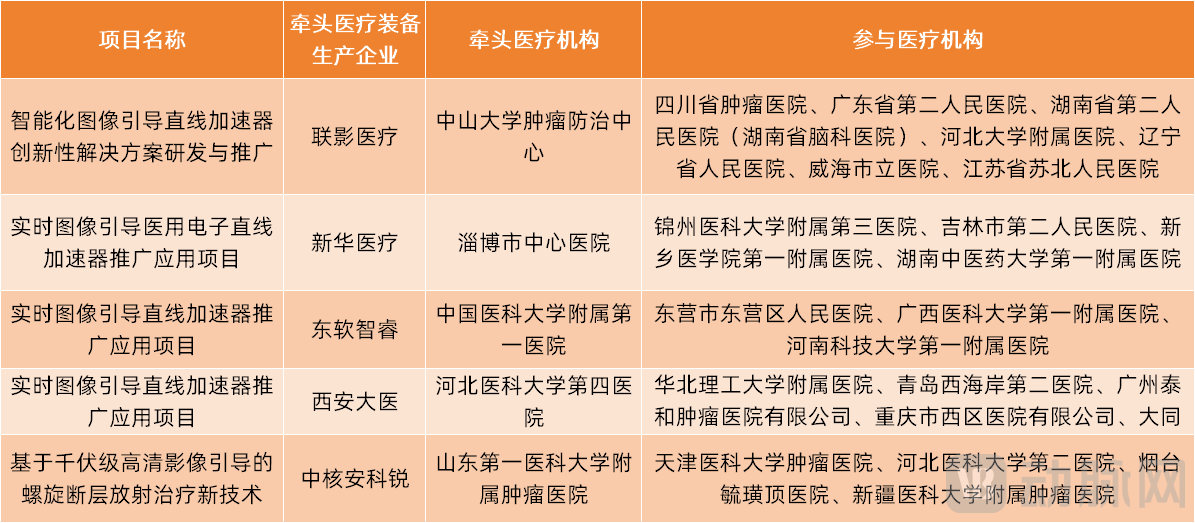
List of High-End Medical Equipment Promotion and Application Projects in 2024 (Partial)
It is reported that the Promotion and Application Project for High-End Medical Equipment is jointly implemented by the General Office of the Ministry of Industry and Information Technology and the General Office of the National Health Commission, with the aim of accelerating the innovative development, promotion, and application of high-end medical equipment. Projects included in the selected list are expected to leverage this policy to expedite their promotion and adoption.
From technological breakthroughs to product approvals, from being overlooked to accelerating fundraising, and from low-end to high-end offerings, domestically produced radiotherapy equipment has traversed a journey spanning several decades. As some industry insiders lamented, “The hardships endured along the way are beyond words for those outside the field.”
Radiotherapy can be categorized into photon beam radiotherapy, particle beam radiotherapy, and other types based on the nature of the radiation. Photon beam radiotherapy includes gamma rays and X-rays, with corresponding equipment such as Gamma Knife, linear accelerators, CyberKnife, and TOMO Therapy systems. Particle beam radiotherapy involves proton beams and heavy ion beams, which have higher energy than photon beams; the corresponding equipment includes proton therapy systems and heavy ion therapy systems.
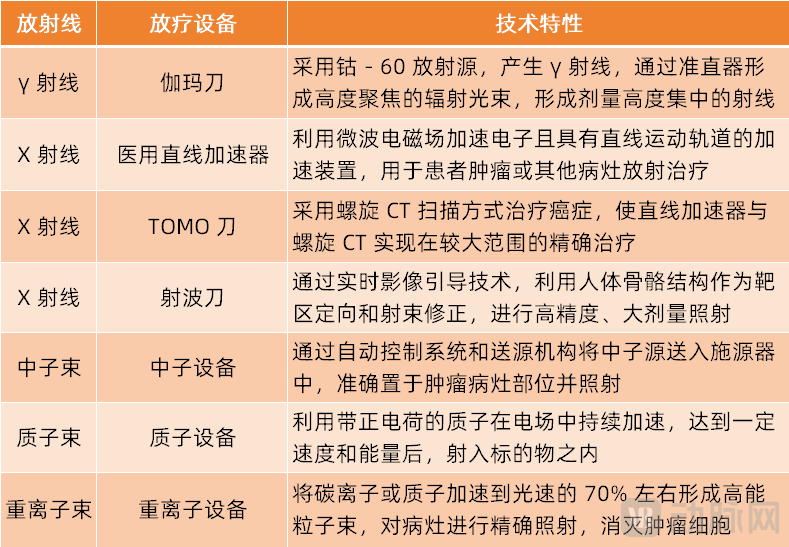
Among them, different radiotherapy devices have distinct characteristics and are suitable for various clinical scenarios and indications. The selection should be evaluated and determined by clinicians based on the patient’s specific condition. For instance, Gamma Knife is more suitable for brain tumors, TomoTherapy is better suited for tumors with complex structures or irregular shapes, and CyberKnife is more appropriate for small to medium-sized primary or metastatic tumors...
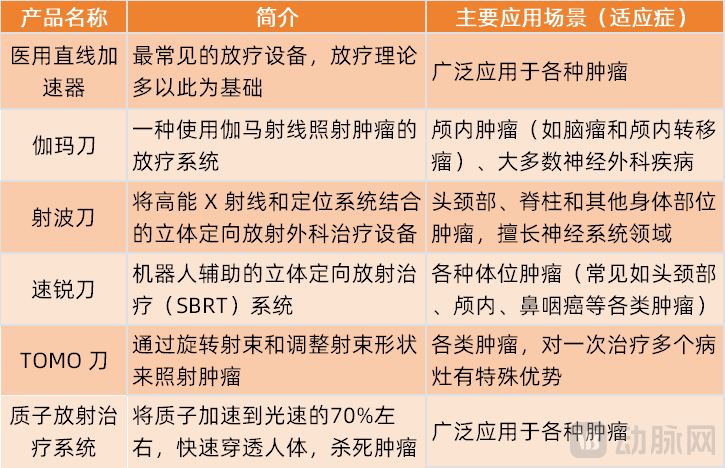
Gamma Knife, the full name of which is Gamma Ray Stereotactic Radiosurgery System, utilizes cobalt-60 radioactive sources generate gamma rays, which are shaped by a collimator into highly concentrated beams to irradiate the lesion (tumor) and destroy the pathological tissue.
In 1993, China imported its first Gamma Knife, manufactured by Elekta, at a price of $3 million. Over the following two years, approximately 13 Gamma Knife units were introduced into the Chinese market, accounting for 20% of the global total at that time. However, due to the limited number of qualified physicians and the extensive, rather than precise, management and operation of these devices, medical accidents occurred in clinical practice.
In this context, relevant domestic authorities issued the "Notice on Suspending the Procurement of Gamma Knife and X-Knife Systems," effectively halting Gamma Knife imports. From 1995 to 2005, China imported very few Gamma Knife units, causing Elekta to nearly lose its share of the Chinese Gamma Knife market.
During this period, domestically producedTarget CompaniesGamma KnifeMarket,Riding the Momentum to Rise.In 1995, Shenzhen Aowei Company (later acquired by Xi’an Dayi Group) developed China’s first Gamma Knife, and in 1998 launched the first domestically produced body Gamma Knife. Subsequently, Chinese companies such as Masep, Yiti Medical, Gamma Star Technology, and Shengai Medicine also introduced their own Gamma Knife products.
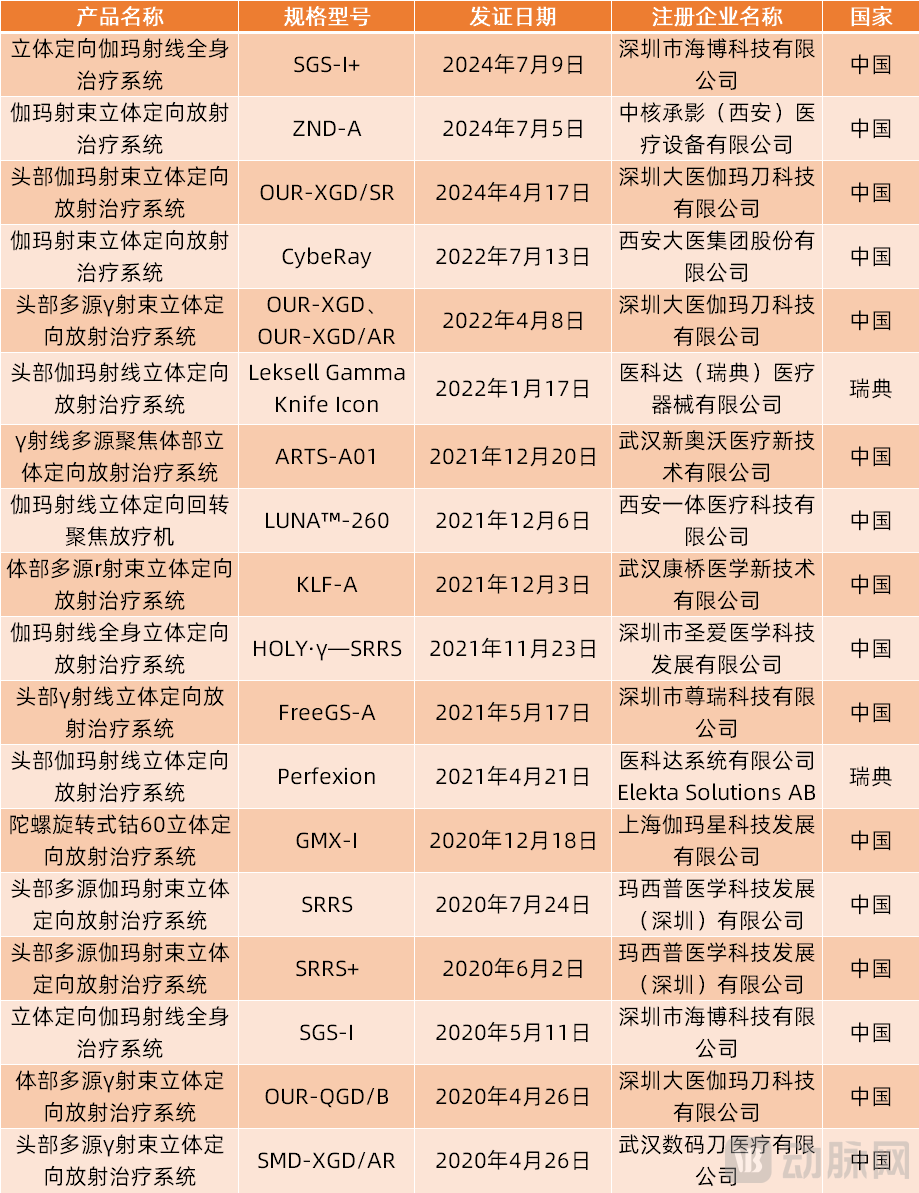
(Domestic Gamma Knife Registration Status, Data Source: High-End Medical Device Institute Data Center)
Compared with an imported Gamma Knife priced at $3.5 million per unit, a domestically produced Gamma Knife costs only RMB 10 million per unit. Two treatment sessions with imported equipment cost RMB 50,000, whereas a full course of treatment (approximately 10 sessions) with domestically produced equipment costs just RMB 15,000. Leveraging cost advantages and product differentiation, domestically produced Gamma Knives have rapidly penetrated the market. Currently, domestic brands account for over 90% of the Gamma Knife market share in China.
Among them, after Dayi Group acquired Aowu Company, it gradually grew into the largest Gamma Knife manufacturer and service provider in Asia and the second largest in the world. Masipu, a company under Yinkang Shengyi, has sold its Gamma Knife products to regions including the United States, Turkey, Kazakhstan, and Vietnam. As of 2020, the global installed base of Masipu’s Gamma Knife systems approached 100 units.
Although Chinese-made Gamma Knife manufacturers have achieved rapid market breakthroughs, they remain constrained by upstream dependencies in radioactive sources. Given that cobalt-60 is a critical raw material for Gamma Knife systems and requires replacement every 5–7 years, these devices exhibit an extremely high reliance on cobalt sources. Previously, domestic companies primarily relied on imported cobalt-60 radioactive sources.
To address the issue of radioactive sources, relevant domestic enterprises have been actively expanding into upstream sectors. For instance, in 2016, China National Nuclear Corporation (CNNC) included the development of domestically produced cobalt-60 radioactive sources in its “Longteng 2020” plan. In 2019, CNNC successfully produced the first batch of domestically manufactured medical-grade cobalt-60 raw materials.
Nowadays, domestically produced Gamma Knife systems have not only become one of the few high-end medical devices achieving import substitution in China but have also successfully expanded overseas and are sold globally. Meanwhile, companies such as Taiyi Group and Masep are strengthening their development of dynamic guidance and intelligent technologies. It is expected that future Gamma Knife systems will be more precise and intelligent, and will be integrated with medical linear accelerators.
Medical linear accelerators are large-scale medical devices that utilize microwave electric fields to accelerate electrons, generating high-energy X-rays and/or electron beams for use in external beam radiotherapy. They are widely employed in the treatment of various tumors, particularly deep-seated tumors.
In 1974, the Beijing Municipal Government organized and launched the “Beijing Medical Electron Accelerator Campaign,” involving more than 40 participating entities, including the Beijing Electrical Equipment Factory, Tsinghua University, and the Beijing Institute for Cancer Research. They successfully developed a 10-MV traveling-wave medical accelerator and a 4-MV standing-wave medical accelerator, which were deployed in the domestic market. By 1986, there were 71 medical accelerators installed in radiation oncology departments across China, most of which were domestically produced low-energy models.
In the late 1980s, China began to gradually introduce more imported accelerator equipment. At that time, domestically produced linear accelerators had relatively poor performance but were low in cost and offered timely maintenance, primarily serving the grassroots market for tumor radiotherapy. Imported equipment, with its leading technology and superior performance parameters, dominated the high-end market, such as provincial-level cancer hospitals.
According to statistics from the Chinese Society for Therapeutic Radiology and Oncology, in 2006, there were 918 medical linear accelerators installed in radiation oncology departments across China, with the proportion of domestically produced units dropping to 55%. Representative companies include Xinhua Medical, Beijing Institute of Medical Instruments, Guangdong Weida, and Shanghai Medical Nuclear Instrument.
Following China’s accession to the WTO, companies such as Siemens, Varian, and Elekta entered the Chinese market. For instance, Elekta acquired the Beijing Institute of Medical Devices in 2007, and Varian established Varian Medical Systems (Beijing) Co., Ltd. in the same year. Due to the significant performance gap between domestically produced accelerators and imported equipment, the accelerator market was monopolized by international giants. Domestic brands could only maintain a presence in the low-end segment, with their market share hovering around 10%.
During the period when multinational brands monopolized the high-end market, domestic enterprises did not give up; instead, they quietly accumulated strength and strengthened R&D innovation. Eventually, Chinese brands also successively launched high-end medical linear accelerators.。
For example, in March 2019, the first domestically developed high-energy medical electron linear accelerator by Xinhua Medical was approved for market launch. More recently (in March 2025), Xinhua Medical also launched an intelligent ring-shaped online adaptive radiotherapy system. According to reports, this system breaks through the constraints of traditional radiotherapy workflows. Leveraging high-speed core components and intelligent AI algorithms, it streamlines and automates complex radiotherapy procedures with a single click, providing tumor patients with a safer, more efficient, and precise treatment experience. The system enables advanced radiotherapy techniques such as rapid volumetric modulated arc therapy (VMAT), stereotactic radiotherapy, and 15-minute online adaptation.
Furthermore, United Imaging Healthcare entered the radiotherapy field in 2013 and launched the world’s first CT-integrated linear accelerator, the uRT-Linac 506C, in 2018, integrating diagnostic-quality spiral CT with a linear accelerator. In 2024, United Imaging Healthcare unveiled the industry’s first integrated CT ring-gantry linear accelerator: the uLinac HalosTx. This product features a ring-gantry design that multiplies the rotational speed of the gantry during treatment. Combined with its high dose rate of 1,200 MU/min and leaf speed of 6.5 cm/s, it significantly enhances radiotherapy efficiency. Meanwhile, the ring-gantry design eliminates the risk of patient collisions, enabling more efficient and safer treatment outcomes.
Furthermore, Neusoft Zhirui, a subsidiary of Neusoft Medical Systems, has been dedicated to the development of core components for radiotherapy equipment and the breakthrough of critical “chokepoint” technologies since its establishment in 2018. At the end of 2024, Neusoft Zhirui’s independently developed domestic medical linear accelerator, the NeuRT Bravo Borui Precision Radiotherapy System, received regulatory approval for market launch. This marks another new radiotherapy product released one year after the launch of its flagship product, the NeuRT Aurora Aurora Intelligent Radiotherapy Platform. It is understood that the NeuRT Bravo Borui Precision Radiotherapy System relies on a new high-performance hardware platform to achieve sub-millimeter precision in treatment, isocenter accuracy, gantry control, and treatment couch positioning. The system supports multiple therapeutic techniques, including Image-Guided Radiation Therapy (IGRT), Intensity-Modulated Radiation Therapy (IMRT), Volumetric Modulated Arc Therapy (VMAT), and Stereotactic Body Radiation Therapy (SBRT), laying a solid foundation for precision radiotherapy.
In July 2024, CNNC Accuray officially completed the production and factory release of its first Tomo C helical tomotherapy system. Reportedly, this device is a high-end radiotherapy product featuring high-definition imaging, rapid treatment delivery, and precise adaptive capabilities. By integrating spiral CT imaging with helical tomotherapy, it achieves seamless connectivity between diagnostic and therapeutic workflows, optimizes efficiency across the entire process, and significantly reduces treatment time.
After years of persistent efforts by Chinese researchers, domestic brands have finally broken into the high-end medical linear accelerator market.Not only has the product received regulatory approval, but domestically produced high-end accelerators have also gained market recognition.In 2024, in China's linear accelerator market, CNNC Accuray held a market share of approximately 15%, while United Imaging Healthcare reached a market share of 20%. Meanwhile, companies such as Xinhua Medical and Raytop Medical also achieved commercial installations.
According to data from Zhongcheng Medical Devices, the localization rate of China’s medical electron linear accelerator market has risen from 4.42% in 2019 to 16.35% in the first half of 2024, with the market share of domestic brands quadrupling over the five-year period. This also indicates that the competitiveness of domestically produced medical linear accelerators in the Chinese market is gradually strengthening.
Beyond the markets for Gamma Knife and medical linear accelerators, there are various other radiotherapy devices, including CyberKnife, TOMO Therapy systems, proton radiotherapy systems, and heavy ion radiotherapy systems. In these areas, many domestic companies have achieved breakthroughs, with a surge of innovative radiotherapy equipment being launched by Chinese enterprises over the past two years.
For example,In December 2024, Zhongjiu Shanguang released the e-Flash200A ultra-high dose rate electron beam radiotherapy system.This system is a superficial tumor treatment device based on electron beams, featuring an ultra-high dose rate, controllable penetration depth, short treatment time, precise positioning, and low side effects. It is suitable for irradiation of superficial lesions, radiotherapy for superficial solid tumors, and intraoperative radiotherapy, and can serve as an adjunctive therapy during and after surgery. Reportedly, the system is expected to reduce the number of radiotherapy sessions per course from over 20 to just 1–4, while shortening the duration of each session from 15 minutes to under one second. This significantly reduces toxic side effects, alleviates patient suffering, lowers treatment costs, and improves therapeutic efficiency.
In August 2024, Huachuang Medical’s independently developed first domestically produced mobile electron beam intraoperative radiotherapy system was approved for market launch.This product is designed for use after surgical resection of solid tumors and prior to wound closure. It delivers a single, high-dose, precise radiation therapy using megavolt-level high-energy electron beams to target residual cancer cells and lesions, thereby eradicating remaining tumor cells while effectively protecting normal tissues and organs.
According to reports, this device offers a significant cost-effectiveness advantage: A typical course of external beam radiotherapy lasts approximately one month, involving 20–30 sessions, with an average cost of around RMB 60,000 per course. In contrast, intraoperative radiotherapy, represented by mobile electron-beam intraoperative radiotherapy systems, can be completed in a single session, with treatment costs amounting to approximately one-third of those for external beam radiotherapy.
In January 2024, Zhongke Chaojing released its independently developed “Qilin Knife,” an integrated hardware and software solution for precise tumor radiotherapy., and also signed a strategic cooperation agreement with Yingkang Life on-site.
It is understood that the high-end precision radiotherapy equipment for tumors, "Qilin Dao," applies neutron and radiation transport calculation theories and technologies to the field of tumor radiotherapy. Adopting the "four-precision" radiotherapy technique, it features significant advantages such as high precision, high dose rate, good applicability, and superior safety, thereby achieving precise irradiation of tumor lesions and improving radiotherapy outcomes. Currently, Qilin Dao has been deployed in dozens of institutions.
Proton and heavy ion equipment are ultra-high-end products in the field of radiation therapy.As of now, only a few countries, including China, Germany, Belgium, the United States, and Japan, have mastered proton and heavy ion therapy technology, with IBA, Varian, and Hitachi accounting for nearly 80% of the global market share.
In this niche sector, Chinese enterprises have also achieved breakthroughs. For instance, Aipuqiang launched China’s first domestically produced proton therapy system in September 2022; the carbon ion therapy system developed by Kejin Taiji received conditional approval in June 2023; and Maisheng Medical’s compact, integrated single-room proton therapy system, the first of its kind in China, was approved for market launch at the end of 2024.
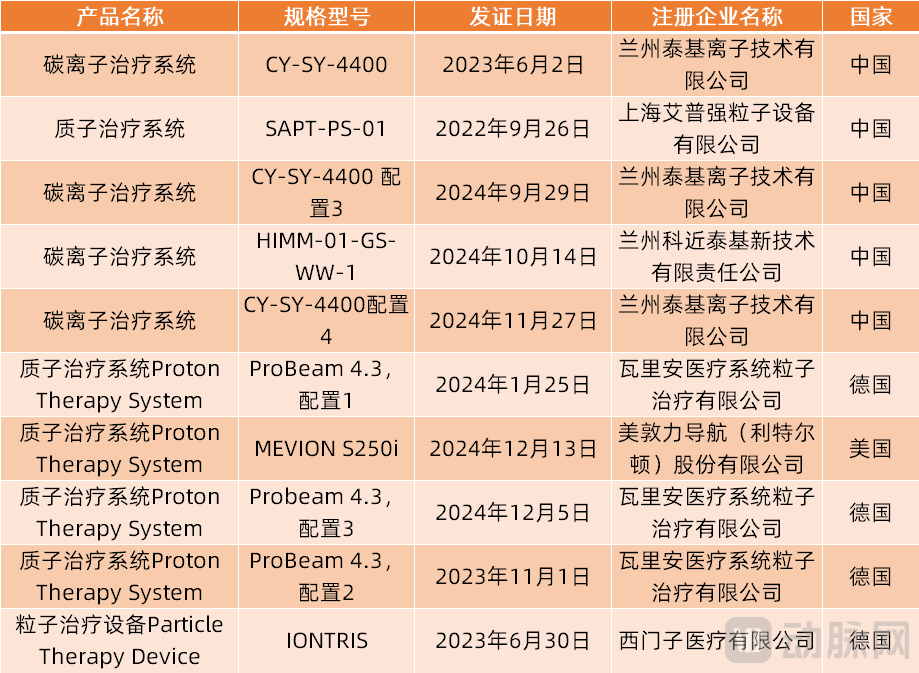
(Domestic Registration Status of Proton and Heavy Ion Therapy Equipment; Data Source: High-End Medical Device Institute Data Center)
Overall, driven by technological breakthroughs, product approvals, market promotion, and policy support, domestic enterprises are poised to accelerate their growth, capture a larger market share, and increase the localization rate.
Meanwhile, high-end radiotherapy equipment manufactured in China is collectively expanding into overseas markets. Companies such as Shinva Medical, Raytium Medical, United Imaging Healthcare, and Masep have already begun sales in international markets and made significant progress.
In the future, high-end radiotherapy equipment is expected to integrate technologies such as artificial intelligence (AI), robotics, and automation to achieve more precise treatments. For instance, the superficial radiotherapy system launched by Yangqi Yixin leverages AI guidance to enable more convenient and accurate treatments; Ruihuachen Medical is strengthening its in-depth innovation and R&D efforts for the next generation of AI-powered precision radiotherapy robots...