

Generative AI Reshapes the Healthcare and Life Sciences Value Chain: How Amazon Web Services Empowers Enterprise Innovation
With the Industry Value of Generative AI Validated, How Can Healthcare and Life Sciences Companies Seize Development Opportunities?
This has been the top concern for healthcare and life sciences companies over the past two years. Some may answer that it is data, others cite model capabilities, while still others place greater emphasis on commercial returns after implementation. In reality, from the perspective of driving overall industry development, what the sector likely needs most is a solution with a comprehensive architecture that meets the demands of the entire industry chain—from R&D to regulatory registration and finally to commercialization.
Within this framework, enterprises can access a rich suite of high-performance tools to unlock data value and expand the boundaries of generative AI applications. Given that such an extensive “solution” is clearly beyond the capacity of any single company, it is crucial to leverage the collective strengths of multiple stakeholders and jointly build a generative AI ecosystem for healthcare and life sciences.
The “AWS Healthcare and Life Sciences Summit” was recently held in Shanghai, bringing together leading industry enterprises to explore generative AI technologies, applications, and key considerations for co-building the industry value chain.
Building a Three-Tier Industry Solution: Amazon Web Services Partners with Industry Leaders to Drive Generative AI Development
“Since 2024, we have been in an era of profound technological transformation, with the technological foundation driving industry innovation shifting from traditional IT and cloud computing to generative AI.” At the outset of the summit,Shen Tao, General Manager of Industry Clusters at Amazon Web Services (AWS), stated, “As a global leader in cloud computing, AWS is continuously exploring and leading the development of generative AI, thereby empowering customers to implement related practices.”
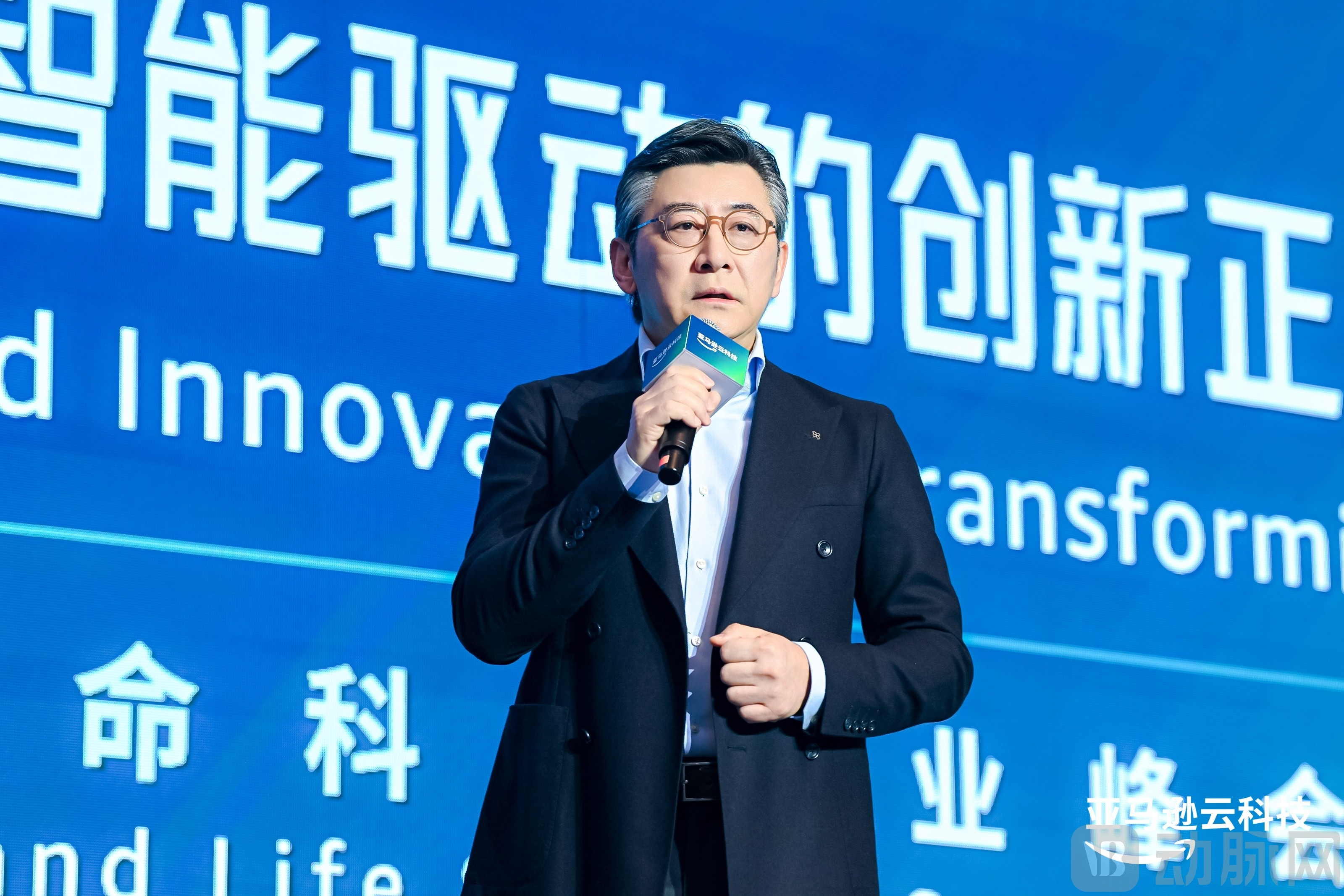
Shen Tao, General Manager of Industry Clusters at Amazon Web Services (AWS)
Overall,Amazon Web Services’ generative AI solutions comprise three tiers: the infrastructure layer, the healthcare and life sciences application layer, and the China-specific industry solutions layer.
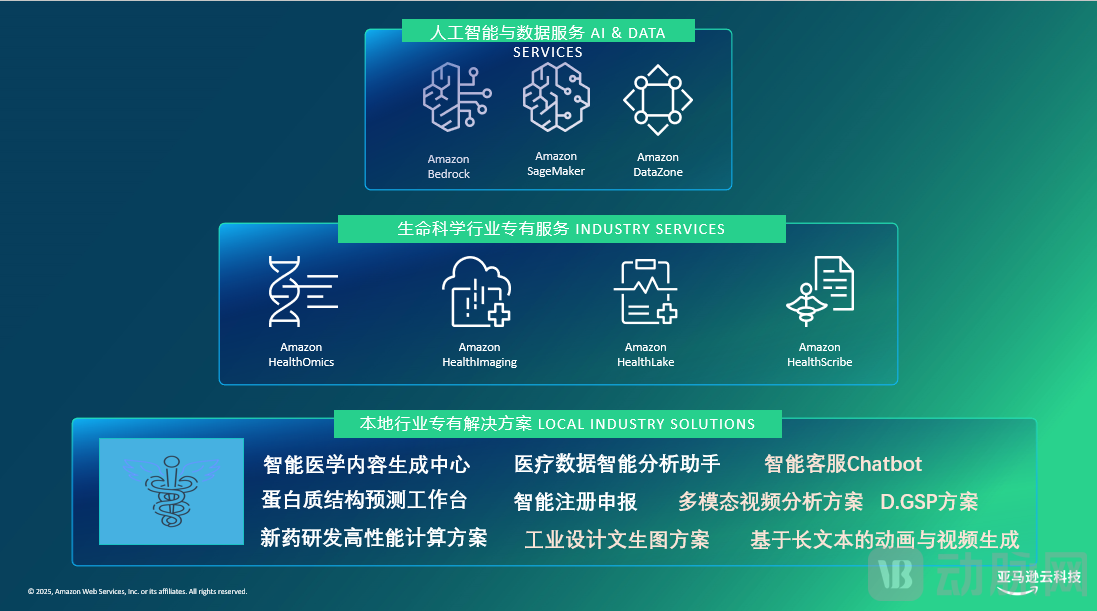
Among these, the infrastructure layer primarily provides universal artificial intelligence and data services based on Amazon Bedrock, Amazon SageMaker, and Amazon DataZone, mainly meeting enterprises’ needs for building models and scaling generative AI applications.
Building on this foundation, to meet the specific regulatory and data format requirements of the healthcare and life sciences industries, AWS has launched specialized services such as Amazon HealthOmics and Amazon HealthImaging (application layer for healthcare and life sciences).
Furthermore, to better meet the development needs of local enterprises in China, Amazon Web Services (AWS) has launched proprietary solutions covering services such as the Intelligent Medical Content Generation Center, Intelligent Healthcare Data Analysis Assistant, Intelligent Customer Service, Protein Structure Prediction Workbench, Intelligent Registration and Filing, and High-Performance Computing Solutions for New Drug R&D (China Local Industry Solutions Layer).
Zhang Zhan, Head of Healthcare and Life Sciences at Amazon Web Services (AWS), emphasized, “Whether adopting our general-purpose services or industry-specific solutions, the critical first step is to migrate applications and data to the cloud. Only by moving to the cloud can organizations fully leverage its elasticity, security, and availability—capabilities that are essential for the application and scaling of generative AI.”
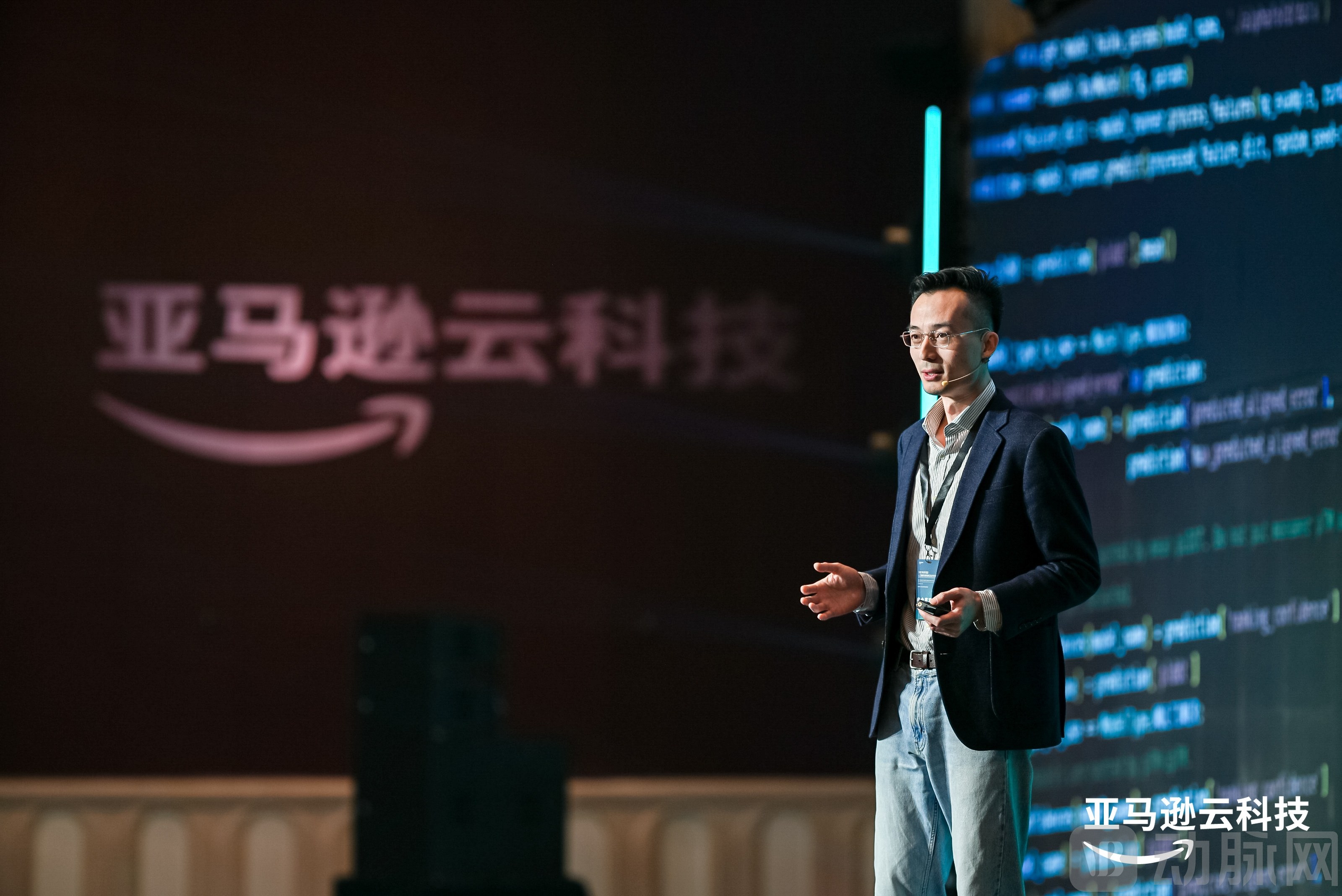
Zhang Zhan, Head of Healthcare and Life Sciences Industry at Amazon Web Services
AWS’s perspective on migrating data to the cloud has gained recognition and support from numerous enterprises.Huang Li, Chief Information Officer of GE Healthcare Greater Chinastated that since initiating its data migration to the cloud in 2020, Amazon Web Services (AWS) has been GE HealthCare’s partner on its journey of exploration in cloud computing and generative AI. The collaboration between GE HealthCare and AWS primarily encompasses three areas: first, the cloud migration of business systems; second, the modernization of all applications and platforms, including data centers; and third, the continuous innovative exploration of the future of generative AI.
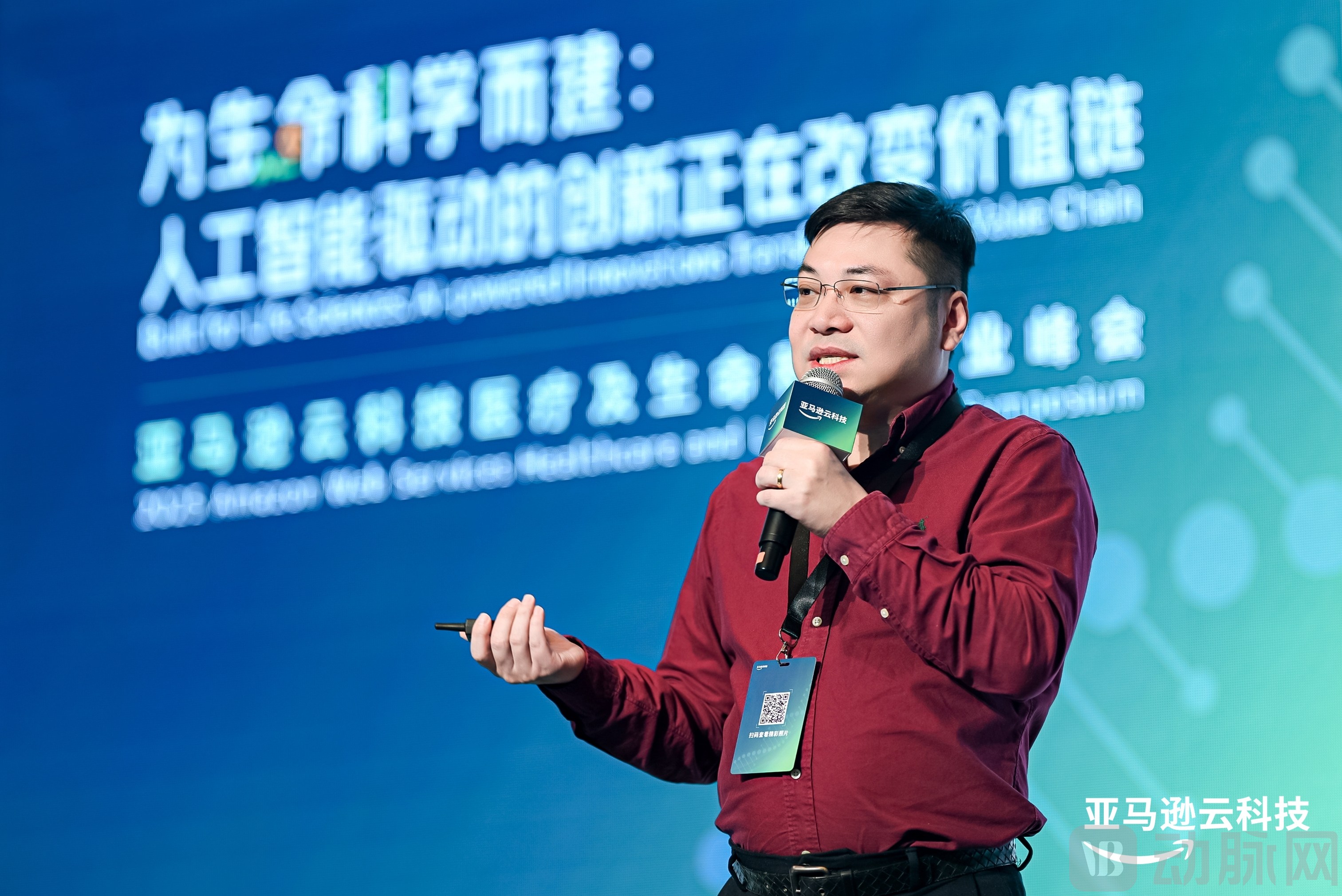
Huang Li, Chief Information Officer of GE Healthcare Greater China
Subsequently,Arafat Mlika, Senior Director of Global Healthcare and Life Sciences at Amazon Web Services (AWS), shared how generative AI is transforming the value chain by accelerating innovation in three key areas: drug discovery, clinical trials, and commercialization.: In drug R&D, optimize the target identification process through biological foundation model training, research laboratories, and research agents; in clinical trials, improve trial efficiency through modernized data infrastructure and AI applications; in commercialization, leverage AI to enhance the capabilities of medical representatives and facilitate the dissemination of commercial knowledge.Meanwhile, Arafat Mlika shared generative AI practices implemented by globally renowned healthcare and life sciences enterprises in collaboration with Amazon Web Services.For example, Johnson & Johnson and Amazon Web Services have established a multi-year strategic partnership for the cloud migration of data and applications, with collaboration also extending to areas such as biometrics, data security, and modeling and simulation.
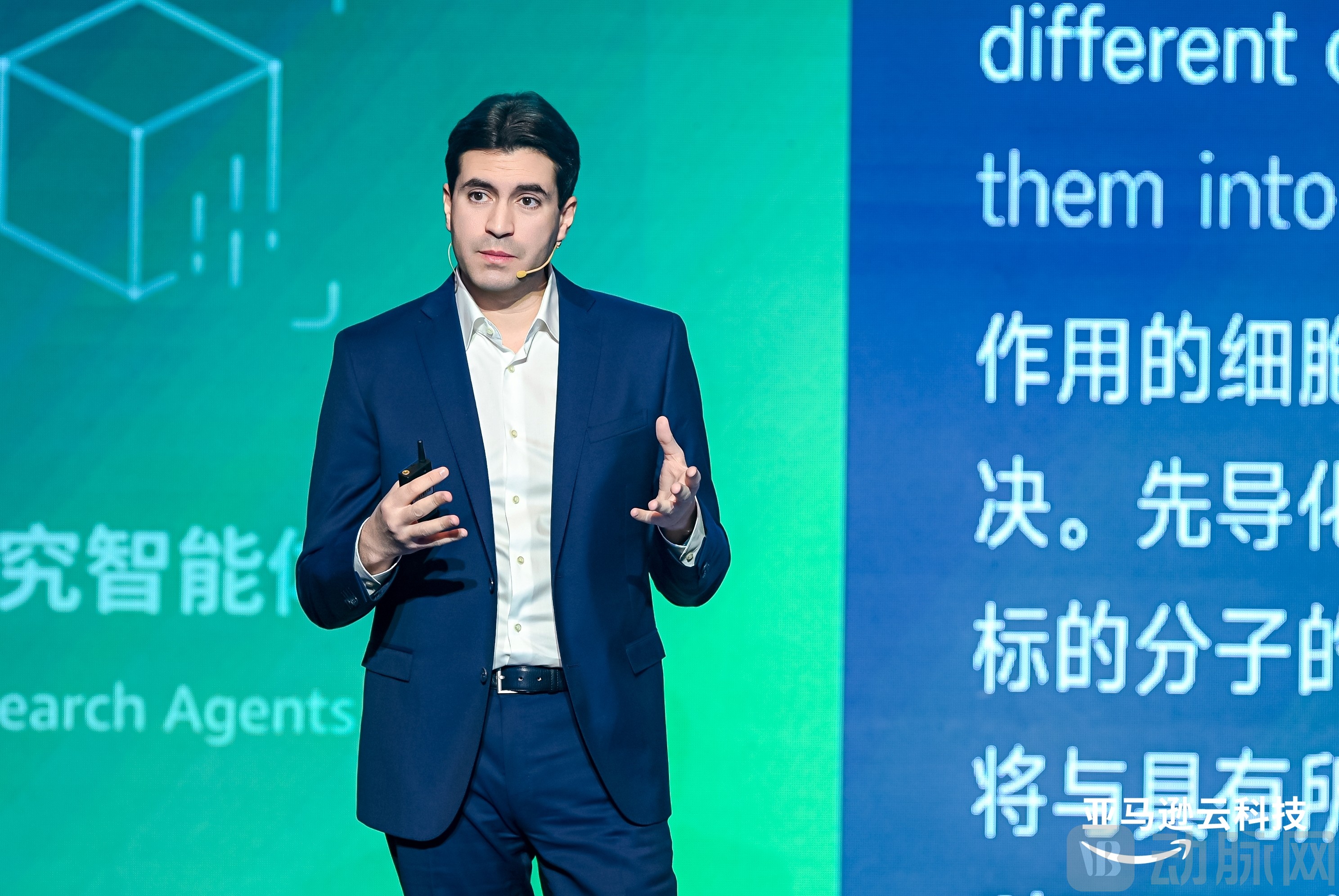
Arafat Mlika, Senior Director of Global Healthcare and Life Sciences Industry at Amazon Web Services
StoneWise, which focuses on AI-driven small-molecule drug discovery, has built a small-molecule drug design platform based on multimodal 3D molecular generation with the support of Amazon Web Services.Zhou Jielong, Founder & CEO of Wangshi IntelligenceIt stated that only industry-specific large AI models trained and versed in the “chemical language” can become the DeepSeek of the pharmaceutical industry, and that no single model can address all R&D challenges. Therefore, StoneWise proposes “Model+X,” leveraging an AI generative large model based on multimodal molecular representations as its foundation, guided by digital-intelligence infrastructure development, starting with molecular design, and driven by user needs to promote the creation of a personalized drug design integrated platform.
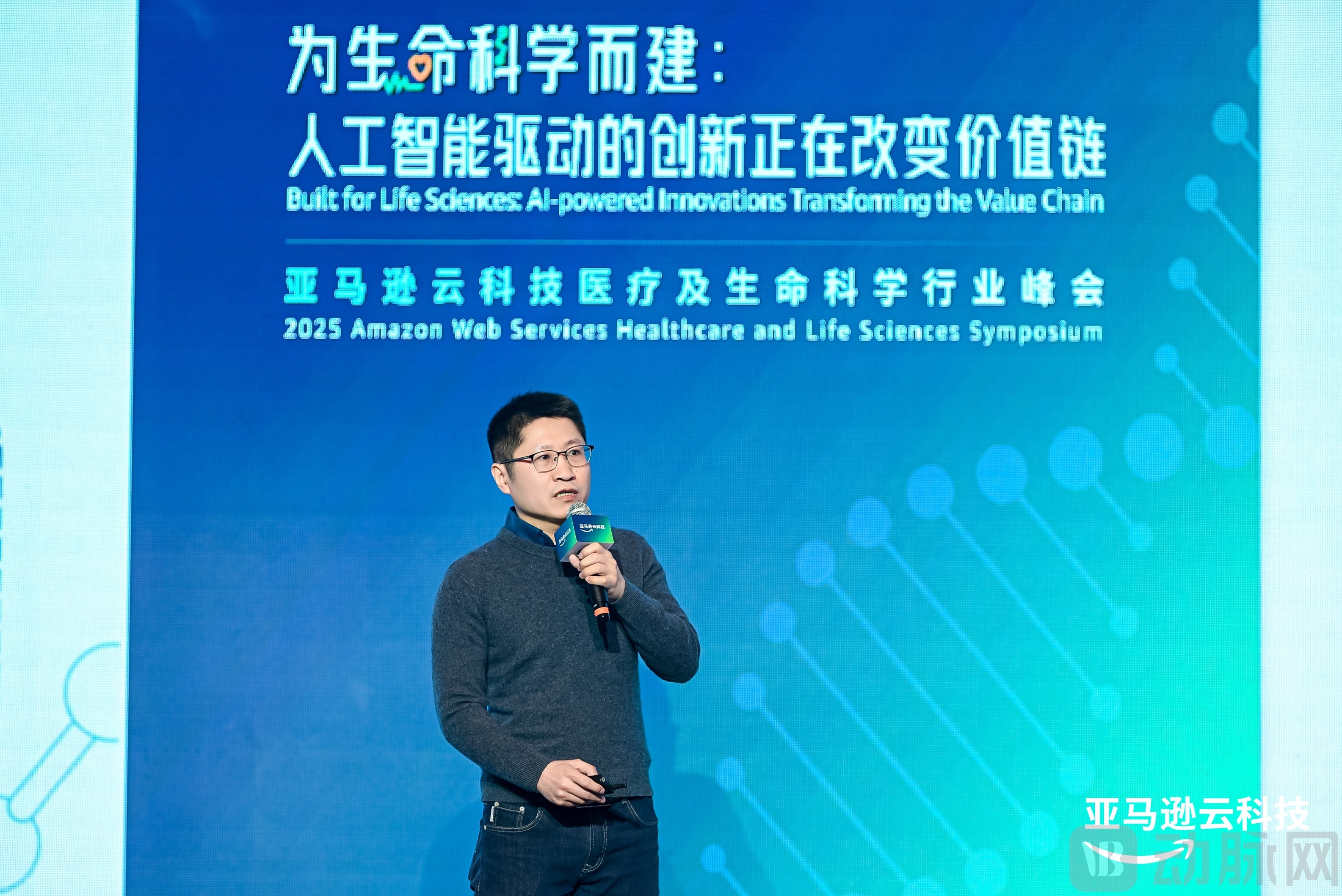
Zhou Jielong, Founder & CEO of Wangshi Intelligence
Gilead shared its experience in implementing generative AI practices from four perspectives: corporate culture, application scenarios, infrastructure, and internal governance. InZhou Hong, Head of the Information Technology Department at Gilead Sciences ChinaIt appears that emerging technologies like generative AI inevitably involve a process of exploration into the unknown, such as curiosity about the boundaries of their capabilities. Therefore, it is crucial to “align” understanding of the knowledge and capabilities of generative AI. In response, Gilead has undertaken various innovative initiatives for learning about generative AI, enhancing awareness of this technology within the company, and collecting and organizing application requirements based on generative AI from various business areas.
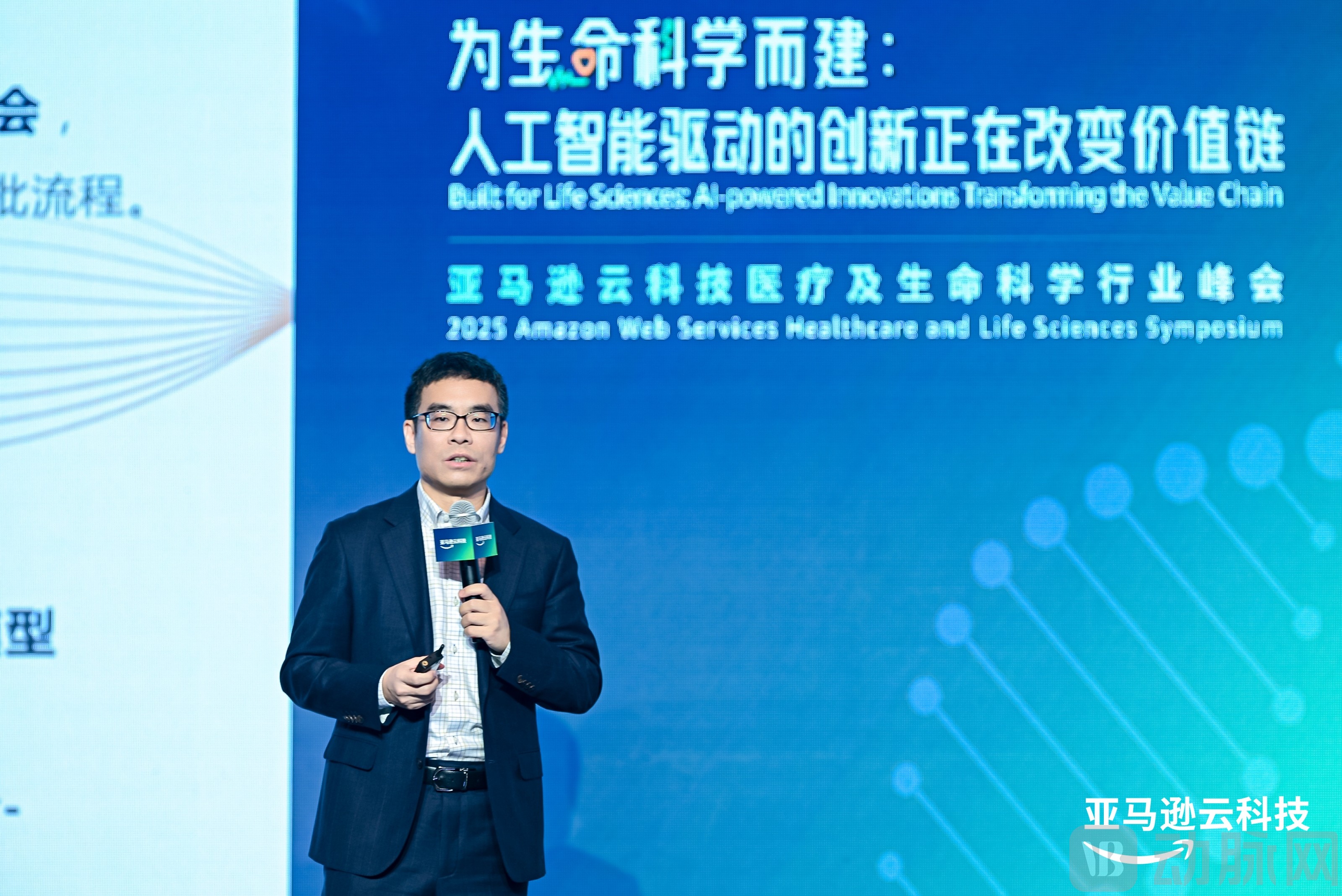
Zhou Hong, Head of the Information Technology Department at Gilead Sciences China
In terms of infrastructure and application development, Gilead adopted a private cloud deployment solution based on Amazon Web Services (AWS), building enterprise-level generative AI applications including a medical knowledge base, AI document analysis, and an AI translation assistant.
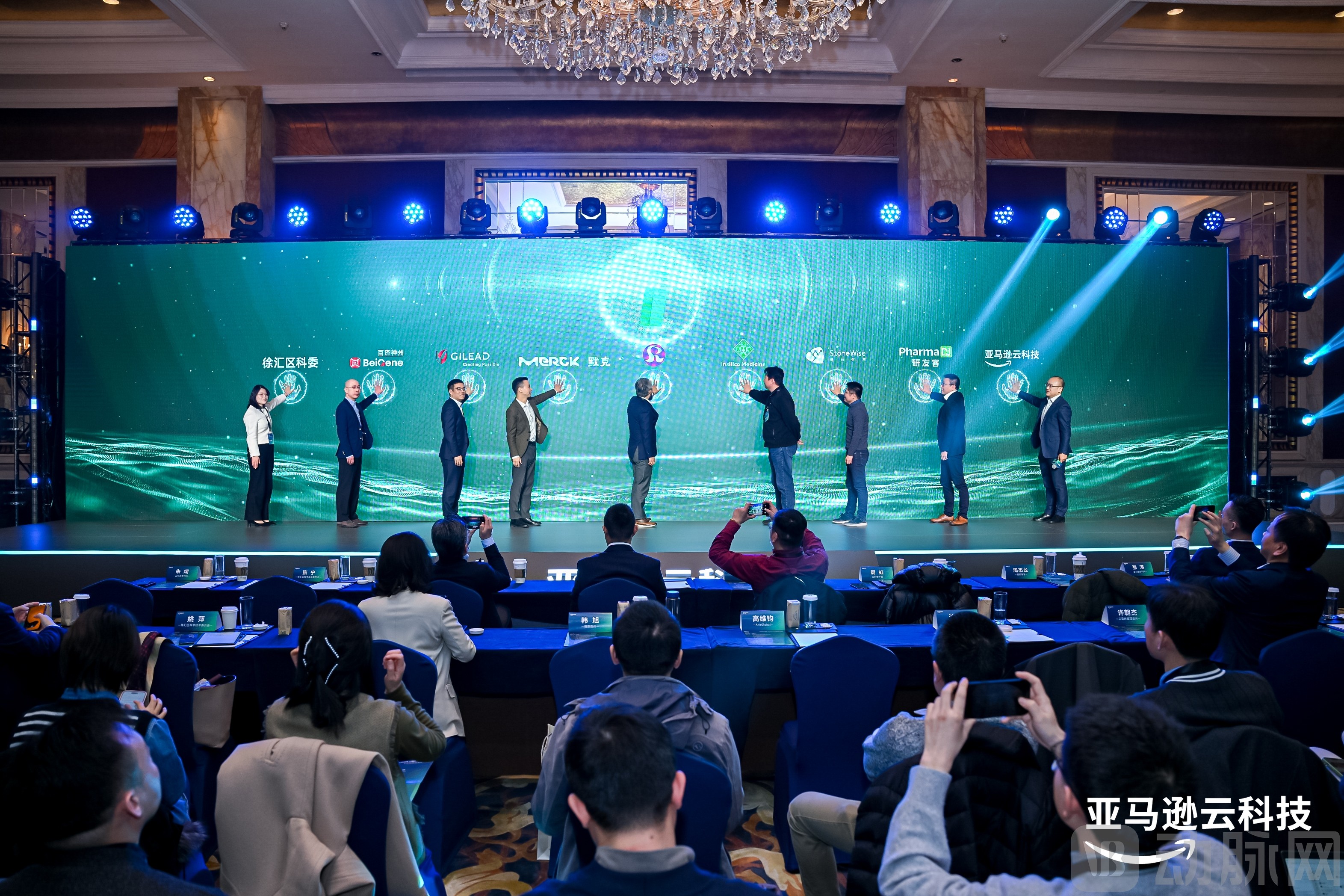
Furthermore, to continuously promote the development of generative AI in the healthcare and life sciences industries,On the day of the summit, Amazon Web Services (AWS), in collaboration with the Xuhui District Science and Technology Commission, BeiGene, Merck China, StoneWise, Insilico Medicine, RealCan Pharmaceutical, and R&D Ke, launched a partnership initiative to empower the life sciences value chain with generative artificial intelligence.
A Detailed Look at AWS Generative AI Solutions: How to Address Challenges in Model Capabilities, Data Security, and Computing Resources?
At the summit,Dai Wen, General Manager of Solutions Architecture at Amazon Web Services (AWS) Greater China, and Wang Chenghua, General Manager of Professional Services at AWS Greater China, respectively provided detailed insights into how AWS meets diverse enterprise needs through a full-stack approach, ranging from infrastructure to application deployment.
Dai Wen, General Manager of Solutions Architecture for AWS Greater China, emphasized that at the current stage, model capabilities remain fundamental to the practical application and implementation of generative AI in the healthcare and life sciences industries.
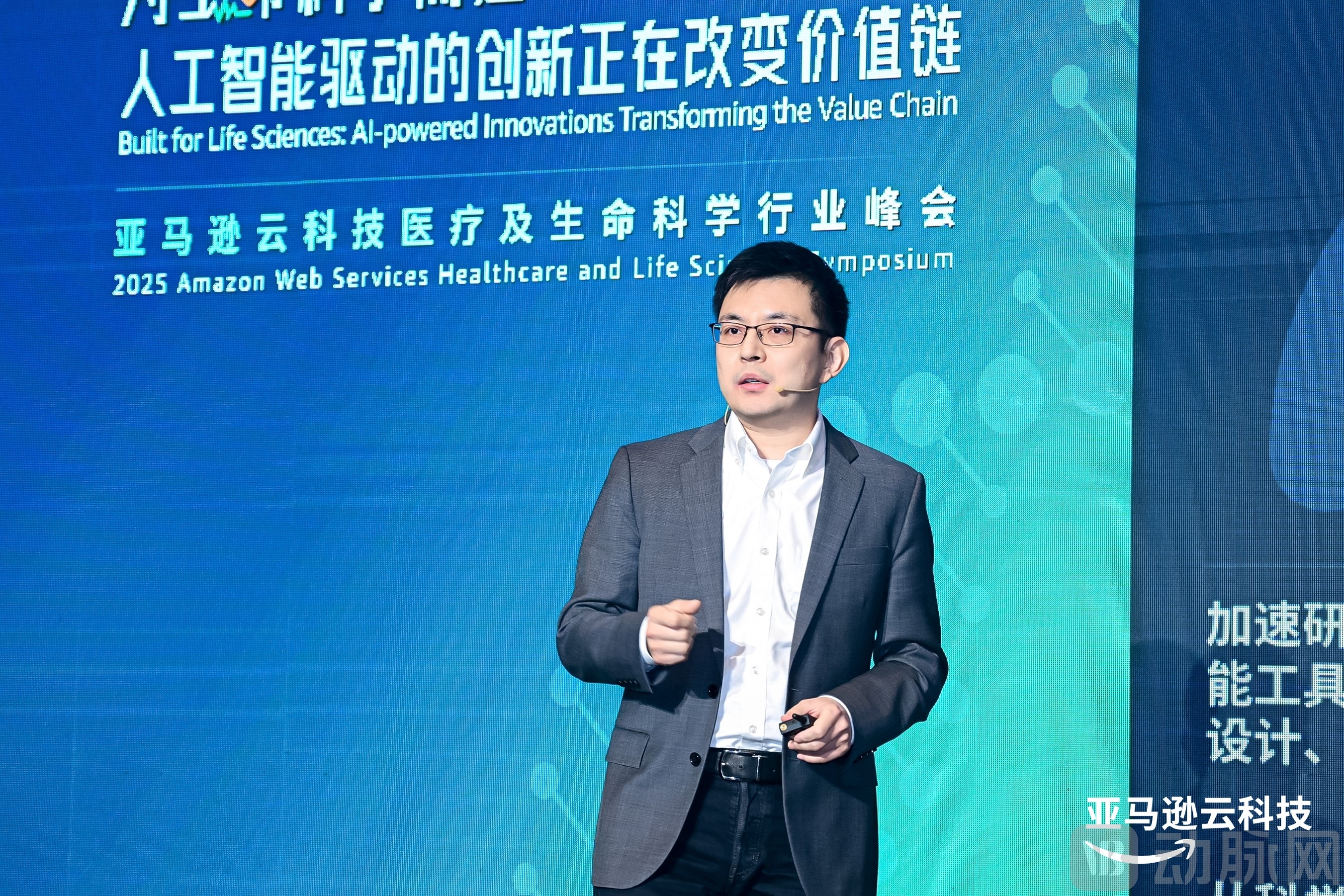
Dai Wen, General Manager of Solutions Architecture, AWS Greater China
To provide customers with a richer selection of generative AI models, AWS offers a diverse range of models through Amazon Bedrock. These include the Amazon Nova series of models, developed in-house by AWS,The lineup includes Nova Micro, a text-only model that delivers responses with ultra-low latency and cost; Nova Lite, a highly cost-effective multimodal model capable of rapidly processing image, video, and text inputs; Nova Pro, a powerful multimodal model that achieves an optimal balance among accuracy, speed, and cost, making it suitable for a wide range of tasks; and the upcoming Nova Premier, the most capable multimodal model in the series.
Additionally, Amazon Bedrock also features a curated selection of top-tier large language models, including Anthropic Claude and DeepSeek.Furthermore, the Amazon Bedrock Marketplace aggregates over 100 popular foundation models for developers to explore and test. The diversity of model selection expands the boundaries of practical application scenarios.
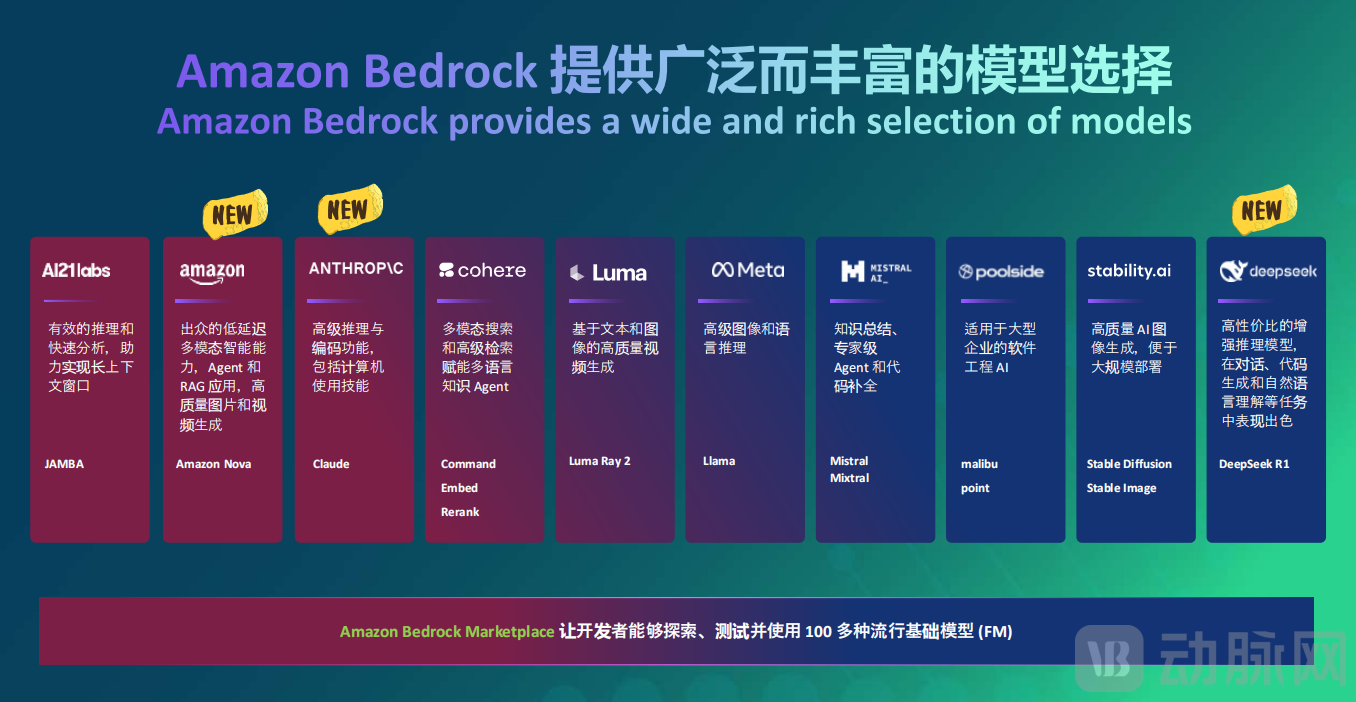
Amazon Bedrock Available Models
Dai Wen also shared the latest technological trends in generative AI, covering cutting-edge concepts such as reinforcement learning, knowledge distillation, Agentic AI, and MCP (Model Context Protocol). He provided a detailed analysis of how these new technologies can be leveraged on Amazon Web Services (AWS) to drive business innovation in the life sciences industry.
Regarding the practical implementation of technology, Wang Chenghua, General Manager of the Professional Services Division for Greater China at Amazon Web Services (AWS), stated that, in light of the stringent regulatory requirements for data compliance in the life sciences industry and the unique characteristics of current computing resources, AWS has launched the Cloud Raiser - Hybrid solution. This solution supports unified management of on-cloud and off-cloud computing resources and data assets, safeguards sensitive data, enables flexible integration with other systems, and lays a solid foundation for future expansion.
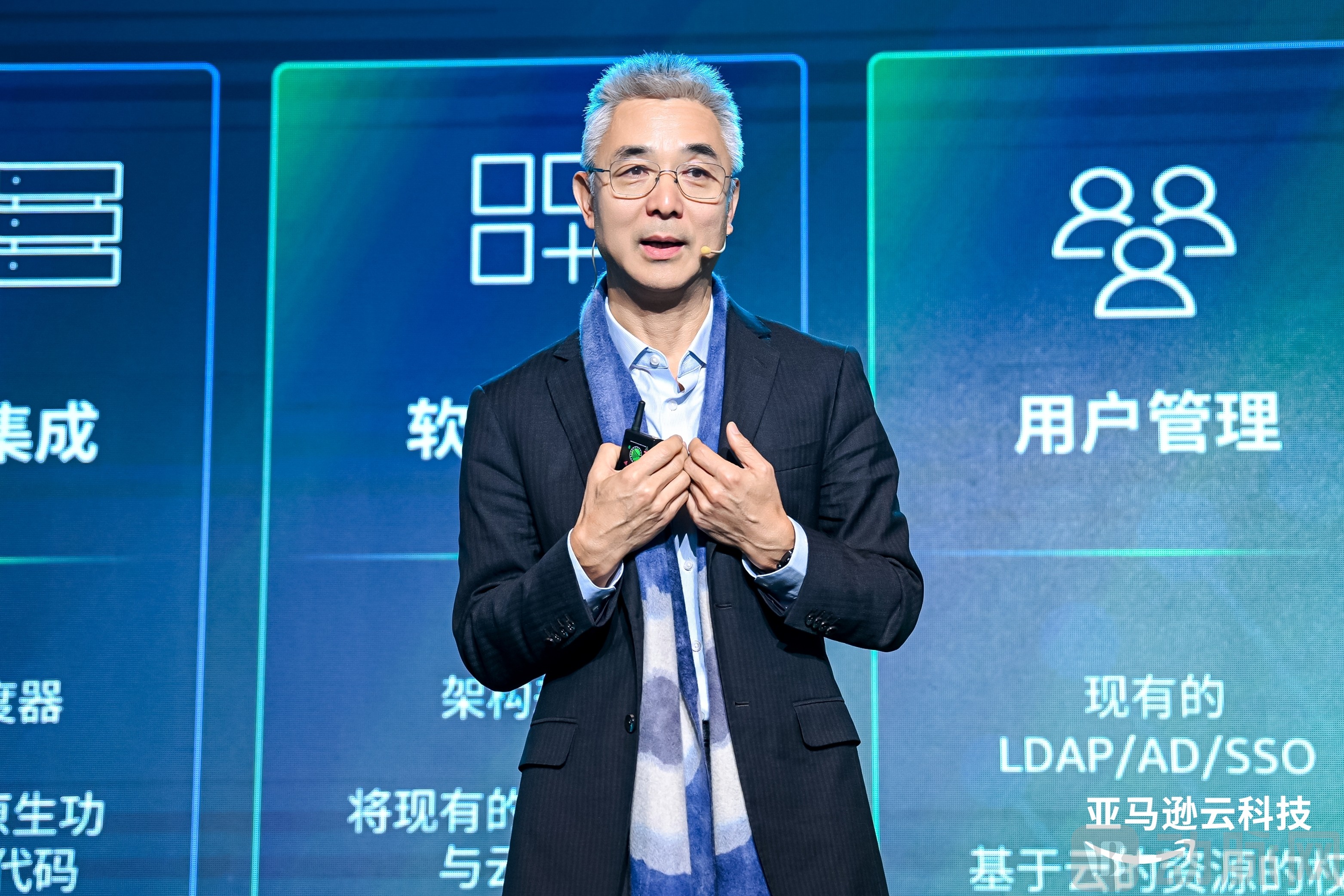
Wang Chenghua, General Manager of Professional Services, AWS Greater China
To provide attendees with a more tangible and intuitive understanding of AWS’s strategic vision and technical capabilities, the conference features three dedicated exhibition zones. The first zone, the Healthcare and Life Sciences Innovation Area, allows visitors to directly experience industry-specific solutions co-developed by AWS and partners such as StoneWise, YunCheng, Huaxun, and Bio-Resource. The second zone, the Generative AI Builder Experience Area, offers on-site demonstrations of various models and service platforms jointly created by AWS and companies including Dify, SiliconFlow, and Keji Data. The third zone highlights AWS’s local delivery capabilities and its Innovation Center initiative, underscoring its commitment to serving domestic enterprises and establishing deep roots in China.
From Pharmaceuticals to Healthcare: Generative AI Collaboration Practices Between Leading Domestic and International Enterprises and Amazon Web Services
It has always been Amazon Web Services’ mission and vision to empower industry partners to explore the practical implementation of generative AI more effectively and efficiently, and to collaborate with them in building a value chain that jointly drives the development of generative AI.
Regarding the empowerment of industry partners, Huang Qingchun, Senior Director of Healthcare and Life Sciences Solutions at Amazon Web Services (AWS), revealed that AWS emphasizes a customer-centric approach, employing a reverse-engineering method driven by customer needs to develop products and deliver services. Consequently, the products and solutions currently offered by AWS are all designed to address specific customer requirements.
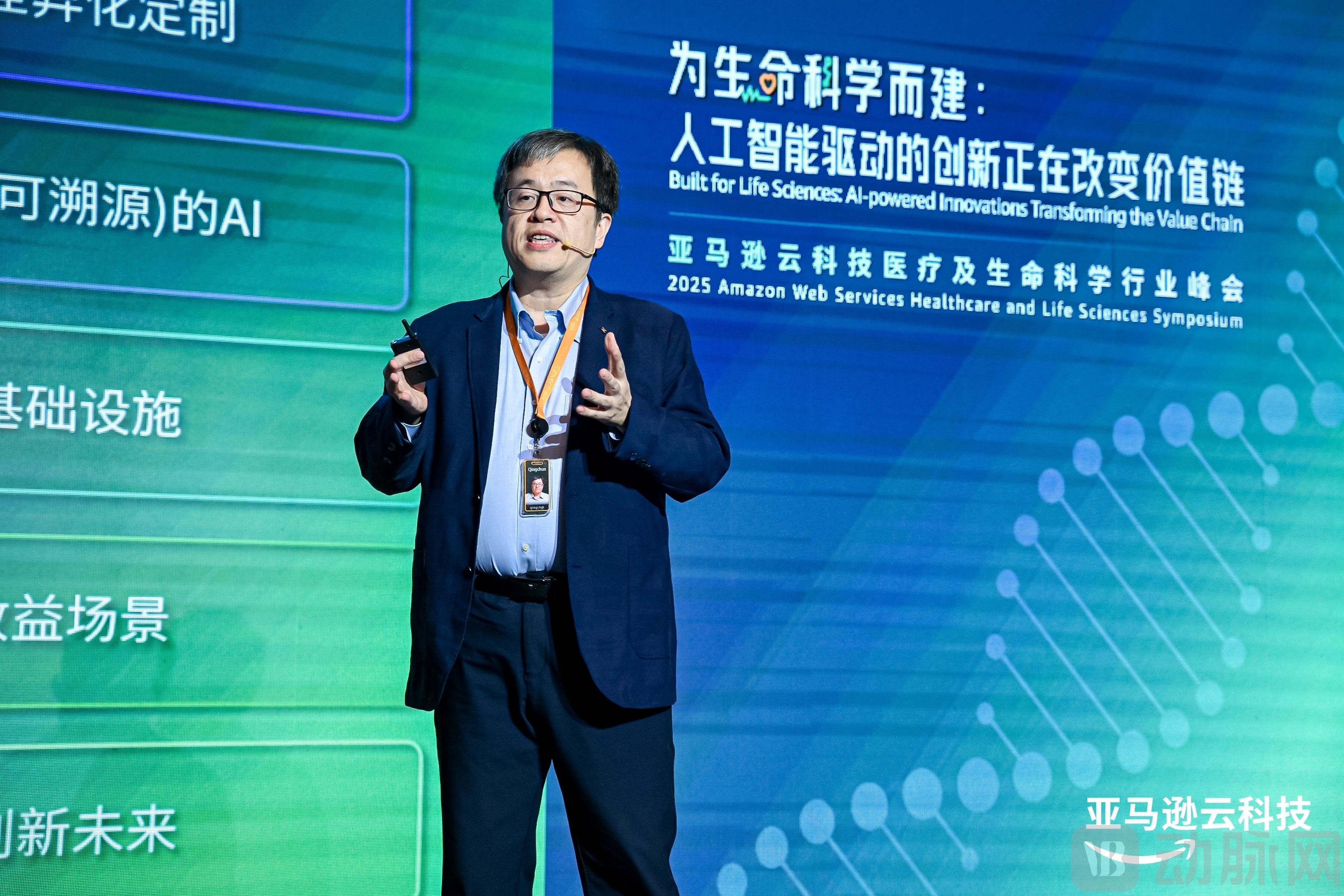
Huang Qingchun, Senior Director of Healthcare and Life Sciences Solutions at Amazon Web Services
Tang Fei, Vice President of HutchmedUnder the theme “Generative AI Revolutionizing Drug Discovery,” they shared Hutchison MediPharma’s explorations in generative AI. According to their introduction, the collaboration between Hutchison MediPharma and Amazon Web Services (AWS) primarily focuses on three key scenarios: first, intelligent document management; second, automated data execution in select business scenarios; and third, drug discovery and development.
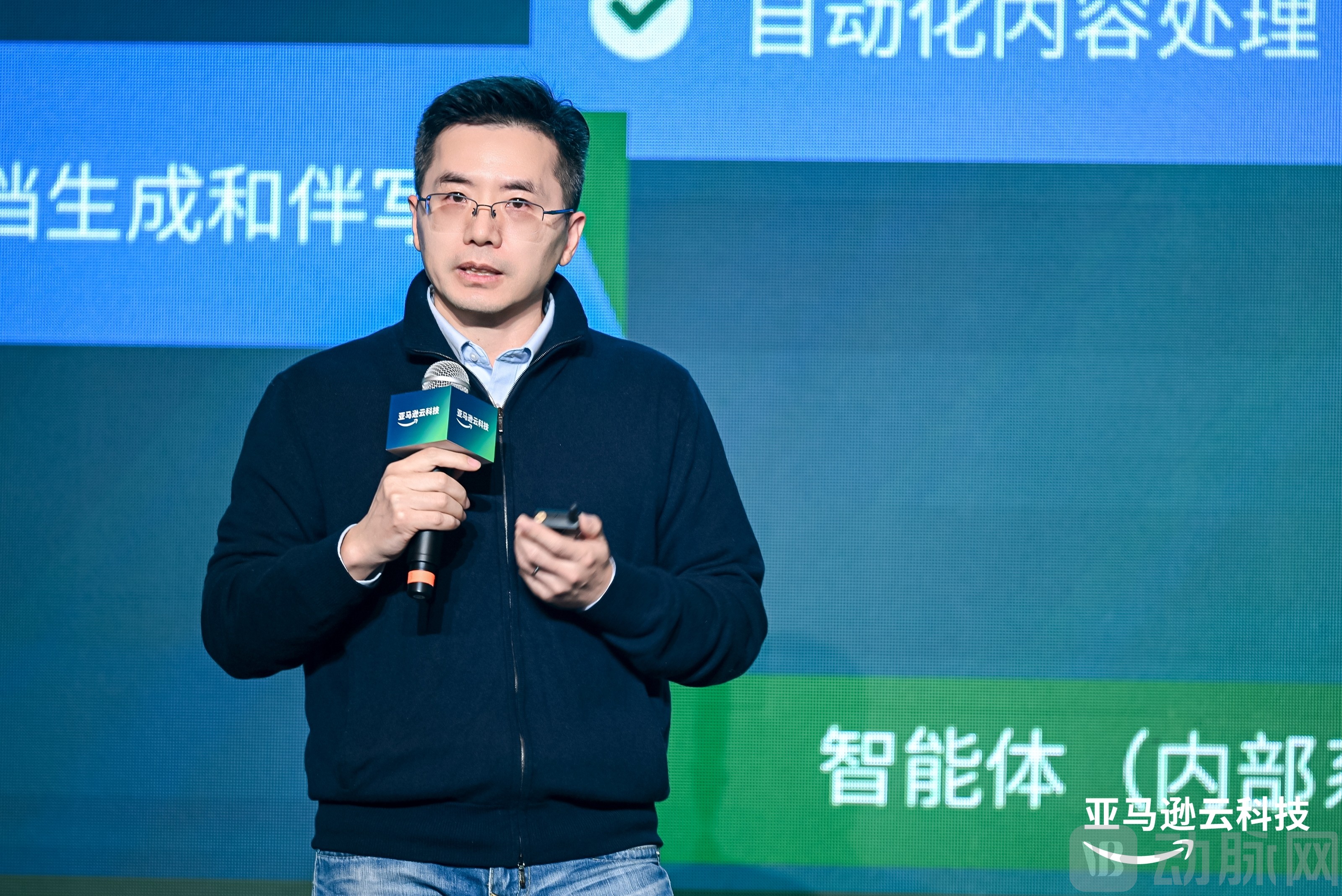
Tang Fei, Vice President of Hutchmed
Meanwhile, Tang Fei emphasized that in addition to addressing challenges such as knowledge base limitations and hallucinations, the application of generative AI must also prioritize human-AI collaboration. He concretized this understanding by stating that “AI provides researchers with inspiration, ideas, and a starting point; researchers then formulate new questions based on this feedback and feed them back into the AI system. This iterative cycle continues until the ‘final answer’ is found.” Throughout this process, questions are continuously refined, with AI serving to provide inspiration and gradually undertaking more complex and challenging tasks under human guidance. All three collaborations between Hutchmed and Amazon Web Services (AWS) have been conducted following this approach.
Zhang Chi, Senior Architect at RocheIt was revealed that the partnership between Roche China and Amazon Web Services (AWS) began in 2019 with cloud migration, after which both parties gradually deepened their collaboration across various fields. For instance, AWS’s S3 Metadata can automatically generate queryable object metadata in near real-time, thereby accelerating data discovery and enhancing data capabilities. Amazon S3 Metadata simplifies the construction of Roche’s scalable metadata system by automatically generating updated metadata as new data is ingested. This enables Roche to rapidly identify relevant datasets capable of supporting cutting-edge artificial intelligence applications, thus facilitating breakthrough innovations in the field of personalized medicine.
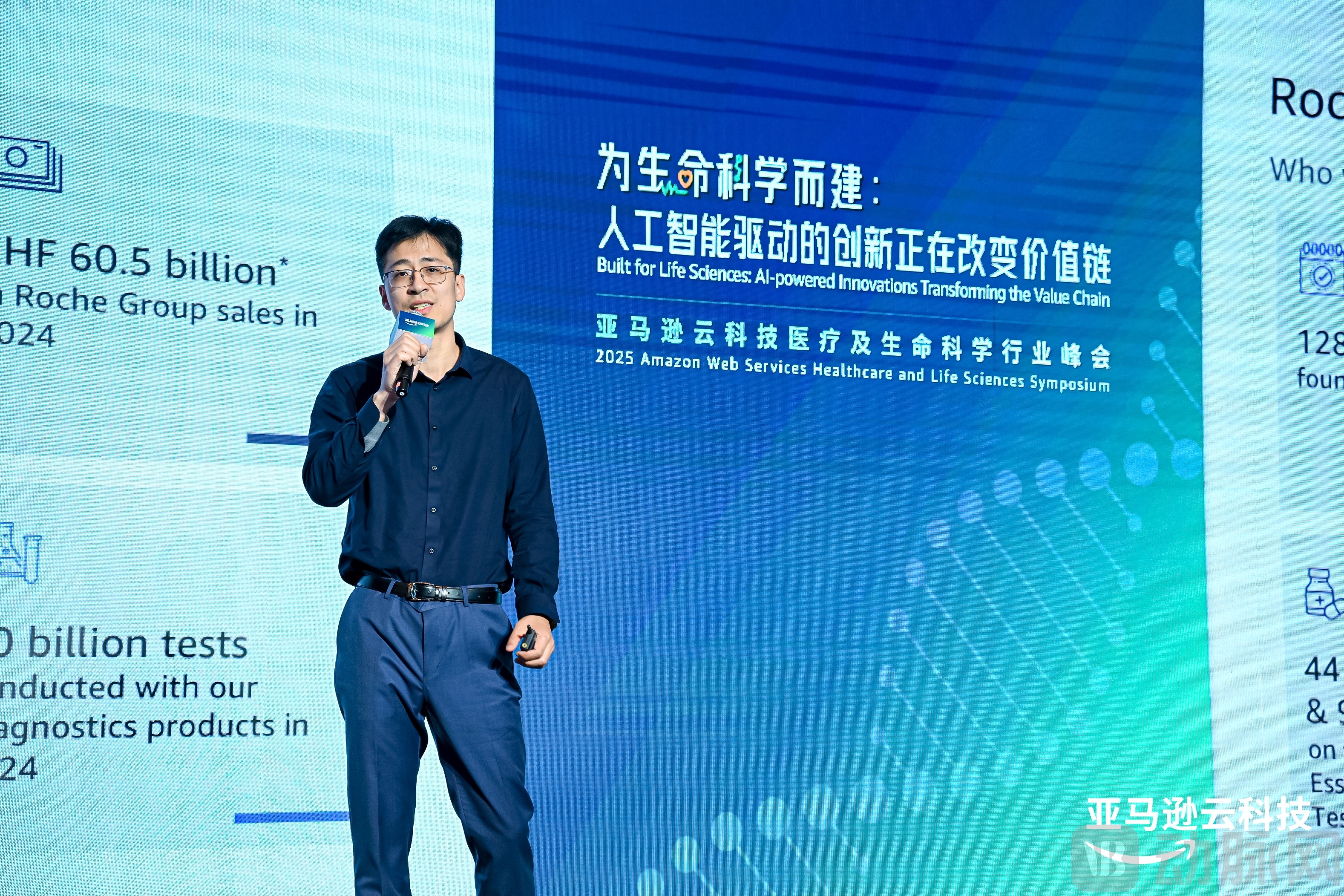
Zhang Chi, Senior Architect at Roche
Gu Weihong, Director of GTS at BeiGeneThis section provides a detailed introduction to the AI middle platform developed in collaboration with Amazon Web Services (AWS). Currently, many applications integrate numerous AI capabilities and features, but these integrations tend to be fragmented, resulting in significant investments of time and effort. In this context, building an AI middle platform helps enterprises minimize “reinventing the wheel.”
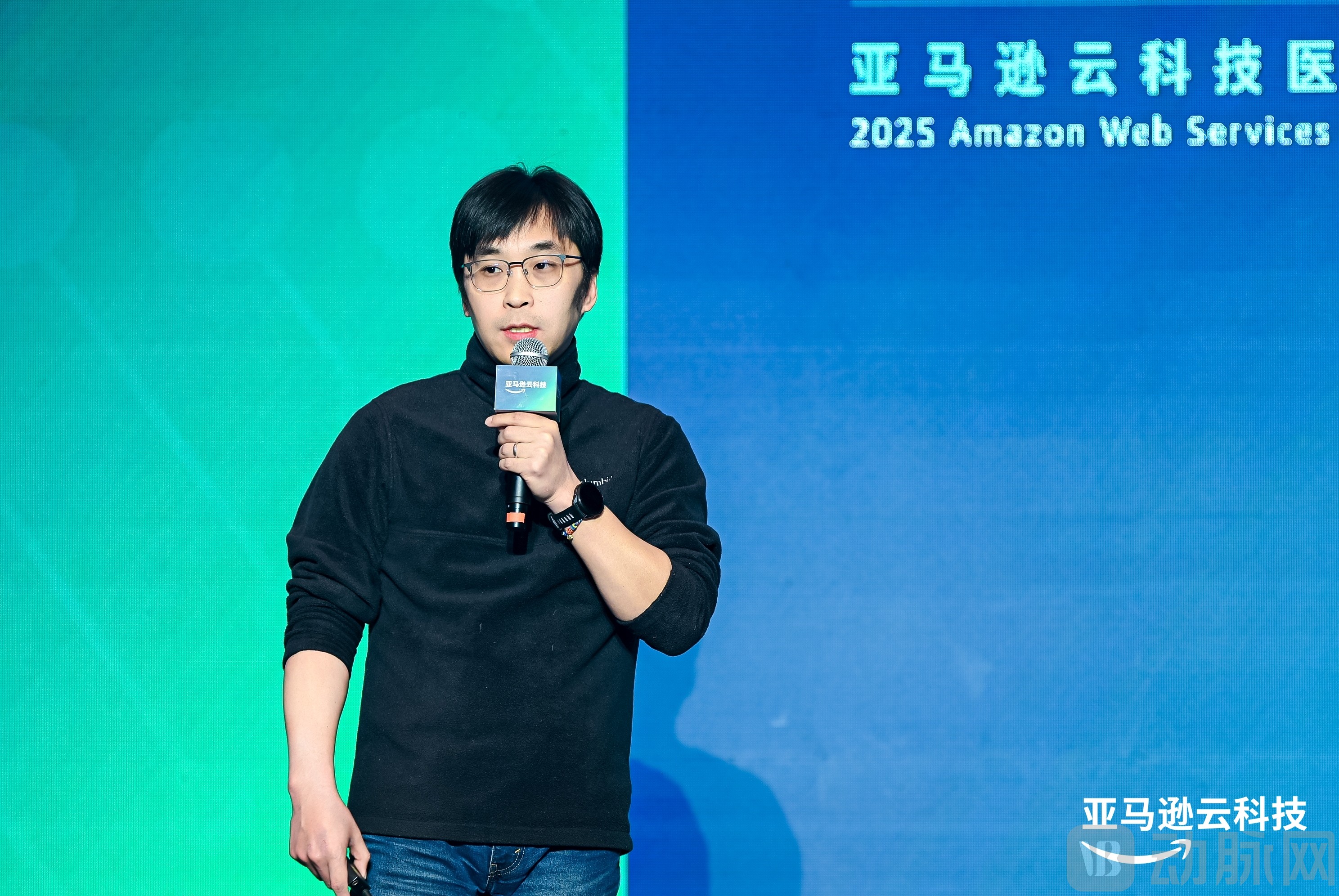
Gu Weihong, Director of GTS at BeiGene
Based on this, BeiGene has achieved an organic integration of internal data, models, user experience, and business scenarios by building an AI middle platform. Furthermore, as this AI middle platform is built on cloud infrastructure, it enables the company to continuously identify new business growth points through iterative adoption of new technologies, thereby achieving cost reduction and efficiency gains without the need for redundant investment in certain technical efforts.
Bayer China’s Head of Digital Transformation, IT Decision Science, and AI, Bi BozhuThe discussion focused on Bayer’s internal target users for artificial intelligence—pharmaceutical sales representatives—and addressed the application value and challenges of generative AI. Bi Bozhu stated that in the era of large language models, pharmaceutical sales representatives’ information needs have shifted toward rapidly accessing valid information and engaging in more intelligent user interactions. In response, Bayer has partnered with Amazon Web Services to develop internal enablement scenarios and gradually introduce AI agents to meet these needs.

Bi Bozhu, Head of Digital Transformation, IT Decision Science, and AI at Bayer China
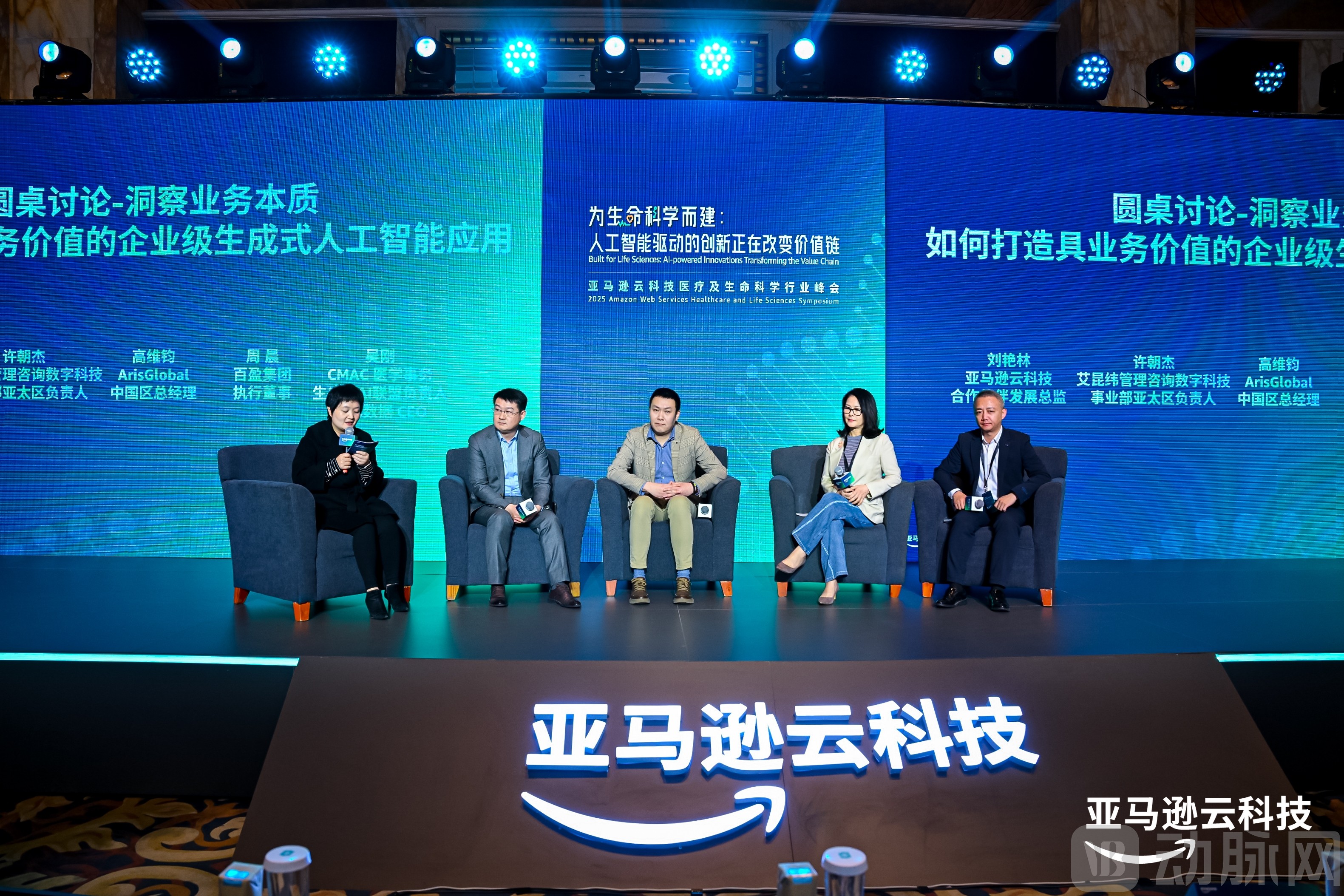
At the conclusion of the summit, Chaojie Xu, Head of Asia-Pacific for IQVIA’s Digital Technology Consulting Division; Weijun Gao, General Manager of ArisGlobal China; Chen Zhou, Executive Director of Baiying Group; and Gang Wu, Head of the CMAC Medical Affairs Generative AI Alliance and CEO of Keji Data, participated in a roundtable discussion themed “How to Build Enterprise-Grade Generative AI Applications with Business Value.”
These participating companies that shared their insights are representatives of Amazon Web Services’ extensive customer base in the healthcare and life sciences sectors.Over the past 14 years since its entry into China, Amazon Web Services (AWS) has accumulated millions of industry users and established partnerships with more than 100,000 companies worldwide, leveraging its extensive infrastructure coverage and commitment to security and compliance.
But AWS did not stop there,In the future, AWS will continue to collaborate with industry partners to explore new avenues for industry growth. For niche sectors that have already made significant strides in generative AI, AWS will further empower them to achieve deep, generative AI-driven business transformations. For niche sectors where generative AI applications are still in their early stages—such as medical aesthetics, animal health and nutrition, crop science, and home care—AWS will support them in embarking on their initial journey from zero to one in implementing generative AI solutions.
From government agencies to leading benchmark enterprises in the industry, and from sub-sectors with advanced generative AI adoption to those just beginning their journey, Amazon Web Services (AWS) is poised to collaborate with a growing number of industry partners. Together, they will continuously iterate and upgrade generative AI solutions, reshaping the entire value chain of healthcare and life sciences!
*The aforementioned Amazon Web Services (AWS) generative AI-related services are available only in AWS regions outside of China. AWS China recommends these services solely to assist you in developing your overseas business and/or gaining insights into cutting-edge industry technologies.