

Nanxun Health Summit Successfully Convenes, Marking a New Era of 'Original Innovation' for China's Pharmaceutical Industry
Currently, China’s biopharmaceutical industry is undergoing a critical transition from “fast-following” to “source innovation.” AI technologies (such as DeepSeek) are reshaping the paradigm of drug discovery and development, while deepening cross-border cooperation is accelerating the integration of international resources. Meanwhile, the NewCo model is stimulating innovative vitality through flexible capital operations, collectively driving the industrial ecosystem toward greater efficiency and synergy.
On one hand, continuous upgrades and breakthroughs in China’s innovative drug technologies, coupled with the integration of AI tools such as DeepSeek, have sparked a new wave of AI-driven drug discovery. On the other hand, cross-border collaborations in the biopharmaceutical sector are becoming increasingly frequent and deepened, not only accelerating technological exchange and resource integration but also enabling Chinese biopharmaceutical companies to align with international standards and expand into global markets. Meanwhile, the emergence of models such as NewCo, characterized by flexible capital operations and innovative organizational structures, has stimulated corporate innovation vitality and driven the industry toward a more open, collaborative, and efficient innovation ecosystem. These factors are profoundly reshaping the industrial landscape, collectively accelerating the transition of Chinese biotech firms from “fast followers” to “pioneers of source innovation,” and positioning them at the center of global pharmaceutical competition.
On March 21, hosted by Mifang Health Fund and Saifu Pharma, and co-organized by Huzhou Nanxun Talent Industry GroupThe 2025 “Nanxun Health Forum” Pharmaceutical Industry Investment Summit Was Successfully Held in Nanxun, HuzhouThe summit convened a distinguished group of industry experts, prominent fund-of-funds managers, and founders of healthcare enterprises, including Academician Ma Dawei from the Chinese Academy of Sciences and Researcher at the Shanghai Institute of Organic Chemistry, Chinese Academy of Sciences, and Dr. Xiao Shen, former Senior Clinical Reviewer at the U.S. Food and Drug Administration (FDA). They engaged in in-depth dialogue centered on “The Global Coordinates of Innovation in China’s Pharmaceutical Industry,” providing strategic guidance for industrial transformation and upgrading.
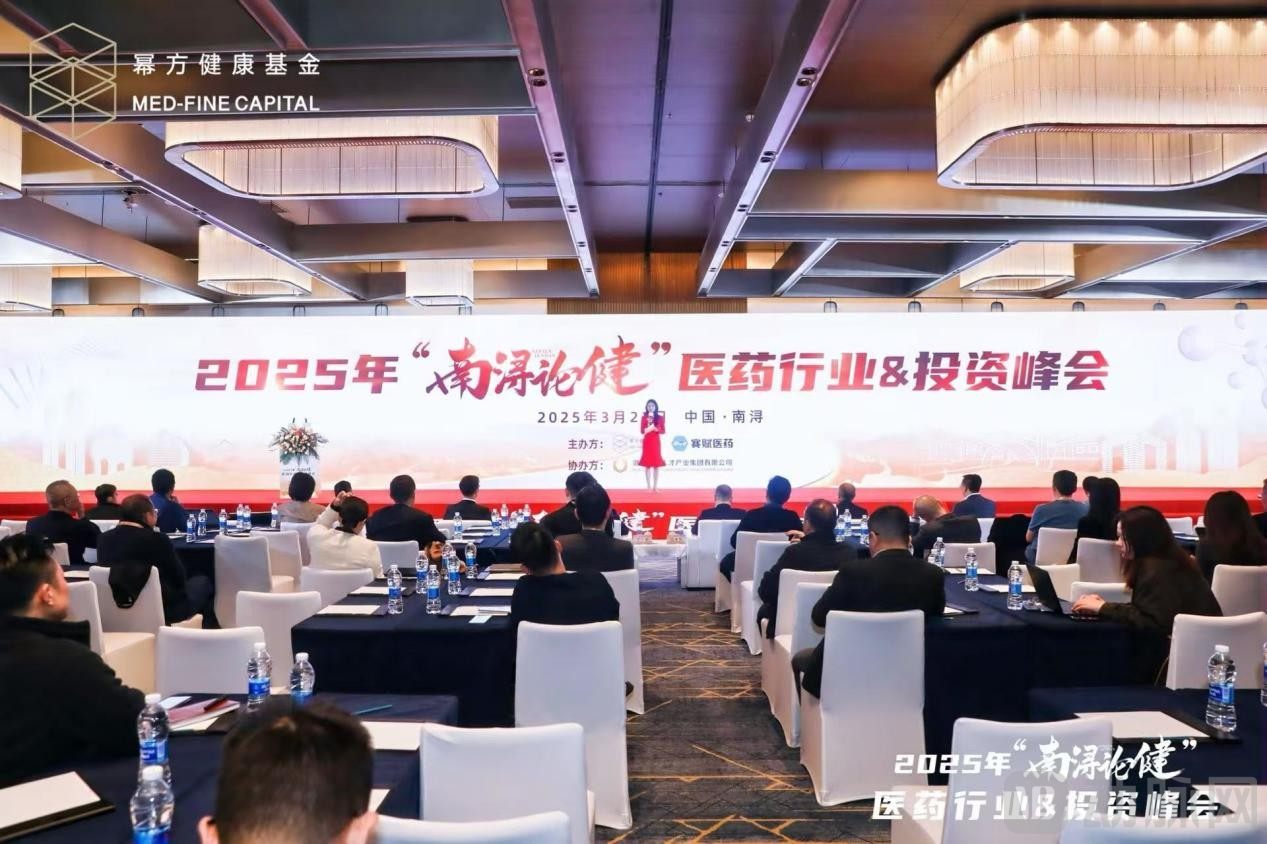
Conference Venue
Three Major Trends in the Pharmaceutical Industry: Internationalization, M&A Consolidation, and AI Empowerment
Mr. Zhou Yujian, Managing Partner of Mifang Health Fund, the organizerIn his address, he highlighted three major trends in China’s pharmaceutical industry that have garnered significant attention. First, internationalization is accelerating. For instance, the total value of cross-border license-out deals involving Chinese biotech companies has surpassed $50 billion, with annual growth exceeding 50% for three consecutive years. The innovative capabilities of Chinese pharmaceutical enterprises have gained international recognition. Second, mergers and acquisitions (M&A) and consolidation within the pharmaceutical sector are deepening. In 2024, M&A transactions involving Chinese innovative drugs accounted for approximately 10% of the global market. The pace of M&A activity in China’s pharmaceutical industry is expected to further accelerate in the future. Third, artificial intelligence (AI) is driving faster development in the pharmaceutical industry. Taking drug development as an example, AI plays a significant role in target discovery, molecular design, virtual experiments, and clinical development. AI can substantially improve the success rate of new drug development, while reducing both costs and development timelines. Consequently, the return on investment (ROI) in the biopharmaceutical sector is poised to increase.

Address by Zhou Yujian, Managing Partner of Mifang Health Fund
Mr. Liu Yang, Chairman of Saifu PharmaceuticalIn his address, he stated that Chinese innovative pharmaceutical companies are characterized by high efficiency, low input, and the rapid achievement of superior outcomes, demonstrating strong global competitiveness and development potential. Pharmaceutical innovation is a long-term collaborative process that requires coordination across all segments of the industry chain and support from the capital market. Although the R&D cycle for innovative drugs is lengthy, it delivers tangible benefits to humanity. He expressed hope that this conference would serve as a new starting point for jointly writing a new chapter in the industry’s legacy.
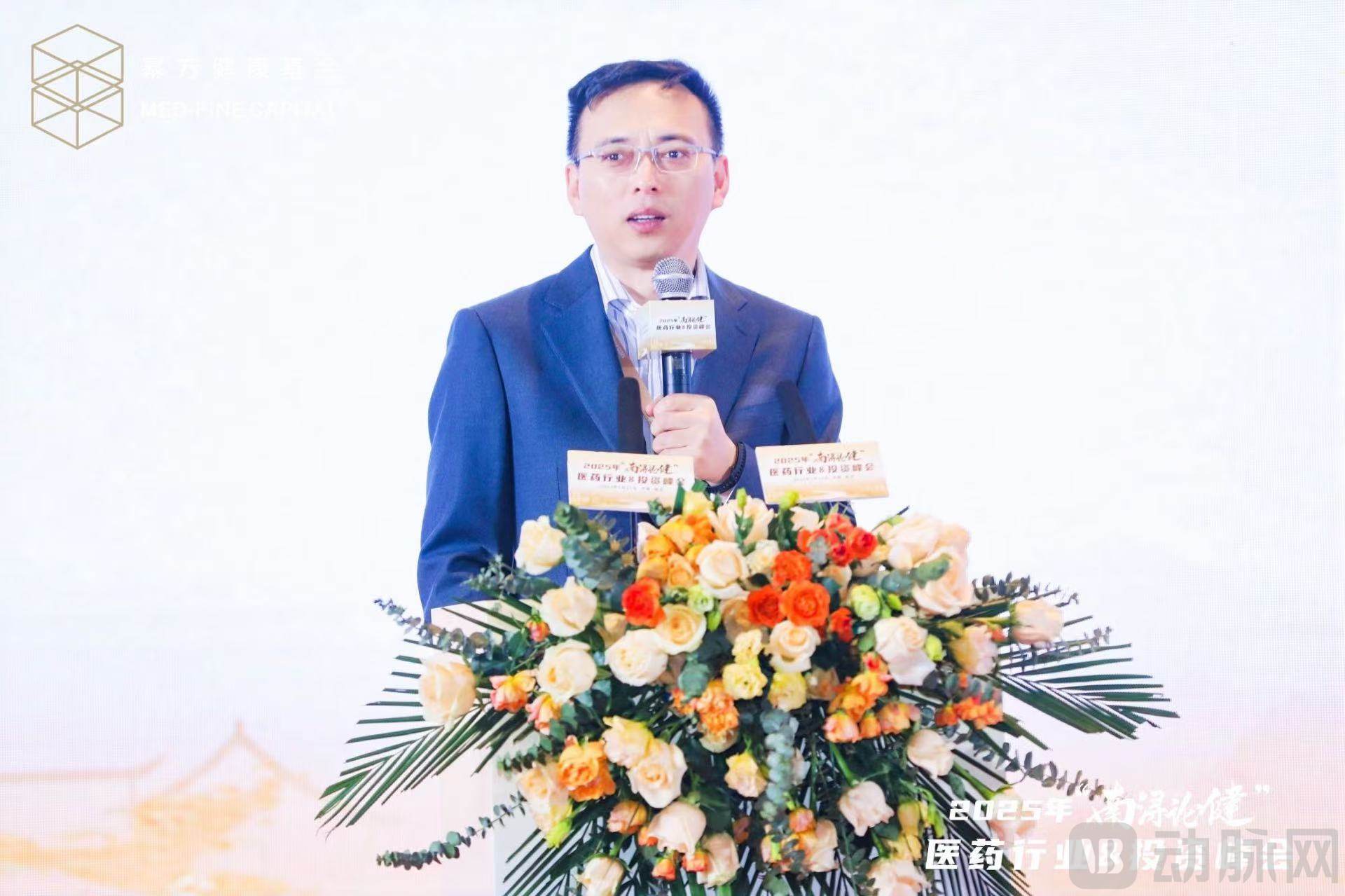
Address by Liu Yang, Chairman of Saifu Pharma
Ding Yiping, Deputy District Mayor of Nanxun District People's GovernmentIn his address, he pointed out that Nanxun possesses the foundational conditions for developing the biopharmaceutical industry. With two provincial-level chemical industrial parks, approximately 800 mu of land will be freed up through the “replacing old birds with new ones in the cage” initiative—a strategy aimed at upgrading industrial structures. Chemical industrial parks are a scarce resource in the Yangtze River Delta region, and Nanxun has already attracted several pharmaceutical-related projects. Going forward, Nanxun will prioritize both short-term and long-term development: on one hand, introducing major projects to achieve immediate growth; on the other, leveraging capital, policy support, and strategic partnerships to advance the long-term trajectory of the biopharmaceutical sector.
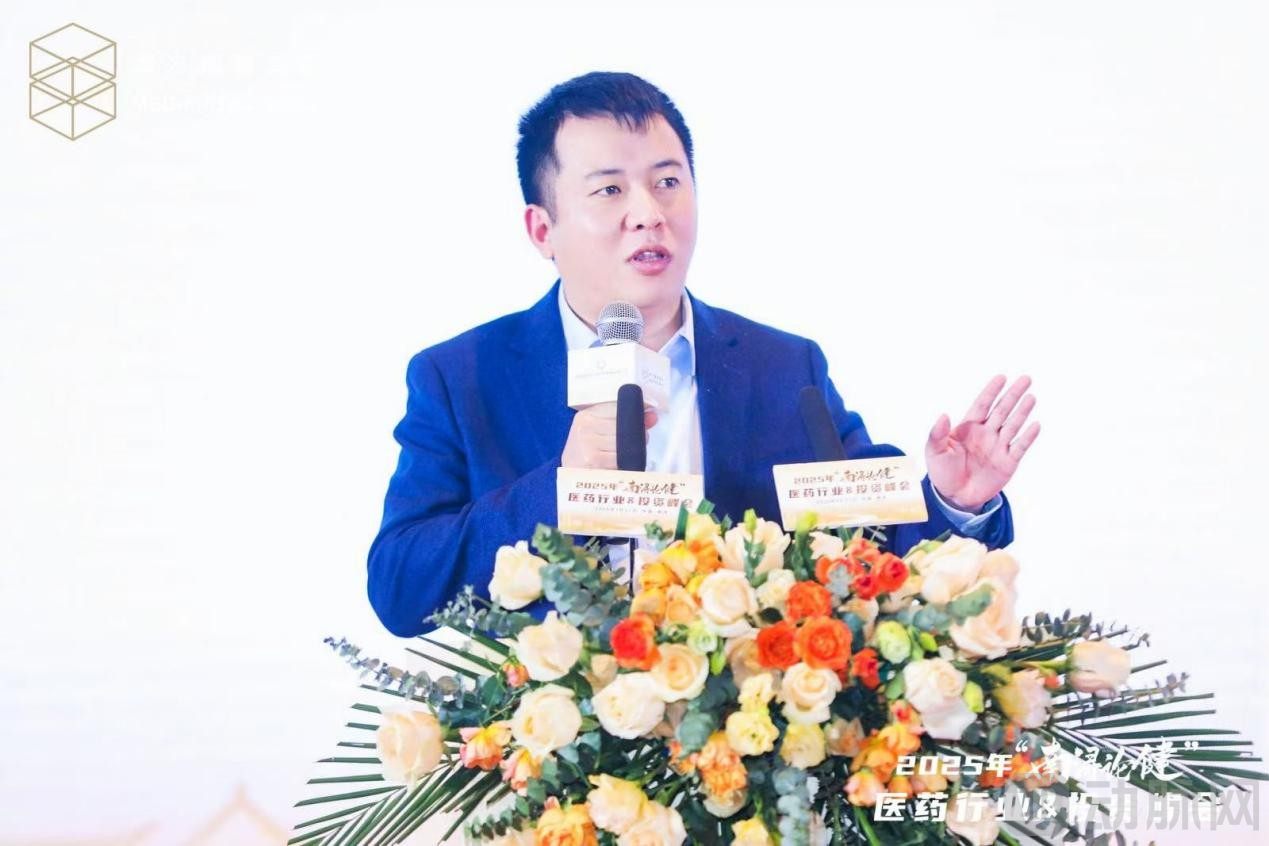
Address by Ding Yiping, Deputy District Mayor of the Nanxun District People's Government
Academician Ma Dawei, Academician of the Chinese Academy of Sciences and Researcher at the Shanghai Institute of Organic Chemistry, Chinese Academy of SciencesIn his keynote address, he stated that China’s new drug R&D is undergoing a transition from “fast follow” to genuine “me-better” and “first-in-class” innovations. Strengthening deep collaboration between research institutions and enterprises is a viable pathway for generating original innovative drugs. This is a long-cycle R&D process, and only patient capital can foster the emergence of new quality productive forces in this field.
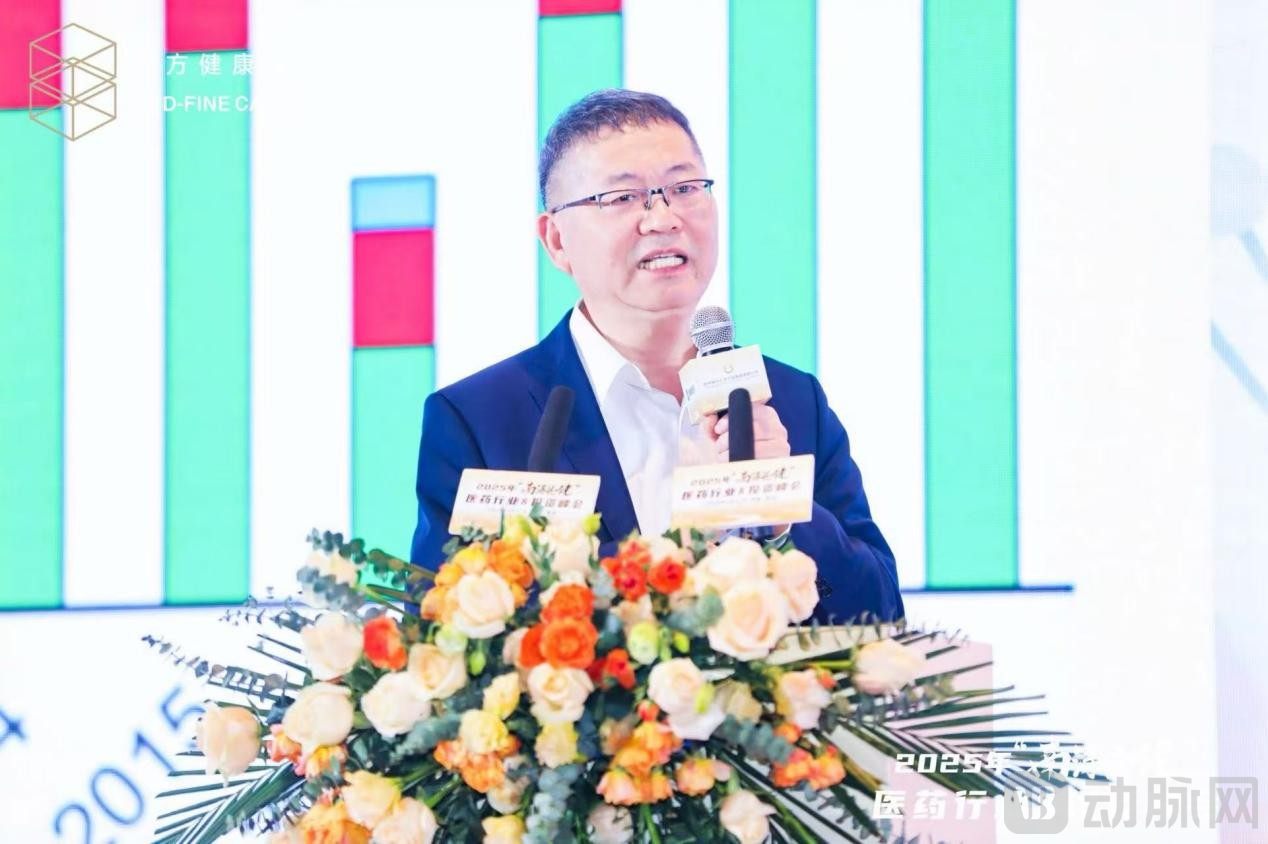
Academician of the Chinese Academy of Sciences, Researcher at the Shanghai Institute of Organic Chemistry, Chinese Academy of Sciences, Academician Ma Dawei
Shen Xiao, Former Senior Clinical Reviewer at the FDAThe doctor stated that the FDA encourages the use of AI to assist in decision-making and to accelerate drug development and market approval processes, but strict assurance of data sources and model transparency is required.

Dr. Shen Xiao, Former Senior Clinical Reviewer at the FDA
Dr. Xiao ShenIt is pointed out that regulatory agencies currently evaluate AI-driven drug development primarily based on the following criteria: clear risk stratification of application scenarios (high, medium, low); a rigorous and transparent data control system (requiring traceable sources of training datasets and transparent annotation rules); interpretable models and confirmatory validation; and coverage of the entire lifecycle of new drug development to ensure the safety, efficacy, and quality reliability of new drugs.
During the afternoon conference session,The Deputy Director of the Nanxun District Investment Development Center also provided a detailed introduction to Nanxun’s industrial ecosystem and investment environment.Nanxun boasts a comprehensive industrial system, vibrant industrial funds, abundant talent resources, and ample room for development. It offers the advantages of low-cost entrepreneurship and high-quality living, demonstrating significant growth potential and investment value. Nanxun remains committed to prioritizing entrepreneurs’ needs by providing all-around services to enterprises through mechanisms such as the “Government-Enterprise Direct Channel” and specialized task forces. Additionally, it has established the “Lvdaitong” financing platform to provide financial support for small and medium-sized enterprises. We welcome collaboration with all sectors of the industry to pursue mutual development.
Wang Quanjun, CEO & CSO of Saifu Pharmaceuticals, delivered a presentation titled “Exchange and Sharing on Non-Clinical Development Strategies for New Drugs,” stating that, as the development of innovative drugs advances, non-clinical safety studies have become a critical focus. The Center for Drug Evaluation (CDE) reviews efficacy, safety, and clinical positioning, requiring data to be authentic and reliable. During research and development, it is essential to ensure data integrity, align targets with indications, and remain guided by clinical needs, while placing significant emphasis on safety assessment and regulatory compliance.
At the conference, three portfolio companies of Mifang Health Fund each delivered thematic presentations. Among them, Li Jing, Chairman of Chengfan PharmaceuticalThe Chinese biopharmaceutical industry has undergone three waves. The first wave was dominated by generic drugs; the second wave was driven by business development (BD) and clinical operations, leveraging regulatory differences between China and the United States to rapidly maximize value; the third wave returns to the essence of innovation, focusing on the research and development of first-in-class and best-in-class drugs. OrangeSail Pharma is a representative enterprise transitioning from the second wave to the third. Specializing in biological drug innovation, particularly in the R&D of large-molecule therapeutics, OrangeSail Pharma has established multiple technology platforms, including an antibody discovery platform and an ADC conjugation platform. It boasts a rich project pipeline covering innovative modalities such as bispecific antibodies, multispecific antibodies, and antibody-drug conjugates (ADCs), with several projects having advanced to the preclinical candidate (PCC) stage.
Dr. Zhu Zhendong, Chairman of Kehui ZhiyaoIn the keynote presentation, it was stated that the importance of AI in drug discovery is becoming increasingly prominent, yet the process still faces numerous challenges, such as the complexity of chemical space and the difficulties in multi-parameter optimization. Kehui Zhiyao focuses on targeted drug development, leveraging AI as a core tool to conduct research in the fields of tumor immunology and neurodegenerative diseases. The company has built an AI platform that includes large language models, molecular design software, and data analysis software, dedicated to designing novel drug molecules through computational methods. Currently, multiple R&D projects at Kehui Zhiyao have achieved phased progress, with some projects having entered clinical stages.
Dr. Ding Qiang, CEO of Anrui BiotechThe thematic presentation compared the characteristics of Chinese and U.S. biotech companies. He stated that the future development direction for next-generation Chinese biotech firms should be to fully leverage domestic resources such as CROs and CDMOs, capitalize on the advantages of rapid clinical trial execution and lower costs, and rely on robust science and high-quality data to develop innovative drugs with clinical differentiation. Investors need to exercise patience and support projects through to the clinical proof-of-concept (POC) stage to maximize returns. Meanwhile, national policy reforms are expected to support local pharmaceutical innovation and facilitate the growth of biotech companies. Anrui Biopharma is a biotechnology company focused on the research and development of small-molecule innovative drugs for autoimmune diseases and oncology. Equipped with mass spectrometry technology and a cell phenotypic screening platform, the company continuously adds new projects to its R&D pipeline, with multiple candidates currently at various stages of clinical development.
Reshaping the Global Pharmaceutical Landscape: The Comprehensive Rise of China’s Pharmaceutical Innovation Momentum
After a decade of development, from breakthroughs in corporate innovation projects to the deepening of external collaborations, and further to the recognition and expectations from multinational corporations (MNCs), the momentum of pharmaceutical innovation in China is rising comprehensively.
Data from PharmaCube shows that the number of Investigational New Drug (IND) applications for innovative drugs in China exceeded 700 in 2024, surpassing the United States to rank first globally. Among actively developed clinical projects worldwide, China accounts for over 20%, compared to 40% in the United States. In global business development (BD) transactions in 2024, Chinese companies captured a 29% share of deals with upfront payments exceeding $50 million. These figures unmistakably signal that China’s innovative drug sector has transitioned from quantitative growth to qualitative improvement, reshaping the global landscape of biopharmaceutical innovation.
In the roundtable dialogue titled "Defining the Next Decade: The Chinese Variable in Global Biopharmaceuticals,"Wan Zhaokui, Chairman of Linker PharmaIt pointed out that China has demonstrated “China speed, global quality” in the optimization of known targets. The team’s breakthroughs in immunotherapy are built upon a profound understanding of the biological mechanisms underlying these targets.
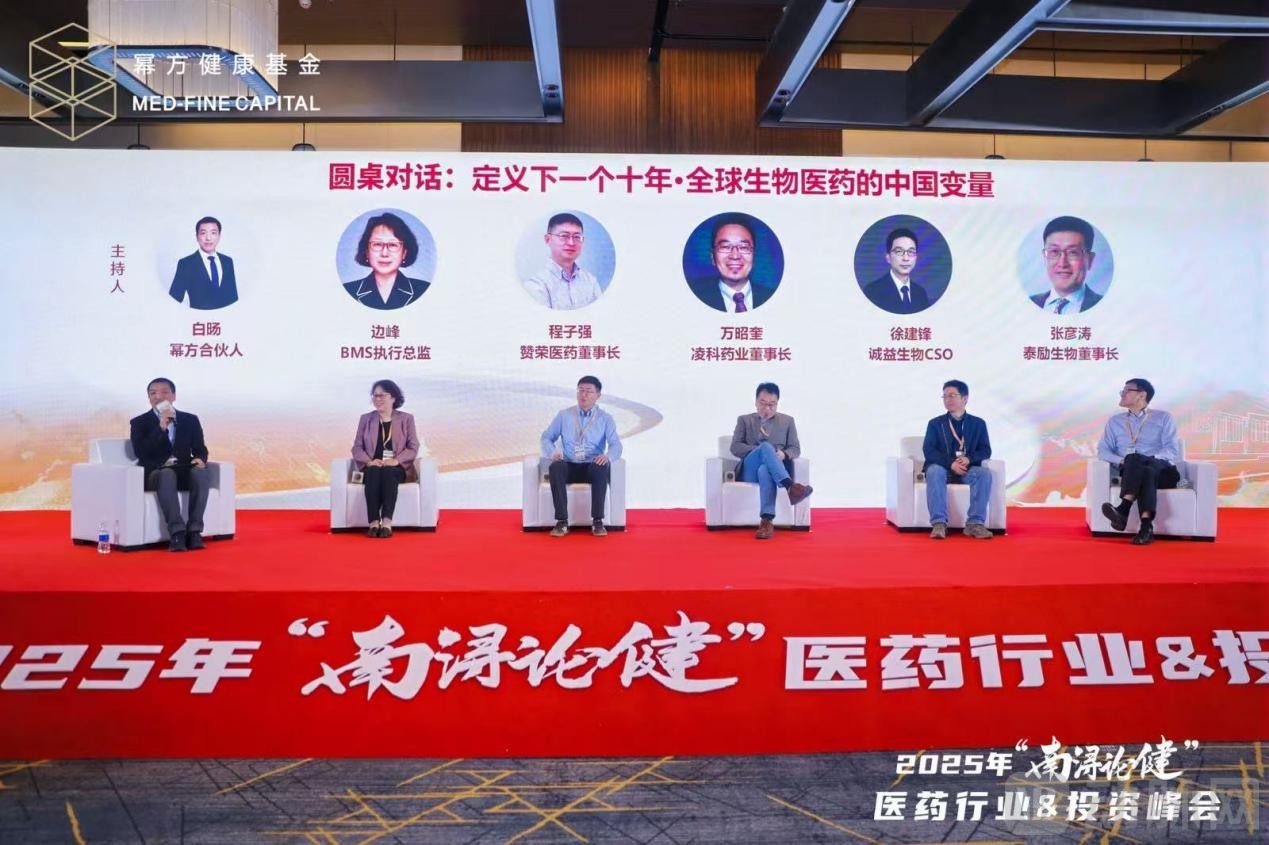
Roundtable Discussion: Defining the Next Decade: The Chinese Variable in Global Biopharmaceuticals
At the level of global collaboration, Chinese biotech firms are transitioning from "one-way licensing" to "two-way synergy," driven by a shift in how multinational corporations (MNCs) perceive Chinese biotechs. According toBian Feng, Executive Director at Bristol Myers Squibb (BMS)Introduction: BMS China is shifting its collaboration focus to the preclinical stage, targeting molecules nearing Preclinical Candidate (PCC) and Investigational New Drug (IND) status, thereby deeply engaging with China’s innovation ecosystem. This signifies recognition of China’s capabilities in early-stage drug molecule design and preclinical research.
Despite significant progress, China’s innovative drugs still need to break through multiple bottlenecks. In response,Xu Jianfeng, CSO of Chengyi Biopharmastated that China has made significant progress in early-stage R&D, particularly in the field of small-molecule drugs, thanks to a decade of accumulation and the empowerment of AI technologies. However, there remains a gap between China and the United States in the conversion rate at the Phase II clinical trial stage.
Wan Zhaokui also stated, China’s biopharmaceutical industry has advanced from version 1.0 to 2.0 in terms of product quality and positioning; however, from the perspective of market returns, pricing flexibility for new drugs remains constrained, the health insurance payment system has not yet fully recognized the value of innovation, and the dilemma of high R&D investment coupled with low market returns remains unresolved.
However, China's efficiency and innovation potential should not be underestimated.Zanrong Pharmaceutical Chairman Cheng ZiqiangIt is believed that China’s advantages in R&D efficiency will propel more projects to the forefront of the international stage, contributing to the advancement of global medicine.
Zhang Yantao, Chairman of Taili BioIt also points out that China’s engineering capabilities in the “1 to 80” phase have become highly sophisticated, while in the “0 to 1” stage of original innovation, breakthrough achievements are emerging with the widespread adoption of cutting-edge technologies such as cryo-electron microscopy.
Standing at the Dawn of a New Decade, the Global Role of Chinese Biotech Is Clearly Defined.BMS Executive Director Bian Feng believes, the industry has escaped the quagmire of homogeneous competition for PD-1 inhibitors and shifted toward genuine differentiated innovation.
In the next decade, breakthroughs in technological innovation will shatter the ceiling on innovation, policy reforms will unleash ecosystem vitality, and rational capital will safeguard long-termism, collectively driving the upgrade of the “China variable” into a “global constant.”
The DeepSeek Moment Arrives, Accelerating Innovative Drugs Toward “Source Innovation”
Currently, China’s innovative drug R&D stands at a critical juncture in its transition from “fast-following” to “source innovation.” How to comprehensively accelerate technological breakthroughs is an urgent challenge for Chinese pharmaceutical companies. Although Chinese pharma firms have achieved breakthroughs in areas such as PD-1 inhibitors and bispecific antibodies in recent years, the industry as a whole still faces challenges including severe pipeline homogenization, weak foundational research, and insufficient global capabilities.
The AI technology wave, represented by DeepSeek, is sweeping across the globe. Its efficient data processing capabilities have provided new tools for drug development, but have also sparked deep reflection within the industry on technological pathways and innovation logic. In this regard, Academician Ma Dawei also noted that while AI has demonstrated potential in data-intensive fields such as protein structure prediction, its essence remains a “statistical extension of causal relationships,” unable to replace the underlying logic of experimental validation. However, AI may hold significant potential in areas such as predicting dynamic protein structures.
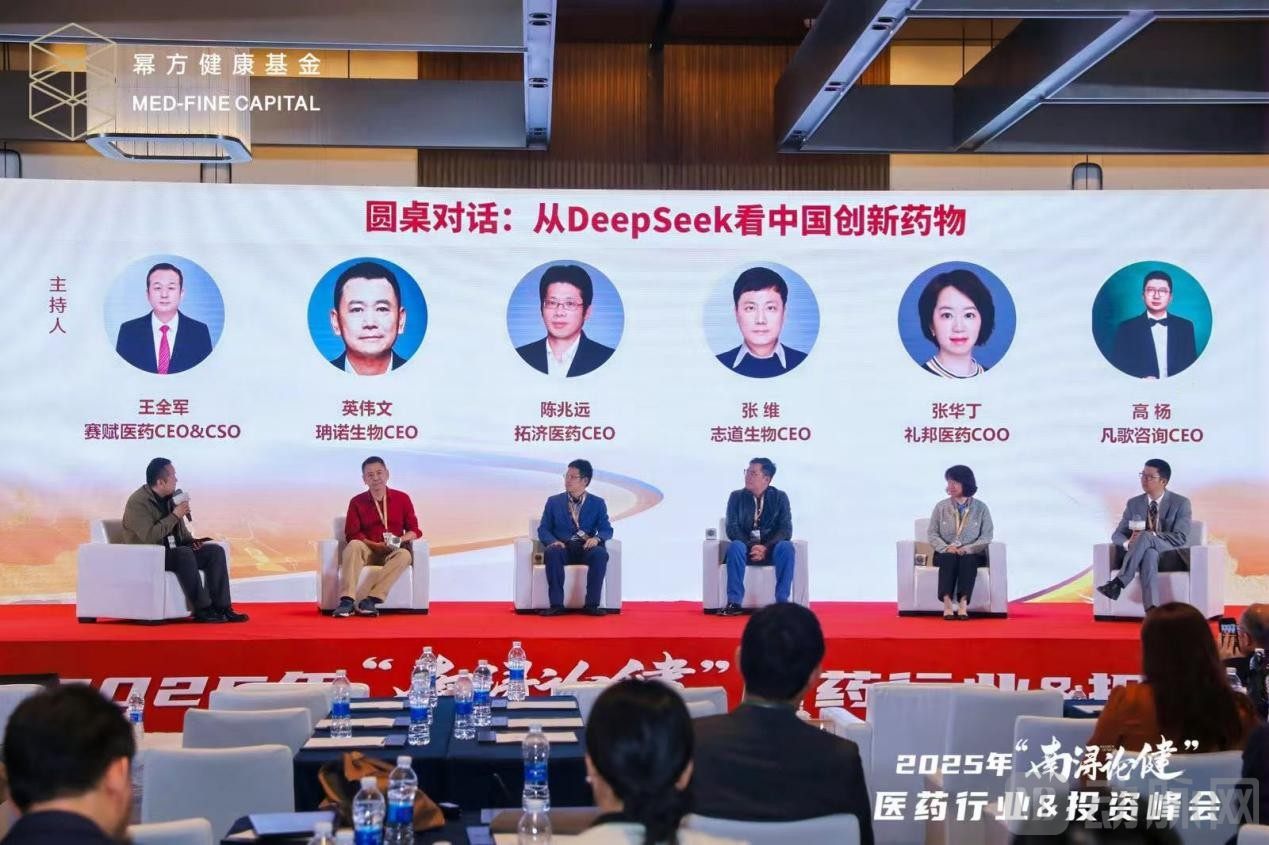
Roundtable Discussion: Chinese Innovative Drugs Through the Lens of DeepSeek
This perspective was echoed in the roundtable discussion “China’s Innovative Drugs Through the Lens of DeepSeek.” For instance,Gao Yang, CEO of Fange ConsultingBelieving that AI can enhance R&D efficiency through clinical trial design optimization, population screening, and other means, whileLibon Pharma COO Zhang Huading“The advantage of AI tools lies in their ability to rapidly integrate vast amounts of information through powerful computing capabilities, thereby enhancing decision-making efficiency; however, addressing fundamental issues such as the understanding of biological mechanisms remains far beyond the reach of AI alone.” For instance, while DeepSeek can accelerate target screening, complex challenges such as dynamic conformational analysis and multi-target synergistic effects still require experimental validation. The key to technological breakthroughs lies in establishing a closed-loop system of “AI prediction–experimental validation–data feedback,” asYing Weiwen, CEO of Rannuo BiotechAs stated: “Data quality determines the ceiling of AI; to achieve breakthroughs in AI, we must start at the source and improve data quality.”
China has already achieved international competitiveness in platform technologies such as cryo-electron microscopy and gene editing, but still needs to make breakthroughs in deep-water areas like original target discovery and research on drug mechanisms of action.Zhang Wei, CEO of Zhidao BioTaking PD-1 as an example, it is pointed out that existing drugs are largely based on “local mechanistic understanding,” whereas the integration of AI and multi-omics technologies holds promise for achieving a breakthrough from a “systems biology perspective.” For instance, this approach can precisely identify responsive patient populations through blood biomarkers, thereby overcoming the “first limitation” dilemma associated with first-in-class drugs.
Furthermore,Chen Zhaoyuan, CEO of Tuoji MedicineIt is believed that DeepSeek is an excellent efficiency tool that can narrow the gap between large and small companies, enabling smaller firms to rapidly acquire new capabilities. However, as large language models operate by providing the statistically most probable answers, relying solely on them for competition in the pharmaceutical industry makes it difficult to achieve systematic superiority. Companies must also develop their own understanding and implement differentiated strategies.
Moreover, the development of AI-driven drug discovery is inseparable from regulatory innovation. In January 2025, the U.S. Food and Drug Administration (FDA) released a landmark draft guidance entitled “Considerations for the Use of Artificial Intelligence to Support Regulatory Decision-Making for Drugs and Biological Products,” marking the first official global guidance addressing the application of artificial intelligence (AI) in the development of drugs and biological products.
In summary, the “DeepSeek moment” for China’s innovative drugs is not a disruptive revolution in which AI replaces human intelligence, but rather a systematic engineering endeavor characterized by the deep, co-evolutionary synergy between technological tools and scientific research. While embracing the efficiency revolution brought by AI, it remains essential to uphold “hardcore innovation” in basic scientific research and build global competitiveness through differentiated technological pathways.
The Rise of the NewCo Model: Innovating China’s Path for Globalizing Innovative Drugs
In recent years, the global pharmaceutical industry has faced multiple challenges, including a capital winter, soaring R&D costs, and intensifying market competition. After a period of rapid growth, Chinese innovative drug companies have also encountered issues such as constrained financing capabilities in the domestic capital market, valuation pressure on the 18A listing pathway, and resource dilution caused by overly concentrated pipelines.
Meanwhile, recognition of Chinese innovative drug assets in overseas markets has been steadily increasing. Particularly in cutting-edge fields such as antibody-drug conjugates (ADCs), bispecific antibodies, and GLP-1 therapies, Chinese pharmaceutical companies have emerged prominently by leveraging their protein engineering capabilities and differentiated R&D achievements. Against this backdrop, the NewCo model has emerged as an important new mechanism connecting Chinese innovative assets with global capital markets.
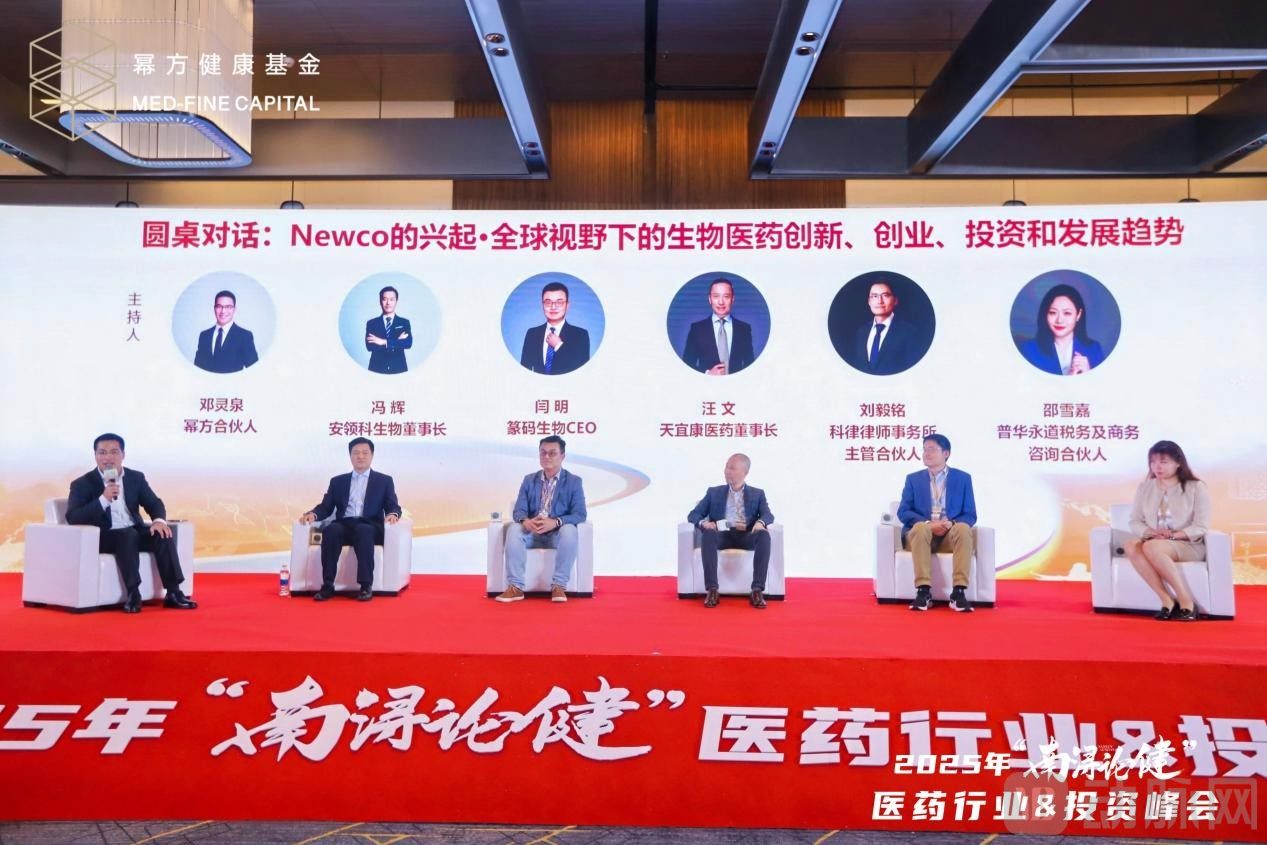
Roundtable Discussion: The Rise of Newcos · Trends in Biopharmaceutical Innovation, Entrepreneurship, Investment, and Development from a Global Perspective
In the roundtable discussion titled “The Rise of NewCo: Global Perspectives on Innovation, Entrepreneurship, Investment, and Development Trends in Biopharma,”Deng Lingquan, Partner at Mifang Health FundIt was pointed out that, on one hand, China’s primary capital market faces a shortage of funds, IPOs in the secondary market are hindered, domestic pharmaceutical companies and biotechs have extensive pipelines, the quality of many assets is increasingly recognized globally, and geopolitical pressures are mounting. On the other hand, overseas biotech operations lack competitiveness in terms of cost and efficiency, while multinational pharmaceutical giants face significant patent cliff challenges in the coming years and urgently need to acquire new assets. Consequently, the NewCo model has emerged as one of the optimal collaborative approaches, bridging the needs of both sides. Chinese pharmaceutical companies, both large and small, transfer overseas rights of their pipelines to newly established overseas entities through “asset outbound” strategies. This not only alleviates financial pressure but also accelerates development by leveraging international capital. Meanwhile, foreign asset acquirers appear to have secured an investment and business model that offers maximum returns and minimizes risk in the current environment. Furthermore, Dr. Deng proposed that Mefang’s USD-denominated fund actively selects and invests in all four types of NewCo models, each with its unique advantages: NewCos founded from scratch by serial entrepreneurs; NewCos established by scientists and industry veterans licensing IP from universities; Cayman-structured Hybrid NewCos where Chinese serial entrepreneurs utilize assets from Chinese listed companies under the leadership of Chinese investors; and US-structured NewCos where US management teams leverage Chinese assets under the leadership of US investors.
Wang Wen, Chairman and CEO of Tianyikang PharmaceuticalHe stated that whether through NewCo or other models, the goal is to secure funding in the post-pandemic capital crunch to support company growth. He also noted that the situations in China and the United States differ: while the biopharmaceutical financing market in the U.S. has improved, China needs to develop based on its own experience and product characteristics.
Yan Ming, CEO of Zhuanma BioIt is believed that while U.S. startups face high operational costs and complex processes, Chinese NewCos are more competitive in meeting health demands driven by an aging population, leveraging their cost-effective clinical resources and strengths in engineered technologies.
However, although the NewCo model has significantly enhanced the internationalization efficiency of Chinese pharmaceutical companies, risks such as asset bubbles, cross-cultural management capabilities, and policy uncertainty still warrant vigilance. In this regard,Deng Lingquan statedThe Hybrid NewCo model, characterized by Sino-U.S. resource collaboration and phased operations, can partially mitigate these risks. For instance, early-stage clinical development is led by domestic teams to reduce costs and enhance efficiency, while overseas teams are introduced in later stages to leverage international resources, ultimately achieving exit through overseas M&A or IPOs. PowerFang has been at the forefront of this model in China; a prime example is Anlingke Biopharma, which Dr. Deng spearheaded in incubation and investment as early as 2023. The company is now experiencing rapid growth, with clearly defined pathways for both corporate development and product advancement.
Feng Hui, Chairman and CEO of AnlingkeIt is emphasized that Chinese pharmaceutical companies should not be content with merely providing early-stage assets; instead, they must focus on the core mission of “addressing unmet clinical needs.” By leveraging top-three global pipeline competitiveness and specialized teams to secure a stronger voice in the industry, they should drive long-term value through technological innovation rather than capital arbitrage.
Shao Xuejia, Partner, Tax and Business Advisory Services, PwCShe pointed out that while early NewCo transactions were dominated by U.S. dollar funds, Chinese investors now need to be wary of the risk of “high-quality assets being sold at low prices.” She called for enhancing bargaining power through tax planning and support from local capital to avoid dilution of innovation value.
Finally,Liu Yiming, Managing Partner of Cooley LLPHe added that NewCo is not merely a financing vehicle, but also a springboard for expanding overseas clinical capabilities. Citing examples from certain project experiences, he illustrated how rigorous agreement design is crucial to safeguarding the interests of both the company and its founders.
In the future, specific NewCo models may coexist with traditional pathways such as license-out and mergers and acquisitions (M&A), forming a multi-tiered ecosystem for global expansion. Whether Chinese pharmaceutical companies can secure a core position in the global landscape of medical innovation depends on their ability to strike a balance between capital operations and technological innovation, thereby achieving industrial upgrading that truly “defines capital value by clinical value.”
From Import Substitution to Global Leadership: Medical Devices Achieve an Innovative Leap
In the field of innovative drugs, international cooperation is becoming increasingly frequent, with high-value business development (BD) and license-out transactions emerging continuously, marking the initial international recognition of Chinese pharmaceutical companies’ R&D capabilities. Similarly, in the medical device sector, domestic enterprises are undergoing a transition from “import substitution” to “global leadership.”
On the one hand, domestic medical device companies are continuously intensifying their efforts in technological innovation. Through close collaboration with clinical experts, integration of global resources, and in-depth research into material technologies, they have achieved a series of innovative breakthroughs, gradually breaking the monopoly held by foreign products. On the other hand, driven by intensifying competition in the domestic market and the need for corporate growth, expanding into overseas markets has become a strategic choice for many enterprises. However, during this global expansion, companies face numerous challenges, including market access barriers, brand recognition, and cultural differences.
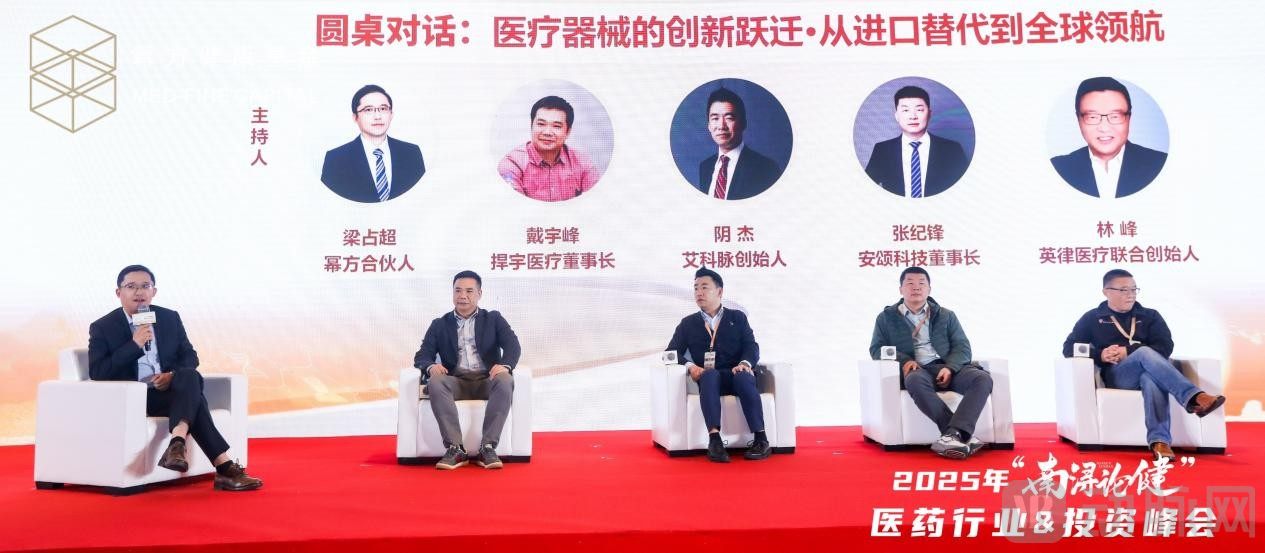
Roundtable Discussion: The Innovative Leap in Medical Devices: From Import Substitution to Global Leadership
During the roundtable discussion titled “The Innovative Leap in Medical Devices: From Import Substitution to Global Leadership,” participants generally agreed that amid intensifying competition within the medical device industry, innovation is the key to breaking through the impasse. In this regard,Dai Yufeng, Chairman of Hanyu MedicalIt stated that innovation must be closely aligned with clinical needs, and only innovations supported by clinical practice are meaningful. Through collaborative research and development with leading hospitals and experts in China, Hanyu Medical closely aligns with clinical needs to ensure precise direction for innovation.
Yin Jie, Founder of Arterial PulseIt is believed that innovation requires breaking through talent and technological barriers and fully leveraging global resources. Through its dual R&D center model in China and the United States, Accupulse fully utilizes U.S. technological resources and the efficiency advantages of China to develop products for its atrial fibrillation ablation technology platform. Based on existing clinical data, its clinical efficacy is superior to that of traditional imported products.
Zhang Jifeng, Chairman of Ansong TechnologyIt is proposed that the "materials technology platform" is the key to breaking through for domestically produced medical devices. Its independently developed ceramic hip joint system, with proprietary intellectual property rights, outperforms international competitors and has been selected for the National Innovative Medical Device Program. This material science-based innovation is narrowing the technological gap with the United States and Europe.
Amid the intense domestic competition in the medical device industry, expanding overseas has become a crucial strategy for medical device companies to broaden their market reach and enhance brand influence.Zhang Jifeng"Believe that"Expanding overseas is an inevitable path, especially given the limited profit margins following China’s volume-based procurement (VBP) programs. The Southeast Asian market demonstrates high acceptance of Chinese products and features shorter registration cycles. Since last year, Ansong Technology has conducted market research and preliminary preparations, considering business expansion in Southeast Asia, the Middle East, Mexico, Brazil, and other regions, while also monitoring long-term opportunities in the U.S. and European markets. For the Southeast Asian market, it is recommended to adopt a direct or semi-direct sales model to jointly build sales platforms, thereby reducing logistics and legal risks and enhancing brand control.
Lin Feng, Co-founder of Yinglv MedicalIt was pointed out that global expansion should be a proactive endeavor, requiring advance strategic planning and preparation, including patent portfolio development and market education. Lin Feng also highlighted the existence of the “China discount” phenomenon. As a serial entrepreneur and co-founder of Tongxin Medical, Lin established its U.S. subsidiary, US Tongxin, as early as 2009. Through long-term patent strategy, the company has gradually penetrated high-end markets, striving to change the stereotype that “Made in China” equates to low prices.
Innovation and Global Expansion in the Medical Device Industry: A Comprehensive Competition of Technological Prowess, Clinical Insights, and Global Operational Capabilities. Despite challenges such as intensifying domestic competition and insufficient international trust, Chinese enterprises are gradually shedding the “import-dependent” label and climbing up the global value chain through clinically oriented innovation, differentiated global expansion strategies, and policy dividends.
At present, China’s pharmaceutical industry stands at a critical inflection point for innovation and upgrading, spanning both innovative drugs and medical devices. The value of this summit lies in guiding the industry to anchor its innovation trajectory, continuously driving technological, capital, and regulatory system innovations, and collectively defining the next golden decade for China’s innovative drug sector.
Amidst the profound restructuring of the global pharmaceutical landscape, China’s pharmaceutical industry is surging to the forefront of innovation with a breakthrough posture. From domestically produced PD-1 inhibitors shattering international monopolies to the world’s first CAR-T therapy expanding into European and American markets, and from intelligent surgical robots pushing the boundaries of precision to bioresorbable stents leading a materials revolution, the “quality transformation curve” of China’s pharmaceutical innovation has surpassed its critical tipping point. This sunrise industry, with a total market size exceeding RMB 8 trillion, is undergoing a paradigm shift from “follow-on innovation” to “source innovation,” and from “contract manufacturing” to “intelligent manufacturing leadership.”
A deeper transformation lies in the elevation of the innovation paradigm. As an aging society confronts a tsunami of chronic diseases, and as precision medicine knocks on the door of personalized treatment, China’s pharmaceutical innovation must achieve a three-tier leap from “me-too” to “me-better,” and ultimately to “first-in-class.” This requires not only that corporate R&D investment intensity surpass the critical 20% threshold, but also that a “tropical rainforest” ecosystem of collaborative innovation among industry, academia, research, and clinical practice be established—allowing real-world data from clinical institutions to feed back into basic research, enabling artificial intelligence computing power to reshape the logic of drug discovery, and letting 3D bioprinting technology reconstruct the future of organ transplantation.
From the lofty perspective of a global community of human health, China’s golden decade of pharmaceutical innovation will inevitably transcend the dimension of commercial value. As regulatory wisdom resonates with innovative passion, and as capital flows integrate with scientific craftsmanship, China’s pharmaceutical industry will reshape the global health landscape through “hardcore innovation,” injecting enduring vitality into the building of a community with a shared future for mankind.
As a pioneering force in China’s healthcare and medical investment, Mifang Health Fund has always positioned itself as an “innovation ferryman,” delving deep into the most challenging fronts of industrial transformation. Adhering to the role of a “long-termist guardian of value,” Mifang has demonstrated the courage to make counter-cyclical investments at a time when global capital was retreating during the biotech winter. We have built strongholds of innovation in strategic areas such as nucleic acid therapeutics and bispecific antibody platforms. Mifang Health Fund looks forward to walking alongside scientists who dare to venture into “no-man’s-land” and standing shoulder-to-shoulder with entrepreneurs who bravely scale the “technical Mount Everest.” We are committed to safeguarding the purity of innovation with the warmth of capital and uplifting the weight of life through the power of investment.