

Domestic First 'Salmon Needle' (PDRN) Nears Market Launch, Poised to Become the Next Blockbuster in Aesthetic Medicine

Huadong Medicine
Large Comprehensive Pharmaceutical Product Developer
Bloomage Biotech
Developer of bioactive substance products, producer of hyaluronic acid raw materials
RJM Biotech
Regenerative Medical Aesthetics Raw Material Developer
Regenerative Medicine: The Tide Turns, and PDRN Finally Takes Center Stage
First, in January this year,RUIJIMING BIOTECH Announces Successful Development of the World’s First Synthetic PDRN Raw Material and Successful Pilot-Scale Production. Two months later, in recent days, Jiangsu Wuzhong also announced positive news: the enrollment of all clinical trial participants for its injectable sodium hyaluronate-polydeoxyribonucleotide (PDRN) composite solution has been completed, with the marketing authorization application expected to be submitted in the second half of this year.At that time, it will launch the first PDRN Class III medical device approved for marketing in China.Strike。
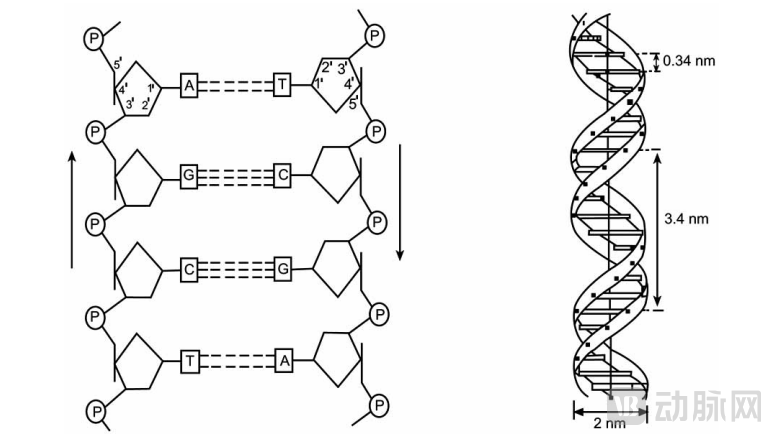
Figure 1. Chemical structure of PDRN (Image source: Cardiovascular & Hematological)
In fact, as the "liquid gold" of the regenerative field, PDRN has been receiving significant market attention in recent years,Currently, more than 20 domestic enterprises are participating in the layout, including industry giants such as Bloomage Biotech, Jiangsu Wuzhong Pharmaceutical Development Co., Ltd., Huadong Medicine, and Fosun Pharma.. The key to this lies in its efficacy; due to its ability to stimulate the proliferation of collagen and elastic fibers, PDRN holds significant application value in tissue repair, anti-aging, and the improvement of skin tone and texture.Furthermore, its base composition shares up to 98% similarity with human DNA, thereby avoiding significant immune responses and ensuring an exceptionally high level of product safety.。
However, to date,No Class III medical device products containing PDRN solution have been approved for market launch in China.Currently, all products are sold through the filing process for imported cosmetics. Therefore, as domestically produced PDRN continues to advance toward market launch, the market potential in this sector is gradually expanding, with the promise of creating another blockbuster product in the medical aesthetics field.
Cross-Industry Entry: “Hard Control” Over Aesthetic Medicine Giants
Like most medical aesthetic raw materials, PDRN has a significant background. As it is primarily extracted from the spermaries of trout and salmon, which are rich in nucleic acids, it is known in the medical aesthetics market as “Salmon Injection” or “Baby Needle.” Initially, however, PDRN was not used for medical aesthetics; its applications were focused on clinical scenarios such as wound healing and the regeneration of bone and soft tissues. It was only through subsequent research that its substantial anti-aging efficacy was discovered, leading to its gradual adoption in the field of medical aesthetics.
In 2008, the Italian pioneer company Mastelli launched Placentex first.This marks the first global use of PDRN as a tissue repair compound.. In the same year, the Korea Food and Drug Administration (KFDA) officially approved PDRN for tissue repair and the treatment of skin graft wounds, spurring the market launch of numerous related products; leading brands such as Rejuran and Placentex were predominantly approved during this period.
Compared with overseas markets, domestic exploration of PDRN started relatively late. The initial “spark” can be traced back to 2018, when Placentrex officially entered the Chinese market and rapidly gained popularity with its “salmon DNA repair” concept. This clearly attracted significant attention from domestic companies. In 2019, Beijing SL Pharmaceutical Co., Ltd. formally entered the medical aesthetics sector by investing in and gaining controlling interest in Mengborun Biotechnology, and launched Shuyan Hyaluronic Acid the following year—the first domestic brand to apply PDRN in the field of medical aesthetics.
Since then, the competition for domestically produced PDRN has kicked off, with companies such as Haohai Biological Technology, Imeik, and Huadong Medicine rapidly entering the market through investments, acquisitions, and mergers. In July 2024, two financing deals occurred consecutively in the PDRN sector: one was Bloomage Biotech’s Series A investment in Ruijiming Biotech; the other was Jiangsu Wuzhong’s RMB 30 million investment in Lilai Technology. Upon completion of the transaction, Jiangsu Wuzhong will obtain exclusive rights to its injectable sodium hyaluronate-polydeoxyribonucleotide composite solution product.
Behind the aggressive bets by industry giants lies their recognition of PDRN’s immense commercial value.Taking the technical dimension as an example, PDRN can effectively repair damaged DNA and mitigate DNA damage by recycling and integrating bases and nucleosides, thereby promoting cellular repair and regeneration. Meanwhile, PDRN activates adenosine receptors, modulates inflammatory responses, controls apoptosis, and stimulates fibroblasts to secrete collagen, thus tightening the skin and reducing wrinkles. Coupled with its excellent biocompatibility and biodegradability, PDRN possesses full potential to become a blockbuster product.
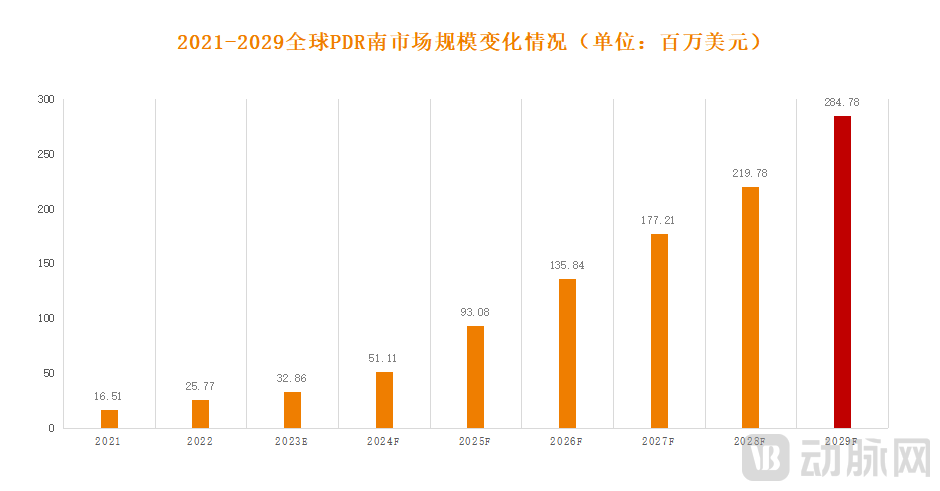 Figure 2. Global PDRN Market Size Trends, 2021–2029 (Source: Third-party Data)
Additionally, from a market perspective,PDRN is also a rare “gold rush” destination in the future. According to the data, global PDRN market sales are projected to grow fivefold over the next five years, reaching $285 million by 2029. Further broken down by region,China’s PDRN Market Is Growing the Fastest, with a CAGR of 49.02% from 2023 to 2029. For medical aesthetics companies urgently seeking new growth drivers, this undoubtedly represents a massive opportunity, with significant potential for generating profitable cash flows.
Surrounded by Imports, How Can Domestic PDRN Catch Up and Surpass?
As domestically produced PDRN products currently remain a market gap, the Chinese domestic market is still dominated by overseas products, primarily Korean brands. Typical representatives include Placentex, Dermalax 350, Rejuran, and Dermasha.
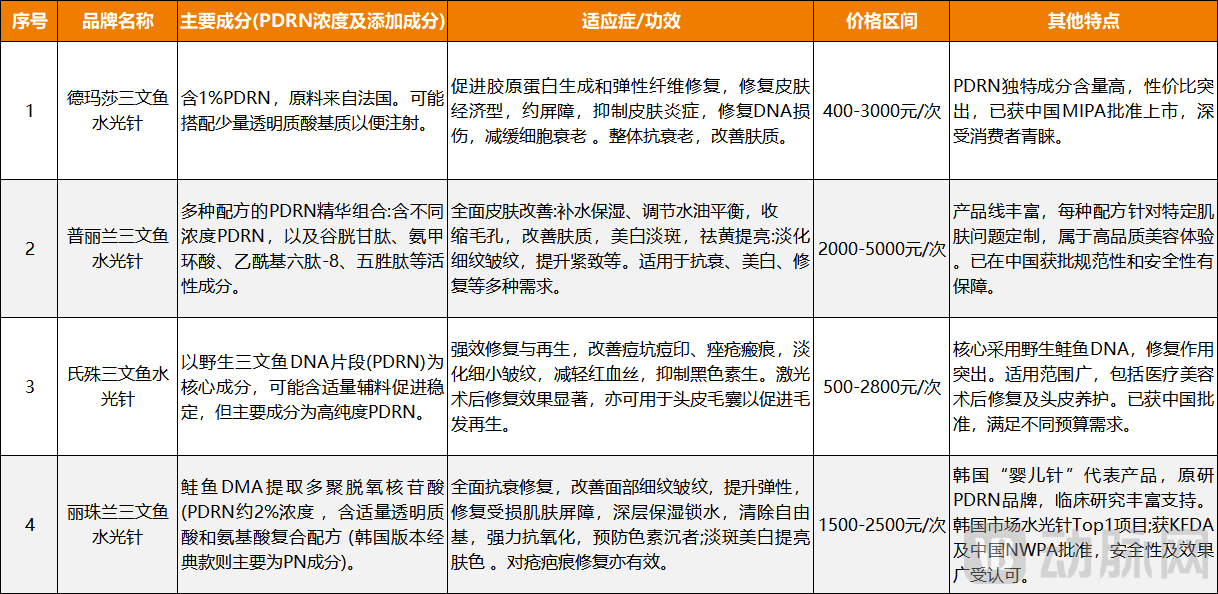 Figure 3. Representative PDRN Products Currently Approved in the Domestic Market
Among them, Rejuran has demonstrated the strongest performance; it is reported thatRelying solely on the Rejuran product line, Pharma Research has surged to become the second-most valuable company in South Korea’s medical aesthetics industry.As of December 31, 2024, Pharma Research had a total market capitalization of approximately KRW 306.08 trillion (equivalent to approximately RMB 15.3 billion), with its stock price rising by 83% over the year, significantly outperforming the South Korean KOSDAQ Index. Behind this performance lies the inevitable drive from the Chinese market.
In fact,Not only Rejuran, but other South Korean PDRN brands have also achieved significant performance growth in recent years by leveraging the Chinese market, with an average increase of over 30%.. So, how exactly do they penetrate the Chinese market?
This is mainly due to two reasons,One key aspect is product refinement, with differentiated strategies tailored to diverse market demands.. For instance, BR PHARM’s product line Placentex includes multiple series such as Placentex Kinetic Energy and Placentex Regeneration, which offer different efficacy profiles based on variations in PDRN content and ingredient formulations. For example, HPCELL® Placentex, which has garnered significant market attention, contains a core PDRN concentration of 0.7% and is primarily used for wrinkle reduction, whereas the PDRN concentrations in its moisturizing, whitening, and reparative products are 0.5%, 7%, and 1%, respectively.
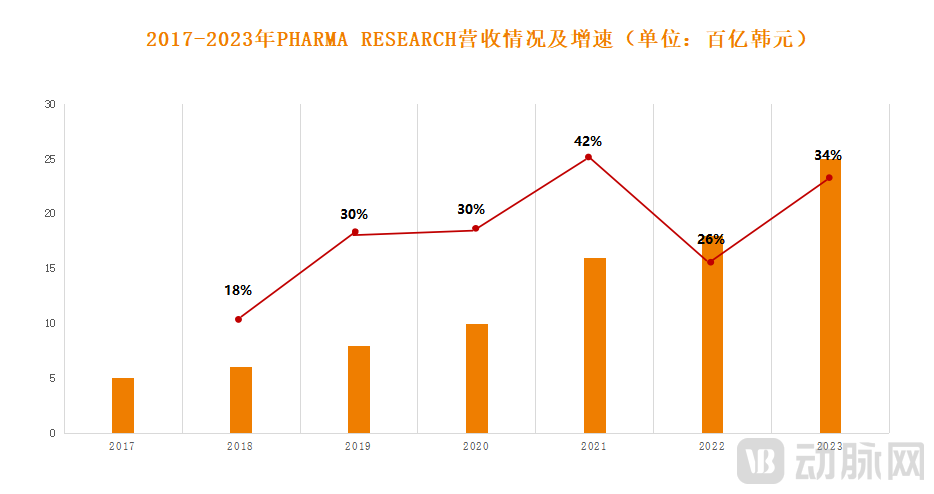 Figure 4. Pharma Research’s Revenue and Growth Rate, 2017–2023 (Source: Corporate Annual Reports)
Another key aspect is that critical market promotion relies primarily on a dual-track approach, leveraging both in-hospital and out-of-hospital channels.Let’s start with the in-hospital market. Taking Rejuran, currently the best-selling product, as an example, it early on established collaborations with aesthetic institutions and physicians in Shanghai, Beijing, Shenzhen, and other cities, while expanding its indications. The company also implemented robust training and science popularization initiatives, which ultimately facilitated the successful approval of its product as a Class II medical device in 2022, enabling it to capture a significant market share ahead of competitors.
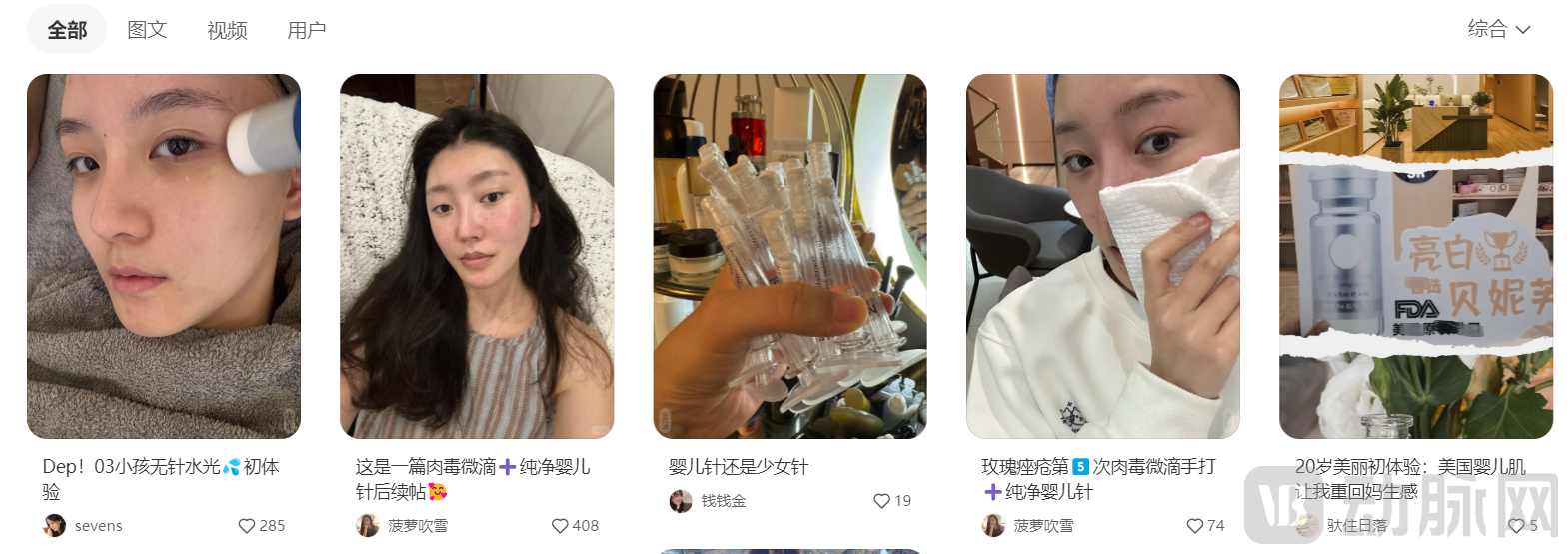
Figure 5. Xiaohongshu Interface Featuring Salmon Needle Recommendations
Next is the out-of-hospital market, which is the key to achieving substantial volume growth for PDRN. In fact, “salmon injections” are extremely popular in South Korea,In recent years, it has even become the No. 1 skin booster treatment in South Korea., many Chinese aesthetic seekers have traveled to South Korea to experience it, sharing their experiences and results on social media platforms such as Xiaohongshu (Little Red Book) and Douyin (TikTok), thereby continuously boosting the product’s domestic awareness. Taking Xiaohongshu as an example, the platform currently boasts over 10 million views, with topic engagement ranking among the top three in the medical aesthetics sector, driving substantial sales volume for related products. It is reported that, Rejuran generated approximately RMB 1.4 billion in revenue last year, with RMB 500 million coming from domestic sales in South Korea and a significant portion accounted for by the Chinese market。
So,Amidst the dominance of overseas giants, how can domestically produced PDRN, as a latecomer, break through??
First, it is essential to “innovate and replace the old with the new” at the technical level.Taking products from Ruijiming Biotech as an example, as the world’s first synthetic PDRN raw material, it bypasses the limitations of biological extraction and achieves a qualitative leap in ingredient purity, efficacy consistency, and production controllability, thereby ensuring production stability and scalability. Additionally, Bai’ao Regeneration employs innovative microsphere technology to encapsulate PDRN molecules within microspheres, enabling effective penetration into the dermal layer of the skin. This not only resolves the challenge of transdermal absorption of PDRN but also significantly enhances its bioactivity, increasing dermal penetration intensity by 44-fold within one hour.
Secondly, it is crucial to seize the significant monetization advantages brought by “compliance.”. In fact, none of the PDRN products currently circulating in the domestic market have been approved as Class III medical devices, and all exhibit certain regulatory non-compliances regarding their certifications. Therefore, the launch of a compliant PDRN solution product would quickly fill this gap in domestic market demand, with the potential to become a blockbuster product comparable to “Hearty.”
In this regard, He Yao, Head of Industry Research at Ming Feng Capital, stated, “An examination of the evolution of the medical aesthetics industry in recent years reveals that the regulatory compliance of innovative products has consistently been a strategic high ground for corporate competition. This is because, fundamentally, it serves as a systematic test of a company’s comprehensive capabilities, encompassing market insight and end-to-end control over product development—from raw material selection and process development to quality system construction—as well as scientific decision-making at critical junctures such as indication selection and clinical trial design.。”
The final point is to expand the market dividends of “domestic substitution.”. As there are no officially approved products yet, the PDRN products currently circulating in the market vary widely in price and quality. Domestic brands, however, can leverage their cost-effectiveness and channel advantages to rapidly penetrate second- and third-tier markets, thereby meeting the larger-scale demand for anti-aging treatments. It is evident that domestically produced PDRN still holds opportunities to “overtake on a bend” in future market competition.
Baby Face, Maiden Look, or Infant Skin: Who Can “Inject” Their Way into the Future?
Just as PDRN is gaining massive popularity, a major event has also occurred in the medical aesthetics industry, namelyAimeike Acquires 85% Equity Stake in REGEN Biotech, Inc. (“REGEN”) for $190 Million, Setting a New Record for Cross-Border M&A in China’s Medical Aesthetics Industry。
However, this is not the most critical aspect; the underlying competitive interests are drawing even greater attention. It is reported that Jiangsu Wuzhong Pharmaceutical Development Co., Ltd. holds the exclusive distribution rights in China for REGEN’s product AestheFill (commonly known as the “youth-restoring injection”), with the agreement valid until August 2032. According to annual reports, since AestheFill was launched in January last year, it has generated substantial revenue for Jiangsu Wuzhong, with sales reaching approximately RMB 200 million in the first three quarters of 2024, setting an industry record for the fastest time to surpass RMB 100 million in sales. Therefore, if Imeik successfully acquires REGEN, it will inevitably face direct confrontation with Jiangsu Wuzhong over distribution rights.
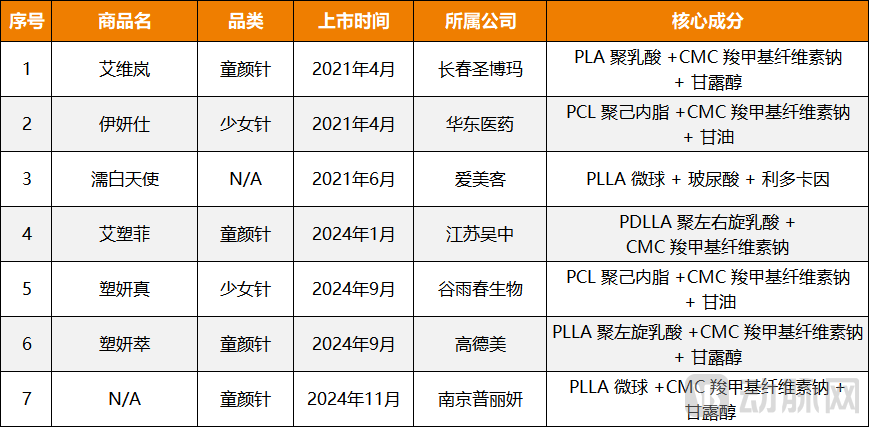 Figure 6. Seven Regenerative Products Currently Approved for Market Launch in China
Behind this “invisible war” lies fierce competition in the field of regenerative aesthetic medicine. To date, the major “regenerative material” injectables on the market include “baby face fillers” primarily based on PLLA/PDLLA, “girl fillers” mainly composed of PCL/CMC, and “baby fillers” centered on PN/PDRN. Compared with baby fillers, which have not yet been launched, baby face fillers and girl fillers already have mature products available and have demonstrated strong growth potential in the market, becoming blockbuster products across the entire medical aesthetics industry.
So, with the introduction of baby needles, will this have an impact on it?
Before answering this question, let us first clarify the differences among the three. In fact, both Sculptra (commonly known as “Tongyan Zhen”) and Ellansé (commonly known as “Shaonv Zhen”) are “biostimulatory” dermal fillers. Simply put, after being injected into the skin, these products stimulate the regeneration of native tissue, thereby achieving structural remodeling and volumizing effects, ultimately resulting in anti-aging benefits. In contrast, Rejuran (commonly known as “Yinger Zhen”) is a type of mesotherapy treatment. It primarily involves delivering various active ingredients—such as hyaluronic acid, botulinum toxin, and collagen—into the dermis via microneedling or negative-pressure injection devices, thereby making the skin firmer, more elastic, hydrated, and radiant.
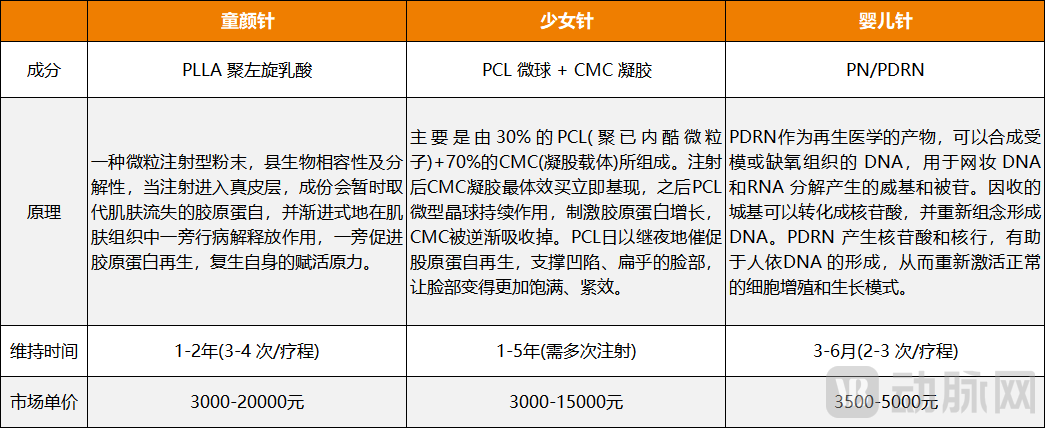 Figure 7. Comparison of Ingredients and Technical Principles of Regenerative Products
Differences in composition also lead to significant price disparities among the three products. According to the latest market research, single-unit prices for “baby face” injections (represented by AestheFill) and “girl’s needle” treatments (represented by Ellansé) range from RMB 15,000 to RMB 20,000, whereas the market price for “baby needle” treatments remains around RMB 3,500 to RMB 5,000. Therefore, under identical application scenarios, baby needle treatments clearly possess greater market competitiveness.
However, this is not absolute; judging from the current progress of research and development,The first approved Class III medical device containing PDRN is not expected to hit the market until 2026 at the earliest.. This means that poly-L-lactic acid (PLLA) fillers and calcium hydroxylapatite (CaHA) fillers still retain their first-mover advantage, enabling them to secure a favorable market position early on. Furthermore, as distribution channels and supply chains continue to improve in the later stages, production costs will decrease, thereby granting these products greater pricing power.
In response, He Yao of Ming Feng Capital stated, “The long-term competitiveness of medical aesthetics companies will likely hinge primarily on the speed of regulatory compliance for innovative products and their brand-building capabilities, encompassing key factors such as market education costs, channel layout efficiency, and product iteration and innovation. In fact, all new products eventually become obsolete. As competition within the sector intensifies, precise refinement of product positioning and strengthened development of marketing channels will become increasingly critical, potentially emerging as the decisive advantage for related enterprises to stand out in the market.。”
Therefore, as the clock of regenerative aesthetic medicine turns toward PDRN, compared with the technology itself and the approval timeline,The subsequent “Business Plan” is obviously more important., this is the core issue that practitioners in the PDRN sector must directly address.
“Clinical Enrollment for PDRN Complex Solution Completed; Jiangsu Wuzhong Poised to Add Another Blockbuster Product, Seizing the Initiative in Regenerative Aesthetics” — Securities Star;
2. “New Entrants Join the Ranks of ‘Youth-Boosting Injections’ Priced at 20,000 Yuan per Shot, Driving a 1.2 Billion Yuan Increase in Jiangsu Wuzhong’s Market Capitalization” — Blue Whale Finance;
3. “Imeik Splashes Out 1.4 Billion to Acquire PLLA Fillers, Was Jiangsu Wuzhong ‘Outmaneuvered’?” — Tong Xieyi