

Launch Ceremony of 'Evaluation Series Report on Neurosurgical Medical Devices in Chinese Public Hospitals' Successfully Concluded

In 2025, the Innovation and Translation Branch of Neurosurgery under the China Association of Geriatric Health Care initiated the compilation of the "Series Reports on the Evaluation of Neurosurgical Medical Devices in Chinese Public Hospitals" (hereinafter referred to as the "Report"). This Report will initially focus on three areas: cranial repair systems, intracranial pressure monitoring, and surgical hemostatic materials. The project is scheduled to span over ten months, covering the entire process from initiation, research, and drafting to review, finalization, and publication.
On March 26, the launch meeting for the “Series of Evaluation Reports on Neurosurgical Medical Devices in Chinese Public Hospitals” was successfully held online. The conference was hosted by the China Health Care Association and its Branch of Innovation and Translation in Neurosurgery, and co-organized by VCBeat and Beijing Ens Institute of Translational Medicine.
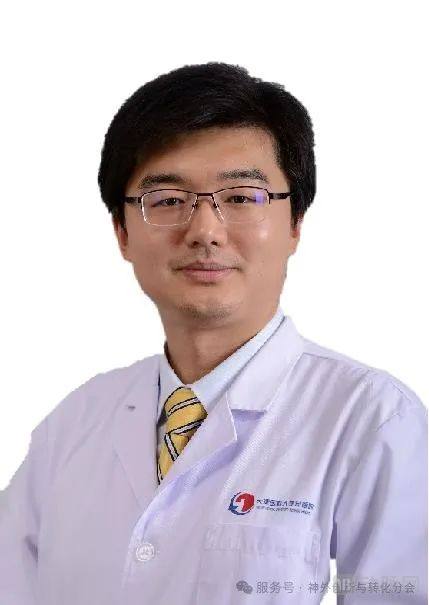
Secretary-General of the Report Coordination Group
Professor Chen Xin, Tianjin Medical University General Hospital
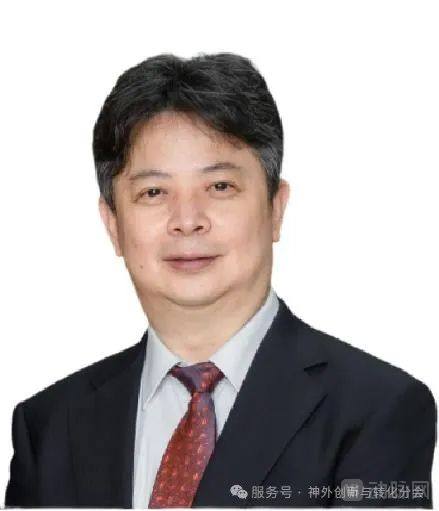
Head of the Report Coordination Group
Professor Jiang Rongcai, Xuanwu Hospital of Capital Medical University
Professor Jiang Rongcai, Chair of the Conference and Head of the Report Coordination Group, stated that this report builds upon the first white paper organized by the ITMNS Branch, namely the 2023 edition of the White Paper on Neurosurgical Medical Devices. Based on in-depth interviews and surveys with senior clinical experts as well as young and middle-aged specialists in neurosurgery across China to gain a thorough understanding of frontline clinical needs for neurosurgical devices, an expert team was assembled to evaluate commonly used devices in three key areas of neurosurgery. The findings will ultimately be presented in three separate reports, which are expected to provide scientific, rational, and objective references for neurosurgeons in selecting and using medical devices. Furthermore, Professor Jiang emphasized that the mission of the ITMNS Branch is to “address clinical needs and support the translation of scientific research achievements.” The transfer and translation of innovative technologies constitute a complex systemic project requiring joint efforts from all stakeholders, including industry, academia, research institutions, healthcare providers, government agencies, and investors. As the representative body for neurosurgeons, the ITMNS Branch expresses its gratitude to all parties for their contributions to innovation translation. It is believed that only through the collective engagement of all stakeholders in the translation of innovative technologies can more new technologies be successfully transformed into products and applied in clinical practice, ultimately benefiting a broad patient population. Finally, Professor Jiang extended his heartfelt thanks to all experts who participated in the preparation of the report and expressed his expectation that, through the concerted efforts of all parties, three objective, authoritative, and scientific industry reports will be delivered.
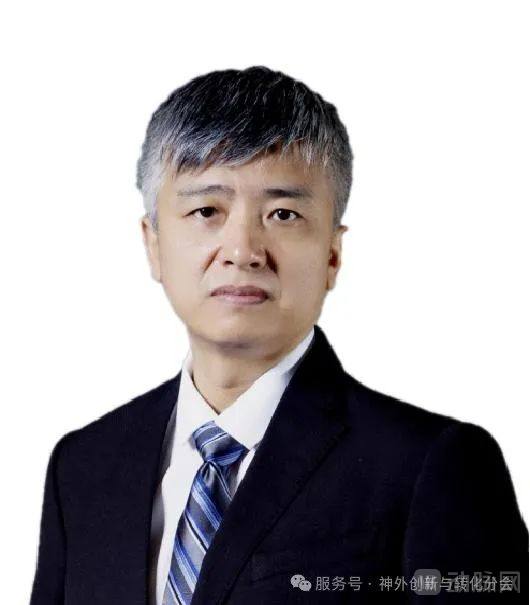
Prof. Shi Huaizhang
The First Affiliated Hospital of Harbin Medical University
Head of the Expert Group for the Skull Repair Section of the Report
Prof. Xu Jianguo
West China Hospital, Sichuan University
Head of the Expert Panel for the Report on Surgical Hemostatic Materials
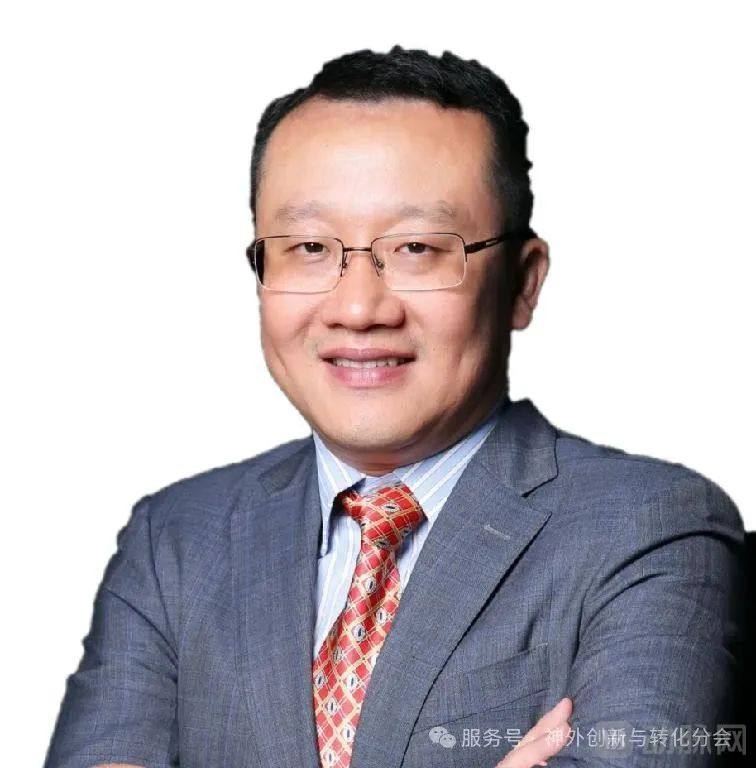
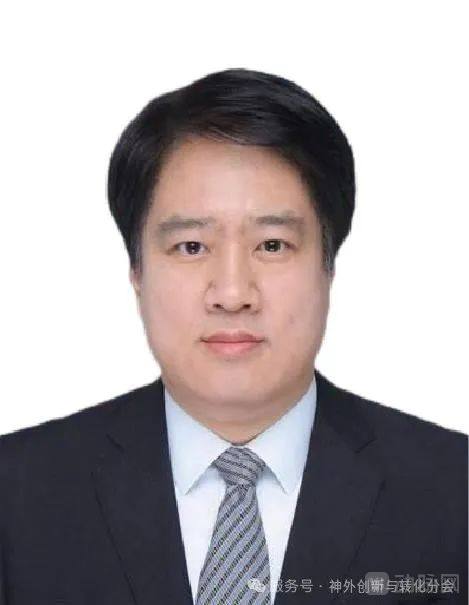
Professor Gao Guoyi
Beijing Tiantan Hospital, Capital Medical University
Head of the Expert Panel on Intracranial Pressure Monitors in the Report
In the Expert Address session, Professor Shi Huaizhang from the First Affiliated Hospital of Harbin Medical University and Lead of the Expert Group for the Report on Cranial Repair, Professor Xu Jianguo from West China Hospital of Sichuan University and Lead of the Expert Group for the Report on Surgical Hemostatic Materials, and Professor Gao Guoyi from Beijing Tiantan Hospital, Capital Medical University, and Lead of the Expert Group for the Report on Intracranial Pressure Monitors, respectively conducted in-depth analyses and elaborations on the background, value, and clinical pain points of their respective reports. They also presented comprehensive planning and detailed deployment for the implementation of these reports.
Expert Panel Members (listed alphabetically by surname within each group)
| No. | ExpertName | Hospital | Group |
| 1 | Jiang Rongcai | Xuanwu Hospital, Capital Medical University | Coordination Team |
| 2 | Chen Xin | General Hospital of Tianjin Medical University | Coordination Group |
| 3 | Shi Huaizhang | The First Affiliated Hospital of Harbin Medical University | Cranioplasty System |
| 4 | Feng Junfeng | Renji Hospital, Shanghai Jiao Tong University School of Medicine | Skull Repair System |
| 5 | Ge Shunnan | Tangdu Hospital, Air Force Medical University | Skull Repair System |
| 6 | Hu Jin | Huashan Hospital, Fudan University | Cranioplasty Repair System |
| 7 | Liang Hongsheng | The First Affiliated Hospital of Harbin Medical University | Skull Repair System &Intracranial Pressure Monitor |
| 8 | Ou Shaowu | The First Affiliated Hospital of China Medical University | Skull Repair System |
| 9 | Xu Jianguo | West China Hospital, Sichuan University | Surgical Hemostatic Materials |
| 10 | Gong Ye | Huashan Hospital, Fudan University | Surgical Hemostatic Materials |
| 11 | Wang Hongqin | The First Hospital of Shanxi Medical University | Surgical Hemostatic Materials |
| 12 | Wang Tuo | The First Affiliated Hospital of Xi'an Jiaotong University | Surgical Hemostatic Materials |
| 13 | Xue Zhan | Beijing Tiantan Hospital, Capital Medical University | Surgical Hemostatic Materials |
| 14 | Zan Xin | West China Hospital, Sichuan University | Surgical Hemostatic Materials |
| 15 | Gao Guoyi | Beijing Tiantan Hospital, Capital Medical University | Intracranial Pressure Monitor |
| 16 | Hou Boru | The Second Hospital of Lanzhou University | Intracranial Pressure Monitor |
| 17 | Huang Xianjian | Shenzhen Second People's Hospital | Intracranial Pressure Monitor |
| 18 | Maschi | The First Affiliated Hospital of Zhengzhou University | Intracranial Pressure Monitor |
| 19 | Mei Tao | Changde First People's Hospital | Intracranial Pressure Monitor |
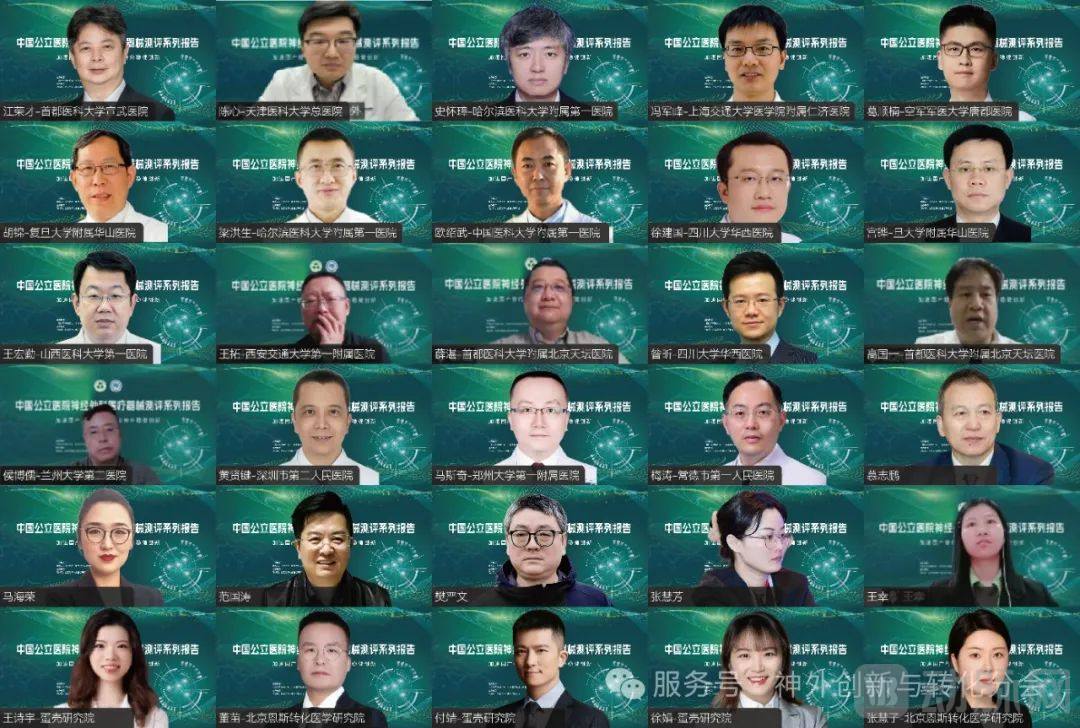
During the open discussion session, the 19 participating experts provided valuable comments and suggestions on the core aspects of the three reports, such as research and compilation, offering new insights and approaches for the subsequent development of report-related work.
Finally, under the emphasis of Professor Chen Xin, all participating parties clarified the overall direction and implementation plan for their respective work. With this, the meeting concluded successfully; however, our work is already advancing at full steam. Stay tuned!
Editor’s Note: This article is from the official WeChat account of the Branch on Innovation and Translation in Neurosurgery, and has been republished by VCBeat with authorization.
Below is the link to the original article:“The Series Report on the Evaluation of Neurosurgical Medical Devices in Chinese Public Hospitals” Launch Conference Concluded Successfully!