

Hubei Huiyi Medical Group: Delivering Affordable, High-Quality, and Compassionate Healthcare for a Decade
As an important supplement to the healthcare service system, the significance of private hospitals continues to become more prominent.
According to data from the "2023 China Health and Health Statistical Yearbook," the number of private hospitals has continued to increase in recent years. By the end of 2022, the number of private hospitals had reached 25,230, far exceeding the 11,746 public hospitals.
However, the issue plaguing private hospitals may be that their number is not proportional to the volume of patient visits. In 2022, 11,746 public hospitals handled 3.189 billion patient visits, whereas 25,230 private hospitals managed only 633 million.
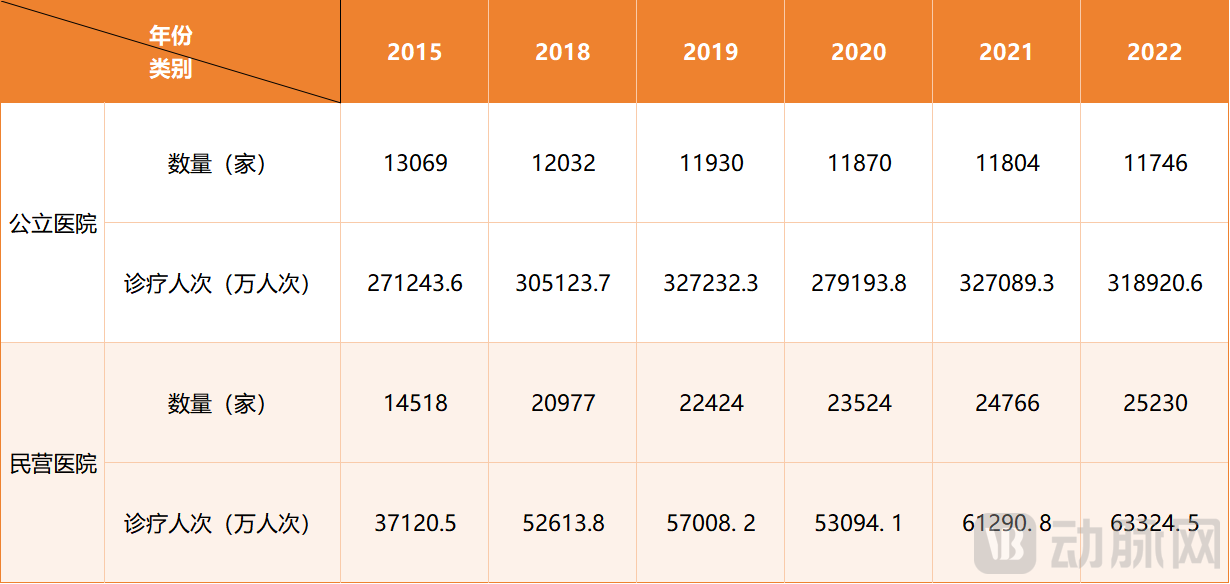
Graphic by VCBeat. Data source: "2023 China Health and Health Statistical Yearbook"
Private hospitals, which play a significant role in the healthcare service system, must consider how to better improve the quality of medical services to win patients’ favor and trust.
This is precisely what Hubei Huiyi Medical Group has been contemplating and exploring.
“Prior to the pandemic, private hospitals experienced rapid growth, presenting a stark contrast to the post-pandemic landscape. Today, we remain convinced that adhering to the fundamental mission of healthcare—by delivering high-quality medical services, implementing standardized management, establishing reasonable equity structures, and leveraging resource ‘sharing platforms’—is the key to achieving steady development for private hospitals,” stated Yang Fanglie, Chairman of Hubei Huiyi Medical Group.
Huiyi Medical Group is located in Enshi, Hubei Province.
According to the "2023 Statistical Communiqué on National Economic and Social Development of Enshi Prefecture," the permanent resident population of Enshi Prefecture at the end of 2023 was 3.3904 million. In terms of healthcare services, there were 2,717 medical and health institutions at all levels across the prefecture, including 69 hospitals, 2,612 primary medical and health institutions, and 31 specialized public health institutions. The number of health technical personnel reached 29,400, comprising 11,100 licensed (assistant) physicians and 14,100 registered nurses. There were 30,000 actual hospital beds, with 19,900 in hospitals, 9,300 in primary medical and health institutions, and 800 in specialized public health institutions.
Huiyi Medical Group currently operates 550 beds and has a medical, technical, and nursing team of nearly 600 professionals. The group’s headquarters covers a building area of approximately 38,000 square meters. An overview of Huiyi Medical Group’s development history and planning reveals three major phases:
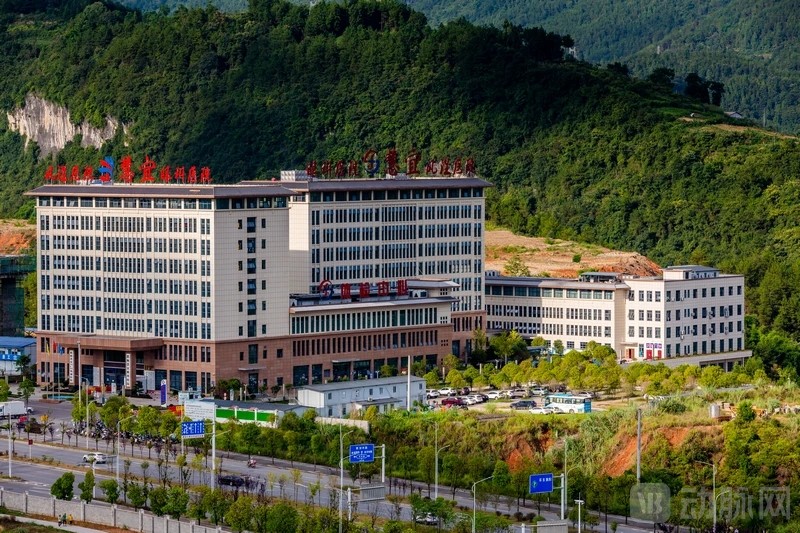
Phase I (2014–2019): Huiyi Medical Group achieved its early-stage development. Its first ophthalmic hospital transitioned from a leased property to an owned facility, enhancing the service experience for both patients and physicians. The group also began planning the construction of new medical entities to create a “shared platform.”
Phase II (2020–2024): Building on its “shared platform,” Huiyi Medical Group achieved steady resource integration, comprehensive enhancements in brand reputation and medical service quality, the establishment of multidisciplinary and multi-specialty capabilities, and significantly strengthened service functions.
Phase III (2025–): Seizing the opportunities presented by the early arrival of an aging society, Huiyi Medical Group has further expanded its integrated medical and elderly care services to address the shortage of such resources in Enshi Tujia and Miao Autonomous Prefecture.
The group’s ability to grow from scratch and further expand is closely tied to Yang Fanglie’s personal background. A medical professional by training, he graduated from the Medical School of Wuhan University in 1997. He has many years of clinical experience at top-tier (Grade III Class A) hospitals and completed advanced training at renowned institutions such as the Zhongshan Ophthalmic Center of Sun Yat-sen University, the Department of Ophthalmology at Beijing Tongren Hospital, and the PLA General Hospital (301 Hospital). Recognizing the scarcity and inadequacy of high-quality medical resources in his hometown, Enshi Tujia and Miao Autonomous Prefecture, he established the first Grade III eye hospital there, marking the inception of Huiyi Medical Group.
Currently, Hubei Huiyi Medical Group operates multiple medical entities.
Huiyi Eye Hospital, established in 2014, is one such example. As early as 2017, Huiyi Eye Hospital introduced a German Zeiss SMILE (Small Incision Lenticule Extraction) surgical system valued at RMB 18 million, leveraging cutting-edge equipment to serve patients. After more than a decade of development, the hospital has seen its medical staff increase fivefold, outpatient visits sixfold, and surgical volume fivefold. As a tertiary eye hospital serving surrounding cities and counties, it has significantly alleviated the burden on patients who previously had to travel long distances for medical care.
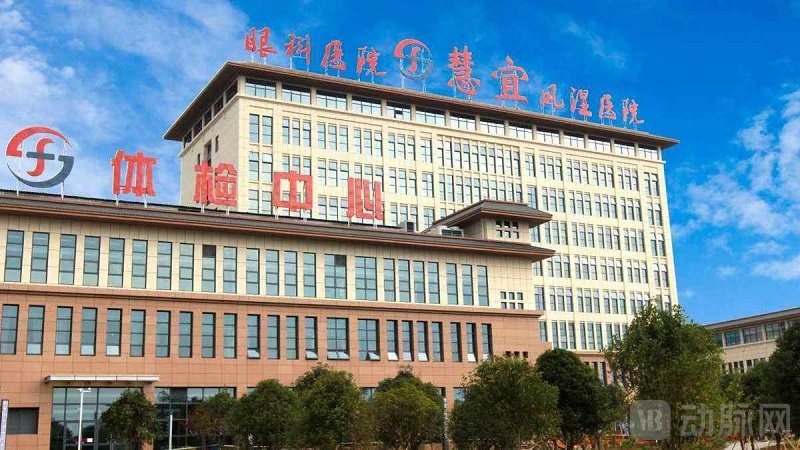
Huiyi Hospital of Integrated Traditional Chinese and Western Medicine for Rheumatism (hereinafter referred to as “Huiyi Rheumatism Hospital”) was established in late 2019. It is the first tertiary-level specialized hospital for rheumatic diseases in Hubei Province that integrates traditional Chinese and Western medicine, approved by the Health Commission of Hubei Province. Currently, its scope of diagnosis and treatment covers rheumatic diseases and closely related conditions involving the bones and joints, respiratory, cardiovascular, digestive, urinary, endocrine, neurological, psychological, rehabilitation and pain management, and emergency care systems.
The hallmark of Huiyi Rheumatism Hospital is its integrated approach combining Traditional Chinese Medicine (TCM) with Western medicine. Professor Xiang Yang, the Group’s Chief Advisor, Honorary Director, and Chief Expert at Huiyi Medical Group, is a leading figure in this field. Professor Xiang began specializing in the diagnosis and treatment of rheumatic diseases in 1993. He currently serves as Vice Chairman of the Hubei Provincial Committee on Rheumatic and Immunological Diseases and Chairman of the Enshi Prefectural Society of Rheumatic and Immunological Diseases. As the first overseas-returnee medical doctor in Enshi Prefecture, he has made outstanding contributions to clinical practice, education, and research. According to Professor Xiang, Huiyi Rheumatism Hospital leverages the research achievements of its in-house rheumatology specialists and numerous TCM experts to conduct applied research on anti-rheumatic herbal medicines and Tujia ethnic remedies. The hospital has developed proprietary formulations featuring distinctive ethnic medical characteristics, thereby providing a broader range of more effective therapeutic options for patients with rheumatic diseases and other internal and surgical conditions. Through the Taiping Chinese Herbal Medicine Base in Hefeng County, the hospital ensures access to authentic, high-quality medicinal herbs at their source, while also contributing to rural revitalization and increasing farmers’ incomes. To date, the monograph Compilation of Anti-Rheumatic Tujia Medicines has been published. The Department of Rheumatology has been designated as a Key TCM Specialty at the provincial level in Hubei Province, and six other departments have been recognized as Key Specialties at the prefectural level.
In 2020, Huiyi Medical Group established Huiyi Rehabilitation Hospital, expanding from its initial base of two hospitals. According to Huang Yuebi, the hospital’s president, there was a shortage of professional rehabilitation medical institutions in Enshi Prefecture at that time. As a result, many pediatric patients with cerebral palsy, intellectual disabilities, autism spectrum disorder, developmental delays, attention-deficit/hyperactivity disorder (ADHD), and speech and language disorders were unable to achieve disease mitigation or improvement through early intervention. Following the introduction of the rehabilitation assistance system for children with disabilities on October 1, 2018, and the inclusion of pediatric rehabilitation services in medical insurance coverage, Huiyi Medical Group responded promptly to policy initiatives by rapidly advancing this project. The rehabilitation hospital has 100 beds, provides assistance to more than 100 children with special needs annually, and handles approximately 2,000 adult rehabilitation consultations per year. Currently, Huiyi Rehabilitation Hospital is also a designated institution approved by the Hubei Provincial Disabled Persons’ Federation for providing rehabilitation medical services for children with intellectual disabilities and physical disabilities. With comprehensive coverage of various conditions, the hospital has earned recognition from patients and their families through its high-quality services.
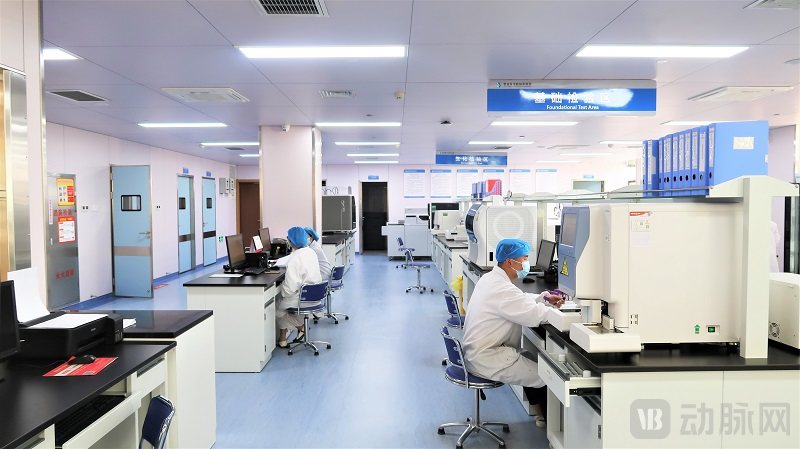
Huiyi Medical Laboratory was established in late December 2019. According to Director Zhou Yuwei, it is one of the few private institutions that obtained qualification for SARS-CoV-2 nucleic acid testing during the pandemic. For three consecutive years, it has been recognized as an Excellent Laboratory in Clinical Laboratory Quality Control in Hubei Province. In May 2024, the laboratory successfully passed the on-site assessment for ISO 15189 accreditation, signifying international mutual recognition of its test results and facilitating patients’ medical care across different hospitals, regions, and countries. Currently, it offers more than 1,000 clinical medical laboratory tests.
The evolution from a tertiary eye hospital into a medical group is also attributable to the construction of the hospital’s “Shared Platform.” Yang Fanglie pointed out in his introduction that the inspiration for the “Shared Platform” came from Medical Mall—aiming to reduce costs and minimize resource waste through maximal resource reuse. Currently, Huiyi Medical Group implements independent full-cost accounting for each legal entity, while administrative and logistical functions are managed through a unified platform, significantly improving operational efficiency and standardizing the quality of medical services.
To further enhance the patient care experience and improve the quality of medical services, Huiyi Medical Group, aligning with the strategic deployment of “Healthy China 2030,” has centered its efforts on the triad of “smart healthcare, smart services, and smart management.” The group is systematically advancing the digital transformation and upgrading of its hospitals, while continuously building an intelligent system that covers the entire diagnosis and treatment process, all service scenarios, and all management elements, thereby improving medical quality, patient experience, and operational efficiency.
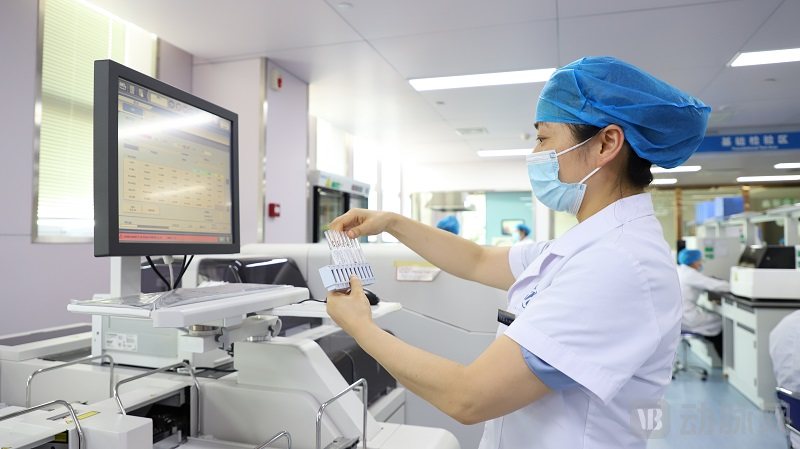
From the perspective of smart healthcare, Huiyi Medical Group focuses on establishing standardized diagnosis and treatment protocols. By integrating Electronic Medical Record (EMR) systems with Hospital Information Systems (HIS), the group has achieved comprehensive lifecycle management of patient information. The introduction of AI-powered imaging interpretation systems and health examination systems equipped with AI-based general review modules has enhanced clinical efficiency and enabled personalized patient management. Furthermore, through AI empowerment, the group is continuously building a full-chain quality control network encompassing “pre-event warning, in-process intervention, and post-event evaluation.” This approach realizes closed-loop management of medical quality, significantly reducing the incidence of hospital-acquired infections and irrational drug use, thereby ensuring medical safety.
It is worth noting that the quality of medical services is also closely related to the professional expertise of departments and the caliber of physician teams. Huiyi Medical Group has established robust talent and technological support by setting up expert studios, forming medical consortia, and creating specialty alliances, in collaboration with leading teaching hospitals such as Union Hospital and Tongji Hospital affiliated with Huazhong University of Science and Technology, Renmin Hospital of Wuhan University, Zhongnan Hospital of Wuhan University, and The First Affiliated Hospital of Ningbo University. The Group places high priority on talent development, having introduced policies for talent training and management. It actively implements the “Talent Excellence Program,” providing employees with opportunities, platforms, funding, and incentives for continuing education, external advanced training, academic degree advancement, professional title promotion, and publication of scientific research papers.
From the perspective of smart services, Huiyi Medical Group focuses on creating a compassionate healthcare experience. Through its "Mobile Hospital" platform, users can access 12 functions, including appointment scheduling, registration, and payment, significantly reducing patient waiting times to just 22 minutes. Within hospital facilities, optimizing service workflows remains a major challenge for patients. To address this, Huiyi Medical Group employs an intelligent queuing and numbering system to dynamically adjust departmental resource allocation, thereby substantially shortening patient wait times.
Hospital operations rely on intelligent management. Currently, Huiyi Medical Group is achieving "paperless office" operations through the digital transformation of administrative management and data-driven scientific decision-making. This has significantly accelerated decision-making responsiveness, enabling management to access key performance indicators—such as medical quality, patient safety, and operational efficiency—in real time to support faster decision-making.
Yang Fanglie has long had a plan for the development of the group.
Over the next five years, building upon its existing medical entities, Huiyi Medical Group will further establish a tertiary-level cardiovascular hospital and a medical-nursing center with 500 beds. This expansion is driven not merely by the pursuit of larger-scale growth, but by a return to the group’s original mission: to provide higher-quality, more accessible healthcare and elderly care services to the local population. The goal is to ensure that patients can afford, receive effective, and enjoy comfortable medical treatment, while enabling the elderly to have reliable support, meaningful connections, and an enhanced quality of life in their later years.
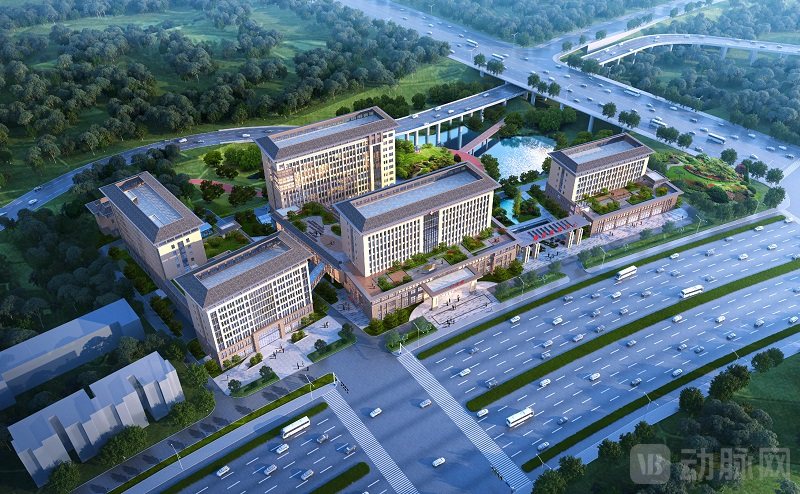
Group Planning Rendering
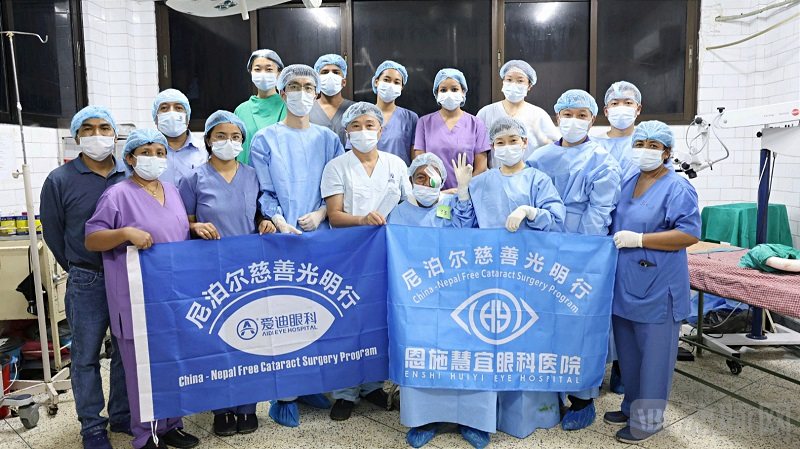
Over the past decade, Huiyi Medical Group has been actively fulfilling its original aspirations and mission through concrete actions. For cataract patients, Huiyi Eye Hospital has provided sight-restoring surgeries to more than 40,000 individuals. To support disadvantaged middle and high school students in Enshi, Huiyi Eye Hospital established the “Huiyi Eye Care Fund” to provide them with free eyeglasses, and donated RMB 1.2 million to establish the “Huiyi Charity Sunshine Class” at Enshi High School, offering financial aid to students in this program. In 2023, Huiyi Medical Group carried out public welfare cataract sight-restoration surgeries in Nepal and was received by the Chinese Embassy in Nepal.
“Patients are always our lifeblood. We must never do to any patient what we would not do to our own parents. Staying true to our original mission, adhering to ethical principles, and returning to the essence of healthcare are the surest paths to corporate success,” emphasized Yang Fanglie. “Our vision is to build a reputable hospital that earns public trust, become a benchmark enterprise recognized by the government, provide a secure work platform for employees, serve as a reliable partner for suppliers, and act as a trustworthy ally for shareholders.” Guided by this philosophy, Huiyi Medical Group is steadily advancing toward a highly promising future.