

From Rizhao's Thriving Digital Dentistry Summit, We See the Future of the Industry
The dental industry is undergoing a profound transformation driven by digitalization.
On one hand, the integration of digital technologies has broken down temporal and spatial barriers, seamlessly connecting workflows and promoting the standardization of dental diagnosis, treatment processes, and outcomes, thereby enhancing efficiency and quality. On the other hand, digital empowerment has further expanded the capacity and potential of the dental market.
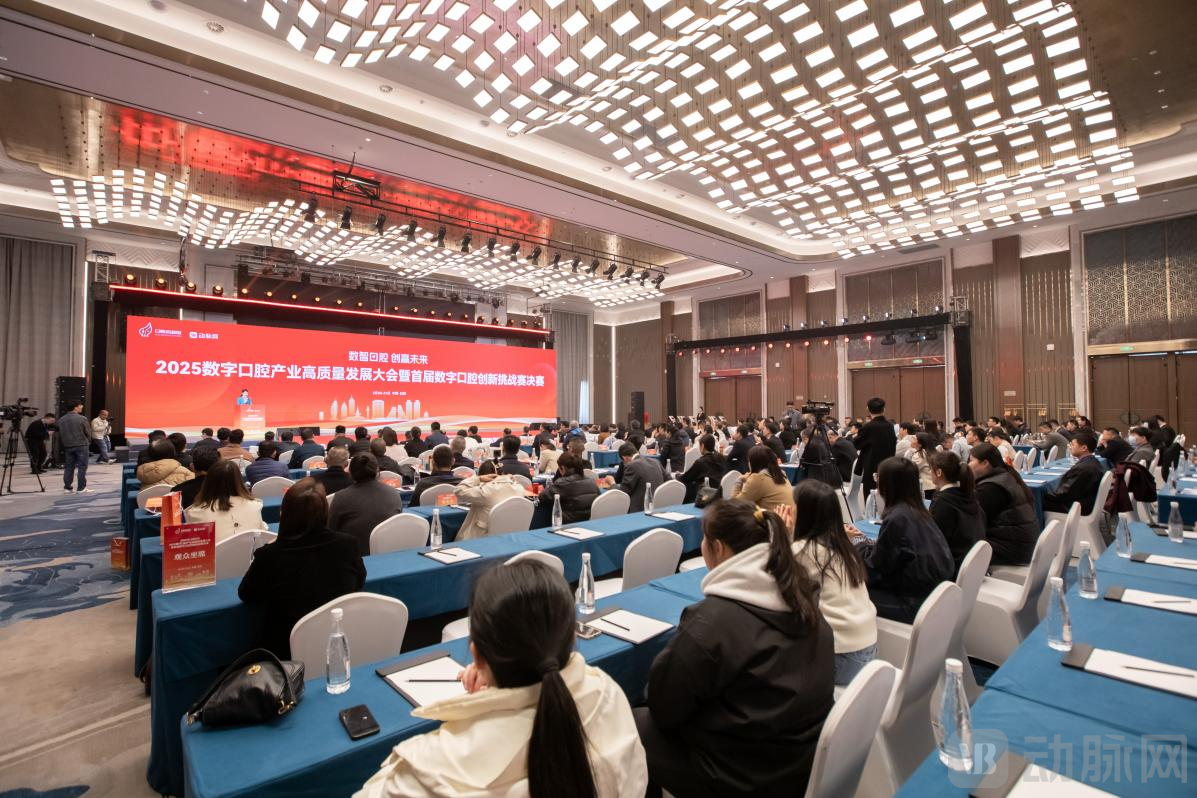
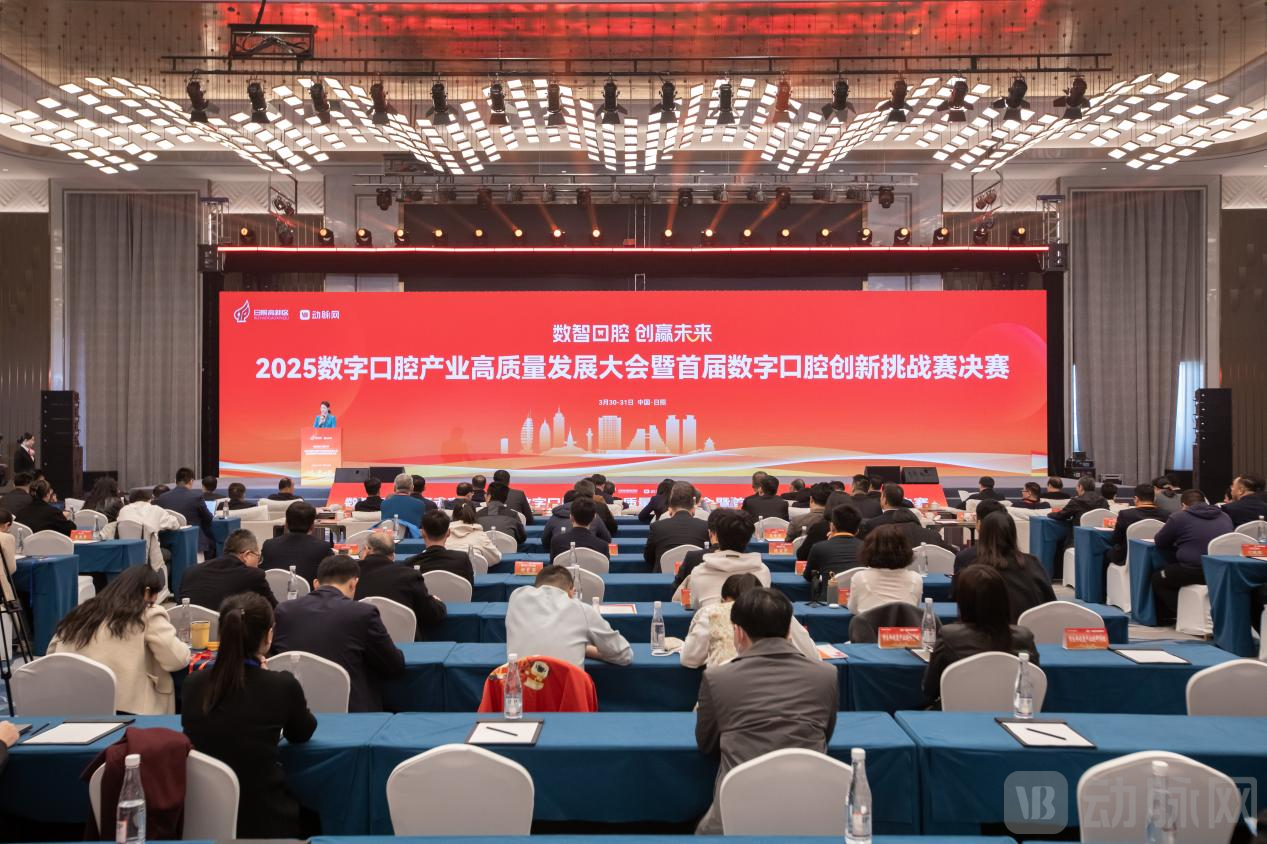
Against this backdrop, the “2025 Digital Oral Health Industry High-Quality Development Conference and Finals of the First Digital Oral Health Innovation Challenge” was successfully held on March 30–31, 2025, at the Rizhao Donghu Kaiyuan Mingdu Hotel. The event was guided by the Organization Department of the CPC Rizhao Municipal Committee, the Rizhao Municipal Science and Technology Bureau, the Rizhao Municipal Human Resources and Social Security Bureau, the Rizhao Municipal Health Commission, and the Rizhao Municipal Administration for Market Regulation; hosted by the Administrative Committee of Rizhao High-Tech Industrial Development Zone; co-organized by the Rizhao Life and Health Industry Chain Service Task Force; and undertaken by Rizhao Jingying Media Technology and VCBeat. Spanning two days, the conference attracted more than 300 industry professionals.
Notably, the supporting organizations of this conference include Bank of Rizhao, Rizhao Transportation and Energy Development Group, Rizhao High-Tech Development Group, Rizhao Financial Equity Investment, Jinyu Maowu, Chuangjing Capital, Yiruixing Capital, Industrial Securities Capital, Legend Capital, Cypress Capital, Probe Capital, Shanlan Capital, IDSO Dental Alliance, Hugel Oral Care, and Blueberry Bay, among other renowned entities. Media support was provided by Haodeya and Jizhou Online.
The conference was characterized by its high caliber, gathering of industry luminaries, cutting-edge topics, and diverse formats. It meticulously outlined the full landscape of the dental innovation ecosystem, presenting the industry with a feast of intellectual exchange and industrial dialogue.
The 2025 Conference on High-Quality Development of the Digital Oral Health Industry was bustling with attendees and charged with enthusiasm. Distinguished leaders from government, industry, academia, research, healthcare, and investment sectors convened to engage in in-depth discussions on development trends within the oral health industry, pinpointing new directions and sharing emerging opportunities.
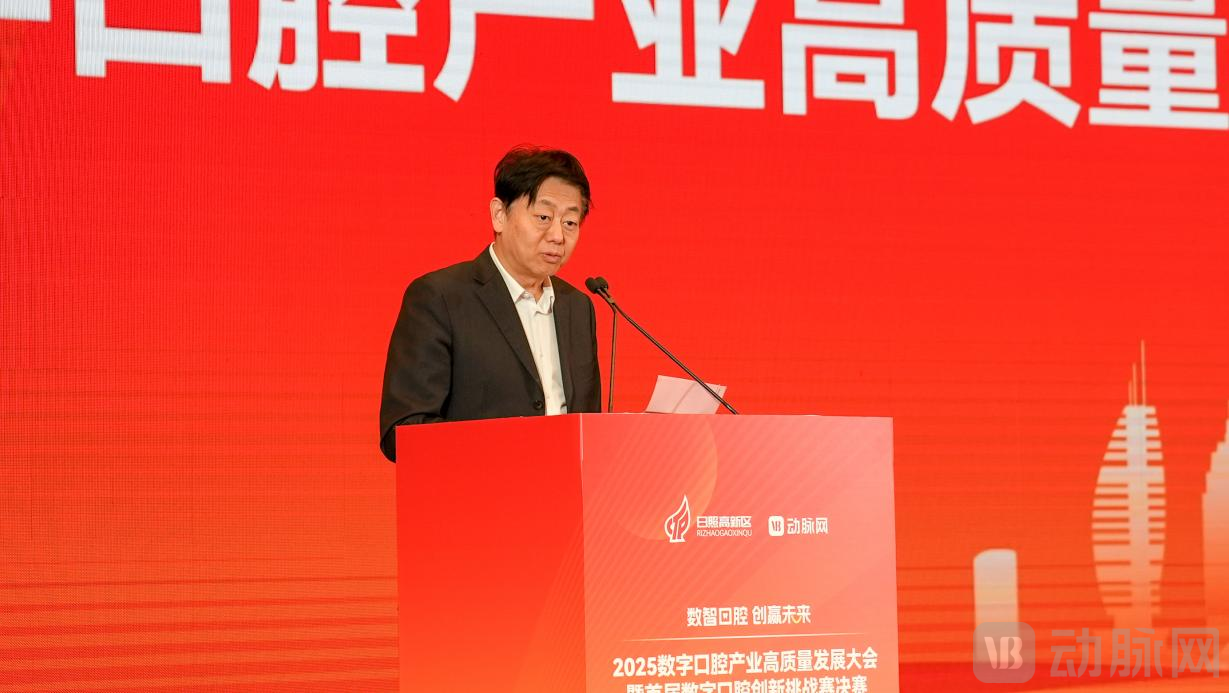
During the morning session, Zhang Wei, President of the China Association for Drug Regulatory Science, stated in his address: "At present, a new round of global scientific and technological revolution and industrial transformation is gaining momentum. The digital wave is profoundly reshaping the healthcare sector, and China’s digital dentistry industry is transitioning from a follower to a peer, and ultimately to a leader. Seizing the opportunity presented by this Digital Dentistry Conference, Rizhao aims to build industry consensus, strengthen synergy between technology and clinical practice, deepen collaboration across the industrial chain and ecosystem, and enhance coordination between industry development and regulatory oversight. The focus will be on achieving breakthroughs in core technologies, actively participating in the formulation and revision of regulations and standards in the field of digital dentistry, jointly drawing a new blueprint for smart healthcare, and co-creating a new ecosystem for oral health."
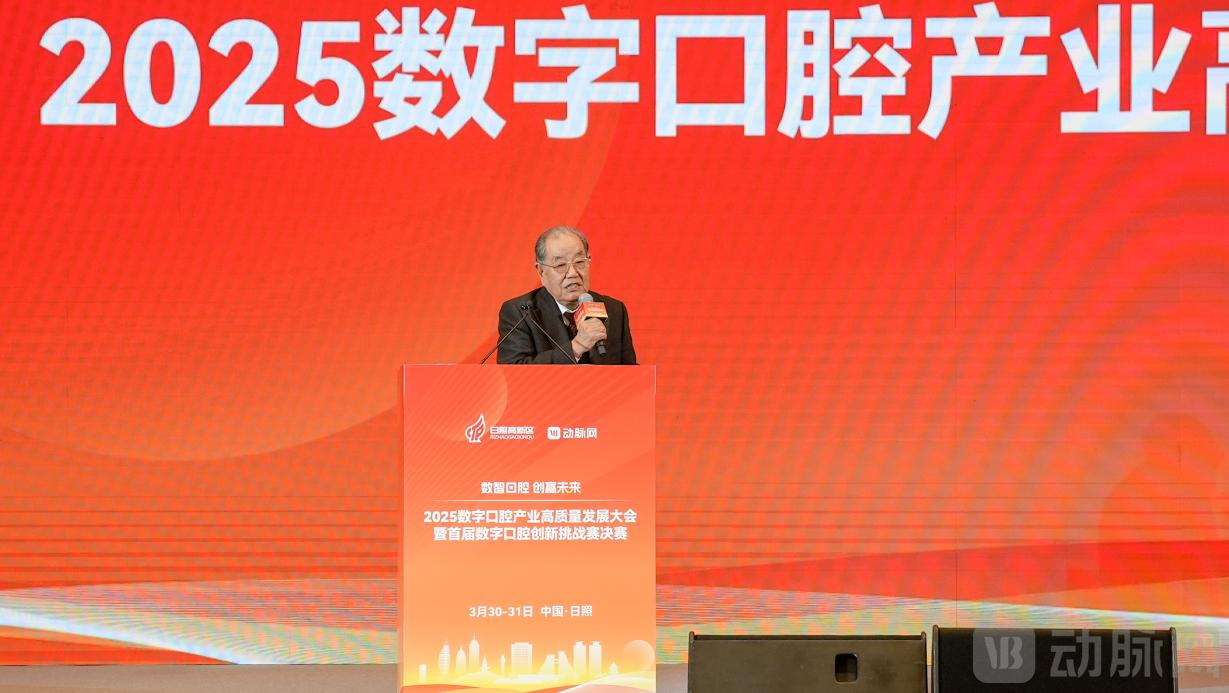
In his address, Wang Xing, Honorary President of the Chinese Stomatological Association, noted that China’s technological progress has been remarkable, with artificial intelligence in particular stunning the global tech community this year. He expressed his belief that, through concerted efforts to advance the field of stomatology in China, we can not only improve the oral health of the general public but also contribute to the national “Healthy China” strategy. Ultimately, Chinese stomatology and the oral care industry will usher in a brilliant future.
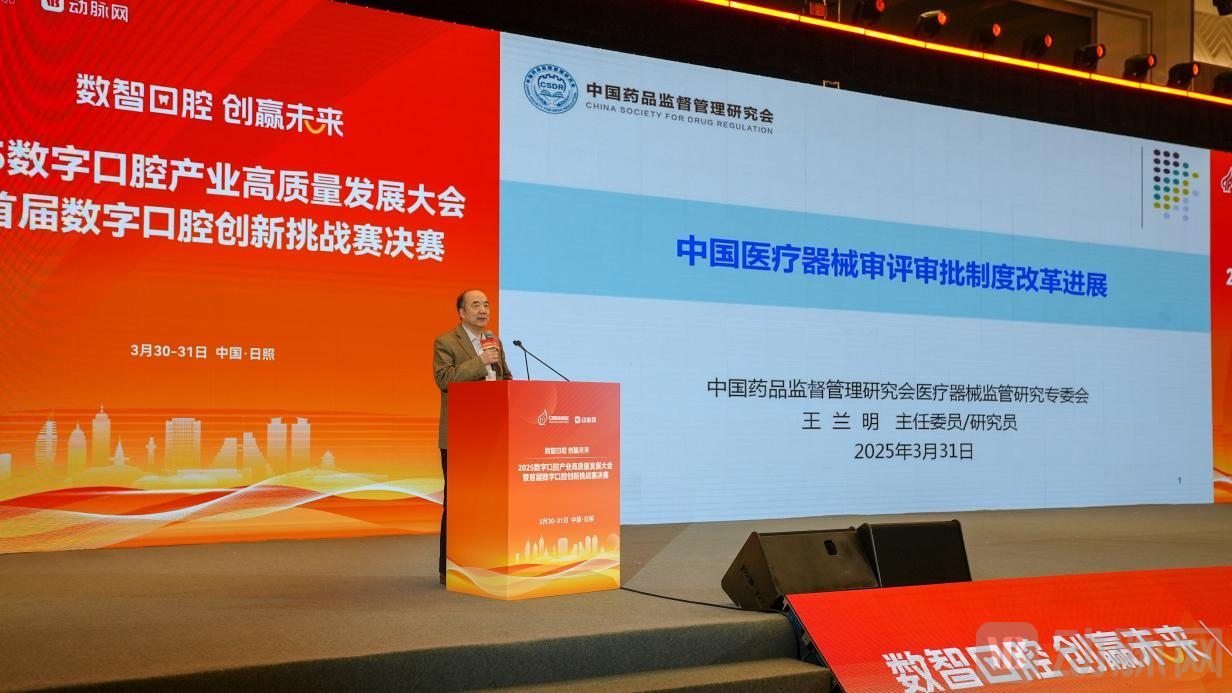
Wang Lanming, Executive Director of the China Association for Drug Administration Research and Chair of the Special Committee on Medical Device Regulatory Research, delivered a speech titled “Progress in the Reform of China’s Medical Device Review and Approval System.” He noted that regulatory authorities are continuously improving regulations, with a particular focus on enhancing regulatory capacity and advancing the scientific approach to regulation. These efforts aim to ensure the safety of medical devices, promote industry innovation and sustainable development, and contribute to social harmony, stability, and progress through the medical device sector.
Chen Wantao, Deputy Director of the Department of Oral and Maxillofacial Surgery at Shanghai Ninth People’s Hospital, Shanghai Jiao Tong University School of Medicine / National Center for Stomatology / National Clinical Research Center for Oral Diseases; Second-Grade Professor; Director of the Digital Head and Neck Tumor Technology Center at the Institute of Translational Medicine, Shanghai Jiao Tong University; President of the Precision Medical Branch of the China Health Industry Enterprise Management Association; and the fifth Director of the Shanghai Research Institute of Stomatology, delivered a special report on “Frontier Research in the Digital and Artificial Intelligence Industries in Oral and Maxillofacial Surgery.” He pointed out that advancements in AI technologies—such as deep learning, machine learning, and large AI models—are transforming the global diagnosis and treatment system for oral and maxillofacial surgery by leveraging digital data on the incidence, diagnosis, and management of common diseases in this field. These innovations include intelligent diagnosis based on digital pathology and biomarkers, molecular diagnostics, segmentation of oral, maxillofacial, and head-and-neck organs, AI-assisted interpretation of CT and MRI scans, and precision therapy. Such new technologies can assist physicians in making rapid diagnoses and formulating treatment plans.
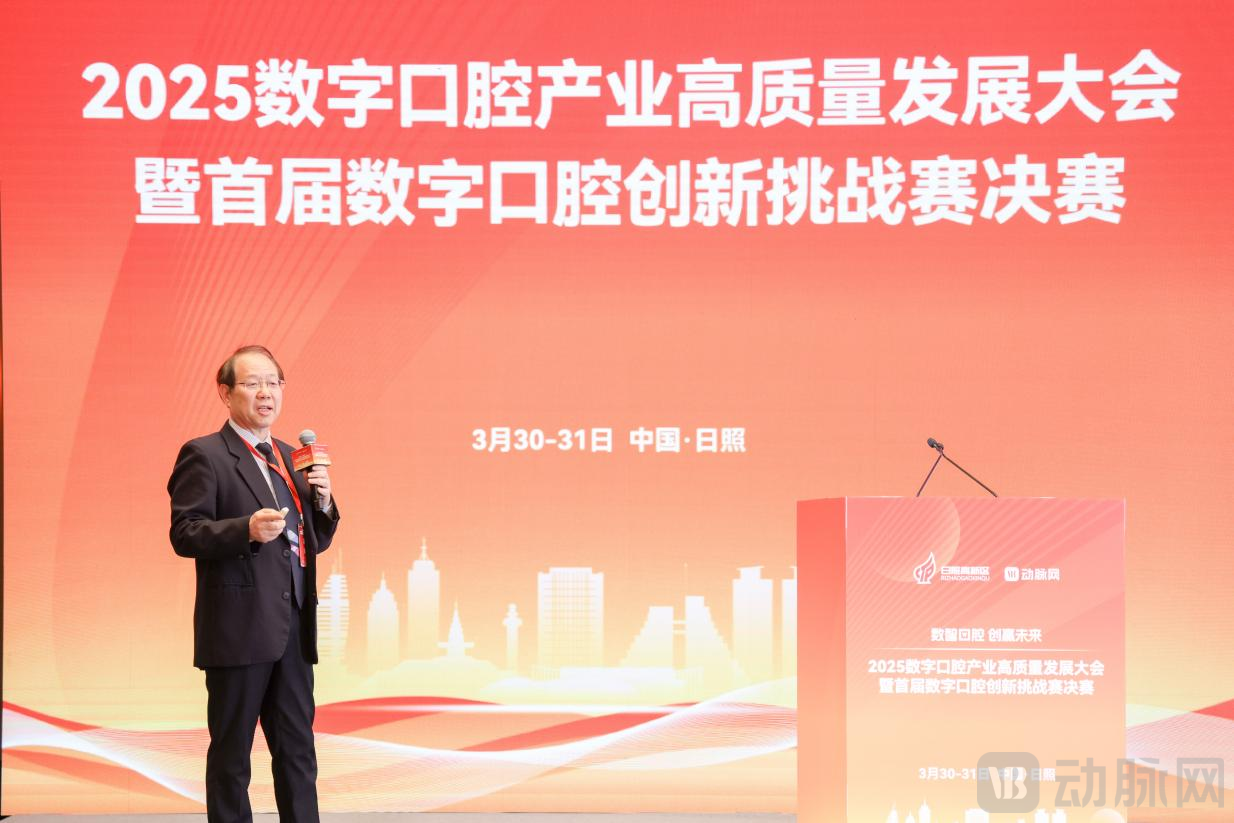
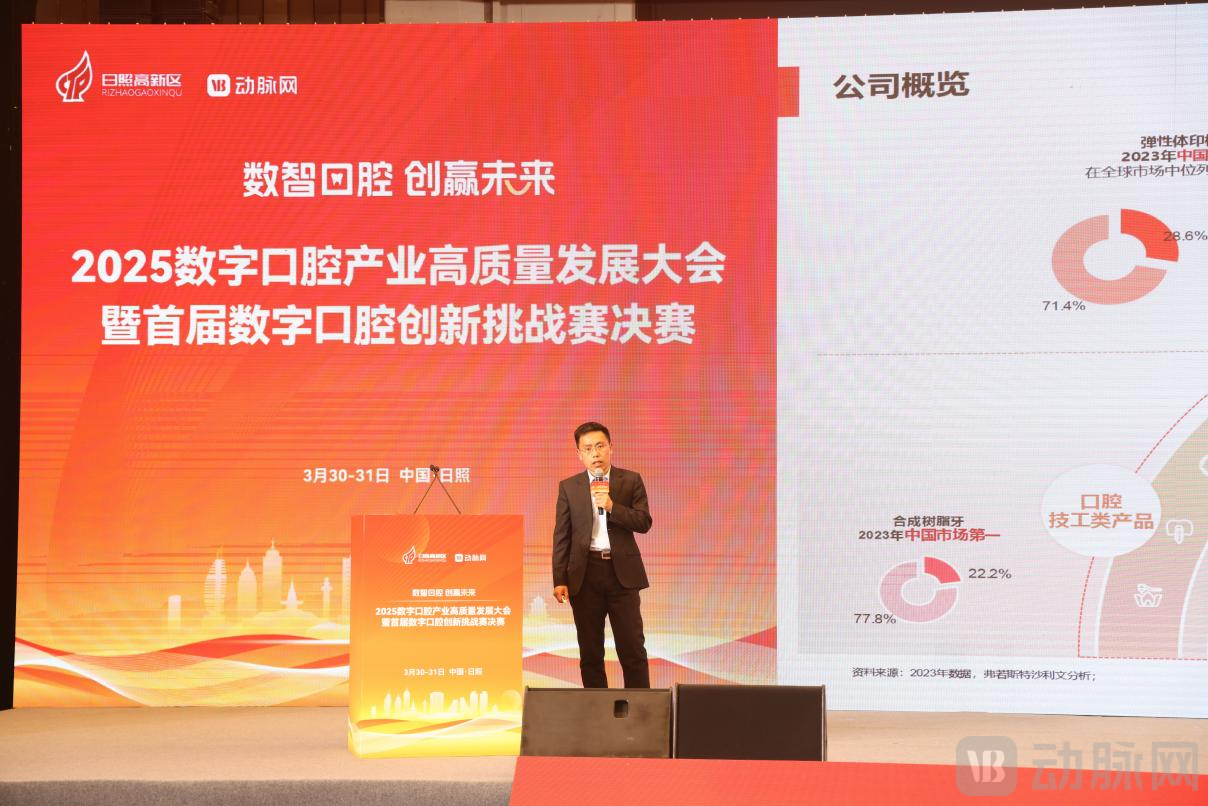
Li Datao, founder of VCBeat, shared at the event that China’s medical device industry has evolved from initial low-efficiency imitation to parity in quality, and further to innovation, even reaching a stage of global novelty. This progression has been underpinned by China’s significant engineering capabilities. Currently, leading enterprises, including Hugedent, are expanding overseas—a defining characteristic of the current era and a major opportunity for the industry. According to the 14th Five-Year Plan, China’s per capita GDP is projected to reach $20,000 by 2035. Benchmarking against other countries with a similar per capita GDP, where annual per capita dental consumption is approximately $80, the theoretical upper limit of China’s future dental market size could approach RMB 800 billion, indicating substantial growth potential of three to four times. In this process, digitalization serves as the core driver of the industry, delivering value through technology accessibility and facilitating organizational transformation. To seize future opportunities, he proposed three strategies: first, focus on domestic substitution and digitalization, such as investing in upstream materials and intelligent equipment; second, build industrial clusters and accelerate project implementation through competitions and incubation programs; and third, adopt a global perspective to support companies’ international expansion and cultivate world-class brands.
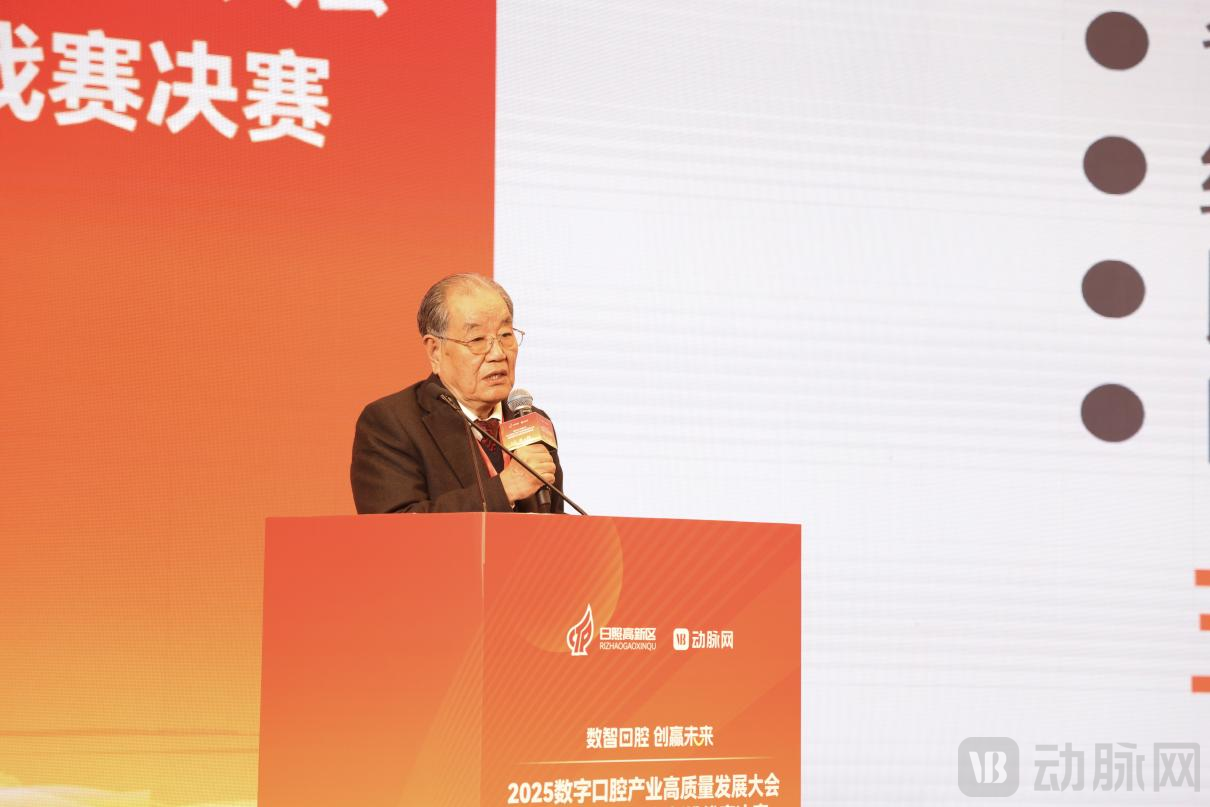
During the afternoon session, Wang Xing, Honorary President of the Chinese Stomatological Association, offered in-depth reflections on the development of stomatology in China. He posited that the interaction between dentists and patients extends beyond the application of advanced technologies for treatment; it fundamentally embodies the dentist’s sense of responsibility, mission, and care, fostering emotional communication with patients. As artificial intelligence (AI) is currently incapable of replicating these humanistic elements, while it may automate certain aspects of clinical practice, it is unlikely to fully replace dentists.
Zhou Yuanfeng, Deputy Dean of the School of Software at Shandong University and Director of the Smart Healthcare and Precision Orthodontics R&D Center at Shandong Industrial Technology Research Institute, delivered a presentation titled “Intelligent Processing and Analysis of Multimodal Oral Data for Precision Orthodontics.” He introduced key technological achievements made by his team in recent years, expressing hope to leverage artificial intelligence to empower the dental industry. This aims to simplify data processing, assist orthodontists in serving more patients, alleviate the shortage of dentists, enhance work efficiency through information technology, and improve diagnostic accuracy.
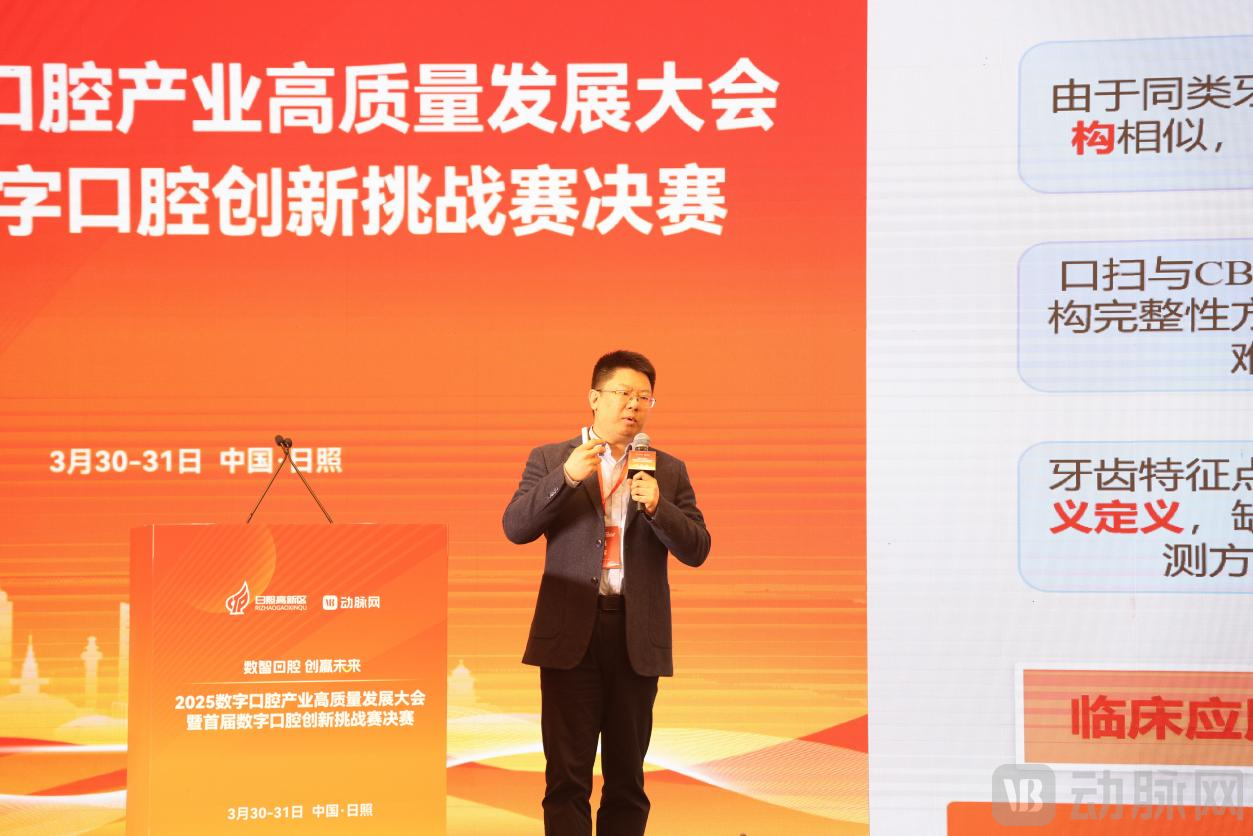
Li Hongsen, a partner at Nanjing Jinyu Maowu, delivered a presentation titled “Frontier Development Paths of Digital Dentistry from a Capital Perspective.” He stated that digitalization is an inevitable trend in the dental industry. Since 2015, the prices of digital equipment have dropped significantly; for instance, the cost of CBCT systems has fallen from the million-yuan range to under 200,000 yuan, and intraoral scanners have decreased from hundreds of thousands of yuan to the ten-thousand-yuan range. This price reduction has promoted the widespread adoption of digital devices, bringing about three major transformations to the industry. First, it enhances efficiency and precision: digital technology has shortened the fabrication time for single crowns from several days to just a few hours while improving diagnostic and treatment accuracy. Second, it empowers private institutions: private clinics rely on digital tools to compensate for the shortage of expert resources, and young dentists starting their own practices are more inclined to choose digital solutions. Third, it meets patient demands: according to surveys, over 70% of patients born in the 1990s and 2000s prefer clinics that offer digital services. Furthermore, from an investment perspective, three key directions in the dental industry warrant attention: digital technologies and equipment (such as 3D scanning, 3D printing, and AI-assisted design); localization of upstream materials (with broad opportunities for import substitution in materials like ceramics and metals); and overseas expansion and consumer markets (companies with established overseas channels demonstrate stronger risk resilience, while the consumer-grade dental product market holds immense potential).
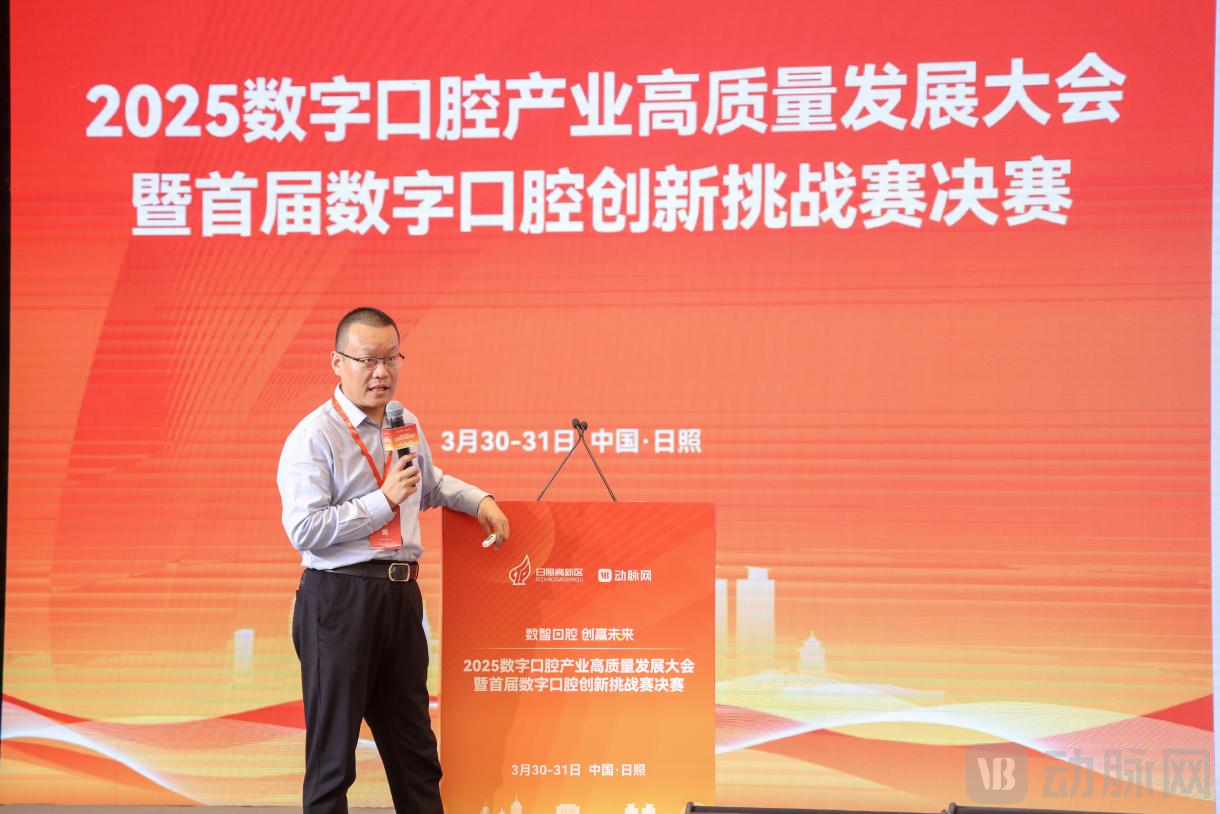
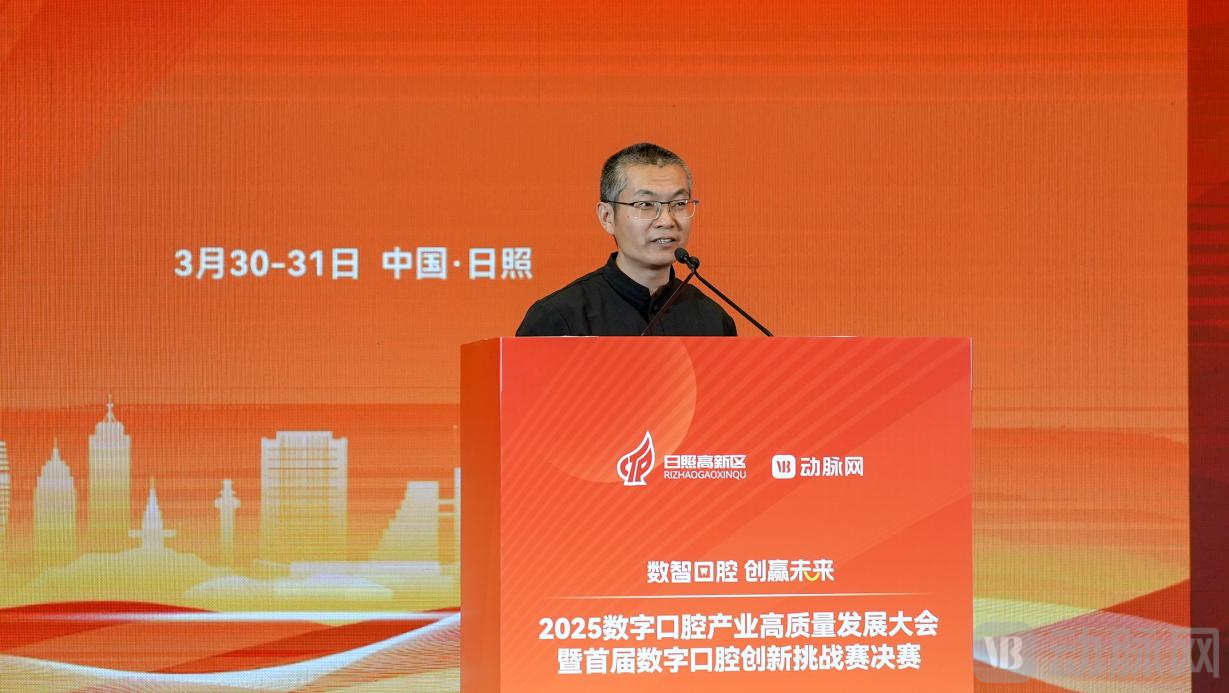
Xiang Longsheng, CFO and Board Secretary of Hugel Medical Group, stated in his speech on “Opportunities and Challenges for the Global Expansion of Dental Materials and Medical Devices” that one of the core challenges facing medical device companies going global is ESG (Environmental, Social, and Governance) management. This is not only a rigid regulatory requirement but also directly impacts a company’s financing capabilities and market valuation. Meanwhile, global consumers and partners are increasingly paying attention to corporate social responsibility and sustainable development; effective ESG management helps enhance brand image and market competitiveness. The successful implementation of ESG management requires coordinated efforts across multiple key departments within the company.
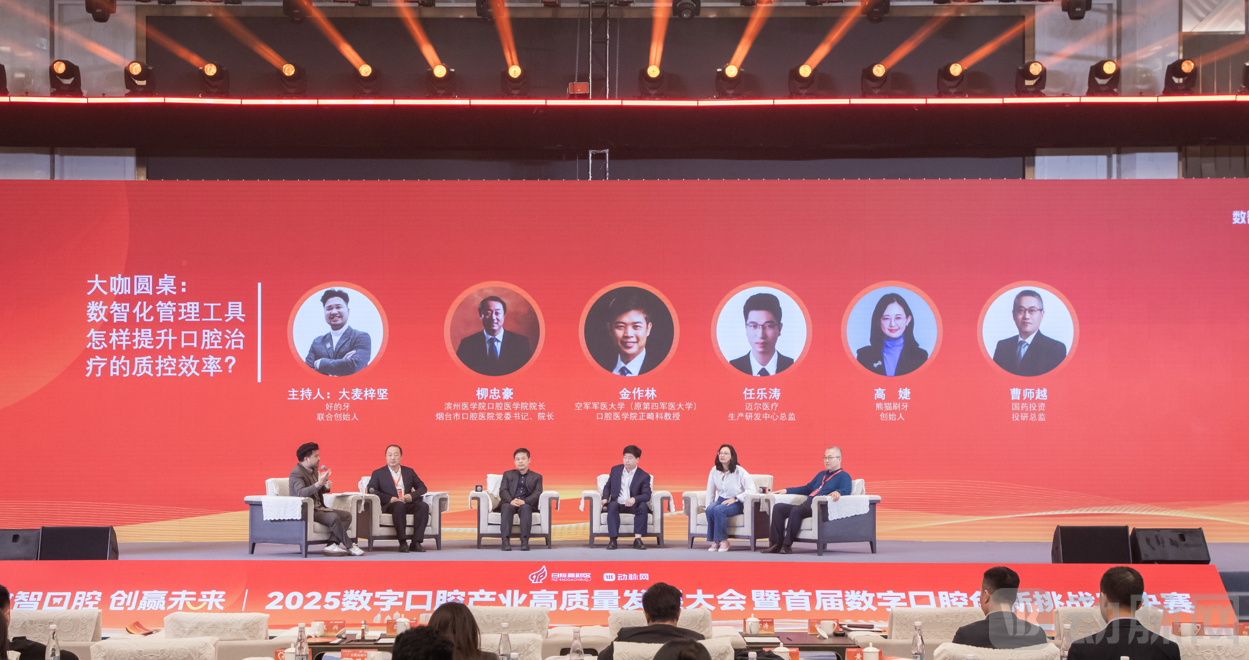
The first roundtable session, themed “How Digital Intelligence Enhances Quality Control Efficiency in Oral Diagnosis and Treatment,” was moderated by Dama Zijian, Co-founder of Haodeya. The panelists included: Dr. Liu Zhonghao, Dean of the School of Stomatology at Binzhou Medical University and Party Secretary and President of Yantai Stomatological Hospital; Professor Jin Zuolin, Chairman of the 8th Orthodontics Committee of the Chinese Stomatological Association and Professor in the Department of Orthodontics, School of Stomatology, Air Force Medical University (formerly the Fourth Military Medical University); Ren Letao, Director of the Production and R&D Center at Maier Medical; Gao Jie, Founder of Panda Brushing; and Cao Shiyue, Investment Research Director at Sinopharm Capital.
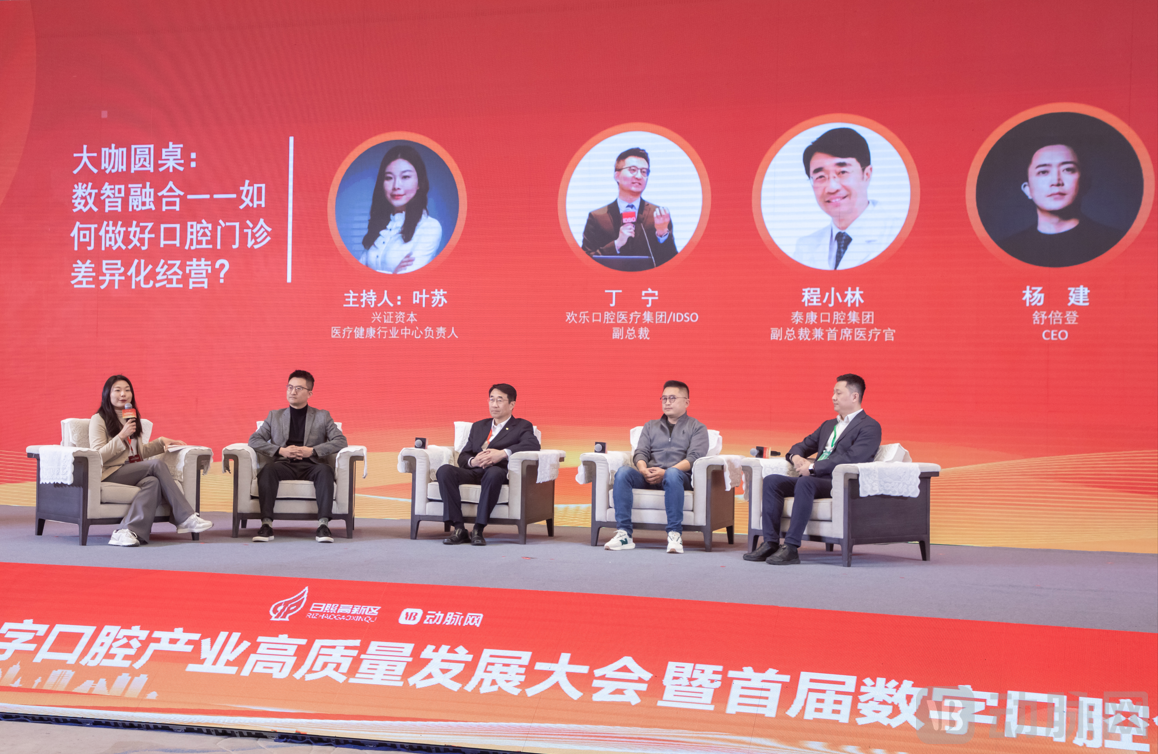
The second roundtable session, themed “Integration of Digital Intelligence: How to Achieve Differentiated Operations in Dental Clinics?”, was moderated by Ye Su, Head of the Healthcare Industry Center at Industrial Securities Capital. The panel featured in-depth discussions with Ding Ning, Vice President of IDS0 and Happy Oral Care Medical Group; Cheng Xiaolin, Vice President and Chief Medical Officer of Taikang Dental Group; Yang Jian, CEO of Shubeideng; and Huang Wei, Chairman of Hailijia.
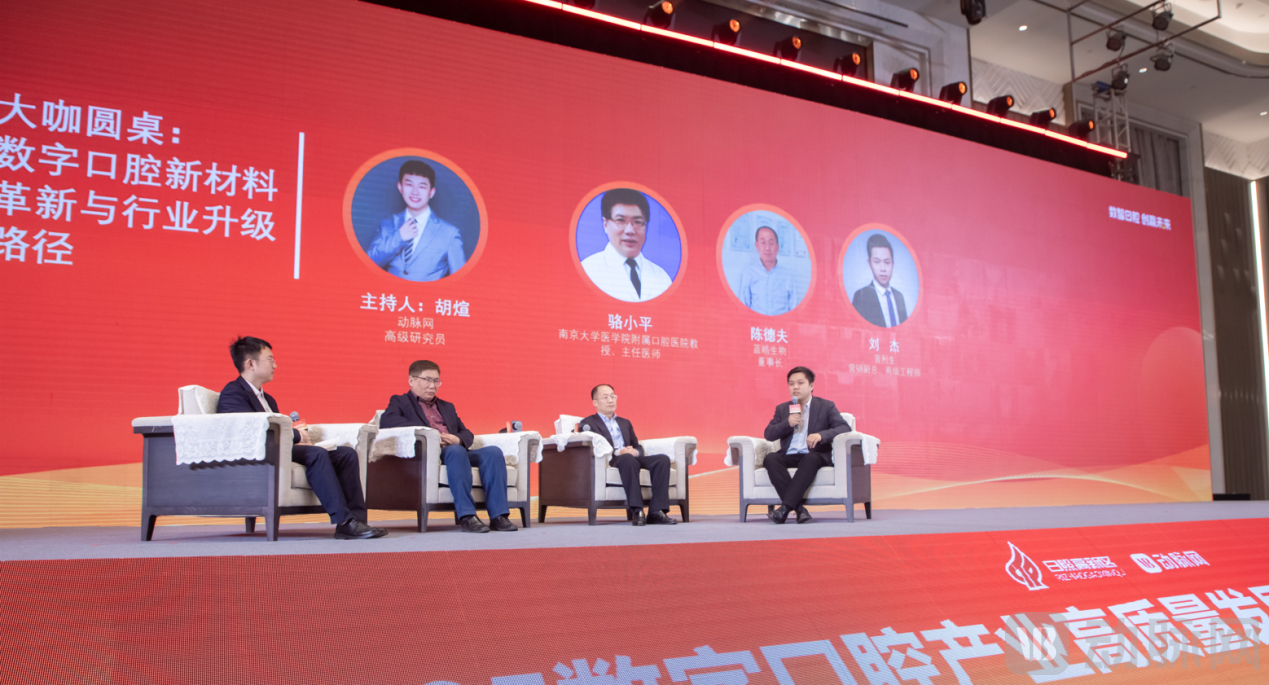
The third roundtable session, themed “Innovation in New Digital Dental Materials and Pathways for Industry Upgrading,” was moderated by Hu Xuan, Senior Researcher at VCBeat. Participating panelists included Professor Luo Xiaoping, Chief Physician at the Affiliated Stomatological Hospital of Nanjing University Medical School; Chen Defu, Chairman of Lan Hao Bio; and Liu Jie, Vice President of Marketing and Senior Engineer at Prisun.
The inaugural Digital Dentistry Innovation Challenge, held concurrently with the conference, has reached its finals. Twenty-six shortlisted projects were presented one by one on site, where expert judges provided thoughtful comments and precise guidance, expressing high expectations for the market prospects of many of these initiatives.
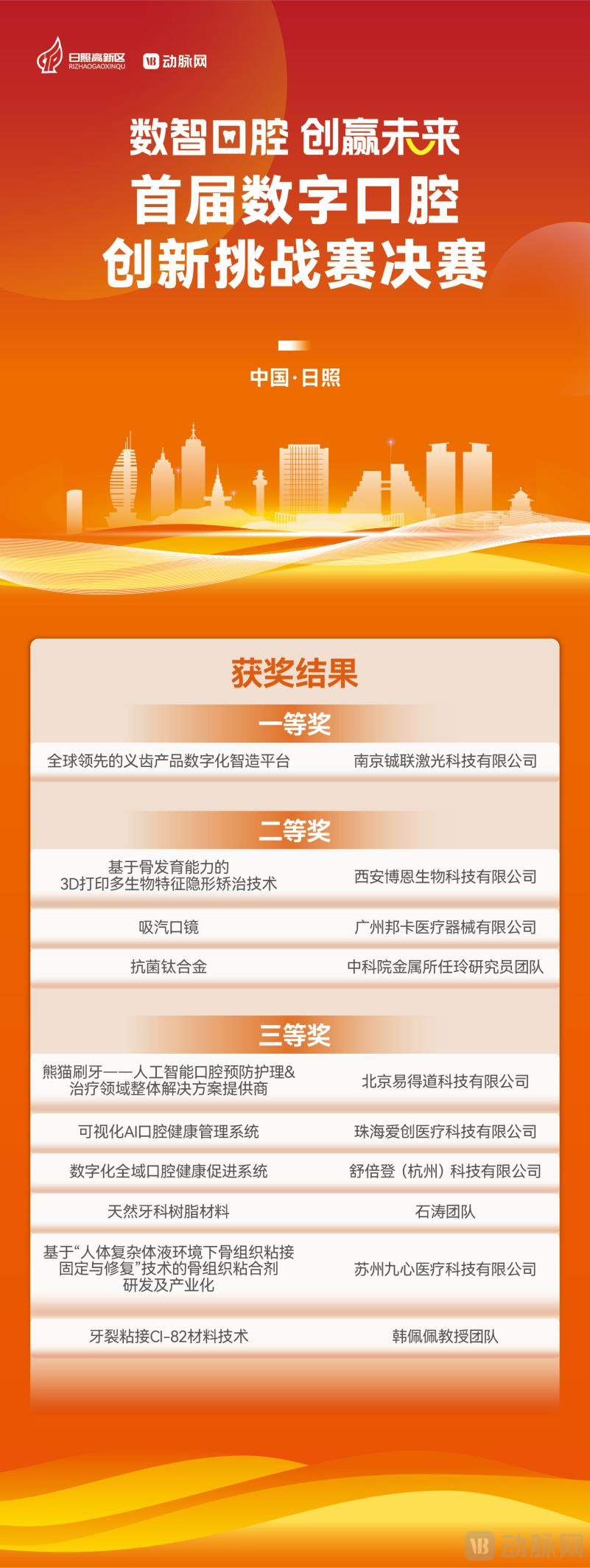
Finally, the third-prize winners of the inaugural Digital Oral Innovation Challenge Finals are: Panda Brushing (a provider of comprehensive solutions in the field of AI-driven oral preventive care and treatment) – Beijing Yidedao Technology Co., Ltd.; Visualized AI Oral Health Management System – Zhuhai Aichuang Medical Technology Co., Ltd.; Digital Full-Spectrum Oral Health Promotion System – Shubeideng (Hangzhou) Technology Co., Ltd.; Natural Dental Resin Materials – Shi Tao’s Team; Research, Development, and Industrialization of Bone Tissue Adhesives Based on the Technology of “Bone Tissue Bonding, Fixation, and Repair in Complex Human Body Fluid Environments” – Suzhou Jiuxin Medical Technology Co., Ltd.; CI-82 Material Technology for Tooth Crack Bonding – Professor Han Peipei’s Team.
3D-Printed Multi-Biomimetic Clear Aligner Technology Based on Bone Development Capacity—Xi’an Born Biotechnology Co., Ltd.; Suction Mouth Mirror—Guangzhou Bangka Medical Device Co., Ltd.; Antibacterial Titanium Alloy—Research Team of Professor Ren Ling from the Institute of Metal Research, Chinese Academy of Sciences, were awarded the Second Prize.
The first prize was awarded to Nanjing Chenglian Laser Technology Co., Ltd., a globally leading digital intelligent manufacturing platform for denture products.
Notably, these projects focus on the cutting edge of digitalization in the dental industry, covering both hardware and software such as periodontal equipment, 3D printing materials, dental big data systems, visualization systems for orthodontic forces, and cephalometric landmark measurement systems. They span the entire process of dental diagnosis and treatment. These innovative achievements fully demonstrate the vitality of the digital dental industry, reveal future development trends, and highlight China’s innovative thinking in digital dentistry.
A healthy industry ecosystem cannot thrive without regional support that offers industrial cluster advantages and deep collaborative capabilities. As the host city of the conference, Rizhao is fully promoting the digital transformation of the dental industry and has fostered a strong atmosphere of innovation.
In terms of policy support, Rizhao has successively issued the “Several Policies of Rizhao High-Tech Zone on Promoting the High-Quality Development of the Oral Healthcare Industry” and the “Several Policies of Rizhao High-Tech Zone on Encouraging Innovative R&D in the Medical Device Industry” to foster the development of the oral healthcare sector. These policies provide enterprises with tailored support services, including rewards of up to RMB 7 million for obtaining Class III medical device registration certificates.
In terms of collaborative R&D, enterprises in the Rizhao High-Tech Zone have established in-depth partnerships with several renowned stomatological institutions, including West China School of Stomatology, Peking University School of Stomatology, Shanghai Ninth People’s Hospital, and Zhongshan Hospital. Hugedent built Shandong Province’s only provincial key laboratory for dental materials in 2022, while Meer Medical established Shandong Province’s only provincial-level technological innovation center in the field of dentistry.
In terms of tangible outcomes, to date, local dental enterprises in Rizhao have obtained approval for nearly 20 Class III medical devices, nearly 30 Class II medical devices, and nearly 30 Class I medical devices. This achievement is attributable to Rizhao’s strong emphasis on providing high-quality services throughout the medical device approval process.
To attract more innovative forces to join, the Rizhao High-Tech Zone promoted the Asia-Pacific Digital Oral Innovation Port to the industry during the conference. Specifically, the Asia-Pacific Digital Oral Innovation Port features a core framework of “One Port and Four Parks,” focusing on building a seven-in-one collaborative innovation system for the oral health industry that integrates government, industry, academia, research, finance, services, and applications, thereby establishing a comprehensive oral health entrepreneurship ecosystem encompassing hardware manufacturing, software enablement, and clinical translation.
“One Port” refers to the Digital Oral Health Innovation Headquarters, which serves as the smart hub of the Innovation Port. It integrates four major centers: (1) the Oral Health Incubation and Acceleration Center; (2) the CDMO Innovation and Translation Center for Dental Medical Devices; (3) the Review and Regulatory Service Center for Dental Medical Devices; and (4) the Rizhao Service Station of the Testing Center for Dental Medical Devices, Peking University School of Stomatology.
The Four Supporting Industrial Parks serve as the core platform of the Innovation Port. The first is the Oral New Materials Industrial Park, which acts as a global material hub for the oral care market. It is committed to building a world-leading R&D and production base for oral materials, with a strategic focus on oral biomaterials, zirconia, alloys, dental implants, and denture processing and manufacturing. Driven by technological innovation, the park aims to overcome critical bottlenecks in high-end materials and has already captured a larger share of the global materials market.
Second is the Oral Intelligent Equipment Industrial Park. As a manufacturing base for advanced dental equipment, the park covers a building area of 100,000 square meters and features standardized factory facilities with comprehensive supporting infrastructure. Committed to becoming a benchmark industrial park for China’s oral intelligent equipment manufacturing, it focuses on digitalization, intelligence, and domestic production. The park aims to attract a cluster of manufacturers specializing in oral intelligent equipment, covering fields such as intraoral scanning, dental lighting, dental implants, and 3D printing. By promoting digital-intelligent upgrades and smart transformation within the industry, the park seeks to establish a comprehensive series of domestically produced dental medical devices, helping the dental medical equipment industry move toward the high end of the value chain.
Third, the Oral AI Service Industrial Park serves as the central hub for smart dental clinical operations. Comprising two digital zones—the Rizhao Science and Technology Innovation Center and the Huanghai Digital Intelligence Valley—it integrates four supporting facilities: office buildings, apartments, hotels, and commercial spaces. These amenities provide convenient working, living, and travel conditions for tenant enterprises. Focusing on software development, the digital economy, big data, and the Internet of Things (IoT), the park aims to create a cluster of digital service enterprises specializing in cross-border e-commerce, artificial intelligence (AI), dental digitalization platforms, and online clinical academic training, thereby delivering services to dental hospitals and clinics across China as well as to key consumer segments.
Fourth, the Oral Medical Aesthetics and Wellness Industrial Park represents a new model for the future oral care industry. Leveraging Rizhao Stomatological Hospital and existing oral healthcare institutions, we will introduce internationally renowned chain brands to create a cluster of high-end dental hospitals. Meanwhile, capitalizing on Rizhao’s annual tourist population of 60 million, we will adopt a new model combining dental care with tourism and wellness to attract enterprises specializing in oral medical aesthetics, orthodontics, and dental implants. This will establish a comprehensive industrial park integrating oral healthcare services, rehabilitation and recuperation, and cultural experiences, offering one-stop “treatment + vacation” services to meet consumers’ comprehensive needs for health, beauty, and leisure.
To gather greater momentum, the Service Workstation of the Testing Center for Dental Medical Devices (Rizhao), Peking University School and Hospital of Stomatology, was officially unveiled at the conference.
In addition, a centralized signing ceremony for scientific and technological innovation and talent projects under the “Asia-Pacific Digital Oral Health Innovation Hub” was held on-site.
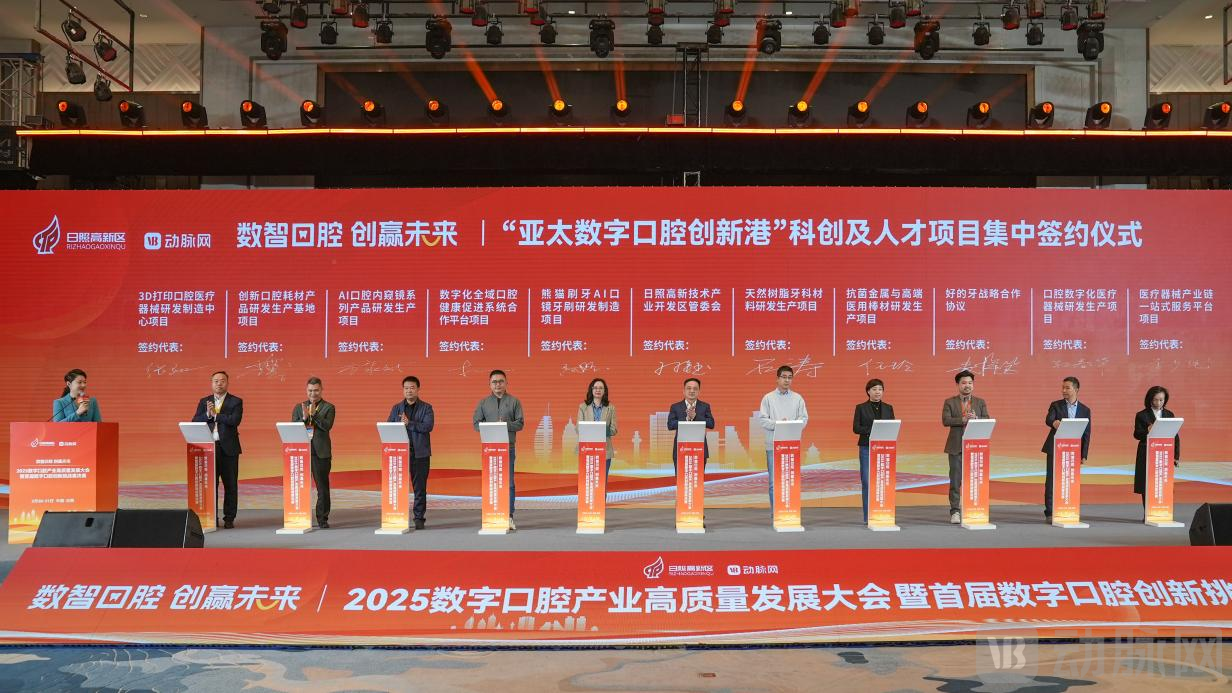
Meanwhile, the “Asia-Pacific Digital Dentistry Innovation Hub” was launched, and the “Asia-Pacific Digital Dentistry Innovation Alliance” was officially established.
Undoubtedly, Rizhao has cultivated a fertile ecosystem for innovation, which will inject strong momentum into the digital transformation of China’s oral health industry.