

Traditional Chinese Medicine Clinics Surge Over Tenfold in a Decade Amid Policy Tailwinds, Rising Demand, and Commercial Innovation
Recently, according to Yu Yanhong, Director of the National Administration of Traditional Chinese Medicine,As of February 2025, the number of traditional Chinese medicine (TCM) clinics in China has increased from over 3,000 in 2015 to 42,000, representing a more than tenfold growth over the decade, with the current community coverage rate reaching an impressive 99.6%.。
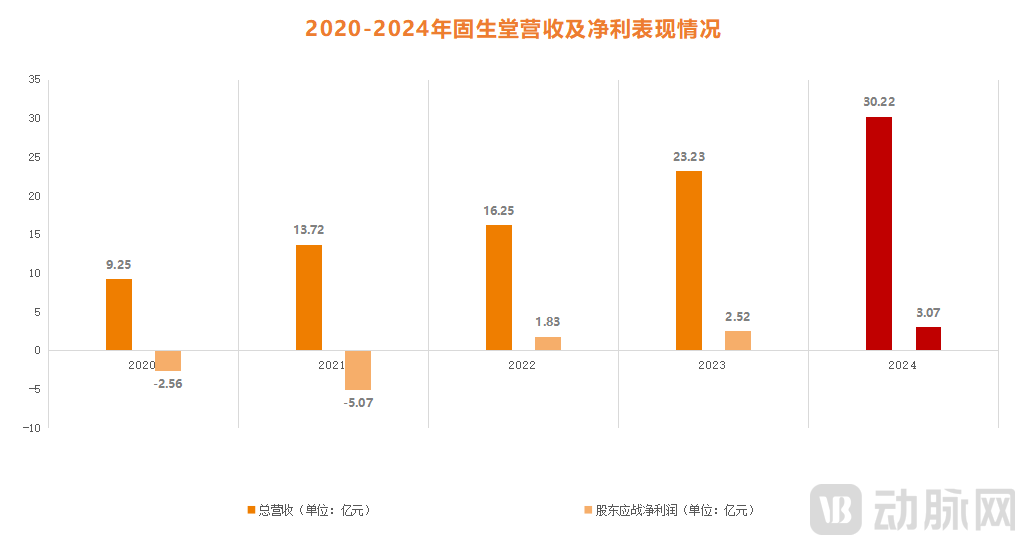 Figure 1. GUSHENGTANG HOLDINGS LIMITED’s Revenue and Net Profit, 2022–2024 (Source: Corporate Annual Reports)
Meanwhile, amid its aggressive expansion, its performance remained unaffected and even surged significantly.Taking GUSHENGTANG HOLDINGS LIMITED, known as the “first listed company in the TCM chain sector,” as an example, its newly released 2024 annual report shows that it achieved revenue of RMB 3.022 billion during the reporting period, a year-on-year increase of 30.1%; profit attributable to shareholders amounted to RMB 307 million, up 21.64% year on year. This is not an isolated case; Beijing Tongrentang Co., Ltd. and Shenzhen Wellsoon Medicine Co., Ltd. have also delivered outstanding financial performance. Notably, Beijing Tongrentang’s net profit surpassed the RMB 1 billion mark in the first half of 2024, while Shenzhen Wellsoon Medicine expanded its annual revenue to RMB 400 million, setting a new historical high.
In fact, this is not easy amid the current market winter.Chain Medical Institutions Are Generally Mired in the Quagmire of Expansion. Taking chain pharmacies as an example, although they have successively entered the era of 10,000 stores in the past few years, they have also paid a heavy price for this. According to the latest annual report data,Among the seven major pharmacy chains, all except Yifeng saw a significant decline in net profit, with Yixintang, Jianzhijia, Sinopharm Accord, and Shuyu Civilian each experiencing a drop of over 50%.. Furthermore, chain institutions in ophthalmology, dentistry, medical aesthetics, reproductive health, and physical examination have not been spared; their overall performance has significantly deteriorated, with frequent reports of closures, bankruptcies, and distressed asset sales.
Amidst a sluggish market, the current ability of TCM clinics to “expand while generating profits” stands out as particularly remarkable. So, how exactly is this achieved? What industry truths lie beneath the surface? These questions warrant in-depth exploration.
Aggressive Expansion Amidst the Winter Slump: What Fuels This Confidence?
In fact, the current expansion story of TCM clinics is far from over. According to the “14th Five-Year Plan for the Development of Traditional Chinese Medicine,” the number of TCM medical institutions in China will reach 95,000 by 2025, achieving 100% coverage of community health service centers. This means that,This year alone, China will build at least 3,000 new TCM clinics, as the sector remains in a phase of rapid expansion and market capture.。
But on the other hand,Most Chain Medical Institutions Have Begun to "Pull Back"For instance, at the interpretation session for its third-quarter 2024 report, Laobaixing explicitly stated that it would suspend the opening of new directly-operated stores and halt mergers and acquisitions. Dashenlin has adopted a similar stance; during a recent performance briefing, General Manager Ke Guoqiang emphasized that, given the current decline in consumer spending power and the prolonged payback period for new stores, the company would pause its expansion into new provinces. Furthermore, leading institutions such as Aier Eye Hospital, Arrail Group, and Meinian Onehealth have also signaled their intention to slow down their expansion pace.
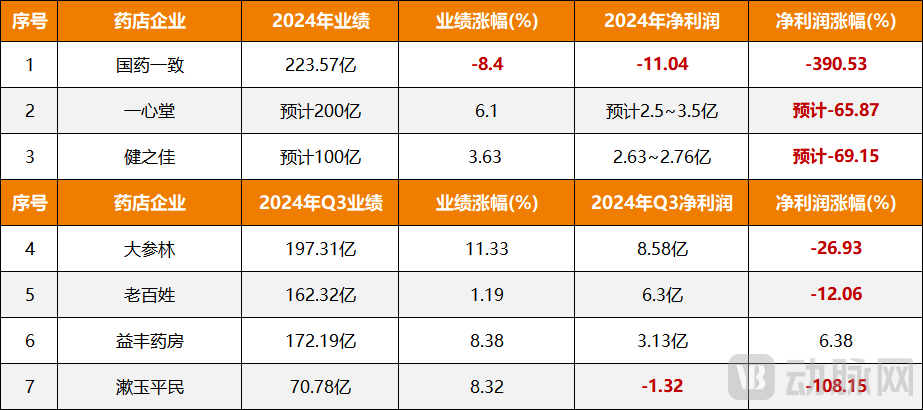 Figure 2. Performance of the Seven Major Chain Pharmacies (Source: Corporate Annual Reports)
This is primarily due to pressure on financial performance.After all, behind the frenetic expansion lies not only the challenge of massive operational costs but also the profit burden of having to absorb the consequences of ultra-low pricing once the market becomes saturated.. Additionally, a critical prerequisite for expansion is having sufficient “ammunition” (capital); however, in the current capital environment, raising funds steadily has become extremely challenging. Consequently, halting expansion and shifting toward refined operations has become the common choice for chain medical institutions.
So, why do TCM clinics still “go against the grain”?
There are, of course, reasons for this.First, policy-driven initiatives have evolved from “encouraging pilot programs” to “mandatory targets.”For instance, the National Administration of Traditional Chinese Medicine has set explicit requirements to achieve full coverage of county-administered TCM hospitals by 2030 and to increase the proportion of TCM diagnosis and treatment services at the primary care level to 20%. In addition, key policy documents such as the Outline of the Strategic Plan for the Development of Traditional Chinese Medicine (2016–2030) and the Healthy China 2030 Planning Outline have provided strong policy support for the development of TCM, with these policy benefits expected to last for at least the next decade.
Next is the shift in market demand, where the explosive growth of chronic disease management and health services has revitalized Traditional Chinese Medicine.. It is reported that, driven by the dual forces of an aging population and young people’s “cyber wellness” practices, market demand for chronic disease management and health management is expanding steadily. Traditional Chinese Medicine (TCM), with its distinct advantages in this area, has become a key force in meeting this demand. According to data from the National Health Commission, TCM medical institutions across China recorded 1.54 billion patient visits in 2023, accounting for nearly 20% of total healthcare services. Propelled by this trend,The TCM Market Is Expected to Surpass 1.5 Trillion Yuan by 2030, this is undoubtedly a huge cake.
The final aspect is reflected in commercialization, where the average transaction value and repurchase rate for Traditional Chinese Medicine (TCM) services have significantly increased, providing a prerequisite for monetization by TCM clinics.. Taking Gushengtang Holdings Limited as an example, its annual report shows that the average transaction value per customer reached RMB 559 in 2024, an increase of nearly RMB 20 from 2023. Additionally, its repurchase rate further rose to 67.1%. Underlying these figures is a significant improvement in the overall quality of traditional Chinese medicine services, which has fostered stronger customer stickiness.
Specifically, in terms of improving service quality,GUSHENGTANG HOLDINGS LIMITED has actively embraced AI, and the integration has already yielded promising results.”For instance, in the area of auxiliary diagnosis, Gushengtang’s “Tongue Diagnosis AI” has achieved an accuracy rate of over 85%, generating constitution reports within three seconds. Furthermore, in critical clinical care, leveraging extensive real-world diagnostic and treatment data, Gushengtang’s “AI Diabetes Manager” has helped patients achieve an average reduction of 1.2% in glycated hemoglobin (HbA1c) levels within three months.
In terms of customer engagement, GUSHENGTANG HOLDINGS LIMITED launched its “membership” system as early as 2019. It currently has 459,500 members, with an average annual increase of nearly 100,000, and a repurchase rate exceeding 85%, indicating that the trust between the company and its customers has become increasingly strong.
Therefore, it is evident that the current rapid expansion of Traditional Chinese Medicine (TCM) clinics has not occurred overnight; rather, it has been driven by a combination of key factors, including policy support, market demand catalysis, and the swift implementation of commercial business models.
When Young People Become the “Traffic Code” for Traditional Chinese Medicine Clinics
Recently, a female practitioner of Traditional Chinese Medicine (TCM) went viral overnight for her ability to diagnose “heartbreak pulse.” It is reported that her consultation fee has risen to 200 yuan, yet appointments remain extremely scarce, with the earliest available slots already booked until May this year. In response, one patient lamented, “It’s just as difficult as snapping up Spring Festival train tickets.” Behind this breakout success,A group of young people eager for “cyberpunk” wellness have made significant contributions., it is reported that young people aged 20 to 35 accounted for more than 80% of those queuing for registration.
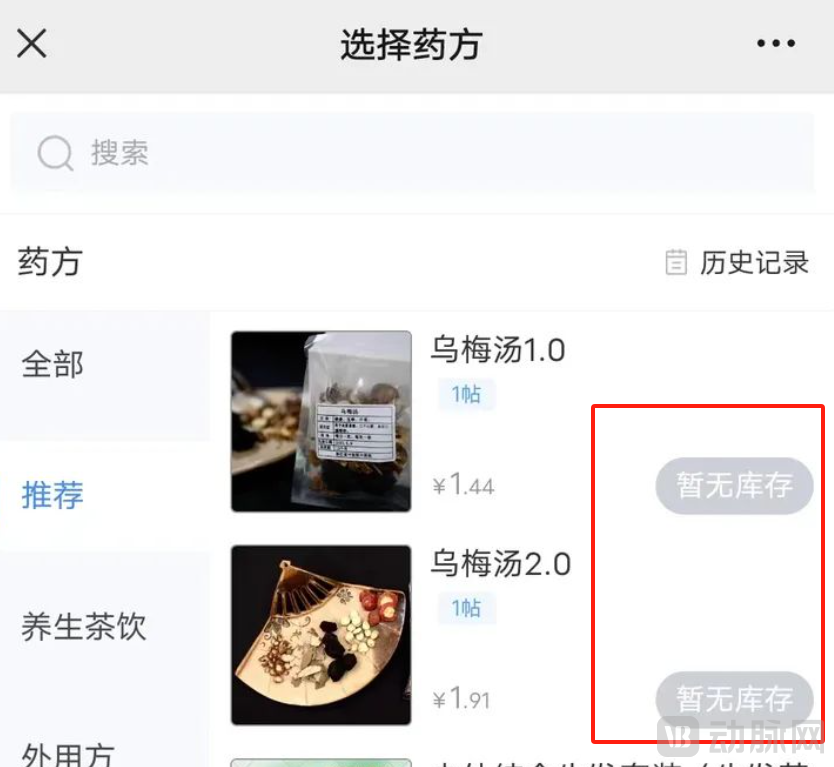
Figure 3. “Wumei Decoction” Snapped Up (Image source: Zhejiang Provincial Hospital of Traditional Chinese Medicine’s online channels)
In fact, the TCM products popularized by young people are not limited to “Shangxinmai”; in recent years, other products such as “herbal milk tea,” “medicated diet mooncakes,” and “smoked plum decoctions” have also gained widespread popularity. Take the wildly popular “smoked plum decoction” from last year as an example,On its first day of launch, it recorded over 1.15 million transactions, with peak daily volume surpassing 10 million orders, at one point causing the order processing system to crash.。
The frenzied buying spree serves as undeniable proof that young people, enthusiastic about "Traditional Chinese-style wellness," are propelling a wide variety of Traditional Chinese Medicine (TCM) products to new heights. This trend, in turn, provides a crucial commercialization pathway for the currently expanding network of TCM clinics. So, how has this come about? How exactly has TCM, often perceived as an antiquated relic, managed to precisely capture this lucrative wave of youth-driven traffic?
This must be viewed from two perspectives,The first aspect is the product, which primarily capitalizes on the concept of "medicine and food homology" to cater specifically to the consumption preferences of young people.. Take the recently surging “herbal milk tea” as an example; it is essentially conventional milk tea infused with certain traditional Chinese medicinal ingredients, such as goji berries, hawthorn, cinnamon, Poria cocos, and coix seed. To better appeal to younger consumers, significant efforts have been made to enhance its color, aroma, taste, branding, and packaging compared with traditional herbal decoctions.
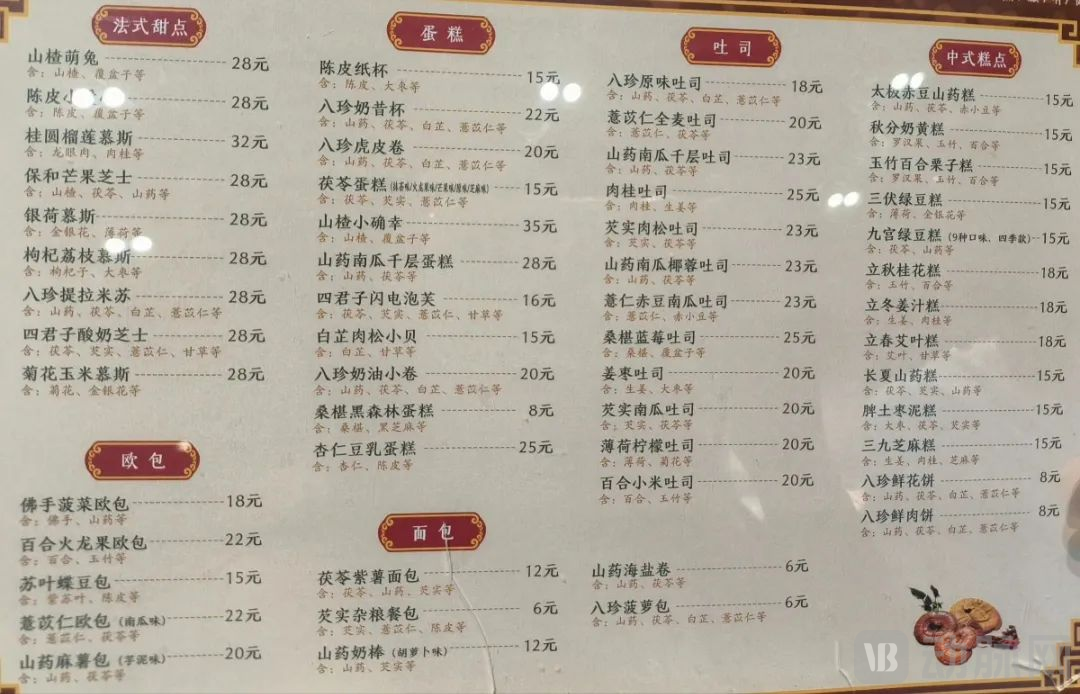 Figure 4. Specialized “TCM+” Products and Their Prices (Source: Internet)
In this regard, an industry insider remarked, “When developing ‘TCM+’ products such as herbal milk tea, we must first abandon the traditional mindset of formulating ‘medicines.’ If a product is perceived as medicine, consumers primarily focus on its therapeutic efficacy, rather than whether it tastes bitter or has a dark, murky appearance.”However, for “TCM+” products, their taste, color, and appearance must be meticulously crafted in every aspect, as only in this way can the products truly forge a deep connection with young consumers.。”
The second aspect, of course, is channels—namely, leveraging platforms such as Douyin and Xiaohongshu to precisely reach young consumer groups.. It is reported that the topic of “Traditional Chinese Medicine (TCM) Milk Tea” on Douyin has garnered up to 1 billion views, while Xiaohongshu features nearly 80,000 posts recommending “TCM Milk Tea.” Driven by this massive traffic pool, “TCM+” products have achieved remarkable sales success over the past one to two years. Behind this trend lies a capture of young people’s cultural identification with Traditional Chinese Medicine, their curiosity toward “TCM+” products, and, to some extent, their personal health and wellness needs.
But traffic is ultimately just traffic; it comes quickly and goes just as fast.Most “TCM+” products struggle to escape the fate of being short-lived; for instance, the herbal tea shops that proliferated across the country in the past two years are now facing widespread closures.. In addition, former blockbuster products such as traditional Chinese medicine (TCM) ice cream, TCM bread, TCM coffee, and TCM tangyuan (glutinous rice balls) are now things of the past; their overall sales have declined significantly, and they are currently on the verge of being eliminated by the market.
Regarding this phenomenon, the head of a leading institution remarked with deep feeling, “In fact,”The market enthusiasm for the vast majority of current “TCM+” products is unlikely to be sustained, primarily due to their lack of significant efficacy.On the one hand, the mechanisms of action of traditional Chinese medicine (TCM) are relatively complex, and there is significant individual variability; therefore, it is difficult to achieve significant therapeutic effects solely through the consumption of one or two cups of herbal tea. On the other hand, most “TCM+” products contain very low levels of active herbal ingredients. However, marketing efforts often excessively exaggerate or obscure this fact, leading consumers to develop unrealistic expectations. When immediate results are not observed, consumers easily lose confidence.
Even so, an undeniable fact remains: young people steeping goji berries in insulated cups are propping up a hundred-billion-yuan market for Traditional Chinese Medicine (TCM). Moreover, “TCM+” products that deeply integrate medical attributes with consumer scenarios are more likely to stand out in the future, serving as a “stepping stone” for the market expansion of numerous TCM clinics.
The Next Stop for TCM Clinic Expansion: Going Global
In early 2024, luxury goods giant LVMH Group invested $5 million in the American traditional Chinese medicine (TCM) brand WTHN through its private equity fund. This move promptly propelled the topic of “TCM going global” into the spotlight.
In fact, this is not without basis.On one hand, the recognition of Traditional Chinese Medicine (TCM) in overseas markets has been growing steadily in recent years; on the other hand, the global expansion of TCM clinics is gradually evolving from a “cultural symbol” into a “business practice.”。
According to relevant reports, over 60% of Europeans in EU countries are currently using Traditional Chinese Medicine (TCM) products. In the United Kingdom, an average of 1.5 million people receive TCM treatments annually, while in Germany, the number exceeds 2 million per year. Furthermore, in the United States, TCM has been integrated into daily life; not only are there numerous TCM clinics in every state, but one in every ten adults has undergone acupuncture treatment.
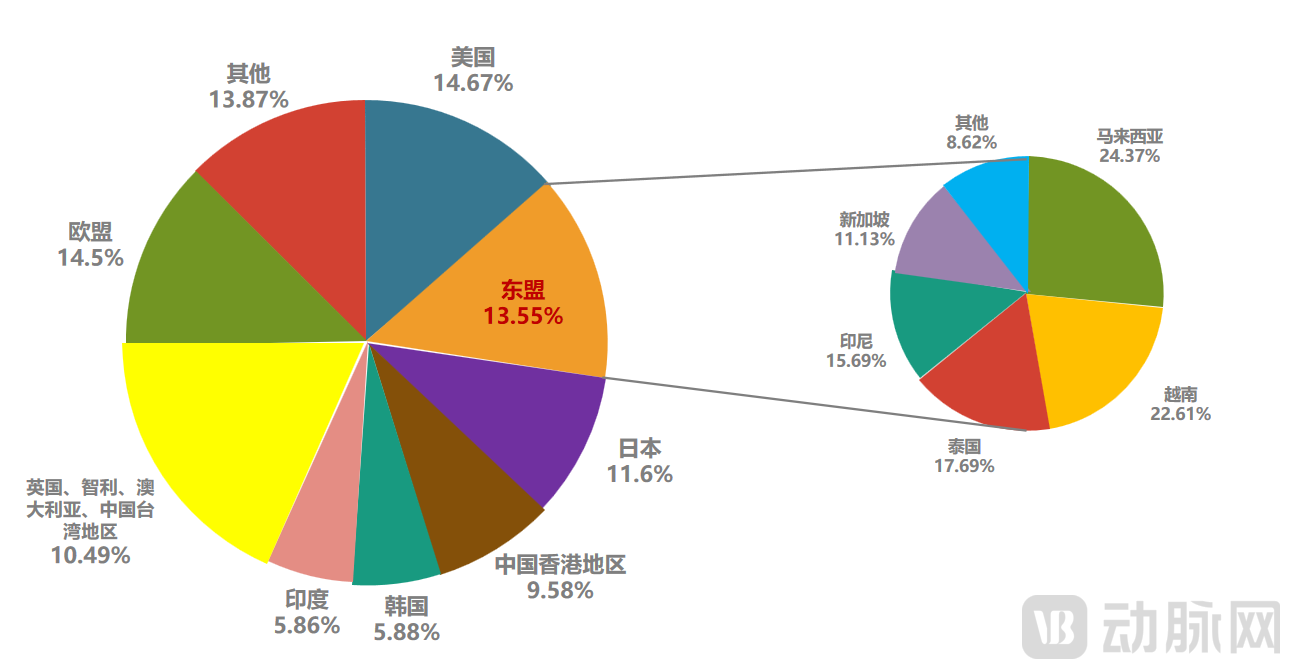 Figure 5. Market Share of China’s Import and Export of Traditional Chinese Medicine Products in the First Half of 2024 (Data Source: China Chamber of Commerce for Import and Export of Medicines and Health Products)
Amidst this enthusiasm, the export value of traditional Chinese medicine has risen steadily. According to statistics from China Customs,In the first half of 2024, China's total foreign trade volume of traditional Chinese medicine (TCM) reached $4.17 billion. The United States, as the primary export market for China's TCM products, recorded an export value of $390 million in the first half of the year, accounting for 14.67% of the market share.. Additionally, emerging markets such as South America, Oceania, and Africa are also demonstrating high growth trends.
However, challenges remain behind the opportunities.The first point is approval., many countries impose strict regulatory requirements on traditional Chinese medicine (TCM), such as the need to obtain GMP, ISO, and organic certifications. Therefore, during international expansion, it is essential to comply with local standards for pharmaceuticals or health supplements.
Secondly, be adept at subtraction.. In the past, the complexity and non-standardization of Traditional Chinese Medicine (TCM) were the biggest obstacles to its large-scale expansion in the West, but WTHN seems to have found a breakthrough, namelyStreamline the cumbersome processes of traditional diagnosis and treatment, deconstruct Traditional Chinese Medicine (TCM) services into replicable modular products, and deeply integrate them with modern healthy lifestyles.. Specifically, it primarily provides on-site treatments including acupuncture and cupping, as well as high-frequency TCM products with high market acceptance and strong replicability, such as at-home acupoint massage.
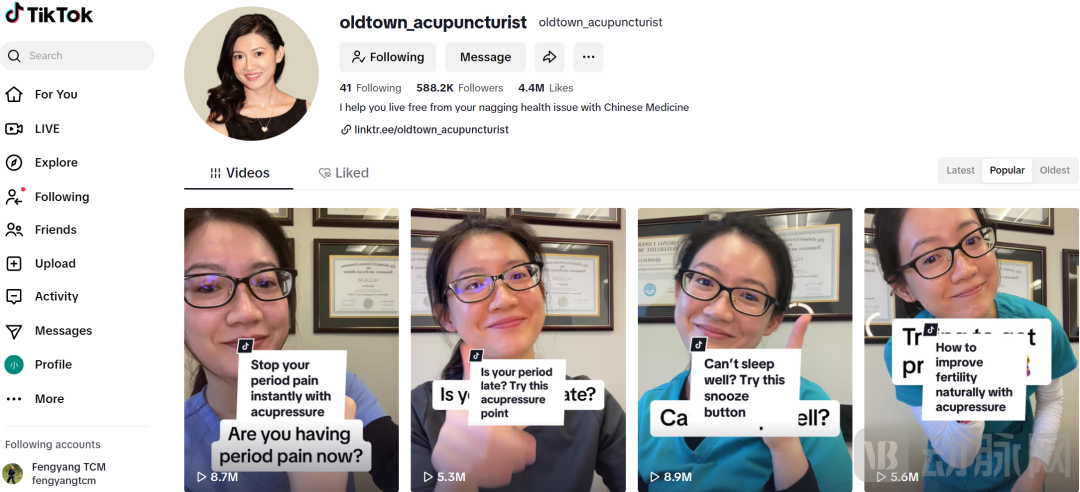
Figure 6. Acupuncturist Li Qianlei has over one million followers overseas (Image source: TikTok)
The final point is to leverage platforms like TikTok for rapid traffic acquisition in promotional efforts.VCBeat has found that videos on TikTok tagged with topics such as “chinese medicine” (Traditional Chinese Medicine), “Gua Sha” (gua sha), and “acupuncture” have amassed billions of views. Specifically, the gua sha topic has exceeded 4.7 billion impressions, with 150,000 related videos, while acupuncture-related content has garnered over 2 billion views across more than 100,000 videos. This undoubtedly represents a significant breakthrough, helping TCM clinics quickly establish a foothold in overseas markets.
Currently, leading domestic institutions such as Gushengtang, Tongrentang, Gongfangtang, and Zhang Zhongjing Jingfang Pavilion have taken the lead in piloting overseas expansion. Judging by their subsequent plans, all of them intend to expand their operations in international markets. The rationale behind this trend is not difficult to understand,For the thousands of traditional Chinese medicine (TCM) clinics in the future, expanding overseas is not merely about exploring blue-ocean markets, but a necessary choice to break through their survival dilemmas.。
1. “RMB 36 Million: LV Invests in a ‘Traditional Chinese Medicine Practitioner’” – Rongzhong Finance;
2. “Countdown to the Pharmacy ‘Avalanche’: 274 Stores Close Daily, and the ‘Fire Sale’ of the Largest Chain Is Just the Beginning” – E-Pharma Economist;
3. “Traditional Chinese Medicine, Which Has Served 4 Billion People, Takes Center Stage on TikTok” – TT123 Cross-Border E-Commerce