Navigating the 2025 Chinese Pharmacopoeia: Implications for Drug Development and Quality Control
The promulgation of the 2025 edition of the Chinese Pharmacopoeia is undoubtedly a major event in the field of drug research and development and regulation. As the industry’s “gold standard,” it serves as a bellwether for driving industrial advancement. This revision has achieved significant progress in the fields of traditional Chinese medicine (TCM) and biological products, providing robust support for enhancing drug quality and safeguarding public health.
The 2025 edition of the Chinese Pharmacopoeia, Volume I, focuses primarily on safety control of traditional Chinese medicines (TCM), standards for TCM materials and decoction pieces, as well as formulated TCM products and single-ingredient preparations. Guided by clinical needs in traditional Chinese medicine, it strives to enhanceSafety Assurance of Traditional Chinese Medicine, Enhancement of Overall Quality Control Standards for Traditional Chinese Medicine, Improvement of the Standard System for Traditional Chinese Medicine Decoction Pieces, and Perfection of the Standard-Setting Mechanism, in strengthening technical support for drug regulation, promoting the development of traditional Chinese medicine, ensuring medication safety for the public, and safeguarding public healthplay a significant role in these areas. The 2025 edition of Volume III of the Chinese Pharmacopoeia, through systematic revisions and forward-looking planning,Achieved a comprehensive upgrade of biological product standards from breadth to depth, marking the entry of China's biological product standard system into a new phase.This revision not onlyAchieving breakthroughs in product coverage, technical methodologies, and international harmonization, while injecting momentum into the high-quality development of the industry through innovative concepts such as risk assessment strategies and the application of alternative methods.
However, the revisions and amendments in Volume I and Volume III of the 2025 edition of the Chinese Pharmacopoeia involve extensive and complex content, leaving many questions within the industry regarding their practical understanding, implementation, and enforcement, such as:
1、How should manufacturers conduct testing in accordance with the 2025 edition of the Chinese Pharmacopoeia, General Chapter 0212 “General Rules for the Examination of Medicinal Materials and Decoction Pieces,” which specifies maximum residue limits for 47 prohibited pesticides and requirements for heavy metals and harmful elements in relevant medicinal materials and decoction pieces?
2、How Should the Abnormal Toxicity Test for Biological Products Be Conducted?
3、Can prophylactic biological products be filled and packaged on the same production line as therapeutic biological products?
4、How should the phrase “unless otherwise specified” in the 2025 edition of the Chinese Pharmacopoeia be interpreted?
5、In the 2025 edition of the Chinese Pharmacopoeia, there are no changes to the monograph content of the listed products. Is it necessary to re-evaluate the product?
6、In the 2025 edition of the Chinese Pharmacopoeia, how should the ICH Q4B-related guidelines be implemented following their adoption?
7. How can the quality standards for traditional Chinese medicine (TCM) formula granules be further improved to ensure their quality stability and consistency?
8、What specific specifications and requirements does the Pharmacopoeia impose on the manufacturing processes of Traditional Chinese Medicine (TCM) formula granules? How can compliance with Good Manufacturing Practice (GMP) be ensured during extraction, concentration, drying, and other production stages, while maximizing the retention of active constituents in TCM materials?
.......
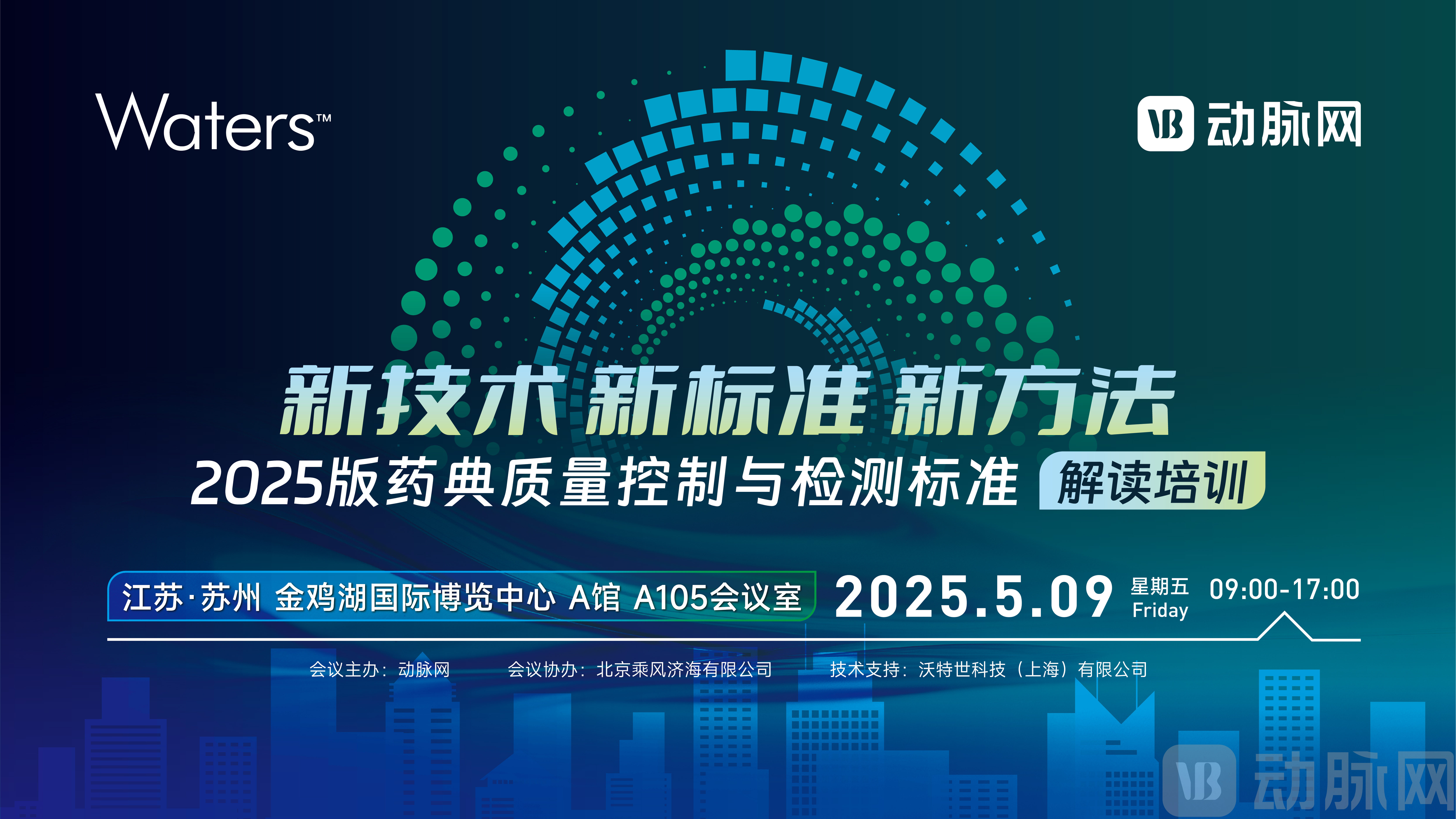
Since its inception, VCBeat has focused on the pharmaceutical sector. After 11 years of deep cultivation, it has accumulated extensive industry resources and successfully organized more than 100 pharmaceutical industry events. In 2025, a pivotal year for the official implementation of the 2025 edition of the Chinese Pharmacopoeia, VCBeat actively fulfilled its industry responsibilities. To help pharmaceutical companies keep pace with the new requirements of the updated pharmacopoeia and promote the alignment of drug quality standards with international norms, VCBeat, in collaboration with Beijing Chengfeng Jihai Co., Ltd., meticulously planned“New Technologies, New Standards, New Methods: Interpretation of Quality Control and Testing Standards in the 2025 Edition of the Pharmacopoeia”Series of Training Activities.
The training program will invite authoritative experts from China and abroad in the fields of pharmaceutical R&D analysis and production testing,An In-Depth Analysis of Additions and Revisions to Traditional Chinese Medicine and Biologics in the New Edition of the Chinese Pharmacopoeia, andPractical Application Effects of New Standards, Methods, and Technologies in Related Testing and Analytical Instrumentsto provide professional guidance and support to pharmaceutical manufacturers, promote the improvement of the quality of domestically produced drugs, and drive high-quality development of the industry. The relevant matters are hereby notified as follows:
Organizational Structure
Conference Host:VCBeat
Co-organizer: Beijing Chengfeng Jihai Co., Ltd.
Technical Support: Waters Technologies (Shanghai) Co., Ltd.
Time and Location
Registration and Check-in: May 9, 2025 (08:30-09:00)
Meeting Time: May 9, 2025 (09:00-17:00)
Host City: Suzhou, Jiangsu Province
Venue: Conference Room A105, Hall A, Suzhou Jinji Lake International Expo Center
Detailed Address: No. 688, Suzhou Avenue East, Suzhou Industrial Park, Suzhou City, Jiangsu Province
Speakers and Topics
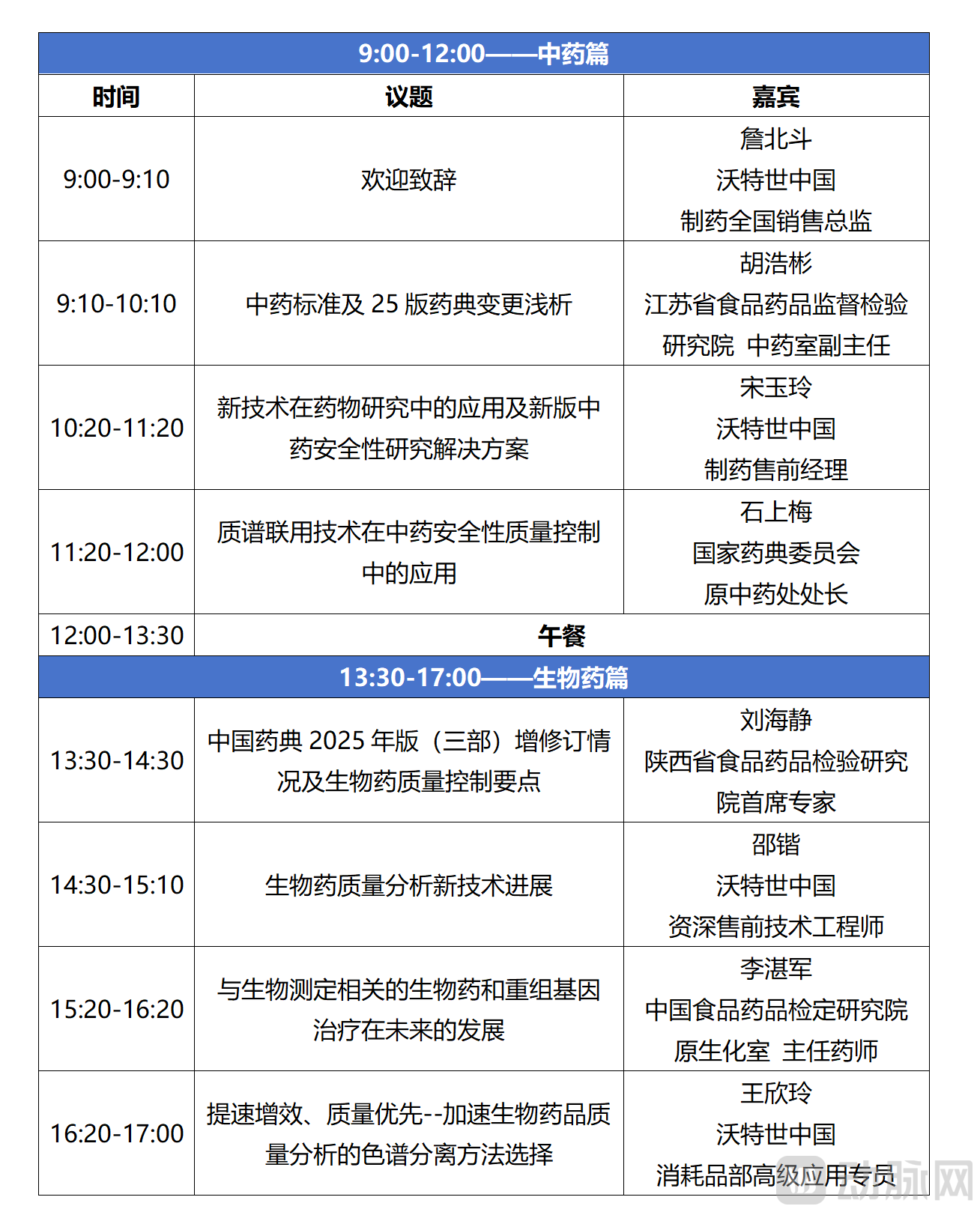
Section on Traditional Chinese Medicine
Hu Haobin, Deputy Director of the Traditional Chinese Medicine Laboratory, Jiangsu Provincial Institute for Food and Drug Control
Yuling Song, Pre-Sales Manager, Pharmaceuticals, Waters China
Shi Shangmei, Former Director of the Department of Traditional Chinese Medicine, Chinese Pharmacopoeia Commission
Biologics Section
Liu Haijing, Chief Expert and Former President of Shaanxi Provincial Institute for Food and Drug Control
Shao Kai, Senior Pre-Sales Technical Engineer at Waters China
Li Zhanjun, Chief Pharmacist, Former Head of the Biochemistry Division, National Institutes for Food and Drug Control (NIFDC)
Xinling Wang, Senior Application Specialist, Consumables Division, Waters China
Meeting Agenda
Training Outline
A Brief Analysis of Traditional Chinese Medicine Standards and Changes in the 2025 Edition of the Pharmacopoeia
1. Basic Principles for the Correct Use of the Chinese Pharmacopoeia — General Notices
2. Changes in Traditional Chinese Medicine in the New Edition of the Pharmacopoeia
3. General Rules for the Inspection of Medicinal Materials and Decoction Pieces in the New Edition of the Pharmacopoeia
4. General Technical Requirements — Determination Methods for Pesticide Residues, Mycotoxins, and Plant Growth Regulator Residues
Applications of New Technologies in Drug Research and the New Edition of Safety Research Solutions for Traditional Chinese Medicine
1. Application of Atmospheric Solids Analysis Probe (ASAP) Mass Spectrometry in the Identification of Constituents in Traditional Chinese Medicine
2. Application of Mass Spectrometry Imaging in the Study of Traditional Chinese Medicine and Natural Products
3. Solutions for Adapting to Pharmacopoeia Updates on Plant Growth Regulators in Traditional Chinese Medicine
Revisions and Amendments to the Chinese Pharmacopoeia 2025 Edition (Volume III) and Key Points for Quality Control of Biological Products
1.2025 Edition of the Pharmacopoeia: Main Objectives and Requirements for Compilation
2.25 Edition of the Pharmacopoeia (Part III): Overview of General Revisions and Amendments
3. Introduction to Major Changes
4. Application of New Technologies and Methods in the New Edition of the Pharmacopoeia
5. Key Points and Basic Content Examples of Quality Control Standards for Biological Drugs
6. Development Opportunities and Future Prospects for Biologics
Advances in New Technologies for Quality Analysis of Biologics
1. Analysis of Key Additions and Revisions in the 2025 Edition of the Chinese Pharmacopoeia (Biological Products)
2. Updates on New Waters LC-MS Technologies for Quality Analysis of Biopharmaceuticals
3. Updates on New Technologies in Biopharmaceutical Quality Analysis Using Wyatt MALS-Related Techniques
Application of New Technologies and New Strategies in Accelerating and Enhancing Efficiency in Pharmaceutical Analysis
1. Introduction to Cortecs Solid-Core Granules and Their Advantages in Enhancing Speed and Efficiency;
2. How to Match Different Instrument Systems with Suitable Chromatography Columns to Achieve Optimal Performance
More training outlines are being continuously updated.......
Speakers
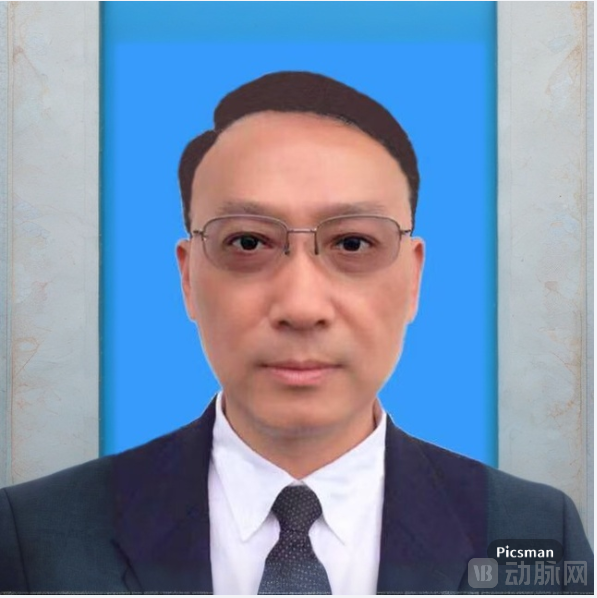
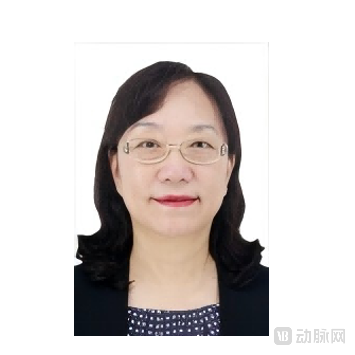
Deputy Director of the Traditional Chinese Medicine Department, Chief Pharmacist at Jiangsu Institute for Food and Drug Control; Professor and Master’s Supervisor at Nanjing University of Chinese Medicine,Jiangsu Association for Science and Technology“Chief Science and Media Expert,” one of the first externally appointed experts of the Center for Drug Evaluation (CDE), specially appointed expert at the National Medical Products Administration (NMPA) Advanced Training Institute, and served as the head of the Animal-derived Medicinal Materials Group within the Expert Committee on Traditional Chinese Medicine Decoction Pieces for the 2020 edition of the Chinese Pharmacopoeia.
Chinese Pharmacopoeia Commission
Former Director of the Department of Traditional Chinese MedicinePrimarily engaged in the standardization of traditional Chinese medicine (TCM). Serves as a peer review expert for the Ministry of Science and Technology, an expert on the Expert Committee for Protection of TCM Varieties, an expert on the USP Dietary Supplements: Botanicals Expert Committee (2015–2020), a member of the USP Dietary Supplements: Botanicals Expert Panel, and an expert on the International Expert Committee for Hong Kong Chinese Materia Medica Standards.
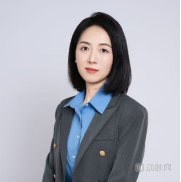
With many years of experience in the analytical field, published in Analytical Chemistry, Scientific Reports,Electrophoresis, and chromatographic impurities. He previously worked at a well-known Chinese CRO company in pharmaceutical bioanalysis before joining the instrumentation industry. As a senior application engineer, he provided technical support to pharmaceutical R&D laboratories for over ten years. He is well-versed in the application of LC-MS technologies in drug research and has accumulated extensive experience in bioanalysis, development of pharmaceutical analytical methods, identification of drug impurities, and mass spectrometry imaging analysis. Currently employed in Waters’ Pharmaceutical Marketing Department, he is familiar with the application of the company’s LC-MS products in pharmaceutical analytical laboratories and leverages regulatory requirements, customer needs, and company offerings to deliver enhanced industry solutions.
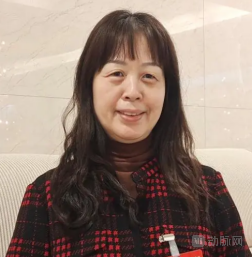
Shaanxi Provincial Institute for Food and Drug Control
Chief Expert, Former PresidentChief Pharmacist (Grade I, Professional Technical Level II), Expert Enjoying Special Government Allowance from the State Council. Currently serves as Chief Expert at the Shaanxi Institute for Food and Drug Control, and formerly served as its President. Has led or participated in more than 10 national- and provincial/ministerial-level research projects; served as editor-in-chief or contributing author for over 10 monographs; published more than 120 scientific papers; filed 18 national invention patents; awarded one First Prize and three Second Prizes of the Shaanxi Provincial Science and Technology Awards. Personally honored with titles including “Shaanxi Province Advanced Worker” and the “Outstanding Achievement Award in Food and Drug Quality Testing” of the “China Pharmaceutical Development Award.”

Waters China
Senior Pre-Sales Technical Engineer
Currently serving as a Pre-sales Application Engineer for the Pharmaceutical Sector in East China at Waters Technologies (Shanghai) Co., Ltd. Primarily responsible for providing analytical and application support for chromatography-mass spectrometry products in the pharmaceutical field, including mass spectrometry characterization in process development and quality research, as well as technical support for application solutions in the emerging biopharmaceutical market. Possesses extensive experience in pharmaceutical chromatography-mass spectrometry analysis.
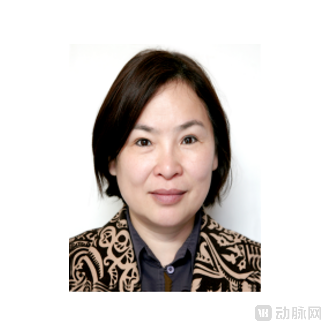
Worked at the National Institutes for Food and Drug Control (NIFDC) in China for nearly 40 years. Served as Chief Pharmacist of the Biochemical Drugs Division and the Hormone Division, engaged in the testing, identification, and quality standard development of biochemical drugs and gene-recombinant hormonal pharmaceuticals, and participated in biological identification work for relevant products within the National Major New Drug Creation Special Project research team.
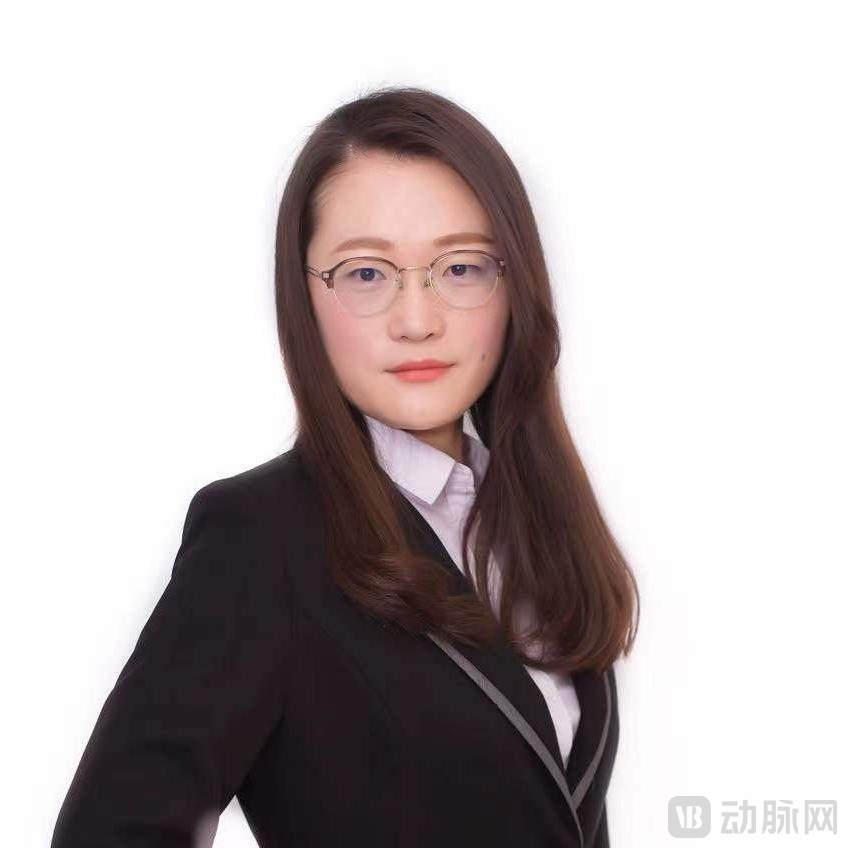
With over a decade of industry experience, dedicated to the promotion of new macromolecular chromatography columns and the development of application methods, providing timely and effective technical support for SEC, reverse-phase, and ion-exchange analyses for numerous key accounts, and facilitating the establishment and collaborative development of novel separation solutions for bispecific antibodies, ADCs, and other emerging modalities.
Attendees
(I) Relevant technical personnel at provincial and municipal drug testing institutions
(II) Personnel Involved in Review and Inspection by Drug Regulatory Authorities
(3) Personnel from R&D, quality management, and analysis & evaluation departments of pharmaceutical enterprises (traditional Chinese medicine)
(4) Personnel from R&D, quality management, and analytical evaluation departments of pharmaceutical enterprises (biologics)
(5) Relevant personnel from pharmaceutical research institutions, hospital pharmacy departments, and third-party testing laboratories
Other Matters
(I) Conference Fees
(1) Conference Fee: Free attendance upon review (limited spots available)
(2) Lunch during the conference will be provided by the Organizing Committee; attendees must present their conference badges to collect it.
(3) For attendees requiring accommodation, the Organizing Committee can assist with hotel reservations at the conference negotiated rate. All expenses and invoices must be settled directly with the hotel.
(II) Certificate of Attendance
(1) Attendees who register on-site will receive an electronic certificate of attendance.
(2) Certificates of attendance can be collected within 10 working days after the conference.
(3) Conference Registration
(1) Scan the QR code below to register online for the conference.

(2) Within 3 working days after submitting the registration information, our staff will contact you by phone for confirmation. Please ensure your contact information remains accessible.
(4) For registration inquiries, please add the conference assistant on WeChat for details and content information.