

When AI Meets the Longevity Era: An Intelligent Transformation Sweeping the Medical and Elderly Care Industry
Amid the global wave of population aging, the healthcare industry is undergoing profound transformation.
According to forecasts by Zhongyan Puhua, the global AI healthcare market size will reach $15 billion by 2025, with a compound annual growth rate (CAGR) exceeding 30%, wherein chronic disease management and smart elderly care have emerged as key focus areas. In China, data from the National Health Commission indicates that the population aged 60 and above is projected to surpass 400 million by 2035, giving rise to a silver economy market valued at over RMB 10 trillion. This technology-driven industrial upgrade is reshaping traditional models of medical and elderly care services.
Since Taikang introduced the concept of the “Longevity Era,” this idea has transcended the corporate sphere to become a core issue of concern across all sectors of society. The Notice on Comprehensively Strengthening Elderly Health Services, issued by the National Health Commission, explicitly stated that healthy aging is not merely about extending lifespan, but more importantly, about increasing healthy life expectancy, narrowing the gap between healthy life expectancy and natural lifespan, and achieving substantial improvements in the quality of life and health status of older adults.
The advent of the longevity era fundamentally relies on technological transformation and advances in medical technology. In particular, breakthrough progress in artificial intelligence (AI) and biotechnology is injecting new momentum into the broader health industry. Against this backdrop, the 2025 (7th) World Health Expo was held in Wuhan on April 8, bringing together leading entrepreneurs, scientists, and technical experts from the healthcare sector. They engaged in in-depth, multi-level, and multi-dimensional discussions on the transformation and innovative practices of the health industry driven by AI technologies.
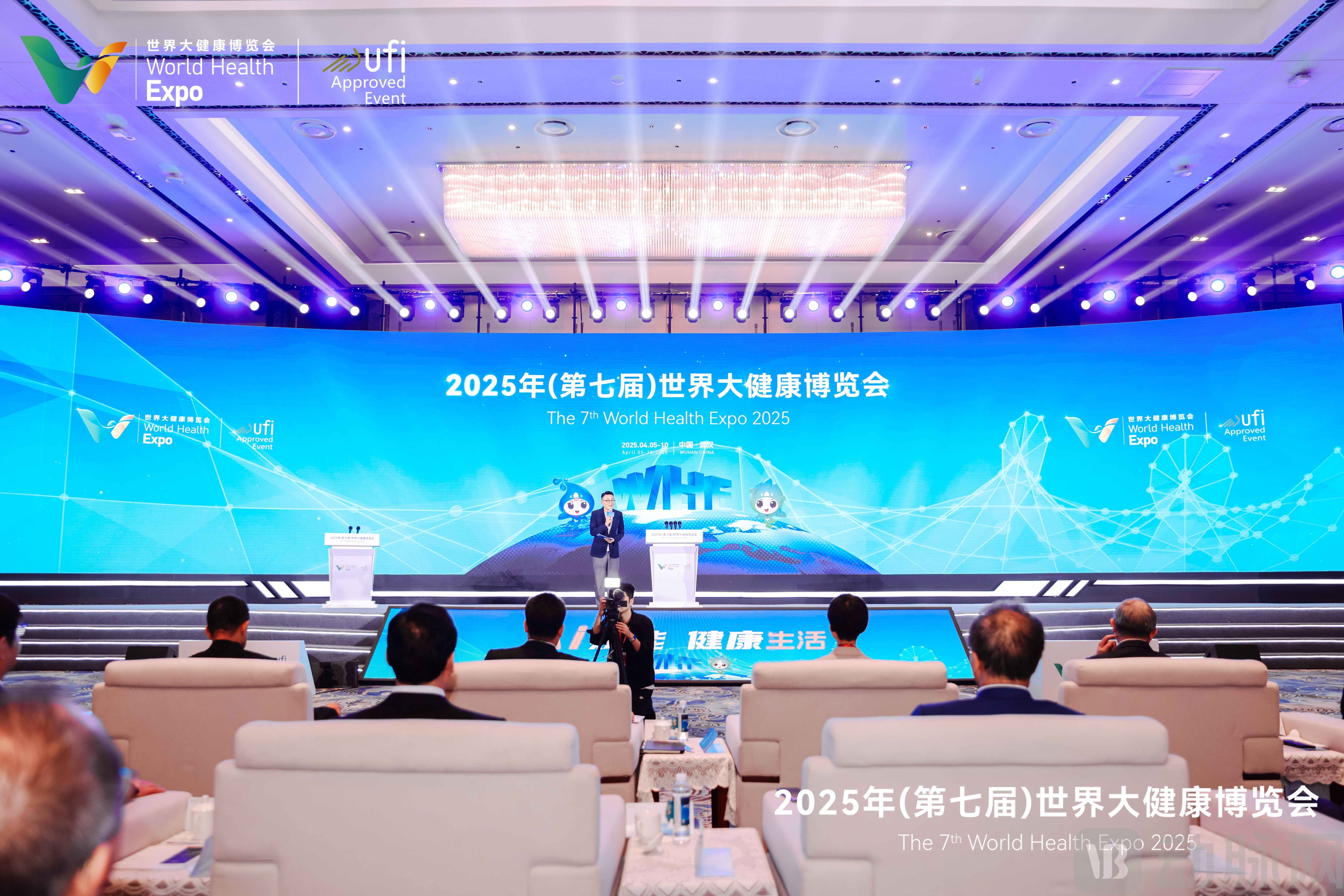 On-site at the 2025 (7th) World Health Expo
Attendees unanimously agreed that AI technology is driving the healthcare industry’s transition from “singular treatment” to “holistic health,” and its upgrade from “scale expansion” to “precision and efficiency.” In the future, the deep application of AI will become a key driver in addressing the challenges of the longevity era and seizing new opportunities.
From the “Age of Longevity” to the “Longevity Economy”: AI Reshapes the New Landscape of the Medical and Elderly Care Industry
The core logic of the longevity era is not merely a continuation of population aging, but rather a transition from the “longevity era” to a “longevity society,” giving rise to new developments in the “longevity economy.”
This process imposes higher demands on the innovation and implementation of elderly care solutions, such as the need for more intelligent and personalized service models. Meanwhile, the rapid advancement of AI technology is reshaping the fundamental logic of the integrated medical and elderly care industry through data-driven precision services and end-to-end process optimization.
At the Health Expo, Mr. Chen Dongsheng, Founder, Chairman, and CEO of Taikang Insurance Group, stated that the era of longevity shapes a society of longevity, which in turn fosters a longevity economy. The convergence of the longevity era with the intelligent revolution has created unimaginable opportunities for the development of the longevity economy and the broader health industry.
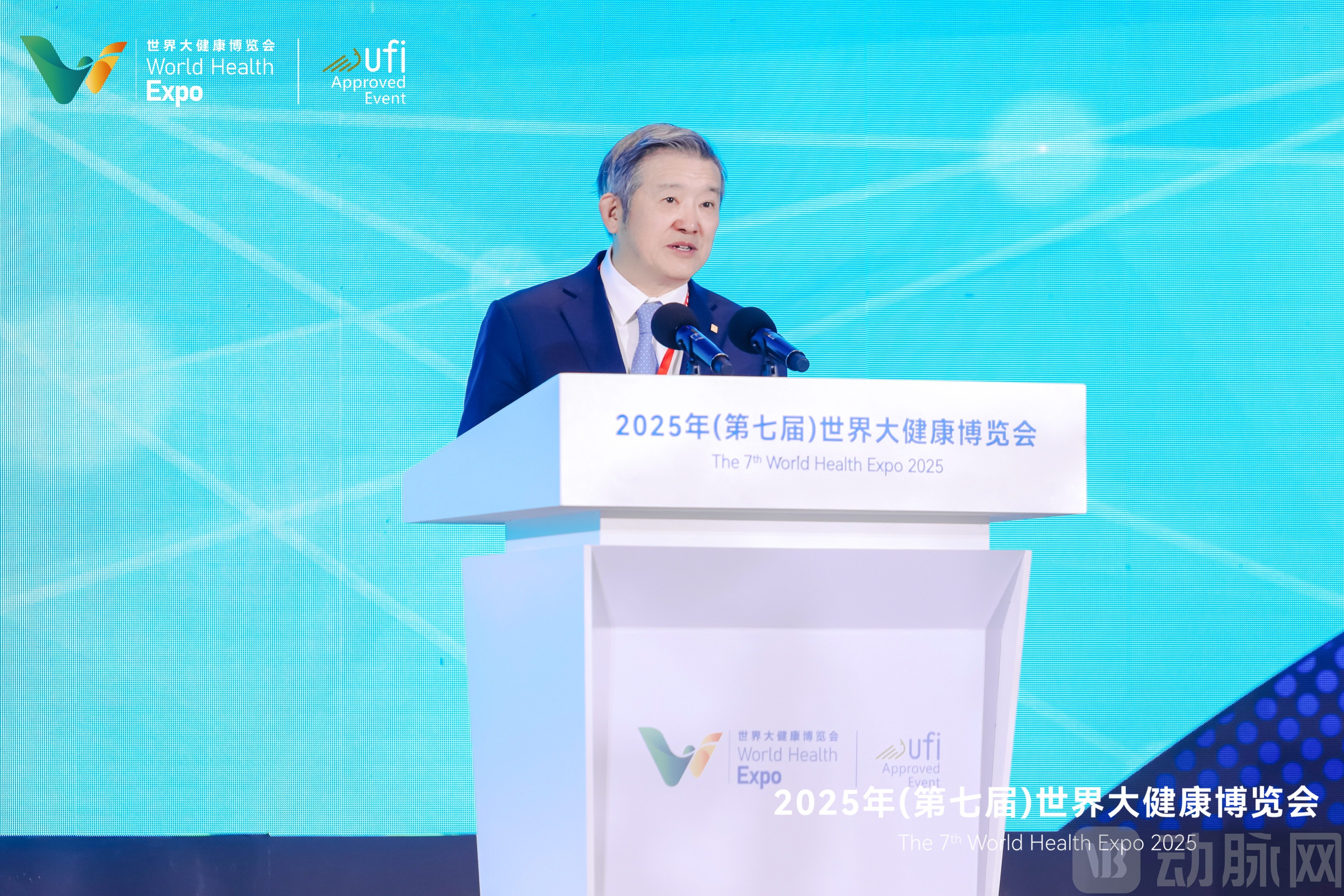
Chen Dongsheng, Founder, Chairman and CEO of Taikang Insurance Group
In the medical field, AI can rapidly and accurately identify pathologies by learning from and analyzing medical imaging data, thereby optimizing diagnostic efficiency and accuracy. In health management, AI enables real-time monitoring of health metrics, timely detection of potential health risks, and provision of personalized interventions. In elderly care, smart devices can monitor the living conditions of older adults in real time, issue alerts during emergencies, and notify relevant personnel to provide assistance.
Not only does the era of longevity extend life expectancy, but it also extends healthy life expectancy. As the spectrum of health and disease shifts toward non-fatal chronic conditions, the broader health industry must transition from a treatment-centric to a prevention-centric model, and from an institution-centered to a people-centered approach, thereby building a health service system that covers the entire life cycle. This health service system, with prevention, intervention, and management at its core, can effectively increase healthy life years, reduce overall societal health costs, and amplify the effects of the longevity economy.
At the 2025 Longevity Era Forum, Dang Junwu, a member of the First Expert Committee of the National Working Commission on Aging, former Deputy Director of the National Elderly Care Services Expert Committee, and former Deputy Director of the China Research Center on Aging Science, also stated that AI can empower the longevity economy. He emphasized that it is not only important to embrace the AI era, but more crucially, AI must embrace the longevity economy, ensuring mutual alignment between the longevity economy and the AI tool ecosystem.
Taking Taikang as an example, its full-scenario smart community “Taikang Community” provides rich practical application scenarios for smart elderly care through a tripartite smart medical and elderly care system integrating “sensing, decision-making, and control.” At Taikang’s booth at the Health Expo, a day in the life of a Taikang resident was recreated: residents are awakened in the morning by age-friendly smart speakers; health data is collected in real time via non-intrusive sensing devices; the AI-driven Taile OS provides personalized health management plans; and emergency safeguards include 24/7 safety protection systems such as pull-cord alarms and intelligent positioning.
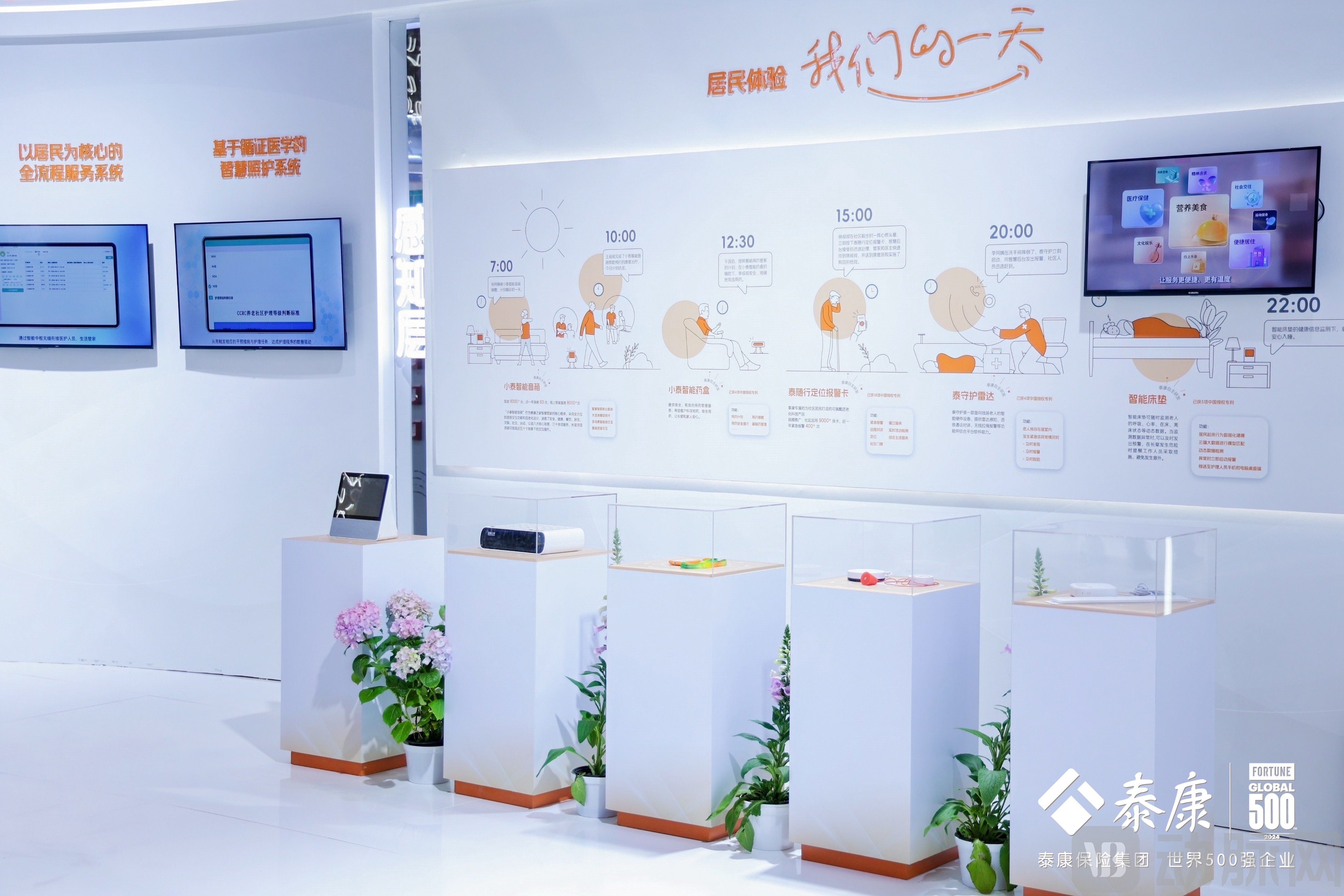
At the Taikang Community booth at the Health Expo, a day in the life of Taikang residents was recreated.
As a leading enterprise in the broader health and wellness industry, Taikang is accelerating the deep integration of artificial intelligence, big data, and cloud computing, focusing on five smart technology systems—Smart Sales, Smart Healthcare and Elderly Care, Intelligent Investment Research, Health Technology, and Smart Middle and Back Office—to empower its business operations. In terms of investment in smart healthcare and elderly care technology, Taikang has secured 385 patents related to elderly care and health, topping the “China Smart Elderly Care Operations Enterprise Patent Ranking” for two consecutive years.
The convergence of the longevity era and AI technology is reshaping the biomedical field and driving a new wave of technological revolution. In the future, this synergy will extend healthspan, unlock the potential of the longevity economy, and create greater possibilities for human society.
Tech-Empowered Active Aging: A Vivid Practice of Smart Communities
According to projections in the White Paper on China’s Elderly Care Industry released by the Chinese Academy of Social Sciences, the scale of China’s elderly care industry is expected to reach 13 trillion yuan by 2030. The industry has rapidly grown into a 10-trillion-yuan market.
As the market continues to expand, industry competition is intensifying. According to data from the National Bureau of Statistics, there were nearly 40,000 elderly care institutions across China by the end of 2022. Despite this substantial supply, many institutions remain willing to expand their footprint in response to robust market demand. In this context, competition among elderly care providers has grown increasingly fierce, with a rapid shift from offering mere accommodation services to providing comprehensive lifestyle solutions. These institutions must now address the multifaceted needs of older adults, including medical care, health management, cultural and spiritual enrichment, and social interaction.
First is the demand for medical care. Against the backdrop of an increasingly aging population, structural contradictions in traditional medical and elderly care services have intensified, including insufficient diagnostic and treatment capabilities at primary healthcare institutions, overloaded operations at tertiary hospitals, and gaps in health management for patients with chronic diseases. For the elderly population, the foremost core capability that elderly care institutions should possess is medical competence.
Taking Taikang Community·Chuyuan, visited at this Health Expo, as an example, Taikang has invested in and constructed a secondary-level rehabilitation hospital—Wuhan Taikang Chuyuan Rehabilitation Hospital. By establishing a “three-tier family doctor system” (primary-level community clinics, secondary-level rehabilitation hospitals, and tertiary-level general hospitals), it provides Chuyuan residents with comprehensive, end-to-end services, including health screenings, tracking and tracing of health records, medication guidance, interpretation of medical reports, and green-channel access to medical care. Currently, Chuyuan has established “green-channel” medical services with several large Grade A tertiary hospitals in Wuhan, such as Taikang Tongji (Wuhan) Hospital, China Resources Wugang General Hospital, Wugang No. 2 Hospital, the East Campus of Renmin Hospital of Hubei Province, and the Optics Valley Campus of Tongji Hospital.
Secondly, with the advent of a new era in the silver economy and the continuous rise in demand for elderly care services among seniors, an increasing number of older adults are no longer satisfied with basic caregiving. Their needs are upgrading from fundamental "security-oriented" support to comprehensive "quality-oriented" services. Elderly care institutions should therefore place greater emphasis on improving service quality by strengthening standardization, normalization, and specialization, thereby enhancing service efficiency and satisfaction. Building on this foundation, "smart elderly care" is demonstrating increased vitality. Examples include leveraging mobile internet platforms to enable online appointment booking, consultations, and payments; utilizing Internet of Things (IoT) devices for remote monitoring, positioning, and emergency alerts; and applying artificial intelligence technologies for voice recognition, image recognition, and sentiment analysis. The integration of these new features is making elderly care services more comprehensive, convenient, and compassionate.
Taking Chuyuan as an example, the construction of a smart community is one of its major highlights. Through two core products, “Smart Steward” and “Smart Operations,” the community provides residents with 24/7 integrated online and offline services, covering eight key scenarios: safety, health, dining, housing, culture and entertainment, social interaction, sports, and public welfare. To date, over 300 “Smart Steward” devices have been distributed, achieving a daily active user rate of 82%. The community is also equipped with technological facilities such as an intelligent emergency assistance system, enhancing the convenience and safety of elderly residents’ lives.
In addition, Chuyuan adopts a “1+N” multidisciplinary care model tailored to the actual health needs of older adults, ensuring that each resident has their own dedicated multidisciplinary professional support team to provide comprehensive health services. Features such as 24-hour emergency pull-cord alarms and push notifications from the Taikang Community Health Management System—including medical appointment reminders and medication alerts—further safeguard residents’ life, health, and safety.
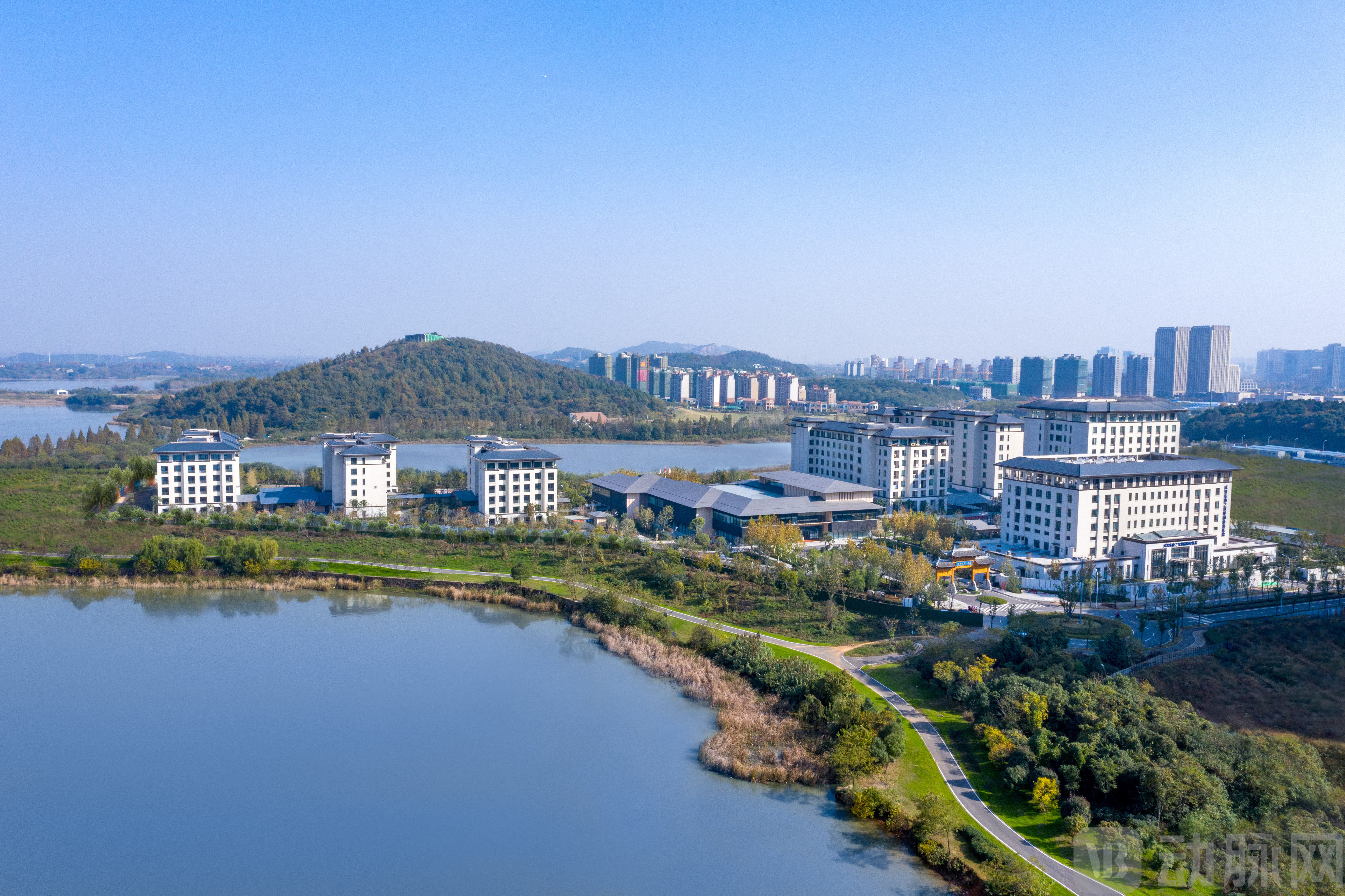
Taikang Community · Chuyuan
Since its opening in July 2020, Chuyuan has undergone nearly five years of development. Today, it is not only an elderly care community but also a warm and close-knit family. Amidst the cherry blossom groves bathed in sunlight, residents of Chuyuan quietly engage in sketching. Under their brushes, the colors of the cherry blossoms appear vibrant and beautiful.
In summary, evolving market demands and the integration of innovative technologies such as AI have unlocked greater potential in the elderly care industry, offering seniors a new lifestyle that is healthy, warm, and vibrant. Data shows that Taikang Community has established a presence in 43 projects across 36 cities nationwide, with chain operations implemented in 24 communities across 22 cities, serving over 16,000 residents. This has provided rich practical scenarios for the application of smart elderly care and offered a highly reference-worthy model for the development of smart medical and elderly care services in China.
Building Efficient Healthcare IT Services to Create a “Longevity Hospital” Integrating Medical Care and Insurance
As China accelerates its transition into a deeply aging society, the healthcare system is confronting multiple structural contradictions. Traditional hospitals generally face three core pain points when serving the elderly population:
First, complex processes and the digital divide: Elderly individuals generally struggle to adapt to online procedures such as appointment registration, payment, and report retrieval resulting from the comprehensive digitalization of hospitals. Over 90% of surveyed elderly patients require family accompaniment for medical visits, and they are susceptible to misinformation from fake online medical content. Second, resource misallocation and efficiency bottlenecks: Primary healthcare institutions lack sufficient diagnostic and treatment capabilities, while tertiary Grade A hospitals operate under long-term overload. There is a significant shortage of specialists in fields such as pathology and critical care medicine, leading to prolonged patient waiting times and an elevated risk of misdiagnosis. Third, fragmentation in health management: Medical services requiring long-term follow-up, such as chronic disease management and postoperative rehabilitation, lack continuity. The traditional “disease-treatment” model fails to cover the full-cycle needs of prevention, monitoring, and intervention.
Advances in artificial intelligence (AI) technology are addressing the aforementioned challenges through scenario-based applications. AI voice assistants and intelligent triage systems lower the operational barriers for elderly users; for instance, Tencent Health’s intelligent triage function helps patients quickly identify the appropriate medical department. Smart wards enable integrated services; at Shenzhen Qianhai Taikang Hospital, features such as one-click bedside settlement, intelligent risk alerts, and personalized health education systems effectively address information asymmetry during medical visits, optimize patient experience, and enhance patient engagement in their own treatment plans. Furthermore, smart elderly care systems integrate real-time health monitoring, remote medical consultations, and personalized health plans, facilitating a transition from “passive treatment” to “proactive health.”
As the benchmark of Taikang Insurance Group’s “integration of healthcare and insurance” strategy, Taikang Tongji (Wuhan) Hospital positions itself as a “Longevity Hospital,” building differentiated service capabilities through technological innovation and deep disciplinary expertise.
On one hand, the hospital has vigorously promoted the development of smart healthcare to address the difficulty of accessing medical care. By leveraging advanced informatization, it has enhanced the patient experience and achieved a “one-stop” mobile solution for the entire medical service process. In late July 2024, the mobile payment function for medical insurance was launched, further facilitating “palm-top settlement” for patients covered by medical insurance. Inpatient services have also been streamlined with self-service admission, itemized bill inquiries, and report viewing capabilities, significantly improving convenience.
On the other hand, the hospital focuses on building specialties in health management, chronic disease management, and geriatrics, committing to establishing a "Longevity Hospital" that integrates medical care, education, and research. By introducing the MDT (Multidisciplinary Team) collaborative consultation model, it provides "one-stop" personalized diagnosis and treatment plans for patients with complex diseases, reducing misdiagnosis, mistreatment, and the burden of redundant examinations.
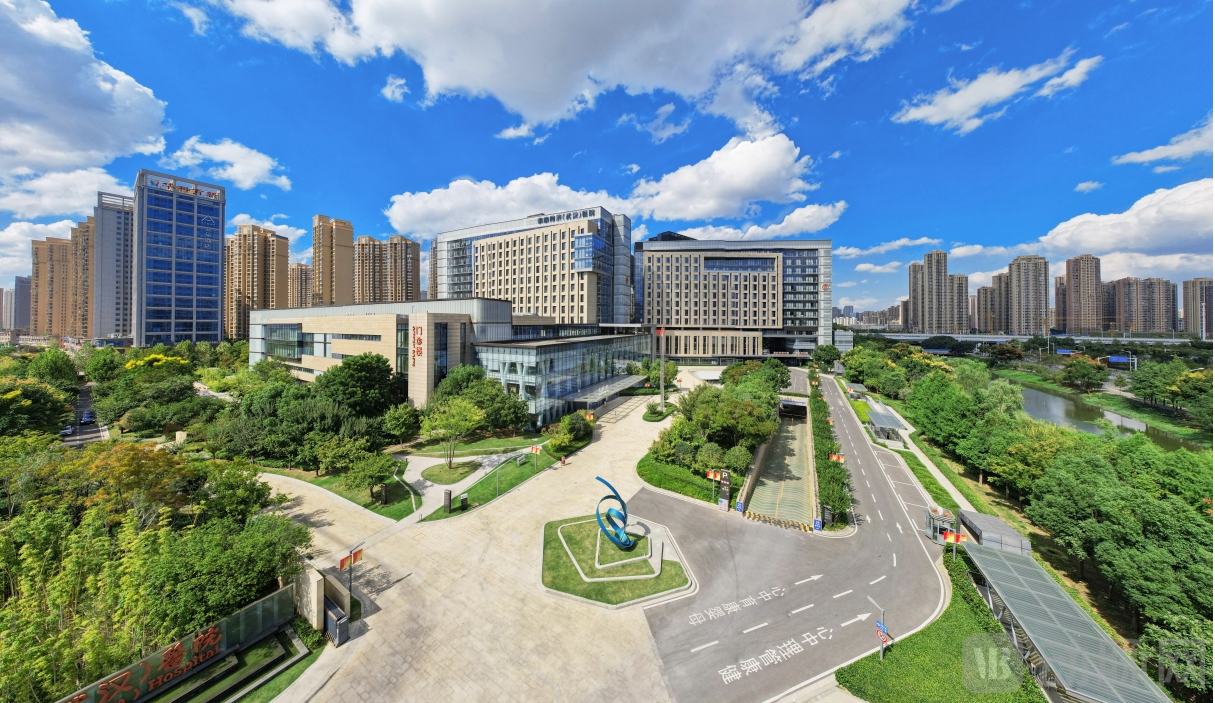
Taikang Tongji (Wuhan) Hospital
It is reported that in 2024, Taikang Medical officially released its “5+N” comprehensive disciplinary development plan in Wuhan, focusing on building five strategic key disciplines: the Digestive Medicine Center, Urology Medicine Center, Neurology Medicine Center, Health Management, and Geriatrics. Meanwhile, its affiliated hospitals will establish multiple hospital-level key disciplines based on their respective characteristics and development positioning, thereby forming the “5+N” development strategy. Among these, the Taikang Medical Neurology Medicine Center, with Taikang Tongji (Wuhan) Hospital as its core entity, has appointed Professor Chen Jincao, Chairman of the Neurosurgery Branch of the Hubei Medical Association and Dean of the Brain Hospital at Zhongnan Hospital of Wuhan University, as its chief expert. Professor Chen conducts outpatient consultations, ward rounds, and surgeries at Taikang Tongji (Wuhan) Hospital every Monday morning. Over the past six months, he has performed numerous high-difficulty surgeries, significantly enhancing the hospital’s influence in the field of neurology.
Moreover, the hospital deeply integrates insurance and medical resources to explore a closed-loop service model. As one of the five major medical centers in Taikang’s layout for physical healthcare, the hospital is characterized by its “integration of medicine and insurance” and “fusion of medical care and eldercare.” By collaborating with institutions such as Taikang Life Insurance, Taikang Online, and Taikang Pension, it has launched multiple innovative initiatives, including the “Medical Benefit Card,” “Taikang Health Insurance Direct Access On-site Services,” and “Treatment First, Payment Later.” These measures provide customers with comprehensive services, such as outpatient discounts, green channel access, telemedicine, direct billing, and VIP medical care. This approach achieves resource integration and mutual empowerment, promotes the deep convergence of medical services and insurance needs, and continuously innovates healthcare delivery models with a patient-centric focus.
According to reports, following the opening of Phase II of Taikang Tongji (Wuhan) Hospital, the bed capacity will be expanded to 1,200, the International Medical Department will commence full operations, and a smart healthcare ecosystem covering the entire life cycle will be established.
The case of Taikang Tongji (Wuhan) Hospital demonstrates that, amid the growing challenges of an aging population, healthcare services and the elderly care industry must balance efficiency improvements with human-centered design. AI is not intended to replace medical professionals; rather, by automating repetitive tasks, it enables healthcare resources to focus more on personalized care and technological innovation.
In the future, with the deepening of the “integration of medical care and elderly care” model and the interconnectivity of data, hospitals may become health hubs connecting insurance, communities, and families, redefining the value of healthcare in the era of longevity.
AI-Empowered Integration of Medical and Elderly Care: A New Ecosystem for the Longevity Era
The Superimposed Effects of the Longevity Era and the AI Revolution Are Reshaping Biomedical Technology, Driving a New Wave of Technological Revolution.
Advancements in artificial intelligence have not only enhanced medical efficiency and health management capabilities but also opened up boundless possibilities for extending human healthspan through precise services and end-to-end process optimization. Empowered by innovative technologies, Taikang is fully committed to optimizing and upgrading its integrated “Taikang Community” model, which synergizes elderly care communities, hospitals, and insurance. By integrating technology with medical and elderly care services, Taikang aims to meet the high-quality living needs of seniors and usher in a new era of the longevity economy.
Taikang’s practice is a microcosm. As Chen Dongsheng stated, “Taikang’s strategy aligns with the development trends of future human society, aiming to enable people to be healthy, live longer, and enjoy prosperity.”
As technological breakthroughs converge with the era of longevity, AI-enabled integration of medical and elderly care is evolving from an efficiency revolution to a value revolution, ushering the healthcare and eldercare industry into a new epoch characterized by “vibrant aging, precision medicine, and smart services.” This transformation not only reshapes the industrial logic of healthcare and eldercare but also fundamentally alters humanity’s relationship with health.
Driven by both policy and market forces, China’s medical and elderly care industry will undergo a qualitative transformation from “technology grafting” to “ecosystem restructuring.” As AI becomes deeply integrated into full-cycle health management—spanning prevention, diagnosis and treatment, and rehabilitation—a more resilient and sustainable system for addressing population aging is taking shape. This technological revolution may well reshape the fundamental paradigm by which humanity responds to the era of longevity.