

China's First AI General Hospital Emerges in Tianjin: WeDoctor Files for IPO
“Our self-developed AI agents cover the entire process of medical services, including pre-diagnosis, during diagnosis, and post-diagnosis. We have taken the lead in achieving deep application of AI technology in clinical healthcare. This is mainly attributed to Tianjin’s forward-looking design in the fields of digital economy and healthcare reform, which has enabled us, having taken root and grown in Tianjin, to become a leader in the industry and across China,” said Zhang Jun, Co-Chairman of the Board and President of WeDoctor Holdings.
Since 2025, the term “AI” (Artificial Intelligence) has garnered unprecedented attention. What many people are unaware of is that China’s first general hospital powered by artificial intelligence was established in Tianjin.
Why Did This “First” in the AI Healthcare Sector Go to Tianjin? What Exactly Is the “New AI Species” Known as the Artificial Intelligence General Hospital? What Have They Done Right in the Field of AI Healthcare? Hear from Doctors, Patients, and Enterprises.
The “First” AI Healthcare Company’s Establishment in Tianjin Was Hard-Won
Recently, in the latest self-assessment rankings released by MedBench, a well-known domestic evaluation platform for large medical models, WeDoctor Holdings Limited’s (hereinafter referred to as “WeDoctor Holdings”) WeDoctor Medical Large Model ranked first. Furthermore, over the past six months, the WeDoctor Medical Large Model has repeatedly topped the charts on CMB, another authoritative evaluation platform for large medical models.
“Ranked by 2023 revenue, WeDoctor Holdings has become China’s largest provider of AI-driven healthcare solutions.” Reflecting on the company’s growth over the past four years since its establishment in Tianjin, Zhang Jun candidly admitted that the pace had “exceeded expectations.”
In 2015, WeDoctor Holdings pioneered China’s first internet hospital—the Wuzhen Internet Hospital—and successfully facilitated the establishment of industry standards for internet healthcare. In 2017, WeDoctor partnered with Zhejiang University to establish the Ruiyi Artificial Intelligence Research Center, proactively advancing the research, development, and application of AI technologies in the healthcare sector. In 2020, leveraging its accumulated AI capabilities, WeDoctor Holdings began constructing an AI-powered hospital based on the Tianjin Internet Hospital. In the same year, the Tianjin Municipal Government launched the construction of the Tianjin Digital Health Community. This top-level design laid a solid foundation for Tianjin to emerge as the home of China’s first general AI hospital.
Through years of deep engagement in the healthcare industry, WeDoctor Holdings has found that the internet can only empower certain scenarios of medical services. To enable empowerment across the entire care continuum, thereby improving quality and efficiency, it is essential to integrate online and offline services into a closed loop. In 2022, with the support and guidance of the Tianjin Municipal Government, the Digital Health Community was gradually upgraded into an “AI Health Community,” jointly establishing a capitation- and value-based payment model under a health accountability framework. Within this framework, WeDoctor AI Hospital assumes three core functions—overall technological empowerment, overall health accountability, and overall performance coordination—serving as the driving engine of the regional AI Health Community, namely the AI General Hospital.
“Even now, I still recall the scenario of the first prescription circulation within the Healthcare Community: patients used their mobile phones for online follow-up consultations, received prescriptions, completed medical insurance payments, and then had their medications delivered to their homes. I also remember the surprise expressed by patients when medical staff provided home-based services after they made appointments via their phones. What stands out even more vividly is the astonishment and excitement among doctors when AI physicians were first deployed in primary healthcare institutions.” Having witnessed WeDoctor Holdings’ establishment, deep-rooted presence, and continuous growth in Tianjin, Yan Jinhong, Senior Vice President of WeDoctor Holdings and President of the WeDoctor Cloud Platform, was deeply moved. “Over these years, every ‘first’ we explored in enabling the operational implementation of China’s first AI General Hospital to empower the Healthcare Community has been pioneered and practiced in Tianjin, a city characterized by its high degree of openness, inclusiveness, and courage to explore.”
Over the five years since the Tianjin Health Consortium took root and developed, AI has gradually become the core driver of efficiency enhancement. When comparing with similar industry competitors, Sun Haiyang, General Manager of the Digital Intelligence Center at WeDoctor Holdings, introduced that WeDoctor’s AI medical products currently possess numerous industry-leading advantages. For instance, by integrating advanced large language models to generate potential diagnostic and treatment plans, and supported by a national-level team of medical experts, the company has developed and validated clinical pathways for specific diseases, pioneering the achievement of “clinical feasibility” in AI healthcare applications. Furthermore, in competition with other AI medical products, WeDoctor Holdings not only holds core technological advantages but also, driven by institutional and mechanistic innovations, has been the first to achieve large-scale implementation within the Tianjin Health Consortium, tangibly empowering hospitals, assisting physicians, and serving patients. Currently, empowered by China’s first AI General Hospital, the Tianjin Health Consortium has provided chronic disease management services to over one million residents.
Supported by the Tianjin Municipal Government’s strong encouragement of AI exploration and application across various sectors, WeDoctor Tianjin AI General Hospital has deeply integrated AI technologies into medical practice. By embedding four intelligent agents—“AI Physician,” “AI Pharmacist,” “AI Health Manager,” and “AI Intelligent Control”—into healthcare institutions within the Health Community, it has established an intelligent service system that creates a closed-loop covering the entire process of “medical care, pharmaceuticals, testing, health management, and administration.” AI has delivered significant improvements in quality and efficiency within medical services, such as effectively enhancing the service capabilities of primary healthcare institutions and physicians, continuously improving health indicators for managed patients, and slowing the growth rate of chronic disease-related medical insurance expenditures. This has achieved a win-win outcome for primary healthcare institutions, physicians, patients, and health and medical insurance authorities. This model offers new insights and references for healthcare reform nationwide.
Frontline Clinicians: AI Is Truly Helping Us
“For primary care physicians, the ‘AI Doctor’ deployed by AI General Hospital not only helps us deliver more precise and standardized diagnosis and treatment services, but also assists us in improving performance across other aspects of clinical care,” said Zhou Xinwen, Deputy Director of the General Practice Outpatient Department at the Zhongbei Town Community Health Service Center in Xiqing District.
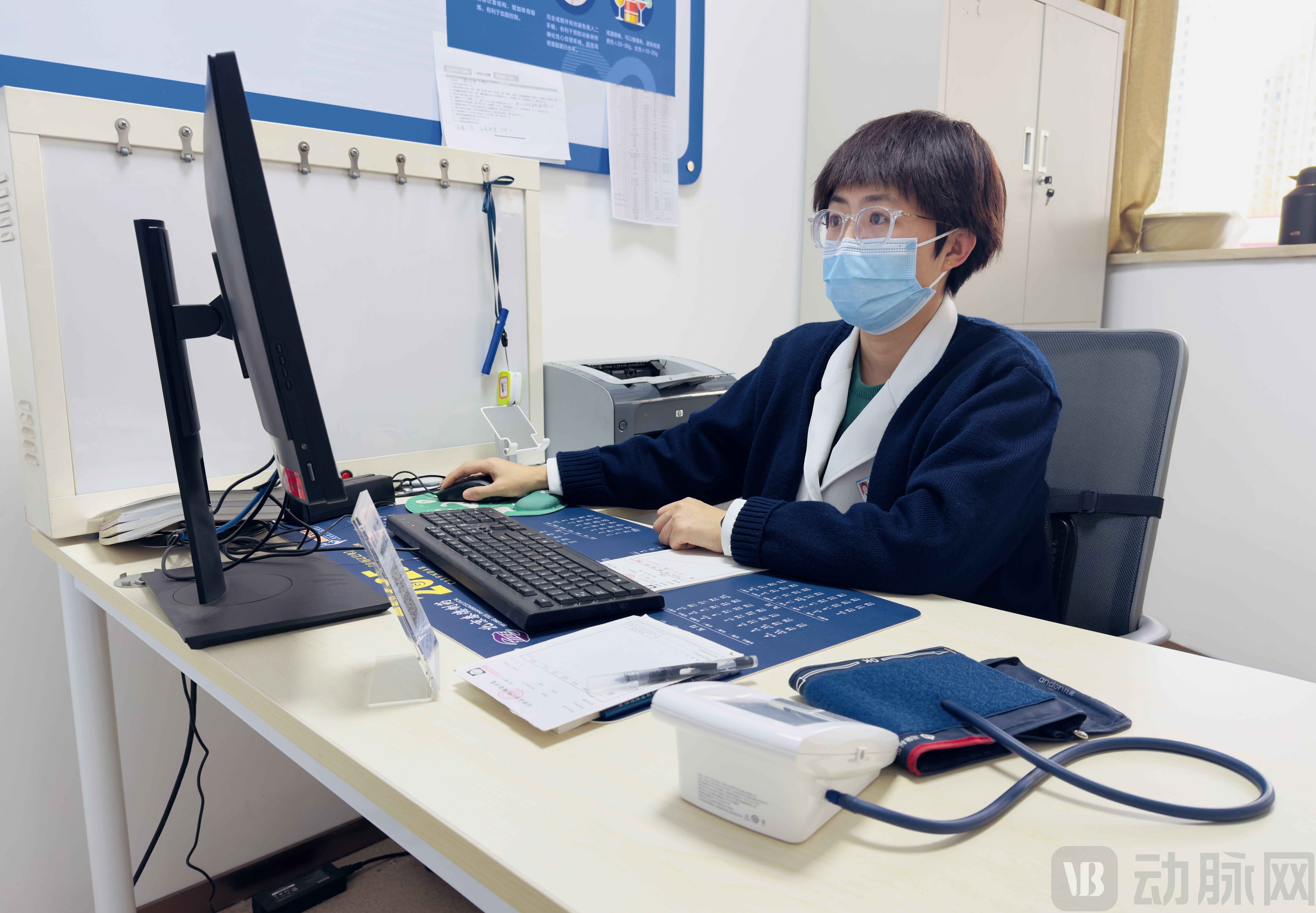
Zhou Xinwen
The Community Health Service Center of Zhongbei Town in Xiqing District is one of the primary healthcare institutions in Tianjin that early on signed agreements with WeDoctor Holdings to establish a Healthcare Consortium. As early as 2020, it issued the first Healthcare Consortium prescription. Over the past few years, the Healthcare Consortium model has tangibly enhanced the center’s diagnostic and treatment capabilities. The introduction of “AI Doctors,” in particular, has left a deep impression on Zhou Xinwen.
The most tangible change is the enhancement of diagnostic, treatment, and prescribing capabilities among primary care physicians. Zhou Xinwen stated that in clinical practice, new drugs are continually emerging, and clinical practice guidelines are constantly updated. Compared with secondary and tertiary hospitals, primary care physicians see fewer patients and may occasionally encounter medications they have never seen before. In the past, when faced with such situations, they had no choice but to refer patients back to secondary or tertiary hospitals for further consultation and medication dispensing. The deployment of “AI Doctors” has improved this situation: by integrating the patient’s latest disease progression and physiological indicators, and based on the most recent clinical guidelines and expert consensus, the system recommends comprehensive and cost-effective medication reference plans. This assists primary care physicians in providing precise, standardized diagnostic, treatment, and medication regimens for their patients.
“‘AI Doctor’ is embedded in our existing operating system, making it simple and convenient to use. With its assistance, our capacity to serve patients has improved, which is beneficial for both doctors and patients,” said Zhou Xinwen.
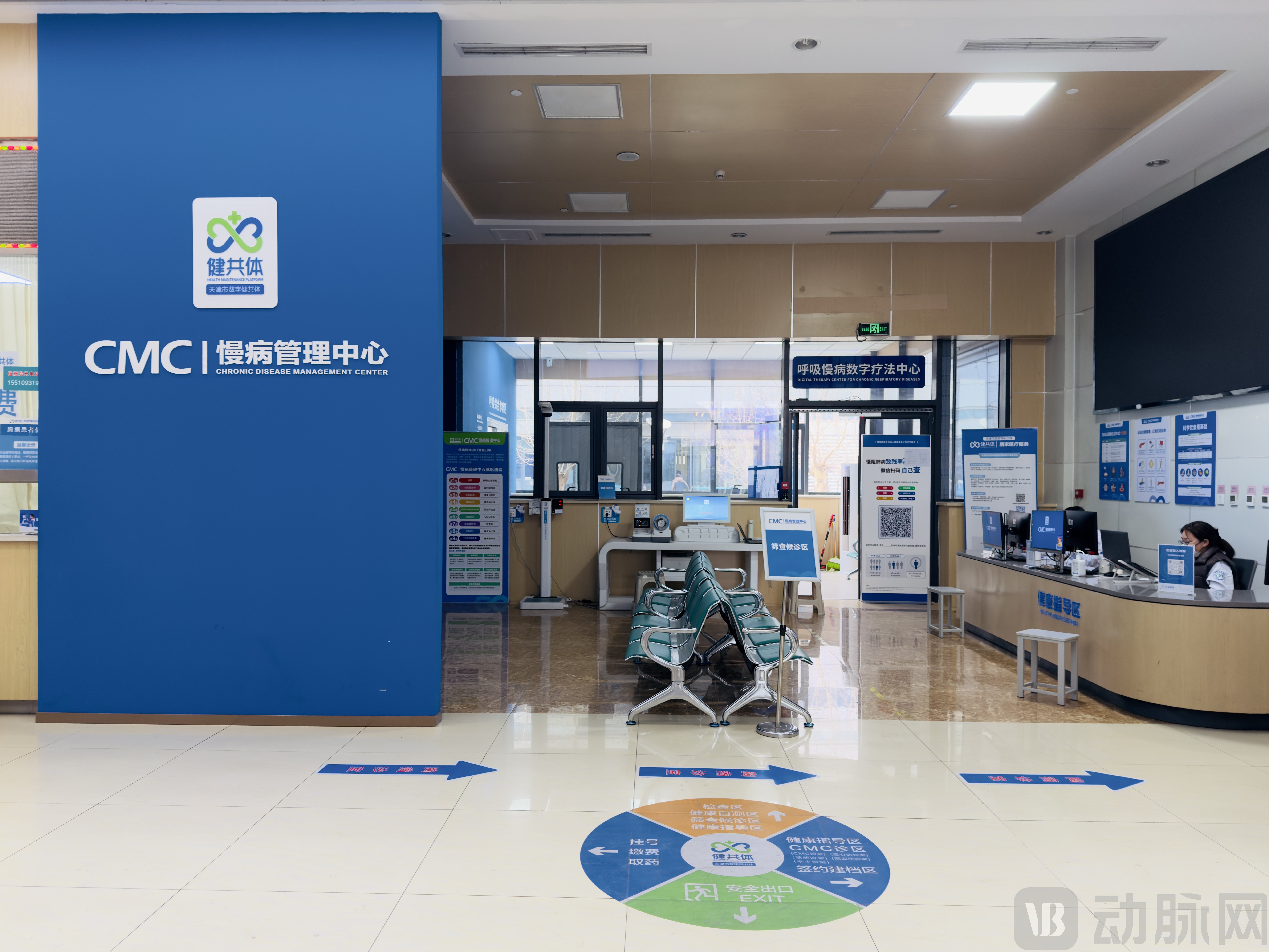
Meanwhile, the hospital’s insurance claim denial rate has also decreased significantly. In recent years, the accelerated aging of the population, the rising incidence of chronic diseases, and the continuous introduction of new drugs and technologies have placed increasing pressure on the stable operation of medical insurance funds. Zhou Xinwen explained that due to variations in medical insurance policies across different regions and populations, physicians may encounter claim denials when prescribing medications because they are unfamiliar with the latest regulatory rules, resulting in financial losses for hospital operations.
“In the past, we printed out error-prone audit rules and posted them next to our computers as constant reminders. Now, AI intelligently integrates medical management, rational drug use, and health insurance regulatory audit rules into a real-time, efficient risk control engine. When we prescribe medications, it provides pop-up alerts that help us directly reduce the risk of claim denials by health insurance. The rights and interests of both patients and hospitals are effectively safeguarded, and the efficiency of our diagnostic and treatment services has been optimized,” said Zhou Xinwen, demonstrating the system as he spoke.
Qiang Wei, a 64-year-old patient with diabetes, is enrolled in the family doctor program at the Chronic Disease Management Center of the Zhongbei Town Community Health Service Center. After completing her routine weekly check-ups, she receives a report jointly generated by “AI Health Management” and health managers. This report not only includes an analysis of her historical blood glucose trends and personalized precautions but also provides dietary, exercise, and other recommendations tailored to her current health status.
“Since signing up, I’ve felt that the family doctor team has truly been ‘managing’ my care. This gives me a warm feeling and greater motivation to stick with my blood sugar control,” said Qiang Wei.
Zhang Yu, Deputy Director of the Zhongbei Town Community Health Service Center in Xiqing District, stated that the application of AI technology is effectively enhancing efficiency across the entire process of diagnosis, treatment, and health management, improving patient experience, and reducing potential risks for physicians.
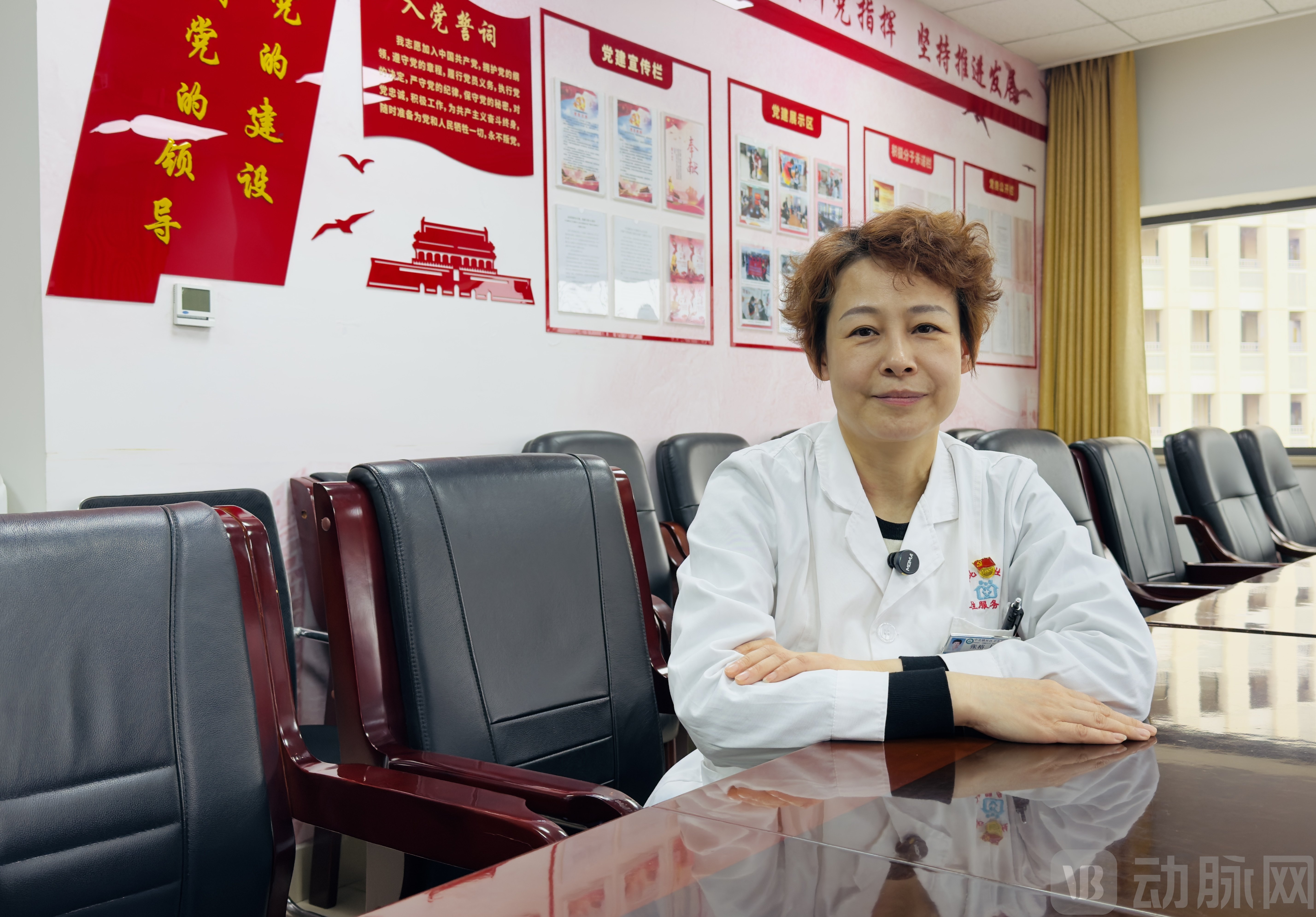
Zhang Yu
“Primary care hospitals like ours primarily serve patients with chronic diseases, who require daily management and intervention, as well as sustained improvements in treatment adherence. With the assistance of ‘AI Health Management,’ we can provide more comprehensive care, such as implementing tiered management based on health indicators and developing personalized health management plans for patients. Patients also feel constantly monitored and cared for, which enhances their trust in us and their willingness to engage in self-management,” said Zhang Yu.
“Where Is the ‘Tianjin Experience’ Headed?”
During the 2025 "Two Sessions" in China, the Government Work Report highlighted one of this year’s key tasks as “stimulating innovation vitality in the digital economy. Continuously advancing the ‘AI Plus’ initiative to better integrate digital technologies with manufacturing and market advantages, and supporting the widespread application of large models...” Zhang Jun stated that WeDoctor Holdings’ current strategic direction in “AI + Healthcare” aligns closely with this deployment, significantly strengthening the company’s confidence and determination in deepening its engagement in the AI healthcare sector.
Building on the achievements of reform, what direction will AI-driven healthcare take in the future? How will the AI General Hospital evolve? And how will WeDoctor Holdings continue to deepen its expertise and maintain its leading position?
In the field of AI-driven healthcare, WeDoctor Holdings will further develop and enhance its AI General Hospital, continuously optimize its industry-leading large language models, and deeply integrate the capabilities of cutting-edge AI technologies with the rigor of medical practice by leveraging high-quality medical knowledge and data. Through continuous validation and enhancement in real-world business scenarios, WeDoctor aims to truly become a pioneer and leader in the intelligent transformation of the healthcare industry.
Yan Jinhong stated, “The four AI agents embedded in the AI General Hospital are all developed and deployed in compliance with China’s existing laws and regulations. Taking the AI Doctor as an example, the clinical diagnosis and treatment pathways were jointly refined with WeDoctor Holdings by national-level expert teams specializing in relevant disciplines and disease categories. Only after extensive, in-depth discussions with these expert teams, and with the support and validation of substantial professional diagnostic and therapeutic data, did we transform the potential treatment plans generated by the model into clinically feasible diagnosis and treatment protocols.”
Mr. Zhang stated, “The profound value of the ‘Tianjin Experience’ lies in leveraging new-quality productive forces to drive the deepening of healthcare reform. Currently, multiple cities across China are successively signing strategic cooperation agreements with WeDoctor Holdings. The ‘Tianjin Experience’ serves not only as a business model for WeDoctor Holdings but also as a typical case of new initiatives in national healthcare reform. These achievements are inseparable from Tianjin’s innovative and inclusive business environment.”
“When technology meets compassion, healthcare guardianship gains warmth. We will use AI technology to illuminate the light of humanism—making quality healthcare accessible and tangible, and letting the light of technology shine into every corner that needs warmth,” said Zhang Jun.