

HuiXin Health Files IPO Prospectus: AI-Powered 'Emotion Meter' for Depression Based on Wearable Dynamic Physiological Monitoring
When a teenager is diagnosed with depression after prolonged low mood, they may have already endured months of suffering; when an elderly person shows signs of cognitive decline, the optimal window for intervention has often been missed; when professionals repeatedly seek medical care for gastrointestinal discomfort triggered by anxiety, they may never realize that the root cause is psychological.... The insidious nature of mental health issues, the subjectivity of diagnosis, and the lag inherent in traditional scale-based screening are becoming core pain points in the global mental health field.
“The diagnosis of mental disorders still relies heavily on physicians’ experience and patients’ subjective descriptions, lacking objective evidence. What we aim to do is to quantify mental health status using objective physiological indicators—much like a thermometer measures fever—thereby guiding precise, individualized treatment,” said Wang Yuxuan, CEO of Huixin Health, defining the company’s mission in an interview.
Huixin Health is one of the few tech enterprises in China to approach the diagnosis and treatment of mental health conditions from the perspectives of rigorous medical technology and physiological signals. Its core team comprises psychiatric experts, bio-algorithm engineers, and artificial intelligence scientists. After nearly a decade of research and development, the company has built an objective quantification system for emotions, underpinned by the “Zhuangzhou Mind-Body Large Model—Physiological Indicators + Longitudinal Monitoring,” which currently covers six major conditions, including depression, anxiety, and sleep disorders. As mental health issues increasingly become a public health challenge, how will this company leverage technological innovation to reconstruct the diagnostic and therapeutic model for mental health conditions? Furthermore, can its commercialization strategy break the industry’s predicament of “critical acclaim but poor market adoption”?
The Pain of Diagnosis: When “Subjective Experience” Meets “Complex Comorbidities”
Global mental health challenges are becoming increasingly severe. According to data from the World Health Organization, nearly 1 billion people worldwide suffer from mental health disorders, yet more than 70% of these patients do not receive effective diagnosis and treatment. In China, the lifetime prevalence of depressive disorders is 6.8%, and that of anxiety disorders is 7.6%. However, there are only 64,000 psychiatrists in the country, with fewer than half the number of doctors per 100,000 people compared to international standards.
Traditional psychiatric diagnosis relies primarily on physician interviews, completed through symptom checklists and scale-based scoring; however, this process has three major limitations:
High subjectivity: Patient self-reports are susceptible to social desirability bias, prejudice, and cognitive status.
Insufficient Quantification: Difficulty in objectively quantifying the severity of the condition and the efficacy of medications;
Low Efficiency: The initial consultation between a psychiatrist and a patient often takes more than one hour, resulting in high time costs.
“During clinical consultations, patients may conceal symptoms due to stigma or fail to accurately recount their medical history because of memory bias. Furthermore, conditions such as depression and anxiety are often comorbid with cardiovascular and gastrointestinal disorders, further complicating differential diagnosis.”
Modern medicine has long been dedicated to the search for biomarkers. However, progress in psychiatry has been less than satisfactory. Unlike most somatic diseases, which have established “population-based normative standards,” mental health conditions often exhibit high heterogeneity. Taking depression as an example, some patients experience hypersomnia, while others suffer from insomnia; some become withdrawn and taciturn, while others present with agitation and anxiety. Only through long-term monitoring to establish a “personal health baseline” for each patient can clinicians be assisted in formulating targeted treatment plans.
This technology acts as an “invisible doctor,” continuously recording patients’ behavioral and physiological data to provide clinicians with objective, accurate information, thereby facilitating more precise diagnoses and the formulation of more effective treatment plans. During consultations, physicians can access visualized charts of patients’ daily data (such as sleep cycle graphs and activity heatmaps) to rapidly identify issues; furthermore, discussing treatment options in conjunction with this data enhances patients’ understanding of their condition and improves treatment adherence.
“Just as cardiologists rely on electrocardiograms, we aim to establish objective ‘clinical laboratory standards’ for mental health based on physiological indicators,” explained Wang Yuxuan. To this end, Huixin Health has assembled an interdisciplinary team comprising experts in psychiatry, psychology, biological algorithms, biomedical engineering, and AI big data, with stable collaboration spanning nearly a decade.
Currently, Huixin Health’s technology has been validated on a small scale and has accumulated over 20,000 clinical cases across multiple disease indications. Notably, it has demonstrated significant efficacy in the objective assessment of emotion-related disorders, such as depression, anxiety, and sleep disorders.
A study showed that the physiological detection accuracy of this technology achieved an 89.3% concordance rate in back-to-back comparisons with a panel of senior clinical experts, even outperforming frontline primary care physicians. This achievement lays a solid foundation for Huixin Health’s future large-scale clinical validation and application.
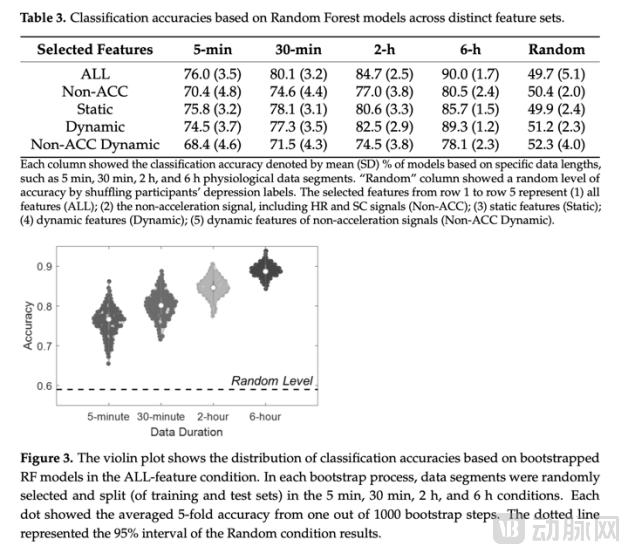
(Shui. X., et al, 2025)
Zhuang Zhou Mind-Body Large Model: Starting with Objective Quantification
With clear pain points, both the market and the public health system, which has raised alarms, are calling for a system capable of objectively quantifying mental and psychological states. This is precisely the original intention behind Huixin Health’s core technology—the Zhuangzhou Mind-Body Large Model.
The Zhuang Zhou Mind-Body Large Model has chosen the direction of autonomic nervous system state measurement and biorhythm monitoring. Extensive basic and clinical research indicates that the hypothalamic-pituitary-adrenal (HPA) axis of the neuroendocrine system is closely linked to the autonomic nervous system, jointly regulating the body’s stress response and various physiological and psychological functions, thereby playing a crucial role in emotion regulation. Meanwhile, the circadian rhythm system primarily influences human emotions and psychological states by affecting neurotransmitter secretion, hormonal balance, and neural activity in the brain. Sleep disorders and disruptions in circadian rhythms are closely associated with mental health issues such as depression, anxiety disorders, bipolar disorder, and schizophrenia.
Taking depression as an example, studies have found that circadian rhythm disruption is prevalent among patients with depression and constitutes a key clinical feature and one of the pathophysiological mechanisms of the disorder. It is closely associated with the onset, clinical manifestations, comorbidities, prognosis, recurrence, and social functioning in depression. Research indicates that depressed patients exhibiting evening chronotype, disrupted sleep-wake rhythms, excessive daytime sleepiness, and diurnal or seasonal mood variations tend to have more severe disease, poorer treatment response, higher suicide risk, more residual symptoms, and lower remission rates.
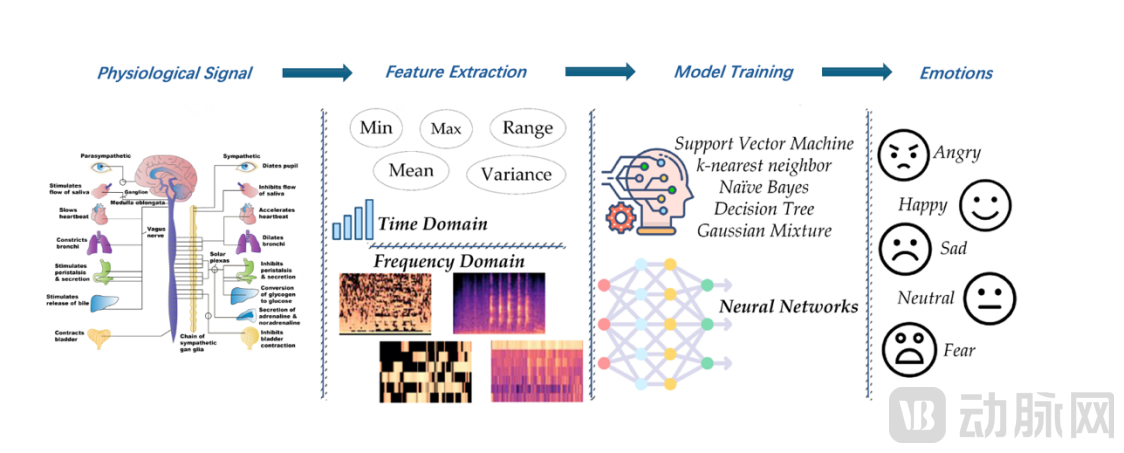
From technology to a finished product, there is yet another hurdle to overcome.
When conducting long-term sampling in real-world daily scenarios, the Huixin Health team encountered the challenge of uncontrollable conditions, including motion artifacts, complex detection environments, and high noise levels. To overcome these difficulties, the team conducted in-depth research and development across biological algorithms, hardware, and software. They continuously iterated multimodal fusion analysis technologies (integrating physiological, psychological, and behavioral data) and focused on biometric feature recognition technologies and algorithmic models for mental disorders. This approach enhanced their ability to calibrate software and hardware for diverse scenarios, enabling the rapid development of corresponding product solutions.
In advancing the clinical interpretability of its technology, the team has undertaken extensive efforts. The rigor of medical practice demands that new technologies undergo stringent evidence-based processes before being applied in clinical settings. Huixin Health has addressed challenges in hardware, software, and algorithms by starting with foundational underlying technologies. It has demonstrated clear efficacy in the objective measurement of conditions such as depression, gaining recognition from clinical experts and publishing a series of academic papers. Currently, Huixin Health is promoting large-scale, multi-center clinical studies across multiple disease types to establish expert consensus, thereby facilitating widespread adoption and ultimately enabling inclusion in clinical practice guidelines.
The Evidence-Based Path from Personalized Diagnosis to Precision Therapy
The ultimate goal of all precision diagnostics is to better serve treatment.
Integrating interdisciplinary technologies such as multimodal perception, brain-computer interfaces (BCI), affective computing, and artificial intelligence (AI), along with multi-center clinical research findings, Huixin Health has revolutionized the field by establishing a precision personalized AI-adaptive biofeedback system grounded in evidence-based medicine. Leveraging non-invasive neural measurement technology based on wearable mobile sensing, the system integrates medical-grade, high-precision multi-parameter physiological monitoring into wearable terminals. This innovation brings brain science out of the laboratory, enabling continuous measurement of neurophysiological indicators and capturing human biorhythm characteristics, thereby significantly enhancing therapeutic efficacy in specific scenarios. By employing AI algorithms to adaptively adjust to individual physiological response patterns, the system delivers fully personalized treatment protocols. Its precision, efficiency, and accessibility enhance the availability of innovative technological applications, delivering value across diverse settings both within and outside hospital environments.
Vast Market: From Clinical Healthcare to Broad Mental Health Scenarios
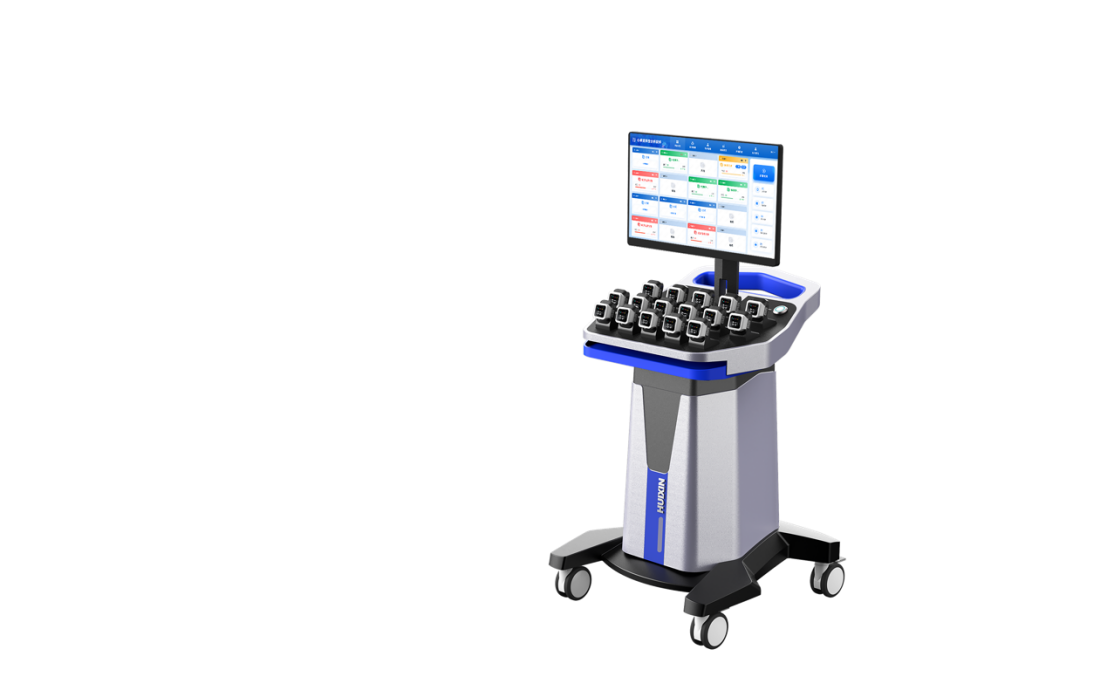 Product Form, Image Source: Huixin Health
According to the national epidemiological survey results published by Peking University Sixth Hospital in The Lancet Psychiatry, the lifetime prevalence of mental disorders among adults in China is 16.6%, affecting approximately 190 million people. Among them, 77.5 million suffer from depression, 86.6 million from anxiety disorders, and more than 200 million from sleep disorders, imposing a substantial societal burden. These populations are treatable and possess both the willingness and ability to pay for care; however, current diagnostic and therapeutic approaches remain traditional and monolithic, representing a vast market urgently in need of innovative technologies.
The National Health Commission has designated 2025–2027 as the “Year of Pediatric and Mental Health Services,” requiring that each prefecture-level city have at least one hospital offering psychological and sleep disorder outpatient services.
Driven by the dual forces of market demand and policy requirements, the promotion of innovative technologies in psychiatric diagnosis and treatment is imminent.
Huixin Health bridges the gap left by previous brain science technologies, which struggled to move beyond the laboratory and achieve truly “non-invasive” detection. Committed to building an objective, quantifiable system of physiological biomarkers and personalized mind-body large models, Huixin Health aims to establish a standardized and quantitative indicator system for mental disorders and mental health issues based on these objective physiological biomarkers. Furthermore, it develops personalized intervention plans grounded in this quantitative framework. This approach helps improve the accuracy and efficiency of clinical diagnosis for mental disorders and enables low-cost, widely accessible applications across tertiary prevention systems, out-of-hospital screening, and routine follow-ups for community-based psychiatric rehabilitation populations.
Furthermore, this technology will be extended to multiple industry scenarios, including education, management of socially at-risk populations, workplace safety, elderly care, occupational mental health, and military applications. Currently, Huixin Health has successfully implemented its products and technical services in areas such as occupational mental health for state-owned enterprises, workplace safety, judicial supervision facilities, and military applications, establishing benchmark demonstration projects.
In the future, by leveraging the model of serious medical care to influence the broader health consumer base, we will create a “smart emotional thermometer” for mentally healthy populations.
The project is currently open for financing; discussions and exchanges are welcome.