

Accelerating Global Expansion in MedTech and Life Sciences: Amazon Web Services' End-to-End Empowerment Strategy
When Going Global in the Pharmaceutical and Healthcare Sector Is No Longer Novel, What Else Can We Discuss?
Is it the sheer scale of export volume, or the boundless opportunities in overseas markets? According to Statista data, the global medical device market reached $566.2 billion in 2023, more than ten times the size of the domestic Chinese market. Meanwhile, driven by factors such as intensifying competition within the domestic market and accelerated innovation among domestically produced pharmaceuticals and medical devices, the international expansion of these products has shown a sustained positive trend. Taking medical devices as an example, the export value of domestically produced devices reached $35.34 billion in the first three quarters of 2024, representing a year-on-year increase of 4.4%.
In addition, the structural and model upgrades of Chinese pharmaceutical and medical device companies expanding into overseas markets have been frequently mentioned. Just asAs Zhang Zhan, Head of Healthcare and Life Sciences at Amazon Web Services (AWS), shared: “Currently, the global expansion of the healthcare and life sciences industry is undergoing several major changes: first, target overseas markets are becoming more diversified; second, the internationalization of Chinese pharmaceuticals and medical devices has shifted from a previous focus on ‘cost-effectiveness’ to one emphasizing ‘more cutting-edge capabilities.’”

Zhang Zhan, Head of Healthcare and Life Sciences at Amazon Web Services
Amid the optimism, Zhang Zhan also candidly acknowledged that medical and life sciences companies expanding overseas currently face two major challenges: navigating market access and regulatory hurdles across different regions, and rapidly building local teams to support operations in unfamiliar markets.
Furthermore, as digital practices in the medical and life sciences industries advance from isolated segments to deep integration across the entire value chain, and as generative AI moves beyond theoretical discussion to practical application, how can these new applications of emerging technologies empower Chinese medical and life sciences companies in their global expansion? What specific challenges can they help these companies better address?
These challenges are driving the industry to seek solutions, and have also drawn the attention of Amazon Web Services (AWS), which has long been committed to helping customers achieve business growth in the global market.As a global leader in cloud computing services, Amazon Web Services held the “2025 AWS Global Expansion Conference and ‘Hoist the Cloud Sails, Health Without Borders’ Medical and Life Sciences Industry Forum” on April 16.
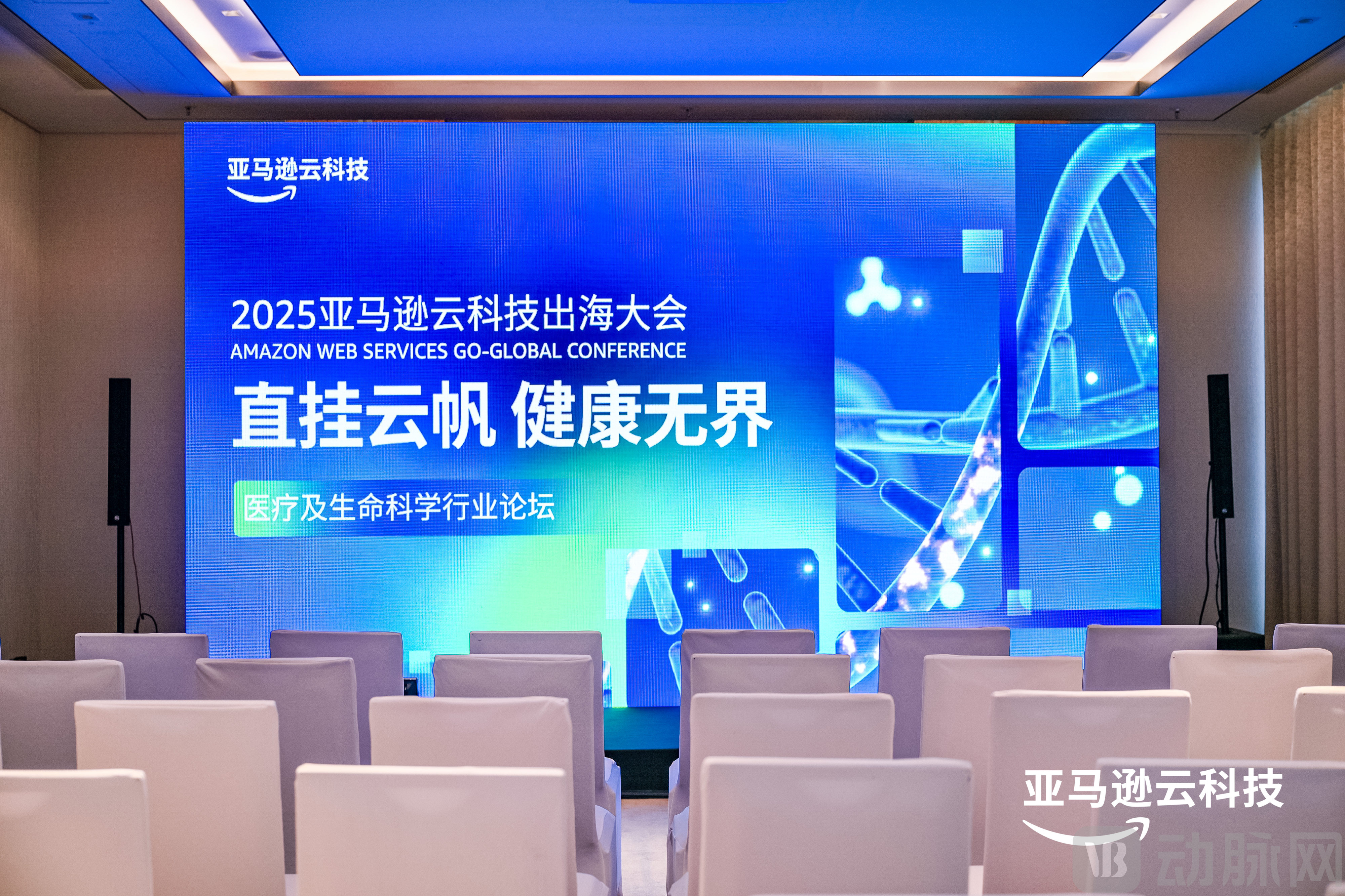
On the day of the conference, Huang Qingchun, Senior Director of Healthcare and Life Sciences Solutions at Amazon Web Services (AWS), provided a detailed overview of AWS’s end-to-end acceleration solution for global expansion in the healthcare and life sciences sectors. AWS ecosystem partners also shared industry insights and practical experience.
100,000+ enterprises served; end-to-end empowerment for global business expansion
In recent years, dramatic shifts in the external environment have sparked a new round of reflection within the healthcare and life sciences industries: Should companies continue to pursue global expansion? How should new internationalization strategies be formulated? And how can businesses maintain stability and resilience while achieving sustained innovation amid changing external conditions?
Huang Qingchun, Senior Director of Healthcare and Life Sciences Solutions at Amazon Web Services (AWS), raised the aforementioned questions, thereby kicking off the sharing session.
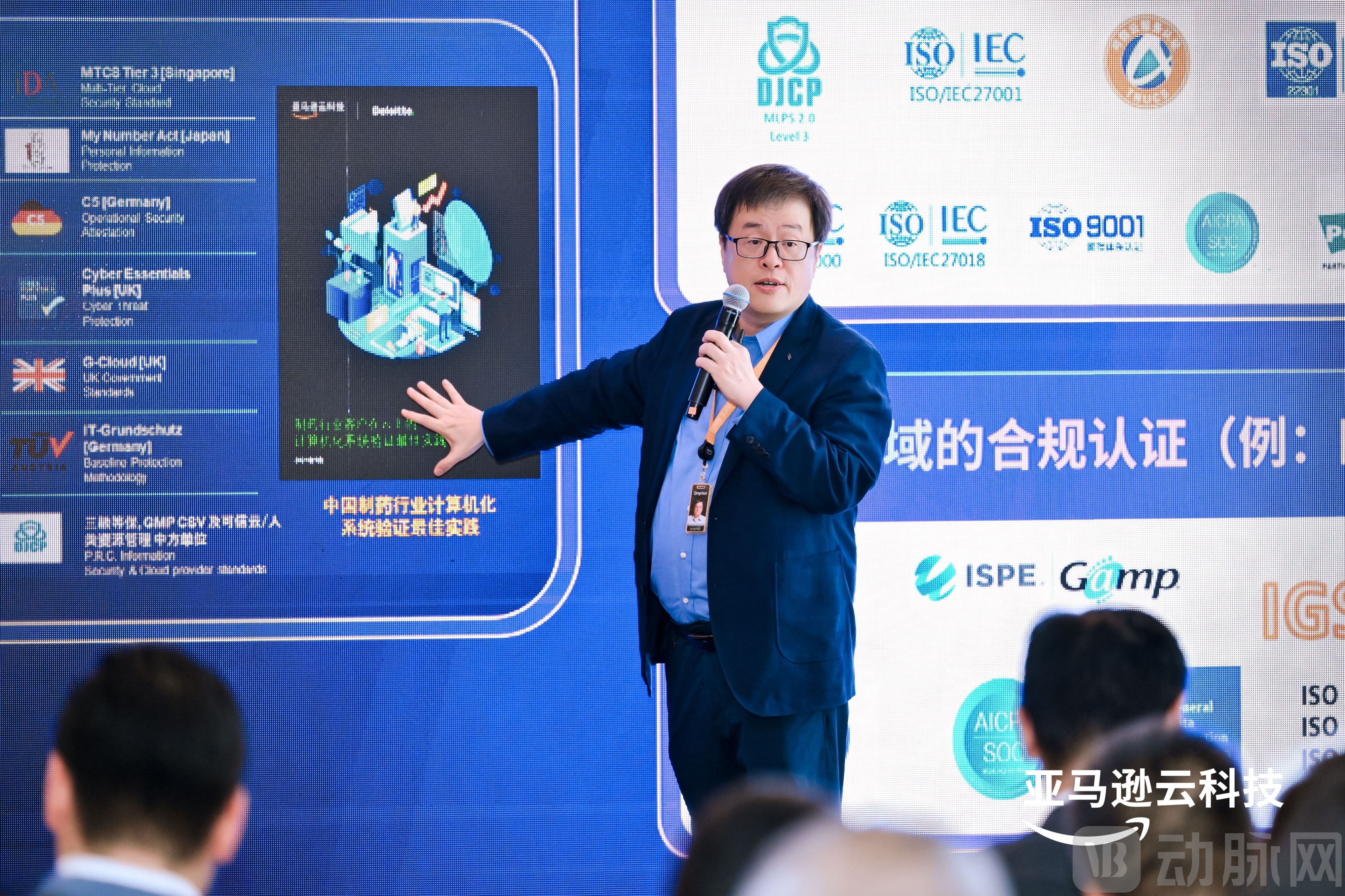
Huang Qingchun, Senior Director of Healthcare and Life Sciences Solutions at Amazon Web Services
In Huang Qingchun’s view, on the one hand, going global has become an inevitable trend for the medical and life sciences industries, driven by the vast market size and substantial opportunities overseas; on the other hand, regulatory compliance requirements for market access of pharmaceuticals and medical devices are becoming increasingly stringent not only in developed regions such as Europe and the United States, but also in emerging markets including the Middle East and Southeast Asia. This is prompting Chinese pharmaceutical and medical device companies to enhance their compliance awareness, while also strengthening their core competitiveness and even cultivating differentiated advantages.
In this regard,To address the diverse challenges encountered by Chinese medical and life sciences enterprises in their global expansion, Amazon Web Services has developed end-to-end solutions to accelerate the internationalization of Chinese pharmaceuticals and medical devices.
First, in terms of target market selection, leveraging artificial intelligence, AWS provides customers with three analytical services: first, research and analysis of the target market, primarily covering market size, competitive landscape, tax policies, and population disease profiles; second, analysis of regulatory policies regarding import licenses, product certifications, and registration requirements in the target market; and third, analysis of product localization strategies, including supply chain management, mergers and acquisitions, and payment solutions.
In other words, from market conditions such as market size and competitive landscape, to product approval and review processes like registration and certification, and finally to commercialization, Amazon Web Services (AWS), empowered by artificial intelligence, can rapidly provide customers with comprehensive analysis of target markets and identify the most suitable ones for their needs.
Secondly, in terms of compliance, there are currently over 300 security and compliance standards worldwide, with a sheer volume and complexity that is beyond imagination. In response, AWS has obtained more than 140 security and compliance certifications, including over 50 specific to the healthcare and life sciences industry. This empowers enterprises to rapidly achieve full compliance for foundational software and application deployments when entering new markets.
It is worth noting that, in terms of compliance, Amazon Web Services (AWS) is also actively exploring the practical application of generative AI. It can not only flag risks of regulatory violations but also issue alerts for scenarios that defy natural laws. For example, the statement “Li Hu is a 73-year-old child” would be flagged by the system with a risk warning.
Once again, as previously mentioned, maintaining business stability amidst drastic policy changes and even natural disasters is a critical consideration for medical and life sciences companies committed to global expansion. Amazon Web Services provides comprehensive solutions to address this challenge.
In terms of infrastructure, AWS has established 114 Availability Zones across 36 Regions worldwide. Each Region comprises at least three Availability Zones located approximately 60 kilometers apart, enabling shared utilities (water, electricity, oil, and gas) and natural disaster redundancy, thereby minimizing the impact of natural disasters.
Meanwhile, Amazon Web Services (AWS) also supports enterprises in migrating their core business systems, such as ERP and CRM, to AWS to ensure application resilience. To date, more than 5,000 multinational customers across various industries have deployed their core systems, including ERP and CRM, on AWS.
In addition, AWS Marketplace is accelerating partner performance growth in both international regions and the China Region. To date, AWS Marketplace has aggregated more than 30,000 products across 70 categories from over 5,000 partners worldwide, becoming a key channel for streamlining enterprise procurement processes, expanding into global markets, and driving the rapid adoption of AI. Functionally, AWS Marketplace offers four comprehensive capabilities—search, purchase, deployment, and management—and continues to introduce new features to optimize the experience for both sellers and buyers.
Finally, in pursuing sustainable innovation and development, Huang Qingchun emphasized that the emergence of cutting-edge technologies such as generative artificial intelligence has injected new momentum into the healthcare and life sciences industry and has become a key trend in its development. Therefore, to meet the diverse innovation needs of different enterprises, Amazon Web Services (AWS) can provide tailored innovation support services.
For enterprises with strong IT and digital capabilities, Amazon Web Services’ Amazon Bedrock offers more than 30 models. On this basis, if an enterprise needs to build its own proprietary models, Amazon Web Services’ Amazon SageMaker can provide support.
For enterprises that place greater emphasis on application-level solutions, AWS has also launched model products specifically designed for the life sciences industry, covering areas such as drug discovery, genomic sequencing (Amazon HealthOmics), medical imaging (Amazon Health Imaging), electronic health records, personal health records (Amazon Health Lake), and voice interaction for wearable devices (Amazon Health Scribe).
For domestic enterprises in China, AWS has launched localized industry-specific services, including the Intelligent Medical Content Generation Center, the Intelligent Healthcare Data Analysis Assistant, the Protein Structure Prediction Workbench, and high-performance computing solutions for new drug development.
To date, more than 100,000 enterprises worldwide have leveraged Amazon Web Services to build artificial intelligence solutions and expand their global businesses.At the conference, Amazon Web Services’ Healthcare and Life Sciences partnership representative also shared industry insights from their perspective, along with global expansion practices enabled by AWS.
From Data to Innovative Drugs and Then to Innovative Medical Devices: Practical Experience Sharing on AWS’s Global Expansion Solutions
As data elements serve as the fuel for the new digital economy era, they have become not only a key factor of production but also a strategic asset. Consequently, countries worldwide attach great importance to the protection of data and privacy security. As of January 2023, 137 out of 194 countries globally had enacted legislation on data and privacy security. Furthermore, relevant indications suggest that nations are continuously enhancing their emphasis on safeguarding data and privacy security.
In this context,Yan Guang, Partner and Cybersecurity Leader for Life Sciences & Healthcare in Deloitte Asia PacificIt is pointed out that Chinese medical and life sciences enterprises face six major challenges in data compliance when expanding overseas: failure to promptly update and synchronize with the evolving privacy regulations and regulatory dynamics in various countries and regions; insufficient understanding and grasp of global data security and privacy protection regulatory requirements by Chinese enterprises; a complex international landscape, where Chinese enterprises encounter stricter standards in certain regions; increasing complexity in cross-border data flow rules, which complicates the selection of overseas business hubs; high costs associated with enterprise security investments; and the lack of a systematic framework for data security and compliance management in overseas operations.
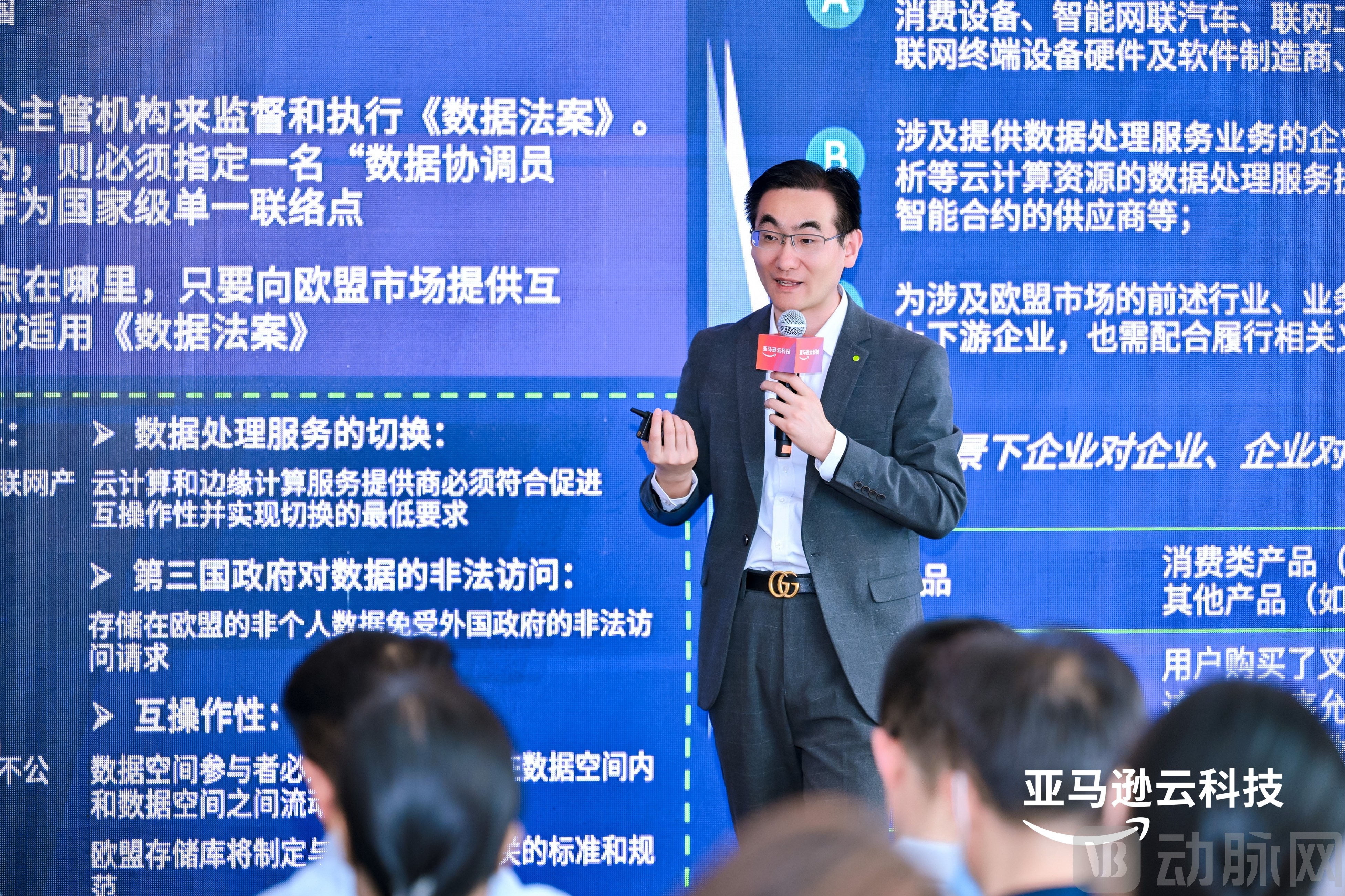
Yan Guang, Partner and Cybersecurity Leader for the Life Sciences & Healthcare Industry, Deloitte Asia Pacific
In this regard, Yan Guang stated that, in addition to adhering to basic compliance obligations such as “obtaining consent from data subjects for the collection of personal information” and “enterprises taking appropriate measures to safeguard information security,” it is also essential to enhance awareness of overseas compliance and establish a systematic compliance framework.
Deloitte and Amazon Web Services have jointly launched the D.PAsS cross-border data privacy compliance solution, which provides compliance self-assessments across three dimensions: an applicability assessment to determine whether GDPR compliance is required, a self-assessment of privacy management capabilities at the entity level, and a compliance self-assessment focused on the implementation layer for systems or products. Each assessment within D.PAsS generates a report detailing specific compliance gaps, recommended actions, and relevant penalty cases, thereby supporting users’ management and decision-making processes.
Wan Yunjun, General Manager of Taimei Medical Technologyshared its practical experience in partnering with Amazon Web Services to empower the global expansion of innovative drugs. Since its establishment in 2013, Taimei Medical Technology has positioned itself as a digital and intelligent operations platform for the life sciences industry, placing significant emphasis on the application of artificial intelligence. In Taimei Medical Technology’s view, AI will increasingly integrate deeply with SaaS and professional services in the future, thereby providing end-to-end intelligent solutions.
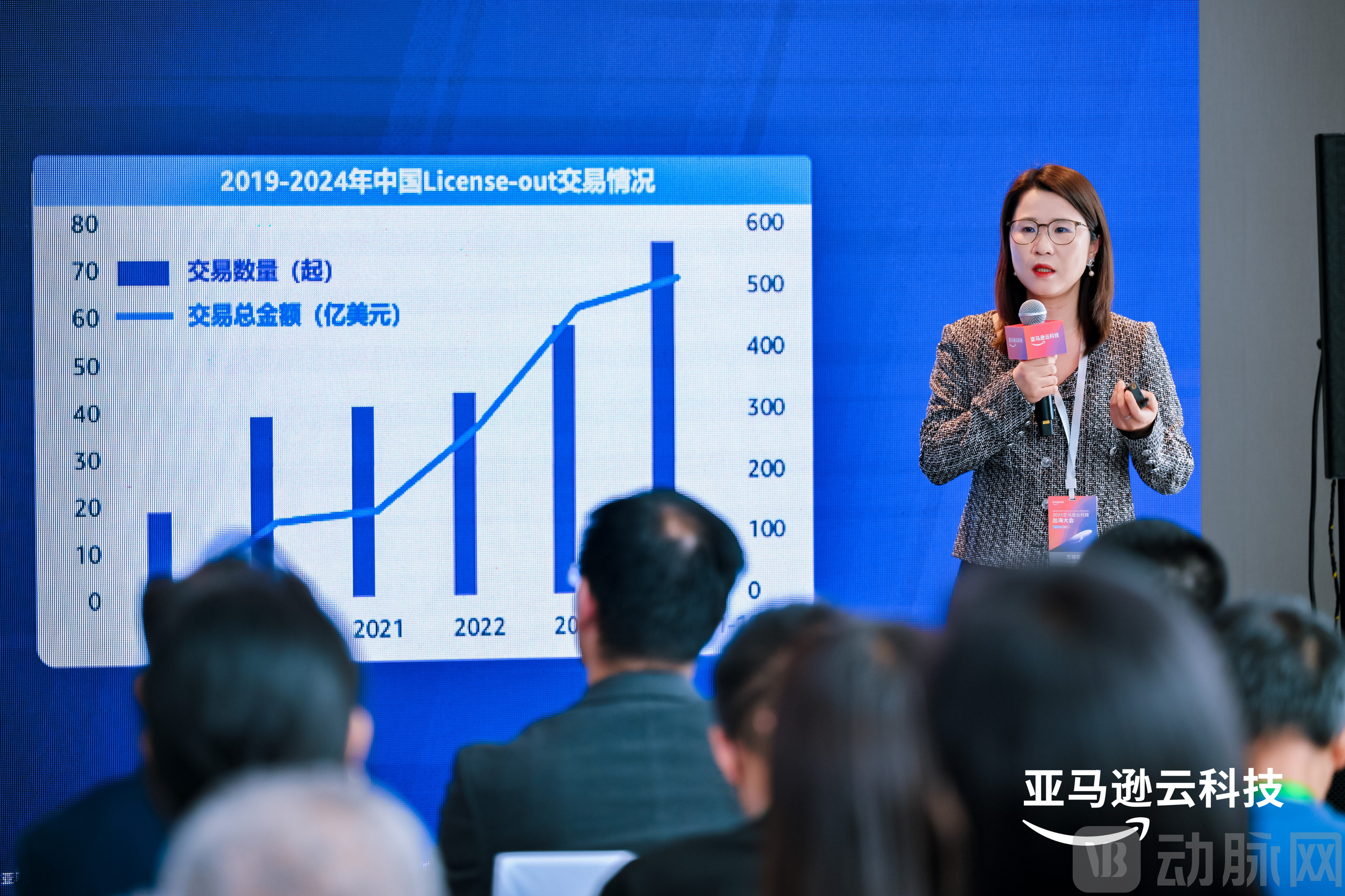
Wan Yunjun, General Manager of Taimei Medical Technology
In terms of global expansion, Wan Yunjun stated that Taimei Medical Technology’s overseas journey dates back to 2019. At that time, similar to the challenges faced by many of its clients, Taimei Medical Technology encountered issues such as selecting target overseas markets and ensuring regulatory compliance. Consequently, the company chose to partner with Amazon Web Services (AWS), drawn by AWS’s global resources and extensive expertise in the pharmaceutical sector. To date, with the support of AWS, Taimei Medical Technology has established two major target markets—Asia-Pacific and Europe/North America—and set up branches in Singapore and the United States, achieving substantial progress in its international business operations.
If the global expansion of innovative drugs is a traditional and hot topic, then the cross-border flow of data value is undoubtedly an emerging trend. “Before data is transferred abroad, processing it to ‘anonymize’ personal and sensitive information significantly reduces the compliance risks associated with such cross-border data transfers (in the form of data insights or results) compared to transferring raw data.”Luo Zhen, President of Yifang Health DataAs stated above.
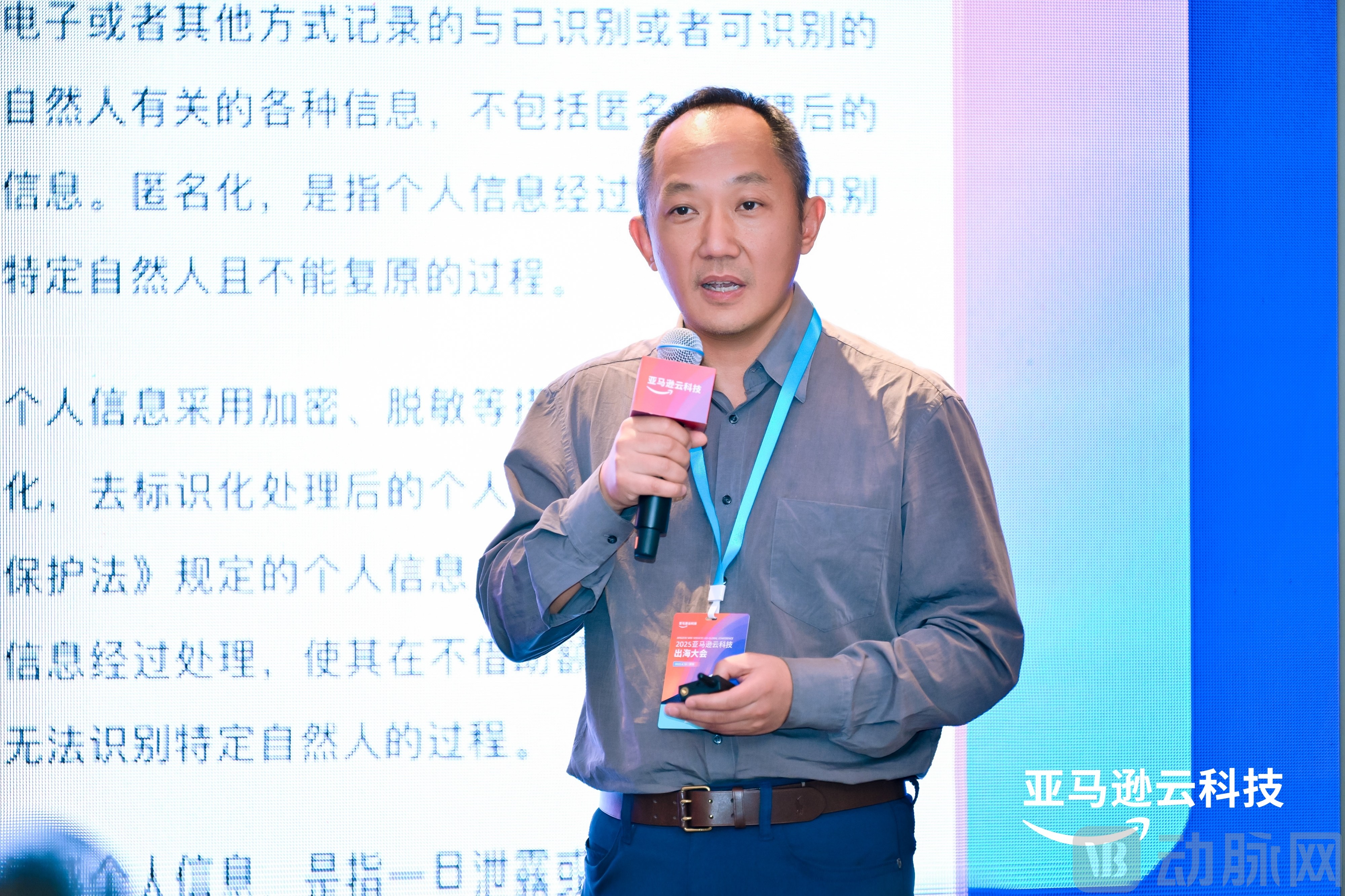
Luo Zhen, President of Yifang Health Data
In response, Yifang Health Data has partnered with Shanghai Lingang Cross-border Economic Development Co., Ltd. to launch cross-border data value product services. By comprehensively employing methods such as data de-identification, application auditing, scenario establishment, secure sandbox computing, and result auditing, the solution achieves anonymization of both the personal data processing workflow and its outputs, thereby transforming the “cross-border transfer of sensitive personal data” into the “cross-border transfer of general data.”
Amazon Web Services (AWS) also provides support in this regard. Specifically, during the “conversion” process, a trusted data space needs to be deployed. For instance, if an enterprise uses AWS for data storage, deploying a trusted data space on AWS will make the operation highly convenient and efficient.
Meng Zhu, CEO of Pure GlobalFocusing on “Global Certification: Empowering Global Clinical Trials and Market Access for Medical Devices,” this article elaborates on how PureCert leverages Amazon Web Services to empower medtech companies with AI-driven innovative practices, enabling them to efficiently achieve global expansion.
Pure Global is dedicated to providing next-generation solutions for the global healthcare and life sciences industries. “As a technology-driven, AI-focused innovative enterprise, Pure Global is redefining the paradigm of globalization in medical technology,” said Meng Zhu. “We leverage advanced AI to integrate global data and expert expertise, developing vertical AI models and tools for the healthcare sector to comprehensively accelerate the entire lifecycle of product development, clinical trials, regulatory compliance, and commercialization.”
She pointed out that medical technology companies expanding overseas commonly face pain points such as complex regulations, communication barriers, lengthy processes, and inefficient documentation. “Leveraging robust data and AI agents, PureCert’s business covers 32 countries, serving over 500 clients and accumulating know-how from more than 1,000 regulatory approvals. By integrating a local expert network, we have built a vertical AI agent model for the medical technology sector to support clients’ global expansion. PureCert has partnered with Amazon Web Services to launch Translate.AI, an intelligent medical translation solution that supports AI-assisted rapid drafting and translation of medical documents, effectively shortening registration cycles and accelerating the global market launch of products.”

Meng Zhu, CEO of Pure Global
How to Better Tap into Overseas Markets? Compliance and Differentiation Will Be Key
At the conclusion of the conference,Han Kun Law Partners partner Duan Zhichao, Baiying Group Operations Director Ai Zhong, BGI Research Special Scientist Li Shengkang, and XtalPi Digital Intelligence Division Head Chen Yongpan engaged in an in-depth discussion on five key topics: the critical window for global expansion in the medical and life sciences sector, the construction of compliance systems, bottlenecks in industrialization and commercialization, and future prospects.

Roundtable Live
Regarding the window of opportunity and overseas prospects, Ai Zhong, Operations Director at Baiying Group, stated that in the short term, the window for Chinese innovative drugs to go global is primarily based on relatively mature technology-driven products, such as antibody-drug conjugates (ADCs) and bispecific antibodies. In the medium to long term, the focus will shift to emerging technologies currently in their nascent stages, such as AI-driven drug discovery and cell and gene therapies. These emerging technologies are expected to achieve significant breakthroughs over the next 5–10 years, potentially establishing global competitiveness akin to that of Chinese-made electric vehicles.
Li Shengkang, a Special Scientist at BGI Research, primarily shared insights on the opportunities for precision medicine to expand into global markets. In his view, there are two main avenues for the future of precision medicine: first, the strategic deployment of differentiated targets; and second, leveraging China’s advantages in frontier technologies to explore non-protein targets, such as non-coding RNA and circular RNA.
In response to heightened compliance requirements, Duan Zhichao, a partner at Han Kun Law Offices, believes that given the current regulatory landscape, stricter compliance standards serve not only as a barrier to entry but also as a competitive moat. Companies should cultivate fundamental compliance awareness and leverage the support of firms like Amazon Web Services (AWS) to meet these elevated requirements. Furthermore, the rising compliance threshold helps weed out lower-end competitors or those with weaker risk awareness, thereby uncovering hidden opportunities.
Chen Yongpan, Head of the Digital Intelligence Division at XtalPi, stated that data security can be categorized into two aspects: how to safeguard data security and how to deliver data security solutions to clients. Having collaborated with Amazon Web Services (AWS) for many years, and with the support of cloud computing service partners including AWS, XtalPi has consistently maintained an industry-leading position in data security and storage.
Regarding the bottlenecks in commercializing products in overseas markets, Ai Zhong, Operations Director at Baiying Group, responded, “Going global is a systematic endeavor, with intellectual property, clinical trial design, comprehensive compliance, and commercial operational networks being the four key pillars.”
Li Shengkang, a Special Scientist at the BGI Research Institute, believes that cost issues, data compliance concerns, and the lack of data standards are the three major technical obstacles facing precision medicine.
As for how the global expansion blueprint of the future medical and life sciences industry will be drawn, the aforementioned companies highlighted two key words—compliance and the creation of differentiated advantages. Furthermore, several companies stated, “Even if differentiation is not achievable, becoming the best player within the same track will certainly present opportunities in the global market!”
Disclaimer: The aforementioned AWS generative AI-related services are available only in AWS regions outside of China. AWS China recommends these services solely to assist you in developing your overseas business and/or gaining insights into cutting-edge industry technologies.