

Dual Drivers of AI Technology and Centralized Procurement Policy Propel Digital-Intelligent Transformation in Medical Device Omnichannel Management
In 2025, the centralized procurement of high-value medical consumables entered an intensive implementation phase. From the national to local levels, the results of multiple procurement batches were rolled out successively.
On one hand, centralized procurement has effectively reduced the financial burden on patients, compelling enterprises to optimize their cost structures and enhance their innovation capabilities; on the other hand, rapid technological iteration is accelerating industry consolidation, with companies possessing core competitiveness leading a new wave of intelligent and efficient development.
Currently, traditional sectors such as orthopedic implants and vascular interventions continue to advance, while emerging technologies like AI and big data are deeply integrated into R&D, production, and supply chain management. This integration is driving the industry’s transition from “passive response” to “proactive optimization.” How to leverage the dual drivers of policy and technology to seize opportunities and address challenges is a core issue that warrants discussion at present.
Against this backdrop, the event “[Rising Winds Over Blue Waves, Setting Sail for New Horizons] 2025 Medical Device Industrial Park Roadshow Series – Shanghai Stop,” jointly organized by Guoke Hengxing, China Merchants Industrial Park, and VCBeat, was successfully held in Shanghai on April 15. The event brought together leading companies such as Boston Scientific, Peijia Medical, Ruijian, Guancheng, Yijiada, and Yisi to explore how digital marketing and AI intelligence can serve as engines to drive new corporate growth amid the context of centralized procurement.
1Exploring Pathways to Break Through Omni-Channel Management and Accelerate the Digital and Intelligent Upgrade of Medical Devices
At the outset of the event, Kong Ning, Head of the Market Operations Department at the Hongqiao Overseas Development Service Center, delivered a presentation titled “Introduction to the Hongqiao Overseas Development Service Center.”
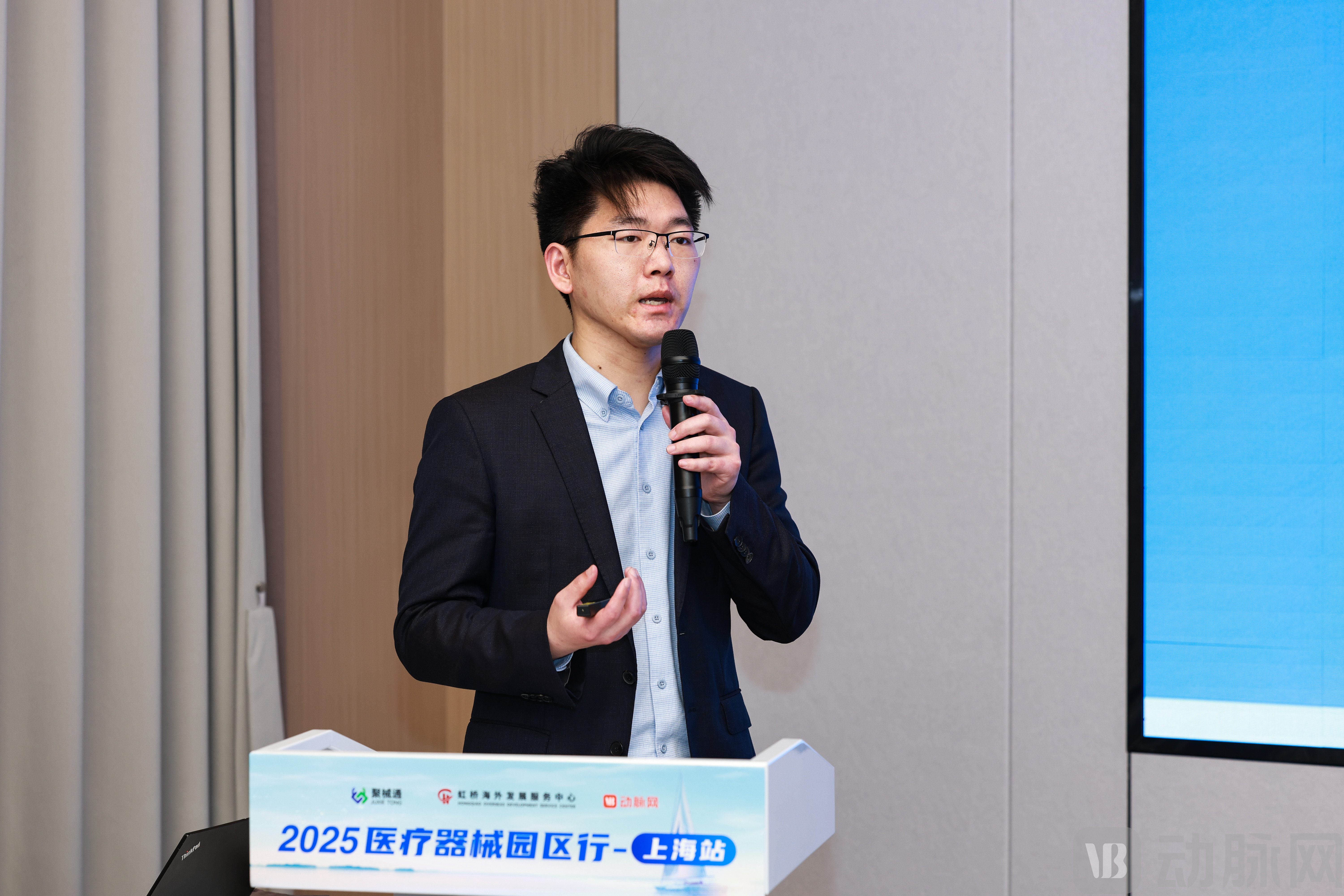
Kong Ning, Director of the Investment Promotion and Public Service Affairs Center of Shanghai Hongqiao Business District
He pointed out that the Hongqiao Overseas Development Service Center is a functional platform supporting enterprises in accelerating their globalization strategies, as well as facilitating high-quality overseas expansion for Chinese-funded enterprises. Leveraging its location in Hongqiao, the Center capitalizes on its advantages as an open hub, its professional service capabilities, and its concentration of corporate headquarters to assist Chinese enterprises in going global. In response to the needs of enterprises expanding overseas, the Center continuously strengthens its four core functions: information dissemination, professional services, project investment, and risk prevention. It has established a “1+3+N” operational framework, providing enterprises with comprehensive, end-to-end services ranging from early-stage strategic management and market research to subsequent company establishment, cross-border capital transfers, localized large-scale operations, and risk control. Over the past year, the Hongqiao Overseas Development Service Center hosted more than 140 events, attracting participation from over 3,800 enterprises.
Mei Song, Director of Channel Intelligence in the Commercial Department at Boston Scientific, delivered a keynote speech titled “Omni-Channel Management of Medical Devices in the New Era of Digital Transformation.”
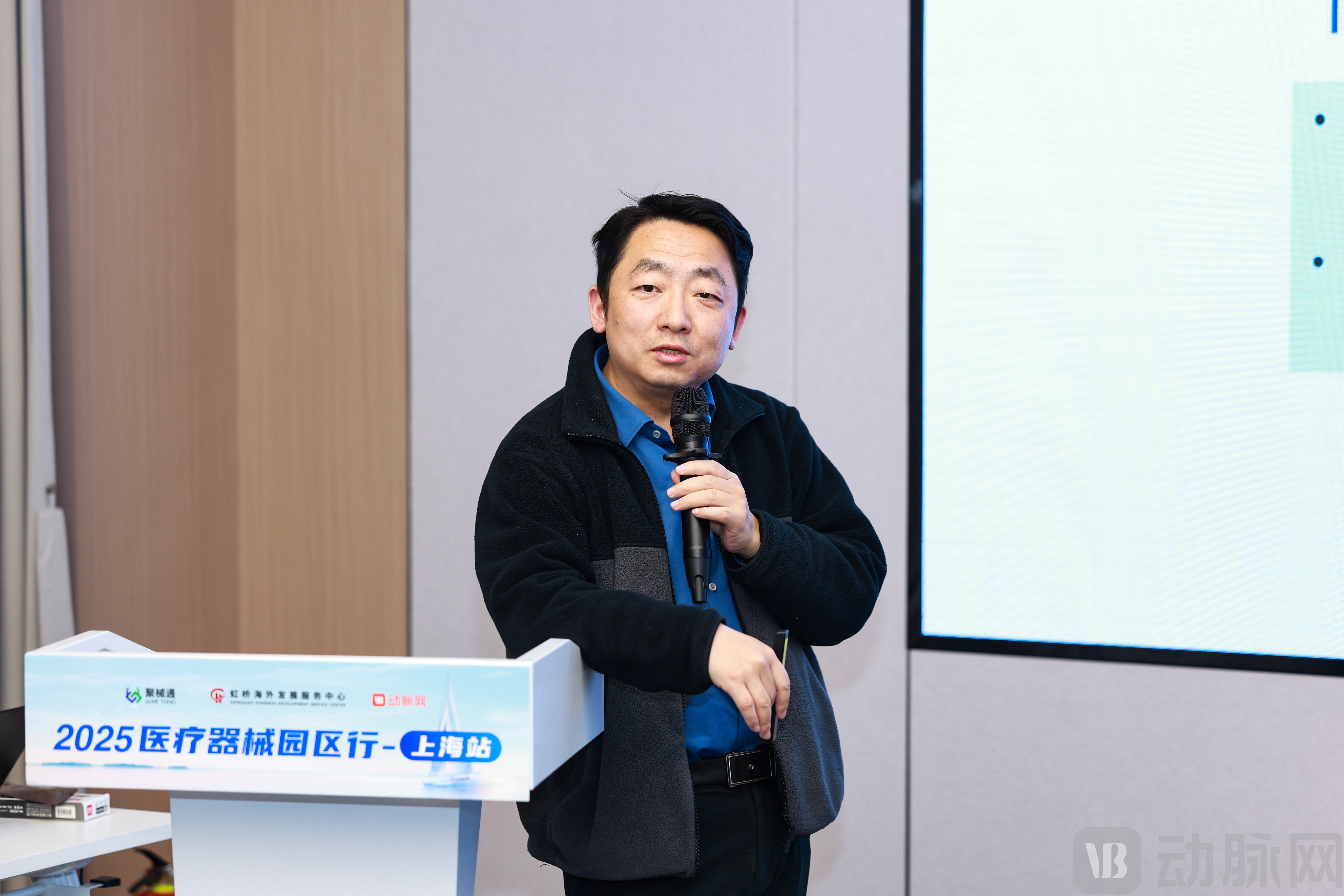
Mei Song, Director of Channel Intelligence, Business Development Department, Boston Scientific
He pointed out that currently, approximately 20% to 30% of medical device distributors are eliminated from the market each year, while new distributors continue to enter, resulting in a frequent turnover of established and new players. This trend poses complex challenges for medical device manufacturers in terms of distributor qualification review, standardization of business practices, and monitoring of contractual performance indicators.
Mei Song believes that the Unique Device Identification (UDI) system can enable effective traceability, but companies must carefully weigh the return on investment. Only when a company’s business volume reaches a certain scale, and its channel inventory days, capital costs, and annual inventory losses due to product expiration reach a significant amount, does using UDI to reduce the proportion of expired products become practically meaningful. Meanwhile, implementing unique item-level coding to enhance product traceability precision allows for accurate monitoring of product inventory dwell time, overcoming the drawbacks of traditional batch number management. This approach plays a vital role in numerous value-creating business scenarios, and distributors should attach greater importance to it.
Mei Song stated that the digital technologies involved in omnichannel management of medical devices are not inherently complex; the key lies in changing personnel’s operational habits and mindsets, as well as addressing practical implementation issues. By driving digital innovation and transformation in the omnichannel management of medical devices, companies can continuously promote cost reduction and efficiency improvement, truly create value, and achieve sustainable development.
Liu Yuwu, Assistant to the General Manager of Guoke Hengxing, delivered a keynote speech titled “AI-Driven Intelligent Decision-Making: Jointly Exploring the Digital and Intelligent Future of Medical Device Enterprises.”
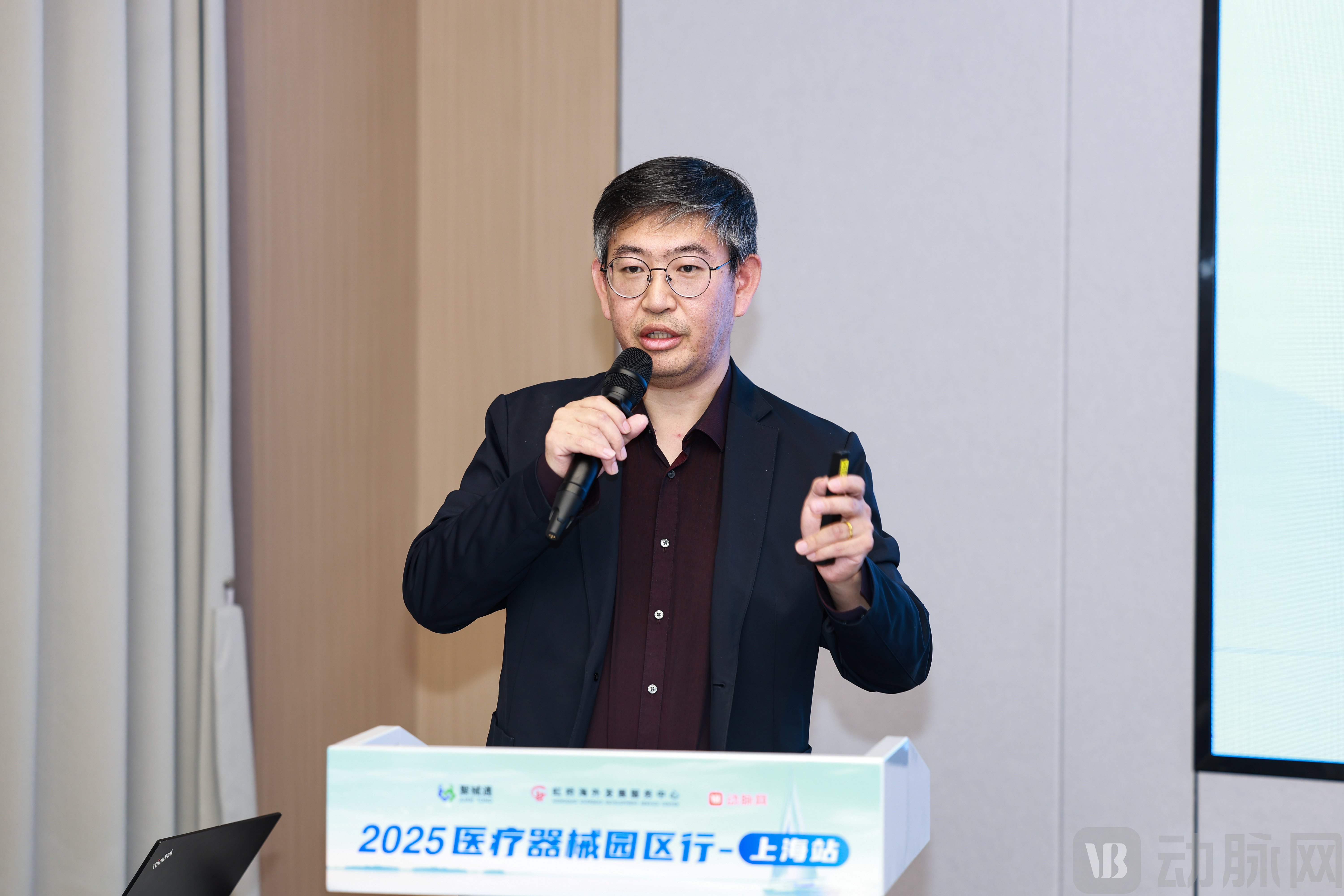
Liu Yuwu, Assistant to the General Manager of Guoke Hengxing
He pointed out that in channel operations, channel operation control, order efficiency management, inventory structure insights, and sales flow traceability are key control focal points for manufacturers in the process of digital and intelligent transformation. If these business processes can be fully migrated online to ensure accurate and reliable data, enterprises will gain greater operational flexibility in optimizing channel layout, implementing production based on sales, and enabling precise procurement, thereby achieving more efficient production and operation management.
In terms of supply chain collaboration, although existing technologies are mature and objectives are clear, data inaccuracies may arise during execution due to various factors. As the parent company of Guoke Hengxing, Guoke Hengtai has established a nationwide, end-to-end service system encompassing warehousing, transportation, distribution, and in-hospital logistics, demonstrating robust offline service capabilities. When issues occur with digital tools or partners encounter disruptions, Guoke Hengtai’s offline team leverages its extensive experience and professional expertise to effectively complement online operations. This ensures data accuracy, supports the achievement of overall operational goals, and accelerates the digital and intelligent transformation of medical device enterprises.
Meanwhile, sales at the terminal hospital level present a significant challenge. If large platform providers assume responsibility for centralized procurement and distribution, as well as the maintenance of in-hospital SPD (Supply, Processing, and Distribution) systems, they can conveniently and comprehensively capture and upload data, thereby achieving effective control over it. However, this model is largely inaccessible to most manufacturers, necessitating the exploration of alternative approaches.
2At the Critical Juncture of Transformation in the High-Value Medical Consumables Industry, Igniting a “New Engine” for Development with AI
During the roundtable discussion, Liu Yuwu, Assistant to the General Manager of Guoke Hengxing; Sun Hengying, Director of Business Development and Marketing at Kailian Medical; Zhai Chenghao, Manager of the Informatics Department at Yisi Medical; and Yu Jian, Commercial Director at Yijiada, engaged in discussions centered on the theme “At the Critical Juncture of Transformation in the High-Value Consumables Industry, How AI Ignites a ‘New Engine’.”
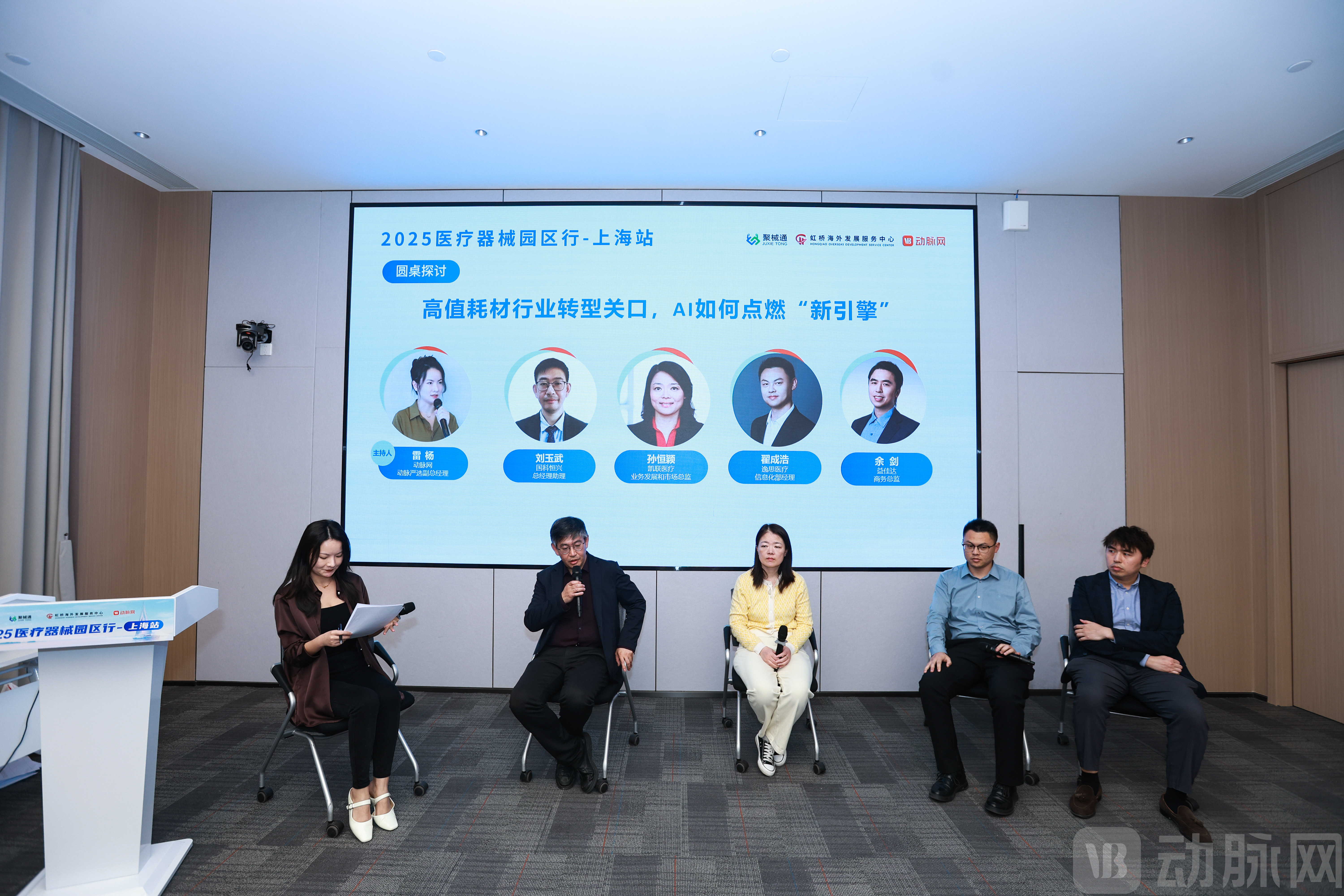
Currently, AI technology is rapidly developing, with its impact sweeping across all niche sectors of the medical device industry. Conference participants drew on industry practices to share insights into the transformative changes that AI technology has brought to the medical device sector.
Liu Yuwu, Assistant to the General Manager of Guoke Hengxing, pointed out that at the level of “open source,” it is essential to enhance AI and data utilization capabilities; at the level of “throttling expenditure,” companies must achieve efficient internal operations, reduce internal friction, improve collaboration, and strengthen cooperative synergy with customers. Otherwise, they will gradually fall behind in a highly competitive and intensely involutionary industry environment.
Sun Hengying, Director of Business Development and Marketing at Kailian Medical, cited the digital management of diabetes as an example to highlight that, empowered by AI, medical devices are increasingly trending toward intelligence, personalization, and precision. The company offers patients a comprehensive solution integrating “smart hardware, algorithms, data accumulation and storage, and follow-up services,” thereby delivering more personalized and intelligent care.
Zhai Chenghao, Manager of the Information Technology Department at Yisi Medical, pointed out that in some larger enterprises or those where the IT department plays a critical role, the IT department has become one of the “three driving forces” promoting organizational change and business model transformation. However, in some companies still in the early stages of digitalization, the IT department may remain merely a back-office function. With the advent of the AI wave, the IT department should take a more proactive stance, collaborating with internal business units and external software vendors to jointly explore AI application scenarios.
Yu Jian, Business Director of Yijiada, stated that the company is focusing on two key areas. First, in the healthcare industry, AI-powered Q&A has been integrated into medical consultations. For online consultation scenarios involving highly sensitive specialties such as andrology and gynecology, AI can provide initial responses through keyword recognition. Second, AI technology will empower imaging diagnostics in a more efficient manner, assisting physicians in interpreting imaging data more rapidly and accurately.
Subsequently, the attendees discussed the scenarios with the greatest breakthrough potential for AI in the R&D, manufacturing, quality control, or sales of high-value medical consumables. They also explored how, under the current industry mainstream of “price reductions and burden alleviation,” AI can empower enterprises’ innovative R&D while enabling them to maintain competitiveness through effective cost control.
Finally, the guests shared their insights and engaged in discussions on the impact of AI technology on the market landscape of the high-value medical consumables industry. Currently, AI is driving industry transformation. Enterprises need to place data at the core and use technology as the engine, proactively developing multidimensional capabilities to reshape the competitive landscape. With data accumulation and intelligent hardware serving as the foundational support, and technological R&D and regulatory compliance capabilities as key levers, companies must also recognize that cross-disciplinary talent reserves (in medicine, AI, and data science) are crucial for the successful implementation of technology. Therefore, building composite teams is essential to support innovation.
Amidst the backdrop of compressed profit margins due to centralized procurement, data processing capabilities and the level of ecosystem integration will become the core factors for enterprises to break through bottlenecks. Only by embracing AI with an open mindset and transforming from a “hardware manufacturer” to a “medical technology service provider” can companies seize the initiative in the reshaping of the industry landscape.
3Pathways for Medical Device Companies to Break Through Amid the Wave of Centralized Procurement: Digital Transformation, Ecosystem Co-creation, and an Analysis of Short- and Long-Term Strategies
Ma Wei, Deputy Director of Business at Peijia Medical, delivered a keynote presentation titled “Reflections on Strategic Management of Business Functions and Channel Operations in the Era of AI Intelligence.”
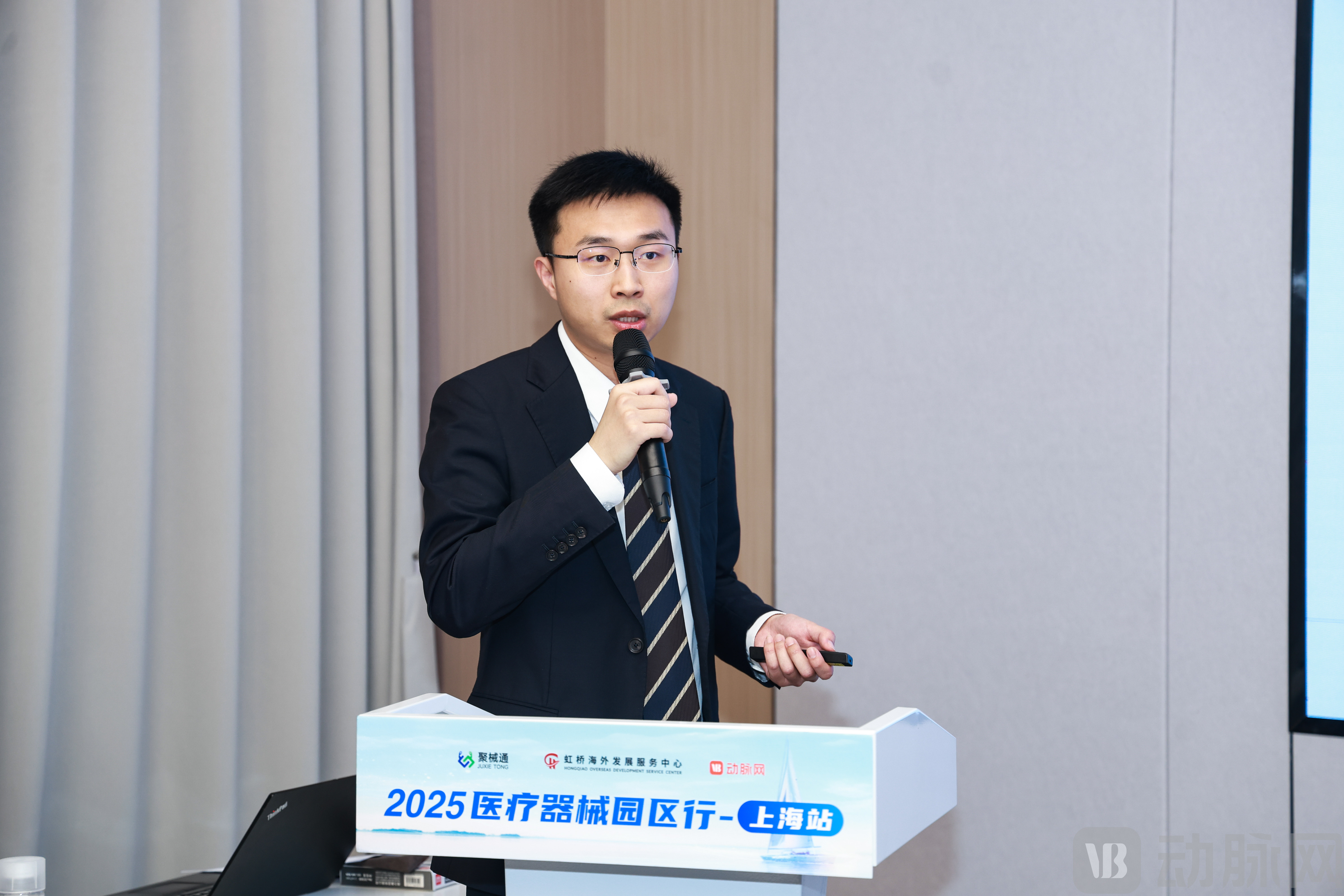
Ma Wei, Deputy Director of Business Development at Peijia Medical
He pointed out that following the company’s commercial launch in the second half of 2021, the implementation of a distributor management system and the integration of ERP and OA workflows led to significant enhancements in five key capabilities: channel operations management, order visibility, supply chain collaboration, UDI tracking, and data module analytics, thereby achieving efficient end-to-end process control.
In the development of its distributor management system, Peijia Medical has achieved significant results. In the onboarding phase, the company has established a database containing qualification files for hundreds of distributors, managing information such as changes in business entities to solidify the foundation of channel management. The authorization renewal process has been digitized and integrated with electronic signatures, substantially improving efficiency. Order management has also moved online, connecting upstream and downstream systems to automate order processing and enhance order fulfillment rates. Inventory management leverages an advanced platform that enables real-time tracking of inventory across the supply chain, aiding upstream production planning. Furthermore, the company has developed a customized surgical case reporting program to record product usage during surgeries in real time. Looking ahead, the company will explore further optimizations by leveraging AI to assist distribution partners with policy interpretation and payment models.
Peng Haiting, Senior Sales Director at Guancheng Information, delivered a keynote presentation titled “Compliance as the Foundation, Digitalization and AI as Dual Wings: Best Practices and Implementation Pathways for Digital Factories in the Medical Device Industry.”
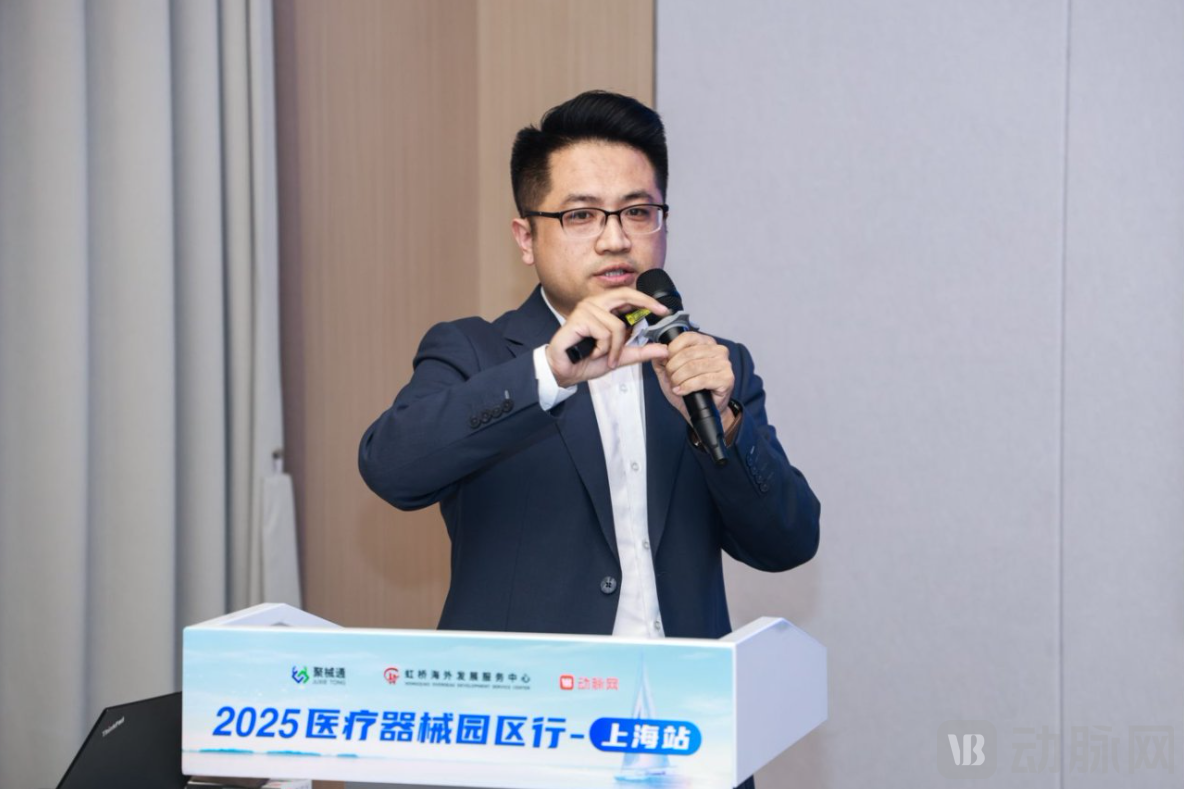
Peng Haiting, Senior Sales Director at Guancheng Information
He pointed out that the development of the medical device industry should focus on three core directions: first, digitalization, with structured data spanning R&D, production, and distribution serving as the foundational infrastructure; second, compliance, ensuring adherence to regulations throughout the entire lifecycle of medical devices; and third, leveraging AI technology to drive efficiency improvements and breakthrough innovations.
GuanCheng Information can provide the following product solutions in phases: First, it enables digital data acquisition and production reporting management for manufacturing processes, meeting enterprise needs for statistical analysis and Standard Operating Procedure (SOP) management, thereby providing data support for standardized production workflows. Second, it builds a Manufacturing Execution System (MES) to strengthen material management and process error-proofing control. Leveraging practical experience from serving hundreds of medical clients, the system comes with rich industry-specific suites and templates, allowing for the rapid deployment of production and operational management models through standardized functions. This can shorten project implementation cycles to as little as one month, significantly improving the efficiency of production process control. Third, it creates an intelligent system featuring full integration and interconnectivity, achieving seamless interfacing between software and software, software and hardware, and hardware and hardware. He suggests that enterprises should establish digital lean manufacturing platforms, digital lean operational platforms, and digital compliance assurance platforms to achieve equipment automation, material accuracy, quality compliance, and production transparency.
Following the presentations by the two guest speakers, the event proceeded to its second roundtable discussion session. The theme of this session was “How Can Medical Device Companies Caught in the ‘Fierce Battle’ of Centralized Procurement Stabilize Their Core and Build Resilience?” The participating panelists included Lu Liancheng, Deputy General Manager of Qihao Medical; Chen Liwen, Deputy General Manager of Huasen Minimally Invasive Medical; Zhang Haoran, Sales Director of Hangzhou Ruijian; Fan Jiandong, Vice President of Marketing at Aishide Medical; and Xie Jing, Head of Business Development at Junyue Pharmaceutical.
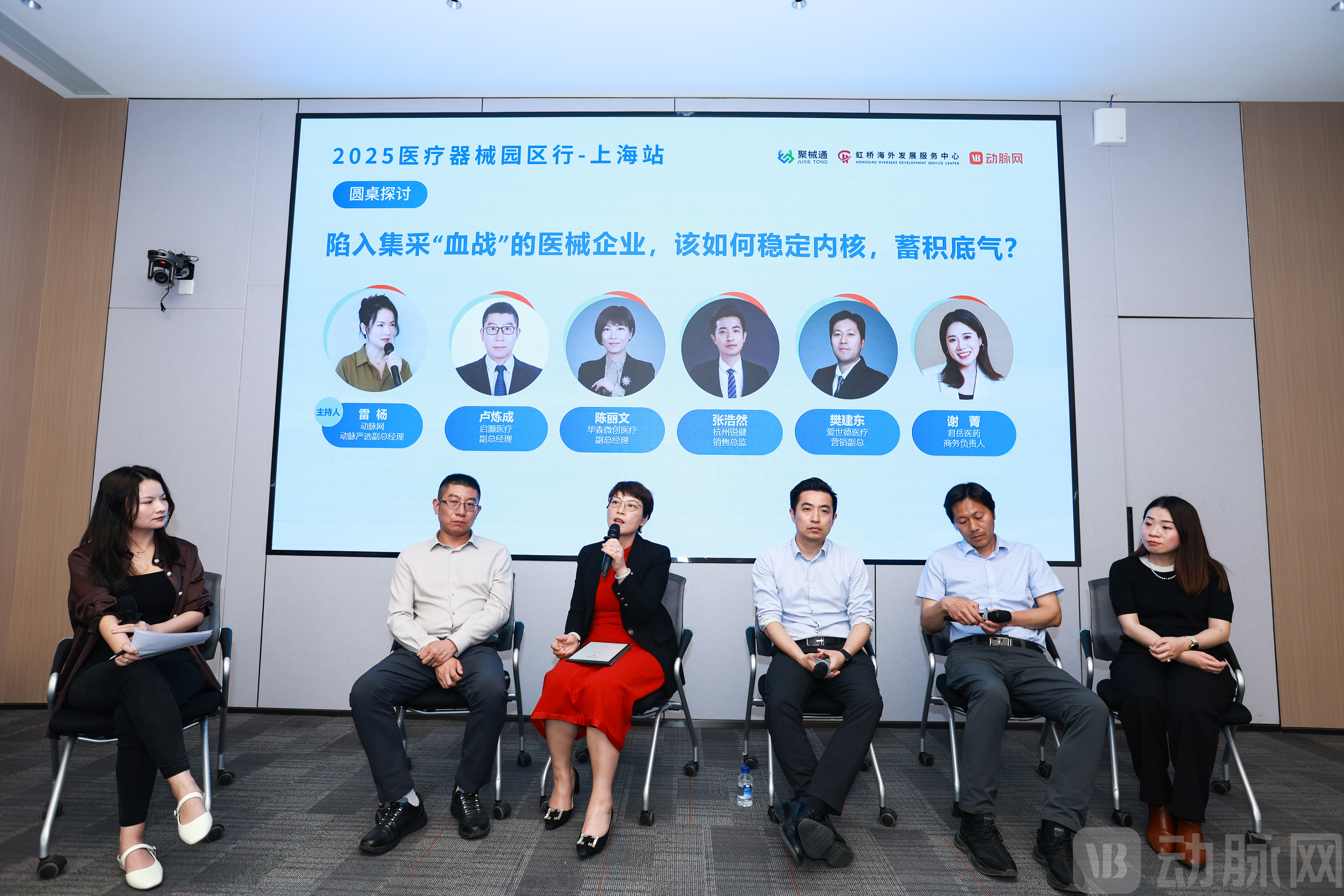
Lu Liancheng, Deputy General Manager of Qihao Medical, pointed out that the company is currently in its growth phase, and for Qihao Medical, the opportunities presented by centralized procurement outweigh the challenges. Taking the 2023 centralized procurement of plasma knife heads in Anhui Province as an example, it helped the company expand its hospital coverage from a single institution to more than 40 hospitals by the end of the year, providing an effective channel for rapid market penetration. Currently, certain centralized procurement categories are characterized by intense homogenized competition, primarily driven by price and service comparisons, resulting in severe involution. As a platform-based enterprise, Qihao Medical’s core profits and growth drivers stem from its polymer material products, which have established substantial foundational barriers. With a strategic focus on import substitution, the company is proactively embracing centralized procurement.
Chen Liwen, Deputy General Manager of Huasen Minimally Invasive Medical, stated that the majority of the company’s products fall within the scope of routine centralized volume-based procurement (VBP). She believes that VBP represents a unity of opportunities and challenges for enterprises: while it creates more diverse market access opportunities, it also brings significant issues of homogeneous competition, thereby imposing higher demands on companies’ cost control and optimization capabilities.
Zhang Haoran, Sales Director at Hangzhou Ruijian, pointed out that regarding industry development under the backdrop of centralized procurement, there are three recommendations for reference, regardless of whether emerging fields are included in the centralized procurement programs: In the short term, enterprises must directly face the pressure of phased profit reductions, focus on improving internal efficiency, and optimize operations through cost reduction, efficiency enhancement, revenue generation, and expenditure control. Specific measures include streamlining product line management, flattening personnel structures, and reforming channel systems to become more flat, while continuously injecting new products and innovative vitality to lay a solid foundation for short-term development. In the medium term, companies should seize the trend of domestic demand expansion driven by policies, as well as the opportunities for import substitution brought about by changes in the China-US trade environment. Local enterprises should capitalize on the dividends of domestic substitution, achieve high sales volumes with thin margins through economies of scale, and capture market share during the policy window period. In the long run, policies will force enterprises to promote structural and industrial upgrades. As management, it is essential to focus on breakthroughs in core technologies and product innovation, continuously promote the R&D and market promotion of truly innovative and high-quality products, build long-term competitiveness through technological barriers, and achieve a transformation from adapting to centralized procurement to leading industry change.
Fan Jiandong, Vice President of Marketing at Aishide Medical, pointed out that centralized procurement imposes significant survival pressure on small and medium-sized enterprises (SMEs). Startups face difficulties in securing financing and even risk bankruptcy. Therefore, SMEs should prioritize survival. On one hand, they can benchmark against leading companies and serve as suppliers to larger enterprises; on the other hand, they need to focus on innovation, align with policy directions, draw on international experience, and enhance corporate value through developing innovative products and applying for invention patents. If operations become unsustainable, they may appropriately scale down to preserve core capabilities. Large enterprises, meanwhile, should seize policy opportunities and strive for development against the backdrop of increasing emphasis on private enterprises.
Xie Jing, Head of Business at Junyue Pharmaceutical, stated that under the backdrop of centralized procurement, innovative medical devices are facing pricing dilemmas. This has driven the transformation of the CRO industry, extending from mere clinical execution or registration services to early-stage R&D strategic consulting. By integrating national medical insurance pricing, trends in centralized procurement policies, and clinical pain points, CROs assist enterprises in planning their R&D directions, such as participating in indication selection. Thus, they are transitioning from executors to strategic partners who fuse policy analysis with clinical expertise, aiming to mitigate the potential impact of centralized procurement on innovative products and enhance the precision of aligning R&D with market demands.
Subsequently, the guests engaged in an in-depth discussion on the following topics: “As centralized procurement policies continue to advance, what long-term and short-term strategies should enterprises adopt?” and “How can medical device companies collaborate with each other and with suppliers to build a more robust industrial ecosystem.”
Under the advancement of centralized procurement policies, enterprises must solidify their foundation for survival in the short term by strengthening cost control, optimizing cash flow management, stabilizing team structures, strictly controlling product quality, and promoting channel flattening to ensure steady operations. In the long term, they should build differentiated competitive advantages by increasing investment in innovative R&D, promoting industry-academia-research collaboration, and leveraging AI to enhance product competitiveness. Simultaneously, they should expand into global markets, build agile organizations, and strengthen their ability to respond to policy changes. Furthermore, enterprises should enhance cooperation with each other and with suppliers to construct an industrial ecosystem through joint R&D and resource sharing, thereby fostering collective resilience to jointly address industry challenges.