

Frees Institute Files IPO Prospectus Highlighting Gender Differences in Immune Responses and Implications for Precision Medicine
A modeling study published in The Lancet Public Health in 2024 provides new evidence for women’s longevity advantage. This prospective study, covering the Chinese population, projects that by 2035, China’s average life expectancy is expected to rise to 81.3 years, with an average of 85.1 years for women and 78.1 years for men.
In fact, men and women differ not only in life expectancy but also significantly in their immune systems.
Sex Differences in the Immune System: An Emerging Field of Research in the Past Five to Ten Years. Studies have found that, overall, women possess a more robust immune system than men. For instance, research published in *Immunity* and *Nature* indicates that men are more likely than women to develop severe illness after contracting COVID-19 and face a higher risk of death; furthermore, men have nearly twice the risk of dying from malignant tumors compared to women.
However, there is another side to the coin. Women are more susceptible to inflammatory and autoimmune diseases, such as lupus erythematosus, rheumatoid arthritis, and thyroid disorders.
It can be said that incorporating sex-based factors into the research, development, and treatment of oncology drugs is an inevitable trend in medical advancement and a crucial foundation for achieving precision medicine.
In this industry research report, we will provide a detailed discussion on the following topics regarding sex differences in the immune system:
Why Are Sex Differences in the Immune System a “New Discipline”?
Female vs. Male: Which Immune System Is Stronger?
Why Does This Gender Disparity Occur?
What Are the Ultimate Physiological Impacts of Sex-Based Differences in the Immune System?
Why Should Precision Medicine Take Sex Differences into Account?
We hope this offers a fresh perspective and food for thought. If you are an entrepreneur or professional in the biopharmaceutical sector, please feel free to contact Wang Lei, Partner at FreeS Fund (lei@freesvc.com).
Why Are Sex Differences in the Immune System a “New Field of Study”?
Research on sex differences in immunity started late due to specific historical reasons.
The most direct factor is that, from the late 1970s to the 1990s, subjects in U.S. biomedical research were predominantly male.
Initially, clinical trials in the United States were open to both men and women. However, in the 1960s, thalidomide, a drug used to alleviate morning sickness in pregnant women, was found to cause fetal malformations.
Although the drug had not yet received FDA approval and could not be officially marketed in the United States, a significant number of doses entered the U.S. market under the guise of clinical trials. After the scandal was exposed, the drug was urgently withdrawn, but it still resulted in the birth of 17 infants with phocomelia in the United States. These infants, whose limbs were incomplete and abnormally short, resembling those of seals, had low survival rates.
Following this incident, the United States enacted the Kefauver-Harris Amendments, which explicitly stipulated that clinical trials for any drug could only be conducted with the approval of the FDA. In 1977, the U.S. FDA further issued the General Considerations for the Clinical Evaluation of Drugs, strictly prohibiting women of childbearing potential from participating in Phase I and Phase II clinical trials. Since the age range for women of childbearing potential spans from 15 to 49 years, this resulted in male subjects dominating biomedical research in the United States from 1977 until the 1990s.
Although regulatory agencies intended to protect women and minimize the impact of clinical trials on reproductive health, this has led to new problems. Due to the extremely low participation of women in clinical trials over the past decade, many drugs (including some immunological or oncology-related medications) have been approved by the FDA for market entry based on their efficacy in male subjects. However, when these drugs are used in women, they may trigger side effects or even cause death.
Against this backdrop, in July 1993, the U.S. FDA issued the Guideline for the Study and Evaluation of Gender Differences in the Clinical Evaluation of Drugs, thereby reintegrating women into the field of drug development. This guideline provides direction for the clinical data analysis of each sex, the assessment of potential pharmacokinetic differences between sexes, and the conduct of additional studies specifically focused on women.
Although women are now eligible to participate in clinical trials, gender bias has long been overlooked during the preclinical medical testing phase prior to clinical application.
For a long time, the subjects of animal experiments conducted by researchers have been predominantly male, with this trend being most pronounced in the field of neuroscience. In addition to the mistaken belief that female hormones introduce unnecessary complexity, many researchers opt for male animals in their experiments to achieve more stable results, as the reproductive cycles of female animals are perceived to potentially influence subsequent experimental outcomes.
Given that most common diseases exhibit sex differences in prevalence, disease course, severity, and drug response, the pronounced male bias from laboratory studies to clinical trials urgently needs to be addressed. In 2014, the U.S. National Institutes of Health (NIH) mandated the inclusion of sex as a biological variable, requiring that research funded by the agency use equal numbers of female and male animals and analyze experimental results by sex.
In summary, due to the long-standing underrepresentation of women in clinical research, studies on sex differences in the immune system have naturally started later.
Female vs. Male: Which Immune System Is Actually Stronger?
So, Female vs. Male: Which Immune System Is Stronger?
Overall, women's immune systems are more robust than men's.
First, let us list several facts based on studies published in *Immunity* and *Nature*:
Men are more likely than women to develop severe illness after SARS-CoV-2 infection and face a higher risk of death;
During acute HIV infection, women have 40% lower viral RNA loads in their blood than men;
Women who receive half the dose of inactivated influenza vaccine produce antibody concentrations equivalent to those in men who receive the full dose.
Men face nearly twice the risk of dying from malignant tumors as women.
But there is another side to the coin.
Most autoimmune diseases occur in women. Autoimmune diseases are conditions in which the immune system attacks the body's own tissues, including rheumatoid arthritis, multiple sclerosis, scleroderma, systemic lupus erythematosus, and Sjögren's syndrome.
In summary, women exhibit stronger innate and adaptive immune responses than men. This enables women to clear pathogens more rapidly and develop greater vaccine efficacy, but also predisposes them to a higher risk of inflammatory and autoimmune diseases.
Why Does This Gender Disparity Exist?
From a mechanistic perspective, according to research published in *Behavioral Ecology* by UCR scholars A.M. Stoehr and H. Kokko, one possibility is that immune system function requires substantial energy and resources; during evolution, males may have prioritized enhanced reproductive capacity at the expense of immune competence.
Next, we will elaborate in detail on the mechanisms underlying sex differences in immunity. It is worth noting that our discussion here primarily focuses on biological sex, which is commonly categorized as female, male, or intersex.
This classification is primarily based on three aspects:
Sex chromosomes (e.g., 46,XX or 46,XY)
Gonads (e.g., ovaries or testes)
Gonadal hormones (e.g., estrogens or androgens)
Due to differences in sex chromosomes, gonads, and gonadal hormones, the immune system exhibits significant variations.
I. Differences in Sex Chromosomes—An Important Source of the Female Immune System's Advantage
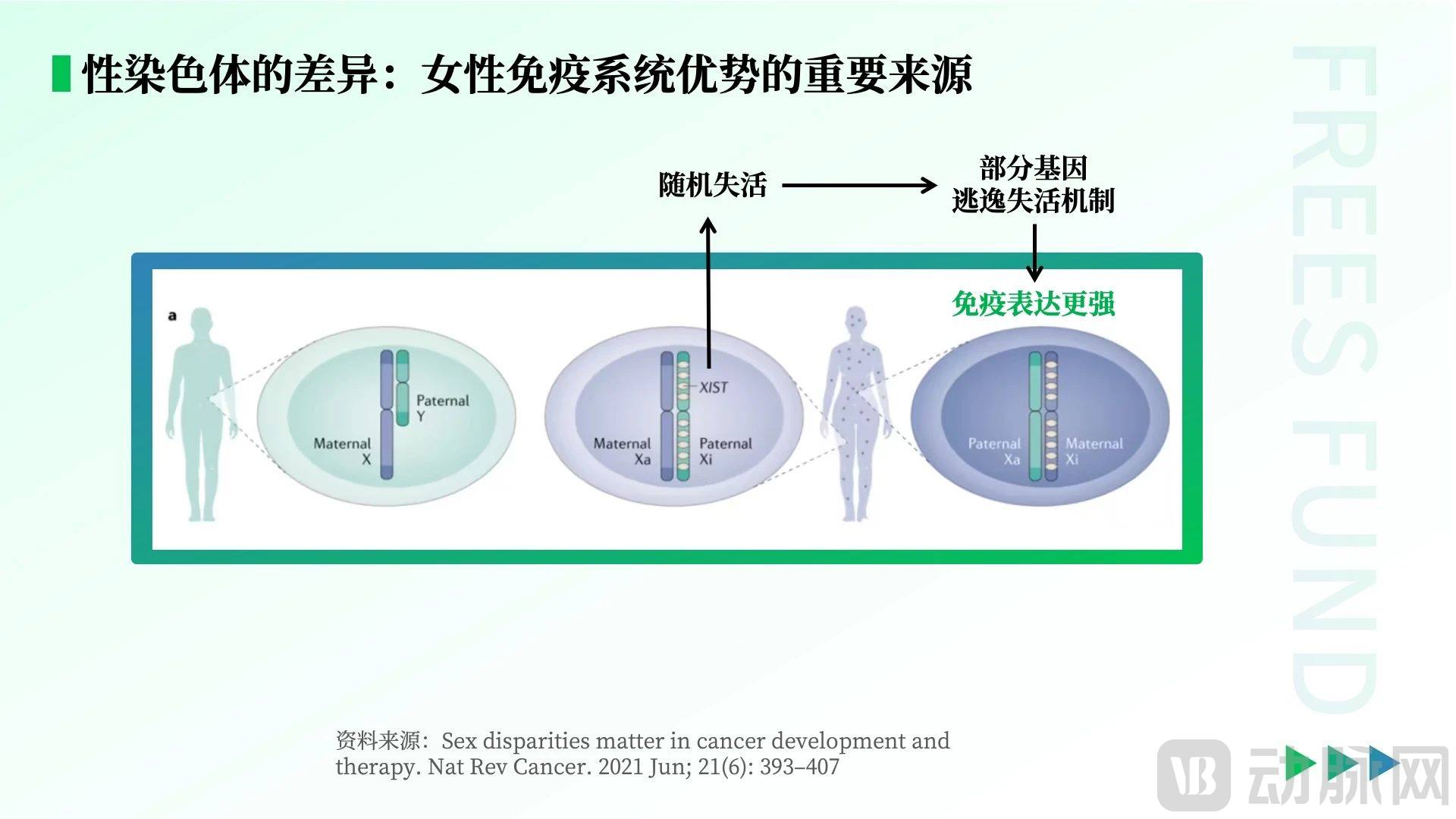
Let’s first examine how sex chromosomes influence the immune system.
Humans have two types of sex chromosomes: X and Y. Females have XX sex chromosomes, with one X chromosome inherited from the father’s sperm and the other from the mother’s egg. Males have XY sex chromosomes, with the X chromosome inherited from the mother and the Y chromosome from the father. The X chromosome contains more than 1,000 genes, whereas the shorter Y chromosome contains only 45–75 genes.
Females possess two X chromosomes. To prevent gene overexpression, one X chromosome is actively inactivated during embryonic development. However, a small number of genes escape this silencing process. Consequently, immune-related genes have greater opportunities for expression in females. As a result, the female immune system may be inherently stronger than that of males.
II. Sex Hormone Differences: Effective Modulators of Immune Responses
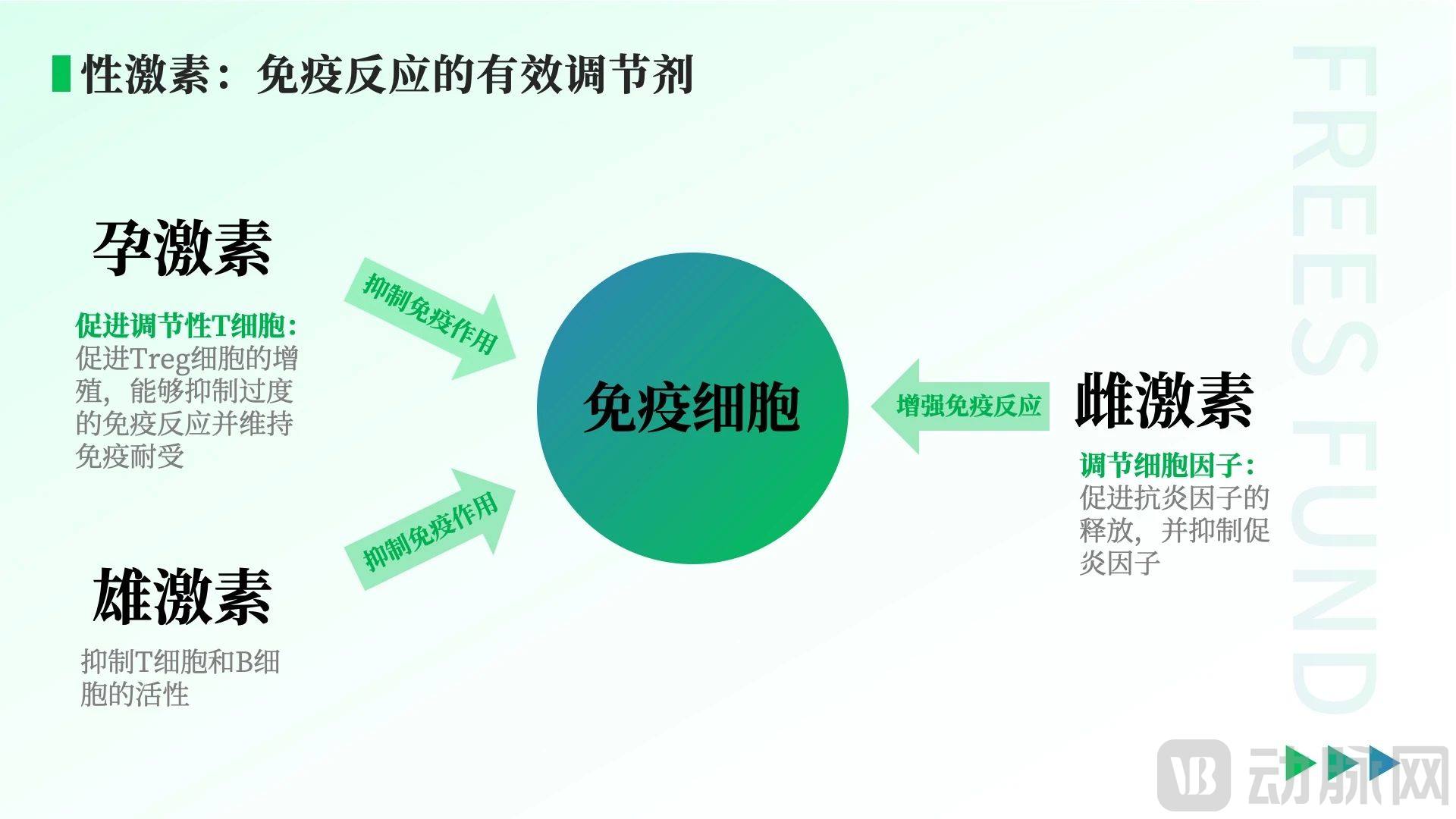
Sex hormones play a crucial regulatory role in the immune system. Immune cells possess sex hormone receptors and can directly respond to sex hormones.
Female sex hormones mainly include estrogen and progesterone. Male sex hormones are androgens.
Estrogen has the capacity to enhance immune responses by promoting antibody production and the activity of immune cells, such as enhancing the proliferation and differentiation of B cells (a type of white blood cell that plays a key role in adaptive immunity) and T cells (which actively defend against and eliminate infected cells). It also regulates cytokine balance, promoting the release of anti-inflammatory factors while suppressing pro-inflammatory ones.
This anti-inflammatory effect holds positive significance for alleviating chronic inflammation and immune-related diseases.
Women’s immune resistance declines during menstruation because estrogen levels are lower during this phase.
Progesterone is primarily secreted by the corpus luteum of the ovary, and during pregnancy, the placenta also secretes progesterone. Progesterone suppresses the activity of the maternal immune system, thereby reducing its attack on the fetus. Estrogen and progesterone maintain a certain balance, jointly ensuring the normal functioning of the female reproductive system.
Similar to progesterone, androgens also exert immunosuppressive effects. They can inhibit the activity of T cells and B cells, thereby reducing the intensity of immune responses. This leads to two outcomes: overall, males have weaker immunity compared to females, but the incidence of autoimmune diseases is also lower in males than in females.
Of course, the strength of the immune system changes with advancing age.
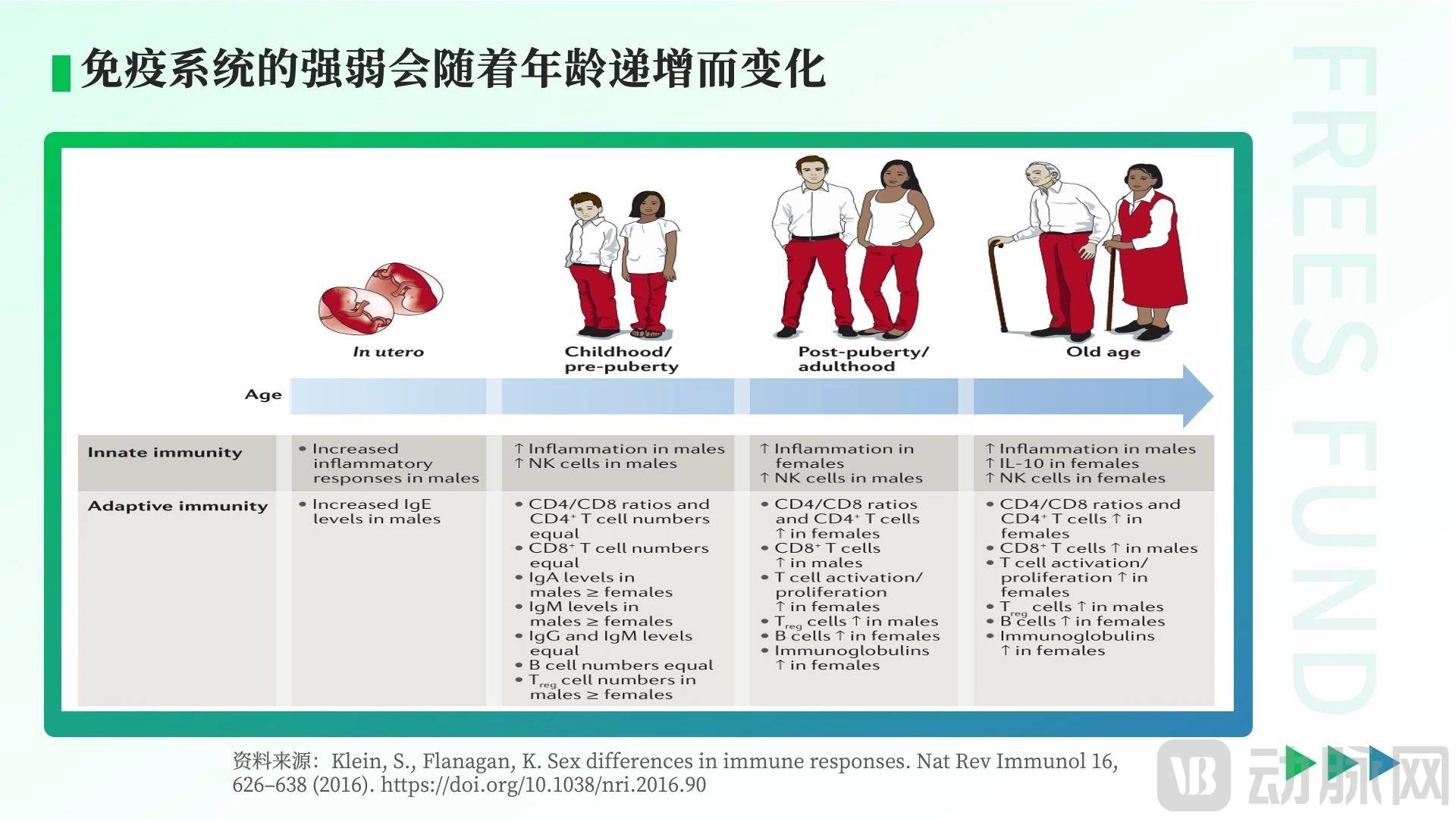
From Embryonic Stage to Puberty and Then to Old Age, Human Hormone Levels Are Continuously Changing.
During youth, sex hormones play a significant role; overall, women exhibit stronger immune competence, but this also results in a higher probability of young women developing acute autoimmune diseases compared to men.
Postmenopause, particularly in advanced age, women experience a substantial decline in estrogen secretion, whereas the reduction in androgen levels among middle-aged and elderly men is relatively modest. One of the most prominent features of immune system aging is an abnormal state of chronic low-grade inflammation; consequently, the prevalence of chronic low-grade inflammation is higher in middle-aged and elderly women than in their male counterparts of the same age group.
What Are the Ultimate Physiological Impacts of Sex-Based Differences in the Immune System?
The preceding section provided a preliminary overview of sex-based differences in the immune system; next, we will conduct an in-depth analysis of the impact of these differences on physical health.
In the figure below, the pink areas represent diseases more prevalent in women, while the blue areas indicate those more common in men.
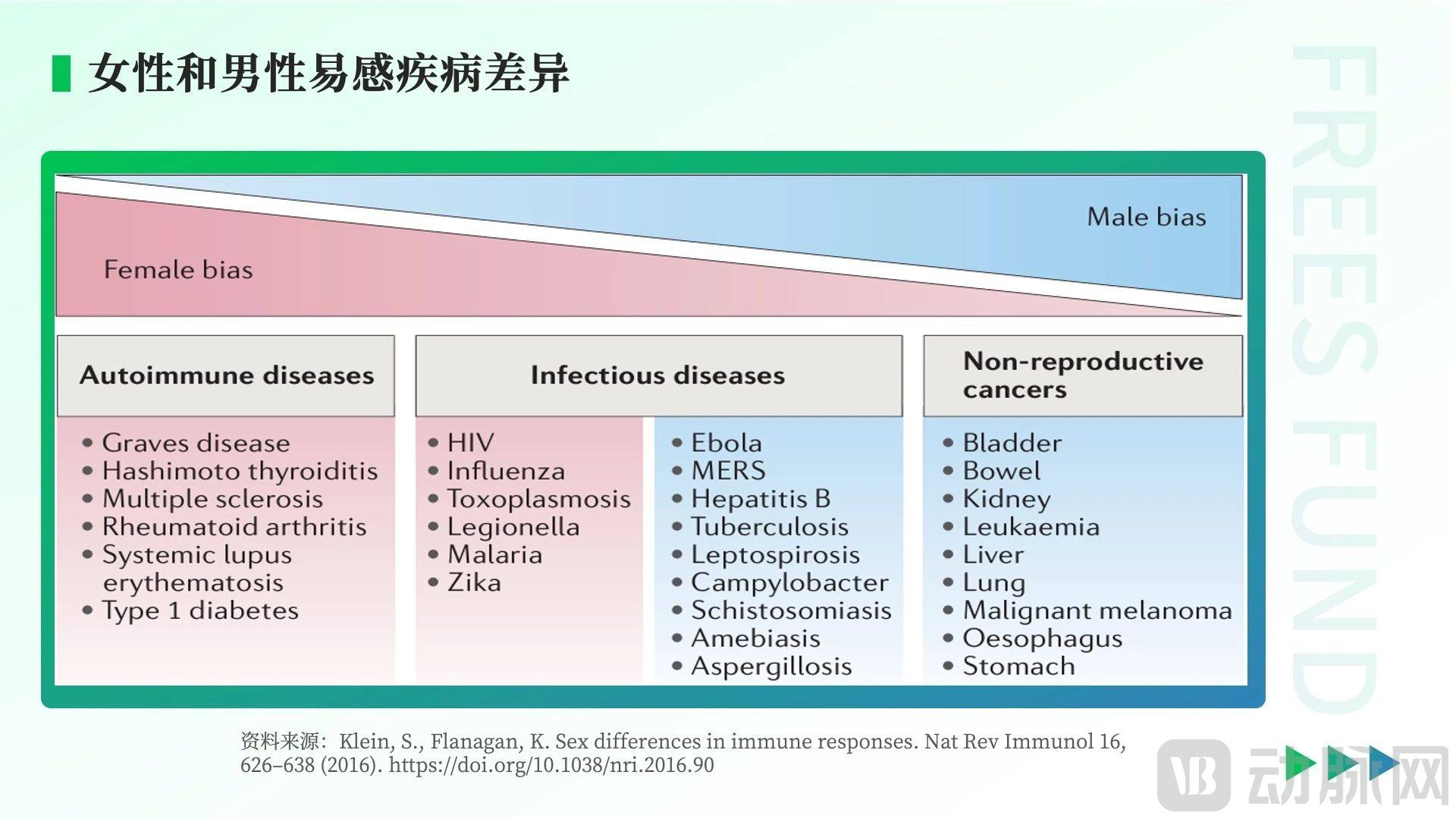
Generally speaking, women have a higher susceptibility to autoimmune diseases, while men have a higher susceptibility to non-reproductive system malignancies.
Graves’ disease (diffuse toxic goiter, a hyperthyroid condition) and Hashimoto’s thyroiditis (Hashimoto’s disease, a hypothyroid condition) are both thyroid disorders that predominantly affect women.
Common autoimmune diseases in women also include rheumatoid arthritis, systemic lupus erythematosus, and type 1 diabetes.
According to 2022 estimates by the American Autoimmune Related Diseases Association (AARDA), approximately 50 million Americans (20%, or one in five, of the population) have autoimmune diseases, with about 75% (approximately 30 million) being women. Among these conditions, the male-to-female ratio for systemic lupus erythematosus is 1:9, while for Sjögren's syndrome it is 1:19.
In the field of infectious diseases, gender differences also exist.
For instance, following HIV infection, women may exhibit lower viral loads than men. Although women possess stronger immune defenses than men, since HIV is an immunodeficiency disease, women may be more susceptible to progressing to AIDS at the same viral load. In contrast, men appear to be more susceptible to hepatitis B and Ebola virus infections.
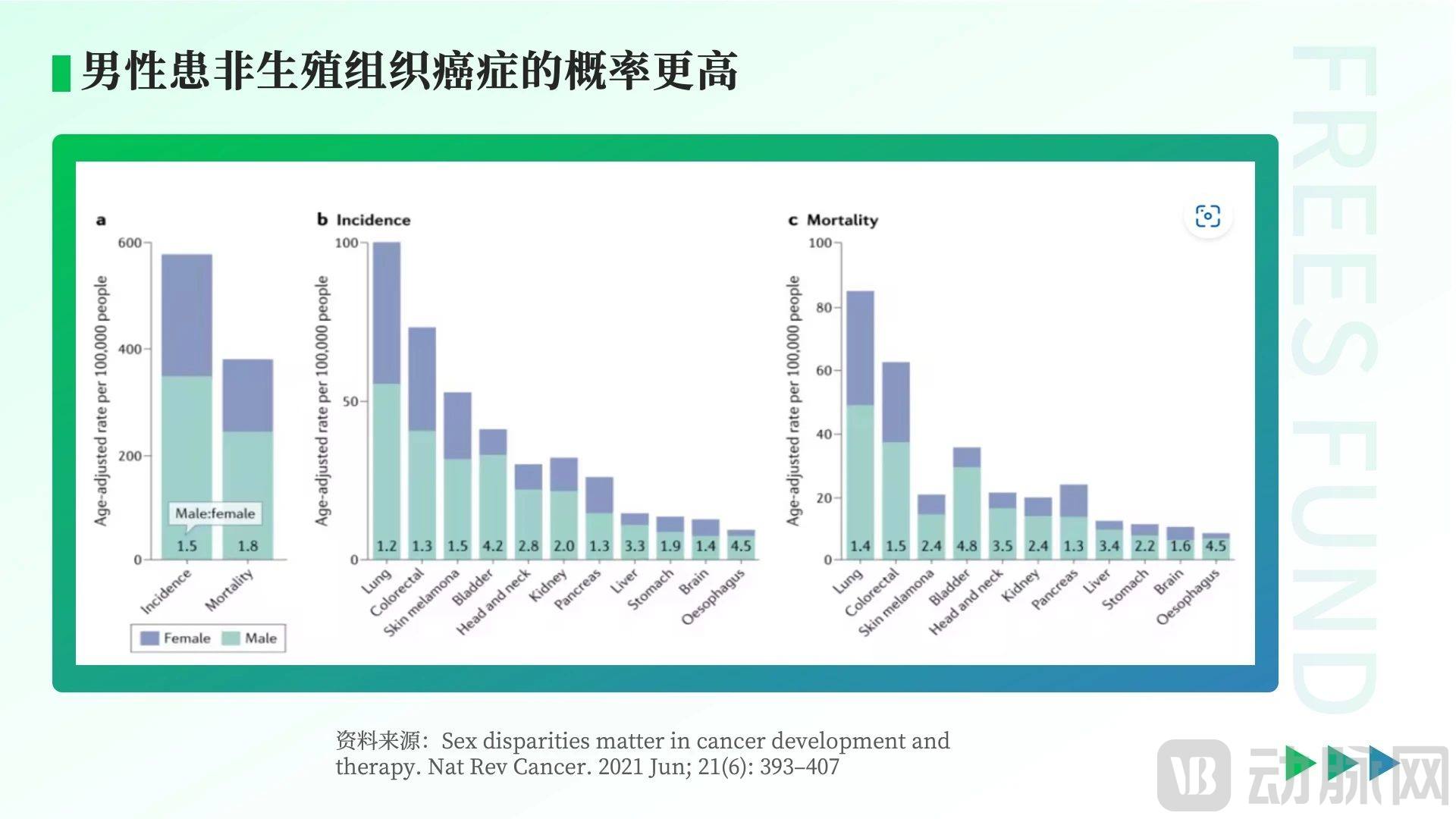
The figure above is from a study published in Nature in 2021 by scholars including Sue Haupt and Franco Caramia from the University of Melbourne. As can be seen, it shows the incidence and mortality rates of typical cancers such as lung cancer, colorectal cancer, and melanoma. The rates for men (light sky blue) are significantly higher than those for women (dark blue). Therefore, men may need to be more vigilant against these types of cancer.
Of course, we cannot attribute tumors solely to the immune system. Other factors associated with tumors include smoking, obesity, and inflammation.
Additionally, there is a significant difference between women and men—women have a longer average lifespan than men. Sex-based differences in the immune system may be a key factor influencing this disparity in longevity between males and females.
We must also recognize that disparities in life expectancy result from the combined effects of multiple factors. In addition to sex-based differences in immune system function, men constitute a larger proportion of smokers and individuals with obesity, as well as those exposed to occupational hazards such as ultraviolet radiation, dust, and other toxic gases.
Sex Differences in Cancer Immunotherapy
Tumor immunotherapy is one of the most promising therapeutic strategies in the field of oncology.
According to studies published in journals such as *Proceedings of the National Academy of Sciences*, *Nature*, and *Behavioral Ecology*, women’s overall immune systems are stronger than men’s, which may result in a more immunologically active tumor microenvironment. Given their relatively stronger immune competence, women may derive greater therapeutic benefit from immunotherapy than men.
For example, immune checkpoint therapy works by blocking tumor escape mechanisms, thereby enabling the immune system to re-recognize and attack tumors. This therapy currently demonstrates superior efficacy in female patients.
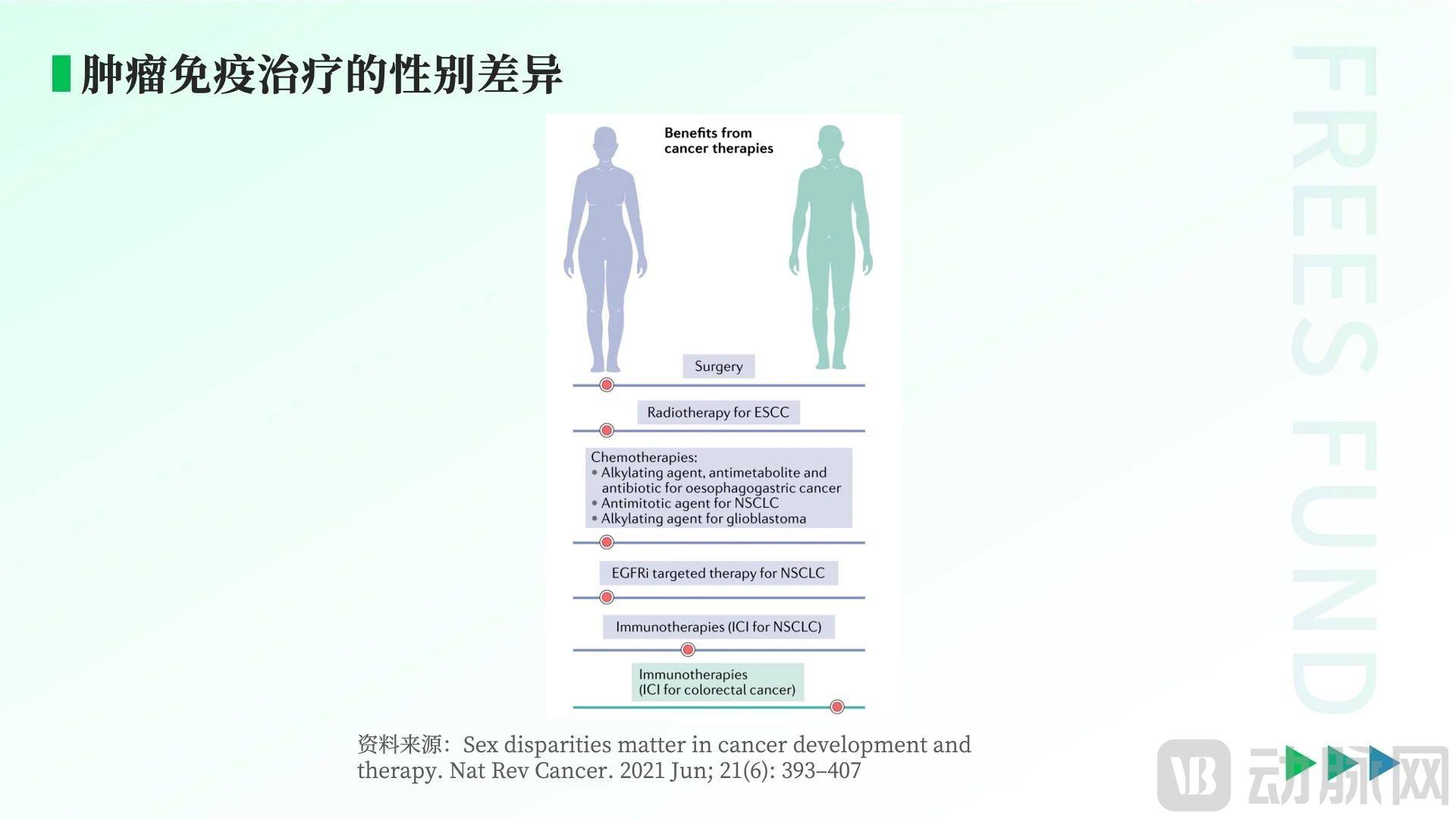
The combination therapies depicted above represent classic oncology treatment regimens, such as surgical resection, radiation therapy, chemotherapy, targeted therapy (including EGFR inhibitors), and immunotherapy. These approaches are generally more effective in women, as they leverage the synergy between women’s inherently more robust immune systems and tumor immunity. However, as previously noted, the risk lies in the potential for backfire if the female immune response is excessively amplified, thereby increasing the risk of disease.
Although men have weaker immune systems than women, it is precisely for this reason that the benefits they derive from tumor immunotherapy are more readily apparent.
Over the past decade, the industry has been discussing precision medicine, advocating for the design of personalized targeted treatment regimens based on the genetic mutation profiles of tumors in different patients. However, research into sex-based differentiated treatment strategies remains in its infancy.
A journey of a thousand miles begins with a single step. Research into sex-based differences in the immune system will help advance the exploration of precision medicine. In the future, more molecular-level truths are expected to be uncovered, offering hope for the discovery of new molecules and targets, such as hormones, that can aid in anti-inflammatory responses or reduce allergic and autoimmune reactions.
Research into sex differences in the immune system is an important and promising emerging field. After all, even ChatGPT 4o understands that “sex differences do not divide us but rather enrich us. By respecting and understanding our differences, we can better appreciate the diversity and beauty of humanity.”