

Third China Diabetes and Metabolic Diseases Drug & Device Innovation R&D Conference Grandly Opens in Chengdu
Wielding the Blade of Technology to Break the Impasse of Chronic Diseases. On April 26, the 3rd Conference on Innovative R&D of Drugs and Devices for Diabetes and Metabolic Diseases grandly opened in Chengdu. The conference was guided by the China Pharmaceutical Innovation Promotion Association (hereinafter referred to as “China PIPA”), hosted by the Professional Committee on Clinical Research of Drugs for Diabetes and Metabolic Diseases under China PIPA (hereinafter referred to as the “Diabetes Professional Committee”), and co-organized by the Branch for Prevention and Control of Endocrine and Metabolic Diseases of the Sichuan Preventive Medicine Association.
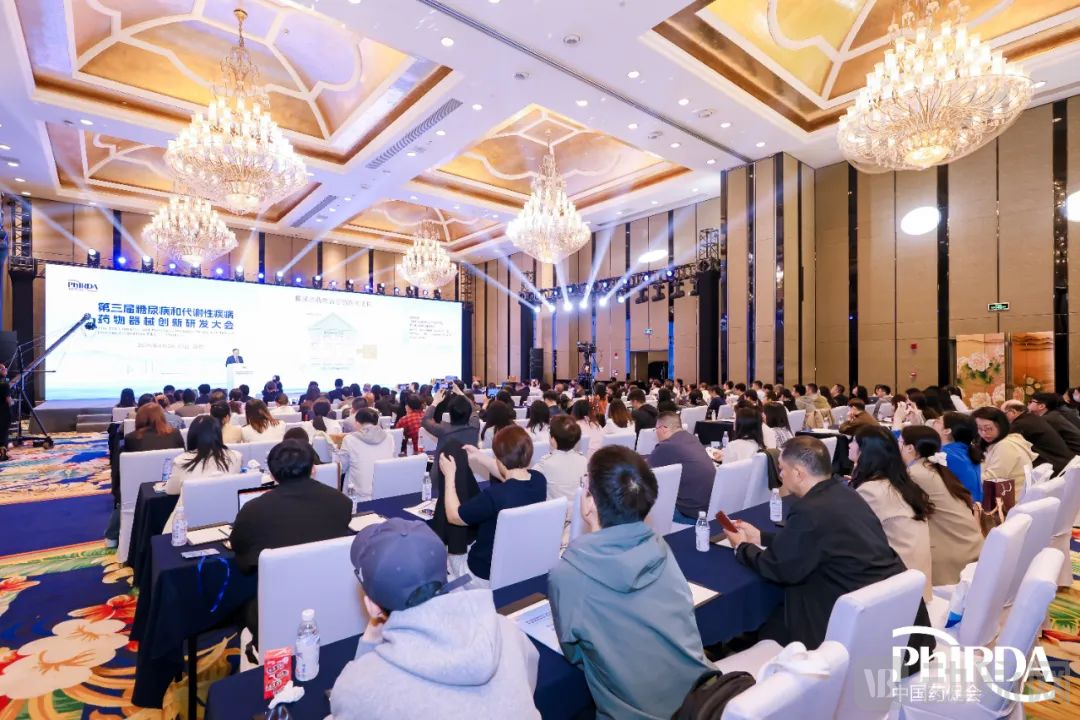
Themed “Uniting for Innovation, Leading the Future with Intelligence,” this conference closely addressed the core needs of clinical practice in the diagnosis and treatment of diabetes and metabolic diseases. By deeply integrating cutting-edge technologies such as artificial intelligence and focusing on end-to-end innovation, it shared key insights including the latest R&D achievements, research perspectives, and clinical experiences. Scholars from scientific and clinical research institutions, leaders of innovative enterprises, and professionals from the pharmaceutical industry gathered to build a high-level platform for in-depth dialogue among industry, academia, and research, thereby injecting innovative momentum into the high-quality development of the metabolic disease field.
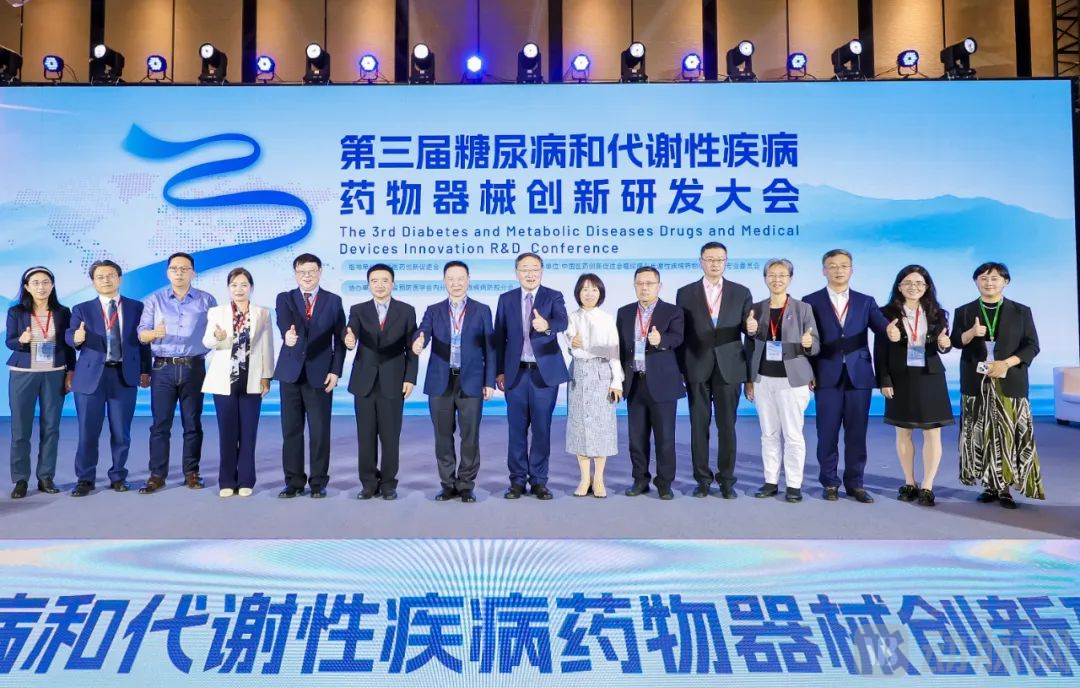
The opening ceremony was co-chaired by Ji Linong, Director of the Department of Endocrinology at Peking University People’s Hospital and Chairman of the Diabetes Professional Committee of the China Pharmaceutical Innovation Promotion Association (CPIPA), and Li Jia, Director of the Shanghai Institute of Materia Medica, Chinese Academy of Sciences, and Vice President of CPIPA as well as Vice Chairman of its Diabetes Professional Committee.
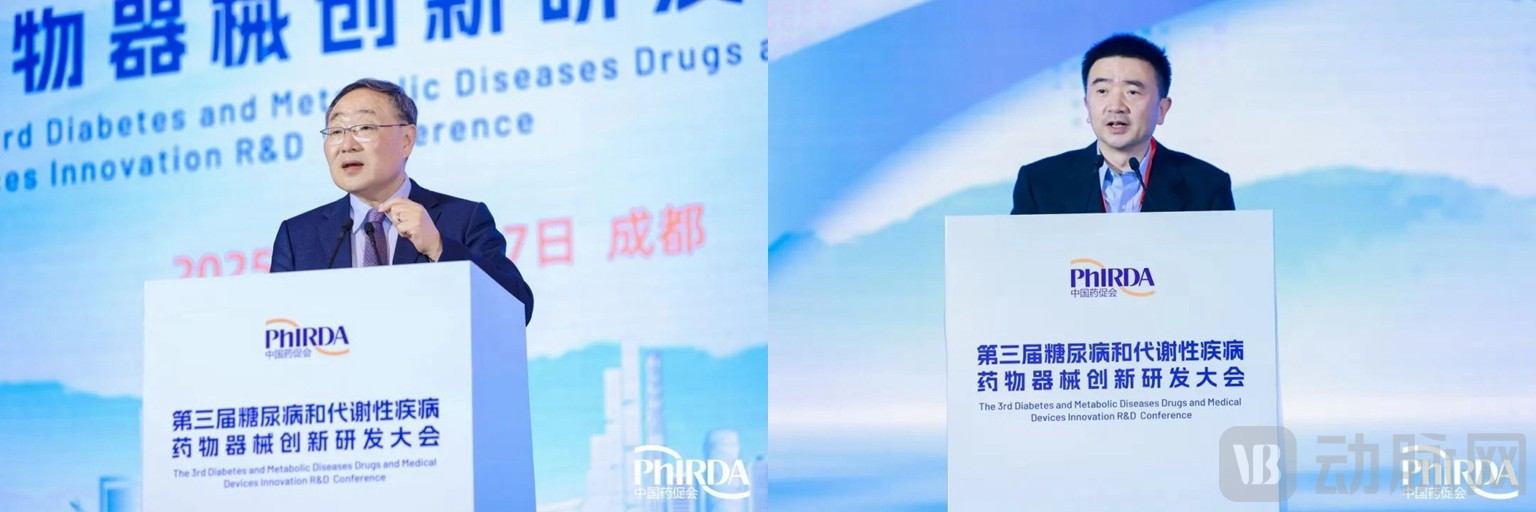
China Pharmaceutical Innovation Promotion AssociationExecutive President Song RuilinIn his opening remarks, he extended warm congratulations on the convening of the conference on behalf of the organizers and affirmed the significant role played by the Diabetes Professional Committee of the China Pharmaceutical Innovation and Promotion Association (PhIRDA) in facilitating the entire chain from drug research and development to clinical application. He noted that diabetes is one of the four major chronic diseases in China, affecting a large patient population; therefore, drug R&D should not only focus on innovation but also address the overall prevention and treatment system as well as rational medication use at the primary care level. He expressed confidence that, through the joint efforts of scholars and industry colleagues, the Diabetes Professional Committee will contribute further to integrating innovation with clinical practice, while PhIRDA will serve as a strong backing and supportive foundation.
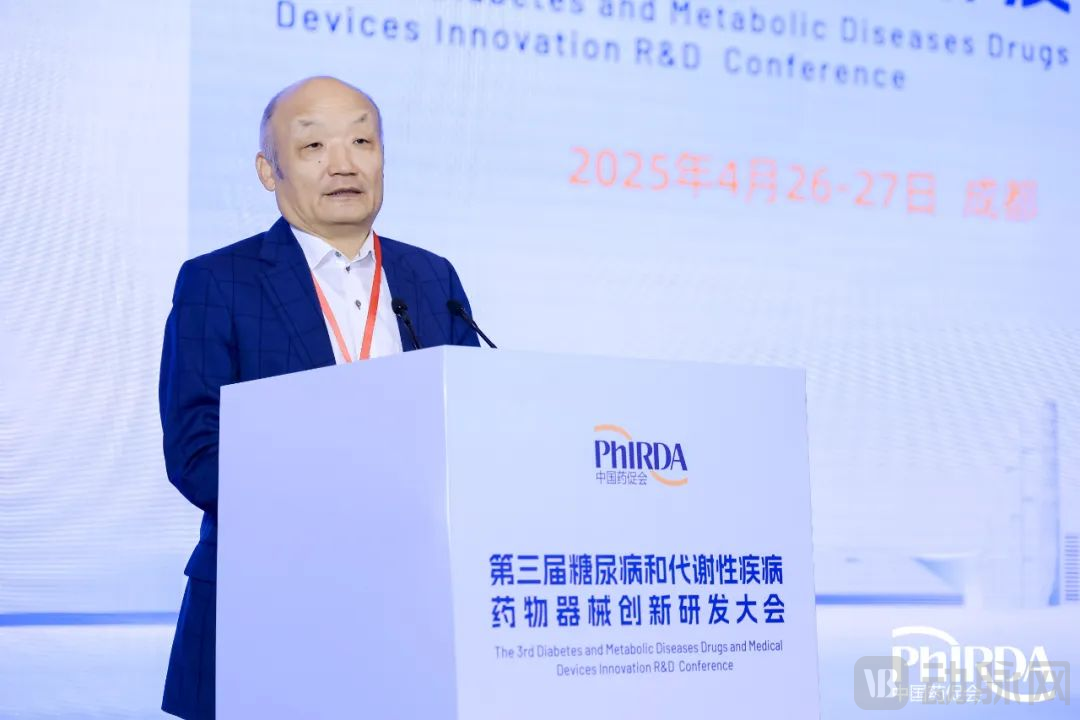
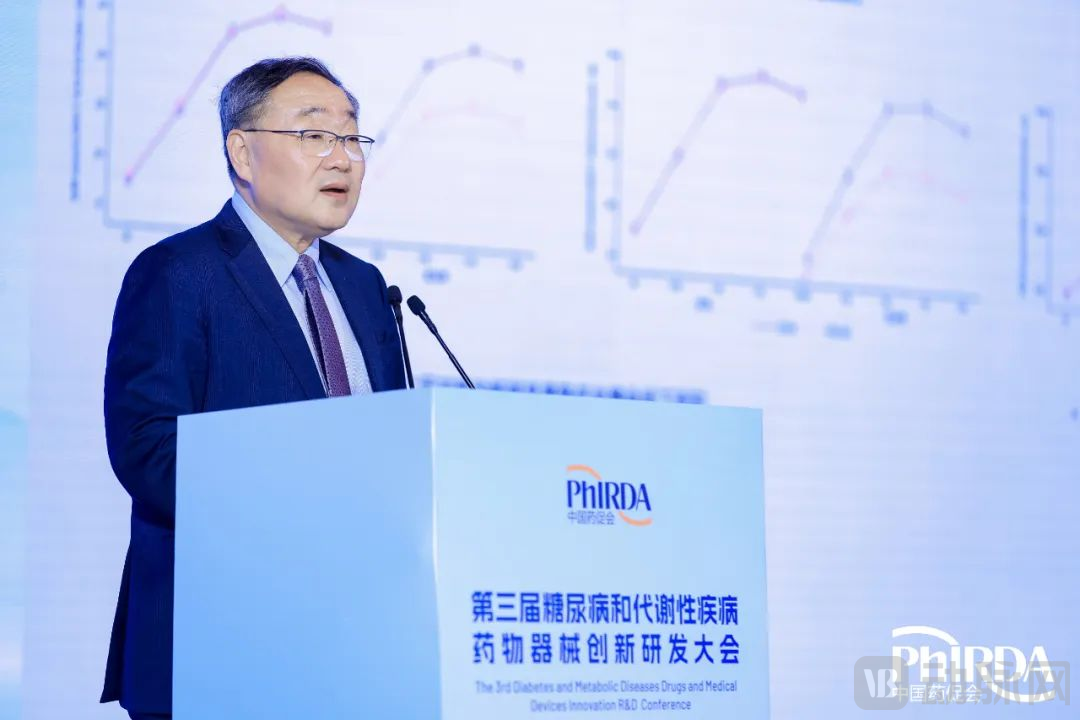
Ji LinongProfessor Ji Linong shared insights with the audience on the theme of “Clinical Need-Driven Drug Development for Diabetes and Metabolic Diseases.” Addressing the unmet clinical needs in the treatment of diabetes and obesity, he elaborated on current gaps and provided further illustrations using drugs currently under development. He emphasized that drug development must go beyond glycemic control to target the underlying mechanisms of complications, such as inflammation and insulin resistance, thereby creating new therapies that can further reduce the risk of cardiovascular disease in patients with diabetes. Current clinical studies suggest that dual SGLT2/SGLT1 inhibitors show promise in reducing stroke risk among individuals with diabetes. Regarding obesity, he pointed out that drug development should be aimed at improving clinical outcomes associated with obesity.
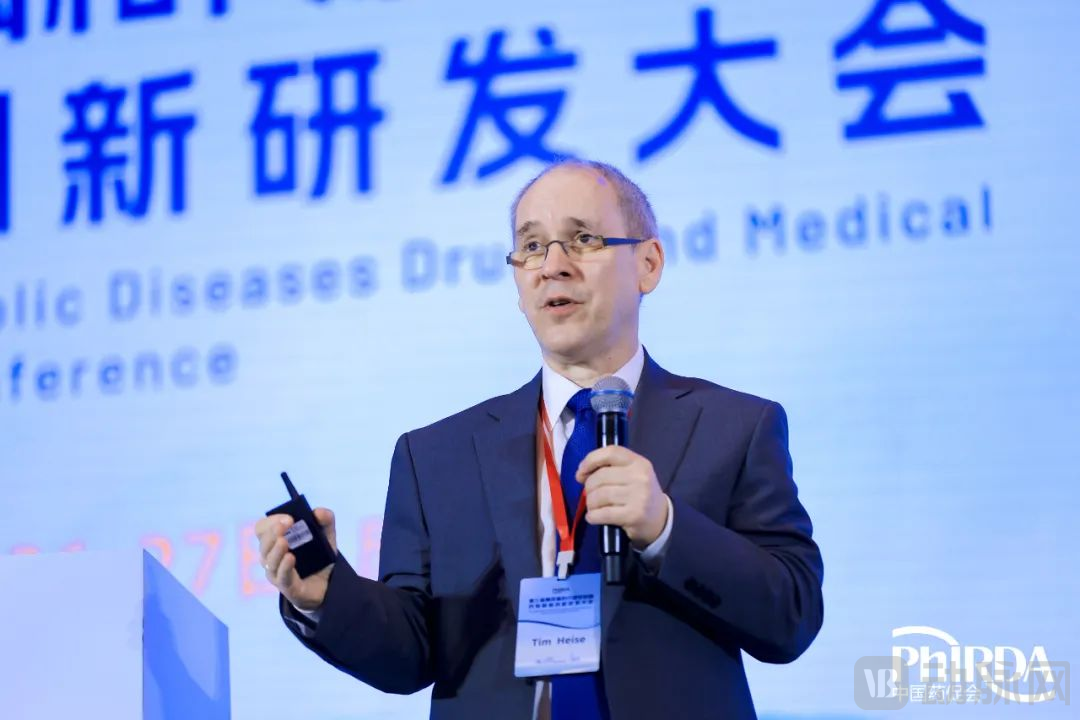
Professor Tim Heise, Lead Scientist and Chairman of the Board of Directors at Profil Institute, delivered a presentation to the conference titled “Early-Stage Insulin R&D Strategies: Development and Translation of Cutting-Edge Technologies.” Early-stage clinical development of innovative insulins is tasked with exploring safety, pharmacokinetics (PK), and pharmacodynamics (PD). PK determines the drug’s half-life, Tmax, T1/2, and the time required to reach steady-state plasma concentrations, while PD defines the time–effect profile, onset and duration of action, and potency. The euglycemic clamp technique is the gold standard for characterizing insulin PD properties. Subsequently, Professor Heise shared his insights on insulin clamp trial design with the audience, using the case of GZR4, an innovative weekly insulin formulation.
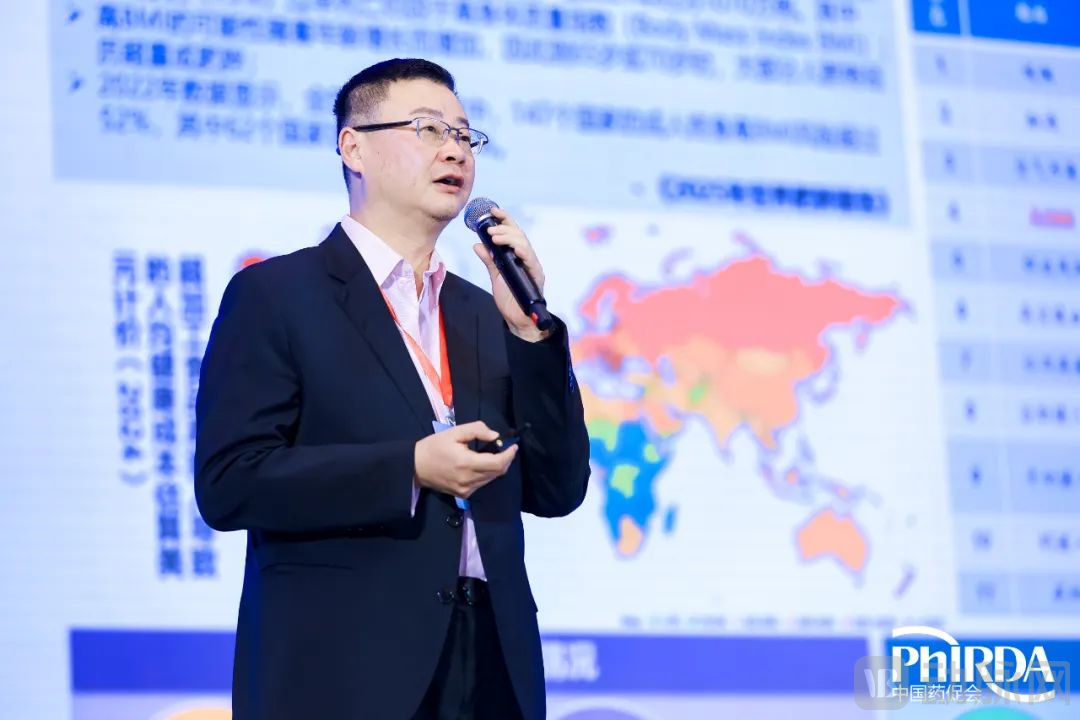
Lu Hai, Managing Director of China Life Equity Investment Co., Ltd. and a member of the Professional Committee on Pharmaceutical Innovation Investment under the China Pharmaceutical Innovation Promotion Association (CPIPA), delivered a keynote report titled “Investment Hotspots and Trends in Drugs for Obesity and MASH Treatment.” Regarding the investment rationale for focusing on the obesity and MASH sectors, he explained that the primary driver is the size of China’s metabolic disease market, which reached RMB 109 billion in 2023 and is expected to expand further as the aging trend accelerates. In addition, other significant factors include technological maturation driven by sustained capital investment, unmet needs within the industry, alignment with the national “Healthy China” strategy, and changes in reimbursement mechanisms for weight-loss medications. Subsequently, he elaborated on the investment hotspots and trends in obesity and MASH from the perspectives of current target landscapes, R&D progress, and transaction activities.
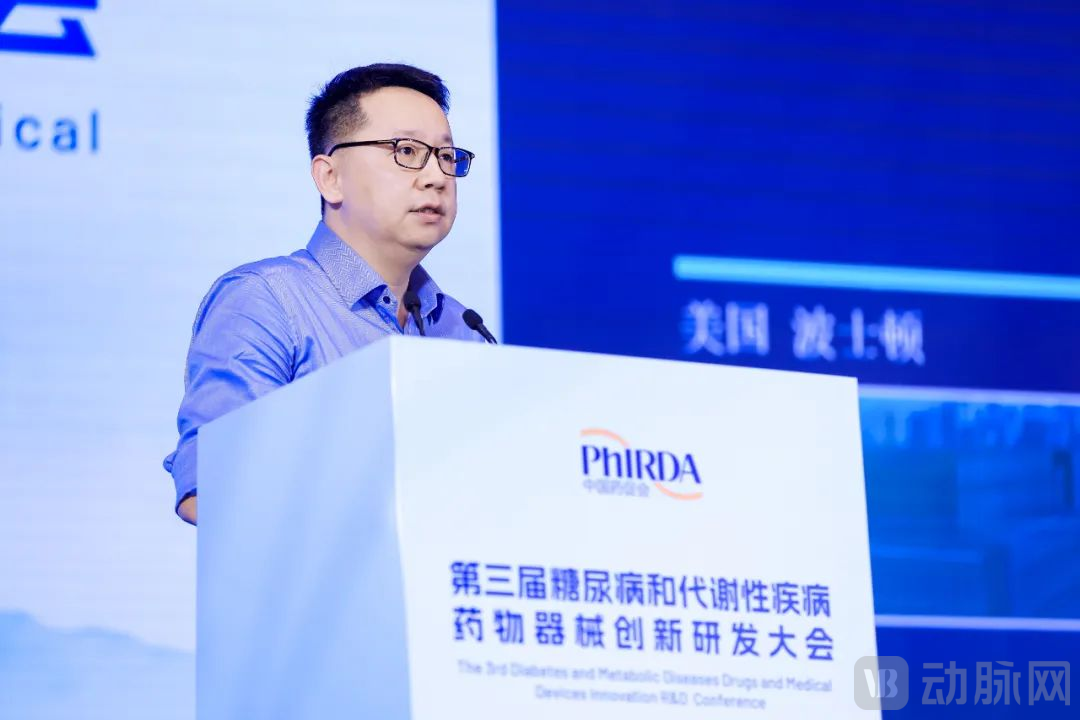
Huang Xiaolu, General Manager of the Strategic Investment Department at XtalPi GroupWith "AIofCurrent Status andAccelerating Translation: A Case Study in the Development of a Glucose-Lowering Peptidetitled “...”, he shared with attendees the practical applications of AI in drug discovery and development. Starting from the evolutionary trajectory of the AI-driven drug discovery industry, he recounted the “integration history” of the biopharmaceutical sector and artificial intelligence through real-world corporate case studies. Compared with the traditional R&D paradigm characterized by manual experimental design and execution, he argued that the new model—where AI handles experimental design while robots carry out experimental execution—offers advantages including high data quality, high operational efficiency, and uninterrupted 24/7 progress. This dual enhancement in quality and efficiency is driving a paradigm shift. Subsequently, using the development of glucose-lowering peptides as a case study, he introduced to the audience the AI-enabled drug discovery and development workflow and its corresponding benefits.
The roundtable discussion was moderated by Dr. Li Xiaoying, Deputy Chair of the Diabetes Professional Committee of the China Pharmaceutical Innovation Promotion Association (PhIRDA) and Chief Physician in the Department of Endocrinology at Zhongshan Hospital, Fudan University. Centered on the theme “Innovation Games in Metabolic Drugs: China’s Strategy Amid Global Competition,” Ji Linong, Li Jia, Lu Hai, Huang Xiaolu, and Huo Shiwen, Vice President of Jiangsu Hengrui Medicine Co., Ltd., engaged in a multidimensional discussion covering clinical practice, R&D, investment, and manufacturing.
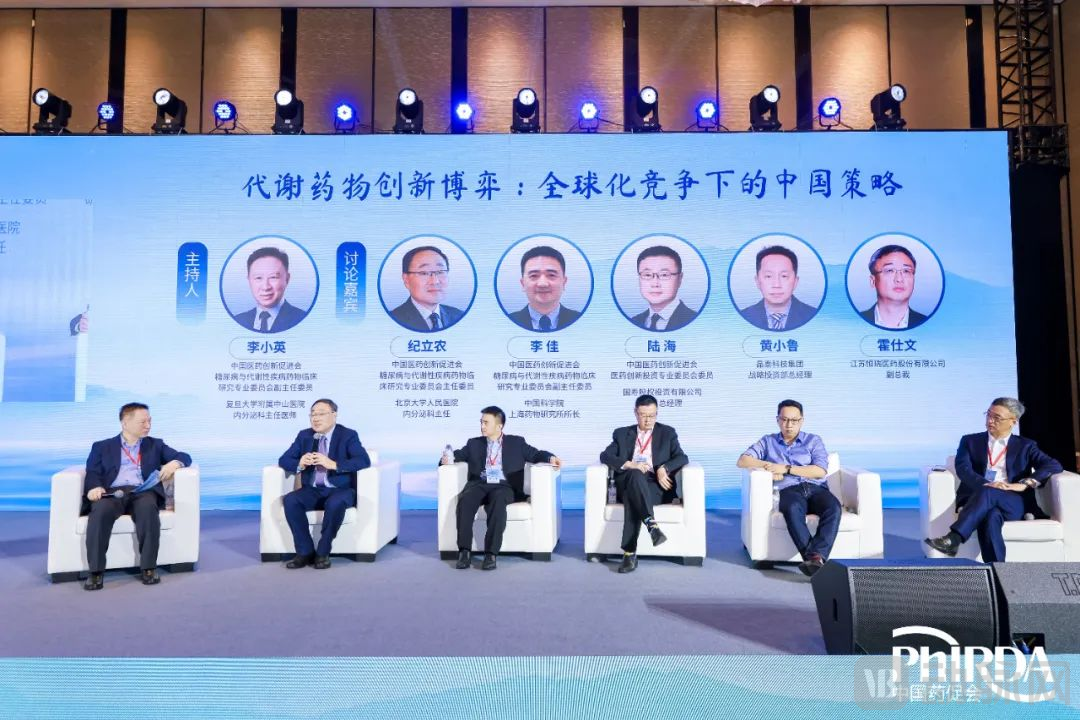
Regarding the question of how far Chinese innovative drugs are from initiating international multi-center clinical trials, Ji Linong observed that thanks to the continuous improvement of China’s regulatory standards, the regulatory bottlenecks for MRCTs in China have been broken. However, due to the current global layout of Chinese enterprises and a shortage of domestic talent capable of leading MRCTs, the proportion of MRCTs conducted globally by Chinese local companies remains relatively small and needs to be increased.
Regarding the future role of AI in supporting drug development, Li Jia shared insights from a scientific perspective. While the disruptive potential of AI in drug R&D has gained widespread recognition, there is still a long way to go in practical research and development efforts, particularly in the development of First-in-Class drugs. He believes that the mutual reinforcement and synergistic advancement of “AI for Science” will ultimately yield significant benefits for “AI for discovery.”
Addressing specific stages of AI research and development, Huang Xiaolu added, “AI is not a panacea.” He noted that even in today’s era of rapid advancements in AI technology, sudden flashes of inspiration, critical analysis of experimental data, and feedback from human subjects in drug trials remain tasks that AI cannot replace humans in performing. Drawing on his practical work experience and current technological trends, Huang pointed out that the cell-based foundation model currently being developed by XtalPi Innovation Center will deliver significant value to the life sciences field in the future.
Based on experimental data, Lu Hai also noted that the primary challenge in expanding commercial insurance under China’s current national conditions is the need for actuarial calculations, while commercial companies lack access to precise and large-scale data. Furthermore, from the perspective of investment institutions, Lu Hai shared that private equity (PE) investments should prioritize product differentiation, demonstrate the courage to explore world-class targets, and ensure that enterprises possess R&D capabilities with a tiered strategic layout.
Finally, regarding how to integrate existing pipelines for global expansion in drug innovation,Huo Shiwen shared,The first approach involves out-licensing to overseas partners, the second is the Newco model, and the third sees domestic companies conducting international clinical trials independently. Among these, he believes that the Newco model has the potential to become a viable long-term strategy for Chinese pharmaceutical companies to truly expand into global markets.