

China's Recombinant Collagen Industry Redefines Global Standards with Breakthrough Innovations

Giant Biogene
Skin Care Product R&D Developer
Synthetic biology, hailed as the “third revolution in biological sciences” following the discovery of the DNA double helix and genome sequencing, is emerging as a key representative of new-quality productive forces.
This is evident from the emphasis placed on it at the policy level. From the “14th Five-Year Plan for Bioeconomy Development” to the “Implementation Opinions on Promoting Innovation and Development of Future Industries,” and further to the 2024 Government Work Report, which listed biomanufacturing as a key industry, both national and local governments have introduced a series of supportive policies to promote technological innovation and industrialization in synthetic biology, thereby driving the green transformation of the bioeconomy.
In academia,The surge in interest in synthetic biology is evident to all; the Nobel Prize was awarded to scientists in this field for two consecutive years, in 2018 and 2020, drawing significant global attention.More critically, unlike traditional Nobel Prize-winning achievements that often require a long wait for industrial application, synthetic biology has demonstrated a unique development pace: two Nobel laureates (Emmanuelle Charpentier and Jennifer Doudna) successfully founded companies based on synthetic biology, both of which have been listed on secondary markets.
Meanwhile, synthetic biology technology is gradually permeating various industries, breaking through the limitations of traditional chemical synthesis and natural extraction. It has demonstrated significant application potential and market value in fields such as healthcare, agriculture, energy, and cosmetics, providing new directions for raw material research and development and becoming a focal point for raw material innovation.
It is important to note that the selection of raw materials directly affects the actual efficacy and safety of the product.Therefore, driving raw material innovation through synthetic biology—exemplified by the successful synthesis of squalene, peptides, ergothioneine, and hyaluronic acid—is a key driver for the industry’s next evolution.
As one of the hottest fields today, recombinant collagen production technology has undergone significant innovation driven by synthetic biology., its production process is similar to that of other synthetic biology raw materials. This has not only facilitated the large-scale production of recombinant collagen but also driven the research and development of recombinant collagen with high levels of modification and diverse types, expanding its application scenarios into multiple fields such as serious medical care, medical aesthetics, cosmetics, and food and beverages.
Encouragingly, China is the first country in the world to achieve mass production of recombinant collagen. This achievement is the result of the perseverance and efforts of a cohort of innovative enterprises.As a global industry leader, Giant Biogene has cultivated deep expertise for over two decades. Leveraging its synthetic biology technology platform, the company has built a diverse and expanding product portfolio to serve consumers across various application scenarios. It is the world’s first enterprise to achieve mass production of recombinant collagen-based skincare products. Furthermore, it pioneered the application of recombinant collagen in medical-grade skincare, medical devices (its bone repair materials have obtained Class III medical device registration certificates), and functional foods, among other areas. The company has also achieved breakthroughs in Type I, Type III, Type IV, Type XVII, and multi-type combination recombinant collagens.
Today, China’s recombinant collagen industry continues to break new ground and is writing a fresh chapter in its story.
In the recently concluded earnings season, the recombinant collagen industry delivered results that exceeded market expectations.
For example, Giant Biogene reported revenue of RMB 5.54 billion in 2024, a year-on-year increase of 57.2%; gross profit of RMB 4.55 billion, up 54.3% year-on-year; and net profit of RMB 2.06 billion, up 42.4% year-on-year. Jinbo Bio achieved revenue of RMB 1.443 billion, a year-on-year increase of 84.92%, and net profit attributable to shareholders of the listed company of RMB 732 million, a year-on-year increase of 144.27%. The strong performance of these leading companies underscores the high prosperity of the recombinant collagen sector.
The commercial success achieved today is, in fact, the result of a technological “Long March” spanning more than two decades.
Historically, industrialized collagen was primarily derived from animal tissues. Its protein structure differs from that of humans, resulting in high allergenicity and significant biosafety risks. Coupled with low cost-effectiveness and a supply chain with weak resilience to risks, these factors have severely constrained the commercialization of collagen in the field of serious medical care.
The turning point emerged after 2000,Represented by Giant Biogene, companies have entered the field of recombinant collagen, overcome key technical challenges, and successfully achieved a major breakthrough in translating recombinant collagen from the laboratory to industrialization, thereby gradually reversing the industry’s predicament.——Recombinant collagen is produced through synthetic biology and genetic engineering techniques by inserting human or animal collagen genes into microbial or animal cells, followed by host fermentation and purification. Its core advantages include high product purity, controllable structure, and the absence of allergenicity and pathogen risks, which significantly enhance the supply efficiency of recombinant collagen raw materials.
Since then, Giant Biogene has continuously optimized core technologies and processes, including gene design, fermentation, separation, and purification, thereby steadily enhancing the production efficiency and product quality of recombinant collagen. Through its relentless technological breakthroughs, Giant Biogene has successively won numerous prestigious awards, such as the China Patent Gold Award and the National Technology Invention Award. These achievements have positioned Chinese enterprises at the forefront of global recombinant collagen research and development, establishing Giant Biogene as a key pillar of China’s technological innovation landscape.
As of now, Giant Biogene has gradually established an industry-leading library of recombinant collagen molecules., it has currently stocked more than 40 different types of recombinant collagen, including full-length recombinant Type I, II, and III collagen, functionally enhanced recombinant collagen, and functional fragments of recombinant collagen.
Meanwhile, Giant Biogene alsoEstablished the world’s most comprehensive recombinant collagen expression system to date, proprietary intellectual property rights have been established across the three mainstream recombinant collagen expression systems—Pichia pastoris, Saccharomyces cerevisiae, and Escherichia coli. The company has provided the industry with leading scientific insights in fermentation and purification processes, enabling the efficient synthesis of various types of recombinant collagen. In terms of product purity and safety, all products meet or exceed medical-grade standards.
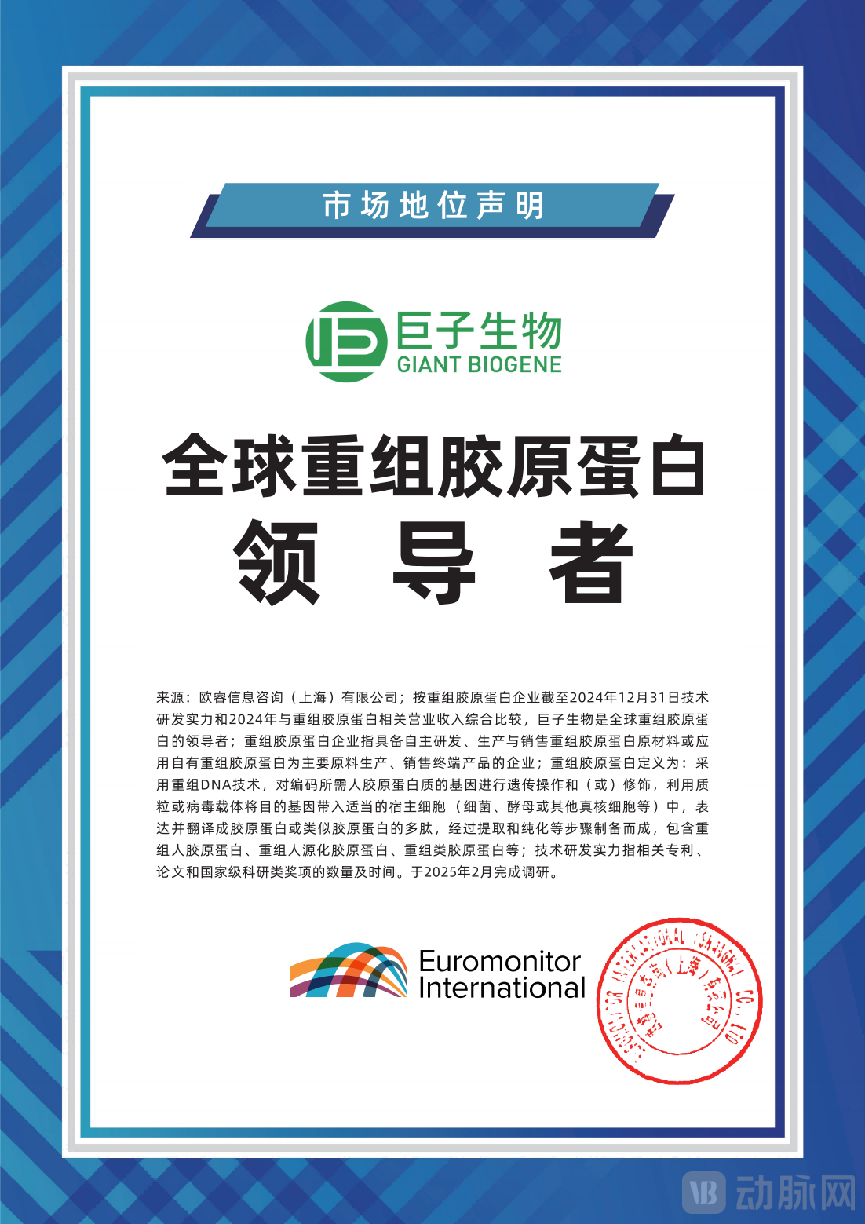
In 2011, Giant Biogene broke through industry barriers and successfully obtained China’s first Class II medical device registration certificate for recombinant collagen, establishing itself as an industry benchmark with its pioneering role. Subsequently, companies such as Jinbo Bio, Trautec Medical, and Juyuan Bio followed suit, obtaining registration certifications in 2014, 2017, and 2022, respectively, thereby launching the commercialization of products containing recombinant collagen. As a pioneer, Giant Biogene has leveraged its multi-year first-mover advantage to continuously lead technological innovation and industrial development in the recombinant collagen sector, solidifying its unshakable leadership position within the industry. It was consecutively recognized as the “Global Leader in Recombinant Collagen” by Euromonitor International, a world-renowned market research firm, for two consecutive years in 2024 and 2025.
Although more companies are entering the supply side, the recombinant collagen industry remains in a critical phase of market education and deepening consumer awareness. The potential of its diverse, multifunctional benefits has yet to be fully unleashed, offering ample room for brand innovation.
Taking Giant Biogene’s brands, Comfy and Collgene, as examples, their repair and anti-aging products featuring recombinant collagen as the core ingredient have become market bestsellers. Driven by this demonstrative effect, major domestic and international brands have intensified their strategic layouts, with companies such as L'Oréal, Proya, and Aupres successively launching new recombinant collagen products in 2024, sustaining the rising momentum of industry interest.
In response to the continuous influx of market participants, the Chinese government has successively introduced multiple policies that clearly define naming conventions, regulatory classifications, testing indicators, quality requirements, and standards for recombinant collagen in the medical and pharmaceutical industries, thereby reshaping industry standards. For instance, in January 2023, the Center for Medical Device Standardization Administration of the National Medical Products Administration (NMPA) provided further interpretation of the naming guidelines, emphasizing that recombinant human collagen must possess a full-length amino acid sequence and a triple-helix structure.It is evident that the recombinant collagen industry is facing increasingly high regulatory barriers.
Therefore, to break through in this competition, innovative enterprises must build a stronger technological foundation.
Across the broader market, competition within the recombinant collagen industry is becoming increasingly intense.
To gain a competitive edge, some companies may choose to imitate existing successful products in the market, thereby reducing R&D costs and market risks. While this strategy may yield profits in the short term, it exacerbates the risk of product homogenization.In the long run, products lacking uniqueness and innovation will struggle to maintain a competitive edge in a fiercely competitive market.
In this regard,Some innovative companies are actively exploring and continuously discovering more types of recombinant collagen and their efficacy, while developing and expanding end-use application scenarios and product portfolios around them, bringing new opportunities and challenges to the market.
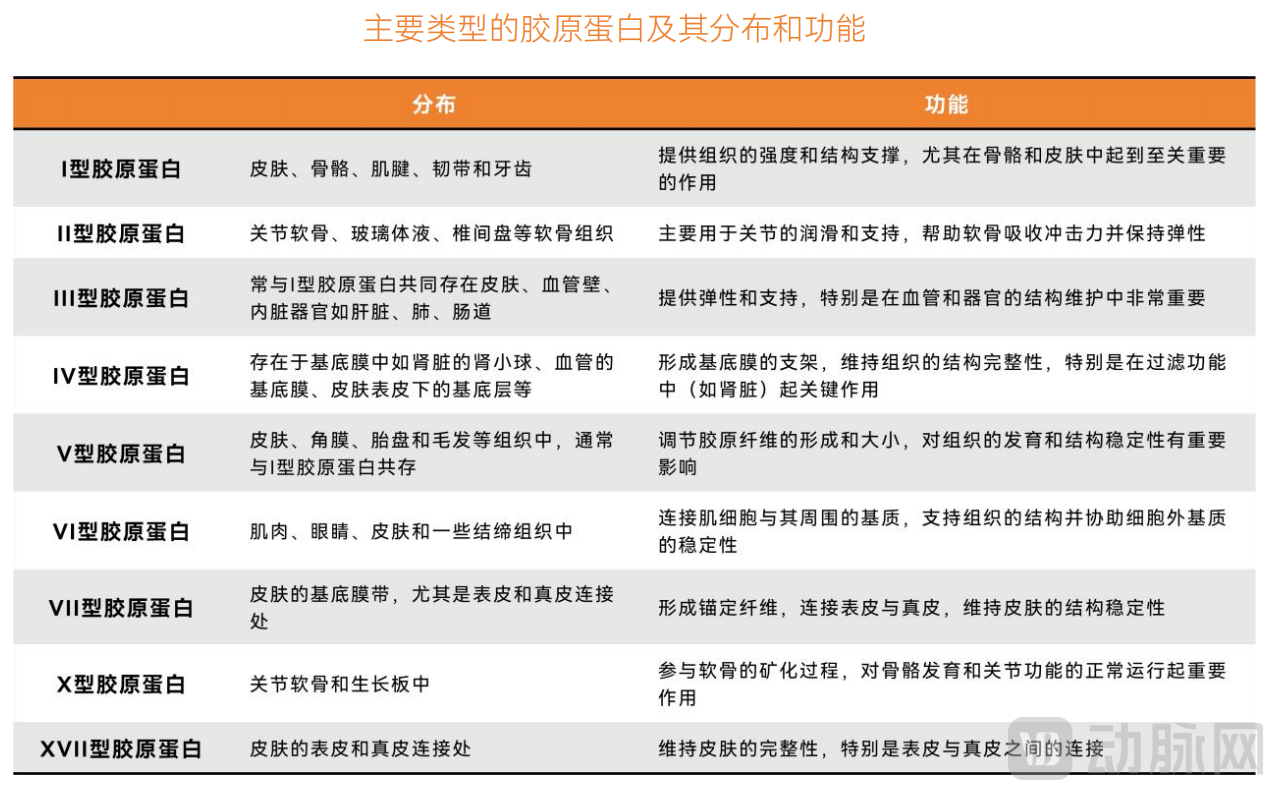 ▲Image source: VCBeat's "2024 White Paper on the Recombinant Collagen Industry"
Throughout this process, research on type IV collagen by scientists has become increasingly in-depth. At the "New Technologies Driving Industry Development Through Synthetic Biology" sub-forum of the recently held ICIC2025 International Conference on Cosmetic Innovation, Liu Wei, President of the Standards Committee of the Chinese Association of Plastics and Aesthetics and a professor of dermatology, mentioned thatType IV collagen is essential for maintaining the structural integrity of the basement membrane, and mutations in its genes can lead to basement membrane disorders.
It is well established that the basement membrane plays a crucial role in maintaining skin integrity and functional stability, regulating substance transport, and participating in cell signal transduction. Once the structural integrity of the basement membrane is compromised, it leads to impaired skin barrier function, thereby affecting the skin’s repair and regenerative capacity. Research published in the Chinese Journal of Dermatology indicates that basement membrane damage is highly correlated with chronic skin diseases such as atopic dermatitis and rosacea.
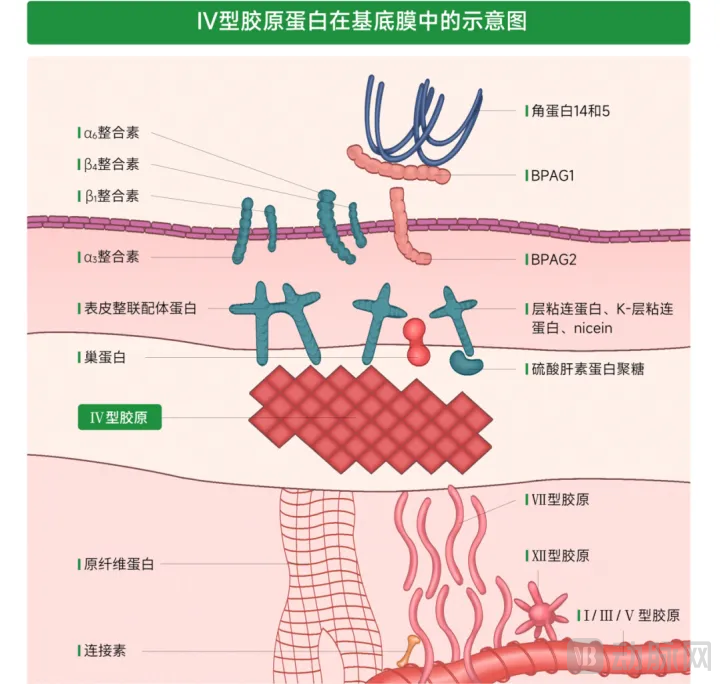 ▲Image source: Giant Biogene
It is precisely on this basis that recombinant type IV collagen demonstrates exceptionally high scientific research and application value.: Duan Zhiguang, Chief Technology Officer of Giant Biogene and Professor at the Institute of Biomedical Research, Northwest University, also pointed out in his speech at the aforementioned sub-forum that the product features a dual-pathway mechanism of action. First, it repairs the basement membrane barrier by activating 12 key substances within the basement membrane. Second, it penetrates deeply into the dermis to reduce vascular permeability, thereby targeting the root cause to alleviate redness and soothe the skin. Data from advanced PeriCam PSI measurements showed that recombinant Type IV collagen reduced cutaneous blood perfusion by 22.39%, demonstrating significant efficacy in soothing erythema.
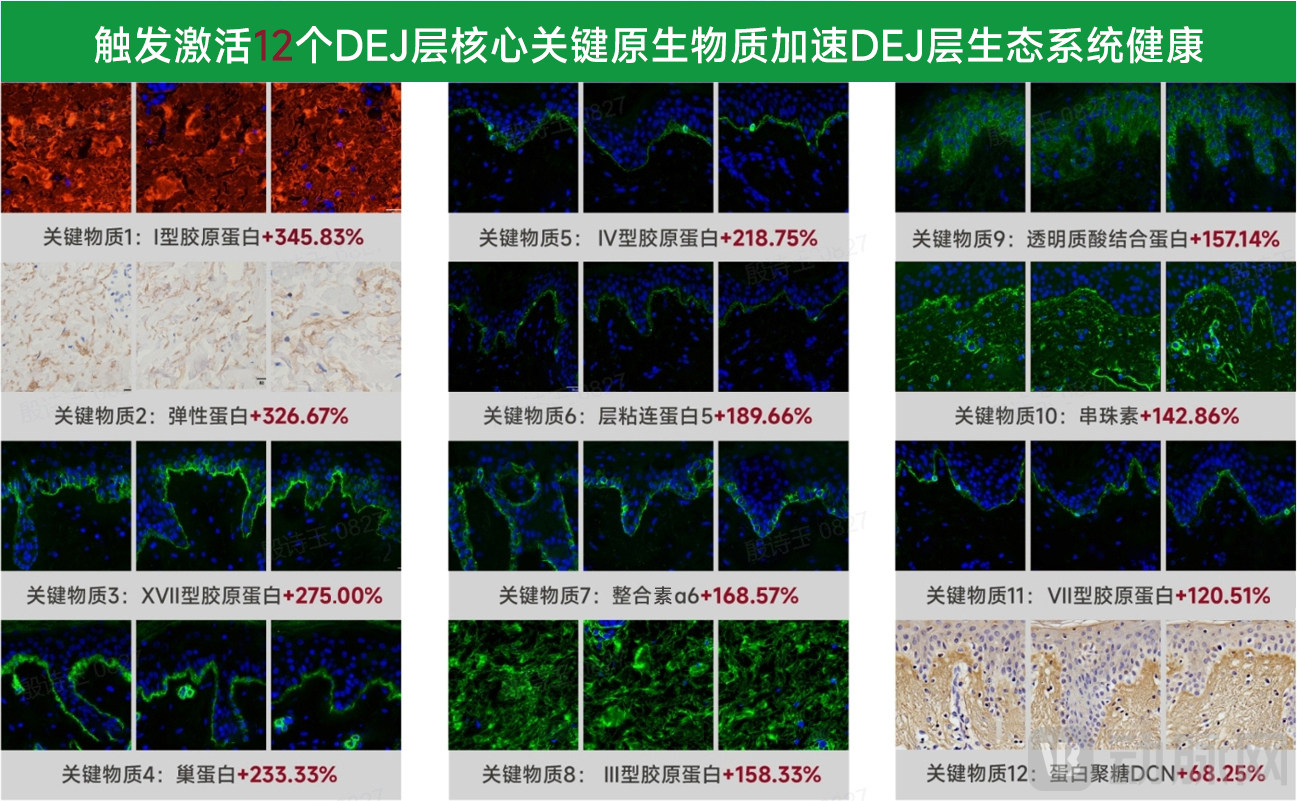 ▲Image source: Giant Biogene
As a global leader in the field of recombinant collagen,Giant Biogene Becomes the First Company to Achieve a Closed Loop of Industrialized Expression and Mechanism Validation for Recombinant Type IV Collagen Ingredients, and has obtained relevant patent certification (Chinese Invention Patent: ZL 2024 1 0545206.6).
This achievement is not only technically demanding but also highly pioneering and challenging, breaking traditional perceptions for the first time in the industry and paving a new path for the application of truncated Type IV collagen proteins.
VCBeat has learned that Giant Biogene’s recombinant Type IV collagen is designed using a natural truncation approach and selected from tens of thousands of fragments via screening models. This innovation addresses the purification bottlenecks associated with the difficulty of removing exogenous impurities and the susceptibility of collagen to fragmentation, thereby enabling high-yield production and industrial-scale manufacturing.
Alongside breakthroughs in industrialization, the commercial application of recombinant Type IV collagen is also accelerating.Recently, Giant Biogene’s flagship brand, Comfy, launched its core upgraded hero product—Comfy Collagen Stick 2.0, formulated with its exclusive patented ingredient, recombinant Type IV collagen. The product has undergone safety verification by clinical observation centers at two Grade A tertiary hospitals and has been substantiated through multiple tests conducted by authoritative third-party institutions such as SGS.
Test results demonstrate that the recombinant Type IV collagen in this product not only activates 12 key components of the basement membrane but also accelerates the reduction of redness and sensitivity, achieving a 96.02% decrease in redness within just 10 minutes. Its reparative efficacy surpasses that of mainstream repair serums on the market, with barrier resilience improving by +26.09% after 2 hours. These advantages enable the product to address skin redness across seven common and extreme scenarios, including redness caused by temperature fluctuations, photoelectric procedures, sun exposure, acne marks, exercise, chemical peels, and physical irritation.
In addition to featuring natural-sequence recombinant Type IV collagen as its core active ingredient, this product is further formulated with a blend of five distinct types of recombinant collagens: “repetitive-sequence HLC patented recombinant Type I collagen (HLC type), natural-sequence recombinant Type I collagen (Type I), natural-sequence recombinant Type III collagen (Type III), and mini low-molecular-weight recombinant collagen peptides (Mini low-molecular-weight type).” Among these, the HLC, Type I, and Type III collagens primarily target epidermal barrier repair; Type IV collagen acts on the basement membrane and penetrates downward to the root causes in the dermis to reduce redness; while the Mini low-molecular-weight type reaches directly into the dermis for deep repair, collectively establishing a “full-thickness skin collagen intensive repair system.” Overall, Comfy Collagen Stick 2.0 unblocks the “full-thickness skin pathway” spanning the epidermis, basement membrane, and dermis, setting a higher industry standard for skin repair.
Undoubtedly, Giant Biogene has successfully commercialized recombinant Type IV collagen, transitioning it from laboratory research to market-ready products. This achievement not only fills a technological gap in China but also expands the boundaries of the recombinant collagen industry, raising the market’s growth ceiling.
More importantly, beyond commercialization, Giant Biogene has solved the global challenge of raw material purification, establishing a stronger technological foundation for China’s recombinant collagen industry and the broader synthetic biology sector, thereby safeguarding the stable development of the industrial and supply chains in China’s medical aesthetics and cosmetics industries.
Currently, Chinese innovative enterprises represented by Giant Biogene rank among the world’s leaders in the number of patents, technological proficiency, and market share in the field of recombinant collagen, having fundamentally reshaped the competitive landscape of the global recombinant collagen market.
"Although the process of sifting through sand thousands of times is arduous, only after blowing away all the grit does one finally reach the gold." The remarkable achievements currently seen in the recombinant collagen industry are the result of Chinese innovative enterprises’ pioneering efforts and sustained dedication: Since the 10th Five-Year Plan period, ministries such as the Ministry of Science and Technology and the National Development and Reform Commission have initiated and supported multiple multi-year research projects focused on the R&D and industrialization of recombinant collagen.China's recombinant collagen industry has undergone multiple evolutions.
For instance, in 2005, Dr. Fan Dai Di and Giant Biogene were granted China’s first invention patent for recombinant collagen. In 2006, Professor Yang Shulin of Nanjing University of Science and Technology achieved the first laboratory-scale expression of recombinant type III collagen using a eukaryotic cell system (Pichia pastoris) in China. After 2011, Giant Biogene, Jinbo Bio, Trautec Medical, and Juyuan Bio successively obtained their first Class II medical device registration certificates for recombinant collagen, accelerating industrialization. In 2025, Giant Biogene’s exclusive patented recombinant human type IV collagen was officially granted by the China National Intellectual Property Administration, opening up new pathways for the application of truncated type IV collagen proteins.
Each technological advancement has brought greater inclusive value to society.These groundbreaking achievements not only lower the barrier to applying high-end biotechnology but also drive transformative changes in downstream industries, such as medical-grade skincare. By enhancing product accessibility, they ultimately convert technological dividends into tangible health benefits, extending their reach to a broader segment of society.
Meanwhile, as an emerging force, recombinant collagen still holds immense potential. According to the “2024 White Paper on the Recombinant Collagen Industry” released by VCBeat, among the active ingredients in functional skincare products in China,The penetration rate of recombinant collagen remains relatively low, and its life cycle is in a phase of rapid growth, leaving ample room for further innovation.
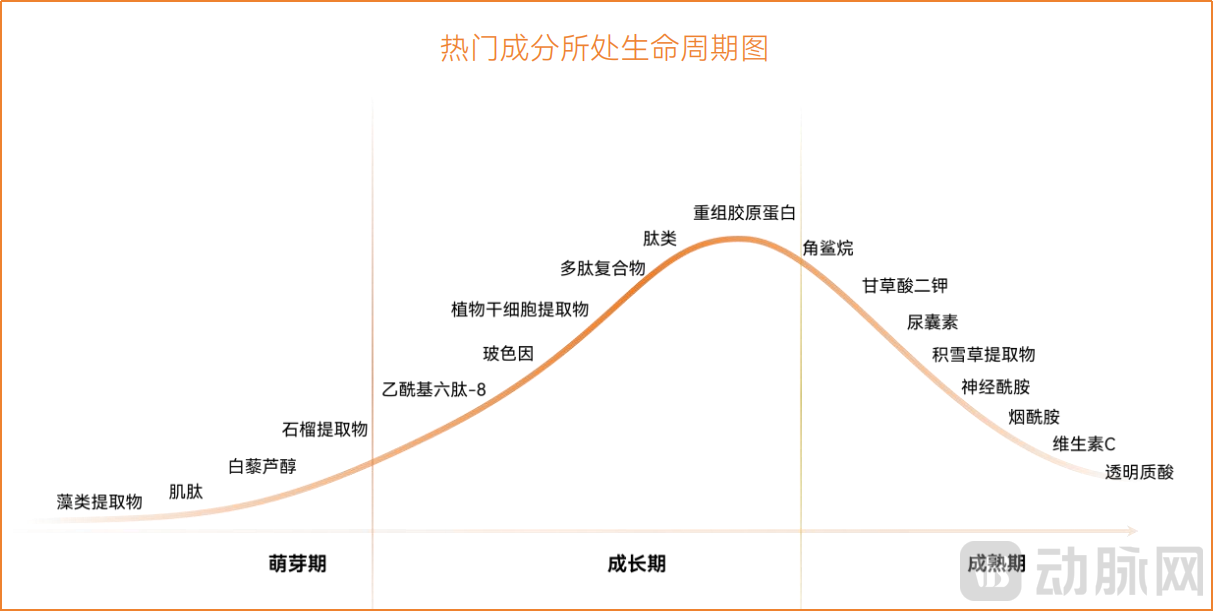 ▲Image source: VCBeat, “2024 White Paper on the Recombinant Collagen Industry”
First, the potential for product innovation remains to be further explored.Taking skincare as an example, with continuous advancements in technologies such as synthetic biology and gene editing, such products may be able to provide exclusive care regimens tailored to each individual’s skin genetic profile and health status, similar to pharmaceuticals, thereby achieving more precise personalization.
Second, there is room for improvement in the innovation potential of business models.Currently, young Chinese consumers have undergone significant shifts in their behavioral attitudes. According to the "Insights into Gen Z Consumer Attitudes Report," Generation Z (those born between 1995 and 2009) is gradually becoming the primary consumer demographic. They pursue products that are safer, more efficient, and aesthetically pleasing, demonstrating a more comprehensive and detail-oriented approach to beauty.
Therefore, in the future, professionals in the healthcare industry should focus on accelerating the translation of scientific research achievements through industry-academia-research collaboration, enhancing the technological value of their products. They must also develop systematic and professional solutions tailored to diverse user demands, thereby driving the development of the medical-grade skincare industry and improving public skin health.
Looking beyond technology and products from a broader perspective, China’s continuous innovation in the field of recombinant collagen is precisely attributable to pioneering industry leaders such as Giant Biogene. By remaining steadfast in their original commitment to deep industry engagement, these early entrants have secured industrial discourse power through repeated breakthroughs and disruptive endeavors.
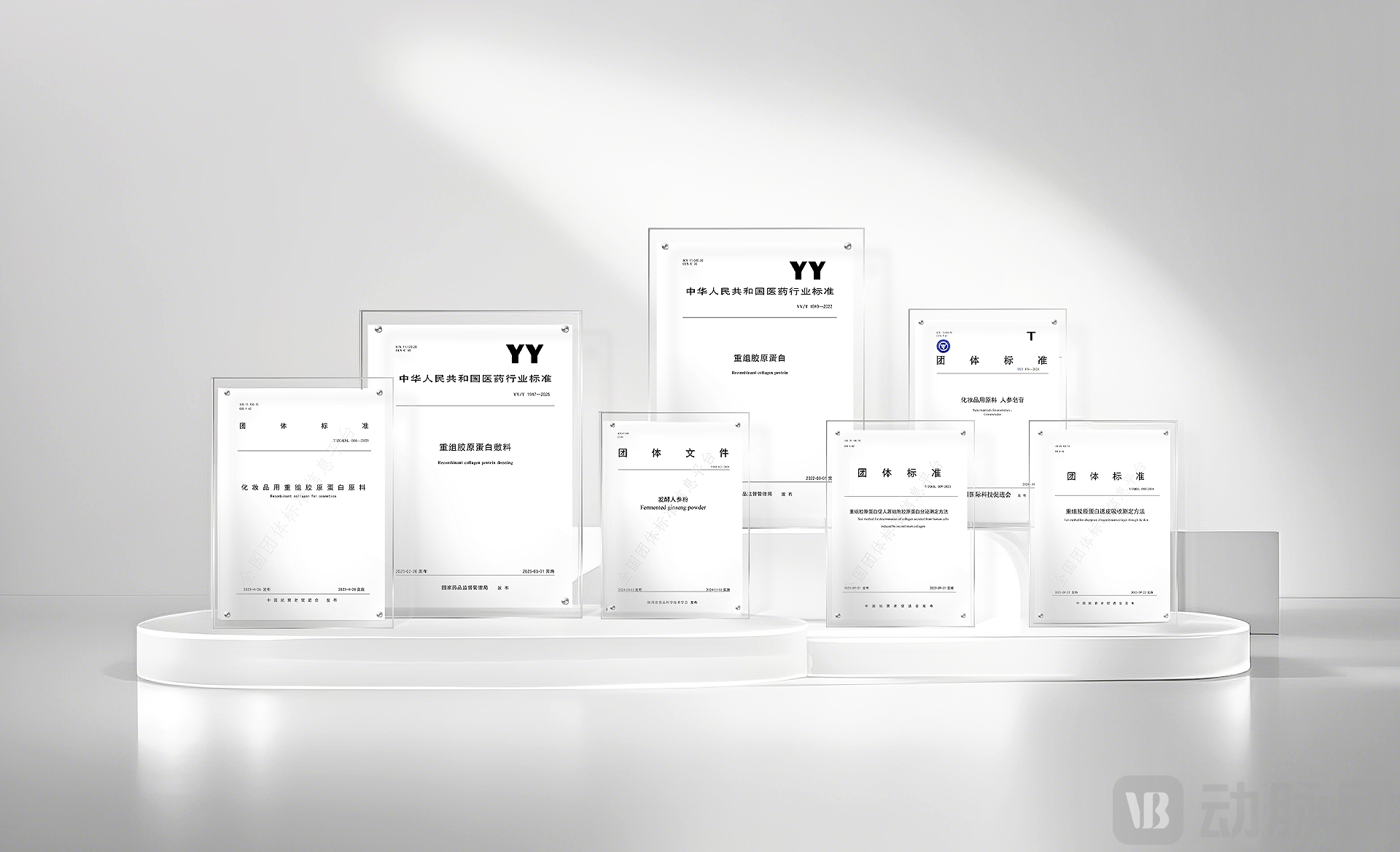
For instance, in the realm of industry standard-setting, Giant Biogene, as an industry leader, has participated in the drafting of two industry standards in recent years: Recombinant Collagen and Recombinant Collagen Dressings. Furthermore, it has spearheaded the development of five group standards, including Raw Materials of Recombinant Collagen for Cosmetics, Determination Method for Transdermal Absorption of Recombinant Collagen, and Determination Method for Recombinant Collagen-Induced Secretion of Human Cell-Derived Collagen. This matrix of standards not only fills gaps in relevant fields but also enhances the industry standard system from multiple levels and dimensions, driving the industry toward a new era of scientific, standardized, and refined development, while continuously strengthening the global leadership of Chinese biomaterials.
From this perspective, as recombinant collagen transitions from laboratory research to large-scale industrial production, and as recombinant Type IV collagen further expands industry boundaries, competition in China’s skin health sector is no longer merely a contest of single technologies. Instead, it has evolved into a comprehensive restructuring of the entire value chain, spanning from strain patents to application ecosystems.
This is not only Giant Biogene’s answer sheet after 25 years of deep cultivation in the industry, but also a historic step for China’s synthetic biology in defining global standards and achieving continuous rise.