2025 Future Healthcare 100: Standing at the Critical Point of Innovation
In physics, a critical point heralds a qualitative transformation in the state of matter—water freezes into ice at 0°C and boils into vapor at 100°C, where minute energy changes can trigger entirely different phases. China’s healthcare industry in 2024–2025 is at just such a tense critical juncture: on one side lie the chill of capital markets and profit pressures; on the other, vigorous growth in innovation and global breakthroughs.
The past year was fraught with challenges, yet China’s healthcare industry delivered an inspiring record of innovation: 43 domestically developed innovative drugs and 66 innovative medical devices received regulatory approval for market launch, setting new historical highs. The total value of License-out deals for Chinese innovative drugs achieved a new breakthrough, leaving a distinct Chinese mark on the global landscape of pharmaceutical innovation. Even more noteworthy is the significant increase in industrial collaboration density and the accelerated cross-sector technological integration, as the innovation ecosystem revitalizes amid ongoing restructuring.
Behind the impressive achievements lies the steadfast commitment and breakthroughs of countless medical innovators at critical junctures. As traditional models face challenges, true innovators are accumulating momentum: some are delving deep into foundational technologies to overcome “chokepoint” bottlenecks; others are restructuring business models to forge new payment pathways; while still others are embracing globalization, bringing Chinese solutions to the world stage. These incremental, dispersed breakthroughs are quietly driving the entire industry toward a transition into a new quality-driven paradigm.
The 2025 VBEF Future Healthcare & Pharma Top 100 Exhibition, themed “THE NOW: Tipping Point,” interprets the coexisting characteristics of “ice and fire” at the tipping point and bears witness to the pioneers who dare to stand firm in the present and break through boundaries. AndThe “2025 Future Healthcare 100 Enterprises Growth Report” released this time not only documents the innovative breakthroughs achieved over the past year, but also seeks to uncover the industry patterns underlying these tipping points.
This ranking targets non-listed companies in the healthcare and medical sector. The list is based onBased on the VB100 Value Assessment Model, through a process comprising enterprise self-declaration, review by the VB100 Review Committee, cross-review by supporting institutions, and final review by the Expert Committee, across four major domains (Innovative Medical Devices and Intelligent Manufacturing/Innovative Pharmaceuticals and Biologics/Healthcare and Health Innovation Services/HealthcareHealth Industry ChainServices) respectively selected for valuation rankingsTop 100 Innovative Enterprises. Beyond valuation, supplementary research will be conducted on the candidate enterprises’ growth and annual performance across four primary indicators—human resources, intellectual resources, key partner resources, and market performance—encompassing a total of 17 secondary indicators.




This ranking targets listed companies in the healthcare and medical sectors. The list is centered on corporate market capitalization and its annual growth rate, revenue and its annual growth rate, and R&D expenditure and its annual growth rate.Six Key Indicators for Building an Evaluation Model: Aiming to Gain Data-Driven Insights into Corporate Capital Value and Strategic Innovation, Market Value and Commercial Innovation, and Technological Value and Product Innovation; Conducting In-Depth Analysis of Companies’ Innovation Value and Growth Trajectories to Identify Benchmark Enterprises with High Innovation Capacity and Strong Growth Performance Driven by Innovation.

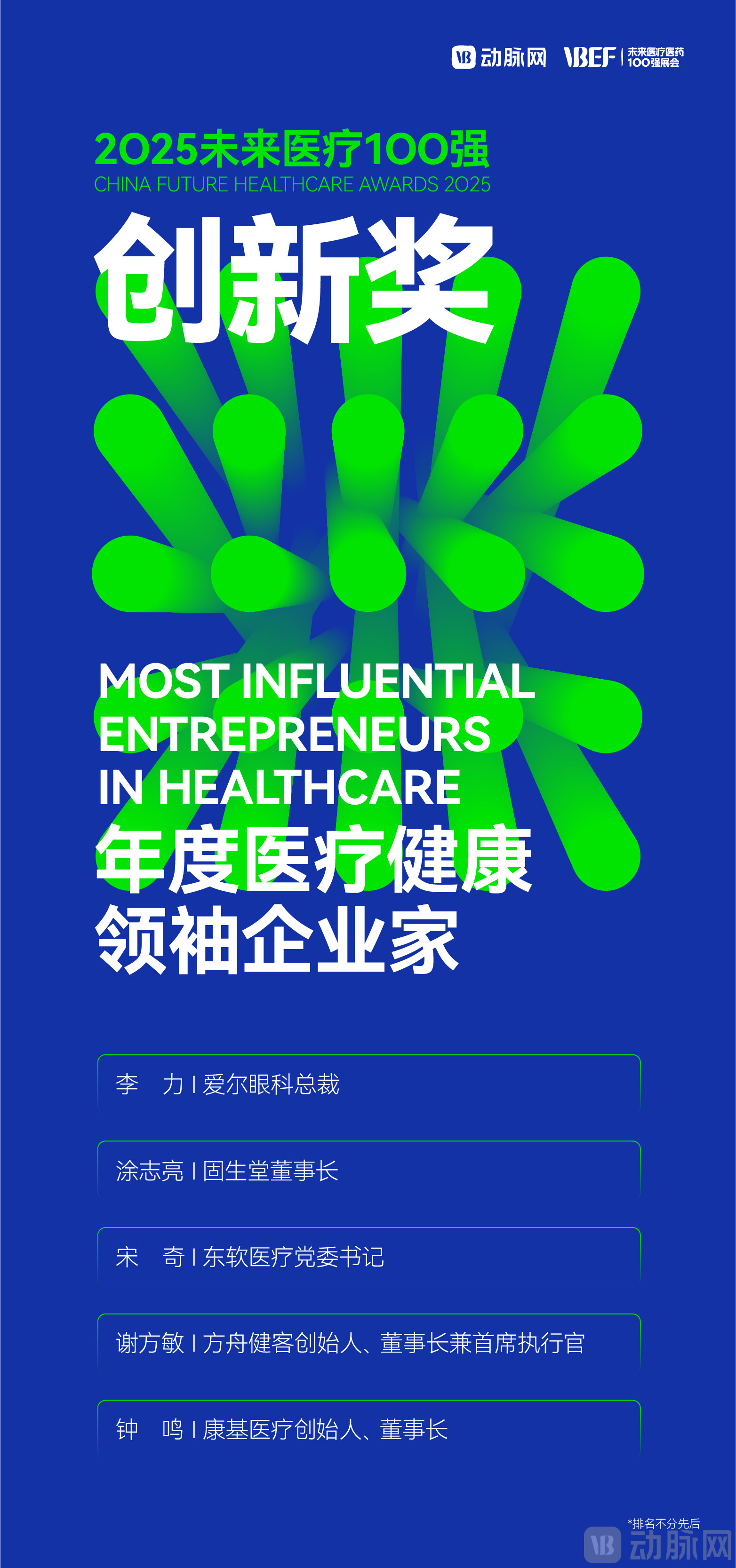
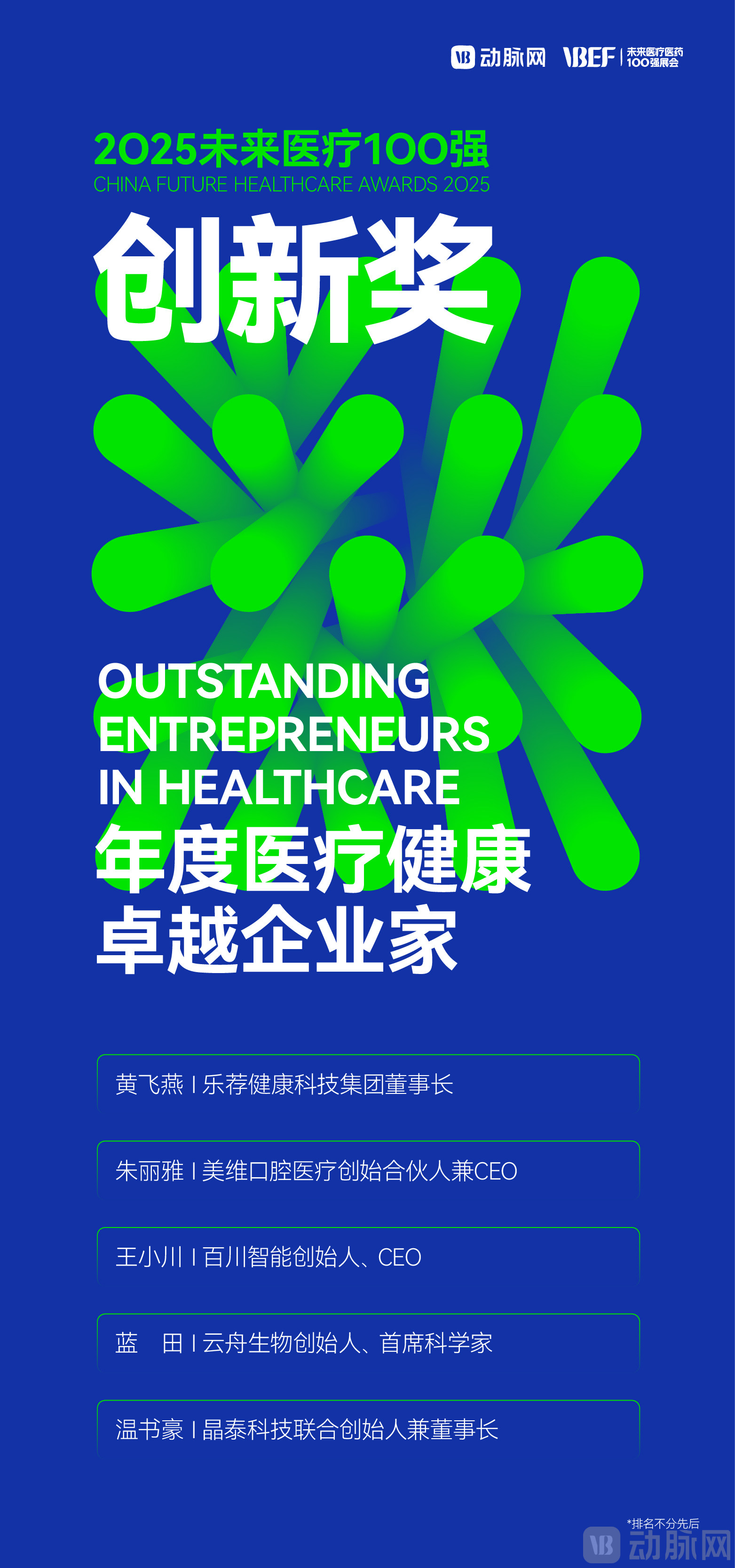
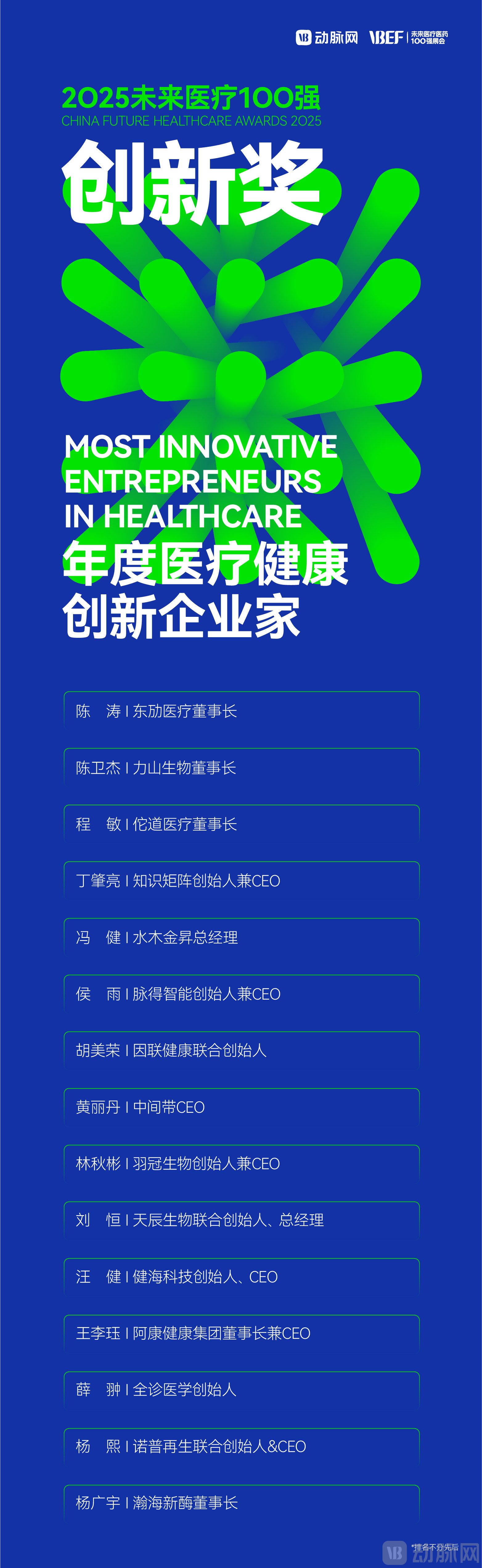
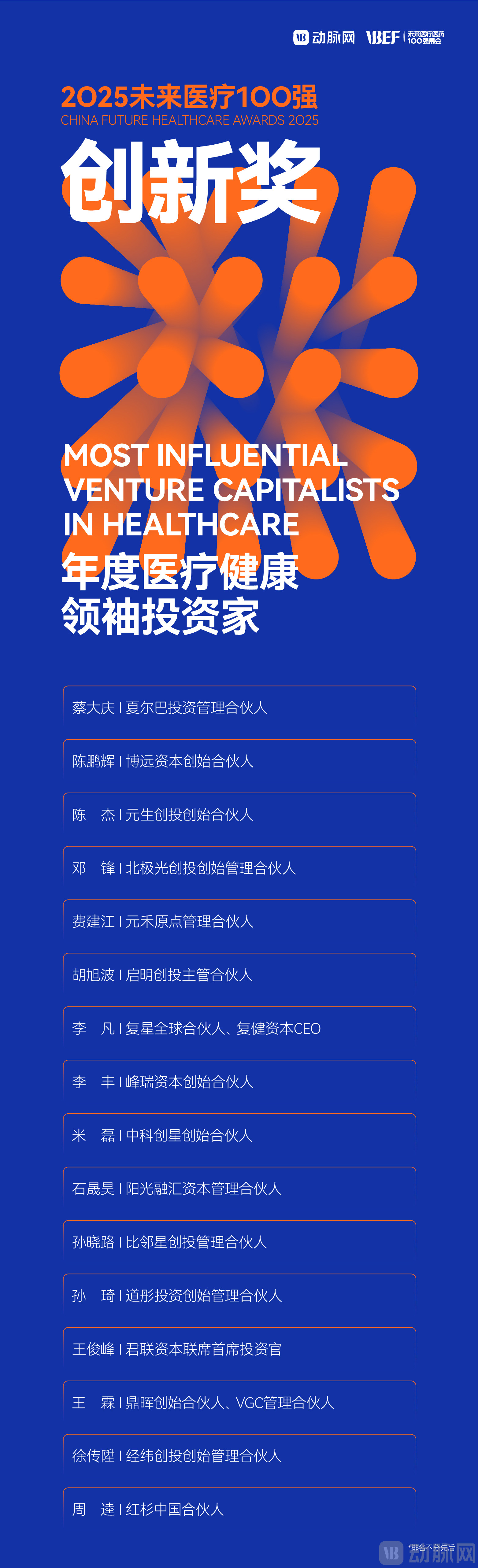
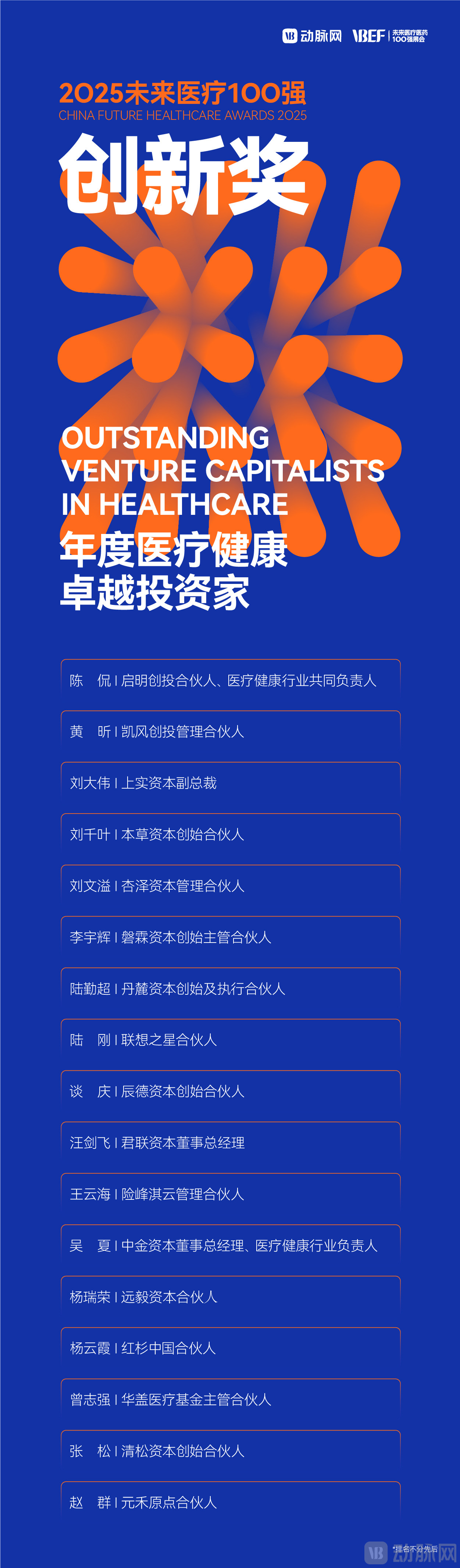
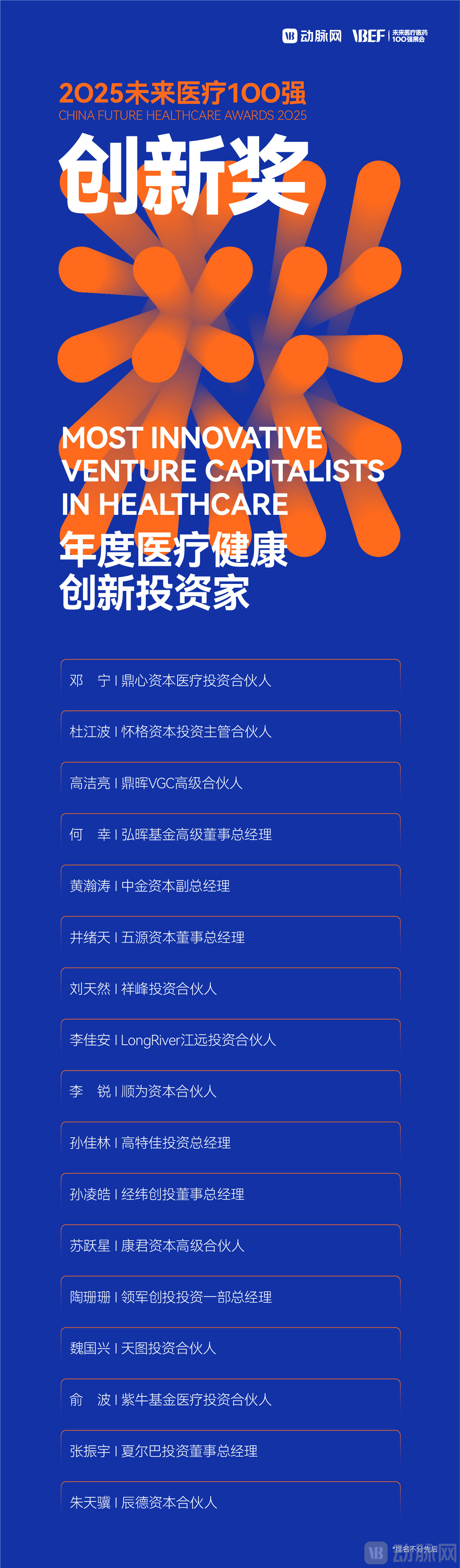
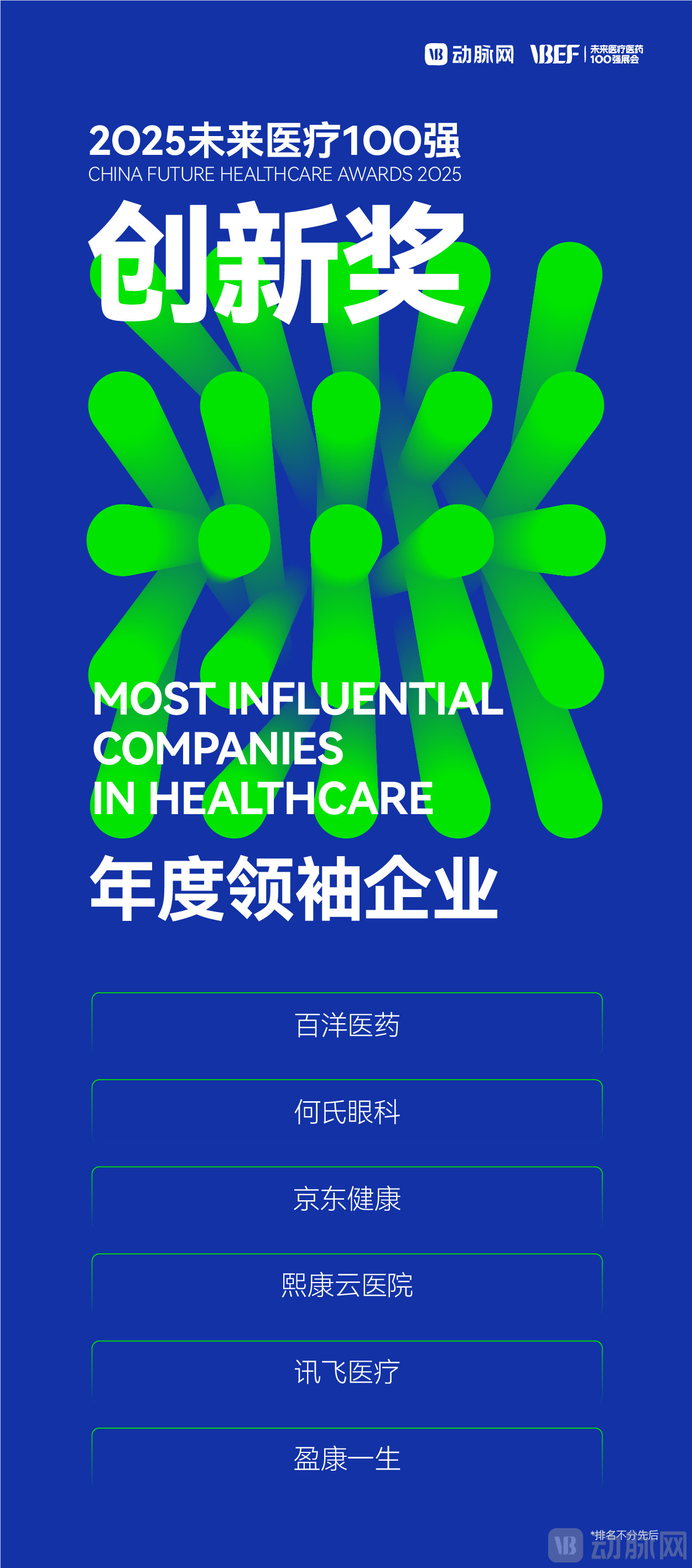
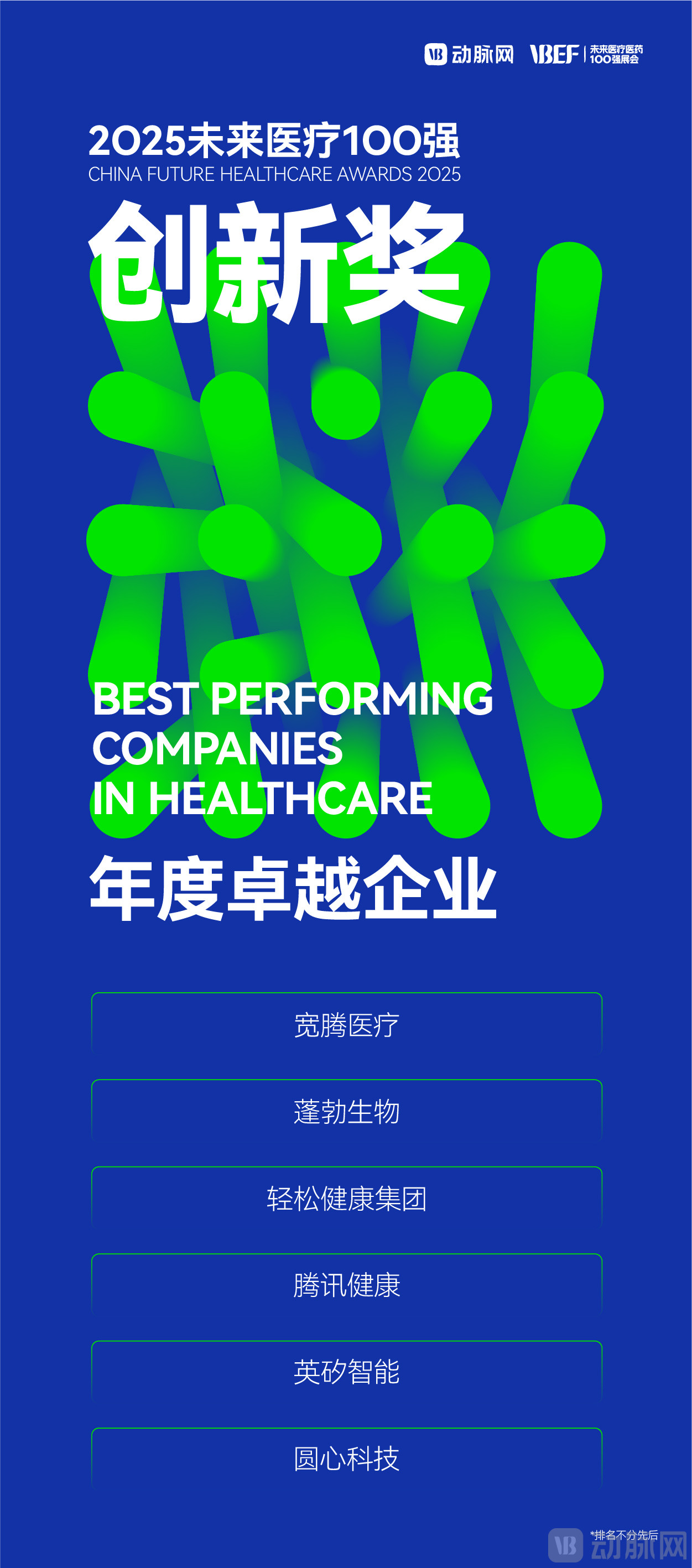
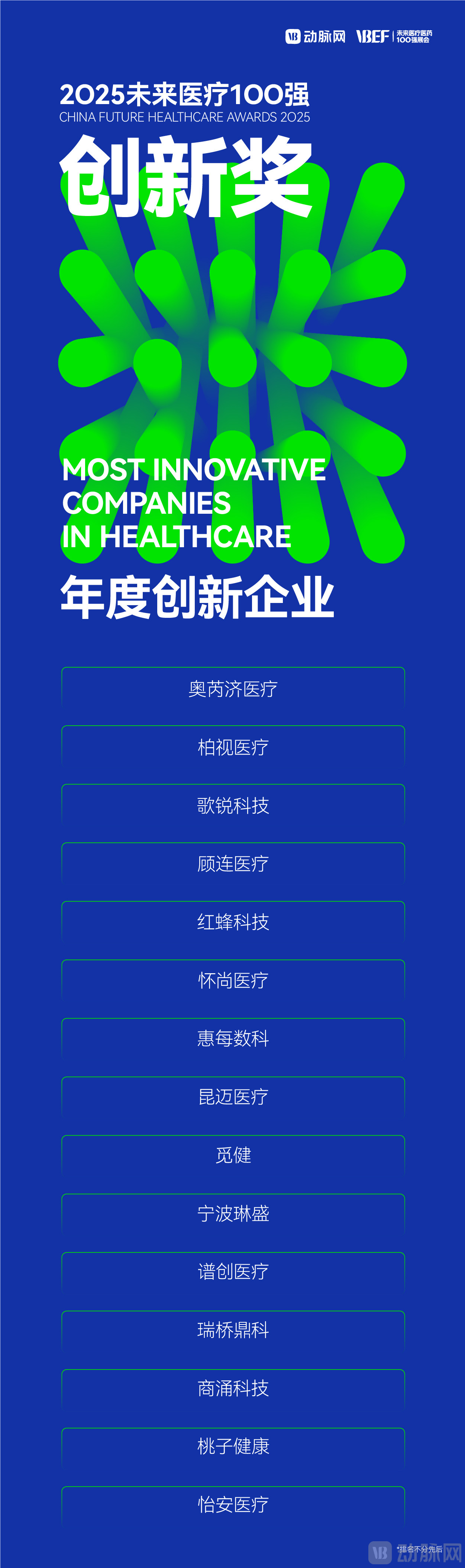
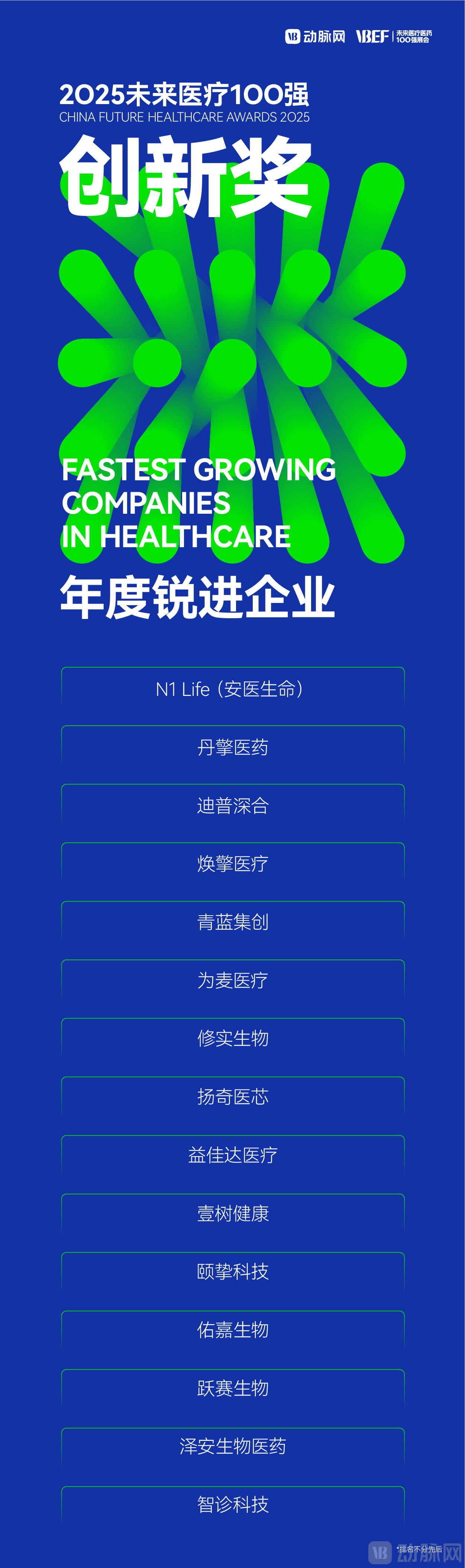
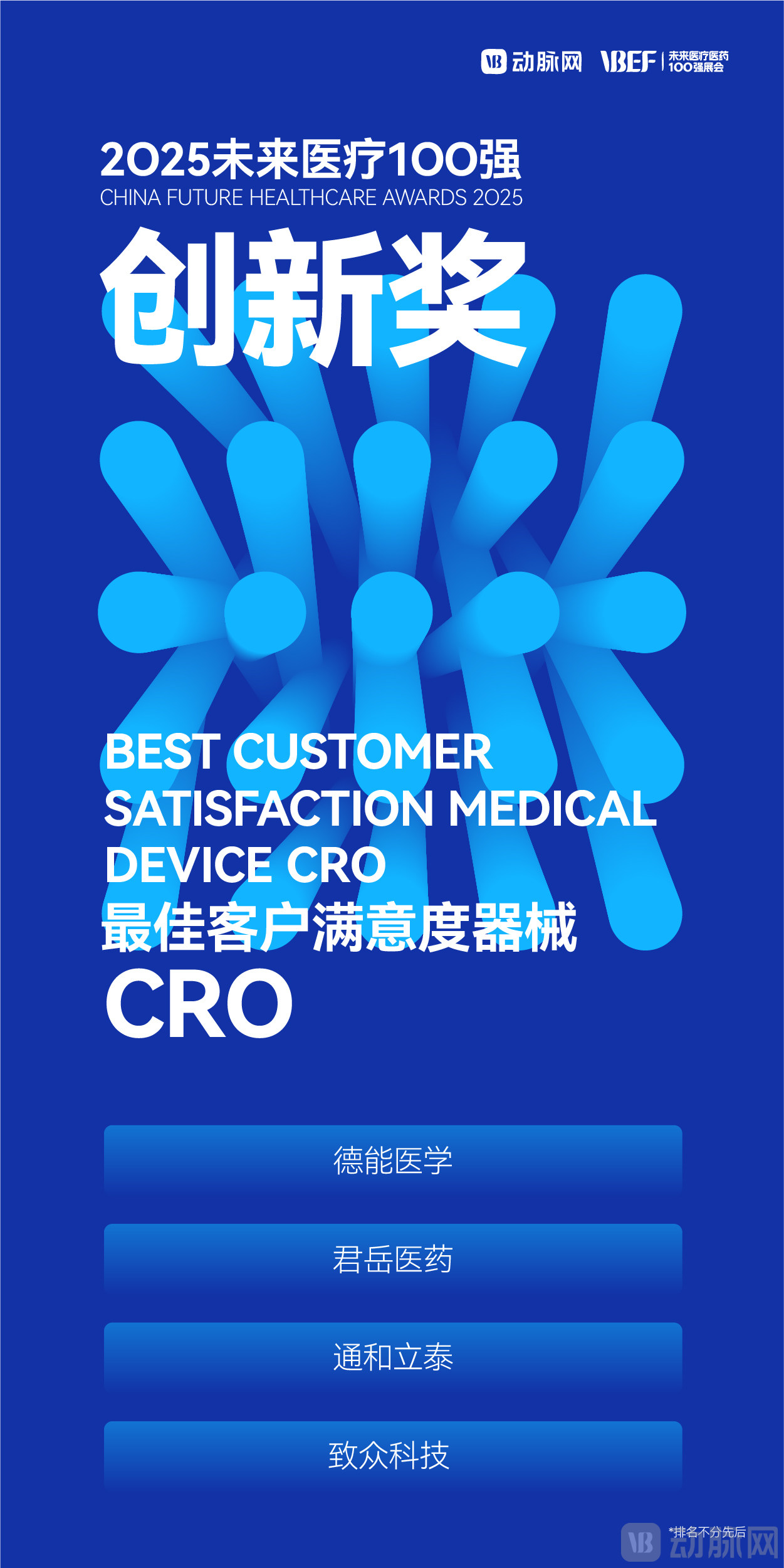
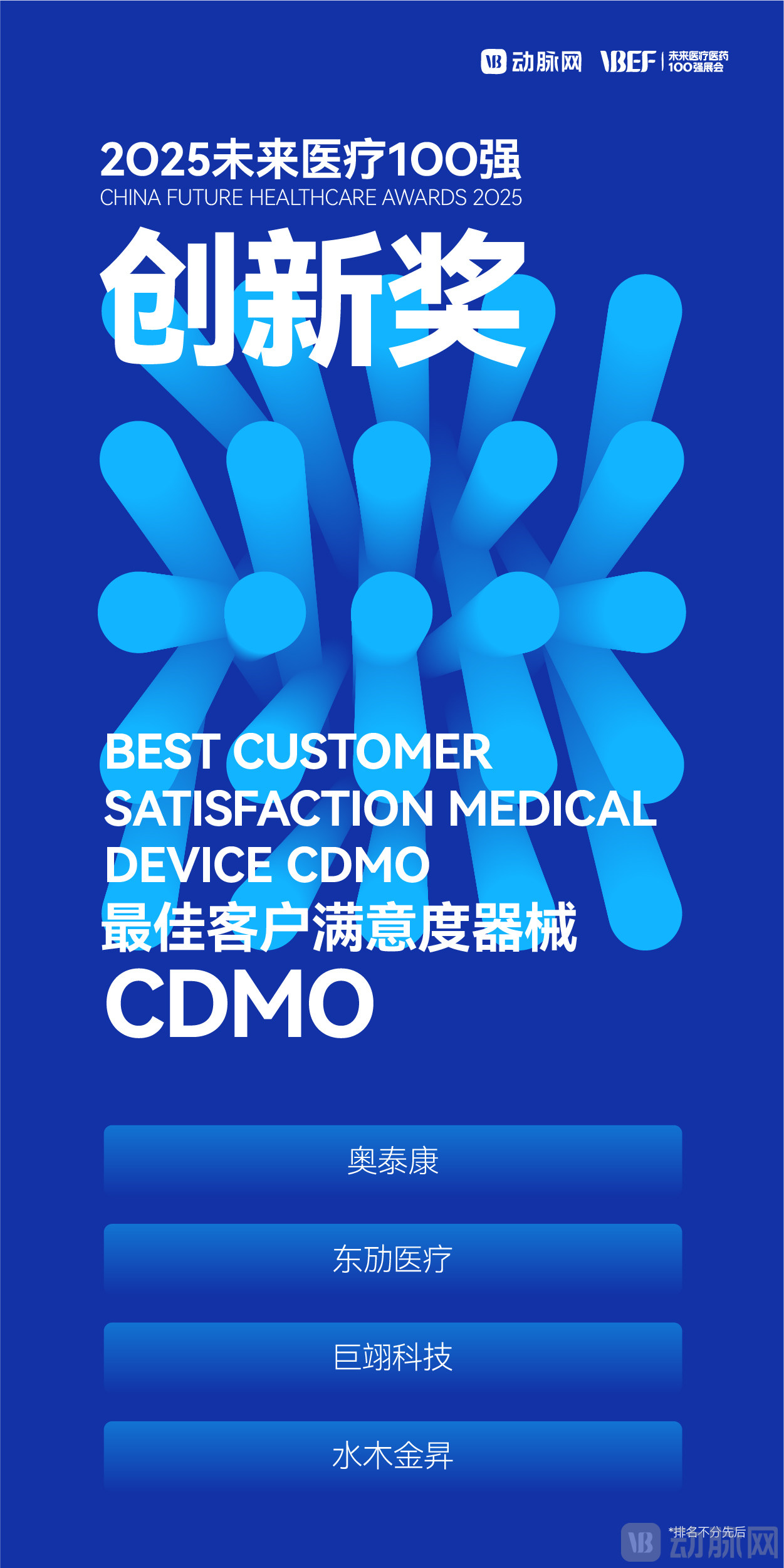
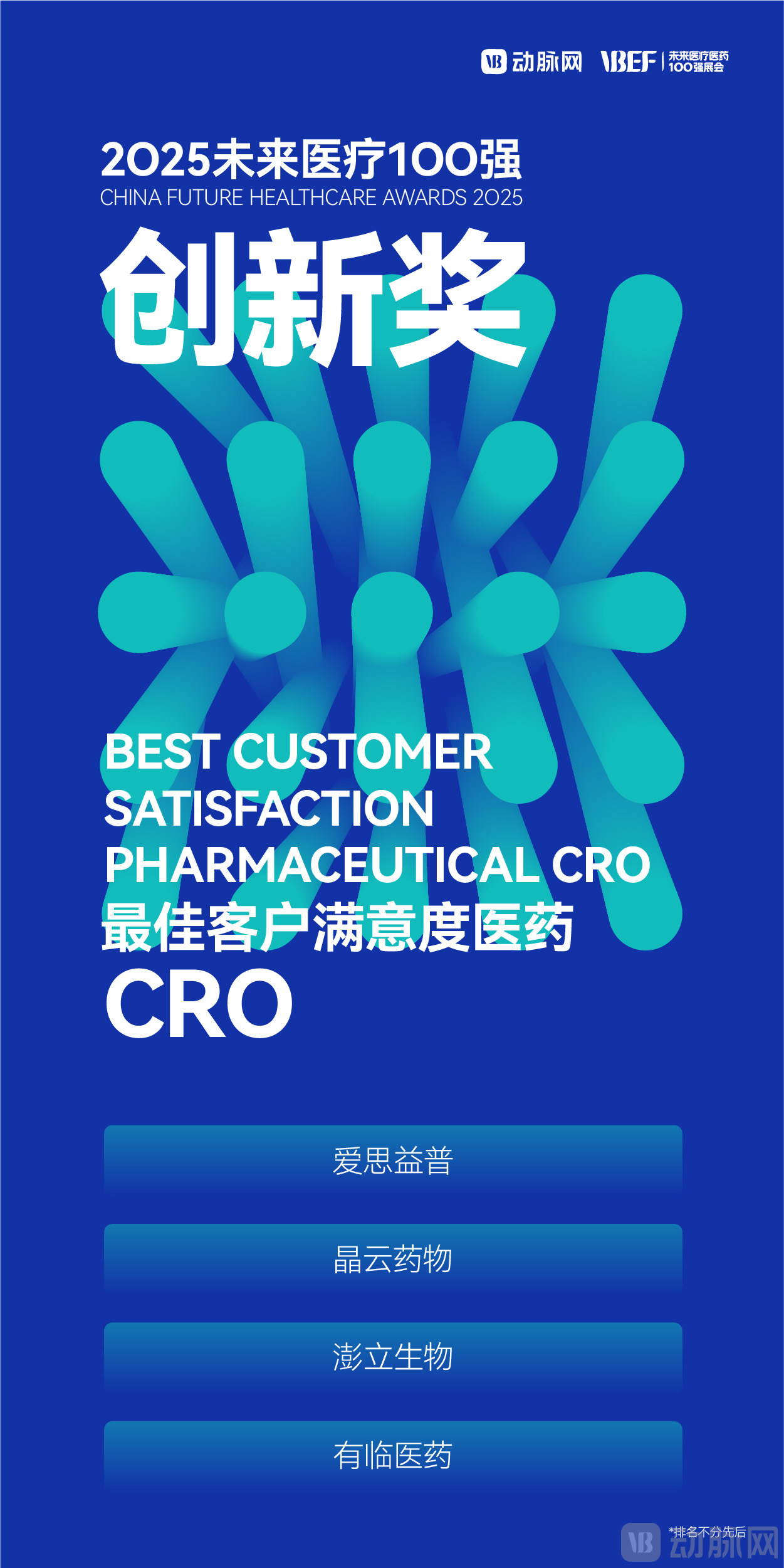
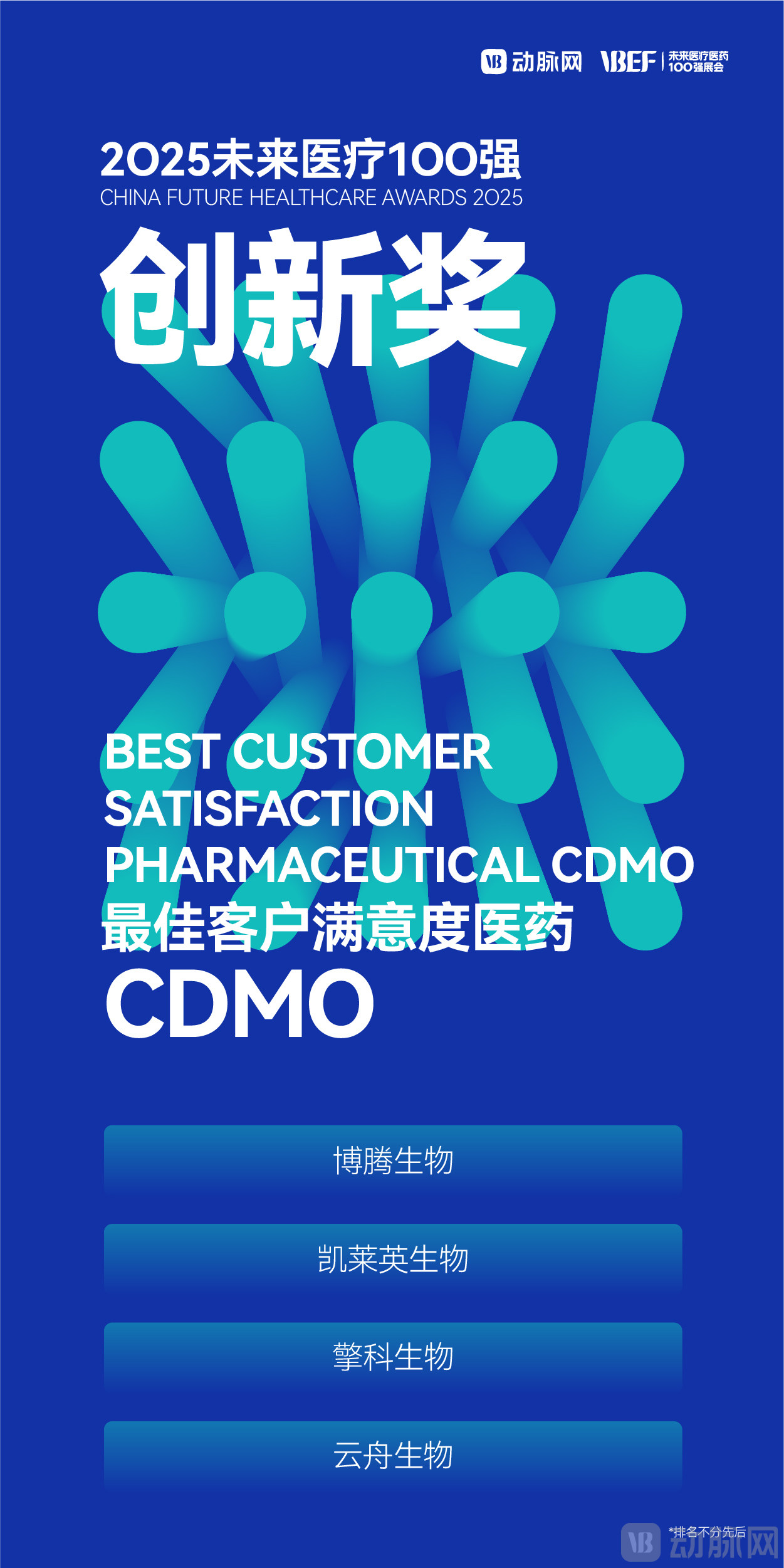
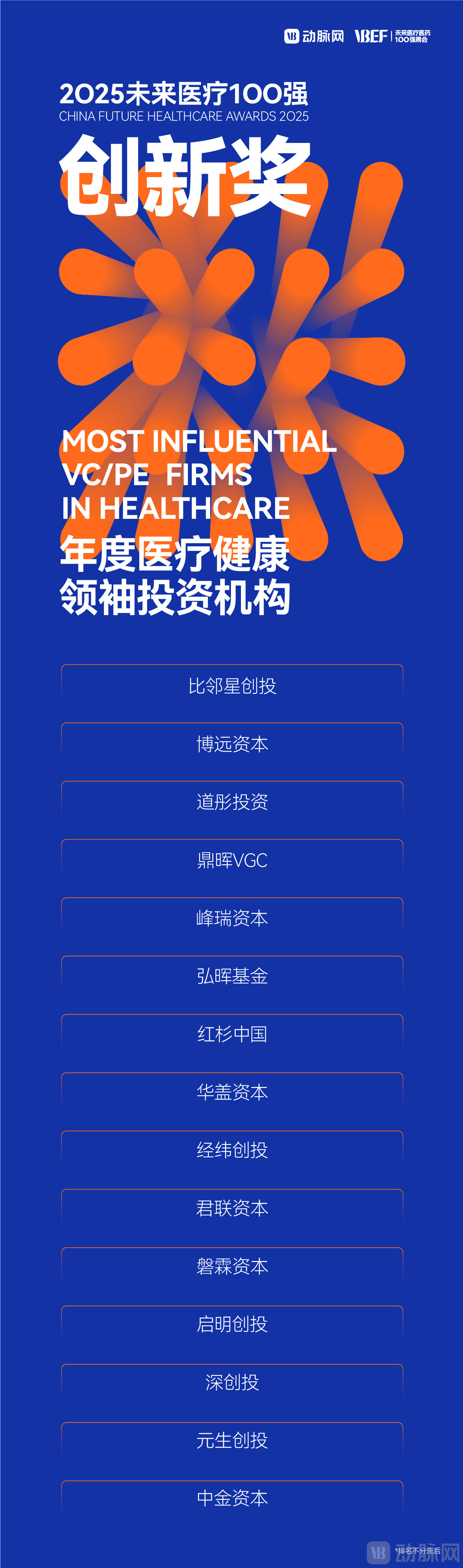
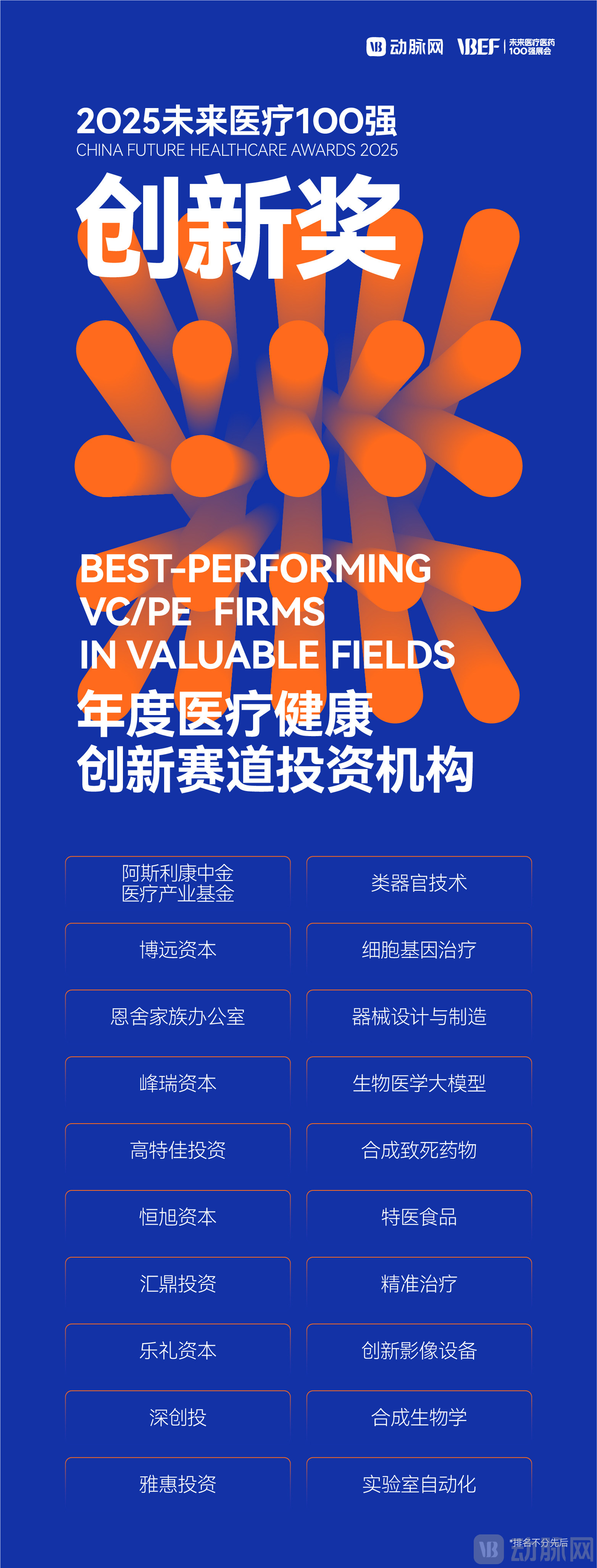
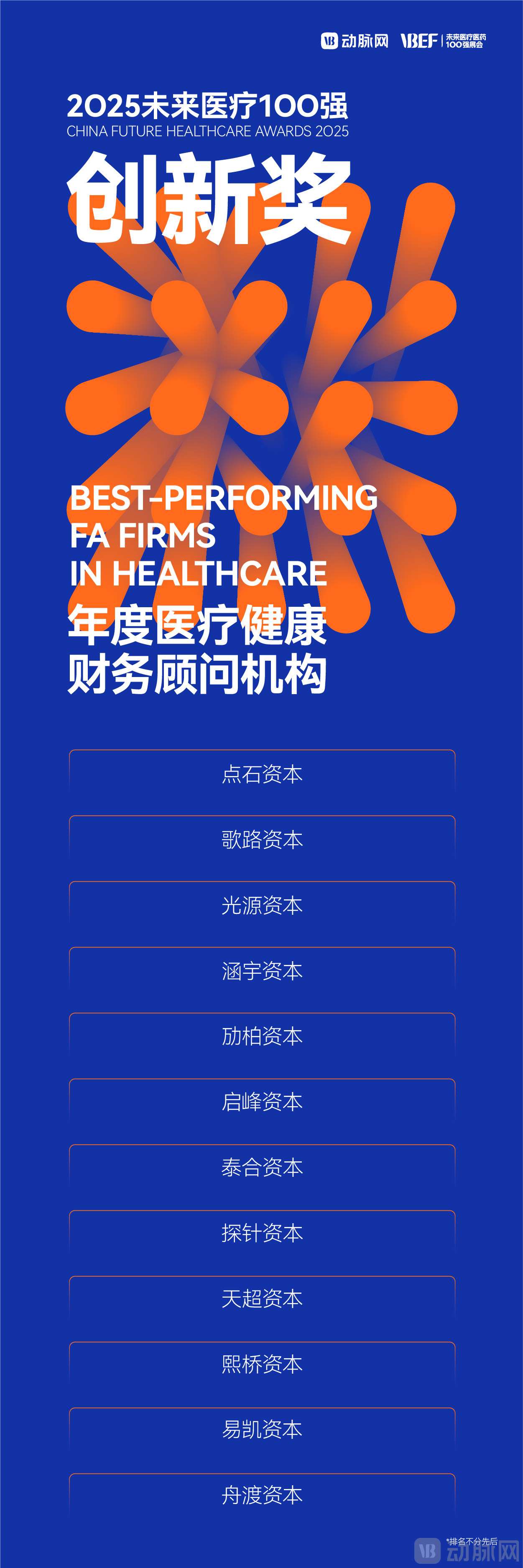
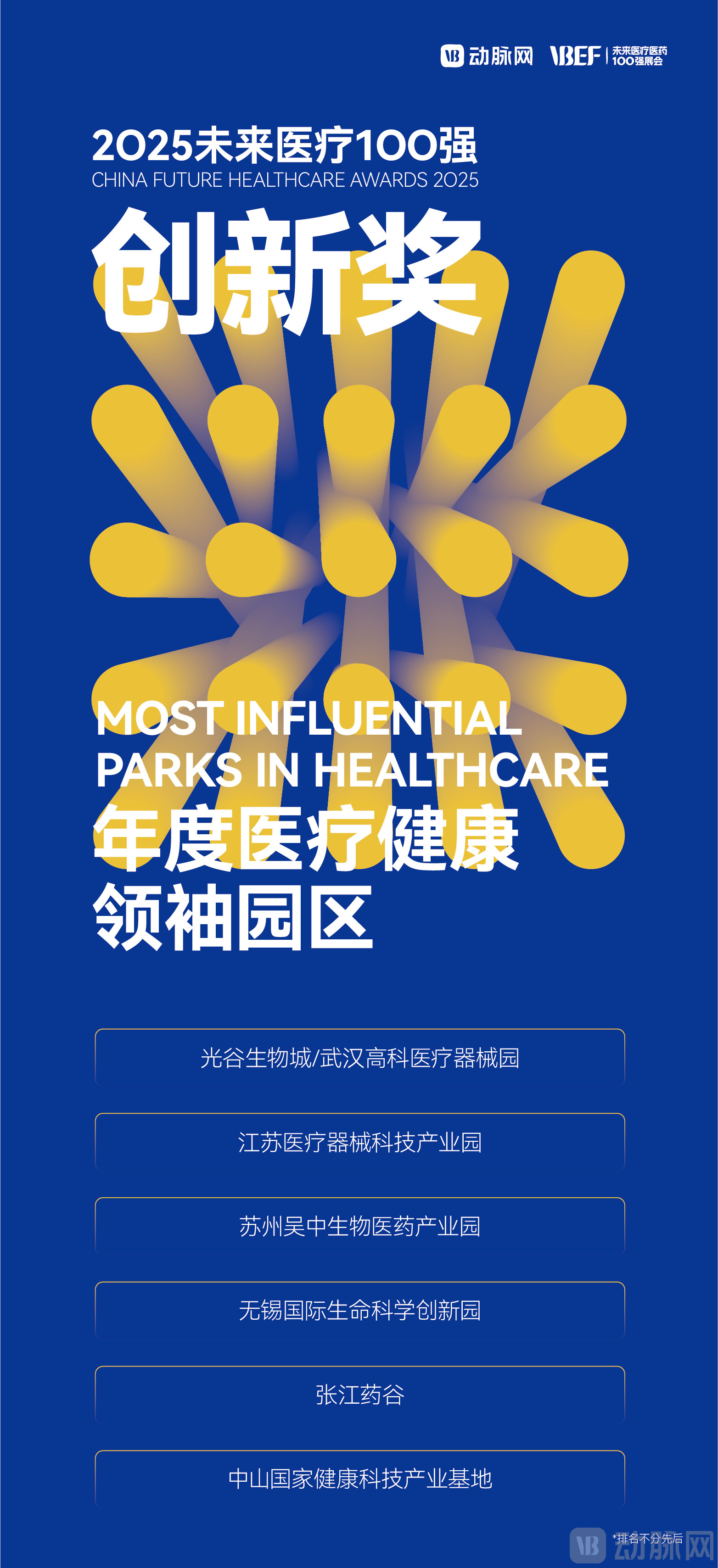
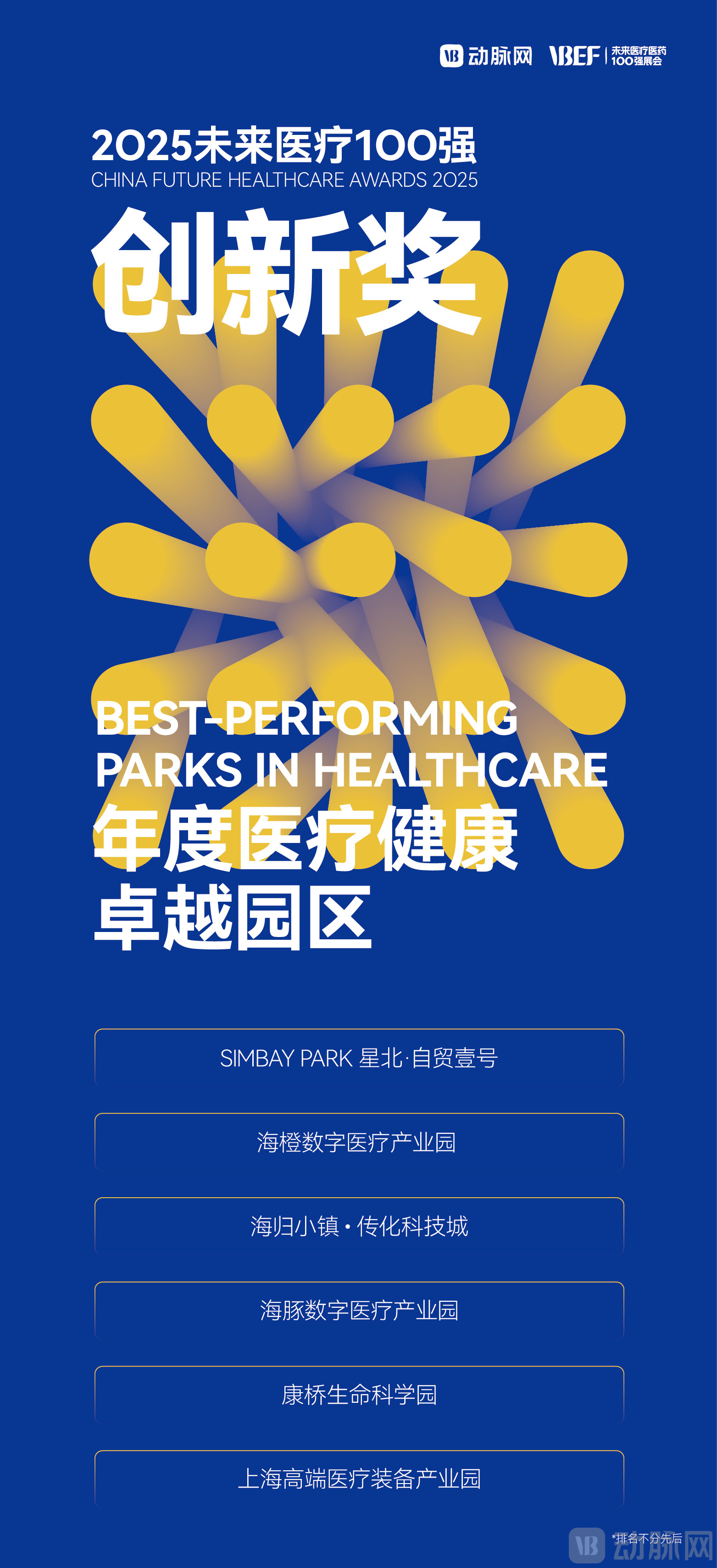
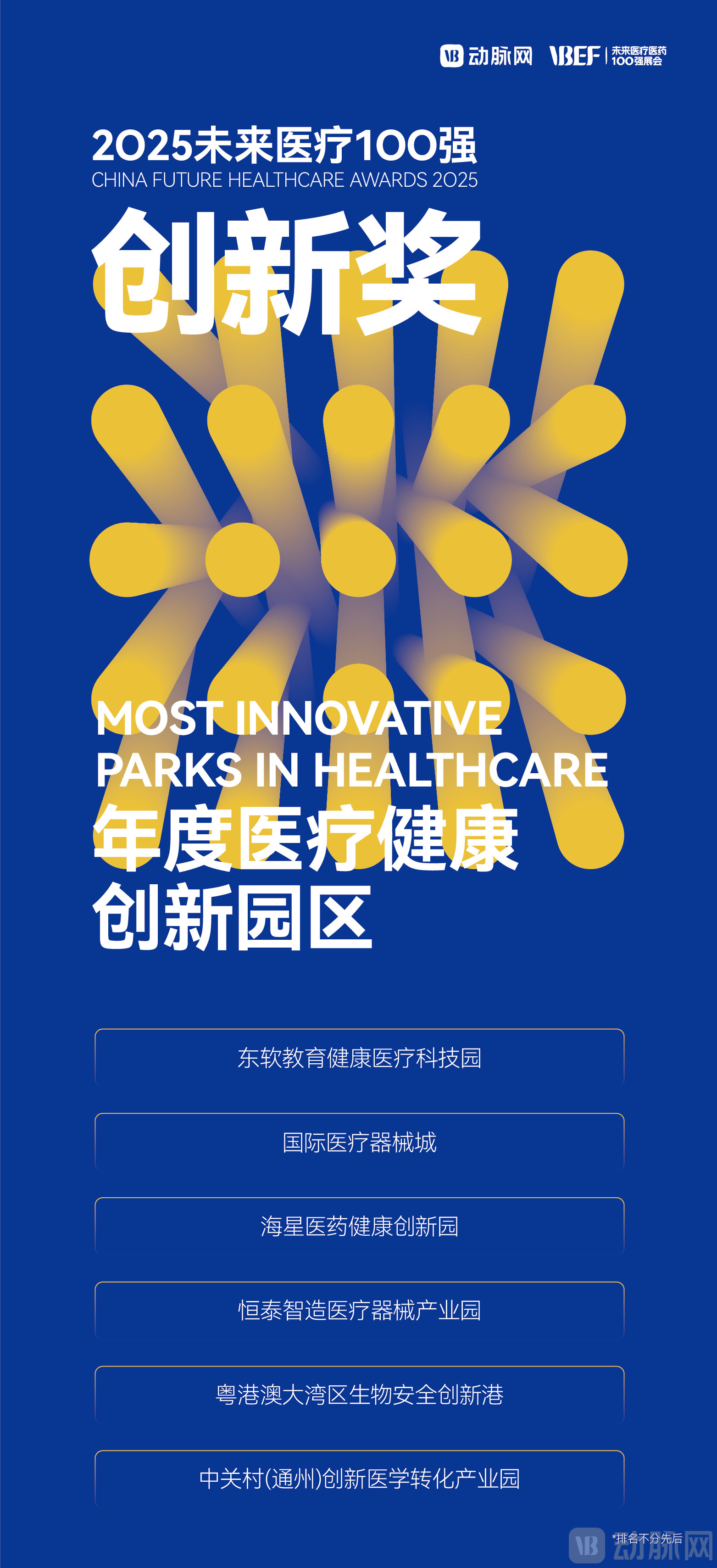
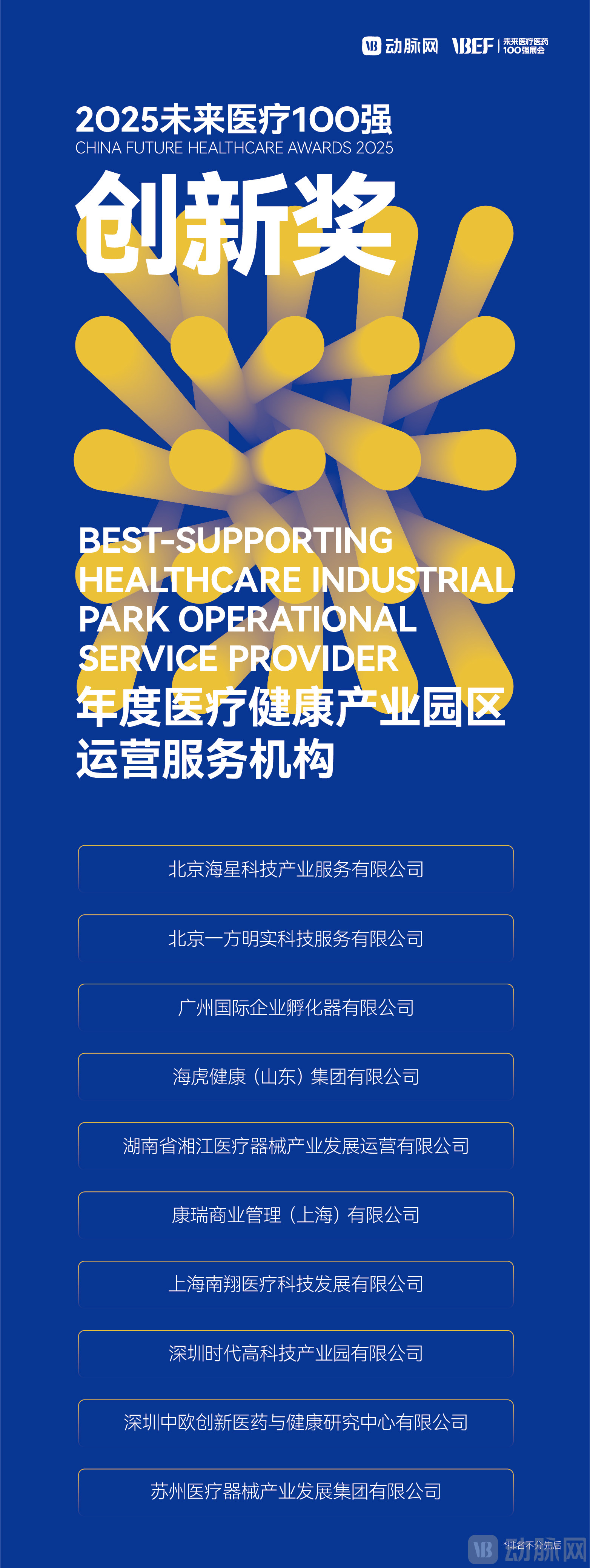
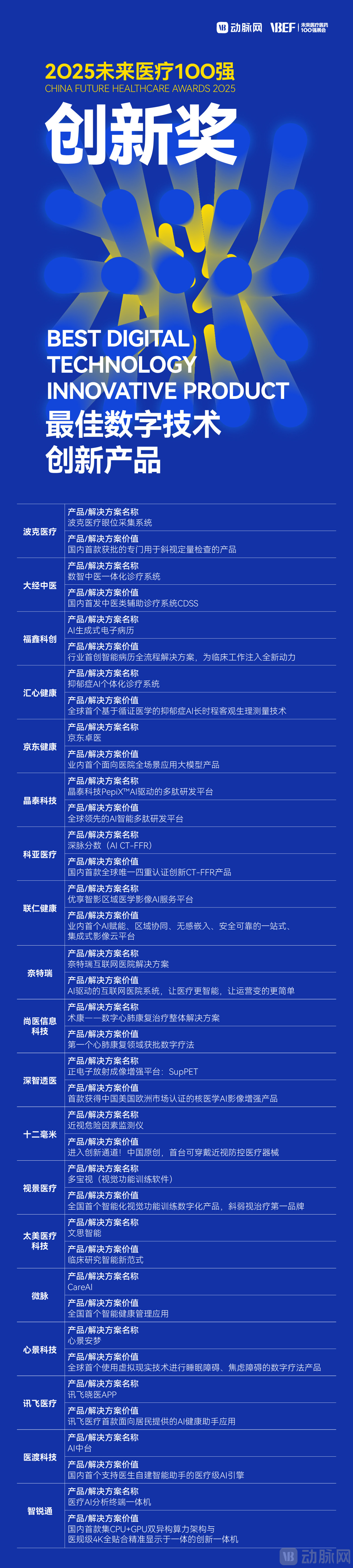
This Innovation Award is open to institutions, enterprises, industrial parks, individuals, and products in the healthcare sector. The evaluation focuses on the annual value performance and innovative breakthroughs of candidate institutions, enterprises, industrial parks, and products during the review period; it also assesses candidate individuals across multiple dimensions, including their annual leadership performance, industry influence, public recognition, and strategic insight during the same period.






Report Release
VCBeat’s Future Healthcare 100 releases an annual report on the growth performance of the top 100 companies featured in its rankings. On the occasion of the 2025 Future Healthcare 100 Conference, VCBeat is once again launching the “2025 Future Healthcare 100 Corporate Growth Analysis Report,” which provides a comprehensive analysis of data related to the top 100 enterprises across four main categories: China’s Top 100 Innovative Medical Devices and Intelligent Manufacturing Companies, China’s Top 100 Innovative Pharmaceuticals and Biological Products Companies, China’s Top 100 Healthcare and Health Innovation Service Providers, and China’s Top 100 Healthcare Industry Chain Service Providers. Through multidimensional analysis of the companies listed in the annual Future Healthcare 100 rankings, we aim to summarize patterns of corporate growth and trends in industry evolution, offering valuable insights and references for healthcare enterprises and entrepreneurs.
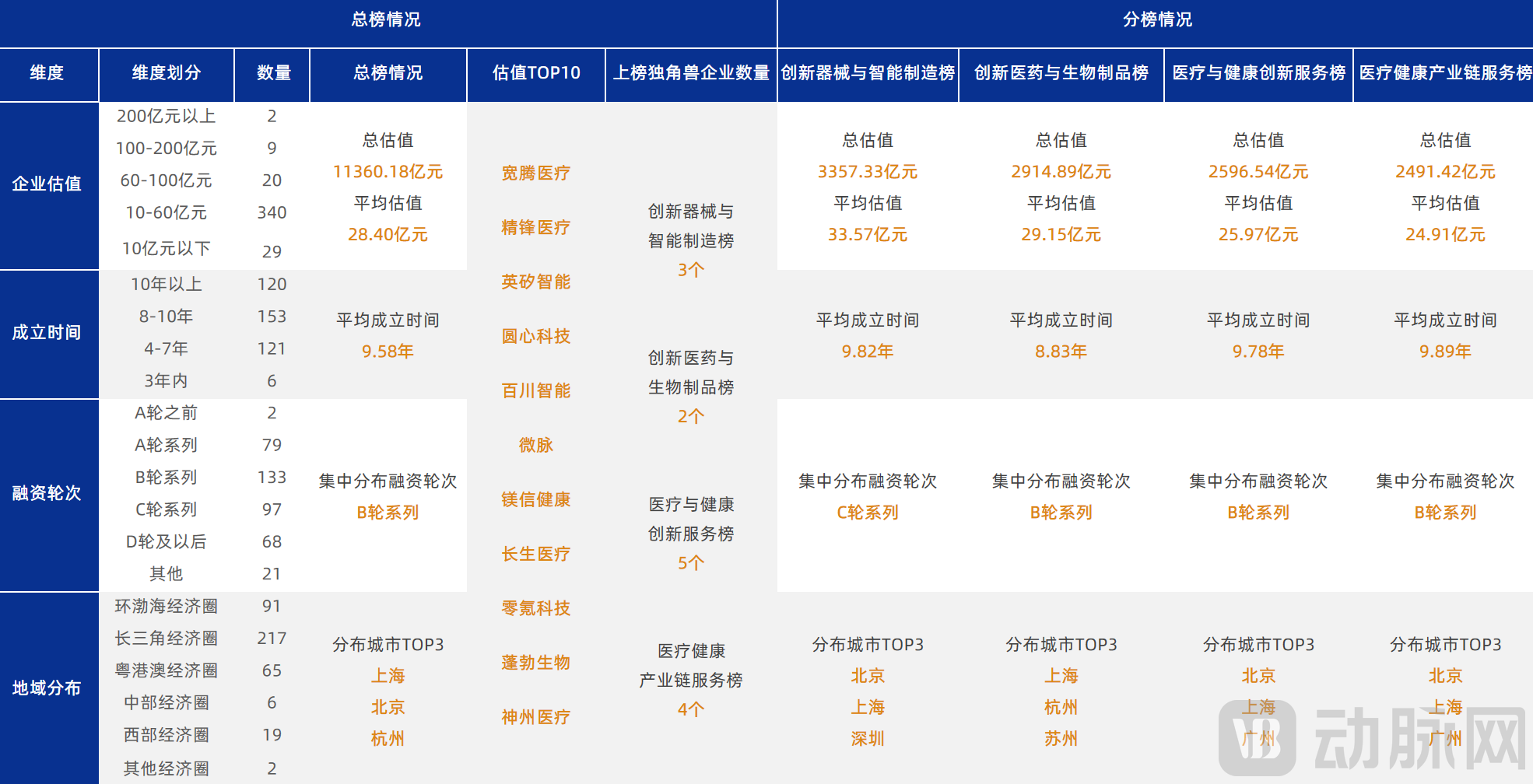
This year’s four main lists featured a total of 400 companies, with an aggregate valuation of approximately RMB 1.14 trillion; the average valuation declined by about 9.9% year-on-year.Similar to previous editions, 85% of the listed companies have valuations concentrated in the RMB 1–6 billion range, constituting the main body of non-listed enterprises in the big health industry. Additionally, 11 companies have valuations exceeding RMB 10 billion, with two companies valued at over RMB 20 billion. The average valuation of the top 10 companies reached RMB 14.447 billion.
Beijing and Shanghai, with their pronounced locational advantages, have consistently retained the top two spots in the ranking of headquarters locations for listed companies.Industrial clusters have become a new engine for regional development, with the Yangtze River Delta Economic Zone and the Guangdong-Hong Kong-Macao Greater Bay Area remaining fertile ground for the growth of big health enterprises. Shenzhen and Hangzhou constitute the second tier of locations for big health companies, while Guangzhou and Suzhou form the third tier. The big health industry in the western economic circle, centered on Chengdu, is rapidly emerging as a major hub for the aggregation of medical and healthcare enterprises in western China.
The financing rounds of listed companies are generally later than last year, with most in Series B and C.Among them, the largest number of companies were in Series B financing rounds, totaling 133, followed by those in Series C rounds with 97 companies. Notably, unlike last year, companies in Series A rounds surpassed those in Series D and later stages to rank third. This indicates that even as overall investment cools down, startups with robust technology platforms and products, along with clear commercialization prospects, remain competitive.
There are 14 unicorn companies, along with 5 companies valued as unicorns.78.57% of unicorn (valuation) companies have reached Series C or later in their financing rounds. Unicorns (by valuation) that retained their status from last year to this year are predominantly distributed across the fields of medical imaging, AI-driven drug discovery, cell and gene therapy, specialized hospital chains, and R&D and manufacturing outsourcing.
The Yangtze River Delta economic zone, with Shanghai at its core, has the highest number of listed companies, while Beijing boasts the most unicorn enterprises.Shenzhen has narrowed the gap with the leader in the number of listed companies in innovative medical devices and intelligent manufacturing; Suzhou ranks second in the number of listed companies in innovative pharmaceuticals and biological products, while maintaining the highest average valuation for consecutive years; Hangzhou ranks third in the total number of listed companies, demonstrating relatively balanced development.
Companies in the innovative medical devices and intelligent manufacturing sectors are at the most advanced funding rounds, with their total valuations increasing year-over-year, underscoring the industry’s resilience.Most of the listed companies are concentrated in hot sectors such as imaging and therapeutic equipment, high-value cardiovascular consumables, surgical robots, and IVD. Meanwhile, niche blue-ocean segments within these major sectors are also drawing attention.
The innovative pharmaceutical and biologic products list saw the most significant changes in its constituent companies.China’s pharmaceutical industry is undergoing structural transformation, creating new growth drivers while also presenting significant challenges. Among the companies featured in this year’s Innovative Pharmaceuticals and Biologics List, a cohort of Chinese innovators with international competitiveness and early global expansion strategies has begun to emerge, yet valuations remain consistently cautious.
The cooling of capital markets in the innovative drug R&D sector has had the most direct impact on the supply chain industry.However, overall, upstream supply chain projects still feature relatively low investment risk, a relatively short investment cycle, relatively high barriers to entry, and considerable market potential.
The structure of the "2025 Top 100 Future Healthcare Companies Growth Report" is as follows:
I. List Description
II. Insight Overview
III. Ranking Release
1. Top 100 List of Innovative Medical Devices and Intelligent Manufacturing in China
2. Top 100 Chinese Innovative Pharmaceuticals and Biological Products
3. Top 100 China Healthcare and Health Innovation Services List
4. Top 100 China Healthcare Industry Chain Services List
IV. Overall Ranking Analysis
1. Overview of the Overall Analysis of Listed Companies
2. Overall Analysis of Valuations for Listed Companies
3. Analysis of the Geographic Distribution of Listed Companies
4. Analysis of Funding Rounds for Listed Companies
5. Analysis of the Founding Dates of Listed Companies
V. Unicorn Analysis
1. Overview of Listed Unicorn Companies
2. Growth Analysis of Listed Unicorn Companies
VI. Analysis of the Top 100 Enterprises in China’s Innovative Medical Devices and Intelligent Manufacturing Sector
VII. Analysis of the Top 100 Enterprises on the List of Innovative Chinese Pharmaceuticals and Biological Products
VIII. Analysis of the Top 100 Enterprises in China's Medical and Health Innovation Services Ranking
IX. Analysis of the Top 100 Enterprises in China’s Healthcare Industry Chain Services Ranking
X. Case Studies on Corporate Growth
1. Lianren Health
2. Transtherabio
3. Kuoran Biotech
4. Core Healthcare
For the full report, please scan the QR code below: