

Deep Dive: Innovative Solutions at the Inflection Point of China's Healthcare Industry – Insights from VBEF 2025
As the “tipping point” arrives, China’s healthcare industry stands at a crossroads with many intersecting paths. Which way leads to the right direction? The 2025 VBEF provides the answer.
Under the theme “THE NOW: Tipping Point,” more than ten speakers at the main forum on the first day of the 2025 VBEF exhibition, held on May 9, provided insights into the state of the “tipping point” and its evolving trends.
On May 10, the main forum of VBEF 2025 continued to address the aforementioned topics, exploring optimal solutions at critical inflection points and strategies for global expansion. VCBeat distilled the core insights from the event, highlighting new market, digitalization, and investment strategies adopted by innovative enterprises and investment institutions, while reviewing practical experiences in global deployment and outlining the significant opportunities arising in the process of globalization.
Currently, China's healthcare market is undergoing profound transformation.First, the market landscape is shifting between in-hospital and out-of-hospital sectors. With the comprehensive advancement of various healthcare reform measures, the out-of-hospital market is assuming an increasingly important position. Second, changes are occurring in both domestic and overseas markets. Under the impact of tariff wars, enterprises need to more prudently balance the relationship between these two major markets. Third, technological advancements are driving new market growth. In particular, artificial intelligence technologies, represented by large language models, may not only reduce costs and improve efficiency but also exert a profound impact on production methods, diagnosis and treatment models, and other aspects. Therefore,In areas such as market strategy, corporate operations, and investment, enterprises or investment institutions need to make optimal choices that best suit their own circumstances.
Market Strategy in the New Landscape
In response to the changing landscape of the pharmaceutical retail market both within and outside hospitals,Wang Yiting, Vice President of JD Health and General Manager of the Instant Retail Business DepartmentIn the speech titled “Building a New Growth Pole for Health Retail Through ‘Omni-Channel + Omni-Scenario’ Integration,” it was noted that the multi-channel landscape of pharmaceutical retail has cooled, with the sales share of the primary terminal (hospitals) declining. Although out-of-hospital retail continues to grow, its growth rate is slowing. “There is no single optimal channel; rather, the optimal strategy lies in complementary combinations of online and offline channels, B2C and O2O models, and self-operated versus POP (Platform Open Plan) operations. The rapid expansion of JD.com’s Self-Operated Instant Delivery Pharmacy stores can provide brand partners with an efficient instant retail network that achieves nationwide coverage through a single store.”
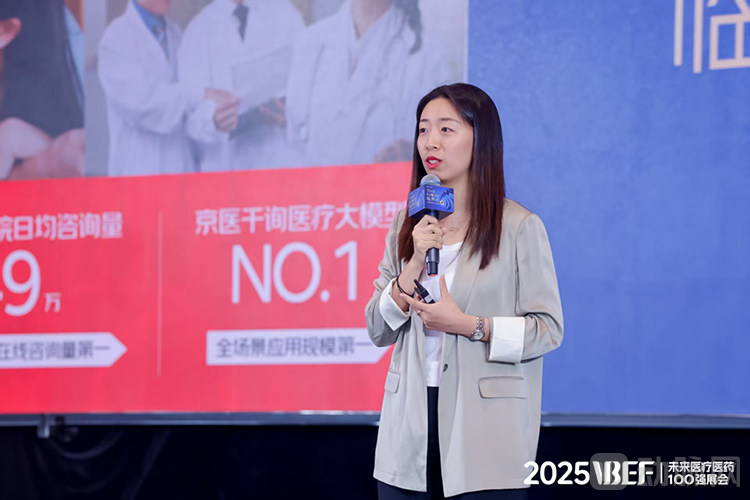
Overall, JD Health has established a deterministic growth trajectory through its omnichannel supply chain and comprehensive user service capabilities across all scenarios. Leveraging its strengths in online and offline retail omnichannel supply chains, JD Health has integrated B2C pharmaceutical e-commerce, physical pharmacies, and on-demand medicine delivery within 30 minutes, creating a tripartite omnichannel supply chain system that encompasses in-store, at-home, and online services to comprehensively meet users’ urgent needs. In this process, driven by strong consumer trust in JD’s self-operated brands, JD Health’s self-operated “Miao Song” (Instant Delivery) pharmacies have achieved rapid growth in a short period, providing brand partners with an efficient on-demand retail network that offers nationwide coverage through a single store. Furthermore, JD Health made early and substantial investments in AI medical technology. To date, its “Jingyi Qianxun” medical large language model has become the vertical-specific model with the richest application scenarios, the deepest hospital co-construction, the largest number of collaborating physicians, and the broadest user participation in the industry. It has been deeply integrated into multiple stages of user services and will also be opened to partners such as merchants and industrial enterprises.
In terms of market upheaval triggered by technology,Zhao Jinghe, Deputy Director of the Research Institute at iFlytek Medical Technology Co., Ltd.It elaborated on “From Technological Evolution to Value Breakthrough: Large Medical Models Driving a New Future for Health.”
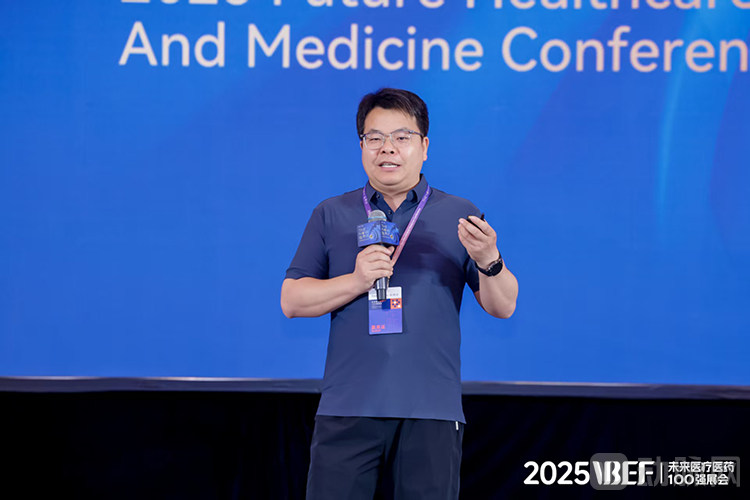
He believes that 2025 marks the inaugural year for the practical implementation of large language models (LLMs), with their application in the healthcare sector becoming an inevitable trend. This trend primarily encompasses three aspects: For physicians, LLMs can assist in medical record documentation, recommend diagnoses, and facilitate knowledge acquisition, thereby enhancing clinical proficiency and healthcare quality. For individuals, they can serve as health assistants, providing comprehensive services across the pre-diagnosis, intra-diagnosis, and post-diagnosis stages to address patients’ pain points in accessing medical care. For instance, iFlytek Healthcare has launched the Spark Medical Large Model X1 for healthcare scenarios, which is integrated into its AI health assistant, “iFlytek Xiaoyi.” This tool can deeply analyze users’ health status and needs to provide personalized recommendations. For management, LLMs can support infectious disease surveillance, early warning, and prevention and control; enable integrated management of chronic disease populations; and optimize the allocation of medical resources.
Meanwhile, the privacy and security of medical data cannot be overlooked; it is imperative to strengthen data protection and ensure the fairness and compliance of models. In the future, large language models will evolve toward greater intelligence, personalization, and humanistic characteristics, better serving physicians and promoting the health of all humanity.
Real estate is a critical component of corporate operations,Yu Zeren, Senior Director of Life Sciences Real Estate, JLL, shared trends in corporate real estate decision-making through the presentation “Decoding Spatial Innovation in the Healthcare Industry: Efficiency Leaps Driven by Scientific Site Selection and Industrial Park Clustering, with International Benchmarking.”
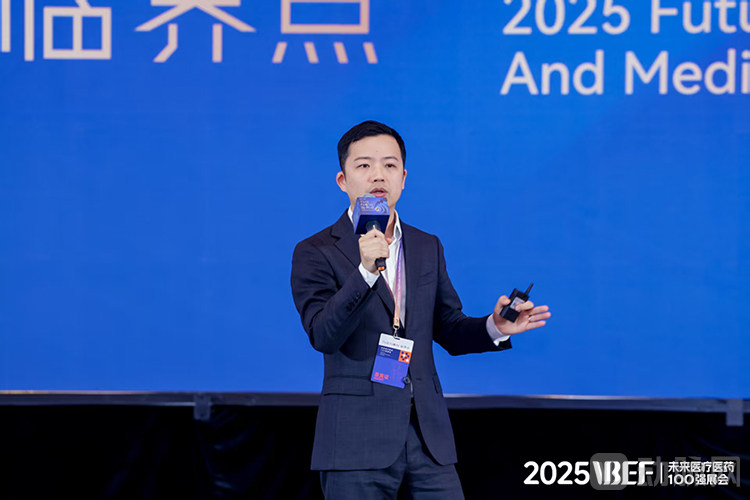
Amid the wave of cost reduction and efficiency enhancement, life sciences companies are prioritizing lower operating costs, securing low-rent spaces, and maintaining lease flexibility, while also demanding high-quality property spaces. Transactions in core locations and premium assets remain active, with enterprises increasingly favoring cost-effective, high-quality properties. Meanwhile, the shift from industrial space to industrial ecosystems has become an inevitable trend, with both domestic and international markets building innovation clusters. Multi-tenant parks are driving innovative fission, and cross-industry collaborations among life sciences companies are spawning emerging industries. Additionally, many life sciences firms are choosing to outsource real estate-related functions to achieve efficient resource allocation.
Yu Zeren introduced that, as a global real estate consultancy, JLL has established a Global Life Sciences Industry Service Platform to provide end-to-end real estate services. This platform helps companies optimize their real estate strategic planning and make efficient use of real estate assets, thereby reducing costs while empowering business development and attracting talent.
Digital Strategy in Emerging Markets
Ding Zhaoliang (Dang Gui), Founder and CEO of Knowledge Matrix“Digital Intelligence Empowerment, Content Value Enhancement: Strategies for Innovating the ‘People-Product-Place’ Ecosystem in the Greater Health Sector” analyzes the significance of digital intelligence strategies within the content ecosystem of the greater health industry.
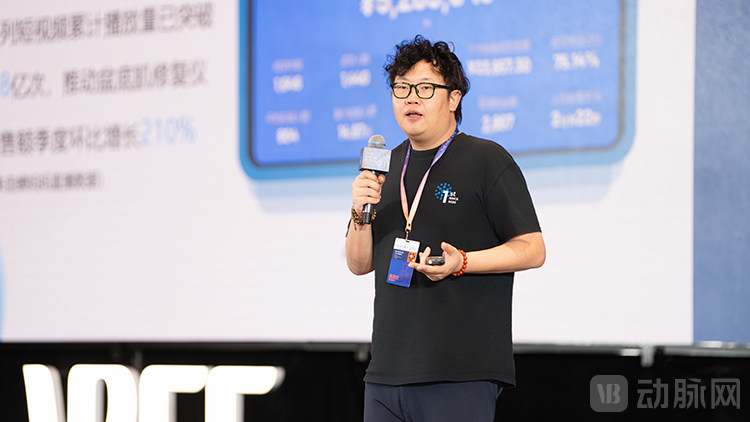
“Currently, many health and wellness products suffer from low market penetration, a key reason being the failure of traditional patient education channels. In contrast, high-quality content on new media platforms can effectively enhance product influence, shape consumer behavior, and thereby drive sales conversion.” Ding Zhaoliang (Danggui) cited health influencers under the Knowledge Matrix umbrella, such as @Teacher Xiaotian’s Worry-Free Pregnancy and Breastfeeding and @Xiao Wang Rehabilitation, to illustrate his analysis. He argued that targeted audience education and content-driven product endorsement (“zhongcao”) can unlock market potential, redefine product application scenarios, and expand market space.
In terms of digital intelligence empowerment, the “CHEESECAKE Copywriting Output Platform” within the knowledge matrix leverages AI to generate scripts tailored to the linguistic styles of various influencers. Additionally, in collaboration with the research team from Peking University’s Guanghua School of Management, it has developed the KOL-AI large language model to uncover underlying consumer preferences for content. To address the “black box” of marketing—namely, the evolution of consumer behavior patterns—it has built a precision marketing big data model that deconstructs the complete pathway of consumer decision-making. In the future, this model will be utilized jointly with pharmaceutical and medical device companies to identify market opportunities.
Lu Gang, Partner at Legend StarIn "The Era of Equalization Under the Maxim Gun," it is noted that from the perspective of technological revolutions and Kondratiev waves, the exhaustion of technological dividends triggers involution and high-value equalization, with AI technologies represented by ChatGPT emerging as a new variable. AI will bring about profound changes, with its breakthrough point lying in enhancing accessibility and breaking the "impossible triangle" in the healthcare sector.
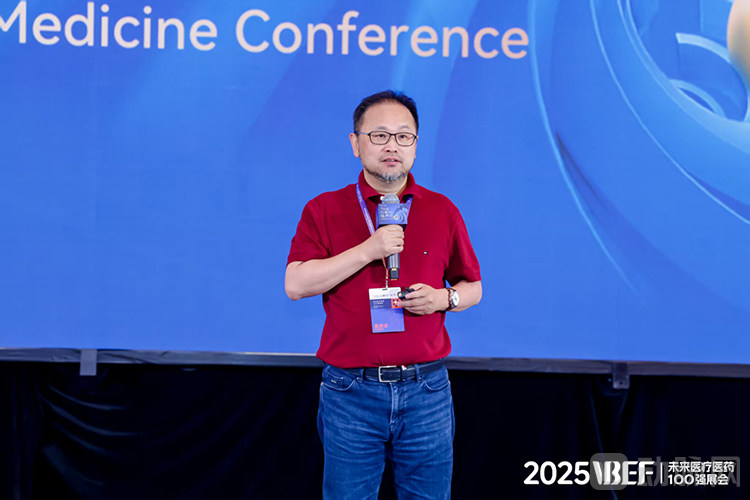
However, investment and entrepreneurship in the healthcare industry should focus more on “chokepoints” rather than “trends,” prioritizing probability of success over disruptive innovation. Penetrative innovation and investments with a clear window of opportunity have become key. For instance, Legend Star has adopted a zero-based strategy to re-evaluate its investment portfolio, focusing on opportunities with higher odds of success and emphasizing the integration of hardware and software to create new value. Meanwhile, transformation in the healthcare industry requires collaboration across the ecosystem chain; integrating into this ecosystem is essential to improve the likelihood of success.
Lu Gang believes that although the current environment is fraught with uncertainty, the disruption brought by AI also presents opportunities. He continues to encourage investors and entrepreneurs to actively embrace the variables introduced by AI and explore new possibilities and sectors.
Investment Strategies in the New Landscape
Regarding the selection of investment strategies,Liu Yuteng, Chief Analyst of Biopharmaceuticals at Northeast SecuritiesShared "Top 40 Overseas Medical Devices – Cardiovascular Special".
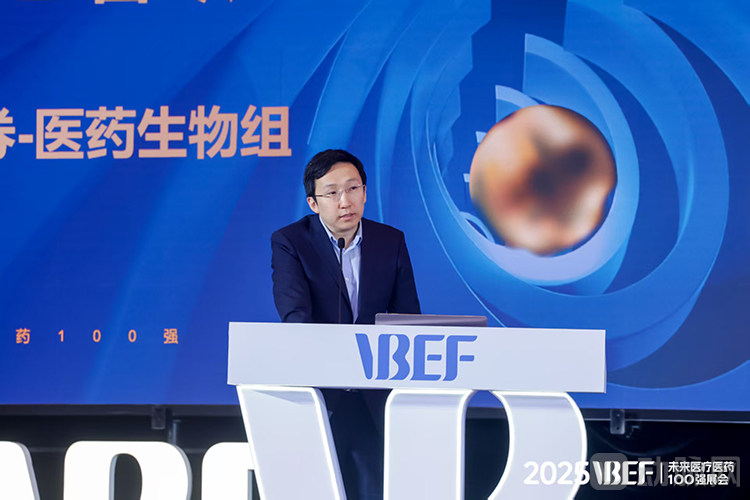
Liu Yuteng presented a set of data: the current global market size for cardiovascular medical devices has reached $58.3 billion and is projected to reach $73 billion by 2029. Among these, structural heart disease and electrophysiology are the primary growth drivers, with growth rates expected to far exceed the industry average. “The leading global companies in the cardiovascular field mainly include Medtronic, Boston Scientific, Abbott, Johnson & Johnson, and Edwards Lifesciences, achieving growth through three key strategies: continuous expansion into new business areas, iterative product updates, and mergers and acquisitions. The Chinese market for innovative devices and cardiovascular medical devices holds immense future development potential. Technological iteration presents opportunities for startups, while material revolution, minimally invasive techniques, and intelligentization are important directions for innovation.”
For instance, mitral and tricuspid valve products are just beginning to see significant sales volume in China, holding immense potential. The electrophysiology sector is accelerating its technological iteration, transitioning from 2D to 3D mapping and from radiofrequency ablation to pulsed field ablation. Although the pacemaker segment is relatively mature, penetration rates in China remain low, with development trending toward leadless, miniaturized, and MRI-compatible devices. Overall, in these niche segments, emerging companies have the opportunity to rise by addressing unmet clinical needs.
Where lie the investment opportunities for the development of Healthy China under the new circumstances? Investors from different types of investment institutions also discussed this issue.
Fei Jianjiang, Managing Partner of Yuanhe OriginDuring the roundtable discussion, it was noted that the emergence of DeepSeek has triggered a reassessment of Chinese tech assets by international capital, significantly boosting investor interest. Although healthcare investment was previously dampened by the slump in secondary markets, the improving trends in Hong Kong’s capital market are now offering renewed hope. Amid the current challenging investment landscape, a stark contrast has emerged: while venture capital firms fiercely competed for professor-led startups just two years ago, there are now even instances of “VCs queuing up to seek refunds from professors.” Investors are facing considerable difficulties, yet entrepreneurs find themselves in an even more precarious position. All parties must make targeted strategic adjustments to navigate these challenges.
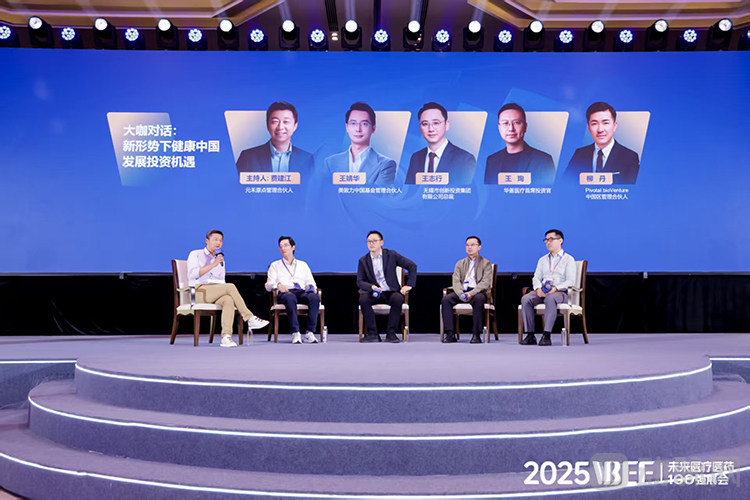
As the Head of Corporate Venture Capital (CVC) at a multinational corporation,Wang Jinghua, Managing Partner of Medtronic China FundIt is believed that against the backdrop of China-US decoupling, enterprises should place greater emphasis on a “Local for Local” strategy to leverage the advantages of local supply chains. China boasts significant advantages in R&D efficiency and cost, with rapid improvements in quality and accumulated core platform technologies, making it an important ecosystem for global project R&D. Meanwhile, in certain frontier fields such as AI, brain-computer interfaces, and surgical robots, the gap between China and the US is narrowing. Enterprises can deepen cooperation with local partners through various investment vehicles. The rapid development of frontier technologies in China is prompting foreign investors to reassess Chinese innovation, leading to a revaluation of the secondary market and having a profound impact on confidence. A cautiously optimistic outlook is maintained for the long term.
Regarding state-owned asset platforms,Wang Zhixing, President of Wuxi Innovation Investment Group Co., Ltd.It stated that, in the face of intensifying decoupling between China and the United States, enterprises should promote market diversification and expand into markets such as the Middle East and Southeast Asia. On the other hand, the tariff war has brought investment opportunities for domestic substitution and supply chain localization. Regarding investment strategy, Xi Venture Capital has identified several key directions: high degree of marketization, deep cooperation with industries, and the establishment of full-industry-chain funds, with ample capital reserved. It advises entrepreneurs to develop in regions with favorable business environments, complete supporting facilities, and easy access to talent, such as Wuxi and Suzhou.
Wang Xun, Chief Investment Officer of Huagai MedicalIt is believed that China’s biopharmaceutical sector is relatively less affected by tariffs, with its exposure to international geopolitical shocks significantly lower than that of the semiconductor industry. For instance, overseas expansion through license-out deals primarily involves the transfer of intellectual property rights rather than commodity trade, and thus remains largely unaffected by the current trade war. Nevertheless, import substitution in the upstream life sciences sector and supply chain security have become critical priorities. Huagai Capital has established a broad footprint in the healthcare sector, adjusting its investment strategy in line with market trends by increasing investments in the “AI+ Healthcare” track and assembling dedicated teams for in-depth research. Furthermore, investment in innovative drugs and medical devices remains a key focus. In the innovative drug segment, the goal is to expand into global markets through collaborations with multinational pharmaceutical companies, while the medical device sector focuses on industry consolidation and import substitution.
Dr. Liu Dan, Managing Partner of Pivotal bioVenture ChinaIt is proposed that “Glocalization” is gaining momentum as an industry trend, with product production being localized as much as possible following the parallel transfer of technology. International recognition of China’s life sciences sector continues to rise, shifting from skepticism about clinical data to gradual acceptance, while also fully affirming the R&D efficiency of Chinese enterprises. The innovation capabilities of biotech assets listed on the Hong Kong Stock Exchange are internationally recognized, yet their valuations have long remained undervalued. Influenced by geopolitical factors and capital market dynamics, their listing decisions and market performance exhibit significant volatility. Currently, both domestic and international environments are improving. Confidence is crucial for industry development, and there is hope that this positive momentum will continue.
In recent years, domestic competition in China has intensified, while substantial unmet healthcare demands remain in the global market, presenting significant potential. Currently, Chinese innovative products are expanding overseas, actively participating in global competition and enhancing China’s position within the global healthcare industry chain. As a “tipping point” is reached, globalization strategies are accelerating.
Insights into Opportunities for Global Expansion
Online,Zhang Yuhui, Member of the Party Committee and Deputy Director of the Hainan Provincial Health Commission, and Vice President of the Chinese Society of Health EconomicsShared “Policy Dividends of the Hainan Free Trade Port and Medical Cooperation under Global Health Economic Collaboration” with the attending audience.
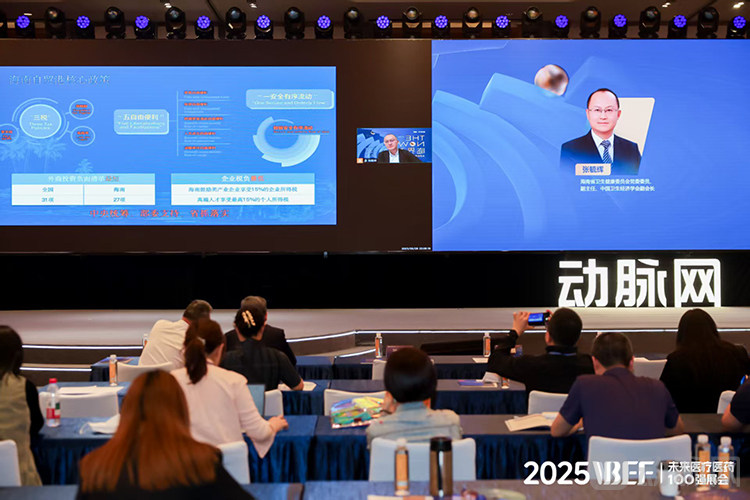
Zhang Yuhui noted that there are numerous unmet needs in the global health sector. The World Health Organization has defined relevant goals, international health aid is substantial in scale, and the concept of a global community of health for all is becoming a global consensus, with China’s role in global health increasingly strengthened. Meanwhile, China’s health industry boasts a comprehensive system and enhanced capabilities, witnessing an explosion in out-licensing of innovative drugs and significant growth in medical device exports. Emerging markets and Belt and Road Initiative countries have become key breakthrough points for Chinese enterprises expanding overseas.
Against this backdrop, the Hainan Free Trade Port boasts prominent advantages. Its policies of zero tariffs, low tax rates, and a simplified tax system, along with facilitation measures for trade, investment, and cross-border capital flows, can effectively reduce corporate costs. The Boao Lecheng International Medical Tourism Pilot Zone enjoys special policies that facilitate the clinical application and approval of international pharmaceuticals in China. Furthermore, Hainan offers numerous facilitation measures in areas such as international investment, cross-border capital flows, and market access for foreign enterprises. Whether serving as a base for Chinese companies to expand overseas or as a hub for channeling global innovative resources into the mainland, Hainan holds significant advantages that are conducive to promoting global health economic cooperation.
Cai Zixuan, Director of the International Department, China United Nations Procurement Promotion AssociationHe delivered a speech titled “UN Procurement: A New Direction for Chinese Enterprises Going Global.” He introduced that UN procurement is initiated by the United Nations, covering goods and services, primarily for its own use, peacekeeping operations, emergency relief, and development assistance. Among these, healthcare is a key focus area of UN procurement, accounting for a significant share. UN procurement in China is exempt from value-added tax (VAT), offers stable payment terms, and helps reduce corporate financial risks. Participating in UN procurement not only assists Chinese enterprises in expanding into international markets and enhancing brand visibility but also drives them to improve production and management standards, thereby better competing in the global arena.

As the national-level association liaising with United Nations procurement affairs, the China Association for the Promotion of UN Procurement will facilitate the introduction of more business opportunities into China. The Association’s “UN Trade Cloud Platform” integrates diverse procurement information and leverages procurement data analytics and large language models to support enterprises in preparing quotations and understanding procurement rules. Furthermore, it assists enterprises in participating in UN procurement through online training, matchmaking events, and initiatives such as the “UN Procurement Cup.”
Cross-Border Practices in Global Expansion
Gao Guangyong, Chairman of Chongqing Sunwawa Blood Purification Technology Co., Ltd.Titled “From Local to Global: Overseas Expansion Practices for Blood Purification Equipment,” the presentation shared the company’s achievements, experience, and future plans in expanding its blood purification equipment business overseas.
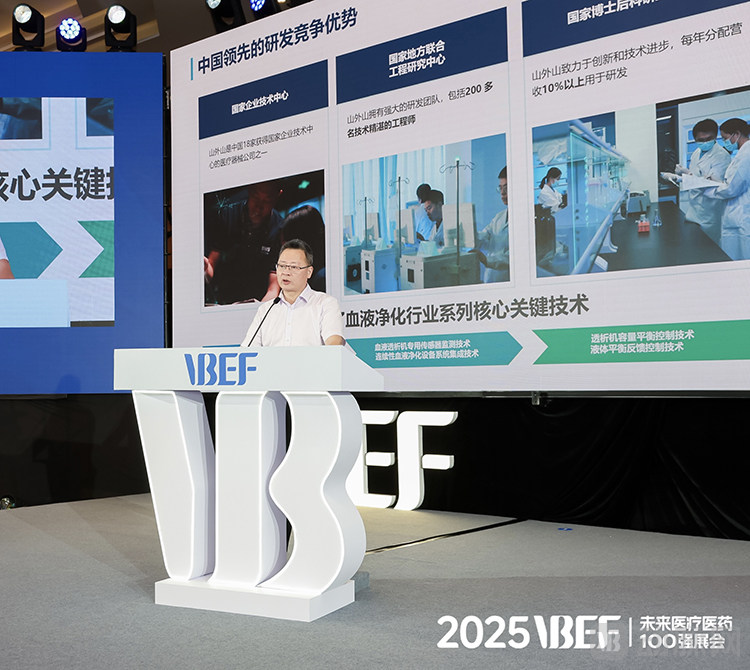
Gao Guangyong introduced that Shanwaishan is the first company in China’s blood purification industry to be listed on the STAR Market. Shanwaishan’s hemodialysis machines and continuous blood purification equipment currently hold a leading market share in China, have been exported to over 100 countries and regions, with export value exceeding RMB 100 million. The company has achieved substantial overseas installations, with a compound annual growth rate (CAGR) of over 50% in the past five years. Its products rank among the top three in market share across multiple regions, including Asia, South America, and Africa.
During its expansion into overseas markets, Shanwaishan faced challenges such as biases against high-end Chinese medical device manufacturing, differences in regulations and standards, and language and cultural barriers. To address these issues, the company built an international, multilingual team and progressively localized its overseas workforce. Leveraging its advantages in technological innovation and whole-industry-chain synergy, Shanwaishan developed an innovative service model integrating “equipment + medical staff + patients + remote operation and maintenance.” It also provided 24/7 international technical support and committed to resolving equipment failures within 48 hours. By publishing localized content on overseas local media platforms and employing digital marketing strategies, the company achieved precise marketing outreach. Upholding a philosophy of win-win cooperation and customer empowerment for many years, Shanwaishan has established an excellent reputation abroad through high-quality services and cost-effective products. As a promoter of the “industry-academia-research-clinical practice” ecosystem in China’s blood purification sector, Shanwaishan has deeply empowered technological innovation and development in blood purification across Belt and Road Initiative countries, actively participated in international medical aid programs and United Nations Development Programme projects, thereby demonstrating the scientific and technological strength of China’s high-end medical equipment. Shanwaishan’s mission is to build a world-class blood purification brand that benefits kidney disease and critically ill patients worldwide.
Zhou Jian, Vice President of Topview Medical and Head of the International Business DivisionBased on Topray Medical’s overseas expansion experience, recommendations were proposed for “Translational Innovation and Market Leadership—Strategies for Globalizing High-End Medical Devices.”
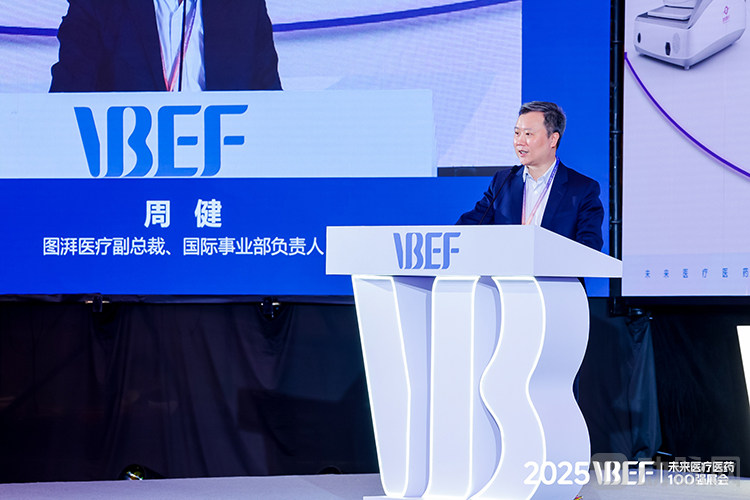
Tupai Medical expanded overseas in the second half of 2024, covering 25 countries within just six months, with 70% of its overseas revenue coming from Europe. Zhou Jian recommends that companies first obtain ISO 13485 quality management system certification during the overseas registration process, then apply for EU MDR certification, followed by country-specific registrations. The FDA certification, which requires substantial investment but offers access to a large market, should be considered as a secondary option. In the initial stage of international expansion, a combination of distribution and direct sales is more suitable. Distributors can be acquired through trade shows, social media platforms, and invited one-on-one visits. When selecting overseas distributors, professionalism is the most critical factor—even more important than scale—and compatibility with the brand should also be taken into account.
He particularly emphasized that the domestic market has become excessively saturated, making a strong presence in overseas markets essential. It is crucial to avoid wasting time with unprofessional clients who focus solely on price and hold biases against Chinese products. Mentally, companies should not lower their pricing standards simply because their products are Chinese brands. High-end overseas users prioritize product outcomes over product “origin”; as long as the product’s competitiveness is sufficiently strong, it will gain recognition.
Ivana Poparic, Head of MedCity Cluster Development at the London & PartnersThe presentation was titled “Going Global in the UK: Unlocking Policies and Market Access in the Life and Health Industries.” After presenting the current market landscape and investment environment for life sciences, medical devices, and digital health in the UK, Ivana Poparic focused on the latest regulatory frameworks for medical devices and changes within the NHS.
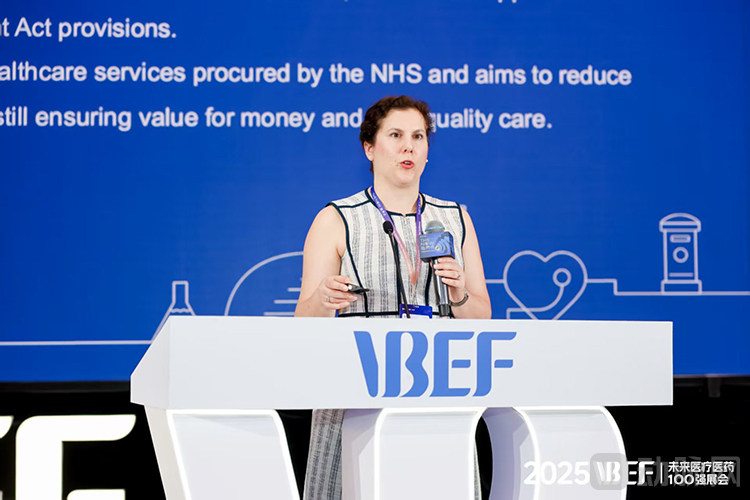
Following Brexit, the United Kingdom has adopted the UK Conformity Assessed (UKCA) certification. The UKCA marking applies to medical devices sold in the UK but is not recognized in the European Union (EU) or the European Economic Area (EEA). Meanwhile, the UK continues to recognize the CE marking, with a transitional period established for switching to UKCA certification: for general medical devices, the CE marking remains valid until the certificate expires or June 30, 2028, whichever comes first; for in vitro diagnostics (IVDs), the CE marking remains valid until the certificate expires or June 30, 2030, whichever comes first. Thereafter, all products must undergo UKCA certification.
Furthermore, with the recent government announcement to abolish NHS England, the NHS system is undergoing significant changes. While this has no direct impact on the current procurement framework, it may affect future procurement processes and decision-making structures. In this context, engaging with MedCity, the official agency of the London & Partners, can provide timely access to the latest information.
BD Practices in Global Expansion
As Chinese companies enhance their technological innovation capabilities, their products are gradually gaining international recognition and demonstrating the strength to participate in global cooperation and competition, making cross-border business development (BD) a hot topic. Several guests from investment firms, enterprises, and law firms engaged in a discussion on the practices, opportunities, and challenges of cross-border BD in the medical device sector.
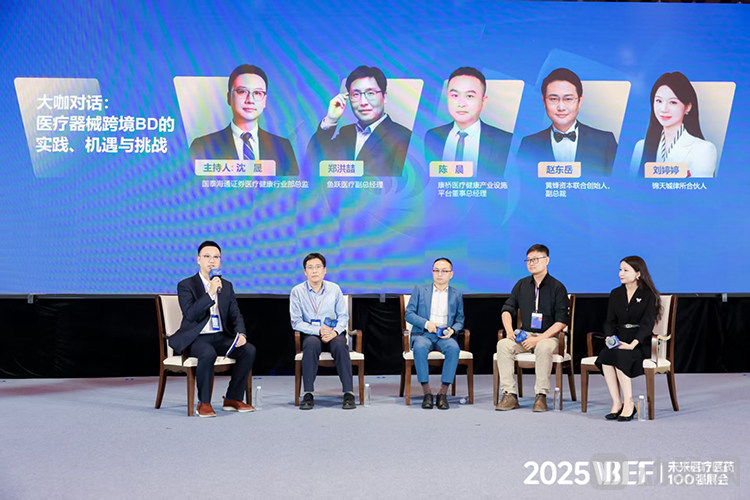
As the moderator of this roundtable session,Shen Sheng, Investment Banking Department, Guotai Haitong SecuritiesWhile raising these topics, I also shared my perspective: the medical device industry faces numerous challenges both domestically and internationally, posing significant hurdles for corporate growth. However, business development (BD) activities also present substantial opportunities. In the current climate, companies must unite for mutual support and forge strong partnerships. They need to cultivate a global perspective, refine their overseas risk assessment frameworks, systematically summarize experiences in tariff mitigation, and establish flexible strategic adjustment mechanisms. Only by doing so can they maximize benefits in this complex environment.
Regarding Yuwell Medical’s Exploration and Reflections on Its Overseas Business,Zheng Hongzhe, Deputy General Manager of Yuwell MedicalIt is believed that, against the backdrop of tariff disputes, enterprises will not only pursue global expansion from a business perspective but also, while focusing on the core competitiveness of their products, continuously explore ways to rapidly respond to overseas customer demands. This involves actively establishing localized operations in overseas markets, including local brands, market presence, supply chains, and services, which poses challenges to traditional models of international expansion. In the future, Chinese medical device companies expanding globally will need to establish deep, full-chain collaborative mechanisms with local partners in terms of capital, industry, production supply chains, and marketing to adapt to the challenges of globalization in the new cycle. Currently, enterprises should strategically position themselves and accumulate resources during market downturns, preparing for a leap forward when the industry cycle rebounds.
Chen Chen, Managing Director of Kangqiao Medical and Health Industry PlatformIt is noted that Cambridge significantly enhances corporate operational efficiency and market competitiveness through alternative capital optimization solutions (such as converting CapEx to OpEx, build-to-suit, and sale-leaseback arrangements), ecosystem empowerment, geographical and regional industrial cluster advantages, and professional life science industrial parks built to the highest hardware standards. In attracting foreign enterprises to enter the Chinese market, Cambridge deeply understands the significance of multinational corporations’ “Localization” strategies in China and has been assisting numerous international medical device companies in successfully obtaining market access approvals in China while effectively reducing upfront capital investments. In supporting Chinese enterprises in their global expansion, Cambridge’s healthcare industry facility platform actively connects businesses with Cambridge Capital’s overseas strategic platform, leveraging its localized marketing service teams in key markets such as Southeast Asia, India, and the Middle East to facilitate the rapid adaptation and integration of domestic products into local markets.
Zhao Dongyue, Co-Founder and Vice President of Wasp CapitalIt was stated that, for the upstream segment of the medical device industry, the trade war has accelerated the localization of core component production by foreign companies. In fields such as CT X-ray tubes, domestic enterprises are poised to capture market share, while consumable manufacturers may increasingly adopt collaborative production models such as Contract Development and Manufacturing Organizations (CDMOs). In the long run, Chinese companies will also accelerate overseas factory construction and global expansion, although their internationalization strategies will vary across different stages. In summary, going global in the medical device sector requires a sense of reverence and commitment, with the goal of improving local healthcare environments and benefiting patients, thereby helping Chinese medical enterprises build a reputable presence on the international stage.
Cross-border BD involves laws and regulations of various regions, inLiu Tingting, Partner at AllBright Law OfficesIt is evident that intellectual property (IP) protection is crucial for the global expansion of medical device companies. At a macro level, enterprises should proactively file for and register IP rights in target markets to obtain valid certificates of ownership. At a micro level, transaction agreements must meticulously stipulate terms regarding IP licensing and assignment, clearly defining IP scope, licensing models, restricted fields and geographic territories, covered content, as well as enforcement rights and non-compete obligations. In cross-border business development (BD) transactions, safeguarding interests requires multifaceted considerations. For instance, companies must understand tariffs and cross-border tax risks, and pay close attention to approval or filing requirements related to the cross-border transfer of personal information and technology exports. Furthermore, it is essential to be familiar with the IP laws and medical device registration regulations of the export country, clearly define IP-related rights and obligations in agreements, and strive for favorable choices of governing law and dispute resolution mechanisms. These measures help mitigate risks and ensure that enterprises protect their legitimate rights and interests during international expansion.
The annual VBEF has concluded, yet the wheels of innovation continue to roll forward.
As the “tipping point” arrives, risks and opportunities coexist. Amid the numerous uncertainties in the current market, proactively embracing change has become the only way forward.On one hand, enterprises should deepen their presence in the domestic market, adapt to healthcare reform policies, tap into the potential of the out-of-hospital market, and leverage digital technologies to transform service models; on the other hand, they must also courageously step onto the international stage, identify their strategic positioning within the global market landscape, and enhance their influence and voice in the international arena.With the joint efforts of all parties, China’s healthcare industry is poised to achieve a new leap forward after the “tipping point.”