

BioGBA Redefines Specialized Biopharma Park Benchmark Through Innovation Ecosystem and Full-Cycle Industrial Empowerment
As the wave of innovation in the biopharmaceutical industry surges forward, industrial park operating models are undergoing a profound transformation.
In recent years, China’s biopharmaceutical industry has experienced robust growth, and enterprises’ demands for industrial park services have continued to deepen, extending from basic space leasing and property management to specialized areas such as technology transfer, capital matchmaking, and policy application support. The traditional single-mode operation centered on space leasing can no longer meet the in-depth needs of enterprises across their full life cycle, including R&D, commercialization, and market expansion.
In this context, the role of industrial park operators has undergone a fundamental transformation. They are no longer merely providers of physical space but have become builders of industrial ecosystems and integrators of innovation resources. This shift requires operators to possess keen industry insights, robust resource integration capabilities, and professional service systems, thereby creating an innovation ecosystem that empowers enterprises through the multidimensional convergence of technology, talent, capital, and markets.
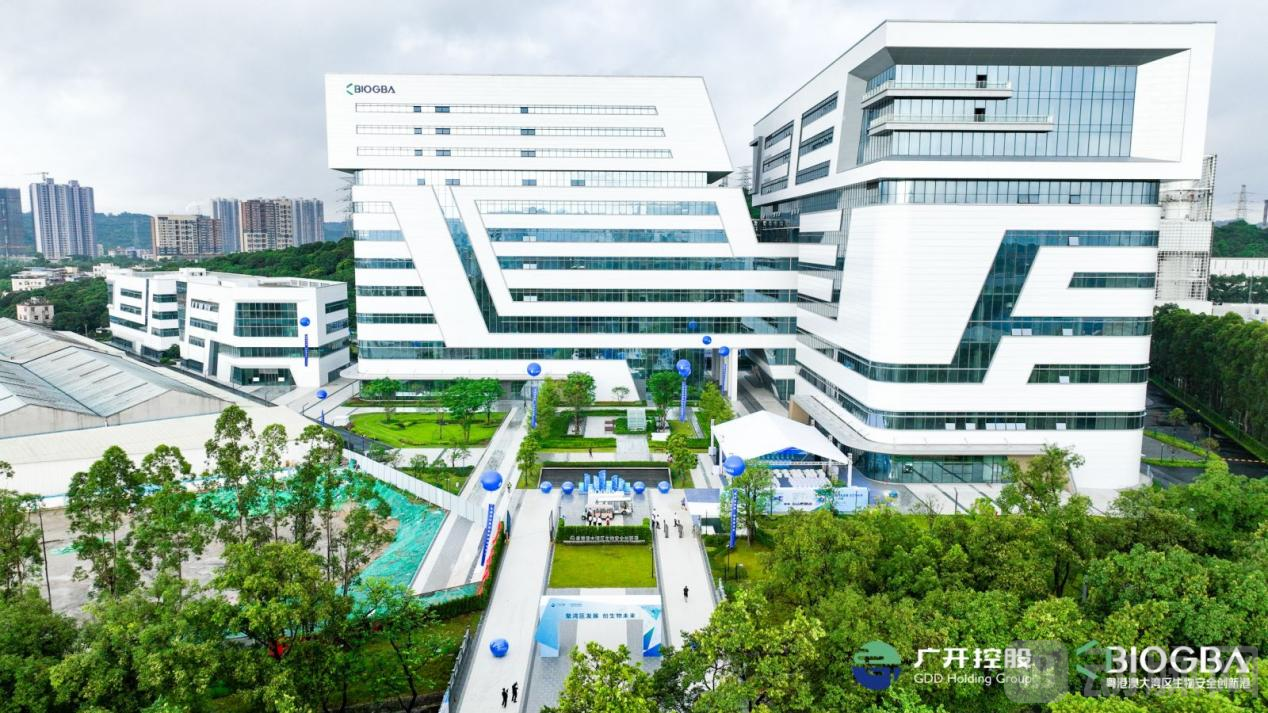
As the core hub for the biomedical industry in the Guangdong-Hong Kong-Macao Greater Bay Area, Guangzhou Development District and Huangpu District have attracted more than 4,000 biomedical enterprises by leveraging a complete industrial ecosystem spanning “R&D, pilot-scale testing, and manufacturing,” thereby securing their position in the first tier of China’s biomedical sector. Guangzhou Development District Holding Group Co., Ltd. (“Guangkai Holdings”), acting as the key driver of regional industrial upgrading, operates the Guangdong-Hong Kong-Macao Greater Bay Area Biosecurity Innovation Port (BioGBA). By providing specialized infrastructure and full-lifecycle services, BioGBA effectively bridges the “last mile” in the transformation of scientific and technological achievements, facilitating the transition of research outcomes from laboratories to production lines and setting a new benchmark for specialized biomedical industrial parks.
Based on the “Five-One” Strategic Layout, Build an Ecological Closed Loop of “Investment + Services + Operations”
In the field of new drug development, it typically takes 10 to 15 years and requires an investment of billions or even tens of billions of yuan for an innovative drug to progress from laboratory findings to market approval. Throughout this protracted and high-risk process, enterprises require not only experimental facilities and production equipment but also comprehensive, end-to-end industrial ecosystem services covering capital support, technological R&D, clinical trials, and market access.
Taking the cell and gene therapy (CGT) sector as an example, as a frontier hotspot in the biopharmaceutical industry, it features complex manufacturing processes, demands extremely stringent quality control for viral vectors, and requires highly specialized medical resources to support clinical trials. However, most R&D enterprises in the CGT field are early-stage small and medium-sized enterprises (SMEs). Establishing their own pilot-scale production facilities that meet regulatory standards poses multifaceted challenges related to funding, technology, and time. There is an urgent need for park operators to deeply engage in building the industrial ecosystem and provide comprehensive empowerment support to these companies.
Leveraging its in-depth presence and professional operational capabilities in the biomedical industry, Guangzhou High-Tech Industrial Development Zone Science and Technology Holding Group Co., Ltd. (hereinafter referred to as “GHTC”), a specialized technology-focused strategic investment platform under Guangkai Holdings that concentrates on the life sciences sector, has established a “Five-One” biomedical strategic layout centered on “flagship projects, listed companies, specialized industrial parks, market-oriented funds, and financial service systems,” thereby creating an integrated ecosystem loop of “investment + services + operations.”
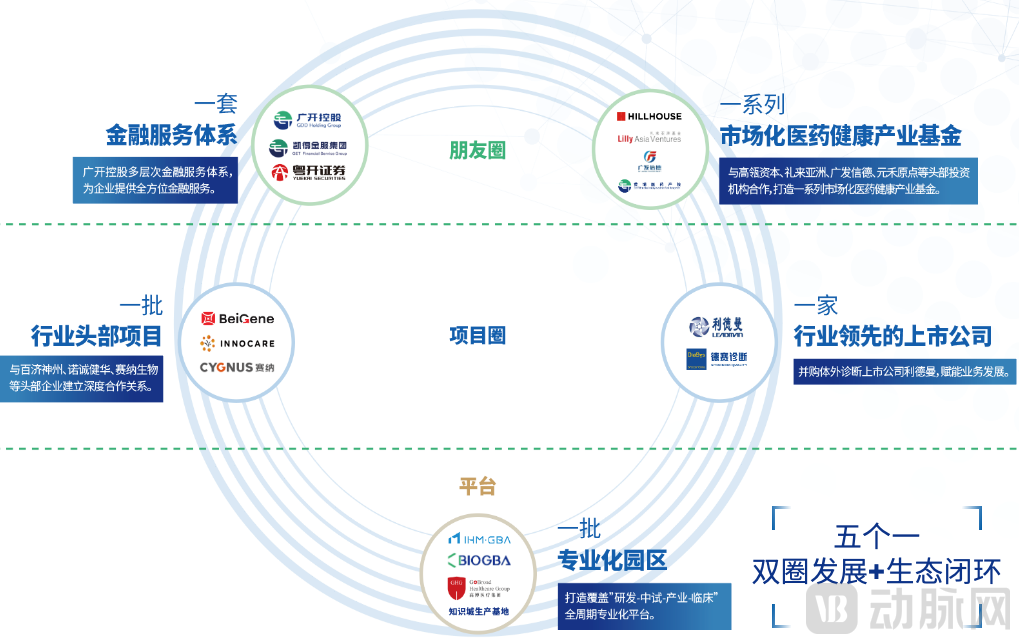
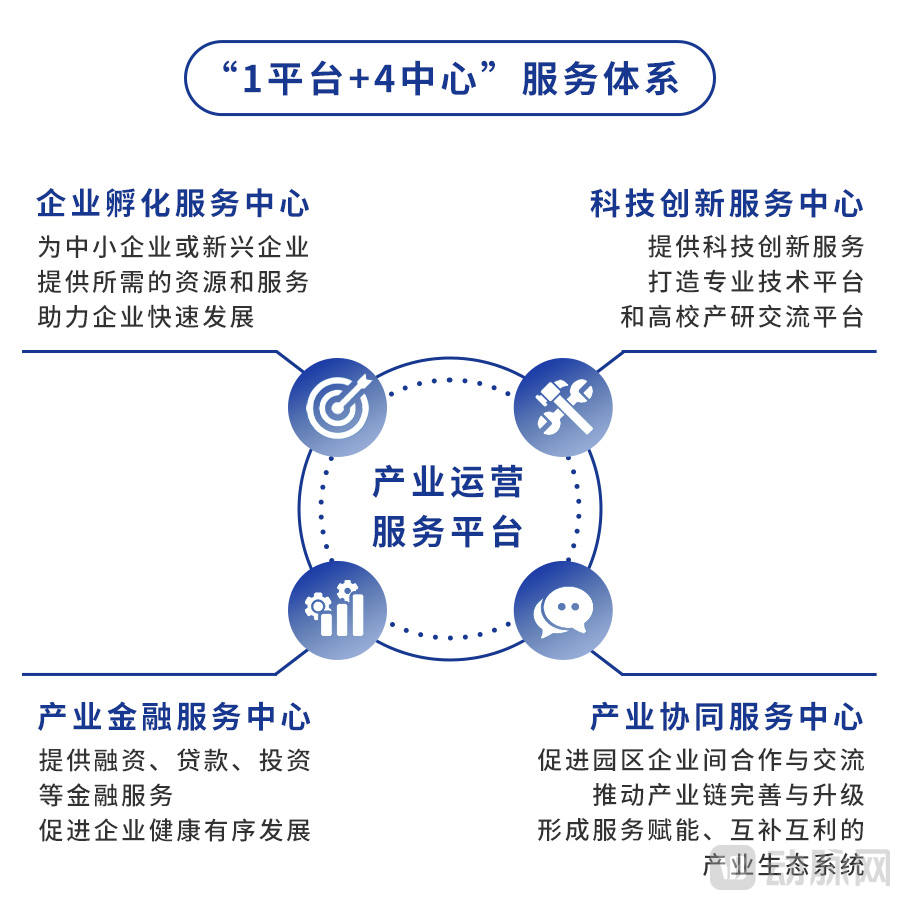
As one of the core platforms, BioGBA leverages Guangkai Holdings’ strategic layout and industrial strengths in tech finance and biopharmaceuticals, along with the corporate management, financial services, policy application support, and talent acquisition channels and resources introduced by its project operation team. It has established a “One Platform, Four Centers” operational service system to provide enterprises with comprehensive innovation ecosystem services across the entire industry chain—from establishment and incubation to growth and development—thereby facilitating their rapid and efficient expansion.
At the level of industrial synergy, Guangkai Holdings has built an industrial ecosystem characterized by “chain-leader guidance and factor aggregation” by investing in a batch of leading industry projects such as BeiGene and InnoCare Pharma, and acquiring key enterprises in the industrial chain such as Leadman, a listed company specializing in in vitro diagnostics. This initiative promotes coordinated development across the upstream and downstream segments of the industrial chain.
In terms of industry empowerment, BioGBA’s one-stop 3C service platform for medical devices innovatively adopts the “CRO+CDMO+CSO” model. It conducts comprehensive project assessments from multiple dimensions—including policies and regulations, technological innovation, market prospects, and feasibility—to minimize product development risks to the greatest extent. Meanwhile, the platform systematically analyzes and evaluates the likelihood of product commercialization throughout the R&D process, while precisely providing financial services at each stage of development, thereby achieving deep integration between technological innovation and capital operation.
Crucially, in serving enterprises, the platform consistently adopts an industry incubation perspective, collaborating with companies to create a closed loop for technological innovation from the angles of industrialization and capitalization, thereby achieving genuine industry incubation outcomes.
In terms of technology translation, Guangzhou Gaobo Research Hospital, a research-oriented tertiary general hospital jointly established by Gaoxin Ke Kong and Gaobo Medical Group, specializes in pediatric and adult hematological diseases, solid tumors, and rare diseases. With a planned capacity of 550 beds, including 50 beds dedicated to early-stage clinical research, 80% of the beds will be utilized for clinical trials of innovative drugs and medical devices from both domestic and international sources. The project aims to conduct over one hundred high-level clinical trials annually, including cutting-edge initiatives such as cell and gene therapy. This will provide robust support for new drug development by enterprises within the BioGBA Park, accelerate the market launch of innovative drugs and medical devices, facilitate the implementation and translation of high-quality biopharmaceutical projects, and fill a critical gap in the development of the pharmaceutical and healthcare industry in the Greater Bay Area.
In the future, BioGBA will also collaborate with pharmaceutical R&D institutions to establish and co-develop a series of clinical drug research service platforms, addressing the critical pain points faced by biopharmaceutical enterprises.
Moreover, in response to enterprises’ personalized needs, the BioGBA service system demonstrates characteristics of immediate responsiveness and dynamic adjustment. For instance, Guangdong Lvshun Intelligent Technology Co., Ltd. did not meet the rent reduction criteria upon moving into the park due to overall strategic adjustments during its growth phase. In light of this situation, BioGBA identified feasible policies within the state-owned asset framework, formulated a dynamic rent allocation plan for the enterprise, and coordinated with multiple parties to complete all necessary procedures, thereby helping it resolve challenges related to funding and government-enterprise communication.
For example, a provincial-level “Specialized, Refined, Differential, and Innovative” gene delivery company slated to relocate was in the application phase. Although it had previously engaged with multiple industrial parks across China, it failed to secure independent production facilities and high-cleanliness manufacturing spaces within its budget. Upon learning of this situation, BioGBA developed customized cleanroom renovation and capital investment recovery plans tailored to the company’s needs, thereby meeting its requirements for facility specifications and cost control. As a result, the company was successfully attracted to settle in the Guangzhou Development District and Huangpu District.
This capability of “instant response to demand and precise matching of resources” is precisely the value proposition of a full-cycle industrial ecosystem closed loop, providing comprehensive and in-depth support for corporate growth.
Honored as VBEF’s Innovative Park of the Year, Setting a New Benchmark for Biopharmaceutical “Super Factories”
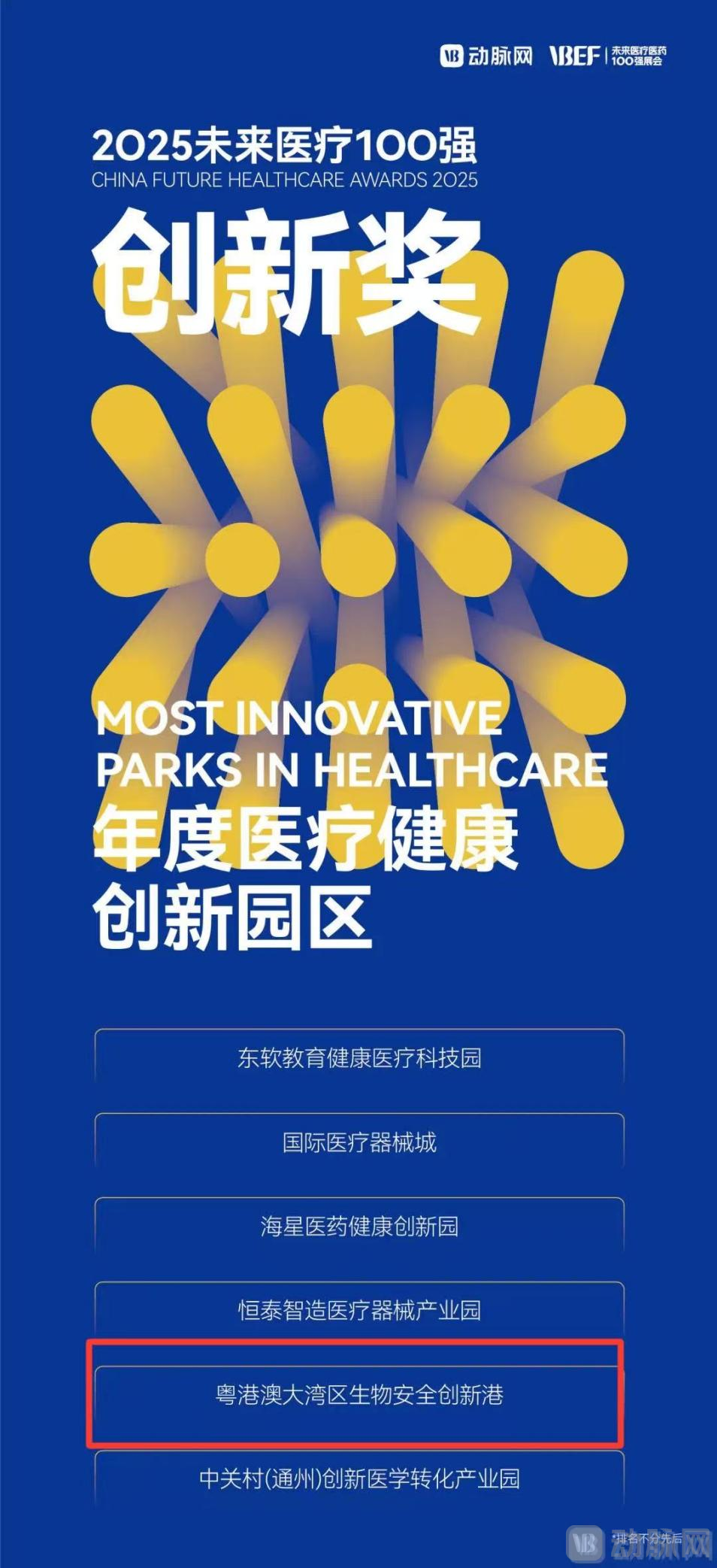
On May 9, at the 2025 Top 100 Future Healthcare Exhibition (VBEF), the Guangdong-Hong Kong-Macao Greater Bay Area Biosafety Innovation Port (BioGBA) was honored as the “Annual Innovative Medical and Health Industrial Park.” This recognition not only signifies that the park’s differentiated positioning and innovative ecosystem service model have gained widespread industry acclaim, but also further highlights Guangkai Holdings’ profound insight into industrial needs and its robust capability in integrating industrial resources.
As previously mentioned, frontier pharmaceutical R&D enterprises such as those in the cell and gene therapy (CGT) sector are predominantly start-up small and medium-sized enterprises (SMEs). By clustering along the industrial chain, they can indirectly mitigate multiple challenges related to capital, technology, and time. Therefore, introducing specialized, shared pilot-scale production platforms is crucial for CGT companies and new drug R&D enterprises. However, there is currently a severe scarcity of specialized pilot-scale carrier resources in the market. In light of this, BioGBA is positioned as a specialized pilot-scale R&D and production base, with its architectural design and supporting facilities tailored accordingly.
In terms of industrial space design, BioGBA fully considers the characteristics of the biosafety industry and has created professional pilot-scale R&D and production spaces with high ceiling heights, large column spans, and high load-bearing capacities to a high standard. The maximum ceiling height of its standard factory buildings is 7 meters, and the maximum floor load capacity per square meter reaches 1.2 tons, which are approximately 1.5 times and 2.5 times that of ordinary factory buildings, respectively. This allows it to accommodate more large-scale process equipment as well as biopharmaceutical production and R&D equipment, making it veritably a “super factory.”
In terms of supporting facilities, the industrial park fully considers the specific needs of biopharmaceutical enterprises. It adopts a 10kV high-reliability dual-circuit power supply system that automatically switches in case of failure, ensuring uninterrupted production. The park is planned to be equipped with an 8,600 RT centralized cooling system and a centralized steam supply system with a flow rate of 25 tons per hour, providing stable support for vaccine production and equipment sterilization. Additionally, a centralized wastewater treatment system with a daily processing capacity of 500 tons is planned to address the pain points of environmental compliance for biopharmaceutical companies.
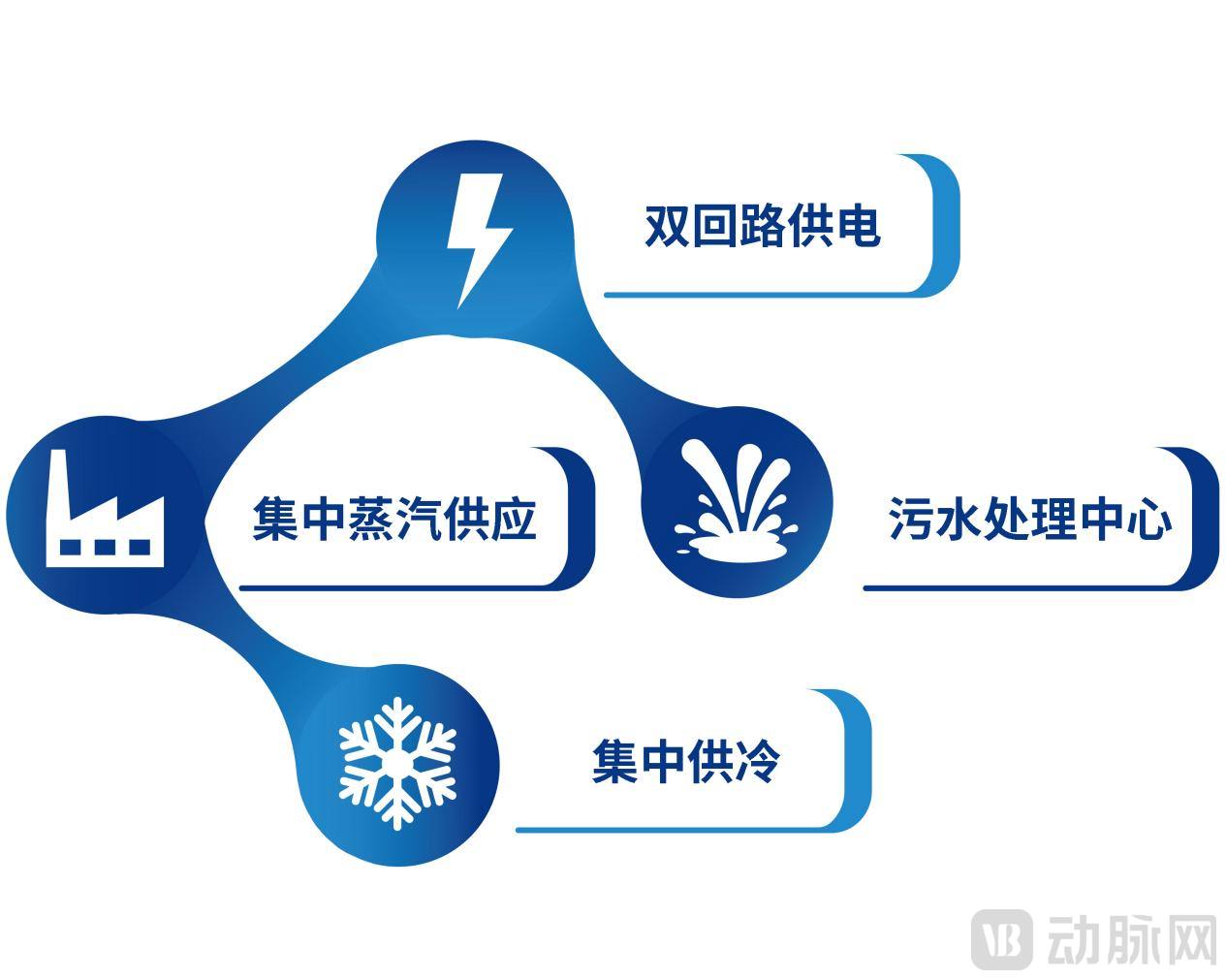
Furthermore, the park’s planned ecosystem amenities—including talent apartments, a conference center, smart canteens, coffee workshops, and fitness facilities—embody a strong sense of humanistic care.
Behind these hardware configurations lies Guangkai Holdings’ precise insight into the core needs of every link in the biopharmaceutical industry, from R&D to production. As one of the few specialized platforms in China focusing on the pilot-scale stage, BioGBA is well aware of the translation dilemma in the biopharmaceutical industry: “It is easy to go from 0 to 1, but difficult to go from 1 to 100.”
For this reason, the industrial park has adopted a multi-pronged approach to policy support. It not only provides subsidies but also introduces a comprehensive suite of policies—such as the “8 Measures for High-End Biopharmaceuticals,” the “10 Measures for Biomedicine,” and the “30 Measures for High-Quality Development”—to offer multidimensional support targeting every stage of enterprise development, including technological innovation, clinical trials, achievement transformation and industrialization, and overseas market expansion. The “Measures of Guangzhou Development District (Huangpu District) for Promoting High-Quality Development of the Biomedical Industry,” prominently released in April last year, explicitly states that vigorous support should be provided to strategic emerging industries represented by biomedicine, with the aim of establishing a pilot zone for biomedical policy innovation, building world-class R&D and innovation centers, and creating a world-class innovative biomedical industry cluster.
BioGBA’s locational advantages are equally prominent. Bordered by the Beijing–Guangzhou–Hong Kong and Macao Expressway to the north and the Guangzhou–Shenzhen Coastal Expressway to the south, the park connects seamlessly to the rapid transportation networks of major cities in the Pearl River Delta, including Shenzhen, Hong Kong, and Macao. It is within a 30-minute commute to Guangzhou’s core urban area, 40 minutes from Baiyun International Airport, and under one hour from Guangzhou’s four major railway stations. The park offers convenient logistics and freight transport, with the Guangzhou–Kowloon Railway running along its southern edge and a future freight station planned nearby. It is only a 25-minute drive from Huangpu New Port, and the sea distance from the Suigang Passenger Terminal in Huangpu District to Hong Kong is approximately 65 nautical miles.
BioGBA has a total planned construction area of over 189,000 square meters. Phase I, with a total construction area of 139,000 square meters on a land plot of 36,000 square meters, has been completed and delivered for use. It comprises three multi-story standard factory buildings and two four-story detached factory buildings. Phase II is planned to have a total construction area of approximately 50,000 square meters. In subsequent stages, BioGBA aims to develop into a comprehensive industrial park integrating standard factory buildings, R&D and incubation towers, talent apartments, and commercial podiums, thereby meeting the full-spectrum needs of enterprises from innovation and R&D to commercial-scale production.
Deep Integration of Government, Industry, Academia, Research, and Capital: Building an Open and Innovative Life Sciences Ecosystem
Operators are not merely park managers, but also cultivators and enablers of the industrial ecosystem. Professionalized park operations and industrial ecosystem empowerment are not only key to enhancing a park’s competitiveness, but also an essential path for driving the biopharmaceutical industry toward high-quality development.
Under the professional operations and ecosystem enablement of Guangkai Holdings, an open and innovative biosafety innovation matrix is rapidly taking shape in the Greater Bay Area.
Currently, BioGBA has attracted numerous enterprises from both upstream and downstream segments of the biopharmaceutical industry chain, initially forming an industrial cluster focused on high-end biological products and medical devices. In the future, BioGBA will develop into a research, development, and production base for biotechnological innovation, gathering innovative resources such as leading domestic and international research institutions, enterprises, and talent. It will serve as a platform for aggregation and collaboration within China’s top-tier biosafety industry, playing a pivotal role in driving innovation and technology transfer. Meanwhile, BioGBA will continuously enhance its service capabilities, providing high-quality and efficient operational support to resident enterprises and fostering a superior business environment.
Guided by this future vision, Guangkai Holdings will follow the strategic direction of China’s national future industries to make systematic arrangements in the life sciences sector. By thoroughly analyzing industry trends and focusing on key segments such as innovative drugs, medical equipment, and synthetic biology, the company aims to build a specialized platform covering the entire cycle from “R&D – pilot scale-up – industrialization – clinical application,” thereby accelerating the commercialization of technologies.
Meanwhile, Guangkai Holdings will continuously strengthen in-depth collaboration and synergy among government, industry, academia, research institutions, and capital providers to build an open and innovative life sciences ecosystem. By constructing a diversified investment portfolio, empowering with patient capital, and fostering a whole-industry-chain ecosystem, it aims to overcome critical technological bottlenecks in the biopharmaceutical sector, cultivate clusters of hard-tech enterprises with global competitiveness, and drive the regional industrial structure toward higher value-added segments.