2025 Home Care Services White Paper: Government-Led Regional Platforms Tackle Elderly Care Challenges for China's 400 Million Seniors
As China becomes the world’s fastest-aging society, home-based care services have emerged as a critical pillar of the healthcare system. Widely recognized for their social value, these services are seen as a key pathway to addressing the challenges of an aging population, alleviating strain on medical resources, and improving patients’ quality of life. However, in practice, home-based care faces multiple obstacles, including lower-than-expected service penetration rates, the inability of many companies to achieve sustainable profitability, and the absence of standardized service systems. Urgent breakthroughs through model innovation and ecosystem restructuring are needed to overcome these challenges.
The "2025 White Paper on Home Care Services," jointly released by VBInsight and Xikang Cloud Hospital, analyzes the core factors constraining the development of the home care service industry from both the supply and payment sides. Adopting a three-dimensional research framework, it examines the policy environment from the policy dimension, compares operational data of various platform types from the market dimension, and conducts in-depth questionnaire surveys targeting nurses, patients, and hospitals from the clinical dimension. Furthermore, by integrating practical experiences from leading enterprises, the paper analyzes prevailing business models in the market, aiming to provide systematic solutions to resolve the dilemma of home care services being "widely acclaimed but poorly adopted."
Core Viewpoints:
Government-led, third-party-operated regional home care service platforms have demonstrated greater feasibility.A regional home-based nursing platform, developed through government-led and market-oriented operations, aligns with the policy directions of medical consortium construction and tiered diagnosis and treatment. It balances the rigor of regulatory oversight, the professionalism of hospital services, and the maturity of third-party market-driven operations. With dual advantages in policy support and resource integration, it is poised to become the mainstream model for home-based nursing services.
The ideal payment system for home-based care services should be tiered and diversified.The foundational coverage layer, led by the government, fulfills the role of “basic protection” through combined payments from long-term care insurance and basic medical insurance, providing a safety net for individuals with disabilities and vulnerable groups. The supplementary coverage layer relies on commercial insurance to hedge risks by developing specialized nursing care insurance products or incorporating home-based nursing services into value-added service offerings. The premium service layer is primarily funded by out-of-pocket payments from individual consumers, focusing on high-quality services and those with stronger consumer-oriented attributes, such as maternal and infant care and traditional Chinese medicine, to meet high-end, personalized demands.
Multi-party Collaboration on the Supply Side to Co-create a New Ecosystem for Home-based Nursing Services.In the future, leveraging regional home-based nursing service platforms, nursing enterprises, pharmaceutical and medical device companies, hospitals, internet healthcare firms, pharmaceutical e-commerce platforms, and insurance companies will collaborate to address the health and medical needs of patients and sub-healthy populations, thereby integrating the “medical care + pharmaceuticals + medical devices + nursing + management + insurance” service chain.
Aging Population and Declining Birth Rates Create a Blue Ocean for Home Care ServicesPopulation aging has intensified the contradiction between the growing demand for chronic disease management and long-term care services, on the one hand, and the uneven distribution of medical resources coupled with insufficient supply of home-based nursing services, on the other. Elderly individuals with disabilities or dementia, as well as those suffering from chronic diseases, constitute key recipients of home-based nursing care. The substantial elderly population will drive increased demand for such services, making them a core growth engine in the home-based nursing care market.
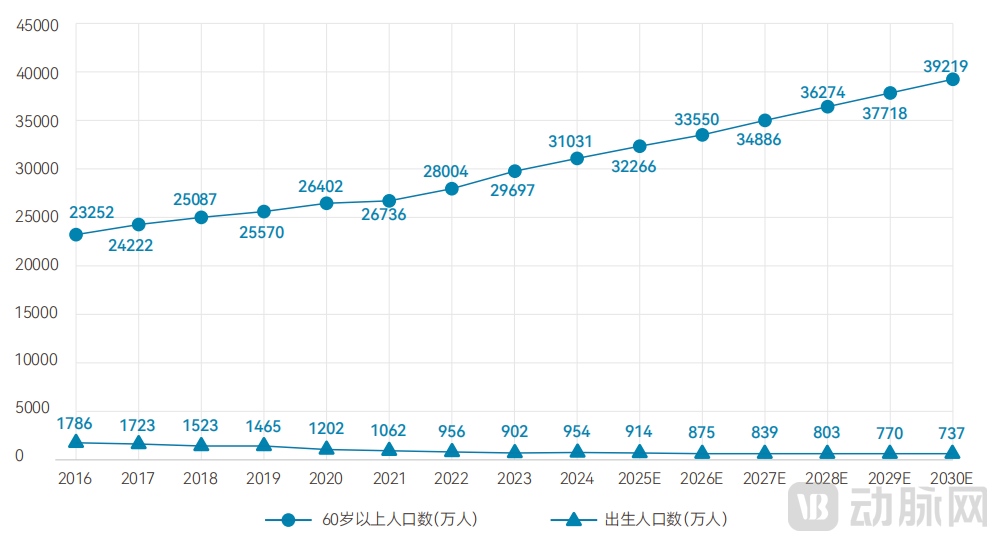
Changes in the Population Aged 60 and Above and the Number of Newborns in China
“Internet + Nursing Services” Meet the Diversified Home Care Needs of Various Populations.“Internet + Nursing Services” provide multi-tiered home-based nursing care tailored to the needs of diverse populations, promptly addressing the personalized care requirements of the elderly, children, pregnant and postpartum women, individuals with chronic diseases, those with disabilities or partial disabilities, and patients undergoing postoperative rehabilitation. These services encompass basic nursing, specialized nursing, maternal and infant care, and rehabilitative nursing. Furthermore, by leveraging internet technologies, round-the-clock home-based nursing services can be delivered, thereby enhancing service flexibility and sustainability.
Policy Sets the Direction for Home-Based Care Services.According to the promulgated policy content, it mainly involves nursing models, service contents, service institutions, qualifications of nursing personnel, and payment mechanisms.
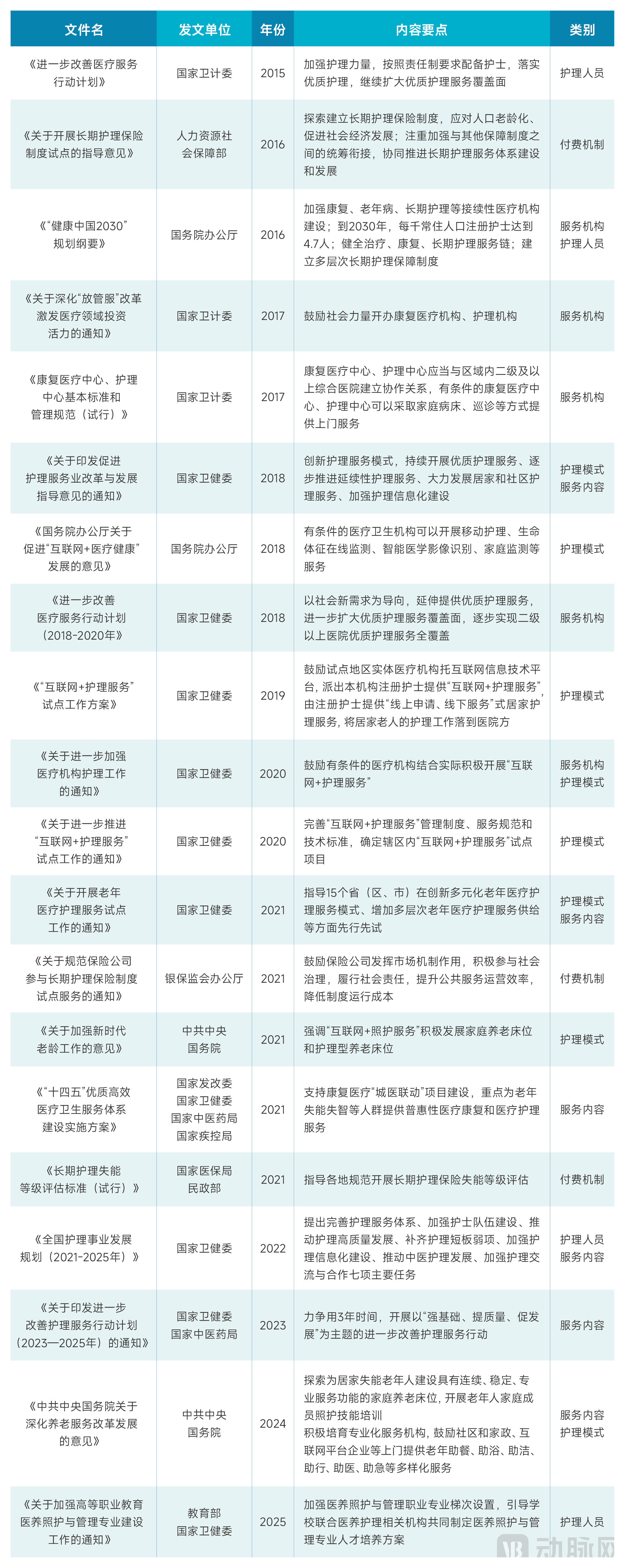
Summary of Policies on Home Care Services
Driven by multiple favorable factors, the overall size of the home care services market has exceeded RMB 100 billion. Home care services primarily target key populations, including individuals undergoing postoperative rehabilitation, elderly patients with chronic diseases, persons with disabilities or partial disabilities, and pregnant and postpartum women. Based on the number of individuals in these key groups (due to data source limitations, the count for postoperative rehabilitation only includes four types of surgeries with high demand for home care: laparoscopic surgery, cataract surgery, spinal replacement surgery, and joint replacement surgery), market penetration rates (using the highest values), and the average annual total expenditure per capita for various home care services, the current overall size of the home care services market is estimated to exceed RMB 100 billion.
Meanwhile, as healthcare consumption levels rise in China and the population aging situation becomes increasingly severe, the connotation and boundaries of home-based care services are continuously evolving.
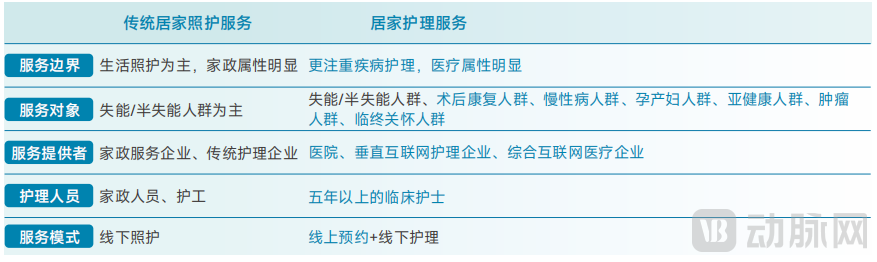
Comparison Between Traditional Home Care Services and Home Nursing Services
This white paper conducts multi-party research on key stakeholders in home-based nursing services, including patients, hospitals, and nurses. It aims to clarify patient profiles, authentic patient needs, hospital profiles, hospital management and operational requirements and pain points, nurse profiles, and nurses’ service-related requirements and pain points. The findings provide reference for market participants in the home-based nursing services sector, with the goal of building a user-friendly and efficient supply system for home-based nursing services.
Patient Side: Female Demand Exceeds Male; Caregiver Qualifications Are the Primary Factor in Purchase Decisions
Women’s demand for home-based care is higher than that of men.Survey feedback indicates that female patients account for as high as 59% of the total. Due to the unique aspects of their anatomical structure and physiological cycles, women are more susceptible to certain health issues. Special physiological stages such as menstruation, childbearing, and menopause necessitate services including Traditional Chinese Medicine (TCM) nursing care. Additionally, postpartum periods require maternal and infant care services as well as postpartum rehabilitation services. Notably, among the elderly population, women also exhibit a higher prevalence of chronic diseases.
The largest population consists of individuals with disabilities or partial disabilities, with basic nursing care playing an absolutely dominant role.The population of individuals with disabilities or partial disabilities accounts for the largest proportion, and they have significant demand for basic nursing services such as medication injections, venous blood sampling, urinary catheter care, and pressure ulcer care. Pregnant and postpartum women represent a relatively large demographic group and constitute a core target market for maternal and infant care services. Wound and ostomy care primarily serves patients in postoperative recovery; scientific wound and ostomy management is required after procedures such as laparoscopic surgery, orthopedic surgery, and cesarean section.
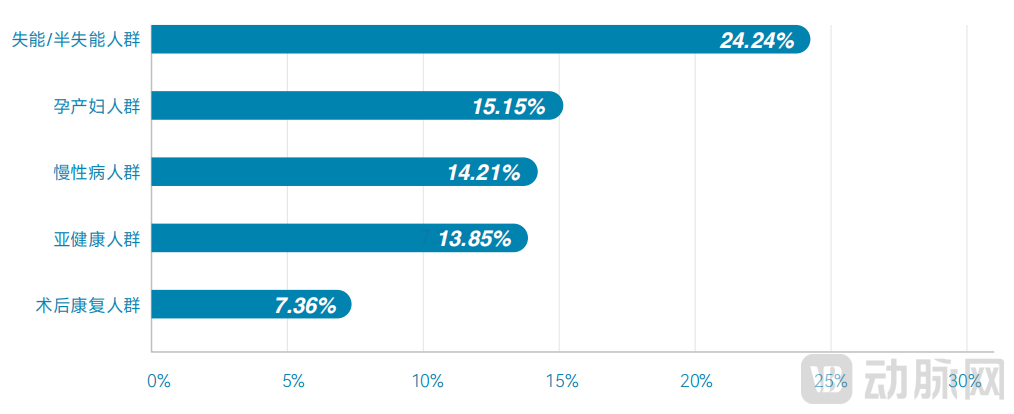
Top 5 Patient Population Types by Proportion
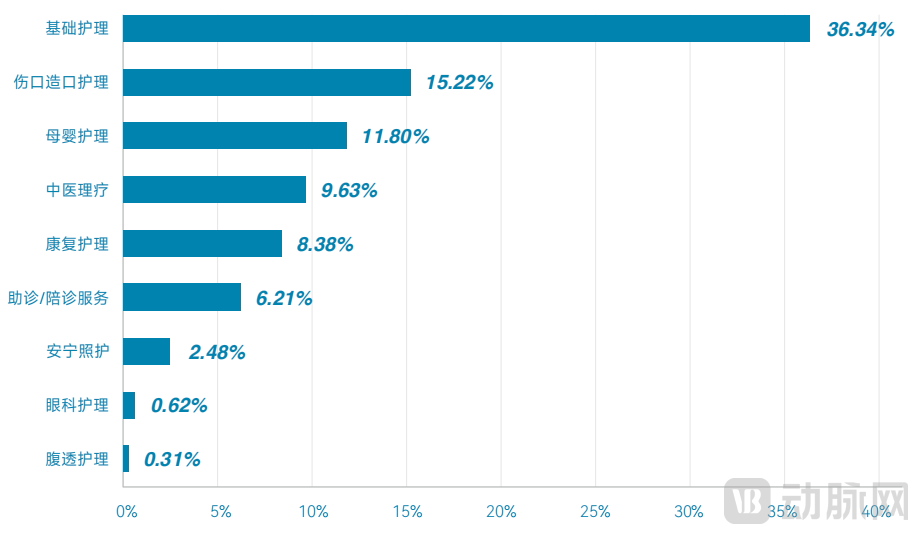
Distribution of Home Care Needs Among Patients
The annual average purchase frequency of home care services is less than five times, with a low average expenditure per visit.More than 60% of patients purchase home care services fewer than five times per year on average, and over 70% of patients spend less than RMB 200 per visit out-of-pocket. This reflects a general lack of awareness regarding home care services, underscoring the need for strengthened market education to improve public understanding. The relatively low out-of-pocket expenditure is partly because basic nursing care, which is generally priced lower, constitutes the majority of services provided; additionally, government subsidies and long-term care insurance cover a portion of the costs for patients.
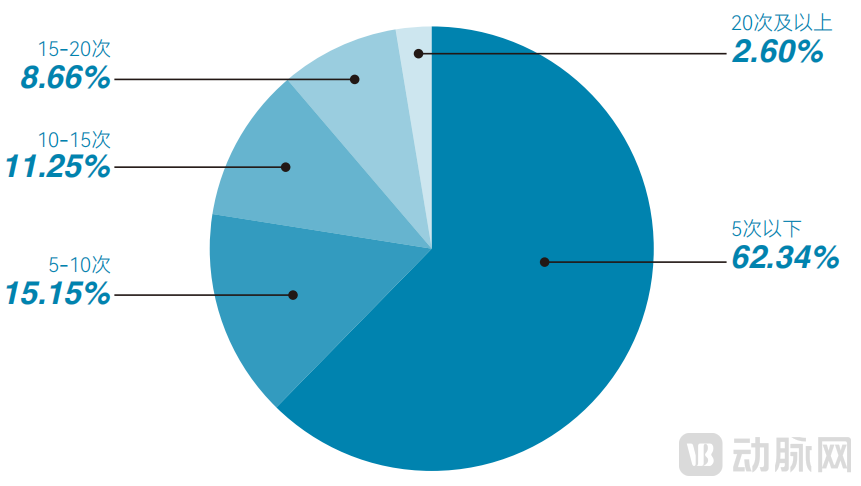
Annual Frequency Distribution of Patients Purchasing Home Care Services
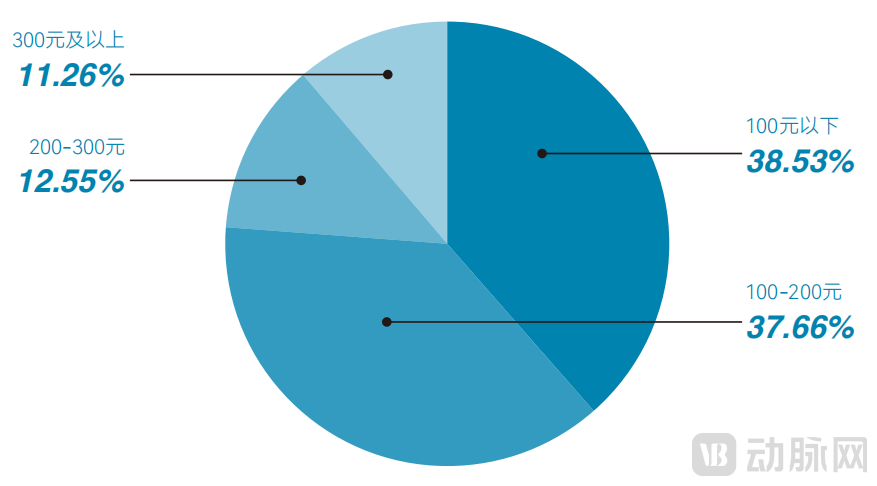
Distribution of Average Out-of-Pocket Expenditure per Home Care Service Purchase by Patients
Price is not the primary factor influencing purchasing decisions.When purchasing home care services, patients’ primary consideration is not the service price but the qualifications of the nursing staff. This is because the qualifications of caregivers serve as the fundamental guarantee for the quality of home care services. High-quality caregivers adhere to professional ethics and provide services in accordance with home care guidelines, demonstrating a positive service attitude and standardized operational procedures. This helps prevent harm to patients’ personal safety while strictly safeguarding their privacy, thereby earning patients’ trust and achieving high satisfaction ratings.
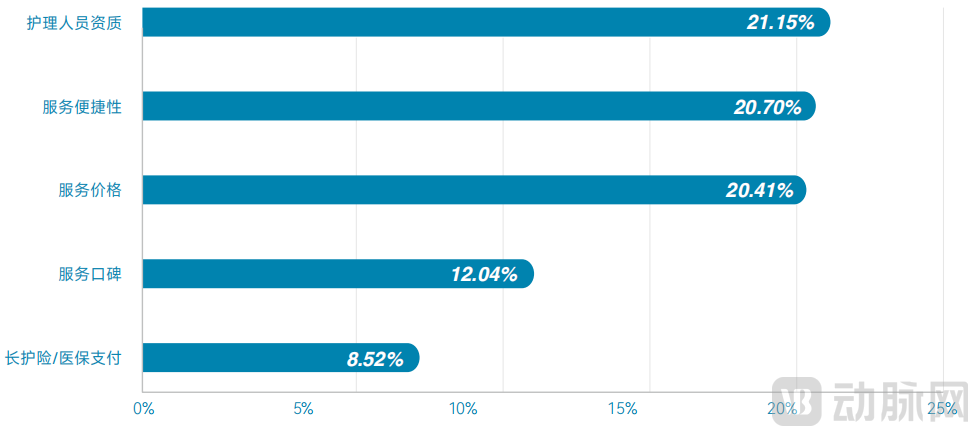
Top 5 Factors Patients Consider When Purchasing Home Care Services
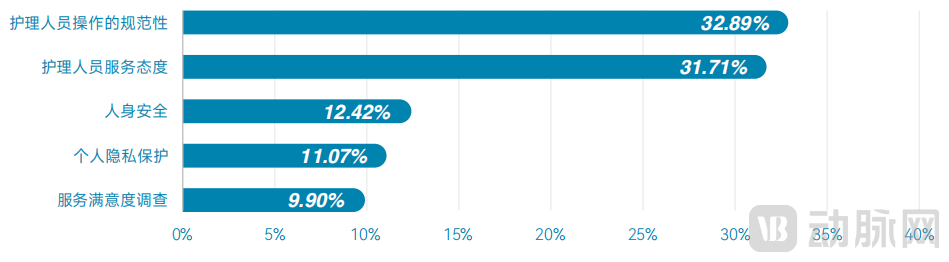
Top 5 Factors Most Valued by Patients Receiving Home Care Services
Hospital Side: Home-based nursing care is in its nascent stage, requiring collaborative empowerment from third-party professional platforms.
Home care services are in their nascent stage.67% of hospitals have been providing home-based nursing services for less than two years, and in 54% of hospitals, nurses involved in these services account for less than 30% of the total nursing staff. This indicates that hospital-based home nursing services are still in their infancy. Hospitals are actively responding to policy initiatives by piloting home-based nursing services, with specific service models and management operational mechanisms currently under exploration and development, requiring gradual establishment through extended practical experience.
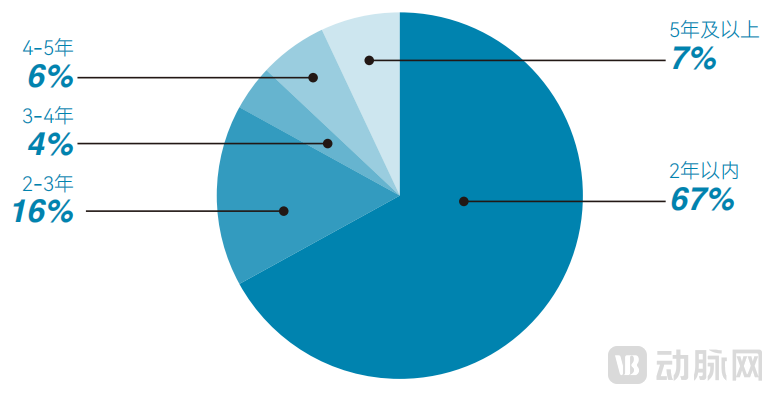
Distribution of Years of Home Care Service Provision by Hospitals
Joining regional cloud platforms for home-based care services will become the mainstream model in the future.More than 80% of hospitals seek to collaborate with home care service platform operators to compensate for their deficiencies in management and operational capabilities for home care services, thereby achieving immediate deployment and use. Furthermore, a significant number of hospitals intend to join the regional home care service cloud platforms led by local Health Commissions to deliver services. This is because these regional cloud platforms are co-developed with professional home care service platform operators carefully selected by local Health Commissions. These operators possess substantial strength, more extensive expertise in managing and operating home care services, and a comprehensive service system.
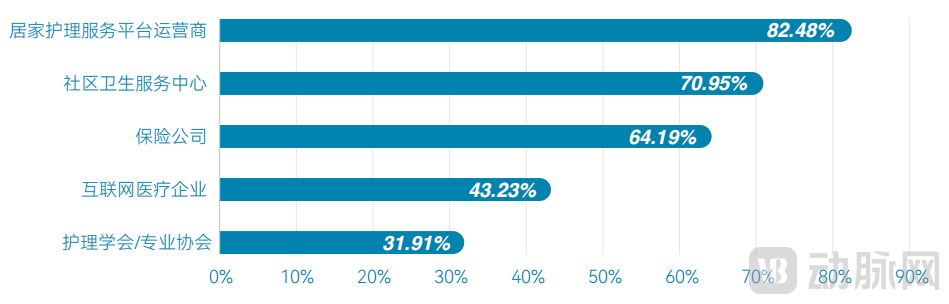
Top 5 External Institutions Hospitals Expect to Collaborate With
Accountability for Medical Disputes and Incidents Is the Greatest Challenge in Management and Operations.Since home nursing services are delivered in out-of-hospital settings, hospitals cannot monitor in real time nurses’ service attitudes, whether care is provided according to patients’ actual needs, or whether services are delivered in strict compliance with established protocols. If medical disputes or adverse events arise during home nursing care, hospitals find it difficult to determine the specific causes, complicating accountability and liability attribution. Moreover, hospital-led home nursing services are still in an early exploratory phase and lack experience in market promotion and operations. These challenges cannot be resolved solely with hospitals’ internal resources; efficient solutions require collaboration with professional operators of home nursing service platforms.
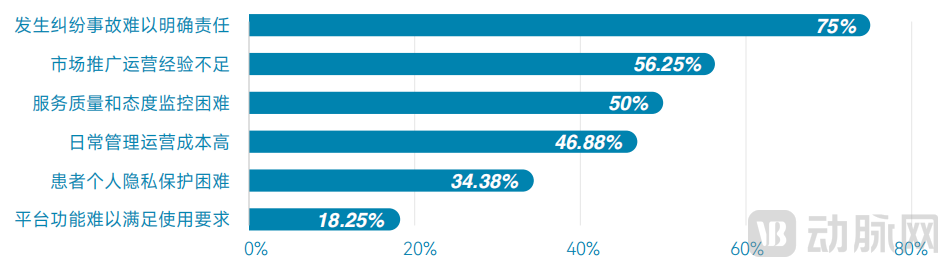
Distribution of Challenges Faced by Hospitals in Management and Operations
Nursing Staff: Dual Improvement in Quantity and Quality; Assessment and Allocation Mechanisms Are Key to Mobilizing Enthusiasm
More highly qualified nurses are joining the home care team.Nearly half of the nurses are from tertiary hospitals, and 86.98% of them have 10 years or more of work experience. On one hand, policy regulations require nurses providing “Internet + Nursing Services” to have at least five years of clinical nursing experience. On the other hand, the improvement of incentive mechanisms for nurses delivering home-based care services—such as compensation distribution, professional title promotion, and awards and evaluations—has effectively motivated highly experienced nurses.
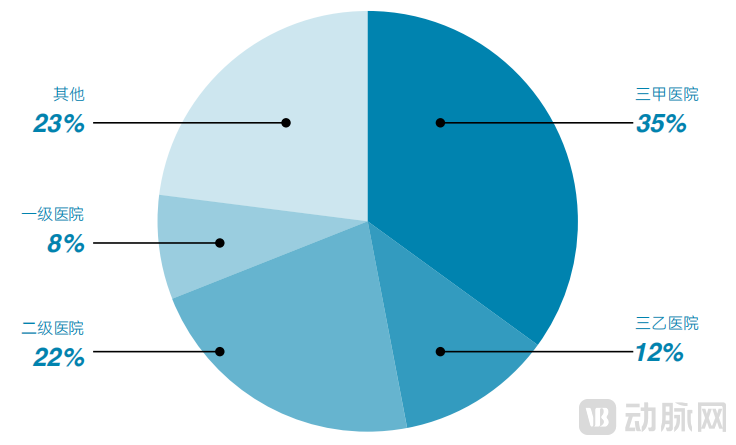
Distribution of Nurses by Hospital Tier
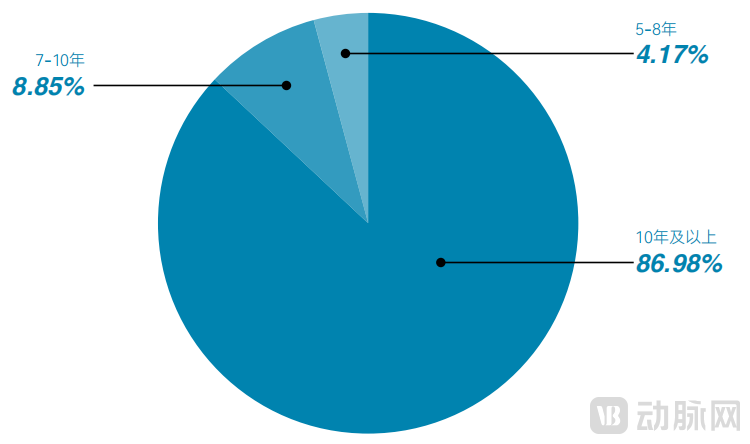
Distribution of Nurses' Years of Experience
Basic nursing care takes the lead, aligning with patients’ actual needs.The distribution of home care services provided by nurses aligns with patient needs. Basic nursing, wound and ostomy care, and maternal and infant care rank as the top three categories. Services such as vital signs monitoring, urinary catheter care, venous blood sampling, routine wound dressing changes, neonatal jaundice measurement, and maternal and infant care are frequently utilized.
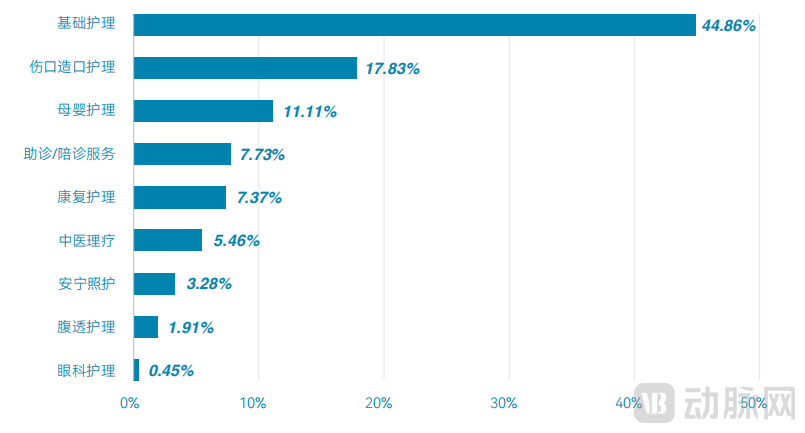
Distribution of Home Care Services Provided by Nurses
Average revenue per service encounter needs to be increased.The average revenue per home nursing service visit remains at a relatively low level. To attract more nurses to join the home nursing workforce, it is necessary to significantly increase the pricing for various services. Meanwhile, the performance-based compensation system should be improved by implementing a “more work, more pay” principle, offering higher performance bonuses to nurses who provide longer service hours, complete more visits, and receive higher patient ratings, thereby further incentivizing them to deliver higher-quality home nursing care.
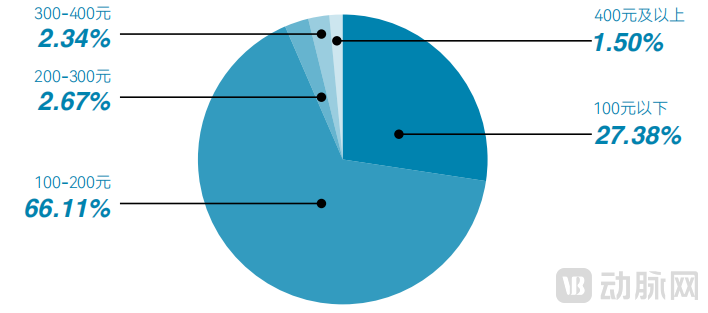
Distribution of Average Revenue per Home Nursing Service Visit by Nurses
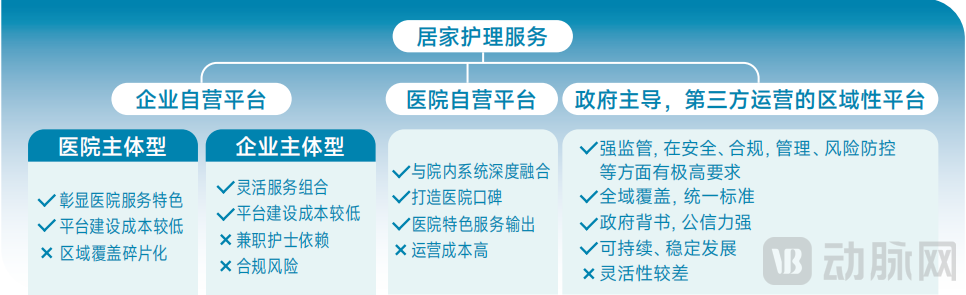
Home care service platforms in the market are categorized into three models: first, enterprise-operated platforms; second, hospital-operated platforms; and third, government-led, regionally focused platforms operated by third parties. Among these,Government-led, third-party-operated regional platforms have demonstrated greater feasibility.。
Home-Based Care Service Platforms: Different Models
Corporate Self-Operated Platform
Corporate self-operated platforms are built and operated by the enterprises themselves, resulting in lower development costs. These platforms possess strong operational and marketing capabilities, with extensive urban coverage; theoretically, services can be provided as long as nurses are registered on the platform in the local area. However, such platforms generally lack medical data interoperability, and service quality varies significantly, highlighting an urgent need to establish a rigorous quality monitoring system.
Enterprise-operated platforms can be further divided into two models: hospital-led self-operated platforms and enterprise-led self-operated platforms. Hospital-led self-operated platforms collaborate with hospitals, enabling them to join the platform in a decentralized manner. Nurses on these platforms are sourced from partner hospitals, and business operations are primarily led by the hospitals, thereby highlighting the hospitals’ specialized services. In contrast, enterprise-led self-operated platforms provide services to patients under their own name and assume corresponding liabilities. Nurses sign contracts with nursing stations to deliver home-based care services, offering greater operational flexibility.
The current landscape of enterprise-owned platforms has formed a three-tier structure comprising “national giants,” “regional specialists,” and “emerging challengers.” Leading companies have established a commanding lead in terms of city coverage, nurse headcount, and service scale.
In terms of the number of registered nurses, data across various platforms range from thousands to hundreds of thousands, indicating disparities in their resource integration capabilities. Platforms with strong resource integration capabilities can provide more comprehensive and professional nursing services, meet the diverse needs of users, and gain a competitive edge in the market. This also reflects their stronger operational capabilities in coordinating resources and establishing partnerships.
In terms of service outcomes, the information disclosed by some platforms lacks key metrics such as order volume and repurchase rate, making it difficult to assess the platforms’ true value. In the future,In evaluating service outcomes, the focus should not be limited to transaction volumes and the number of individuals served; instead, emphasis should shift toward health outcomes, with greater attention paid to the actual impact of home-based nursing services on improving users' health status.
Hospital-Owned Platform
Hospital-owned platforms can achieve deep integration with in-hospital systems, enabling seamless information exchange between inpatient and outpatient settings. This breaks down the physical limitations of traditional hospitals in patient care, spanning the pre-admission, in-hospital, and post-discharge stages to provide comprehensive disease management services. Such platforms fully highlight the hospital’s unique strengths and help enhance its reputation.
A Regional Platform Led by the Government and Operated by a Third Party
Regionalization is the development trend of home care service platforms. In recent years, enterprise-operated platforms have been striving to achieve broader regional coverage, while individual hospitals are also actively or passively integrating into regional home care platforms. Within regional home care platforms, the model characterized by government leadership and third-party operation demonstrates significant advantages.
A regional home-based nursing platform, developed under government leadership with market-oriented operations, aligns with the policy direction of medical consortium construction and tiered diagnosis and treatment. It balances the rigor of regulatory oversight, the professionalism of hospital services, and the maturity of third-party market-driven operations, thereby leveraging the dual advantages of policy support and resource integration. By connecting hospitals within the region and integrating nursing staff resources across healthcare institutions at all levels, such platforms enable cross-institutional deployment. This significantly enhances the quality of medical services in the area, meets residents’ demand for home-based nursing care, and efficiently responds to the needs of local governments.
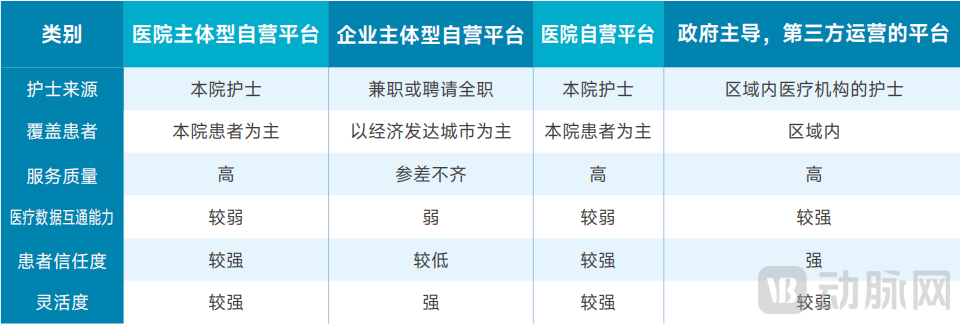
Comparison of Home Care Service Platforms Across Different Models
However, this model imposes extremely high requirements on third-party enterprises. Companies must fully align with and cooperate under strict regulatory oversight, while also possessing robust technical operational capabilities and medical expertise. Few companies in the market can meet such stringent government requirements. Furthermore, the market-oriented operational results of such platforms tend to materialize slowly, and their flexibility is relatively limited; initiatives related to service offerings, pricing, and other aspects can only be implemented after negotiation and agreement with hospitals and government authorities. Therefore,At present, the number of enterprises deploying related platforms is extremely small, with a predominant focus on establishing enterprise-owned self-operated platforms.
In the future, as the government imposes increasingly stringent compliance requirements on home-based nursing services, regulatory oversight concerning safety and compliance will inevitably continue to tighten. From the perspective of safeguarding the interests of both patients and healthcare providers, the operation of home-based nursing service platforms requires multi-party participation and complementary advantages among the government, enterprises, hospitals, and nurses; it cannot be accomplished independently by any single enterprise or hospital. In the long run, only regionally integrated platforms led by the government can promote the stable and sustainable development of home-based nursing services, thereby achieving a win-win outcome for all stakeholders.Government-led, third-party-operated regional platforms will become the mainstream model for home-based nursing services.
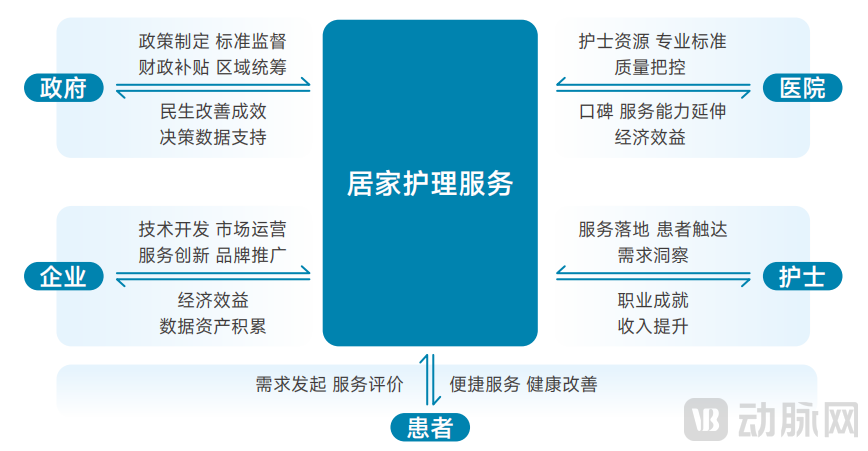
Platform Model of Specialized Division of Labor and Resource Integration to Achieve Multi-Party Win-Win
VBInsight has taken stock of the current representative regional home care service platforms that are government-led and operated by third parties.
“ZheLi Nursing,” “YuJian Home Nursing,” and “Nanning Cloud Hospital” are typical representatives.“Zheli Nursing” collaborates with over 600 medical institutions in Zhejiang Province, has onboarded 59,000 nurses, offers more than 100 home-based nursing services, and serves an average of over 20,000 patients per month. “Yujian Home Nursing” partners with 536 medical institutions and has onboarded 47,000 nurses. “Nanning Cloud Hospital” has onboarded more than 4,000 nurses, provides over 140 services, and has completed more than 20,000 home-based nursing visits. It is evident that these three platforms lead in terms of the number of partner hospitals, onboarded nurses, and service offerings. Their large user base and high frequency of use further demonstrate that these platforms have achieved a high level of market recognition.
From the perspective of third-party operating platforms, Xikang Cloud Hospital has participated in the operation of multiple regional home-care platforms, demonstrating strong industry advantages and operational capabilities. Its business coverage extends across East, Central, South, and Southwest China, highlighting the resource-attracting effect of leading enterprises in government collaborations.
Xikang Cloud Hospital established, from the very inception of its home-based nursing services,"Government-led, multi-party participation, and third-party market-oriented operation"route, actively collaborating with local governments to promote the centralized onboarding of medical institutions within the region, ensuring that the platform is both secure and compliant while maintaining flexibility and sustainability. By implementing a series of standardized measures—including unified access criteria, standards, entry points, workflows, regulatory oversight, insurance, customer service, after-sales support, and promotion—we aim to achieve a win-win outcome for all stakeholders.
"Tailored strategies are a core advantage of Xikang Cloud Hospital."In the face of complex and diverse disparities across China in demographic structures, user needs, distribution of medical resources, service levels, and government management models, Xikang Cloud Hospital has adopted a dual approach. On one hand, it conducts in-depth research into local management characteristics and builds mutual trust with local governments. On the other hand, it leverages the strengths of regional medical institutions while analyzing patient-specific needs and healthcare-seeking behaviors in different areas to implement targeted measures. Taking service portfolio design as an example, the company has expanded from single-service offerings to bundled, continuous care packages tailored to local demands and patients’ healthcare habits, thereby meeting the diversified needs of patients across various regions.
Emphasizing service safety and quality, XiKang Cloud Hospital has established a model that meets the stringent regulatory requirements of the government.Under the framework of stringent government regulation, Xikang Cloud Hospital launches home-based nursing services by first collaborating with local nursing regulatory authorities to establish service standards. These standards encompass operational procedures and protocols, training syllabi for service items, and quality evaluation metrics. Through continuous training, the company enhances home-care nurses’ service capabilities, professional skills, and their ability to provide emergency treatment and respond to unexpected situations. During service delivery, the company employs technologies such as real-time location tracking, one-touch alarm systems, and full-process audio recording to safeguard the personal safety and fundamental rights of both nurses and patients.
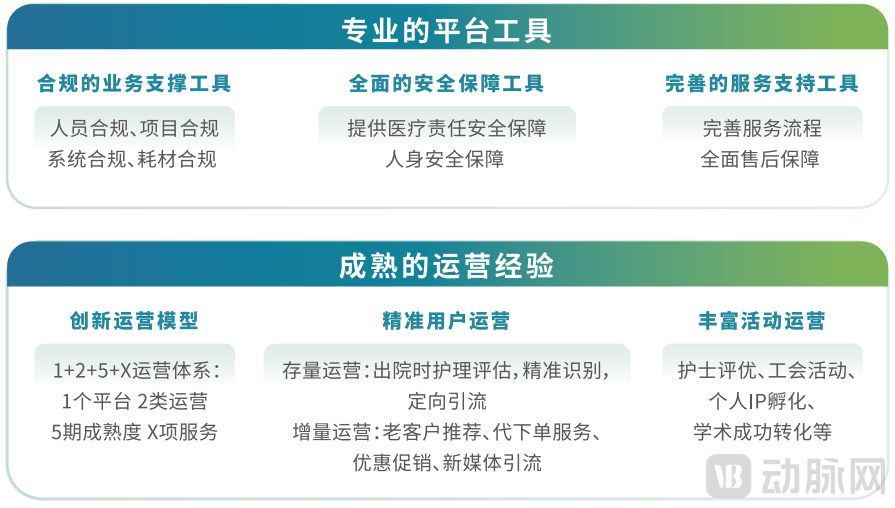
Advantages of Xikang Cloud Hospital's Home Nursing Services
Leveraging the aforementioned advantages, Xikang Cloud Hospital has established a mature and replicable operational model, successively launching provincial- or prefecture-level home care service platforms in Zhejiang, Henan, Liaoning, Guangxi, Anhui, and other regions.
As of December 31, 2024, more than 36,000 medical institutions were connected to the Xikang Cloud Hospital platform network, including 2,986 hospitals, representing a year-on-year increase of 14.4%. The platform hosted 142,000 registered physicians, a year-on-year increase of 9.3%, and 130,000 registered nurses (with over five years of clinical nursing experience), a year-on-year increase of 89.2%. The platform covered a population of over 200 million, with the number of home-based nursing service items increasing to more than 200. In that year, the volume of home-based nursing services exceeded 332,000 visits, a year-on-year increase of 114.9%. Among these, Zhejiang Province recorded over 261,000 home-based nursing service visits, a year-on-year increase of 115.6%. The volume of nursing consultation services exceeded 324,000 visits, a year-on-year increase of 64%.
Structural contradictions within the payment system represent one of the primary challenges facing home-based nursing services. Limited out-of-pocket payment capacity among consumers, insufficient innovation in insurance reimbursement mechanisms, and incomplete government-funded payment frameworks have left many home-based nursing service providers without viable long-term profitability models, resulting in sustained losses. Establishing a new payment ecosystem that is “affordable for users, sustainable for institutions, and regulable by the government” has become the key to breaking the current impasse in the home-based nursing industry.

Characteristics of Payers in Home Care Services
As home care services become increasingly standardized and management matures, a tiered and diversified payment system will gradually take shape, structured as a pyramid comprising “basic coverage + supplementary coverage + premium services.”
Basic Assurance LayerLed by the government, it achieves the function of "ensuring basic coverage" through combined payments from long-term care insurance and medical insurance, providing a safety net for people with disabilities and vulnerable groups;Supplementary Coverage LayerLeverage commercial insurance to achieve risk hedging by developing specialized long-term care insurance products or incorporating home-based nursing care into the list of value-added services;High-End Service LayerPrimarily relying on out-of-pocket payments by individual consumers, the model focuses on high-quality service offerings, as well as consumer-oriented segments such as maternal and infant care and traditional Chinese medicine, to meet high-end, personalized demands. Additionally, enterprises and public welfare organizations serve as a supplementary layer, providing support to specific groups through charitable funds and other mechanisms, thereby addressing gaps in payment system coverage.
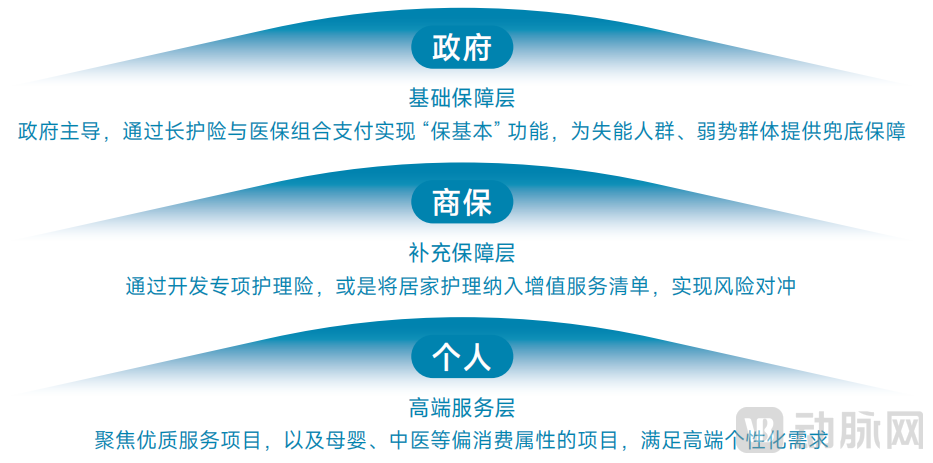
Composition of the Payment System for Home Care Services
The Silver Economy Drives the Group Expansion of Demand for Home-Based Care.The National Working Commission on Ageing projects that by 2050, China’s elderly population will reach 485 million, the silver economy industry will grow to approximately RMB 106 trillion, and its share of GDP will rise to 33%. Healthcare consumption will become a major expenditure for the elderly, accounting for more than 25% of their total consumer spending.
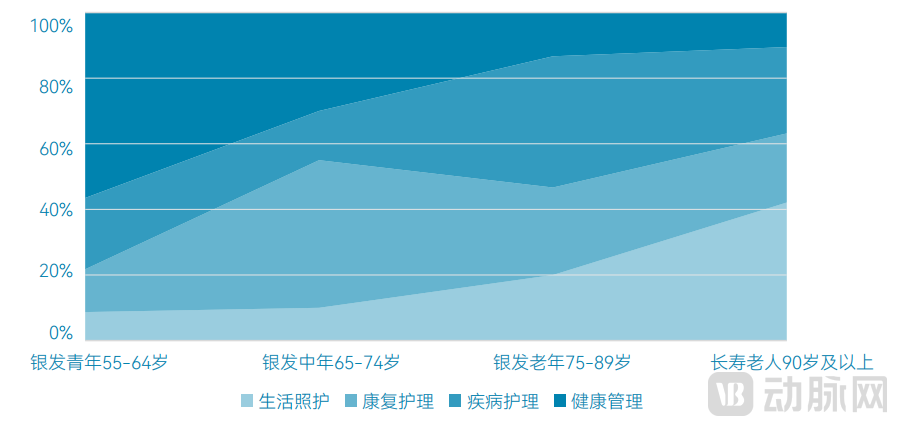
Distribution of Home Care Needs Among the Silver-Haired Population Across Age Groups
Home Care Services Achieve Multi-Dimensional Leapfrog Development.In the future, home-based care services will achieve a qualitative leap in service scenarios, service processes, and service scope. This includes achieving seamless connectivity between hospital and home settings; expanding service processes from post-diagnosis rehabilitation to pre-diagnosis prevention, intra-diagnosis management, and post-diagnosis rehabilitation; and broadening the service scope from basic caregiving to an integrated model of “nursing services + medical services + health management.”
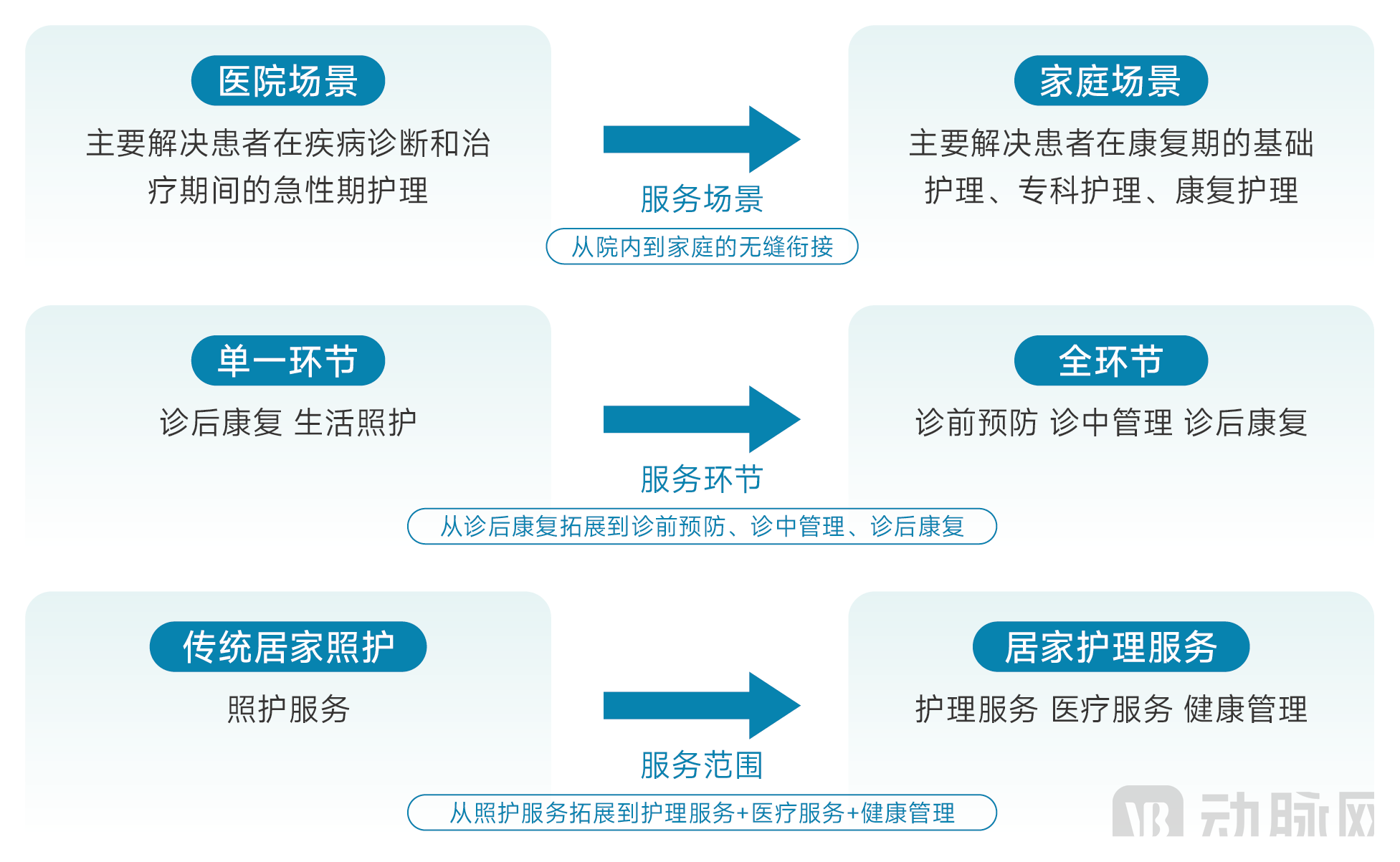
A New Leap in Home Care Services
Regional Nursing Service Cloud Platform Will Build a New Ecosystem for Healthcare Services.The Regional Nursing Service Cloud Platform will aggregate resources on the supply side of medical services, becoming a healthcare service portal for patients and individuals in suboptimal health. Nursing enterprises, pharmaceutical and medical device companies, hospitals, internet healthcare providers, pharmaceutical e-commerce platforms, and insurance companies will each integrate their core products or services into the platform. By collaborating to address the healthcare needs of patients and those in suboptimal health, these stakeholders will create an integrated service chain encompassing “medical care + pharmaceuticals + medical devices + nursing + management + insurance.”
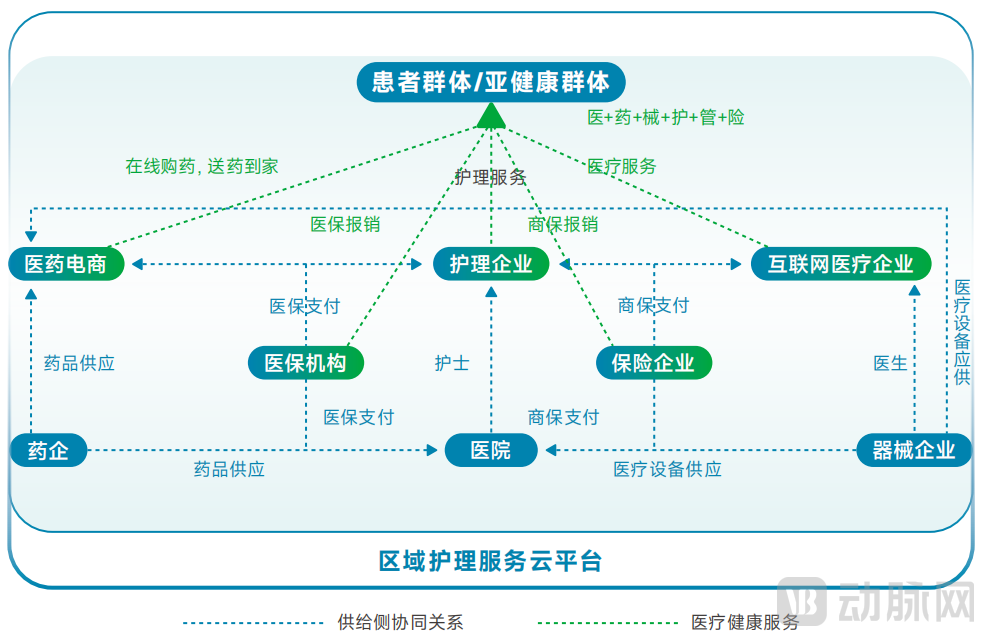
Ecosystem of the Supply Side of Home Care Services
Nurses are expected to uphold higher values and demonstrate stronger professional competence.Nurses must uphold the value of being “patient-centered, helping patients maximize the recovery of physical function through nursing services to better reintegrate into daily life and work.” They should exercise greater self-discipline, adhere to professional ethics, strictly provide care in accordance with home-based nursing service standards, and further enhance their professional competence and operational proficiency, including their ability to respond effectively to emergencies.
Digital and intelligent technologies comprehensively empower home-based nursing services.In response to the pain points and demands of different stakeholders in the home care service industry, digital intelligence technologies will be deeply integrated into every aspect and among all participants of home care services.
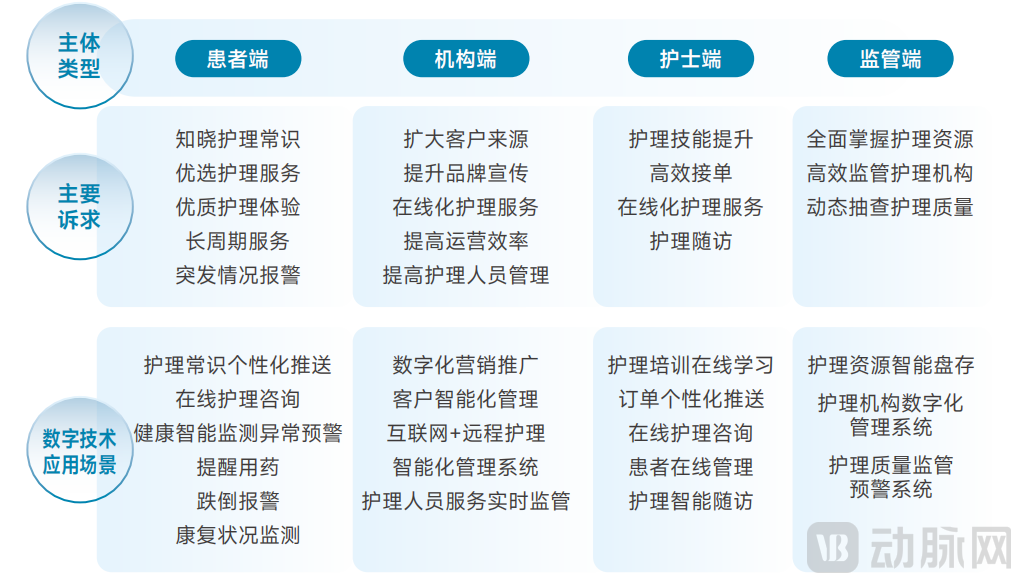
Key Application Scenarios of Digital Intelligence Technologies in Home-Based Nursing Services
The above is an excerpt from the white paper. The overall framework of the report is as follows:
Chapter 1 Macro Background and Connotation Analysis of Home Nursing Services
1.1 Macro Background of Home Care Services
1.2 Policy-Driven Rapid Growth in the Home Care Service Market Size
1.3 Home Care Services: Infused with New Meaning, Entering a New Phase
Chapter 2: Market Demand and Pain Point Research for Home-Based Nursing Services
2.1 Patient Side: Female Demand Exceeds Male; Caregiver Qualifications Are the Primary Factor in Purchase Decisions
2.2 Hospital Side: Home-Based Nursing Care Is in Its Nascent Stage, Requiring Collaborative Empowerment from Third-Party Professional Platforms
2.3 Nurse Side: Dual Improvement in Quantity and Quality, with Assessment and Allocation Mechanisms as the Key to Mobilizing Enthusiasm
Chapter 3 Analysis of Home Care Service Models
3.1 Traditional Home Care Lacks Medical Attributes, While Home Nursing Reconstructs the Industry Ecosystem
3.2 A Government-Led, Third-Party Operated Model Is More Feasible
3.3 Enterprises’ Deployment of Home Care Services Should Balance Diversification and Specialization
Chapter 4: Discussion on Payment Models for Home-Based Nursing Services
4.1 Consumer out-of-pocket payment is the dominant model, while the B2B2C strategy can accelerate market penetration
4.2 Government Sector: Covering Key Populations and Providing Foundational Support for Home-Based Nursing Services
4.3 The integrated development of commercial health insurance and home-based care is a trend that will emerge as a key payer
4.4 Establish a Multi-Tiered Payment System to Form a Tripartite Structure of Government, Commercial Insurance, and Individual Out-of-Pocket Payments
Chapter 5: Outlook on Future Trends in Home Care Services
5.1 The Silver Economy Drives the Group Expansion of Demand for Home Care
5.2 Home Care Services Achieve Multidimensional Leapfrog Development
5.3 Regional Nursing Service Cloud Platform Builds a New Ecosystem for Healthcare Services
5.4 Nurses Are Expected to Uphold Higher Values and Demonstrate Stronger Professional Competence
5.5 Comprehensive Empowerment of Home Nursing Services by Digital and Intelligent Technologies
Please scan the QR code to add our assistant and obtain the full report. If you have already added us, please proactively reach out: