

The Next Growth Catalyst in Minimally Invasive Surgical Devices: Insights and Innovations from 2025 VBEF
As a cornerstone of the entire medical device industry, minimally invasive surgery is vigorously driving technological innovation toward precision and intelligence, playing a pivotal role in advancing technology, expanding the market, and fostering industrial synergy within the global medical device sector. Currently, the domestic minimally invasive surgery market in China is undergoing a period of transformation. Driven by favorable policies, technological advancements, and upgrading healthcare demands, an increasing number of companies are entering the field, giving rise to a new market landscape.
On May 10, 2025, the Minimally Invasive Surgery Industry Innovation and Development Forum, part of the 2025 Future Healthcare Top 100 Exhibition hosted by VCBeat, was successfully held at the Suzhou International Expo Center. Addressing hot topics in the innovation and development of the minimally invasive surgery industry, the forum invited founders and executives of minimally invasive surgery companies, as well as frontline investors, to explore issues such as the deep integration of cutting-edge technologies, breakthroughs in domestic substitution, overseas expansion and global competition, and supply chain collaboration. Participants jointly discussed the opportunities and challenges facing China’s minimally invasive surgery industry, aiming to strengthen academic exchange and industrial synergy in this field.
At the beginning of the meeting,Professor Liao Hongen, a tenured professor at Tsinghua University, delivered a keynote speech titled “Integrated Intelligent Minimally Invasive Diagnosis and Treatment: AI-Driven Technological Innovation.”
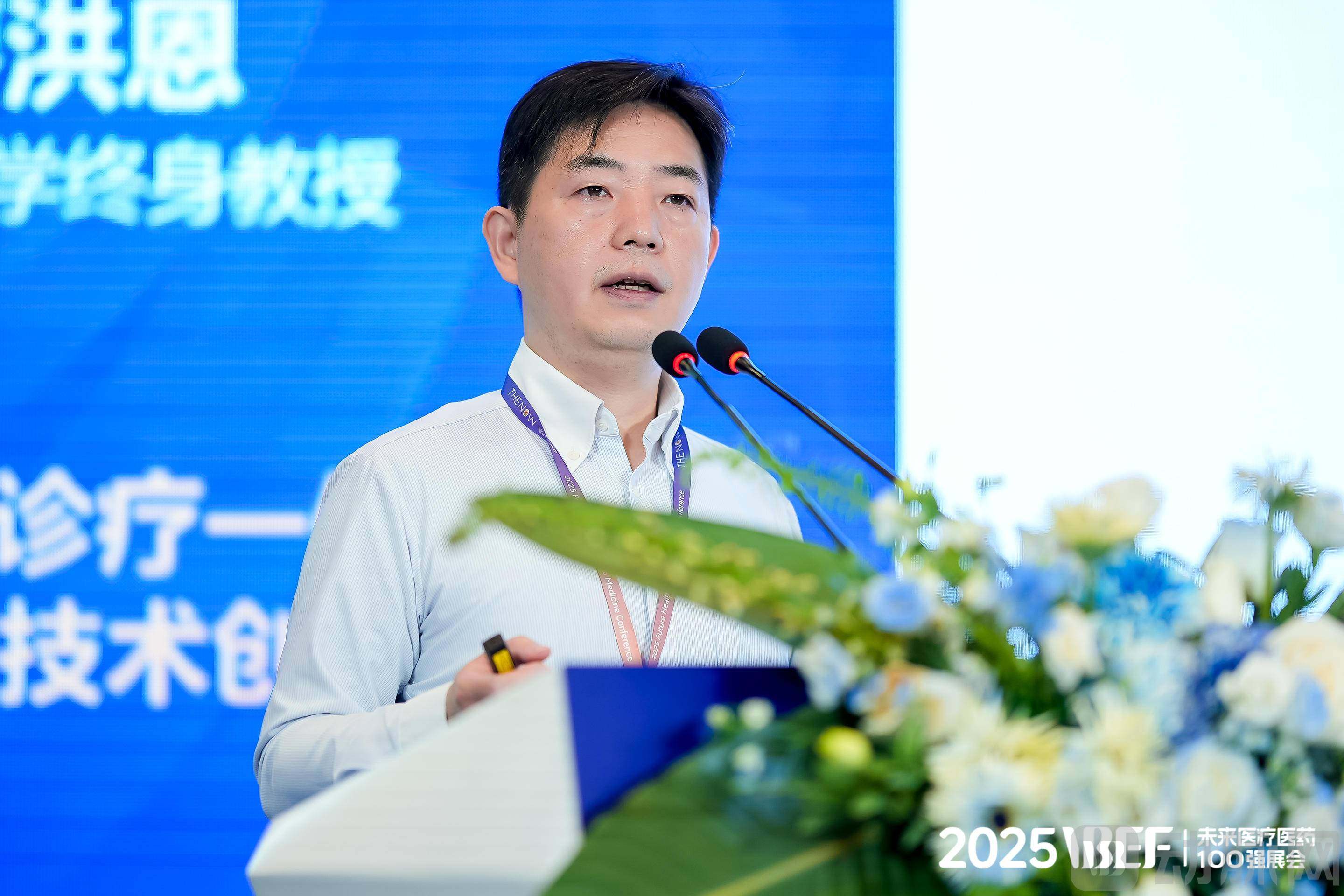
Liao Hongen, Tenured Professor at Tsinghua University
He provided an in-depth analysis of the evolving trends in current medical diagnosis and treatment models, pointing out that the field is undergoing a transformation from traditional open surgery to minimally invasive, precise, and intelligent approaches, with the accelerated integration of artificial intelligence (AI) technologies serving as a key driver. Professor Liao systematically outlined the core developmental trajectory of this transformation: First, the iteration of imaging technology is promoting the integration of diagnosis and treatment, shifting from simple structural imaging to the fusion of multi-modal information such as functional, molecular, and metabolic data. This evolution extends from initial diagnostic assistance to precise guidance and real-time monitoring during interventional therapies, with advancements in navigation technologies like optical and electromagnetic navigation providing robust technical support. Second, breakthroughs in surgical robot technology have moved from early bionic applications to more refined and intelligent clinical adaptations. Represented by the da Vinci Surgical System, surgical robots have achieved minimally invasive operations using multi-degree-of-freedom robotic arms, with future developments aiming toward smaller sizes, more flexible structures, and smarter functionalities. Third, the application of AI is being upgraded and deepened, evolving from image-based lesion recognition and preliminary diagnostic assistance to intelligent decision-making and treatment plan optimization by integrating multi-source heterogeneous data, thereby forming a “monitoring-warning-decision” closed loop. However, the focus of development lies in constructing a highly reliable collaborative model that integrates humans, machines, and the environment, fully leveraging AI’s advantages in data analysis, pattern recognition, and decision support, rather than simply replacing physicians.
Professor Liao Hongen ultimately emphasized that the deep integration of medicine and engineering serves as the core driver for advancing intelligent minimally invasive diagnosis and treatment. By closely combining high-sensitivity intelligent sensing technologies, artificial intelligence-based dynamic decision-making systems, and innovative minimally invasive therapeutic models, it is possible to achieve personalized precision therapy for complex lesions. This approach supports health management across the entire life cycle and holds the promise of significantly enhancing the quality and efficiency of medical services.
Qu Zhi, General Manager of Pairte Medical, delivered a presentation titled “A New Era in Surgery: Exploring Comprehensive Solutions Led by Precision Medicine,” sharing Pairte Medical’s innovative practices and strategic insights in the field of precision surgical medicine.。
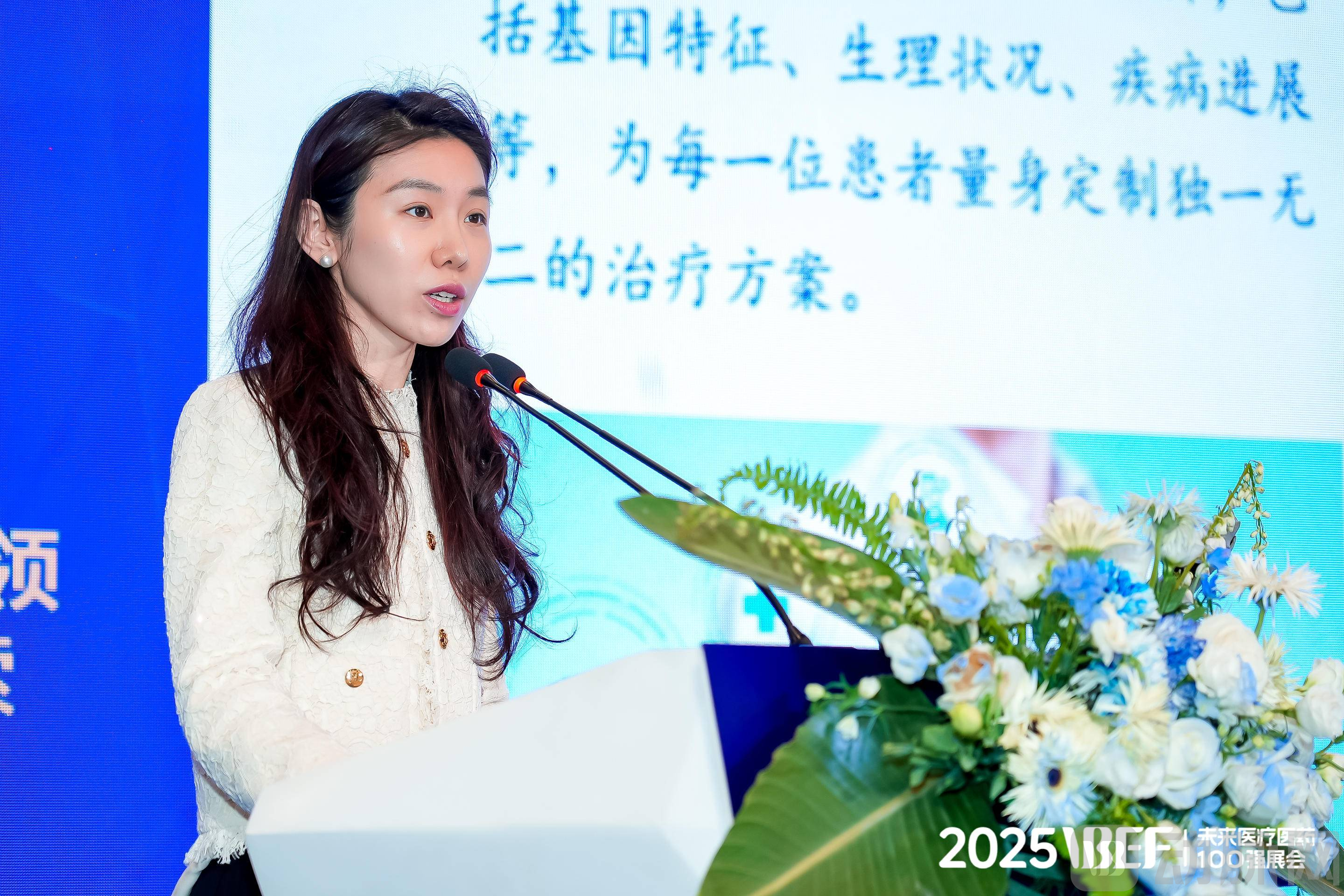
Qu Zhi, General Manager of Pelt Medical
She pointed out that surgical techniques are undergoing leapfrog development driven by big data, artificial intelligence, robotics, and 5G communication. Precision medicine aims to achieve personalized diagnosis and treatment, minimally invasive procedures, and rapid recovery. Current surgical practices still face challenges in improving efficiency, ensuring quality control, preventing complications, and preserving function, necessitating breakthroughs in treatment consistency through standardized protocols and technological innovation.
Over two decades of development, Palt Medical has built a comprehensive product portfolio spanning from traditional staplers to intelligent staplers and surgical robots, leveraging its proprietary patented technologies to establish a global competitive presence. The company focuses on the field of minimally invasive surgery, promoting the application of 5G and AI technologies in surgical planning and remote collaboration through the distribution of water-jet robotic systems, conducting national-level real-world studies, and developing intelligent specialized instruments. Ultimately, it aims to realize the vision of making surgical procedures “safer, simpler, and more accessible.”
Zhou Guanshan, Director of the Strategic Development Department at Kangji Medical, delivered a keynote presentation titled “Kangji Medical: The Rise of China’s Leading Domestic Minimally Invasive Surgical Company.”。
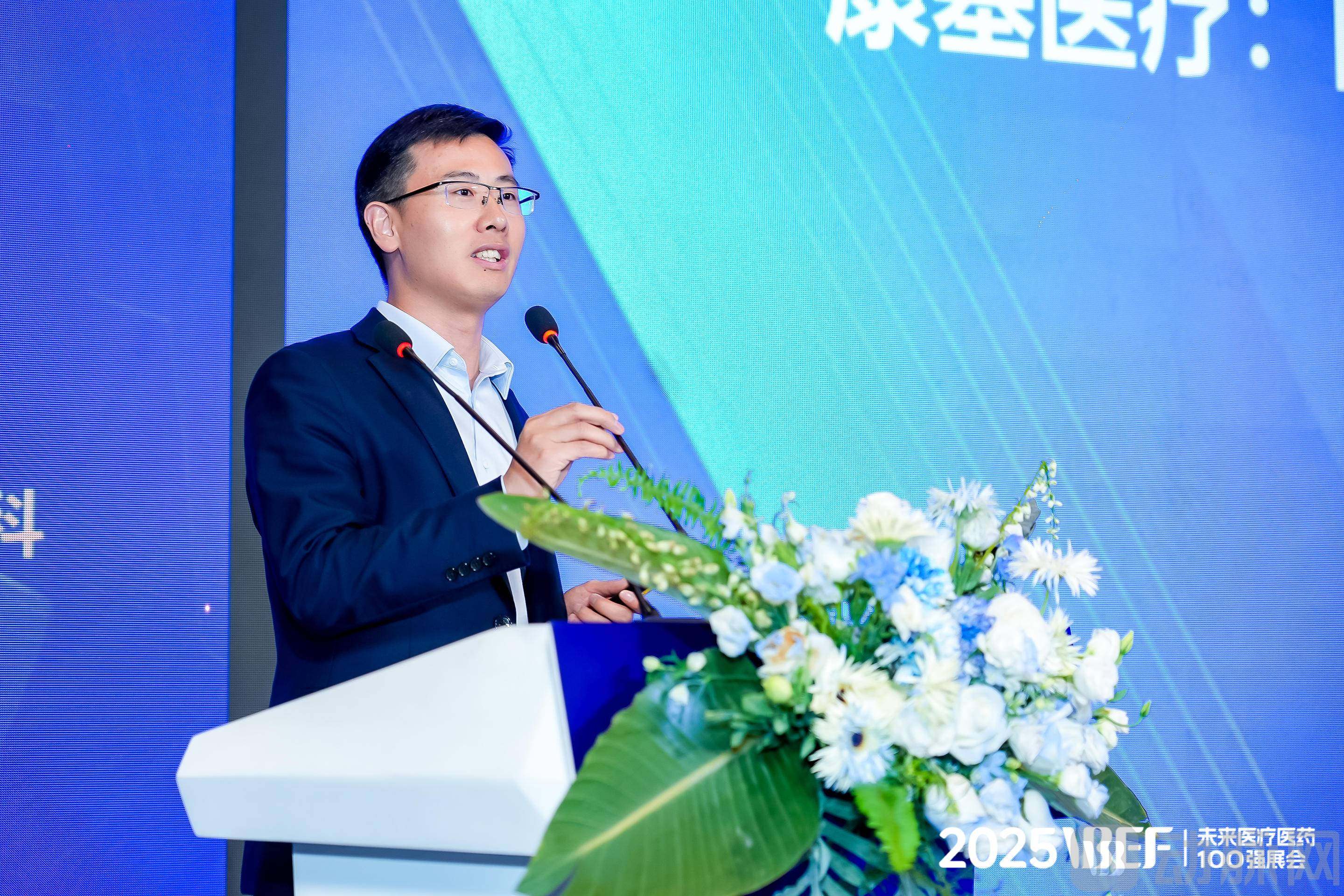
Zhou Guanshan, Director of the Strategic Development Department at Kangji Medical
He stated that over the course of Kangji Medical’s more than 20-year development, the company has built a “3+X” technology platform, creating a closed-loop solution through basic instruments, energy-based devices, and an imaging platform. In 2022, it acquired Weijing Surgical Robotics to strengthen its foundational technologies and establish a presence in the surgical robotics sector. Its strategic logic is based on the significant growth potential indicated by the mere 1% penetration rate of surgical robots in China, as well as the commercial value of a consumables closed-loop model.
The company’s growth is driven by three key factors: the significant benefits of minimally invasive surgery for patients, hospitals’ performance evaluation requirements, and the cost-effectiveness advantage under medical insurance cost-containment policies. The company ensures product reliability through intelligent manufacturing and enhances technology accessibility via academic promotion and tiered pricing. Finally, Zhou Guanshan emphasized the importance of integrating medicine and engineering in the development of the medical device industry. He pointed out that technological iterations must align with market demands, and advocated for leapfrog development by expanding existing application scenarios and reserving disruptive technologies, while always adhering to patient benefit, clinical acceptance, and a closed-loop payment system as the core principles of product development.
Zhang Xiaonong, founder of Aoriji Medical, delivered a keynote speech titled “Innovation and Industrialization of Biodegradable Magnesium Metal Materials”。
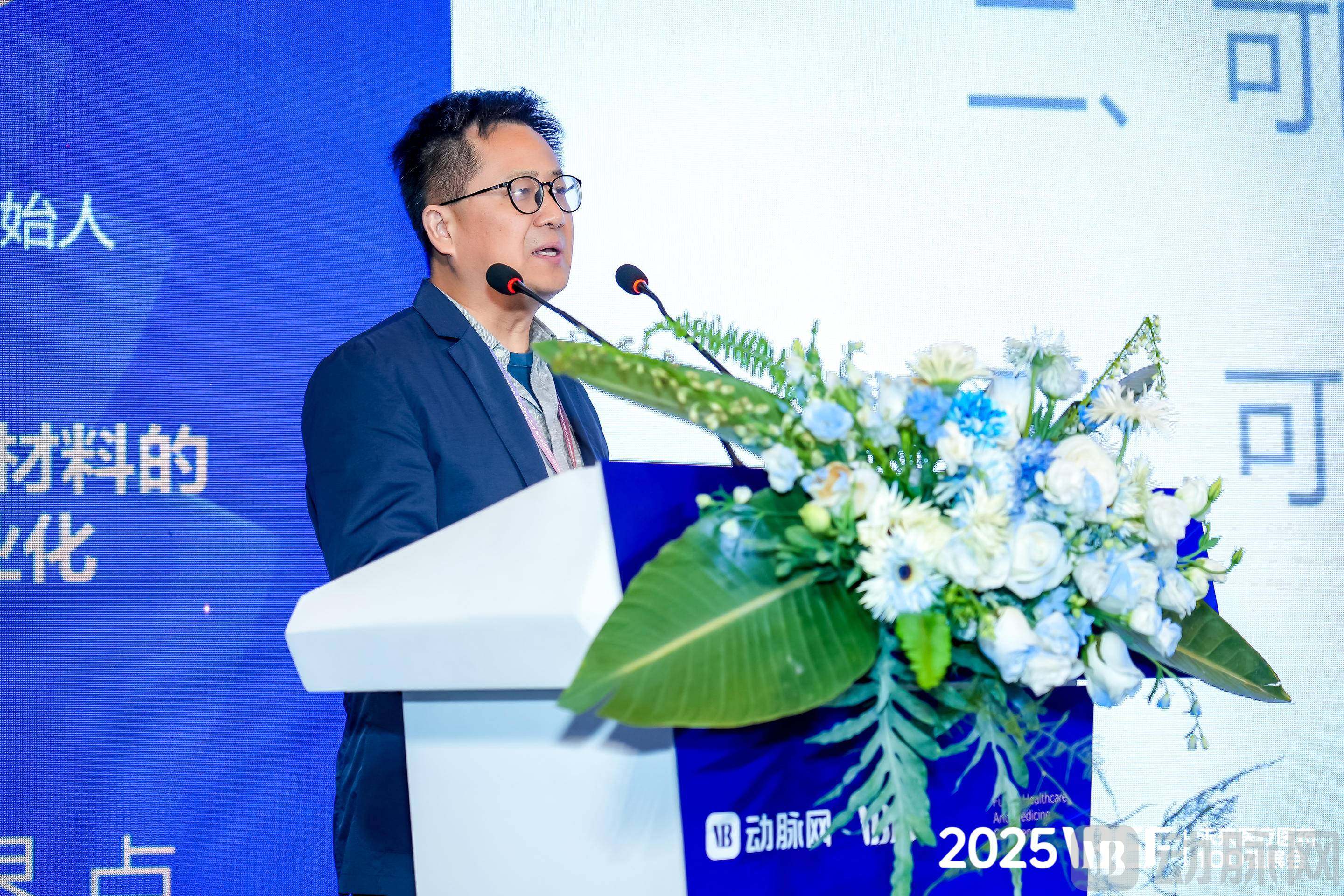
Zhang Xiaonong, Founder of Aoruiji Medical
Zhang Xiaonong shared his insights from three dimensions: innovation in the development philosophy of medical metallic materials, breakthroughs in the fundamental research of biodegradable magnesium, and innovations in medical devices based on biodegradable magnesium. He pointed out that traditional medical metallic materials suffer from issues such as bioinertness, release of toxic elements, and non-degradability, which have driven the innovation of medical metallic materials toward biodegradability. As an essential macro-element for the human body, magnesium exhibits significant biodegradability and potential for biofunctionalization. Its degradation products possess medical functions such as promoting osteogenesis and suppressing inflammation, making it a global hotspot for research and development.
Aorui Medical optimizes the micro-nano structure of materials by regulating magnesium alloy composition and preparation processes, thereby addressing challenges such as stress corrosion and crevice corrosion, and enhancing mechanical properties and degradation controllability. Its developed biodegradable magnesium ligation clip has received registration approval from China’s National Medical Products Administration (NMPA), marking it as the world’s first independently developed biodegradable magnesium metal ligation clip. The degradation profile aligns with clinical needs, while its mechanical properties and biocompatibility surpass those of traditional polymer materials, effectively reducing the risk of foreign body retention. Furthermore, products such as magnesium alloy screws and staples have demonstrated significant potential for clinical application, driving biodegradable metallic materials into the stage of large-scale adoption and delivering substantial benefits to patients.
Liu Jianxun, Senior Vice President of GeRui Technology and General Manager of Product Innovation, delivered a keynote speech titled “Next-Generation Embodied Intelligent Diagnostic and Therapeutic Robotics Empowered by the DeepSeek Large Language Model.”。
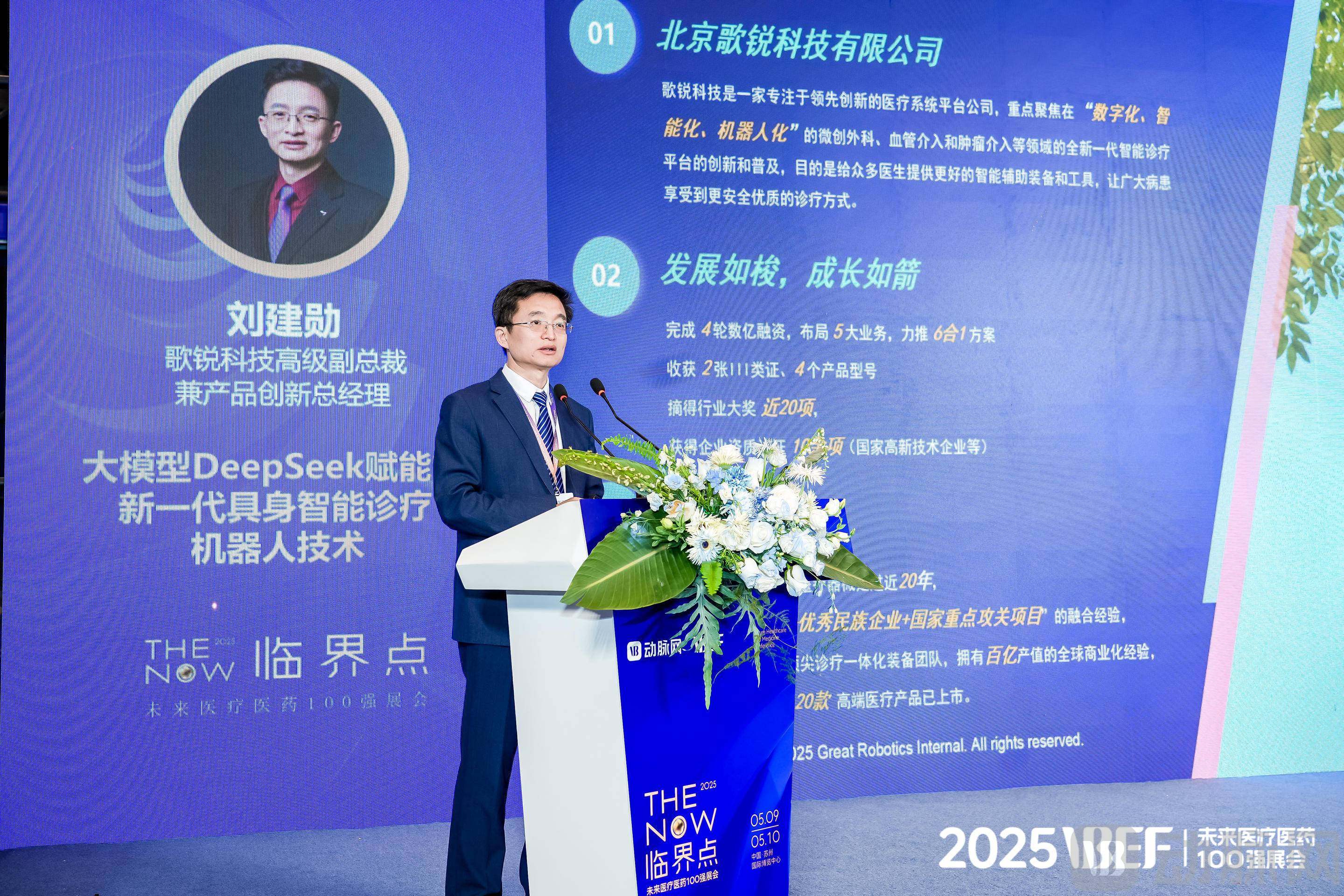
Liu Jianxun, Senior Vice President of GeRui Technology and General Manager of Product Innovation
Founded in 2021, GeRui Technology boasts a core team with a triple-hybrid background encompassing top-tier multinational corporations, leading domestic enterprises, and national key special projects. The company has established four major business lines: spinal/neuroendoscopy, minimally invasive vascular and tumor interventions, AI-driven diagnosis and treatment with large model applications, and elderly care combined with professional embodied intelligence. With a diversified product portfolio, GeRui is dedicated to innovating and popularizing a new generation of all-dimensional, integrated professional embodied intelligence platforms, thereby promoting health equity. According to Liu Jianxun, one of GeRui’s flagship products, the world’s first Newton Surgical Robot System, supports full-process spinal and neuroendoscopic surgeries, significantly enhancing surgical precision and safety.
This system addresses issues such as two-dimensional positioning errors and insufficient manual operation precision in traditional minimally invasive spine surgery. Its innovations include:- Integration of master-slave control, intelligent navigation, and force feedback technologies.- A dual 7-axis robotic arm design that enables autonomous collaboration and full-process surgical automation.- Compatibility with the world’s first fully electric, 8-axis integrated intraoperative mobile 3D C-arm, mounted on an AGV (Automated Guided Vehicle) chassis to achieve ultra-fast scanning in as little as 12 seconds with full spinal coverage, enhanced by AI algorithms for optimized image processing and motion control.This innovative design allows surgeons to perform complex minimally invasive procedures via a console, significantly reducing the learning curve. Clinical feedback indicates that junior surgeons can quickly become proficient, leading to substantial improvements in surgical efficiency and safety.
Currently, the Newton system has completed multiple rounds of in vivo experiments and entered the human clinical trial phase, with market launch expected this year.
Notably, Gerui Technology has implemented an “Open-Source Win-Win” ecosystem, opening six major technology platforms to support ODM/OEM collaborations and empowering the industry’s overall upward development. Gerui is currently advancing a new round of financing, committed to further promoting the widespread adoption and intelligent upgrading of minimally invasive spinal surgery.
Chen Xinhua, Founder of Ruidi Biotech, Delivered a Keynote Speech Titled “Intelligent Upgrading of Energy-Based Devices: Reconstructing the New Paradigm of Minimally Invasive Surgical Treatment”。
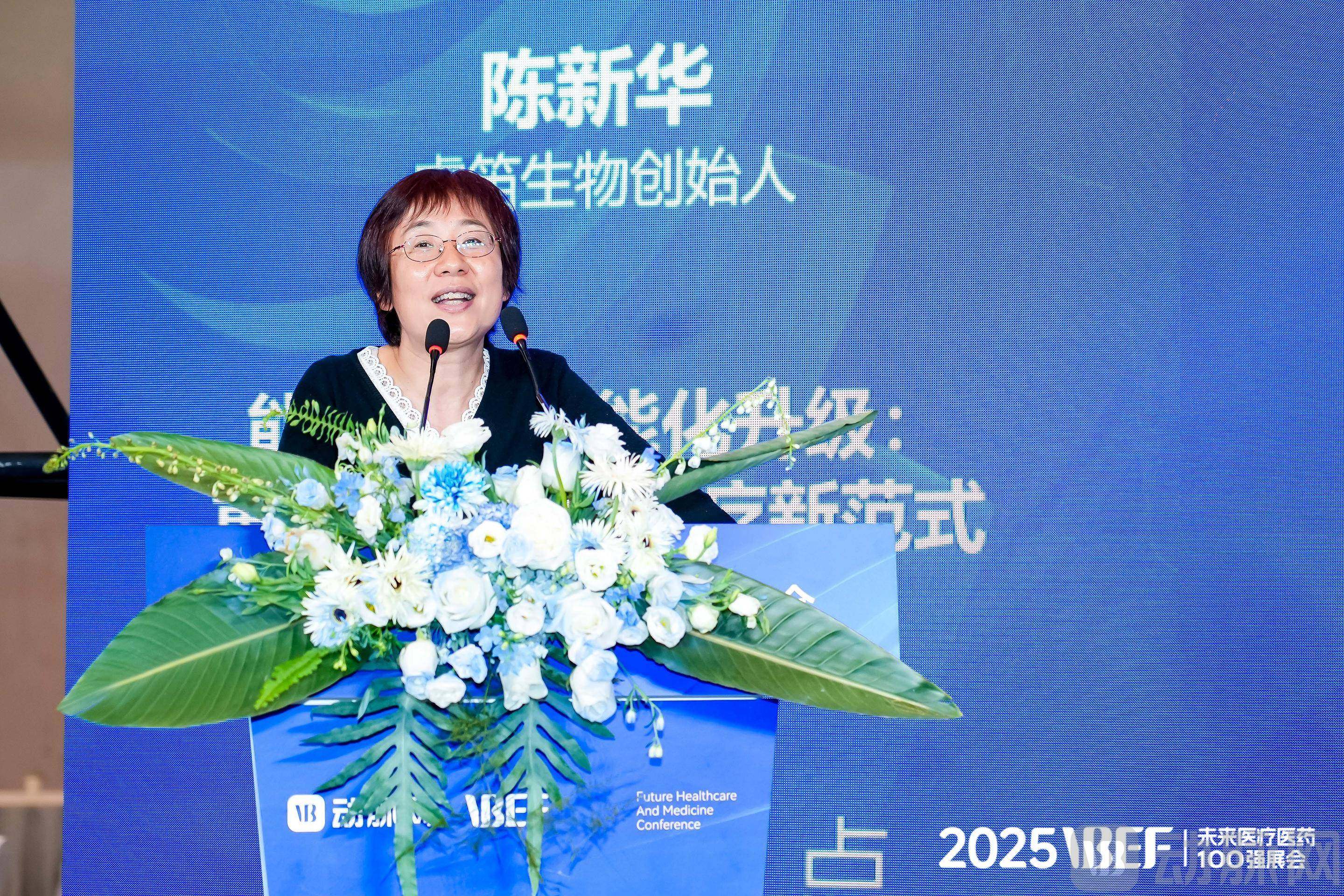
Chen Xinhua, Founder of Ruidi Biotech
She pointed out that over the 30-year development of energy-based surgery, foundational technologies such as AI, 5G, and intelligent feedback have been the core drivers disrupting traditional paradigms. Technological convergence is propelling the intelligent upgrade of minimally invasive surgery, necessitating that energy-based tools be integrated with precision navigation and biomaterials to form systematic solutions.
Chen Xinhua emphasized that clinical pain points determine the direction of innovation. It is essential to distinguish between “genuine pain points” and “pseudo-demands,” and to evaluate technological value through a health economics lens. Addressing the challenge of policy lag, she argued that enterprises should leverage clinical data to drive policy iteration, break free from involution, and lead global innovation. Looking ahead, Chen pointed out that in trillion-dollar sectors such as oncology and neurosurgery, breakthroughs should be achieved through AI algorithm optimization and intelligent sensor fusion. This will advance surgery toward “visualized, quantifiable, and closed-loop” intelligent diagnosis and treatment, promoting the evolution of global energy surgery from standalone devices to an integrated model of “precise energy control + full-process diagnosis and treatment,” thereby creating value for patients and fostering a robust industry ecosystem.
During the roundtable discussion, participants included Pei Zhigang, Marketing Director of Upstream Surgical Markets at Medtronic; He Yongxiang, Board Secretary and Vice President of Strategy at Micro-Tech Medical; Liu Xiaowei, CEO of Jiangsu Deneng Medical Technology Co., Ltd.; and Feng Qingyu, Founder of Jianxin Medical. The panelists explored the transformative path, opportunities, and challenges facing the minimally invasive surgery industry.
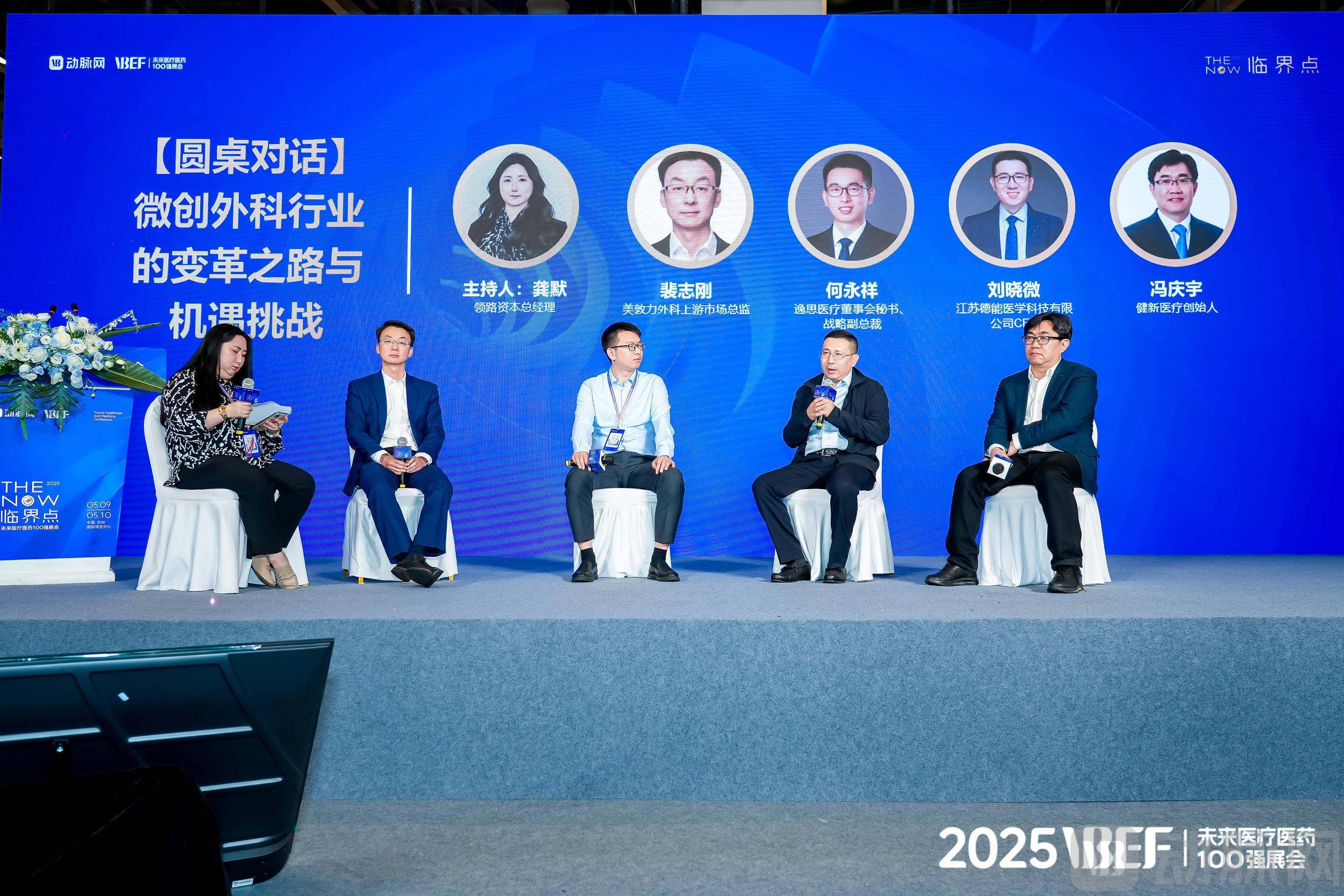
First, the distinguished guests shared their observations on the most significant technological breakthroughs and shifts in demand within the industry over the past year, along with their reflections on how these trends will shape the industry landscape over the next three to five years.
Pei Zhigang, Marketing Director of Upstream Surgery at MedtronicIt was pointed out that the deep integration of AI technology with medical scenarios over the past year represents the industry’s most significant technological breakthrough, particularly in surgery, where AI has gradually extended from preoperative diagnosis to intraoperative treatment. Meanwhile, the application of new materials demonstrates potential to replace traditional ones, although clinical translation still faces challenges related to long-term validation. In the next 3–5 years, AI-driven surgical robots and personalized, end-to-end treatment plans will become core areas of competition, while breakthroughs in materials science may reshape surgical logic and drive the industry’s upgrade toward precision medicine.
He Yongxiang, Board Secretary and Vice President of Strategy at Yisi MedicalIt is noted that AI technology has been well applied in minimally invasive surgical enterprises. After introducing intelligent equipment such as AI-powered staple inspection machines, Yisi Medical has significantly improved its production efficiency. In the future, with further application of intelligent technologies and new materials, minimally invasive surgical companies are expected to gain greater room for cost reduction, efficiency improvement, and centralized procurement pricing. Currently, the field of minimally invasive surgery is still in a period of rapid development, with domestic companies competing in niche segments and no dominant market leader having emerged yet. Driven by both capital empowerment and technological innovation, the industry holds immense potential for growth and industrial consolidation opportunities.
Liu Xiaowei, CEO of Jiangsu Deneng Medical Technology Co., Ltd.From a clinical perspective, it is emphasized that innovative products need to balance theoretical design with practical effectiveness, and that innovation should be directed towards patient benefit as the core focus.
Feng Qingyu, Founder of Jianxin MedicalIt was stated that over the past year, the industry has made substantial progress in critical “chokepoint” areas such as manufacturing processes and core components. Domestic enterprises have enhanced their mass production capabilities by optimizing upstream supply chains; however, the translation of innovative achievements into practical applications still faces bottlenecks in process implementation. Regarding future technological directions, integrated diagnosis and therapy along with real-time feedback technologies are key priorities. The goal is to achieve real-time data feedback and decision support across all stages—pre-operative, intra-operative, and post-operative—during surgical procedures.
Next, the distinguished guests shared their insights in turn, drawing on their industry experience and combining it with their practical explorations and strategic layouts in the field of minimally invasive surgery.
Pei Zhigang, Marketing Director of Upstream Surgical Business at MedtronicHe shared how Medtronic, as a global leader, will collaborate with Chinese enterprises in the field of minimally invasive surgery to achieve joint technology research and development and co-creation of clinical scenarios. He pointed out that, against the backdrop of accelerating penetration of AI and 5G technologies, Medtronic is shifting its focus from single devices within the operating room to comprehensive perioperative process management, a transition that requires deep collaboration with local innovative companies in China. He emphasized that cooperation between the two parties should not be a simple physical linkage, but rather a “chemical linkage” that integrates technological scenarios and establishes a closed-loop business model. Medtronic expressed strong confidence in China’s local innovative enterprises and looks forward to collaborating with them throughout this process.
He Yongxiang, Board Secretary and Vice President of Strategy at Yisi MedicalShared Yisi Medical’s strategic layout and explorations in global expansion. He introduced that Yisi Medical’s products are currently sold in over 80 countries worldwide, and this year the company successfully won the bid for the largest stapler centralized procurement project in the United States, becoming the first Chinese enterprise to enter the U.S. mainstream market in the niche segment of high-value medical consumables. Since its inception, Yisi Medical has embedded the philosophy of “innovation and quality as the foundation” into its corporate culture. As early as five years ago, the company conducted head-to-head clinical and health economics studies against internationally renowned brands. Over the years, it has remained focused on R&D innovation and quality enhancement, continuously elevating the premium brand image of Chinese minimally invasive surgical companies.
Liu Xiaowei, CEO of Jiangsu Deneng Medical Technology Co., Ltd.From the perspective of balancing enthusiasm for clinical innovation with the red lines of registration regulations, this article presents the practical experience of Deneng Medicine, a well-known domestic CRO enterprise, in helping clients avoid unnecessary detours. He pointed out that in the medical field, if enterprises wish to break through the limitations of centralized procurement through innovation, they must face the dual tests of the policy environment and technological R&D. Policy formulation usually lags behind innovative practices, meaning that innovative enterprises often have to bear high costs of trial and error during the early exploration stage. In response, when selecting clinical research partners and R&D leaders, enterprises must return to the essence of innovation: focusing on resolving genuine clinical pain points, defining the primary efficacy endpoints of their products, and building a scientific evaluation system around core value. Only by adopting the regulator’s perspective and addressing the core challenges of the product can innovative products be successfully translated from the laboratory to clinical application, thereby providing patients with more treatment options.
Feng Qingyu, Founder of Jianxin MedicalInnovatively proposing the “Product Supermarket” business architecture, Jianxin Medical has chosen productization capability as its breakthrough point to build a modular technology platform. By establishing a tool-oriented platform for technical development based on three core architectures—main control boards, display boards, and energy boards—the company has compressed the new product development cycle to under six months. Currently, the company’s approved ultrasonic energy systems have been adopted by multiple domestic surgical robot manufacturers and are involved in technical collaborations with internationally renowned companies and listed firms. The intelligent dual-engine dynamic hybrid energy surgical system and the ureteral ultrasonic lithotripsy system, both under development at the company, were respectively included in the National Key R&D Program Special Projects in 2022 and 2024. Furthermore, Jianxin Medical engages in joint R&D with multiple enterprises by opening up its technology, resources, and operations, collectively facilitating the final innovation and implementation of originally developed Chinese medical device products. He stated that against the backdrop of normalized anti-corruption efforts in the healthcare sector and a cooling capital market, startups urgently need to break away from traditional path dependencies. Leveraging its strong R&D capabilities and technical strength, Jianxin Medical realizes the “Product Supermarket” model for medical devices through the sharing of technical assets. This approach reduces innovation risks and R&D expenditure for enterprises, shortens development cycles, and supports the innovative R&D, mass production, and commercialization of medical device products. He firmly believes that by actively promoting diverse collaborations and multi-party partnerships in the medical device field with an open mindset, effectively lowering the threshold for industry innovation, and adopting an open technology cooperation strategy, the industry will surely share the dividends brought by innovation.
Finally, the panelists discussed how China’s minimally invasive surgery industry can leverage its domestic advantages to expand globally, pursuing a dual strategy of international expansion and deep local cultivation.
China’s minimally invasive surgery industry can leverage local advantages such as the engineer dividend, rapid innovation, and manufacturing capabilities to expand globally. For overseas expansion, companies need to advance localization, strengthen channel development, and secure intellectual property rights to cope with market competition. Domestically, they should focus on technological innovation and product refinement while building a robust supply chain. By pursuing both strategies simultaneously—partnering with multinational corporations through “China for Global” initiatives to capitalize on local R&D and production strengths for overseas growth, and solidifying the integration of technology with clinical needs in the domestic market—the industry can establish a virtuous cycle of “local innovation–global expansion–feedback to the local market,” thereby achieving breakthroughs in global competition.