

AI + Immunology Innovation Development Forum Successfully Held, Exploring New Pathways for Frontier Technology and Healthcare Integration
Recently, the “AI + Immunology Innovation Development Forum,” part of the 2025 VBEF Top 100 Future Healthcare and Pharmaceuticals Exhibition co-hosted by VCBeat and Beijing Yujian Future Technology Co., Ltd., was successfully held at the Suzhou International Expo Center. The forum focused on the interdisciplinary integration of artificial intelligence and immunology, attracting numerous industry experts, scholars, and corporate representatives to jointly explore the application and development of cutting-edge technologies in medical fields such as immunotherapy.
This forum explores the innovative development pathways, opportunities, and challenges in immunology empowered by AI from three major perspectives: basic research, industry enablement, and clinical application. Spanning from source-level scientific innovation and AI tool development to practical experiences across various roles in the industrial chain, it centers on scientists, executives of technology-driven enterprises, and professionals in clinical research and diagnosis/treatment to provide a comprehensive analysis.
 Attendees
The forum officially kicked off at 9:00 a.m. on May 10, 2025, with Wang Kai, founder of the self-media platform “Autoimmune e-Voice” and CEO of Beijing Yujian Future Technology Co., Ltd., serving as the moderator. In his opening remarks, he stated that with the deepening of basic research in immunology and molecular biology, along with the cross-application of multi-omics technologies, the fields of immunotherapy, immune diagnostics, and drug development for autoimmune diseases are experiencing a surge in growth. Basic research serves as the core driver for clinical translation and technological innovation, while the clinical sector possesses the most abundant, complex, and archival-quality data. Together, they establish a solid foundation of data and theory for the widespread application of these technologies.
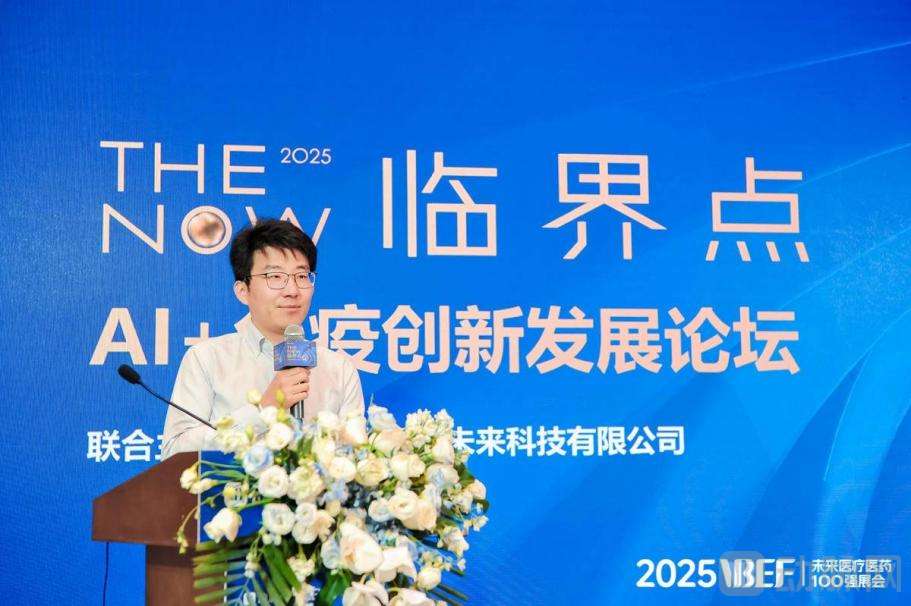 Wang Kai | Founder of the "Autoimmune e-Voice" self-media, CEO of Beijing Yujian Future Technology Co., Ltd.
During the keynote session, several distinguished guests delivered compelling presentations. Jin Aishun, Director of the Chongqing Key Laboratory of Basic and Translational Research in Tumor Immunology at Chongqing Medical University, presented on “Research and Development and Translational Studies in Tumor Immunotherapy.” Director Jin provided a detailed overview of the latest advancements in tumor immunotherapy, including progress in cutting-edge technologies such as immune checkpoint inhibitors and CAR-T cell therapy. She pointed out that although tumor immunotherapy has demonstrated significant efficacy in clinical trials, challenges remain in the translational process, including the complexity of the tumor microenvironment and drug resistance. By deeply integrating basic research with clinical practice, it is expected that treatment regimens can be further optimized to enhance the efficacy and safety of tumor immunotherapy, offering greater hope to patients.
 Jin Aishun | Director of the Chongqing Key Laboratory of Tumor Immunomodulation and Immune Intervention, Chongqing Medical University
Tao Wanyin, co-founder of Hanwei Microbiology, delivered a presentation on “Research Progress in Live Biotherapeutic Products for the Treatment of Autoimmune Diseases.” Tao introduced that live biotherapeutic products, as an emerging therapeutic approach, intervene in the pathogenesis and progression of autoimmune diseases by modulating the human gut microbiota. In disease models such as rheumatoid arthritis and inflammatory bowel disease, related research has achieved phased results, demonstrating significant therapeutic potential. He emphasized that advancement in this field requires interdisciplinary collaboration, integrating microbiology, immunology, and clinical medicine to thoroughly elucidate the mechanisms of action of live biotherapeutic products and facilitate their translation from laboratory research to clinical application.
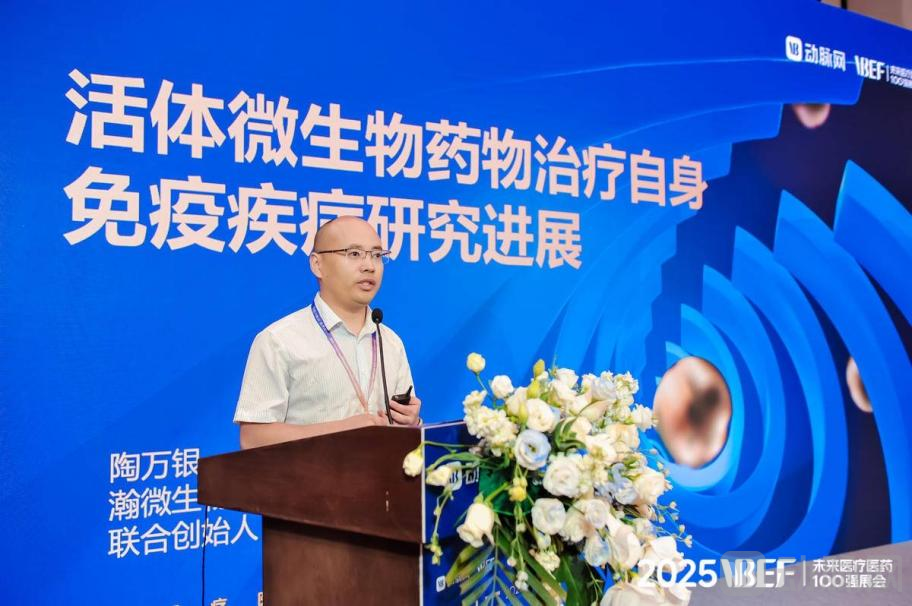 Tao Wanyin | Co-founder of Hanwei Microbiology
Subsequently, Wen Wen, Founder and CEO of Huanyi Bio, shared insights on “AI and Computational Modeling Replacing Animal Experiments to Enhance the Efficiency of Immunotherapy Drug Development.” Wen pointed out that traditional drug development relies heavily on extensive animal testing, which is time-consuming, labor-intensive, and costly. By constructing precise disease models and simulating drug mechanisms of action, AI and computational modeling technologies enable early screening of candidate molecules and prediction of drug toxicity and efficacy. This approach significantly reduces reliance on animal experiments and accelerates the R&D process. She demonstrated the application of this technology in immunotherapy drug development through real-world cases, providing the industry with innovative ideas and practical pathways.
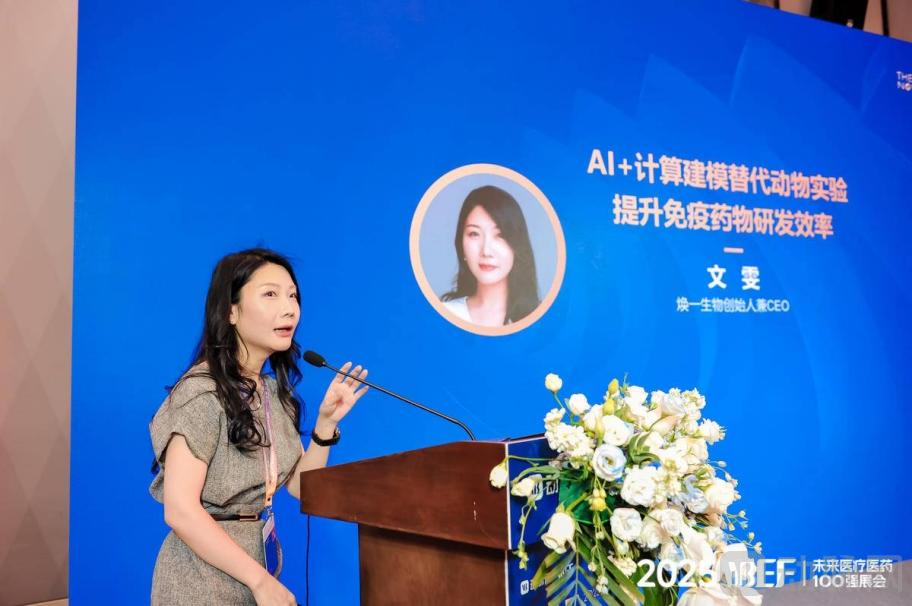 Wen Wen | Founder and CEO of Huanyi Bio
Following this, Ye Sen, Director of Scientific Affairs at Yaosu Technology, delivered a keynote presentation titled “Multi-Scenario Applications of AI-Driven High-Throughput Organ-on-a-Chip Technology in Mechanistic Research, Drug Development, and Precision Medicine.” He elaborated on the principles and advantages of high-throughput organ-on-a-chip technology and, drawing on real-world case studies, demonstrated its application potential in areas such as immunological mechanism research, drug screening, and precision medicine. Ye’s engaging and content-rich presentation left attendees with a profound appreciation of the broad prospects of AI-driven organ-on-a-chip technology and its far-reaching impact on the field of immunology.
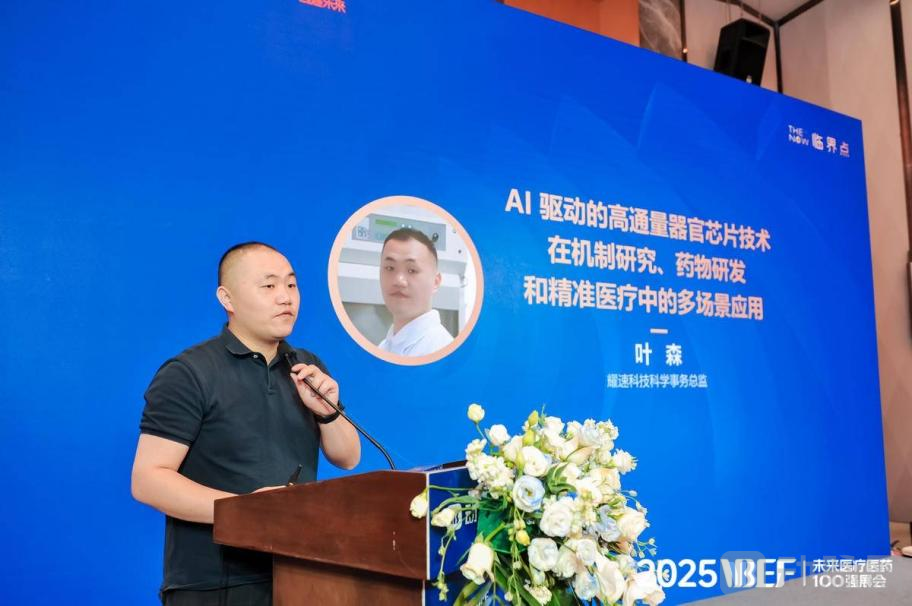 Ye Sen | Director of Scientific Affairs, Yaosu Technology
Dr. Ma Feier from the Department of Endocrinology at Beijing Tongren Hospital delivered a presentation titled “Exploring the Pathogenic Potential of AGEs in Autoimmune Diseases Based on Machine Learning Technologies.” He provided an in-depth discussion of the mechanisms by which advanced glycation end products (AGEs) contribute to the onset and progression of autoimmune diseases, and highlighted the unique advantages and application outcomes of machine learning techniques in this field of research. Through rigorous data analysis and experimental validation, he presented attendees with a novel research perspective, broadening the understanding of pathogenic factors in autoimmune diseases and offering new targets and insights for the diagnosis and treatment of related conditions.
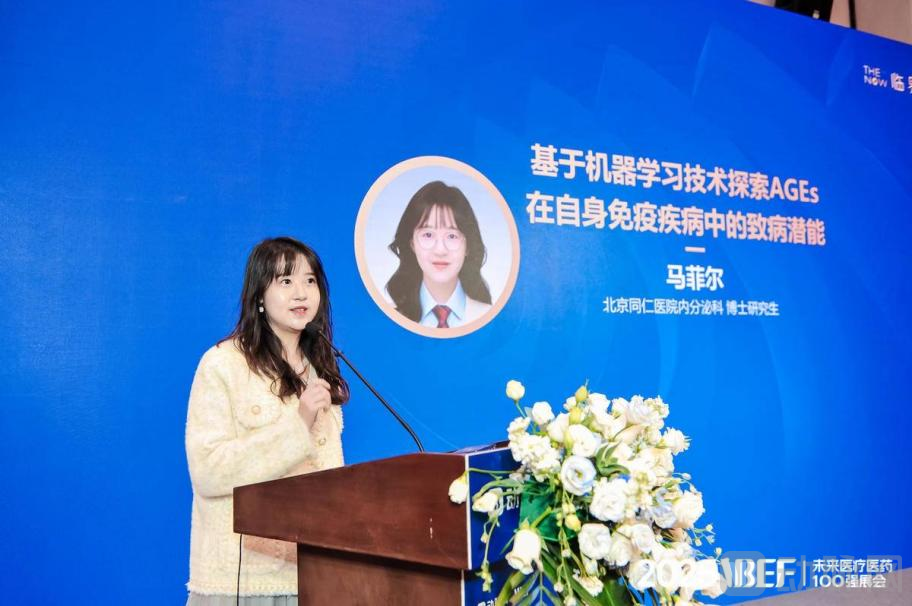 Ma Feier | Ph.D. Candidate, Department of Endocrinology, Beijing Tongren Hospital
The final speaker was Guo Yilan, Director of Translational Medicine at TopLead Biotech. Drawing on her extensive industry experience, she shared TopLead Biotech’s successful practices in promoting deep collaboration among industry, academia, and research institutions. She provided an in-depth analysis of the practical challenges currently facing the autoimmune disease field and proposed feasible collaborative solutions. Her presentation underscored the importance of synergistic innovation among all stakeholders, offering valuable practical insights for advancing the integrated development of industry, academia, and research in the immunology sector, and prompting attendees to reflect deeply on how to strengthen cooperation and jointly address industry-wide challenges.
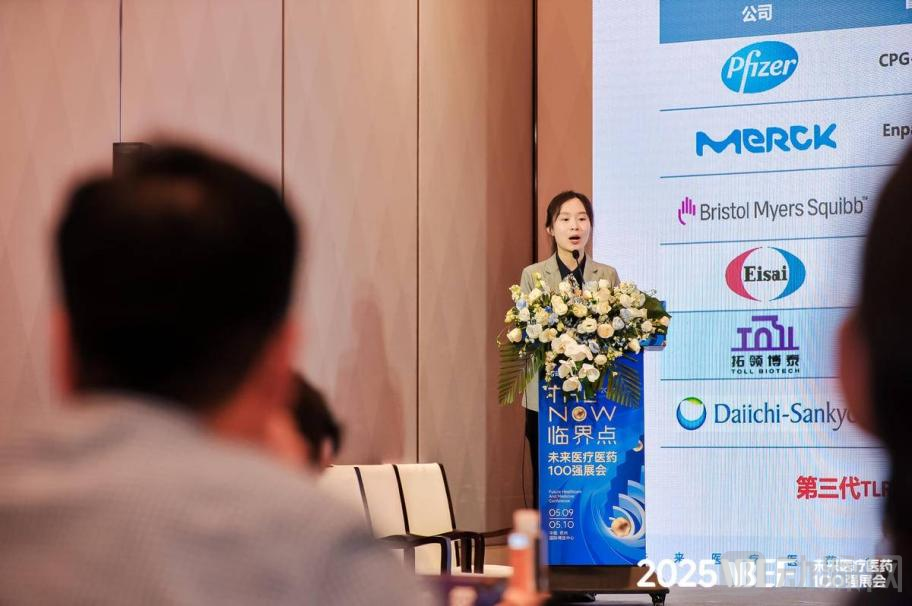 Guo Yilan | Director of Translational Medicine, TopLead Biotech
The final segment of the forum was a roundtable discussion titled “Innovative Collaboration and Disruptive Innovation in the Autoimmune Field Amidst the AI Tool Revolution.” Moderated by Wang Xinkai, Executive Editor-in-Chief of VCBeat’s Chengguo Bureau, the session featured Jin Aishun, Wen Wen, Guo Yilan, and special guests in a dynamic exchange of ideas. The panelists engaged in lively and in-depth discussions on the innovative applications of AI technologies in the autoimmune sector, collaborative models, and the potential for disruptive transformation, sharing their respective perspectives and insights. Spanning topics from R&D to clinical application, and from corporate partnerships to industry standards, the participants offered diverse viewpoints, presenting attendees with a rich intellectual feast. The roundtable not only summarized many key themes of the forum but also charted a course for the future development of AI and the immunology industry, providing valuable insights and recommendations for achieving disruptive breakthroughs through innovative collaboration.
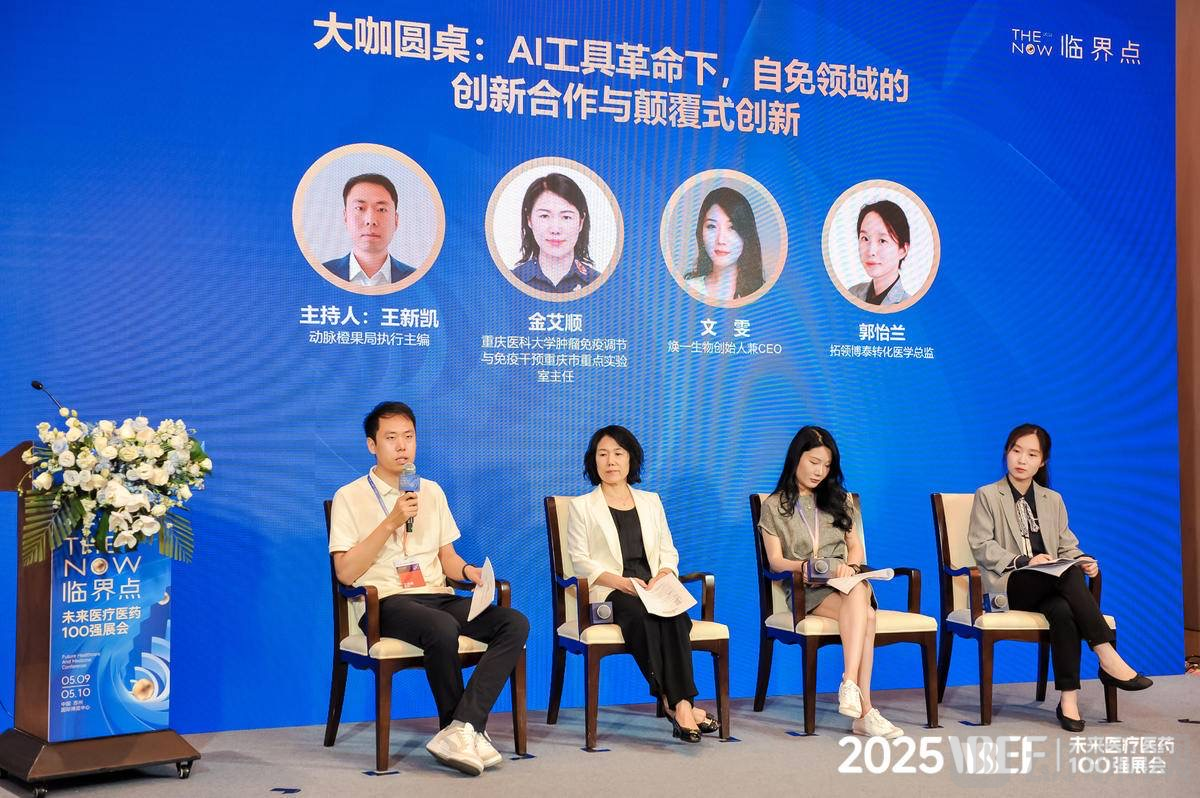 Roundtable Discussion
The “AI + Immunology Innovation Development Forum” showcased the latest achievements and development trends in the integration of AI and immunology through a diverse agenda and in-depth discussions, providing valuable insights and collaboration opportunities for industry participants. The forum not only established an efficient platform for exchange, fostering deeper communication and cooperation among stakeholders, but also played a significant role in promoting the deep integration of AI technology with the immunology industry and accelerating innovative development in the field. It is believed that in the near future, with the continuous advancement and expanded application of AI technology, the field of immunology will witness further breakthroughs and transformations, making greater contributions to human health and well-being.