

Breakthrough Strategies for Domestic Cardiovascular Medical Devices: Pathways to Innovation and Market Leadership [2025 VBEF]
Currently, cardiovascular disease is the leading cause of death globally, threatening human health and longevity. The mortality rate among patients aged 65 and older reaches as high as 5%, while the number of individuals with cardiovascular conditions in China exceeds 300 million. As the prevalence of chronic heart diseases continues to rise, the cardiovascular device sector remains highly dynamic.
However, the cardiovascular sector is currently facing a dual challenge: on one end, volume-based procurement policies are reshaping the industrial ecosystem; on the other, upstream core materials and high-end equipment remain constrained by critical technological bottlenecks. To achieve genuine localization of production, it is essential to establish a collaborative innovation system integrating industry, academia, research, and clinical practice—from basic research to clinical translation. Breakthroughs in any single link alone are insufficient to support a complete industrial closed loop.
On May 9, the Cardiovascular Disease Industry-Research Innovation Forum, part of the 2025 Future Healthcare Top 100 Expo hosted by VCBeat, was successfully held at the Suzhou International Expo Center. Focusing on hot topics in the cardiovascular disease industry, academic research, and clinical practice, the forum invited leading cardiovascular clinical experts from across China, top-tier cardiovascular device manufacturers, device CROs, and frontline investors to jointly explore viable pathways for the innovative development of industry-academia-research collaboration in cardiovascular care in China, thereby helping to unlock the full potential of Chinese innovation.
At the beginning of the meeting,ChinaShen Li, Secretary-General of the China Cardiovascular Physicians Innovation Club (CCI) and Chief Physician in the Department of Cardiology at Zhongshan Hospital, Fudan University, delivered a keynote speech titled “Breaking Boundaries, Integration, and Win-Win: Exploring the Clinically Driven Model of Cardiovascular Innovation.”
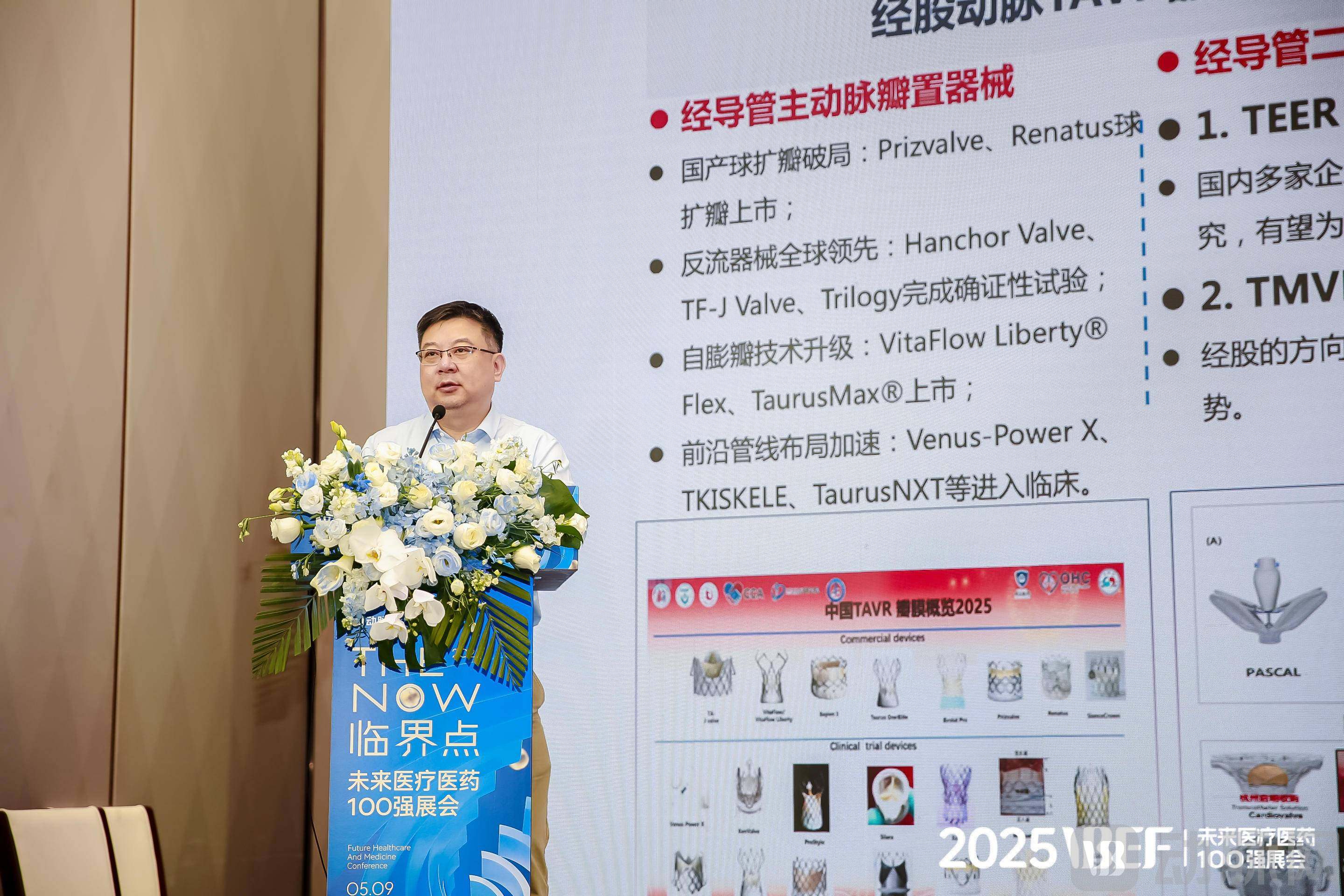
Shen Li, Director of the Department of Cardiology at Zhongshan Hospital Affiliated to Fudan University and Secretary-General of the Chinese Cardiologist Innovation Club (CCI)
Professor Shen Li pointed out that current innovations in specialized cardiovascular fields exhibit the following characteristics: TAVR technology iterations are focused on enhancing durability, while mitral and tricuspid valve repair devices have entered the clinical validation phase; intravascular imaging has achieved multimodal fusion, with Chinese-made OCT systems being the first to receive FDA clearance; in the electrophysiology field, pulsed field ablation (PFA) technology has significantly shortened procedure times for atrial fibrillation. Notably, renal denervation (RDN) has regained clinical recognition after a decade of refinement, and the localization of interventional ventricular assist devices is accelerating.
He believes that future innovation must break through in the following directions: first, strengthening the cross-disciplinary integration of medicine and engineering; second, developing original innovative technologies, with a focus on frontier areas such as polymeric heart valves and miniaturized left ventricular assist devices; and third, building an AI-enabled diagnosis and treatment system. Professor Shen Li emphasized that, against the backdrop of capital returning to rationality, clinical value-oriented disruptive innovation will become the core driving force.
Lin Zhencheng, Partner at Daotong Investment, delivered a keynote speech titled “Investment Opportunities in Innovative Medical Devices for the Cardiovascular Field.”
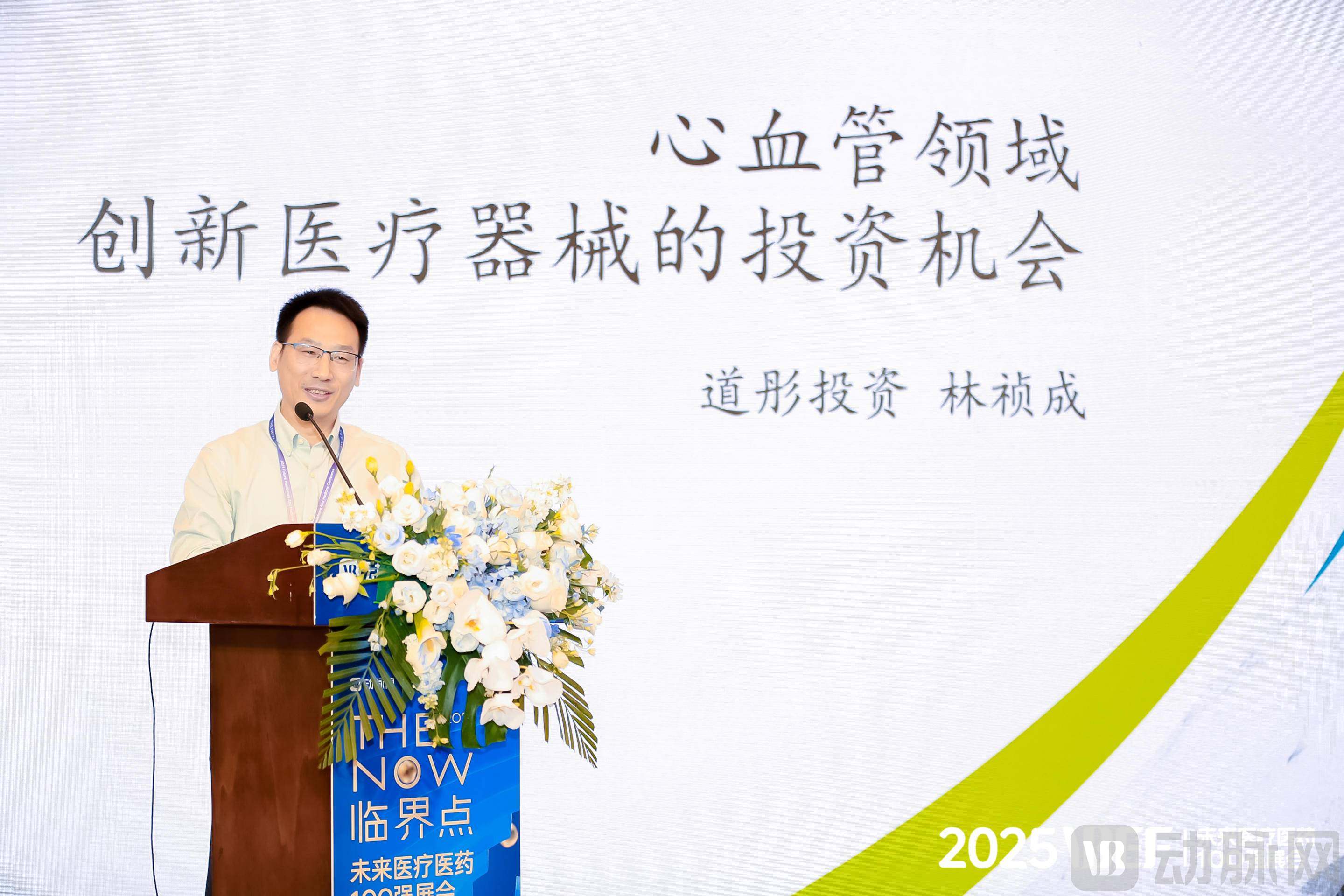
Lin Zhencheng, Partner at DaoTong Investment
Lin Zhencheng emphasized that cardiovascular disease has become a core challenge in public health both globally and in China. Data show that nearly 50% of deaths in the country are associated with cardiovascular disease, with the incidence rate in rural areas rising significantly faster than in urban areas. The trend toward younger onset is evident; medical expenses for individuals aged 40 and above have surged dramatically, and the population aged 60–69, accounting for only 10% of the total population, consumes 30% of medical resources. The economic burden of cardiovascular disease among middle-aged and elderly individuals continues to intensify.
Regarding this sector, he highlights the following investment priorities: First, domestic substitution and technological breakthroughs are key directions. Although the localization rate in the coronary artery field has exceeded 50%, significant gaps remain in areas such as heart valves and structural heart disease. Sub-sectors with high technical barriers, including occluders, pulsed field ablation (PFA), and extracorporeal membrane oxygenation (ECMO), possess substantial innovation potential. Second, policy adaptability and platform-based capabilities have become core competitive advantages for enterprises. Against the backdrop of normalized centralized procurement, companies with strengths in cost control, product innovation, and international expansion are more likely to stand out, potentially leading the industry toward an oligopolistic structure. Finally, innovation in full-cycle management is a major trend. Investment should focus on integrating the “diagnosis-treatment-management” chain, encompassing AI-driven precision diagnostics, therapeutic solutions that lower usage thresholds through material innovation, and chronic disease management systems covering wearable devices and remote monitoring. These efforts aim to address the accessibility of primary healthcare resources and reduce treatment delays caused by patients’ lack of awareness. Currently, DaoTong Investment has deployed multiple technologies in this sector and continues to monitor early-stage projects with both technological translation and commercialization potential.
Dr. Peng Huiqun, Founder and CEO of Puchuang Medical, delivered a keynote presentation titled “The Global Expansion Journey of Innovative Cardiovascular Medical Device Companies.”
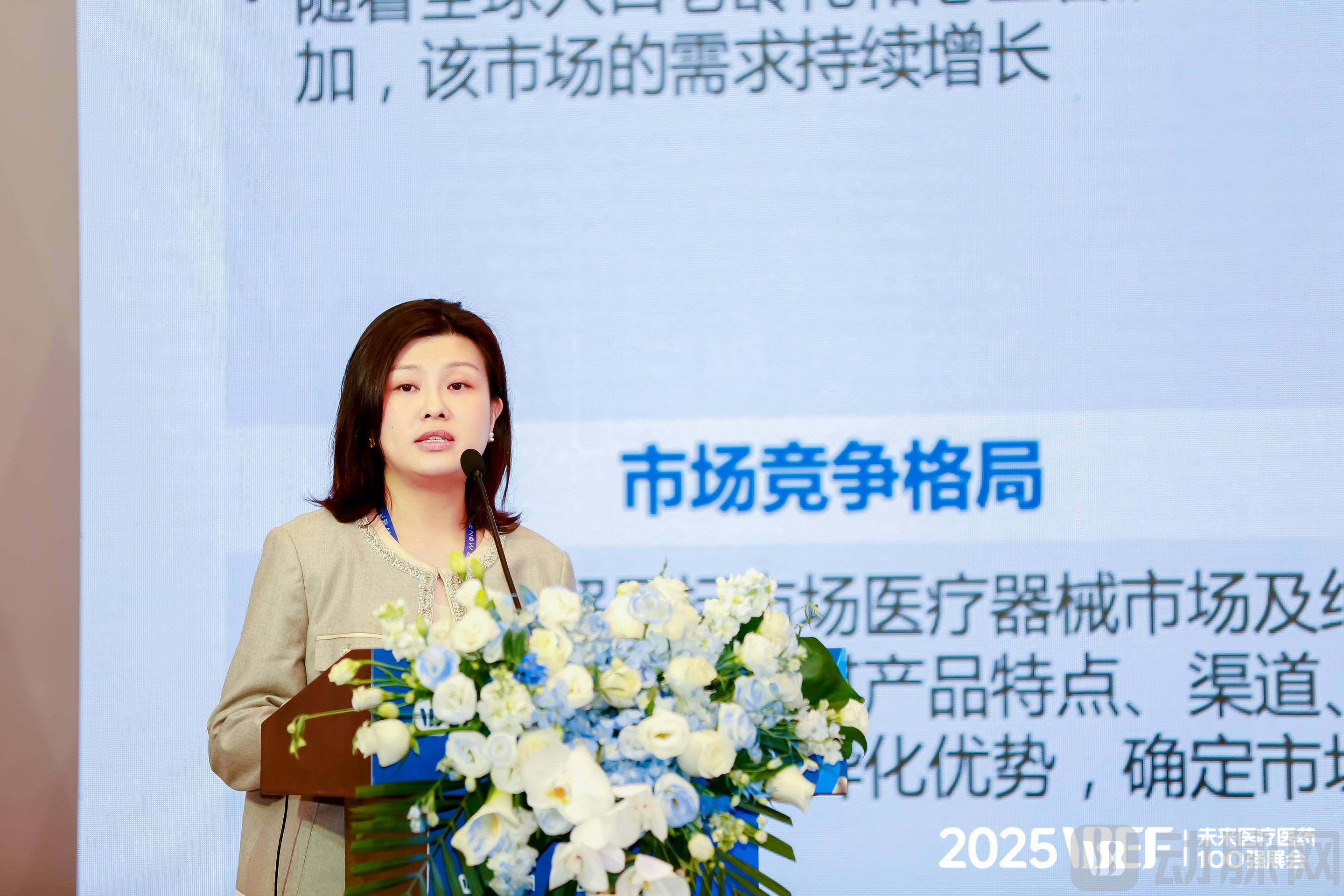
Dr. Huiqun Peng, Founder and CEO of Puchuang Medical
Dr. Peng Huiqun pointed out that, against the backdrop of the “14th Five-Year Plan” promoting the dual-circulation development pattern, going global has become a strategic imperative for enterprises. Its core value is reflected in expanding market boundaries, enhancing international brand influence, and leveraging policy dividends. The current surge in overseas expansion is driven by both internal and external factors: internally, companies face intense competition in niche sectors and pressure on profit margins, necessitating overseas expansion to seek incremental growth; externally, emerging markets exhibit strong demand for healthcare services, particularly revealing a significant gap for cost-effective products. This, coupled with policy support from the “Belt and Road Initiative,” creates favorable conditions for enterprises to expand globally.
When selecting overseas markets, enterprises should comprehensively evaluate the target market size, entry barriers, competitive landscape, and political and cultural factors, adopting a differentiated layout strategy. The global expansion path requires advance planning of product certification systems and cultivating brand awareness through academic collaborations. In terms of challenges, companies must address differences in international regulations, intellectual property barriers, and geopolitical risks. It is recommended that enterprises enhance their competitiveness through technological iteration, quality certifications, and industrial synergy, thereby seizing the opportunity for domestically produced innovative medical devices to transition from manufacturing to creation.
Yuan Jingxian, Founder of Peixin Technology, delivered a keynote speech titled “Breaking Through the Commercialization Bottleneck of Medical Imaging AI: Co-building an AI Ecosystem Platform.”
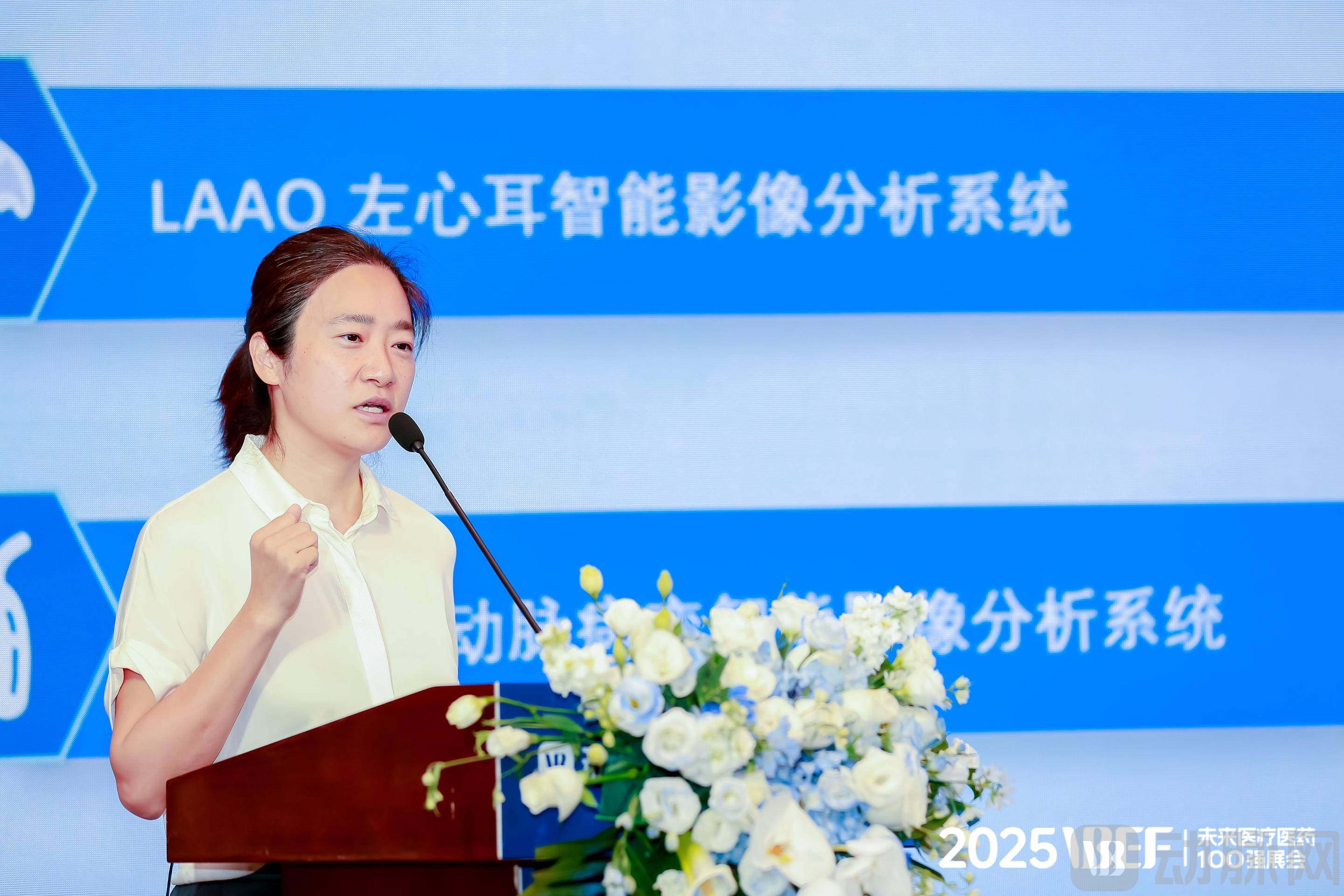
Yuan Jingxian, Founder of Peixin Technology
Yuan Jingxian directly addressed the commercialization dilemmas facing the medical imaging AI industry in her speech, highlighting that software products in China face core challenges of ambiguous positioning and the absence of a clear payer. She candidly acknowledged that the industry widely encounters low procurement willingness from hospitals and difficulties in classifying software attributes (as equipment, consumables, or pure software). Furthermore, the traditional pure-software sales model is hard to advance due to unclear hospital procurement categories and restricted funding sources. Reliance on research grants and per-case fee models poses sustainability risks, while out-of-hospital promotion faces significant compliance challenges.
Peixin Technology has carved out a unique path in its early commercialization phase—one that is difficult for other companies to fully replicate—by jointly promoting its image analysis software with consumable manufacturers, thereby achieving coverage in over a thousand hospitals. Drawing on Peixin Technology’s practical exploration, Yuan Jingxian proposes an ecosystem co-construction strategy to break through market barriers: collaborating with medical imaging equipment manufacturers to build AI platforms, empowering catheterization laboratories through specialized disease databases, and leveraging the manufacturers’ distribution channels and payment capabilities to resolve challenges related to data circulation and commercialization. She emphasizes the need to clearly identify the beneficiaries of AI enablement—equipment manufacturers can enhance their product competitiveness through AI, while hospitals can reduce costs via platform-based procurement—ultimately establishing a sustainable commercial closed loop. This approach provides a pragmatic direction for medical imaging AI enterprises seeking to overcome commercialization bottlenecks.
Li Yingjun, General Manager of Tonghe Litai, delivered a keynote speech titled “Key Considerations for Preclinical Animal Studies in Medical Devices.”
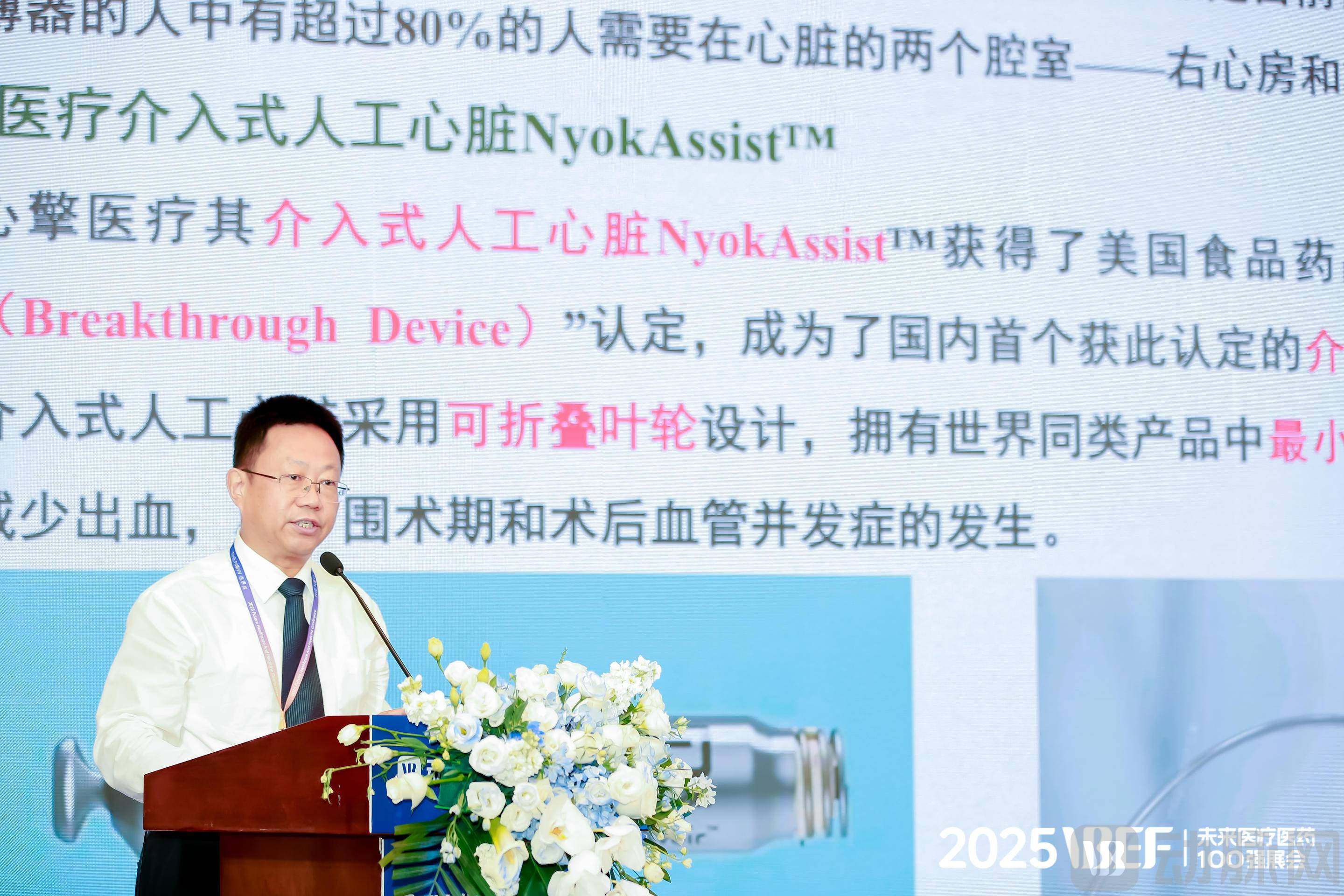
Li Yingjun, General Manager of Tonghe Litai
Li Yingjun first emphasized that, given the direct impact of cardiovascular devices on patient safety, their development requires greater rigor and robust quality control systems. Citing the Top Ten Innovative Achievements in Cardiovascular Devices in 2024 as examples, he pointed out that these innovations focus on areas such as biodegradable materials, wireless pacemakers, and interventional artificial hearts, reflecting a combination of iterative advancement and safety. He further proposed that innovation in cardiovascular devices should lie at the intersection of market demand, technical feasibility, and commercial value.
In the registration and application process, animal testing is a critical step, with the core objective of verifying the product’s safety, efficacy, and feasibility, among which safety evaluation is paramount. Regarding animal studies, he proposed that research protocols must meet reproducibility requirements and highlighted key aspects of experimental design: priority should be given to using pigs as model animals due to their anatomical similarity to humans; observation time points should cover the entire lifecycle of the device’s action; control groups should consist of already marketed similar products; data authenticity is crucial for registration applications; and particular attention should be paid to monitoring the full-cycle degradation of biodegradable materials.
Finally, he introduced Tonghe Litai’s advantages in the field of animal experimentation, including possessing the world’s largest barrier-grade miniature pig facility, being the largest animal research institution, and operating a platform with extensive coverage and robust service capabilities for medical device animal testing. The company has established closed-loop service capabilities, particularly in concept validation, investigator-initiated trials, safety and efficacy evaluation, clustered CRO services for clinical trials, and clinical medicine training.
Roundtable Discussion Session,Chen Hong, Founder and Chairman of Jiangsu Baisaifei Biotechnology Co., Ltd. and Distinguished Professor at Soochow University; Fan Weidong, Chief Physician of the Department of Cardiology at Henan Provincial Chest Hospital; Dr. Peng Huiqun, Founder and CEO of Puchuang Medical; Yang Zhiwen, Founding Partner of Nuoyu Capital; Li Qilue, Deputy General Manager of Kaici MedicalJointly share and discuss the theme of “The Path of Transformation, Opportunities, and Challenges in Cardiovascular Devices.”
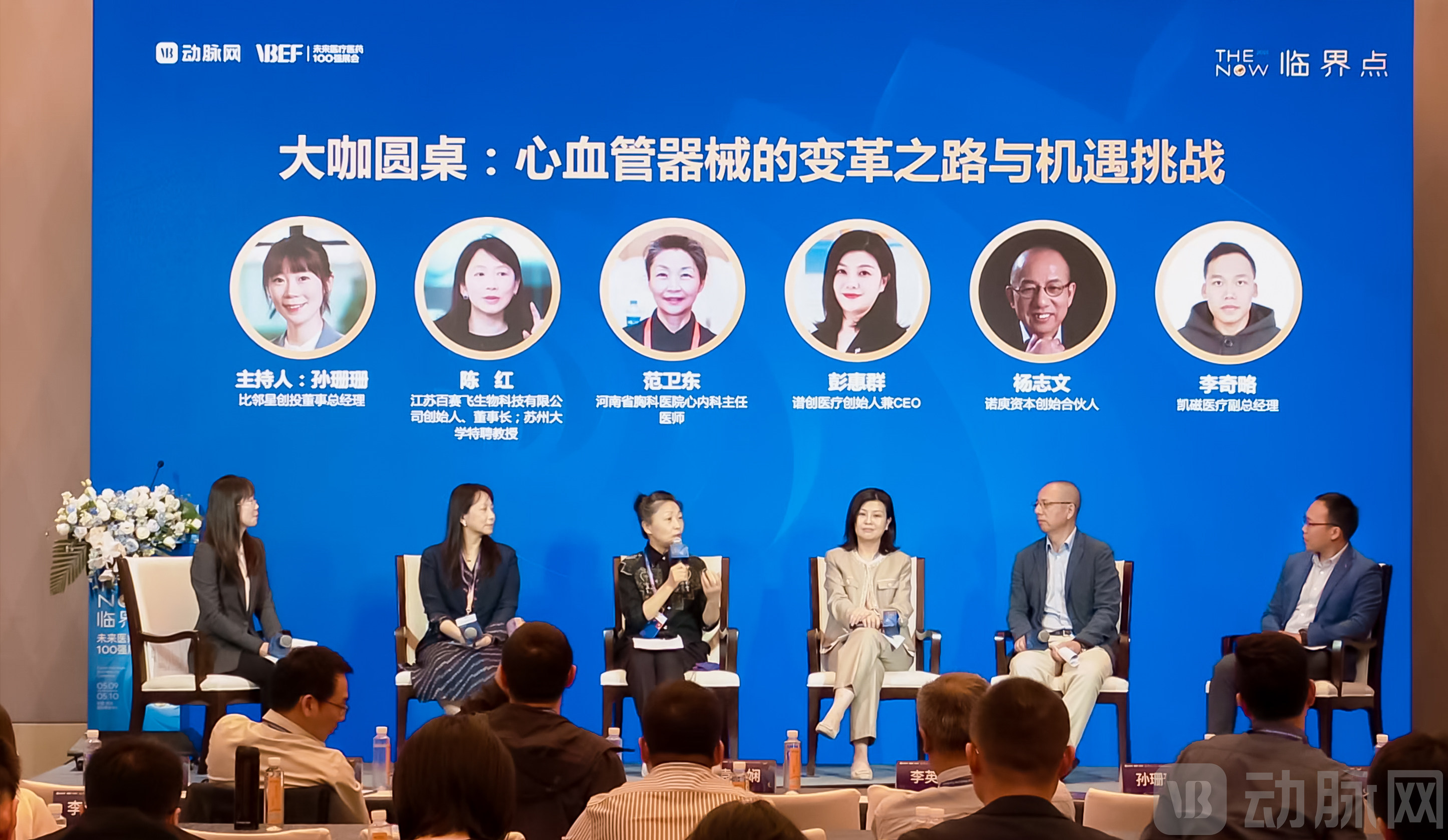
First, Chen Hong, Founder and Chairman of Jiangsu Bestfly Biotechnology Co., Ltd. and Distinguished Professor at Soochow University, shared insights from the perspective of addressing the “chokehold” issue in high-end raw materials, discussing how Bestfly Biotechnology helps domestic medical device companies better achieve import substitution and innovation.
Chen Hong introduced that, as a platform-based enterprise led by coating surface modification technology, Basai Fei Biology has built a full industrial chain system covering chemical materials, equipment manufacturing, and customized inspection and testing services. She emphasized that independent control over raw materials is a crucial foundation for industrial chain development; all chemicals used by the company are domestically produced in China, thereby ensuring supply chain security from the source.
To enhance economies of scale and production stability, Basefly acquired land in Changshu to build its own specialized production base for polymer materials. This facility not only boasts a hundred-ton-level production capacity for medical-grade coatings but also strengthens the upstream polymer material industry chain by establishing the “Concept Verification Center for Biomedical Materials and Intelligent Equipment.” Chen Hong pointed out that materials are one of the core elements of medical devices. Through its whole-industry-chain layout, the company has effectively addressed the critical issue of synergy between materials and processes, forming a closed-loop capability spanning from raw material R&D to equipment manufacturing and AI-based visual inspection.
Baisaifei’s coating technology is not only applied in the field of medical devices but also extends to key raw materials such as high-end consumables for life sciences, pharmaceutical packaging materials, guide wires, and liner tubes, covering diverse scenarios in the health industry. She stated that while strengthening its industrial chain in specialized niche sectors, the company will actively respond to calls for industry collaboration by leveraging its technological platform advantages to support material innovation and process upgrades in the medical device industry.
Fan Weidong, Chief Physician of the Department of Cardiology at Henan Provincial Chest Hospital, Shares Pain Points and Solutions in the Integration of Medicine and Engineering. She pointed out that in the field of cardiovascular devices, there is a significant demand for clinical innovation, but two core bottlenecks remain:
First, the pathway for translating medical innovations into practical applications is inefficient. Although clinicians possess innovative ideas, they lack engineering R&D capabilities and the conditions necessary for industrialization; thus, transforming concepts into finished products relies on external resources. However, the current absence of efficient matchmaking platforms results in information asymmetry between physicians and enterprises, making the translation process time-consuming and labor-intensive, thereby placing primary-care hospitals in a passive position within the innovation ecosystem.
Second, there is a lack of financing channels and professional support. Clinicians generally lack experience in capital operations, and innovative projects often struggle to advance due to funding gaps. Fan Weidong emphasized that, beyond technology matchmaking, there is a greater need for specialized platforms to provide full-chain services—such as financing guidance and project incubation—to resolve the dilemma of “having ideas but lacking resources.”
She called for the establishment of a normalized mechanism for medical-engineering collaboration, such as setting up third-party platforms to lower translation barriers by precisely matching clinical needs with corporate technological and capital resources. She pointed out that while some well-known hospitals in China have explored the creation of internal innovation incubation systems, many primary-care hospitals still lack such support. She expressed hope that the industry would develop standardized models for resource integration, thereby advancing clinical innovation from “isolated breakthroughs” to “systematic synergy.”
Dr. Peng Huiqun, Founder and CEO of Puchuang Medical, shared insights on “How Domestic Enterprises Should Balance ‘Cost Control Under Centralized Procurement Pressure’ with ‘High-Investment Original Innovation’ Against the Backdrop of Centralized Procurement.”She pointed out that current volume-based procurement (VBP) policies are becoming more moderate, and companies need not “turn pale at the mention of VBP.” In recent years, VBP prices in fields such as electrophysiology and intravascular imaging have stabilized at rational levels, allowing companies to maintain reasonable profit margins. For start-ups, VBP can serve as an effective means to rapidly capture market share.
Addressing the price pressures brought about by centralized procurement, Dr. Peng Huiqun emphasized the need to control costs through a dual approach involving upstream raw materials and process optimization. At the product strategy level, she proposed a “short-, medium-, and long-term combined” strategy: in the short term, focus on products covered by centralized procurement, leveraging mature clinical demand and market growth to achieve rapid cash flow recovery; in the medium term, lay out “me-better” innovative products, iterating and upgrading based on existing technologies to reduce R&D risks and investment costs; and in the long term, reserve original innovation projects by establishing industry-academia-research collaborations with universities and hospitals, integrating resources to share R&D costs and gradually building technical barriers. This strategy aims to achieve a dynamic balance between centralized procurement pressures and innovation investments through a tiered product matrix, helping companies achieve sustainable development.
Yang Zhiwen, Founding Partner of Nuoyu Capital, shared his insights on the innovations, opportunities, and challenges in the cardiovascular device sector from an investor’s perspective.
He pointed out that China’s medical innovation has entered the 3.0 era. In the 1.0 phase, the focus was primarily on pure imitation; in the 2.0 phase, the development of minimally invasive technologies highlighted the necessity of integrating medicine and engineering; the 3.0 phase requires a focus on disruptive innovation, aligning with policy demands for original innovation.
Based on this, Nuoyu Capital constructs its investment logic for medical devices using a “Four-Quadrant Model”: The first quadrant focuses on disruptive innovation projects, prioritizing globally pioneering technologies; the second quadrant targets high-barrier follow-on innovations, selecting domestic projects that are the first to adopt internationally validated innovative technologies and possess exceptionally high technical barriers; the third quadrant emphasizes clinical pain point-driven incremental innovations, concentrating on improved products proposed by physicians based on clinical needs; the fourth quadrant covers AI-enabled medical innovations. Aligning with industry trends, it focuses on AI applications in scenarios such as image analysis, surgical navigation, and disease progression management, exploring the deep integration of technology with clinical needs.
Yang Zhiwen emphasized that in the current market environment, relying solely on disruptive innovation carries high risks. It is necessary to build an investment portfolio based on the characteristics of projects in different quadrants, achieving risk balance and value maximization through multi-dimensional layout.
Li Qilüe, Deputy General Manager of Kaici Medical, shared how Kaici Medical empowers domestic innovation in implantable and extracorporeal artificial hearts from the perspective of a core component supplier driving technological innovation and breakthroughs in the underlying platform of fully magnetically levitated motors.
According to Li Qilue, as an innovator of fully magnetically levitated motor platform technology and a core component supplier, Kaici Medical focuses on providing high-performance solutions for cardiovascular medical devices, cell therapy, and other fields. The company’s product portfolio covers implantable and extracorporeal artificial hearts, clean pumps, and stirrers.
He pointed out that the domestic artificial heart sector in China is currently facing a dual challenge: on one hand, imported fully magnetically levitated artificial hearts, such as the HeartMate 3™, have entered the Chinese market, but their high prices hinder widespread adoption; on the other hand, the process of domestic substitution is constrained by technological barriers associated with full magnetic levitation, making truly medical-grade applications exceedingly rare.
By independently developing a fully magnetically levitated motor platform, Kaici Medical has advanced multiple client projects into the animal testing phase, with the R&D progress of certain ECMO, cardiopulmonary bypass machine, and implantable artificial heart clients ranking among the leading levels in China.
Its empowerment model focuses on three core values: First, technological empowerment, providing fully magnetically levitated blood pump solutions that are synchronized with international standards, helping clients bypass the R&D trial-and-error phase and proceed directly to integrated development. Second, cost empowerment, keeping blood pump costs significantly lower than in-house development levels through self-designed sensors and optimized material processes. Third, clinical acceleration, enabling clients to rapidly complete coating development, animal studies, and clinical trial applications based on mature blood pump modules, thereby substantially shortening the time-to-market.
Finally, the attendees discussed how China’s cardiovascular device industry can achieve the transition from “following” to “leading.”
First, we must adhere to innovation driven by foundational breakthroughs, which requires both tackling key technological challenges and exploring the cross-disciplinary application potential of existing materials in clinical scenarios. Second, we should establish a long-term development perspective; since medical innovation undergoes rigorous validation cycles, both capital and industry must maintain strategic patience and avoid short-sighted pursuits of quick success. Furthermore, it is essential to build a collaborative ecosystem across the entire value chain. By deeply integrating industry, academia, research, and healthcare, we can overcome translation barriers, allow clinical pain points to guide technological directions, and improve supporting systems such as regulatory policies, financial support, and talent development. Only by combining independent innovation capabilities, ecosystem support, and clinical translation effectiveness can we achieve leapfrog development from following to leading.