

Digital Transformation in Healthcare: Accelerating Internet and Smart Hospitals through Intelligent Innovation – Highlights from 2025 VBEF
Currently, the development of public hospitals in China is at a critical juncture, transitioning from "informatization" to "intelligentization."
The development of internet hospitals and smart hospitals helps medical institutions improve the quality and efficiency of healthcare services, enhance patient experience, optimize regional resource allocation, and promote advancements in clinical specialty development, medical technology research, and innovative service models.
Driven by policy support and growing demand, the industry is continuously innovating and developing: on one hand, the number of internet hospitals has reached a new high. As of September 12, 2024, there were 3,340 internet hospitals across China; on the other hand, a group of model smart hospitals has emerged as benchmarks. On January 12, 2024, the results of the 2023 China Modern Hospital Management Typical Case Selection, organized by the Capacity Building and Continuing Education Center of the National Health Commission, were announced. From 408 cases submitted by 122 hospitals, 142 typical cases were selected...
How to build on past achievements and further innovate and explore in the areas of internet hospitals and smart healthcare construction, so as to better benefit public health, requires the joint participation of public and private medical institutions as well as providers of innovative solutions.At the 9th VBEF Conference and Top 100 Future Healthcare & Pharma Exhibition in 2025, VCBeat hosted the “Internet Hospital and Smart Hospital Forum”, by bringing together administrators, IT experts, industry leaders, and investors from Grade A tertiary hospitals across China, we jointly focus on cutting-edge topics in the development of internet hospitals and smart hospitals, explore new pathways for healthcare transformation under the integration of digitalization and intelligence, and inject strong momentum into industry development.
This forum is organized byFang Ming, Partner at Yinglai Capitalserved as the moderator. Qu Feng, President of Nanjing Drum Tower Hospital’s Internet Hospital and Teleconsultation Center; Hu Yanan, Head of Specialty Medical Services in JD Health’s Internet Medical Business Division; Zong Wenhong, CEO and Chief Medical Officer of Xikang Cloud Hospital; Deng Bin, Co-founder of Taozi Health; Qu Yi, Chairman and CEO of Natrai; Feng Peigen, Chairman of Haihu Health; and Zhang Yinjun, Head of Digital Health Solutions for Industry Cloud at Kingsoft Cloud, attended the conference and delivered speeches.
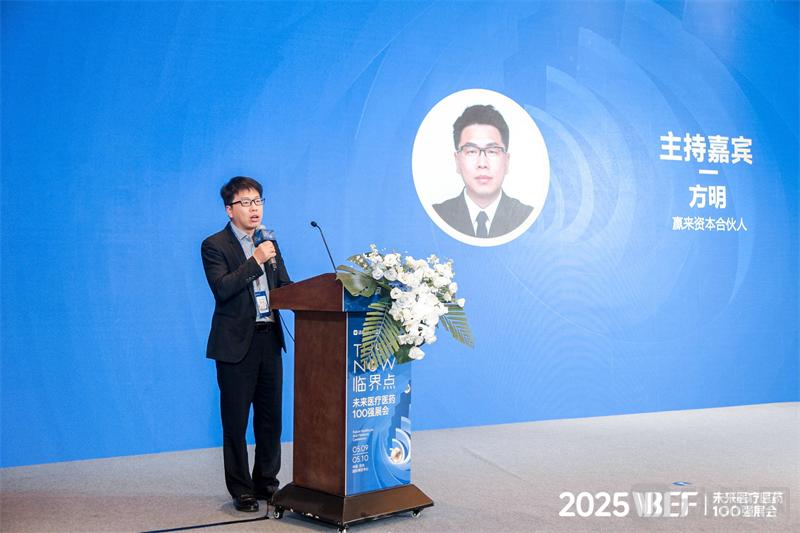
At the outset of the conference,Qu Feng, Dean of the Internet Hospital and Remote Consultation Center, Nanjing Drum Tower HospitalDelivering a keynote speech titled “Innovation and Challenges Behind the Construction of Internet Hospitals,” he pointed out that the high-quality development of public hospitals requires comprehensive improvements in development models, management practices, and resource allocation. Gulou Hospital has enhanced the quality of medical services by achieving technological, procedural, and model innovations. For instance, through top-level design, the hospital established an integrated online-offline innovation model, surpassing 5.5 million users. Additionally, by integrating AI technologies such as intelligent triage, pre-consultation, and smart customer service, it has significantly improved the service experience for both patients and healthcare providers. He emphasized that Internet hospitals must continue to innovate and enhance their service models, technology applications, and talent development, while further strengthening operational capabilities.
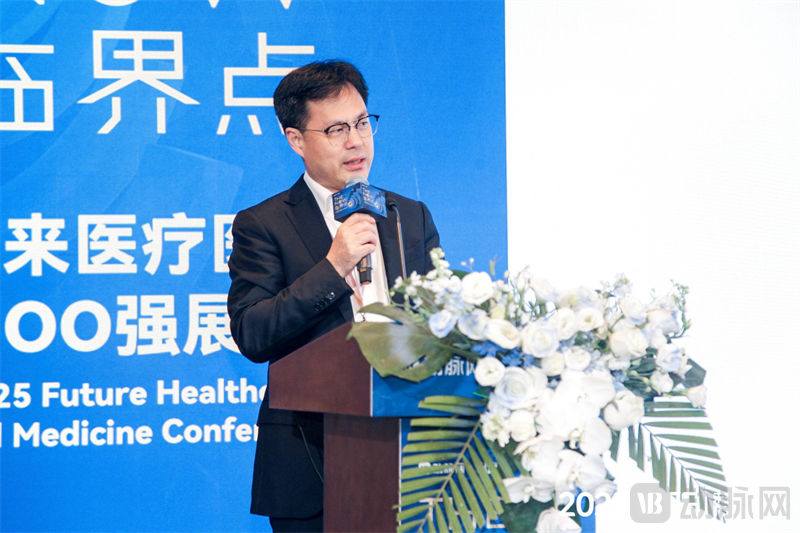
Hu Yanan, Head of Specialty Medical Services, Internet Healthcare Business Division, JD HealthIt was stated that in the new era, JD Internet Hospital has continuously expanded its service boundaries and innovated technological applications. These efforts include pioneering the industry’s first closed-loop service model of “medical consultation, testing, diagnosis, and medication,” steadily advancing the development of multiple specialties such as psychiatry and psychology, dermatology, and traditional Chinese medicine, and leading innovation in the application of the “Jingyi Qianxun” large medical language model. At the current stage, operating an internet hospital is no longer merely a game for the bold; it has become a journey for the steadfast and those with comprehensive strengths, as internet hospitals have entered the deep-water zone of normalized operations.
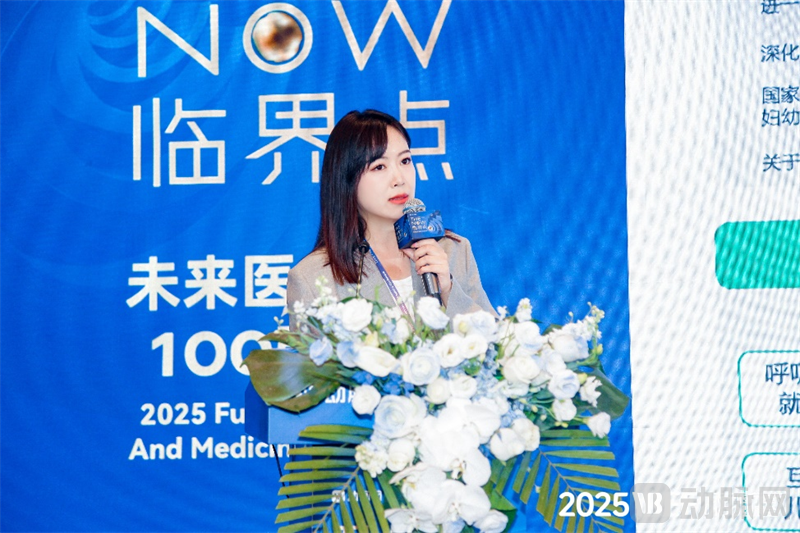
Zong Wenhong, CEO and Chief Medical Officer of Xikang Cloud HospitalIt was pointed out that home-based medical care services represent a significant transformation in the future model of healthcare delivery. During the sharing session, Zong Wenhong noted that with the continuous strengthening of market education for internet-based nursing and the growing number of individuals with essential needs, the business prospects for internet nursing are very promising. Since 2016, Xikang Cloud Hospital has been refining its operational models. Currently, Xikang Cloud Hospital is delivering home nursing services to a broad user base in need through mature operational models and professional, safe, and standardized protocols, thereby effectively reaching and fulfilling user demands.
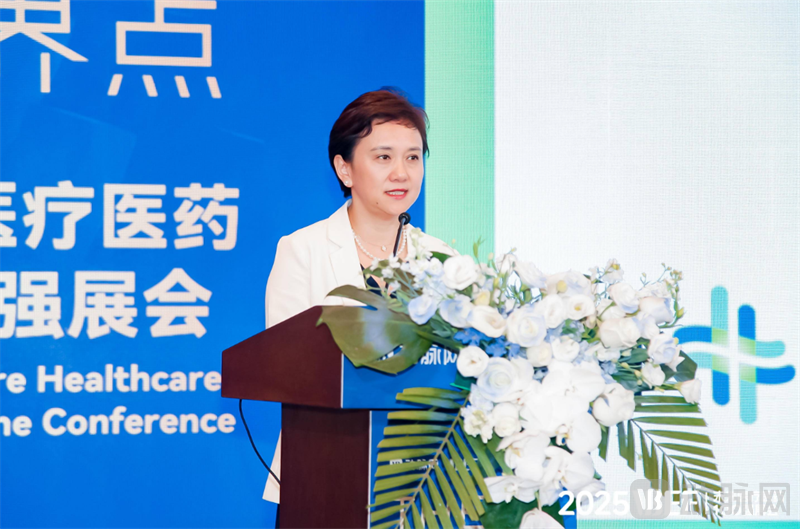
Deng Bin, Co-founder of Taozi HealthDelivered a keynote speech titled “From the Development Dilemmas of Internet Hospitals: Gaining Insights into New Pathways for Focusing on Key Elements of the Healthcare Industry.” Eight years of practice and exploration have enabled Taozi Health to recognize that building a “golden triangle” through the “Cloud Chain”—facilitating data assetization, resource elasticity, and trust chain integration—can interconnect each enterprise’s medical resources on the Cloud Chain, thereby addressing the current “triple barrier” dilemmas in internet healthcare related to data, resources, and trust.
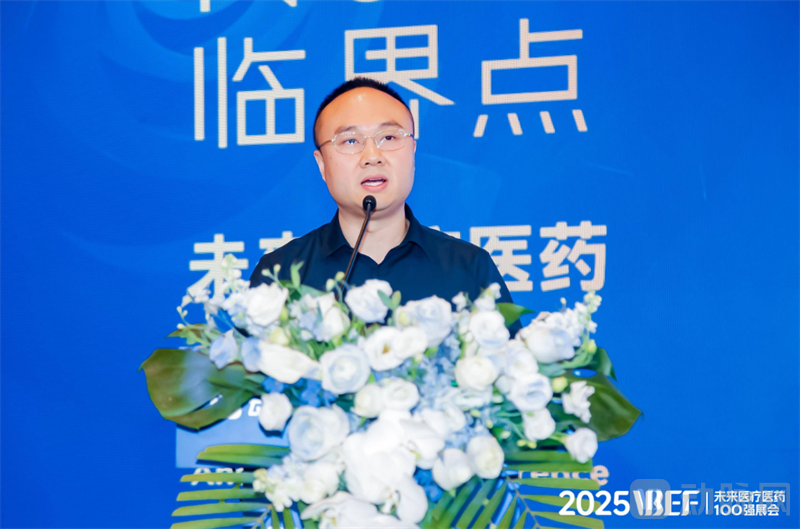
Qu Yi, Chairman and CEO of NaiteruiDelivered a speech titled “AI Empowers Data-Driven Growth in the Big Health Industry.” During the presentation, he emphasized that while corporate demand for digitalization remains robust, the traditional project-based pricing model tied to manual labor is unsustainable. It is essential to help enterprises transform their production relations and facilitate their smooth transition into the digital era. Opportunities belong to those who can envision the future.

Feng Peigen, Chairman of Haihu HealthSharing the presentation titled “Digital Empowerment for Ecological Integration: Digital Medical Industrial Parks Facilitating a New Paradigm of Industry Compliance Development.” He stated that Haihu Health’s Digital Medical Industrial Park has entered its 3.0 era. It not only empowers partner enterprises by providing multi-dimensional support in technology, investment, operations, and policy, but also leverages the park’s extensive resource network to co-create high-quality projects with service-oriented companies. These initiatives include building an ecosystem for commercial insurance platforms, developing chain pharmacy services, and conducting real-world data research.
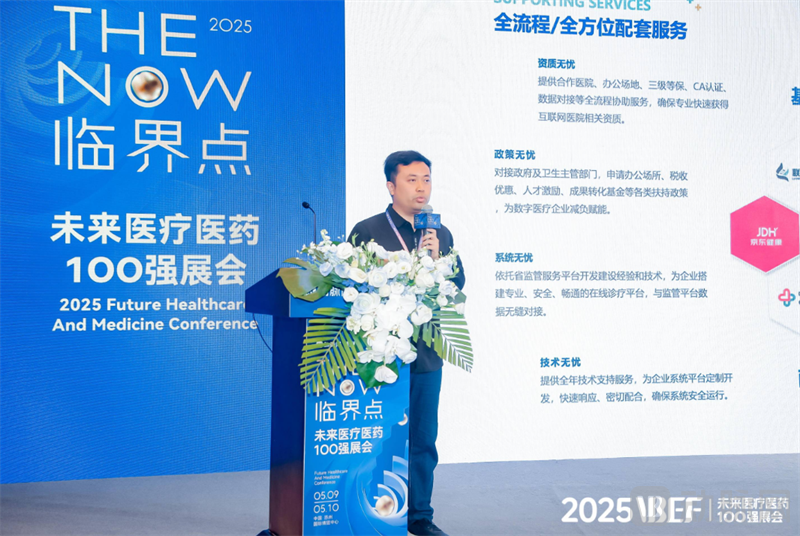
Zhang Yinjun, Head of Digital Health Solutions for Kingsoft Cloud’s Industry CloudHe shared insights on “Building an Integrated Data Platform as the Digital Heart of Smart Hospitals.” He pointed out that in the era of smart healthcare, there is a need for more comprehensive, higher-quality, and real-time data to help AI identify current scenarios and contexts during diagnosis and treatment, and make real-time judgments. However, previous platform architectures faced challenges such as slow processing speeds, lack of support for unstructured data storage, and high operational costs. Kingsoft Cloud provides a full-suite solution ranging from data collection to data analysis, empowering hospitals to obtain medical data that is “comprehensive, fast, and high-quality,” thereby enhancing their core competitiveness.
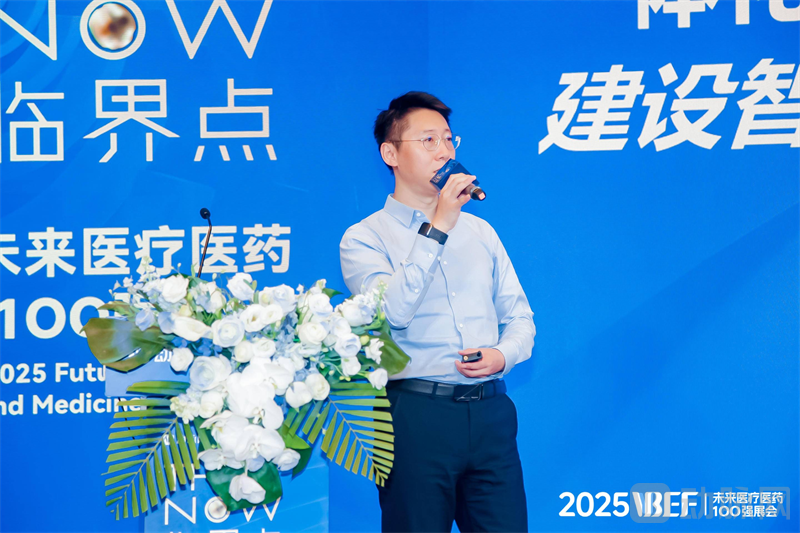
Currently, as internet healthcare and smart healthcare enter a new phase of development, comprehensive industry exploration will bring about new changes and possibilities. We believe that with continued and in-depth exploration, internet healthcare and smart healthcare will truly achieve universal accessibility, benefiting every patient.